
According to insights from Real Time Data Stats, the Synthetic Metabolic Pathways Market was valued at USD 2.7 billion in 2025. It is expected to grow from USD 3.1 billion in 2026 to USD 8.4 billion by 2033, registering a CAGR of 15.3% during the forecast period (2026–2033).
MARKET SIZE AND SHARE
The synthetic metabolic pathways market is driven by rising demand for sustainable bio-production solutions. Growth is supported by advances in synthetic biology, gene engineering, and computational design tools that enable the creation of efficient pathways for chemical, agricultural, and pharmaceutical manufacturing, reducing dependence on conventional production methods.
Market share is currently concentrated among established biotechnology companies and specialized synthetic biology innovators. However, growing participation from pharmaceutical, agricultural, and chemical corporations is reshaping the competitive landscape. Strategic partnerships, acquisitions, and research collaborations are accelerating market expansion, while continuous innovation remains the key factor influencing future market leadership and shareholder value.
INDUSTRY OVERVIEW AND STRATEGY
The synthetic metabolic pathways industry focuses on engineering cellular processes to produce valuable compounds, revolutionizing sectors like chemicals, fuels, and medicine. It sits at the convergence of biology, engineering, and data science. The core objective is to design, construct, and optimize enzymatic routes within microorganisms, creating efficient cellular factories. This field moves beyond single-gene edits to orchestrate complex, multi-step biochemical networks for manufacturing sustainability.
Winning strategies hinge on robust R&D investment in pathway design and strain engineering. Companies are building proprietary bio-foundries, automating design-build-test-learn cycles. Key strategic moves include forming alliances with end-users in target industries to co-develop products and secure offtake agreements. Protecting intellectual property around chassis organisms, novel enzymes, and computational models is paramount. Success requires balancing long-term platform development with focused, commercial pipeline products.
Analyst Key Takeaways:
The Synthetic Metabolic Pathways market is experiencing strong momentum as biotechnology companies increasingly adopt engineered biological pathways to enhance the production efficiency of pharmaceuticals, bio-based chemicals, specialty materials, and sustainable fuels. Advances in synthetic biology, metabolic engineering, and computational design tools are enabling the development of highly optimized microbial and cellular systems, reducing development timelines and improving production yields. Growing demand for sustainable manufacturing alternatives is further accelerating investment in pathway engineering technologies.
A key trend shaping the market is the integration of artificial intelligence, automation, and digital biomanufacturing platforms into pathway design and optimization workflows. Organizations are leveraging predictive modeling and high-throughput screening to identify novel metabolic routes and improve strain performance. Increased collaboration between biotechnology firms, academic institutions, and industrial manufacturers is also fostering innovation, supporting the commercialization of next-generation bio-based products across healthcare, agriculture, food, and industrial biotechnology applications.
REGIONAL TRENDS AND GROWTH
North America currently leads, powered by strong venture capital, advanced research infrastructure, and a dense network of biotech startups. Europe follows closely, with significant public funding and a strong policy push toward a circular bioeconomy. The Asia-Pacific region is the fastest-growing market, driven by massive industrial fermentation capacity, government bio-manufacturing initiatives, and escalating demand for green alternatives, particularly in China and South Korea.
Primary growth drivers include the urgent need for sustainable manufacturing and climate-friendly solutions. Key restraints are high R&D costs, technical complexity in pathway balancing, and scalability challenges. Opportunities abound in creating drop-in biofuels, rare pharmaceuticals, and novel biomaterials. Significant challenges involve public acceptance, regulatory hurdles for genetically modified organisms, and the need for substantial capital investment to transition from lab-scale proof-of-concept to cost-competitive industrial production.
SYNTHETIC METABOLIC PATHWAYS MARKET SEGMENTATION ANALYSIS
BY TYPE:
The Engineered Enzymes segment leads due to their ability to accelerate biochemical reactions, increase pathway specificity, and maintain stability under industrial conditions. These enzymes are widely adopted in pharmaceutical, biofuel, and industrial biochemical applications because they optimize yields and reduce byproducts. Synthetic Pathway Modules provide modular and scalable solutions for constructing complex metabolic networks, allowing companies to rapidly prototype and integrate new pathways. Metabolic Switches enable precise regulation of pathway activity, improving efficiency and minimizing resource wastage. Artificial Organelles enhance localized reaction environments, increasing conversion rates and facilitating complex biosynthesis in microbial and mammalian systems. Co-factor Regeneration Systems ensure continuous metabolic activity by recycling essential cofactors, enhancing overall productivity. Biosynthetic Pathway Kits support standardized, rapid pathway assembly, enabling research institutions and industrial developers to accelerate innovation cycles.
Dominance in this segment is driven by technological integration, such as CRISPR-mediated enzyme optimization and computational modeling for pathway design. Industrial demand for sustainable biofuels, high-value pharmaceuticals, and specialty chemicals fuels adoption, while academic and CRO applications leverage pathway kits for experimentation and rapid testing. The combination of modularity, scalability, and high efficiency positions these types as essential drivers of market growth.
BY APPLICATION:
Biofuel Production dominates as governments and industries prioritize sustainable energy, with engineered pathways increasing conversion efficiency of biomass and algae into bioethanol, biodiesel, and advanced fuels. Pharmaceutical Synthesis benefits from high-specificity enzymatic transformations, enabling cost-effective production of complex biologics, small-molecule drugs, and antibiotics. Industrial Biochemicals rely on synthetic pathways for efficient synthesis of amino acids, organic acids, and specialty chemicals at scale. Nutraceuticals & Functional Foods utilize engineered pathways to produce vitamins, antioxidants, and probiotics with consistent quality and bioactivity. Agricultural Biotechnology leverages synthetic pathways to generate bio-stimulants, biopesticides, and enhanced plant metabolites, improving crop yield and sustainability. Environmental Bioremediation employs metabolic networks for degradation of pollutants and recycling of industrial waste, aligning with global sustainability initiatives.
The application segment is propelled by regulatory support, technological advancements, and the rising demand for eco-friendly, high-value products. Biofuel and pharmaceutical applications generate the highest revenue due to large-scale adoption and complex production needs, while nutraceuticals and environmental remediation benefit from flexibility, cost-effectiveness, and sustainable production. Cross-sector collaborations between research institutions, startups, and industrial players further accelerate pathway adoption across applications.
BY HOST ORGANISM:
Bacteria-Based Systems dominate due to rapid growth rates, ease of genetic manipulation, and high adaptability for large-scale fermentation. Yeast-Based Systems offer eukaryotic processing capabilities, enabling complex post-translational modifications essential for pharmaceuticals and high-value biochemicals. Algae-Based Systems are emerging for biofuel and metabolite production, leveraging photosynthetic efficiency and renewable feedstocks. Plant Cell Cultures provide reliable production of secondary metabolites and nutraceutical compounds, while Mammalian Cell Cultures are essential for therapeutic proteins and biologics requiring human-like modifications. Cell-Free Systems facilitate rapid pathway prototyping without cellular constraints, reducing development time and enhancing flexibility in research and industrial applications.
Dominant factors include host efficiency, compatibility with engineered pathways, and scalability. Microbial systems dominate industrial processes due to cost-effectiveness and rapid growth, while eukaryotic hosts cater to complex molecule production. Integration with synthetic biology tools, such as modular pathways and genome editing, enhances host versatility and enables tailored solutions for diverse market demands.
BY TECHNOLOGY:
CRISPR/Cas Systems dominate because they enable precise genome editing, allowing targeted pathway optimization and strain improvement. Recombinant DNA Technology remains fundamental for constructing synthetic pathways for industrial-scale production. Metabolic Flux Analysis identifies pathway bottlenecks and optimizes yield efficiency. Synthetic Circuit Design allows programmable control over metabolic networks, improving process reliability and resource utilization. Omics-Guided Engineering leverages genomics, proteomics, and metabolomics to guide rational pathway design, reducing trial-and-error approaches. High-Throughput Screening accelerates evaluation of multiple pathway variants, facilitating rapid selection of high-performing systems.
The technology segment is driven by integration with computational tools and automation platforms, enabling precise pathway control, iterative optimization, and reduced development costs. CRISPR and synthetic circuits enable dynamic regulation, while omics-guided engineering ensures efficiency across biofuel, pharmaceutical, and industrial chemical applications. High-throughput approaches provide competitive advantages through accelerated commercialization and improved yield consistency.
BY END USER:
Biopharmaceutical Companies lead adoption due to high demand for complex molecule synthesis and biologics production. Biofuel Manufacturers leverage synthetic pathways to improve feedstock conversion and reduce operational costs. Industrial Biotechnology Firms focus on bulk production of specialty and commodity chemicals using optimized metabolic pathways. Agricultural Biotech Companies utilize pathways for bio-stimulants, biopesticides, and plant growth regulators. Research & Academic Institutions drive innovation through pathway prototyping, strain engineering, and proof-of-concept studies. Contract Research Organizations (CROs) offer pathway design, optimization, and analytical services, supporting industrial adoption.
Dominance is influenced by scalability, cost-efficiency, and regulatory compliance. Biopharmaceutical and biofuel sectors contribute significantly to revenue, while CROs and research institutions fuel technological innovation. Collaborative networks between end users accelerate commercialization, enabling rapid translation from laboratory development to industrial production.
BY PRODUCT TYPE:
Enzyme Cocktails dominate as they provide multi-enzyme solutions for complex pathway catalysis, enhancing efficiency and reducing reaction times. Pathway Engineering Kits enable standardized construction of synthetic metabolic networks, accelerating R&D cycles. Modular Genetic Constructs offer flexible assembly options for designing custom pathways tailored to specific products. Metabolite Precursors are essential for downstream biochemical and pharmaceutical synthesis. Synthetic Cofactors support enzymatic reactions by maintaining critical cofactor levels, increasing productivity. Analytical Tools for Pathway Optimization enable monitoring and refinement of metabolic flux, ensuring high yields and consistent performance.
Market dominance is driven by demand for high-throughput, reliable, and scalable solutions. Product versatility, ease of integration, and compatibility with multiple host systems allow these offerings to serve industrial, pharmaceutical, and research applications effectively. The ability to enhance reaction efficiency, minimize byproducts, and accelerate development cycles further reinforces their market leadership.
BY PLATFORM:
Microbial Fermentation Platforms dominate due to cost-effectiveness, scalability, and compatibility with a wide range of hosts and products. Cell-Free Synthesis Platforms enable rapid prototyping and flexible pathway optimization without cellular constraints. Bioreactor Systems provide controlled environments for high-volume production with consistent yield. Continuous Flow Bioprocessing supports enhanced efficiency and reproducibility for industrial applications. Modular Synthetic Biology Platforms allow easy customization and integration of pathways, while Automated Strain Engineering Platforms accelerate strain development and optimization for high-yield production.
Dominant factors include operational efficiency, scalability, and adaptability across multiple applications. Platforms that integrate automation and real-time monitoring enhance productivity and reduce development cycles. Industrial adoption favors systems offering predictable performance, high yields, and seamless integration with existing production workflows.
BY PROCESS STAGE:
Strain Development leads by enabling the creation of host organisms optimized for high-yield pathways. Pathway Design & Modeling ensures rational assembly and performance prediction, reducing experimental errors. Pathway Assembly & Integration combines individual modules into functional networks for reliable output. Optimization & Scale-Up enhances yield and productivity while maintaining cost-effectiveness. Analytical & Monitoring tracks pathway performance, flux, and product quality. Commercial Production represents the final stage where optimized pathways are deployed at industrial scale for revenue generation.
Dominant factors include efficiency, scalability, and yield optimization. Early-stage engineering and design influence downstream productivity, while real-time analytics ensure consistent performance. Integration across all stages, from laboratory to commercial deployment, ensures operational reliability and maximizes industrial and commercial output.
BY MARKET OFFERING:
Products dominate through enzyme kits, pathway modules, and analytical tools that directly support pathway construction and optimization. Services include consulting, pathway design, and analytical support, facilitating industrial and research adoption. Software Tools offer modeling, simulation, and pathway optimization capabilities. Consulting & Advisory provides strategic guidance for implementation and commercialization. Training & Education ensures knowledge transfer and capability building for pathway design and host engineering. Licensing & Partnerships enable access to proprietary pathways, technologies, and collaborative R&D opportunities.
Dominant factors include scalability, reliability, and technical support. Product offerings drive industrial and research applications, while services and partnerships accelerate adoption and commercialization. Software and training complement product usage by enhancing efficiency and expertise, reinforcing overall market growth.
RECENT DEVELOPMENTS
- In Jan 2024: Ginkgo Bioworks expanded its enzyme discovery platform, partnering with a major pharmaceutical firm to develop novel antimicrobial synthesis pathways, aiming to combat drug-resistant infections.
- In May 2024: Zymergen launched its first commercial-scale production of a bio-based film using engineered pathways, marking a significant shift from R&D to manufacturing for sustainable materials.
- In Aug 2024: Amyris successfully restructured and divested non-core brands to refocus capital entirely on its core synthetic biology platform and high-value molecule pipeline development.
- In Nov 2024: Genomatica and Asahi Kasei announced a joint venture to construct a world-scale plant for bio-BDO (1,4-butanediol) in North America, scaling its bio-based chemical pathway.
- In Feb 2025: Twist Bioscience introduced a high-throughput DNA synthesis platform specifically optimized for assembling large, complex metabolic pathway constructs, reducing development time.
- In Jun 2025: LanzaTech partnered with a leading energy company to deploy its gas fermentation pathway at an industrial waste gas site in Europe, converting carbon emissions into ethanol.
KEY PLAYERS ANALYSIS
- Ginkgo Bioworks
- Amyris, Inc.
- Zymergen
- Genomatica
- LanzaTech
- Twist Bioscience
- Codexis, Inc.
- Synthetic Genomics (Ginkgo)
- Impossible Foods (Pathway IP)
- Novozymes A/S
- BASF SE (Biotech Division)
- DSM-Firmenich
- Kaneka Corporation
- Evonik Industries AG
- Bayer AG (Leaps by Bayer)
- Cargill (Bioindustrial)
- DuPont de Nemours, Inc.
- Arzeda
- Inscripta
- Debut Biotechnology
Synthetic Metabolic Pathways Market Segmentation Analysis
By Type:
- Engineered Enzymes
- Synthetic Pathway Modules
- Metabolic Switches
- Artificial Organelles
- Co-factor Regeneration Systems
- Biosynthetic Pathway Kits
By Application:
- Biofuel Production
- Pharmaceutical Synthesis
- Industrial Biochemicals
- Nutraceuticals & Functional Foods
- Agricultural Biotechnology
- Environmental Bioremediation
By Host Organism:
- Bacteria-Based Systems
- Yeast-Based Systems
- Algae-Based Systems
- Plant Cell Cultures
- Mammalian Cell Cultures
- Cell-Free Systems
By Technology:
- CRISPR/Cas Systems
- Recombinant DNA Technology
- Metabolic Flux Analysis
- Synthetic Circuit Design
- Omics-Guided Engineering
- High-Throughput Screening
By End User:
- Biopharmaceutical Companies
- Biofuel Manufacturers
- Industrial Biotechnology Firms
- Agricultural Biotech Companies
- Research & Academic Institutions
- Contract Research Organizations (CROs)
By Product Type:
- Enzyme Cocktails
- Pathway Engineering Kits
- Modular Genetic Constructs
- Metabolite Precursors
- Synthetic Cofactors
- Analytical Tools for Pathway Optimization
By Platform:
- Microbial Fermentation Platforms
- Cell-Free Synthesis Platforms
- Bioreactor Systems
- Continuous Flow Bioprocessing
- Modular Synthetic Biology Platforms
- Automated Strain Engineering Platforms
By Process Stage:
- Strain Development
- Pathway Design & Modeling
- Pathway Assembly & Integration
- Optimization & Scale-Up
- Analytical & Monitoring
- Commercial Production
By Market Offering:
- Products
- Services
- Software Tools
- Consulting & Advisory
- Training & Education
- Licensing & Partnerships
By Geography:
- North America (USA, Canada, Mexico)
- Europe (UK, Germany, France, Italy, Spain, Rest of Europe)
- Asia-Pacific (China, Japan, Australia, South Korea, India, Rest of Asia-Pacific)
- South America (Brazil, Argentina, Rest of South America)
- Middle East and Africa (GCC Countries, South Africa, Rest of MEA)
Synthetic Metabolic Pathways Market: Table of Contents
Executive Summary
- Market Snapshot
- Key Findings
- Demand–Supply Overview
- Major Growth Drivers
- Key Restraints
- Emerging Opportunities
- Analyst Recommendations
- Strategic Outlook
Market Introduction
- Definition of Synthetic Metabolic Pathways
- Scope of the Study
- Research Objectives
- Market Boundaries and Inclusions
- Exclusions and Limitations
Industry Evolution Overview
- Value Chain Overview
- Stakeholder Analysis
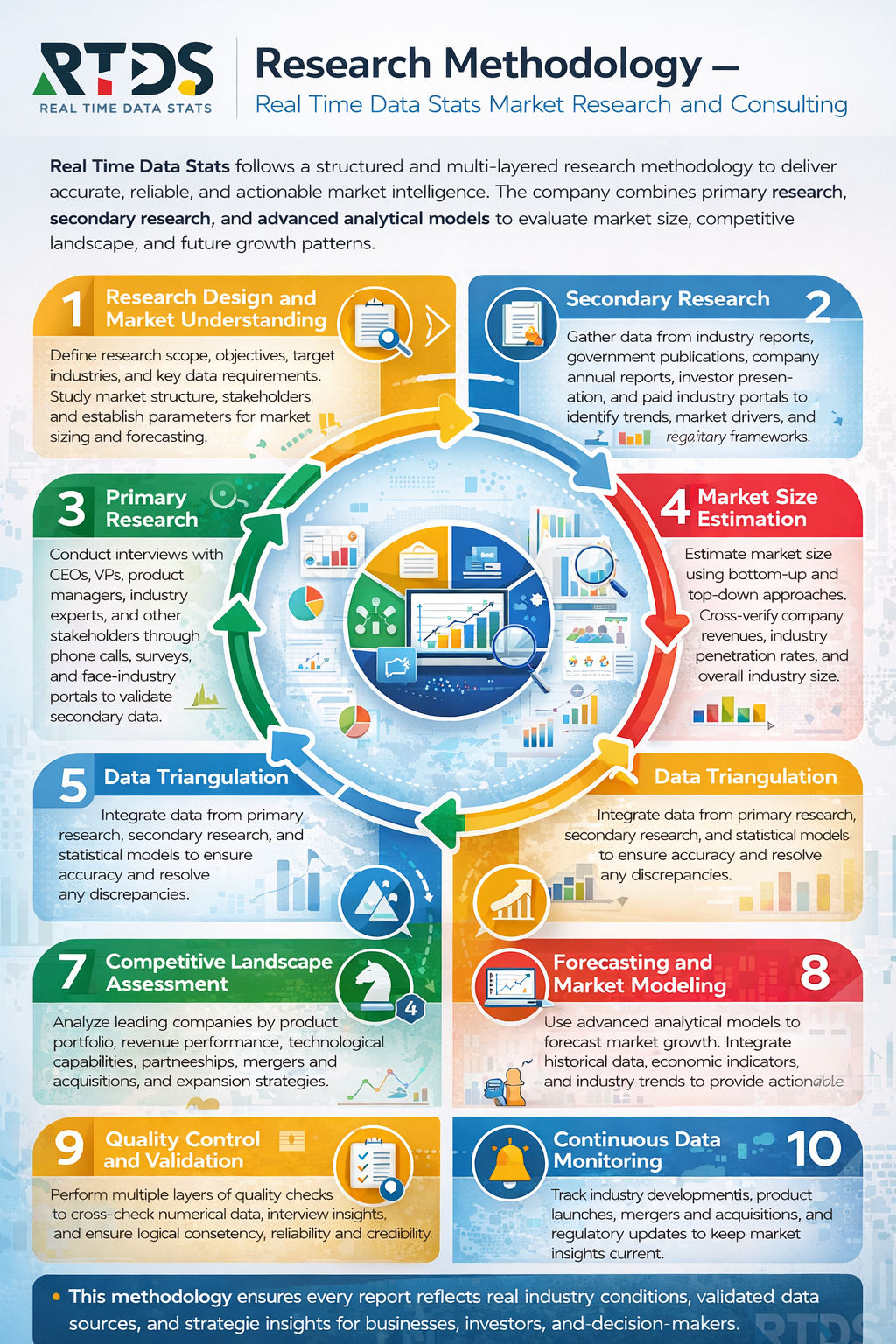
- Research Methodology
- Primary Research Approach
- Secondary Research Sources
- Data Validation Techniques
- Market Size Estimation Model
Forecasting Methodology
- Assumptions and Limitations
- Analytical Tools Used
- Market Dynamics
- Market Drivers
- Market Restraints
- Market Opportunities
- Market Challenges
- Industry Trends
- Technological Advancements
Regulatory Landscape
- Investment Trends
- Global Market Size & Forecast
- Historical Market Analysis
- Current Market Valuation
- Future Market Projections
- Growth Rate Analysis
- Revenue Trends
- Volume Trends
Synthetic Metabolic Pathways Market Segmentation Analysis
- By Type:
- Engineered Enzymes
- Synthetic Pathway Modules
- Metabolic Switches
- Artificial Organelles
- Co-factor Regeneration Systems
- Biosynthetic Pathway Kits
- By Application:
- Biofuel Production
- Pharmaceutical Synthesis
- Industrial Biochemicals
- Nutraceuticals & Functional Foods
- Agricultural Biotechnology
- Environmental Bioremediation
- By Host Organism:
- Bacteria-Based Systems
- Yeast-Based Systems
- Algae-Based Systems
- Plant Cell Cultures
- Mammalian Cell Cultures
- Cell-Free Systems
- By Technology:
- CRISPR/Cas Systems
- Recombinant DNA Technology
- Metabolic Flux Analysis
- Synthetic Circuit Design
- Omics-Guided Engineering
- High-Throughput Screening
- By End User:
- Biopharmaceutical Companies
- Biofuel Manufacturers
- Industrial Biotechnology Firms
- Agricultural Biotech Companies
- Research & Academic Institutions
- Contract Research Organizations (CROs)
- By Product Type:
- Enzyme Cocktails
- Pathway Engineering Kits
- Modular Genetic Constructs
- Metabolite Precursors
- Synthetic Cofactors
- Analytical Tools for Pathway Optimization
- By Platform:
- Microbial Fermentation Platforms
- Cell-Free Synthesis Platforms
- Bioreactor Systems
- Continuous Flow Bioprocessing
- Modular Synthetic Biology Platforms
- Automated Strain Engineering Platforms
- By Process Stage:
- Strain Development
- Pathway Design & Modeling
- Pathway Assembly & Integration
- Optimization & Scale-Up
- Analytical & Monitoring
- Commercial Production
- By Market Offering:
- Products
- Services
- Software Tools
- Consulting & Advisory
- Training & Education
- Licensing & Partnerships
Regional Analysis
- North America Market
- Europe Market
- Asia-Pacific Market
- Latin America Market
- Middle East & Africa Market
Competitive Landscape
- Market Share Analysis
- Competitive Benchmarking
- Strategic Initiatives
- Mergers & Acquisitions
- Partnerships & Collaborations
New Product Launches
- R&D Investments
- Company Profiles
- Company Overview
- Financial Performance
- Product Portfolio
- Strategic Developments
- SWOT Analysis
Supply Chain Analysis
- Raw Material Suppliers
- Technology Providers
- Manufacturers
- Distributors
- End-Use Industries
- Pricing Analysis
- Regional Pricing Trends
Component Pricing
- Technology Cost Comparison
- Profit Margin Analysis
- Regulatory & Compliance Framework
- International Regulations
- Safety Standards
- Ethical Guidelines
- Approval Processes
Innovation & Future Outlook
- Pipeline Technologies
- Emerging Research Areas
- Patent Analysis
- Future Industry Roadmap
Conclusion
- Summary of Market Trends
- Key Drivers and Restraints
- Growth Opportunities
- Technology & Innovation Outlook
- Future Market Forecast
Appendix
- Abbreviations
- Glossary of Terms
- Research References
- Data Sources
- Author Details
List of Tables
- Table:1: Global Market Size by Year
- Table:2: Market Growth Rate by Region
- Table:3: Component-Wise Revenue Analysis
- Table:4: Application-Wise Market Share
- Table:5: End User Revenue Distribution
- Table:6: Technology Adoption Rates
- Table:7: Regional Investment Trends
- Table:8: Competitive Market Share
- Table:9: Pricing Comparison by Region
- Table:10: Regulatory Compliance Matrix
- Table:11: Supply Chain Participants
- Table:12: Patent Filing Statistics
- Table:13: R&D Spending Analysis
- Table:14: Import–Export Data
- Table:15: Forecast Revenue Projections
List of Figures
- Figure:1: Synthetic Metabolic Pathways Market Overview Diagram
- Figure:2: Market Growth Trend Graph
- Figure:3: Value Chain Illustration
- Figure:4: Segmentation Pie Chart by Component
- Figure:5: Application Distribution Chart
- Figure:6: End User Share Graph
- Figure:7: Regional Revenue Map
- Figure:8: Technology Adoption Curve
- Figure:9: Competitive Landscape Matrix
- Figure:10: Supply Chain Flowchart
- Figure:11: Pricing Trend Line
- Figure:12: Investment Heat Map
- Figure:13: Patent Trend Graph
- Figure:14: Forecast Growth Curve
- Figure:15: Future Opportunity Landscape Char
Synthetic Metabolic Pathways Market Key Factors
Drivers:
- Increasing demand for sustainable bio-based chemicals and materials pushes industry adoption.
- Expanding synthetic biology toolkits enable more efficient and complex pathway engineering.
- Growing investments in R&D from both public and private sectors accelerate technological advancements.
Restraints:
- High capital and operational costs hinder widespread commercialization and scaling.
- Technical complexities in pathway optimization and host organism engineering create bottlenecks.
- Unclear and evolving regulatory frameworks for engineered organisms delay product launches.
Opportunities:
- Developing novel pathways for high-value pharmaceuticals and rare compounds opens new revenue streams.
- Utilizing waste carbon feedstocks presents a cost-effective and sustainable production model.
- Expanding applications into agriculture and environmental remediation broadens the market scope.
Challenges:
- Achieving scalable and economically viable yields remains a significant technical hurdle.
- Public perception and acceptance of genetically modified organisms vary across regions.
- Intellectual property disputes over foundational tools and genetic parts can slow innovation.
Synthetic Metabolic Pathways Market Key Regional Trends
North America:
- Strong venture capital funding fuels startup growth and early-stage research.
- Major pharmaceutical and chemical firms actively form partnerships with synthetic biology platforms.
- Regulatory agencies work to develop clearer guidelines for commercializing engineered products.
Europe:
- Policy focus on circular economy principles drives research into waste-to-chemical pathways.
- Significant public funding targets climate-friendly industrial biotechnology solutions.
- Consumer sentiment drives cautious and stringent regulatory approaches for GMO applications.
Asia-Pacific:
- Governments invest heavily in national biotechnology initiatives to build domestic capabilities.
- Industries rapidly adopt microbial fermentation for chemical and material production at scale.
- Cost-competitive manufacturing bases attract partnerships for piloting and production.
Frequently Asked Questions
Key Questions Answered
- What is the size and growth rate of the market industry?
- What are the main drivers influencing market growth trends?
- What are the key challenges and restraints faced by the market?
- What are the emerging trends and opportunities shaping the market?
- Who are the top players, and what strategies drive their success?
- What are the customer demographics and their buying behaviors?
- What are the key market segments, and what is their scope?
- What are the geographical dynamics, and which region dominates?
- What are the market forecasts and projections for the next decade?
- What regulatory factors are critical to consider for market growth?
Why Choose our Company?
- Major facts and stats backing every report we offer.
- Comprehensive analysis tailored to your business needs.
- Accurate insights backed by extensive market research.
- Expert support to address your queries promptly.
- Data-driven strategies for better decision-making.
- In-depth reports with actionable
recommendations. - Reliable statistics from trusted industry
sources. - Customizable reports to suit your specific goals.
- Unmatched quality and precision in market analysis.
- Competitive pricing with premium content delivery.
Share your experience!
We value you feedback. Please take a moment to review your experience with us.