
According to insights from Real Time Data Stats, the Space Cryo Fuels Market was valued at USD 4.1 billion in 2025. It is expected to grow from USD 4.5 billion in 2026 to USD 8.8 billion by 2033, registering a CAGR of 10.1% during the forecast period (2026–2033).
MARKET SIZE AND SHARE
The global space cryo fuels market is expanding steadily, driven by rising launch frequencies, increasing satellite deployments, and growing demand for deep-space exploration missions. Market share is currently concentrated among established aerospace companies and launch service providers that dominate cryogenic fuel production, storage, and logistics infrastructure. At the same time, emerging commercial space enterprises are gradually capturing niche opportunities through innovative technologies and cost-effective solutions, contributing to a more dynamic competitive environment.
Market share analysis indicates that integrated aerospace primes continue to maintain a leading position through long-term government and commercial contracts. Their control over launch systems, fueling infrastructure, and proprietary technologies enables them to secure a significant portion of industry revenue. Strategic investments in next-generation fuel depots, orbital refueling capabilities, and space mobility services are expected to strengthen their market positions as the industry evolves from traditional launch propellants toward a broader in-space fuel economy, reshaping value distribution across the supply chain.
INDUSTRY OVERVIEW AND STRATEGY
The industry centers on producing, storing, and handling liquefied gases like liquid hydrogen and methane for rocket propulsion. It is a critical, high-value enabler for modern space access. Key players implement vertical integration strategies to control supply chains and ensure mission-critical reliability. Concurrently, partnerships between fuel specialists and launch operators are commonplace to co-develop standardized fueling infrastructure. A core strategic focus is advancing in-situ resource utilization technologies to future-proof operations for lunar and Martian missions.
Competitive strategy increasingly revolves around establishing technical standards and securing first-mover advantages in orbital refueling. Companies are diversifying beyond Earth-launch fuels to develop space-based cryogenic fuel transfer and storage capabilities. This strategic shift positions them not just as suppliers, but as essential logistics partners for sustained lunar presence and cislunar economy development, leveraging proprietary handling technology as a key market barrier.
Analyst Key Takeaways:
The Space Cryo Fuels market is gaining momentum due to the increasing adoption of cryogenic propellants in next-generation launch vehicles, reusable rocket systems, and deep-space exploration missions. Growing investments in lunar exploration programs, commercial satellite deployment, and government-backed space initiatives are accelerating demand for liquid hydrogen, liquid oxygen, and other high-performance cryogenic fuels. Advancements in fuel storage, thermal insulation, and in-orbit refueling technologies are further enhancing the operational viability of cryogenic propulsion systems.
Commercial spaceflight expansion and the rising frequency of orbital launches are expected to remain key growth catalysts throughout the forecast period. Market participants are focusing on improving fuel efficiency, reducing storage losses, and developing sustainable propulsion solutions to support long-duration missions. Strong collaboration between aerospace manufacturers, space agencies, and private launch service providers is fostering innovation, positioning cryogenic fuels as a critical component of future space transportation and exploration ecosystems.
REGIONAL TRENDS AND GROWTH
North America commands the largest market share, fueled by NASA's Artemis program and prolific private launch activity from companies like SpaceX and ULA. Europe and Asia-Pacific are significant, growing regions with strong government-backed space agency programs. Primary growth drivers include escalating satellite constellation deployments and interplanetary exploration initiatives. Major restraints involve extreme handling complexities and substantial infrastructure costs. The paramount challenge is establishing safe, widespread orbital and lunar refueling depots to enable sustainable deep-space logistics.
Future growth is heavily dependent on overcoming technical challenges in long-term cryogenic storage in microgravity. Opportunities abound in developing fuel depots and creating a lunar propellant supply chain using locally sourced water ice. Regulatory frameworks for space-based fuel handling and transfer present both a challenge and an opportunity for regions that establish early, clear standards, potentially dictating the geographic hubs for this emerging in-space commodity market.
SPACE CRYO FUELS MARKET SEGMENTATION ANALYSIS
BY TYPE:
The Liquid Hydrogen (LH2) segment dominates due to its high specific impulse, making it ideal for heavy-lift launch vehicles and deep-space missions. Liquid Oxygen (LOX) complements LH2 as an oxidizer, and together they form the backbone of most cryogenic propulsion systems. Increasing adoption of liquid methane by private space companies, such as SpaceX for reusability and storage efficiency, has also expanded its market share. Liquid nitrogen and helium are widely used for cooling and pressurization applications, and hydrocarbon-based cryogenic fuels provide cost-effective alternatives for shorter missions. The market’s growth in this segment is strongly influenced by technological advancements in fuel storage and handling, as well as rising investments in next-generation rockets.
Advancements in zero boil-off storage and automated fueling systems have further enhanced the efficiency and safety of cryogenic fuel usage, encouraging broader adoption across space agencies and commercial launch providers. Regulatory support and increasing space exploration missions globally continue to favor high-energy-density fuels like LH2/LOX, while the versatility of methane and helium ensures wider applicability across multiple mission profiles. Partnerships between fuel suppliers and launch service providers are driving reliability and supply chain optimization, solidifying the dominance of these key fuel types.
BY APPLICATION:
Launch vehicles remain the largest application segment due to the growing frequency of orbital and interplanetary missions. Cryogenic fuels are essential for achieving high thrust-to-weight ratios, making them indispensable for both government and commercial rockets. Space propulsion systems, including upper stages and interplanetary engines, rely heavily on cryogenic fuels to enable long-duration missions with high energy efficiency. Satellite fueling is expanding due to the rise in large satellite constellations, where on-orbit refueling solutions using cryogenic propellants are becoming increasingly viable. Space exploration missions, including lunar and Mars projects, drive adoption of fuels capable of long-term storage and deep-space reliability.
The increasing demand for space station resupply and deep-space missions highlights the importance of fuel stability and transport efficiency. Cryogenic fuels provide the high energy density required for extended-duration missions, reducing the overall mass and cost of launch. Innovations such as densified and slush fuels allow for better fuel management and higher payload efficiency, supporting mission-critical applications. Growing private sector involvement in space exploration, combined with government contracts and defense applications, reinforces cryogenic fuels’ critical role across all space applications.
BY PROPELLANT TYPE:
Bipropellant systems dominate due to their high performance and reliability, combining a fuel with an oxidizer for efficient combustion. Monopropellant systems are used for smaller thrusters and reaction control systems where simplicity and reliability are key. Hybrid propellants, along with gelled and solid cryogenic options, are gaining attention due to safety improvements and handling efficiency. Cryogenic slush propellants offer higher density, enabling smaller tank volumes and longer mission durations. These innovations are crucial for deep-space exploration and reusable launch vehicles.
The market is driven by technological advancements in propellant management, including automated transfer and densification techniques. Adoption of advanced bipropellant and hybrid systems is further supported by the push for reusable rockets and sustainable space missions, where maximizing fuel efficiency and minimizing boil-off losses are essential. Cryogenic propellant versatility allows for adaptation to multiple mission types, ensuring broad market penetration across commercial, government, and defense applications.
BY END-USER:
Space agencies dominate due to their high-frequency deep-space missions and the need for highly reliable cryogenic fuels. Private space companies are rapidly increasing market share as reusable rockets and commercial launch services grow. Defense and military applications rely on cryogenic fuels for high-performance propulsion systems, supporting strategic satellite launches and missile programs. Research institutions adopt cryogenic fuels primarily for experimental propulsion projects and advanced space technology testing. Satellite manufacturers and launch service providers benefit from partnerships with fuel suppliers to optimize performance, storage, and logistics.
End-user adoption is influenced heavily by funding availability, mission complexity, and regulatory compliance. Government contracts and commercial collaborations encourage private players to expand their capabilities, increasing demand for high-performance fuels like LH2/LOX and methane. The requirement for on-orbit refueling and long-duration mission support is driving the integration of cryogenic fuels into new applications, while strategic partnerships ensure secure supply chains for critical operations.
BY STORAGE TYPE:
Cryogenic tanks dominate due to their ability to store large volumes of fuel at extremely low temperatures while minimizing boil-off losses. Insulated dewars are widely used for transport and laboratory-scale applications. Spherical and cylindrical storage tanks provide flexibility in integration with launch vehicles and spacecraft. Tanker transport systems facilitate bulk movement of fuels to launch sites, while on-orbit storage modules enable refueling and extended missions in space. Innovations in thermal insulation and active cooling have significantly reduced fuel losses and improved safety.
The storage segment is driven by technological advancements in zero boil-off systems and automated fuel transfer, which increase operational efficiency and reduce mission risks. On-orbit storage solutions are becoming increasingly important as satellite servicing and interplanetary missions grow. Collaboration between storage technology providers and launch operators ensures reliable fuel delivery and enhanced mission flexibility, making storage innovations a critical factor in the market’s overall growth.
BY TECHNOLOGY:
Advanced cryogenic handling technologies, including automated fueling and densification techniques, dominate the market due to efficiency and reliability improvements. Zero boil-off storage systems reduce losses, extending mission duration and minimizing fuel waste. Cryogenic propellant transfer technology is critical for on-orbit refueling and satellite servicing. Thermal management systems and automated refueling innovations enhance safety and operational efficiency, particularly for deep-space missions.
Technological adoption is driven by rising demand for long-duration missions and reusable launch systems, where efficient fuel handling is essential. Integration of automation and monitoring systems ensures precise fuel management, reducing the risk of boil-off and leakage. Emerging technologies such as slush fuels and densified cryogens enable higher payload capacities, improving mission economics and reinforcing technology as a dominant growth factor.
BY LAUNCH VEHICLE TYPE:
Heavy-lift and super heavy-lift launch vehicles dominate due to high demand for deep-space missions, lunar exploration, and satellite deployment. Medium-lift and small-lift vehicles primarily serve commercial satellite launches and orbital missions. Reusable launch vehicles are gaining traction due to cost-effectiveness and sustainability, while expendable vehicles remain relevant for specialized payloads. The launch vehicle type segment is driven by mission-specific fuel efficiency, payload capacity, and reusability trends.
Technological innovation in propulsion and fuel management enables these vehicles to optimize performance with cryogenic fuels. Reusable vehicles rely on high-efficiency fuels to maximize operational turnaround, while heavy-lift rockets focus on payload-to-orbit ratios. Market growth is supported by increasing global launch demand, commercial space initiatives, and government-backed exploration programs, highlighting launch vehicle type as a core market driver.
BY MISSION TYPE:
Low Earth Orbit (LEO) missions dominate due to the growth of satellite constellations, Earth observation, and telecommunications. Geostationary Orbit (GEO) missions require high-performance cryogenic fuels for stable, long-duration operations. Lunar and Mars missions are increasingly driving demand for long-duration, high-energy-density fuels. Interplanetary and deep-space missions emphasize reliability, storage efficiency, and thermal stability, making cryogenic fuels indispensable.
The market is influenced by the growing focus on space exploration, satellite servicing, and interplanetary research. Cryogenic fuels’ adaptability to various mission profiles ensures their applicability across commercial, government, and defense sectors. Technological advances in fuel storage, transfer, and densification enable extended mission durations, while private sector participation accelerates adoption for emerging deep-space applications.
BY DISTRIBUTION CHANNEL:
Direct sales dominate due to strong partnerships between fuel suppliers, space agencies, and private launch companies. Distributors and dealers facilitate broader market reach for smaller-scale applications. Online sales are emerging for laboratory and research applications. Government contracts play a crucial role in securing large-scale procurement, while long-term supply agreements ensure reliability for repeated missions. Strategic partnerships between technology providers and launch operators strengthen supply chain efficiency and operational continuity.
Distribution channels are driven by mission-critical reliability, cost efficiency, and logistical convenience. Direct procurement ensures quality and compliance with technical specifications, whereas strategic agreements reduce operational risks. Collaborations between suppliers, distributors, and end-users enhance market penetration, particularly for international projects. The channel structure thus directly impacts fuel availability, mission success, and overall market growth.
RECENT DEVELOPMENTS
- In Jan 2024: SpaceX conducted successful suborbital tests of a new, larger-scale cryogenic propellant transfer system between Starship tanks, a critical step for orbital refueling.
- In May 2024: The European Space Agency (ESA) awarded major contracts to Airbus and a consortium to develop and demonstrate cryogenic refueling technology for the Moon, focusing on liquid hydrogen.
- In Aug 2024: Blue Origin announced the groundbreaking of its new, state-of-the-art liquid hydrogen production plant near Kennedy Space Center to secure its future fuel supply.
- In Nov 2024: NASA selected Lockheed Martin to build the first experimental lunar lander propellant depot, a precursor for sustained Artemis mission operations using cryo fuels.
- In Feb 2025: A consortium including Boeing and ULA announced a partnership to standardize cryogenic fuel interfaces for future commercial satellites, aiming to simplify in-orbit refueling.
KEY PLAYERS ANALYSIS
- SpaceX
- Blue Origin
- United Launch Alliance (ULA)
- Lockheed Martin
- Boeing
- Northrop Grumman
- Airbus
- ArianeGroup
- Mitsubishi Heavy Industries
- Jeff Bezos' Blue Origin
- Rocket Lab
- Firefly Aerospace
- Relativity Space
- ISRO (Indian Space Research Organisation)
- CNSA (China National Space Administration) contractors
- Arianespace
- Voyager Space
- Sierra Space
- Space Tug Company (Orbit Fab)
- HyImpulse Technologies
Space Cryo Fuels Market Segmentation Analysis
By Type:
- Liquid Hydrogen (LH2)
- Liquid Oxygen (LOX)
- Liquid Methane
- Liquid Nitrogen
- Liquid Helium
- Hydrocarbon-Based Cryogenic Fuels
By Application:
- Launch Vehicles
- Space Propulsion Systems
- Satellite Fueling
- Space Exploration Missions
- Space Station Resupply
- Deep Space Missions
By Propellant Type:
- Monopropellant
- Bipropellant
- Hybrid Propellant
- Solid Cryogenic Propellant
- Gelled Cryogenic Propellant
- Cryogenic Slush Propellant
By End-User:
- Space Agencies
- Private Space Companies
- Defense & Military
- Research Institutions
- Satellite Manufacturers
- Launch Service Providers
By Storage Type:
- Cryogenic Tanks
- Insulated Dewars
- Spherical Storage Tanks
- Cylindrical Storage Tanks
- Tanker Transport Systems
- On-Orbit Storage Modules
By Technology:
- Advanced Cryogenic Handling
- Zero Boil-Off Storage
- Cryogenic Propellant Transfer
- Propellant Densification
- Thermal Management Systems
- Automated Refueling Systems
By Launch Vehicle Type:
- Small-Lift Launch Vehicles
- Medium-Lift Launch Vehicles
- Heavy-Lift Launch Vehicles
- Super Heavy-Lift Launch Vehicles
- Reusable Launch Vehicles
- Expendable Launch Vehicles
By Mission Type:
- Low Earth Orbit (LEO) Missions
- Geostationary Orbit (GEO) Missions
- Lunar Missions
- Mars Missions
- Interplanetary Missions
- Deep Space Missions
By Distribution Channel:
- Direct Sales
- Distributors & Dealers
- Online Sales
- Government Contracts
- Long-Term Supply Agreements
- Strategic Partnerships
By Geography:
- North America (USA, Canada, Mexico)
- Europe (UK, Germany, France, Italy, Spain, Rest of Europe)
- Asia-Pacific (China, Japan, Australia, South Korea, India, Rest of Asia-Pacific)
- South America (Brazil, Argentina, Rest of South America)
- Middle East and Africa (GCC Countries, South Africa, Rest of MEA)
Space Cryo Fuels Market: Table of Contents
Executive Summary
- Market Introduction
- Market Definition
- Market Scope
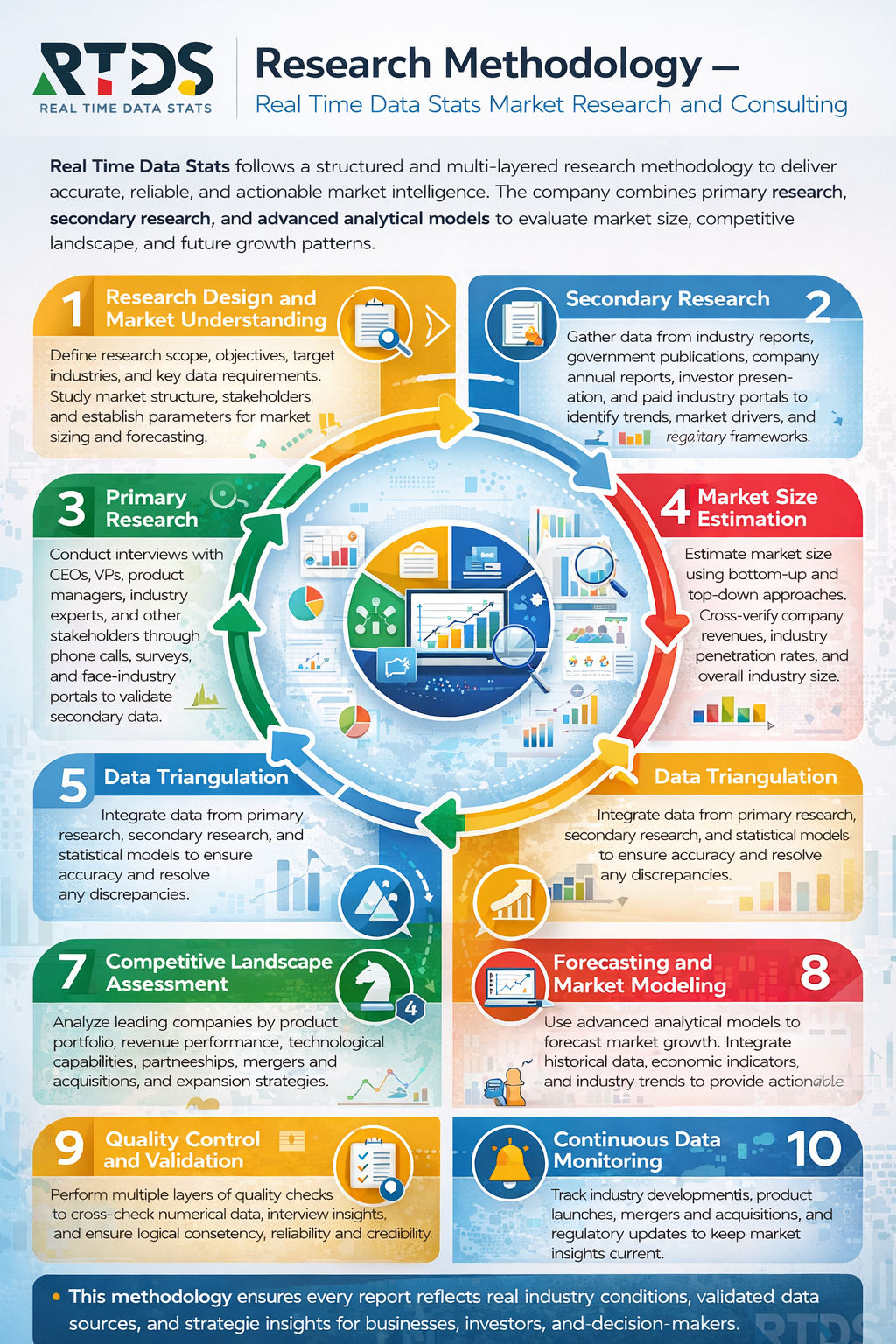
Research Methodology
- Assumptions and Limitations
- Acronyms and Abbreviations
- Market Overview
- Market Evolution and Historical Background
Industry Value Chain Analysis
- Ecosystem Analysis
- Pricing Analysis
- Regulatory Framework
- Patent Analysis
- Technological Advancements
- Innovation Landscape
- Investment Trends
- Funding and Venture Capital Landscape
Market Dynamics
- Market Drivers
- Market Restraints
- Market Opportunities
- Market Challenges
- Market Trends
Supply Side Analysis
- Demand Side Analysis
- Impact Analysis of Global Events
- Risk Assessment
Space Cryo Fuels Market Segmentation Analysis
- By Type:
- Liquid Hydrogen (LH2)
- Liquid Oxygen (LOX)
- Liquid Methane
- Liquid Nitrogen
- Liquid Helium
- Hydrocarbon-Based Cryogenic Fuels
- By Application:
- Launch Vehicles
- Space Propulsion Systems
- Satellite Fueling
- Space Exploration Missions
- Space Station Resupply
- Deep Space Missions
- By Propellant Type:
- Monopropellant
- Bipropellant
- Hybrid Propellant
- Solid Cryogenic Propellant
- Gelled Cryogenic Propellant
- Cryogenic Slush Propellant
- By End-User:
- Space Agencies
- Private Space Companies
- Defense & Military
- Research Institutions
- Satellite Manufacturers
- Launch Service Providers
- By Storage Type:
- Cryogenic Tanks
- Insulated Dewars
- Spherical Storage Tanks
- Cylindrical Storage Tanks
- Tanker Transport Systems
- On-Orbit Storage Modules
- By Technology:
- Advanced Cryogenic Handling
- Zero Boil-Off Storage
- Cryogenic Propellant Transfer
- Propellant Densification
- Thermal Management Systems
- Automated Refueling Systems
- By Launch Vehicle Type:
- Small-Lift Launch Vehicles
- Medium-Lift Launch Vehicles
- Heavy-Lift Launch Vehicles
- Super Heavy-Lift Launch Vehicles
- Reusable Launch Vehicles
- Expendable Launch Vehicles
- By Mission Type:
- Low Earth Orbit (LEO) Missions
- Geostationary Orbit (GEO) Missions
- Lunar Missions
- Mars Missions
- Interplanetary Missions
- Deep Space Missions
- By Distribution Channel:
- Direct Sales
- Distributors & Dealers
- Online Sales
- Government Contracts
- Long-Term Supply Agreements
- Strategic Partnerships
Regional Analysis
- North America Market Analysis
- Europe Market Analysis
- Asia Pacific Market Analysis
- Latin America Market Analysis
- Middle East & Africa Market Analysis
Competitive Landscape
- Market Share Analysis
- Company Positioning Matrix
- Strategic Developments
- Mergers & Acquisitions
- Partnerships & Collaborations
- Product Launches
- R&D Investments
- Expansion Strategies
Company Profiles
- Overview
- Financial Performance
- Product Portfolio
- Strategic Initiatives
- SWOT Analysis
Future Outlook and Forecast Analysis
- Market Size Forecast
- Growth Projections
- Segment-wise Forecast
- Regional Forecast
- Scenario Analysis
Conclusion
- Summary of Market Trends
- Key Drivers and Restraints
- Growth Opportunities
- Technology & Innovation Outlook
- Future Market Forecast
Appendix
- Research Method References
- Data Sources
- Disclaimer
List of Tables
- Table:1: Global Space Cryo Fuels Market Size Overview
- Table:2: Historical Market Revenue Analysis
- Table:3: Market Growth Rate Comparison by Region
- Table:4: Fuel Type Market Share Analysis
- Table:5: Storage Technology Adoption Rates
- Table:6: Application-Wise Revenue Distribution
- Table:7: End User Demand Analysis
- Table:8: Distribution Channel Share Analysis
- Table:9: Regulatory Framework Comparison
- Table:10: Pricing Trend Analysis
- Table:11: Investment and Funding Overview
- Table:12: Competitive Market Share Analysis
- Table:13: Company Revenue Benchmarking
- Table:14: Forecast Market Size by Segment
- Table:15: Regional Forecast Comparison
List of Figures
- Figure:1: Space Cryo Fuels Market Value Chain Diagram
- Figure:2: Industry Ecosystem Map
- Figure:3: Market Dynamics Illustration
- Figure:4: Fuel Type Segmentation Chart
- Figure:5: Storage Technology Comparison Graph
- Figure:6: Application Distribution Pie Chart
- Figure:7: End User Share Visualization
- Figure:8: Regional Market Share Map
- Figure:9: Competitive Positioning Matrix
- Figure:10: Investment Trend Graph
- Figure:11: Technology Advancement Timeline
- Figure:12: Supply–Demand Analysis Chart
- Figure:13: Market Forecast Growth Curve
- Figure:14: Strategic Development Flowchart
- Figure:15: Global Market Outlook Visualization
Space Cryo Fuels Market Key Factors
Drivers:
- Expanding government and private lunar and deep-space exploration programs increase fuel demand.
- Rising satellite deployments, particularly in large constellations, require efficient high-thrust propulsion.
- Advancements in engine technology enhance the performance and efficiency of cryogenic propellants.
Restraints:
- Extreme storage and handling complexities elevate operational costs and infrastructure requirements.
- Strict safety regulations for transporting hazardous materials limit supply chain flexibility.
- High initial investment for ground support equipment and storage facilities challenges new entrants.
Opportunities:
- Developing in-space refueling infrastructure creates new demand for orbital depot services.
- Commercial space stations and interplanetary missions open new, sustained application markets.
- Investing in R&D for densified and green cryogenic fuels improves performance and sustainability.
Challenges:
- Achieving long-term, zero-boil-off storage in microgravity remains a significant technical hurdle.
- Establishing a reliable, cost-effective logistics chain from production to launch pad increases complexity.
- Competing with the development of alternative non-cryogenic propulsion technologies pressures innovation.
Space Cryo Fuels Market Key Regional Trends
North America:
- Strong government contracts with NASA and the Space Force directly fuel technological advancements.
- Private launch service providers actively drive R&D for next-generation reusable rocket engines.
- Companies are developing commercial orbital propellant storage and transfer services.
Europe:
- ESA-led international collaborations focus on sustainable lunar mission propulsion.
- Investments are growing in small launch vehicle capabilities using cryogenic stages.
- Regulations are promoting the development of clean, green propellant alternatives.
Asia-Pacific:
- National space agencies are rapidly expanding their launch frequency and heavy-lift capabilities.
- Government initiatives strongly support establishing independent space infrastructure.
- The market is seeing rising investments in private launch vehicle startups.
Rest of the World:
- New space-faring nations are investing in foundational launch infrastructure and technology.
- Countries are forming strategic partnerships to access technology and secure launch capacity.
- Focus is growing on leveraging cryogenic fuels for small satellite launch solutions.
Frequently Asked Questions
Key Questions Answered
- What is the size and growth rate of the market industry?
- What are the main drivers influencing market growth trends?
- What are the key challenges and restraints faced by the market?
- What are the emerging trends and opportunities shaping the market?
- Who are the top players, and what strategies drive their success?
- What are the customer demographics and their buying behaviors?
- What are the key market segments, and what is their scope?
- What are the geographical dynamics, and which region dominates?
- What are the market forecasts and projections for the next decade?
- What regulatory factors are critical to consider for market growth?
Why Choose our Company?
- Major facts and stats backing every report we offer.
- Comprehensive analysis tailored to your business needs.
- Accurate insights backed by extensive market research.
- Expert support to address your queries promptly.
- Data-driven strategies for better decision-making.
- In-depth reports with actionable
recommendations. - Reliable statistics from trusted industry
sources. - Customizable reports to suit your specific goals.
- Unmatched quality and precision in market analysis.
- Competitive pricing with premium content delivery.
Share your experience!
We value you feedback. Please take a moment to review your experience with us.