
According to insights from Real Time Data Stats, the Synthetic Gene Switches Market was valued at USD 0.63 billion in 2025. It is expected to grow from USD 0.70 billion in 2026 to USD 1.60 billion by 2033, registering a CAGR of 12.5% during the forecast period (2026–2033).
MARKET SIZE AND SHARE
The global synthetic gene switches market is driven by rising investments in gene and cell therapies, where precise control of transgene expression is essential for improving treatment safety and effectiveness. Market share remains concentrated among specialized biotechnology companies and major pharmaceutical firms developing advanced therapeutic platforms, including CAR-T therapies, immunotherapies, and other next-generation genetic treatments.
Leading players maintain strong market positions through significant investments in research and development focused on innovative gene switch technologies. Growing adoption of synthetic biology tools in pharmaceutical production, biocontainment systems, and precision medicine applications continues to support market expansion. North America accounts for the largest market share due to robust funding and a well-established biotechnology ecosystem, while the Asia-Pacific region is expected to witness the fastest growth during the forecast period, gradually reshaping the global competitive landscape.
INDUSTRY OVERVIEW AND STRATEGY
The synthetic gene switches industry centers on engineered genetic circuits that control gene expression in response to specific molecular cues. This field is foundational for advancing precision medicine, enabling safer and more effective therapeutic interventions. Core applications span therapeutic protein production, advanced cell therapies, biosensing, and metabolic engineering. The competitive landscape is dynamic, characterized by collaborations between academia, nimble biotech startups, and established pharmaceutical giants aiming to translate research into clinical assets.
Key corporate strategies involve aggressive intellectual property acquisition and portfolio expansion through licensing deals. Companies are prioritizing the development of ligand-inducible, light-sensitive, and temperature-responsive switches to diversify platform capabilities. Strategic partnerships with contract development and manufacturing organizations are crucial for scaling production. A focus on overcoming technical challenges like immunogenicity and achieving tighter control defines R&D roadmaps, aiming to cement long-term market positioning and capture value in the burgeoning field of controllable biologics.
Analyst Key Takeaways:
The Synthetic Gene Switches market is gaining momentum as researchers and biotechnology companies increasingly focus on precise control of gene expression for therapeutic, industrial, and agricultural applications. Advances in synthetic biology, gene editing technologies, and programmable cellular systems are driving the adoption of gene switches as essential components for developing safer and more efficient engineered organisms. Growing interest in cell and gene therapies is further accelerating innovation in this field.
A key market trend is the integration of synthetic gene switches into complex gene circuits to enable dynamic and responsive biological functions. The expansion of personalized medicine, regenerative medicine, and next-generation biomanufacturing is creating new opportunities for advanced gene regulation technologies. Strategic collaborations between biotechnology firms, academic institutions, and pharmaceutical companies are expected to support commercialization efforts and enhance the scalability of synthetic gene switch platforms.
REGIONAL TRENDS AND GROWTH
North America leads the market, driven by substantial NIH and private funding, a mature biopharma ecosystem, and high clinical trial activity for gene therapies. Europe follows, with strong academic research networks and regulatory frameworks supporting advanced therapy medicinal products. Growth here is propelled by oncology and rare disease applications. Both regions benefit from advanced healthcare infrastructure and favorable reimbursement pathways for novel therapies, which directly accelerate the adoption of sophisticated genetic control systems.
The Asia-Pacific region presents the highest growth potential, fueled by increasing government biotechnology initiatives, rising R&D investment, and growing outsourcing of pharmaceutical research. Primary drivers include the expanding demand for targeted treatments and biosimilar production. However, restraints involve fragmented regulatory landscapes and intellectual property protection variances. Key opportunities lie in contract research and manufacturing, while challenges include high development costs and the technical complexity of achieving precise, non-immunogenic switch functionality in diverse clinical settings.
SYNTHETIC GENE SWITCHES MARKET SEGMENTATION ANALYSIS
BY TYPE:
The By Type segment in the Synthetic Gene Switches Market is strongly influenced by the increasing need for precise gene regulation and customizable biological responses. Inducible gene switches dominate research and therapeutic applications because they allow external control through chemicals or environmental stimuli, offering flexibility and safety in gene expression. Repressible gene switches are gaining traction due to their ability to shut down harmful gene activity, which is crucial in oncology and metabolic disorder studies. Toggle switches provide reversible control, making them essential in experimental biology where dynamic gene expression is required. The rise of RNA-based switches is supported by their cost efficiency, programmability, and compatibility with modern RNA therapeutics, while CRISPR-based switches are rapidly expanding due to unmatched gene-editing precision and integration with advanced genome engineering platforms.
Another dominant factor shaping this segment is the technological sophistication and cross-disciplinary innovation that fuels new switch architectures. Light-activated switches are increasingly popular because they provide non-invasive and highly accurate spatial-temporal control, which is ideal for neuroscience and tissue engineering. Market momentum is also supported by the growing number of biotech startups and university laboratories experimenting with hybrid switch designs that combine CRISPR and optogenetics. Demand is further intensified by safety regulations encouraging reversible and controllable gene systems, ensuring that the type-based segmentation remains innovation-driven and highly competitive across both clinical and industrial environments.
BY APPLICATION:
The By Application segment is primarily driven by the healthcare sector, where gene therapy stands as the most influential application due to its potential to treat inherited and chronic diseases through controlled gene activation. Drug discovery also represents a dominant share, as pharmaceutical firms increasingly use gene switches to test molecular pathways, reduce trial failures, and accelerate compound screening. Cell therapy applications are expanding rapidly, particularly in immunotherapy and regenerative medicine, where precise gene control enhances therapeutic efficacy and safety. Meanwhile, agricultural biotechnology leverages gene switches to improve crop resilience and productivity, highlighting the market’s diversification beyond healthcare.
Industrial and academic influences also shape this segment significantly. Industrial biotechnology benefits from gene switches in biofuel production, enzyme optimization, and microbial engineering, which boosts operational efficiency and sustainability. Research and development remains the backbone of the market, with universities and private labs driving experimentation and prototype creation. Dominant factors include increasing funding for life sciences research, global focus on personalized medicine, and regulatory support for advanced biological innovations, all of which collectively strengthen application-based demand across multiple economic sectors.
BY COMPONENT:
The By Component segment reflects the foundational biological elements that enable gene switch functionality. Promoters and regulators are the most dominant components because they directly influence gene activation and repression, making them essential in nearly every synthetic biology project. Reporter genes are widely utilized for monitoring gene expression and experimental validation, contributing to their strong presence in research environments. Vectors serve as delivery backbones for gene constructs, and their efficiency and compatibility heavily influence overall system performance. Transcription factors and enhancers further refine gene expression precision, making them indispensable in complex gene circuit designs.
Component demand is largely shaped by innovation in molecular engineering and the growing complexity of gene control systems. The expansion of multi-gene constructs and programmable circuits increases reliance on advanced promoters and regulatory sequences. Dominant factors include the need for higher accuracy, reduced off-target effects, and improved compatibility with CRISPR and RNA technologies. Commercial suppliers are increasingly offering modular and customizable component kits, which accelerates adoption across research, pharmaceutical, and industrial laboratories, ensuring sustained growth in this segment.
BY TECHNOLOGY:
The By Technology segment is driven by the continuous evolution of genome engineering platforms. CRISPR technology holds the strongest market dominance due to its affordability, efficiency, and precision, making it the preferred choice for gene switch integration. Zinc finger and TALEN technologies maintain relevance in specialized applications where legacy systems or regulatory familiarity provide advantages. RNA interference (RNAi) continues to influence therapeutic research due to its ability to silence gene expression without altering DNA, which appeals to safety-focused applications.
Emerging technological convergence further strengthens this segment. Recombinase systems are valued for stable and permanent gene control, while optogenetics introduces non-invasive, light-based precision that is increasingly popular in neuroscience and advanced research. Dominant growth factors include automation in laboratory workflows, AI-assisted gene design, and increasing patent activity that fuels competition. The technology segment benefits from strong venture capital investment and collaborative innovation between academic institutions and biotech firms, ensuring rapid advancement and diversification of tools.
BY END USER:
The By End User segment is heavily influenced by the pharmaceutical and biotechnology industries, which account for the largest share due to their extensive research budgets and therapeutic development pipelines. Pharmaceutical companies utilize gene switches to enhance drug testing and gene-based treatment safety, while biotechnology companies focus on innovation and product commercialization. Academic and research institutes serve as major contributors by driving experimental breakthroughs and developing novel switch mechanisms that later transition into commercial markets.
Additional growth comes from operational and institutional users. Contract research organizations (CROs) expand the market by offering outsourced experimentation and clinical trial services, increasing accessibility for smaller firms. Hospitals and clinics adopt gene switches in advanced therapies and personalized medicine programs, while government laboratories support regulatory and defense-related research. Dominant factors include funding availability, infrastructure development, and international collaboration initiatives that collectively expand end-user participation.
BY DELIVERY METHOD:
The By Delivery Method segment is shaped by efficiency, safety, and scalability considerations. Viral vectors dominate due to their high delivery success rates and compatibility with therapeutic applications, especially in gene therapy. Non-viral vectors are gaining momentum because they offer reduced immunogenic risks and lower production costs. Lipid nanoparticles have emerged as a powerful delivery tool following their success in mRNA vaccines, significantly boosting their adoption in gene switch systems.
Technological improvements and safety regulations further influence this segment. Electroporation and microinjection are widely used in laboratory environments for precision delivery, while the gene gun remains relevant in plant biotechnology and agricultural research. Dominant growth drivers include the demand for minimally invasive delivery techniques, improvements in nanotechnology, and the need for scalable manufacturing solutions that ensure consistent performance across therapeutic and industrial applications.
BY CONTROL MECHANISM:
The By Control Mechanism segment reflects the diversity of stimuli used to activate or repress gene switches. Chemical-induced switches remain the most dominant due to their simplicity and compatibility with pharmaceutical compounds. Temperature-sensitive and hormone-responsive switches are also significant, particularly in environmental and physiological studies. Light-controlled switches are rapidly expanding because they allow precise, non-contact regulation, making them ideal for neurological and tissue-specific applications.
Other mechanisms such as metabolite-responsive and pH-responsive switches contribute to specialized use cases in metabolic engineering and environmental biosensing. Dominant factors include the need for real-time control, reversible functionality, and minimal biological disruption. Continuous innovation in biosensors and smart biomaterials further enhances the performance and adaptability of these mechanisms, strengthening their adoption across diverse scientific fields.
BY ORGANISM TYPE:
The By Organism Type segment is driven by research diversity and application-specific biological compatibility. Mammalian cells hold the largest share due to their direct relevance to human therapeutics and clinical trials. Bacterial and yeast cells are widely used in industrial and laboratory settings because of their rapid growth rates, cost efficiency, and ease of genetic manipulation. Plant cells are increasingly important in agricultural biotechnology, enabling crop enhancement and environmental sustainability initiatives.
Emerging research areas also influence this segment’s growth. Insect and algal cells are gaining traction in biofuel production, environmental monitoring, and synthetic ecosystem design. Dominant factors include organism adaptability, regulatory compliance, and scalability of experimental results. The expansion of cross-kingdom genetic studies and synthetic ecology projects further strengthens this segmentation, encouraging broader exploration of gene switch capabilities.
BY THERAPEUTIC AREA:
The By Therapeutic Area segment is heavily led by oncology, where gene switches enable targeted cancer therapies and controlled immune responses. Neurology and cardiovascular diseases also represent strong growth areas due to increasing research into neurodegenerative disorders and heart-related genetic treatments. Metabolic disorders and immunology benefit from gene switch precision, which allows tailored therapeutic interventions and reduced side effects.
Rare genetic disorders form a critical niche that drives innovation and funding, as gene switches provide hope for previously untreatable conditions. Dominant growth factors include rising global disease prevalence, government incentives for orphan drug development, and expanding personalized medicine programs. Continuous clinical trials and advancements in regenerative medicine further solidify therapeutic segmentation as one of the most influential dimensions of the market.
RECENT DEVELOPMENTS
- In Jan 2024: Senti Biosciences advanced its Phase I trial for SENTI-202, an off-the-shelf CAR-NK cell therapy for AML, utilizing its proprietary gene circuit technology for logic-gated control of tumor targeting.
- In Mar 2024: Biocytogen and Merus entered a research collaboration to discover novel, conditionally active antibody therapies using Biocytogen’s antibody discovery platforms and in vivo gene editing technology.
- In Jun 2024: GenScript launched its new CRISPR-based synthetic transcription factor platform, designed to offer researchers more precise and tunable control over endogenous gene expression for cell engineering applications.
- In Oct 2024: Beam Therapeutics disclosed new preclinical data on its inducible base editing systems, showcasing switches that allow temporal control of editing activity to enhance safety profiles for potential therapeutic applications.
- In Jan 2025: Synthego and a leading pharmaceutical partner announced a strategic collaboration to develop next-generation synthetic gene switches for manufacturing complex biologics, aiming to improve yield and control in production processes.
KEY PLAYERS ANALYSIS
- Senti Biosciences
- Synthetic Genomics (a Ginkgo Bioworks Company)
- Beam Therapeutics
- Precision Biosciences
- Caribou Biosciences
- Sangamo Therapeutics
- GenScript Biotech Corporation
- Twist Bioscience
- Ginkgo Bioworks
- Codexis, Inc.
- Merck KGaA
- Thermo Fisher Scientific Inc.
- Agilent Technologies, Inc.
- New England Biolabs
- Integrated DNA Technologies (IDT)
- Origene Technologies, Inc.
- Synthego Corporation
- Biocytogen Pharmaceuticals Co., Ltd.
- Cellectis S.A.
- Editas Medicine
Synthetic Gene Switches Market Segmentation Analysis
By Type:
- Inducible Gene Switches
- Repressible Gene Switches
- Toggle Switches
- RNA-Based Switches
- CRISPR-Based Switches
- Light-Activated Switches
By Application:
- Gene Therapy
- Drug Discovery
- Cell Therapy
- Agricultural Biotechnology
- Industrial Biotechnology
- Research & Development
By Component:
- Promoters
- Regulators
- Reporter Genes
- Vectors
- Transcription Factors
- Enhancers
By Technology:
- CRISPR Technology
- Zinc Finger Technology
- TALEN Technology
- RNA Interference
- Recombinase Systems
- Optogenetics
By End User:
- Pharmaceutical Companies
- Biotechnology Companies
- Academic & Research Institutes
- Contract Research Organizations
- Hospitals & Clinics
- Government Laboratories
By Delivery Method:
- Viral Vectors
- Non-Viral Vectors
- Lipid Nanoparticles
- Electroporation
- Microinjection
- Gene Gun
By Control Mechanism:
- Chemical-Induced Switches
- Temperature-Sensitive Switches
- Light-Controlled Switches
- Hormone-Responsive Switches
- Metabolite-Responsive Switches
- pH-Responsive Switches
By Organism Type:
- Mammalian Cells
- Bacterial Cells
- Yeast Cells
- Plant Cells
- Insect Cells
- Algal Cells
By Therapeutic Area:
- Oncology
- Neurology
- Cardiovascular Diseases
- Metabolic Disorders
- Immunology
- Rare Genetic Disorders
- Regional Analysis
By Geography:
- North America (USA, Canada, Mexico)
- Europe (UK, Germany, France, Italy, Spain, Rest of Europe)
- Asia-Pacific (China, Japan, Australia, South Korea, India, Rest of Asia-Pacific)
- South America (Brazil, Argentina, Rest of South America)
- Middle East and Africa (GCC Countries, South Africa, Rest of MEA)
Synthetic Gene Switches Market: Table of Contents
Introduction
- Market Definition
- Market Scope
- Research Objectives
- Research Methodology
- Assumptions & Limitations
- Abbreviations
Executive Summary
- Market Snapshot
- Key Findings
- Segment Highlights
- Regional Highlights
- Competitive Snapshot
Future Outlook
- Market Overview
- Industry Evolution
- Value Chain Analysis
- Ecosystem Analysis
- Regulatory Framework
Technology Landscape
- Innovation Trends
- Market Dynamics
- Market Drivers
- Market Restraints
- Market Opportunities
- Market Challenges
- Emerging Trends
- Impact Analysis
Synthetic Gene Switches Market Segmentation Analysis
- By Type
- Inducible Gene Switches
- Repressible Gene Switches
- Toggle Switches
- RNA-Based Switches
- CRISPR-Based Switches
- Light-Activated Switches
- By Application
- Gene Therapy
- Drug Discovery
- Cell Therapy
- Agricultural Biotechnology
- Industrial Biotechnology
- Research & Development
- By Component
- Promoters
- Regulators
- Reporter Genes
- Vectors
- Transcription Factors
- Enhancers
- By Technology
- CRISPR Technology
- Zinc Finger Technology
- TALEN Technology
- RNA Interference
- Recombinase Systems
- Optogenetics
- By End User
- Pharmaceutical Companies
- Biotechnology Companies
- Academic & Research Institutes
- Contract Research Organizations
- Hospitals & Clinics
- Government Laboratories
- By Delivery Method
- Viral Vectors
- Non-Viral Vectors
- Lipid Nanoparticles
- Electroporation
- Microinjection
- Gene Gun
- By Control Mechanism
- Chemical-Induced Switches
- Temperature-Sensitive Switches
- Light-Controlled Switches
- Hormone-Responsive Switches
- Metabolite-Responsive Switches
- pH-Responsive Switches
- By Organism Type
- Mammalian Cells
- Bacterial Cells
- Yeast Cells
- Plant Cells
- Insect Cells
- Algal Cells
- By Therapeutic Area
- Oncology
- Neurology
- Cardiovascular Diseases
- Metabolic Disorders
- Immunology
- Rare Genetic Disorders
Regional Analysis
- North America
- Europe
- Asia Pacific
- Latin America
- Middle East & Africa
Competitive Landscape
- Market Share Analysis
- Company Profiles
- Product Portfolio Analysis
- Strategic Developments
- Mergers & Acquisitions
- Partnerships & Collaborations
Investment & Funding Analysis
- Venture Capital Trends
- Government Funding
- Private Investments
- Grants & Subsidies
- Startup Ecosystem
- ROI Outlook
Future Market Outlook
- Forecast Analysis
- Technology Roadmap
- Scenario Analysis
- Opportunity Mapping
- Demand Projections
- Innovation Pipeline
Conclusion
- Summary of Market Trends
- Key Drivers and Restraints
- Growth Opportunities
- Technology & Innovation Outlook
- Future Market Forecast
Appendix
- Glossary of Terms
- List of Abbreviations
- Research References
- Data Sources
- Methodology Details
- Disclaimer
List of Tables
- Table:1: Global Market Size Overview
- Table:2: Market Growth Rate Comparison
- Table:3: By Type Segment Share
- Table:4: By Application Segment Share
- Table:5: By Component Analysis
- Table:6: By Technology Analysis
- Table:7: By End User Distribution
- Table:8: By Delivery Method Distribution
- Table:9: By Control Mechanism Analysis
- Table:10: By Organism Type Analysis
- Table:11: By Therapeutic Area Analysis
- Table:12: Regional Market Size
- Table:13: Competitive Benchmarking
- Table:14: Investment Trends
- Table:15: Forecast Projections
List of Figures
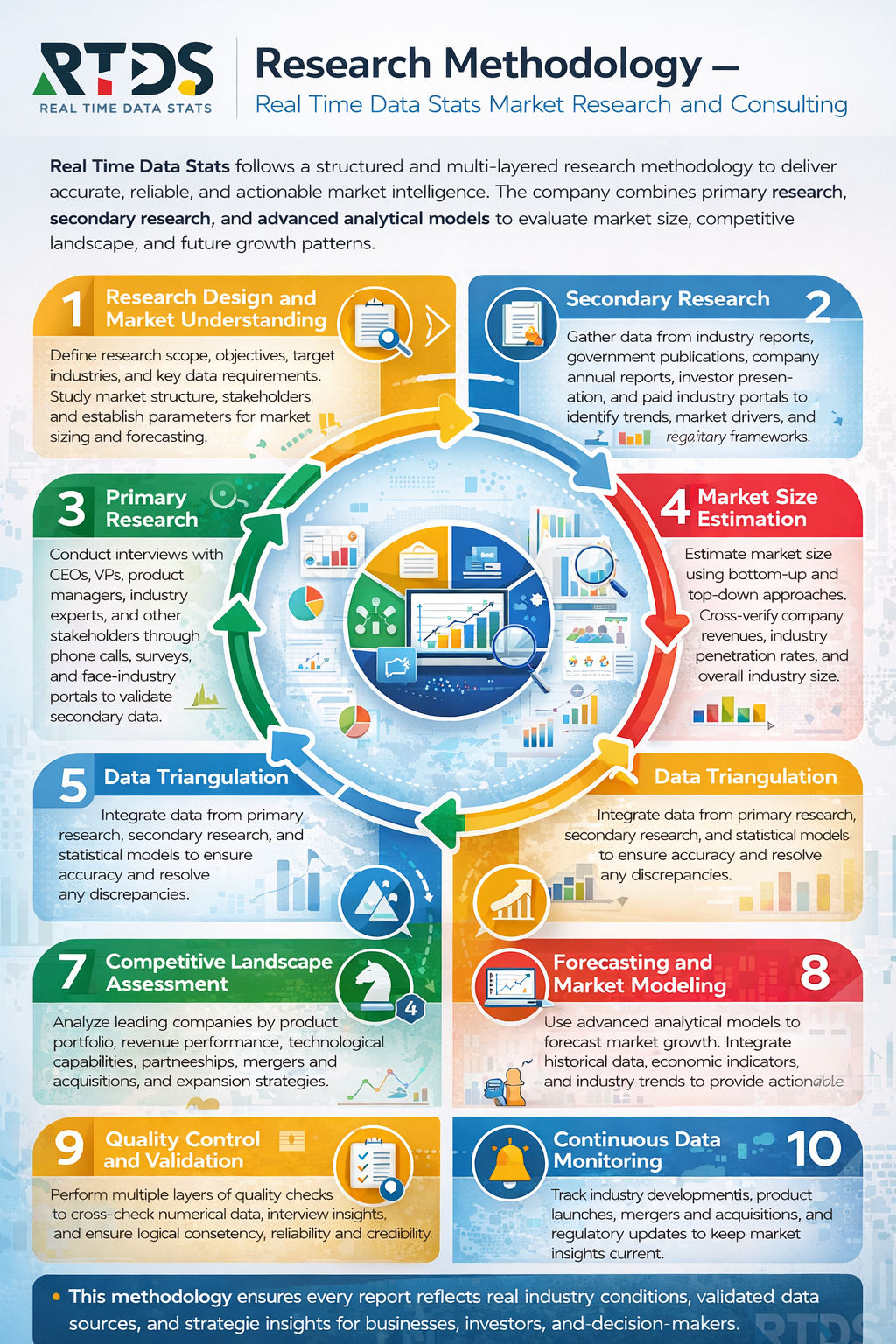
- Figure:1: Market Research Framework
- Figure:2: Value Chain Diagram
- Figure:3: Market Dynamics Illustration
- Figure:4: Type Segmentation Chart
- Figure:5: Application Segmentation Chart
- Figure:6: Component Segmentation Chart
- Figure:7: Technology Landscape Map
- Figure:8: End User Distribution Graph
- Figure:9: Delivery Method Breakdown
- Figure:10: Control Mechanism Flow
- Figure:11: Organism Type Comparison
- Figure:12: Therapeutic Area Share
- Figure:13: Regional Market Map
- Figure:14: Competitive Positioning Matrix
- Figure:15: Forecast Trend Graph
Synthetic Gene Switches Market Key Factors
Drivers:
- Growing adoption of synthetic biology accelerates therapeutic development.
- Increasing investment in cell and gene therapy research expands demand.
- The need for precise control in biomanufacturing enhances product yields.
Restraints:
- High development costs limit access for smaller research entities.
- Unclear regulatory pathways delay clinical and commercial approval.
- Technical complexities in design and integration hinder widespread use.
Opportunities:
- Advancements in AI and machine learning improve switch design and predictability.
- Expanding applications in agriculture create new markets for engineered traits.
- Rising partnerships between biotech and pharmaceutical firms accelerate innovation.
Challenges:
- Long-term safety and efficacy data in humans remains insufficient.
- Intellectual property disputes create barriers to commercialization.
- Public and ethical concerns regarding genetic modification persist.
Synthetic Gene Switches Market Key Regional Trends
North America:
- Strong venture capital funding fuels startup innovation and research.
- Leading pharmaceutical companies integrate switches into next-generation therapies.
- Regulatory agencies actively engage in shaping forward-looking approval frameworks.
Europe:
- Public research grants strongly support foundational and applied research.
- Growing focus on sustainable biomanufacturing applications drives demand.
- Stringent ethical regulations shape research priorities and public acceptance.
Asia-Pacific:
- Governments aggressively invest in national synthetic biology initiatives.
- Contract research and manufacturing organizations rapidly adopt enabling technologies.
- Rising prevalence of chronic diseases increases focus on advanced therapeutic solutions.
Frequently Asked Questions
Key Questions Answered
- What is the size and growth rate of the market industry?
- What are the main drivers influencing market growth trends?
- What are the key challenges and restraints faced by the market?
- What are the emerging trends and opportunities shaping the market?
- Who are the top players, and what strategies drive their success?
- What are the customer demographics and their buying behaviors?
- What are the key market segments, and what is their scope?
- What are the geographical dynamics, and which region dominates?
- What are the market forecasts and projections for the next decade?
- What regulatory factors are critical to consider for market growth?
Why Choose our Company?
- Major facts and stats backing every report we offer.
- Comprehensive analysis tailored to your business needs.
- Accurate insights backed by extensive market research.
- Expert support to address your queries promptly.
- Data-driven strategies for better decision-making.
- In-depth reports with actionable
recommendations. - Reliable statistics from trusted industry
sources. - Customizable reports to suit your specific goals.
- Unmatched quality and precision in market analysis.
- Competitive pricing with premium content delivery.
Share your experience!
We value you feedback. Please take a moment to review your experience with us.