
According to insights from Real Time Data Stats, the Synthetic Biolubricants Market was valued at USD 1.26 billion in 2025. It is expected to grow from USD 1.34 billion in 2026 to USD 2.17 billion by 2033, registering a CAGR of 7.1% during the forecast period (2026–2033).
MARKET SIZE AND SHARE
The global synthetic biolubricants market is driven by stringent environmental regulations, industrial sustainability goals, and the growing demand for eco-friendly lubricants. The market is expected to witness steady expansion over the coming years, with increasing adoption across automotive, industrial, marine, and manufacturing applications contributing to a larger overall market share.
Market share is currently concentrated among established chemical and specialty lubricant manufacturers that leverage advanced bio-based technology portfolios. Europe and North America account for a significant share due to strong regulatory support and early adoption of sustainable lubricants. However, the Asia-Pacific region is projected to gain an increasing share of the market, supported by rapid industrialization, expanding manufacturing activities, and rising environmental awareness, gradually reshaping the global market landscape.
INDUSTRY OVERVIEW AND STRATEGY
The synthetic biolubricants industry represents a critical segment within sustainable industrial fluids, combining high-performance synthetic esters with biodegradable, non-toxic base stocks. It serves demanding applications in automotive, marine, forestry, and manufacturing, where environmental compliance and operational efficiency intersect. The industry is characterized by continuous R&D aimed at enhancing product performance metrics like thermal stability and load-bearing capacity to compete with conventional lubricants, while firmly adhering to ecological certifications.
Core competitive strategies revolve around strategic partnerships with raw material suppliers, such as oleochemical producers, to ensure supply chain stability. Companies are aggressively pursuing product differentiation through tailored formulations for niche applications and investing in advanced marketing to educate end-users. Long-term strategy focuses on vertical integration and expanding production capacities in emerging markets to capitalize on regional growth and solidify market position against both conventional and other bio-based alternatives.
Analyst Key Takeaways:
The Synthetic Biolubricants Market is gaining momentum as industries increasingly seek environmentally responsible lubrication solutions without compromising performance. Synthetic ester-based biolubricants are witnessing higher adoption across automotive, industrial machinery, marine, and aerospace applications due to their superior oxidation stability, biodegradability, extended service life, and ability to operate effectively under demanding conditions.
Regulatory pressure to reduce environmental impact, coupled with growing investments in sustainable industrial practices, is accelerating the shift toward synthetic bio-based lubricants. Technological advancements in renewable feedstocks and lubricant formulations are further enhancing product efficiency, while expanding applications in high-performance equipment are expected to strengthen long-term market growth and support wider commercialization across end-use sectors.
REGIONAL TRENDS AND GROWTH
Europe leads the market, driven by the EU’s strict Ecolabel and REACH regulations, creating a high-compliance environment. North America follows, with growth fueled by EPA mandates and a strong industrial focus on sustainability and corporate responsibility. Both regions exhibit trends toward premium, high-performance biolubricants in sensitive applications like waterways and forestry, with steady growth anticipated from replacement demand and technological advancements in product formulations.
The Asia-Pacific region presents the highest growth potential, propelled by rapid industrialization in China and India, increasing automotive production, and nascent environmental policies. Key drivers include rising consumer awareness and government initiatives promoting green chemicals. However, challenges such as higher costs compared to mineral oils, raw material price volatility, and lack of uniform regulations act as restraints. Significant opportunities lie in leveraging local agricultural feedstocks for production and penetrating the vast industrial and automotive aftermarkets.
SYNTHETIC BIOLUBRICANTS MARKET SEGMENTATION ANALYSIS
BY TYPE:
The synthetic biolubricants market by type is primarily driven by the growing demand for high-performance lubricants that combine biodegradability with superior thermal and oxidative stability. Esters dominate this segment due to their excellent lubricity, high viscosity index, and strong biodegradability, making them suitable for environmentally sensitive applications. Polyalphaolefins and polyglycols are gaining traction in high-temperature and high-load applications where conventional bio-lubricants fall short. The increasing adoption of advanced machinery and precision equipment across industries further strengthens demand for synthetic formulations that offer longer service life and reduced maintenance.
Additionally, bio-based and synthetic hydrocarbons are witnessing steady growth as industries seek alternatives that balance performance with sustainability. Continuous innovation in chemical engineering has enabled manufacturers to enhance the performance characteristics of synthetic biolubricants, making them competitive with petroleum-based lubricants. Regulatory pressure to reduce environmental impact, particularly in marine and industrial applications, continues to push end users toward advanced synthetic types, reinforcing long-term growth in this segment.
BY APPLICATION:
Application-based segmentation highlights the expanding use of synthetic biolubricants across engine oils, hydraulic fluids, gear oils, metalworking fluids, greases, and compressor oils. Hydraulic fluids and engine oils represent a significant share due to strict environmental regulations in construction, agriculture, and forestry equipment operating in sensitive ecosystems. Synthetic biolubricants offer superior wear protection, oxidation resistance, and extended drain intervals, which directly improve equipment efficiency and operational reliability.
Metalworking fluids and gear oils are experiencing increased adoption due to rising industrial automation and demand for precision manufacturing. These applications require lubricants that can perform under extreme pressure and temperature conditions while maintaining environmental compliance. As industries increasingly focus on lifecycle cost reduction and sustainability goals, application diversity continues to widen, making this segment a major driver of overall market expansion.
BY BASE OIL:
Base oil segmentation is influenced by the chemical composition and performance requirements of end-use applications. Synthetic esters and polyalkylene glycols dominate due to their superior biodegradability, low toxicity, and excellent lubricating properties. Vegetable and animal-fat-based oils remain relevant but are gradually being replaced by synthetic alternatives due to limitations related to oxidation stability and shelf life.
Blended base oils are gaining momentum as manufacturers aim to optimize performance while controlling production costs. The development of customized base oil blends allows suppliers to meet specific industrial requirements without compromising sustainability standards. Advances in refining and synthesis technologies are expected to further strengthen the role of synthetic base oils in high-performance biolubricant formulations.
BY END-USE INDUSTRY:
End-use industry segmentation reflects strong demand from automotive, industrial manufacturing, marine, agriculture, construction, and energy sectors. The automotive and industrial manufacturing sectors lead consumption due to increasing emphasis on fuel efficiency, reduced emissions, and extended equipment life. Synthetic biolubricants help manufacturers comply with environmental regulations while maintaining high mechanical efficiency.
Marine, agriculture, and construction industries are rapidly adopting synthetic biolubricants due to their operations in environmentally sensitive areas. Regulatory bodies increasingly mandate the use of biodegradable lubricants in waterways and soil-exposed machinery. Meanwhile, the energy and power sector benefits from the high thermal stability and long service intervals offered by synthetic biolubricants, supporting steady growth across diverse industrial landscapes.
BY SOURCE:
Source-based segmentation is shaped by sustainability priorities and raw material availability. Plant-based and microbial-based sources are gaining popularity due to renewable feedstock availability and reduced carbon footprint. Chemically synthesized bio-oils offer consistency in quality and performance, making them attractive for industrial-scale applications requiring uniform standards.
Hybrid bio-synthetic and recycled bio-feedstock sources are emerging as cost-effective and environmentally responsible solutions. These sources support circular economy initiatives by reducing waste and dependence on virgin raw materials. As sustainability reporting and ESG compliance become critical for corporations, source diversification is expected to play a key role in shaping future market dynamics.
BY FORM:
Form-based segmentation includes liquid, semi-solid, solid, aerosol, concentrates, and emulsions. Liquid synthetic biolubricants dominate due to their widespread use in engines, hydraulics, and industrial systems. Their ease of application, efficient heat transfer, and compatibility with existing systems make them the preferred choice across industries.
Semi-solid and grease forms are growing steadily in heavy-load and low-speed applications such as bearings and gears. Aerosols and concentrates are gaining traction in maintenance and specialty applications due to convenience and precise application capabilities. The diversity of forms enables manufacturers to target niche requirements, expanding the market’s functional scope.
BY GRADE:
Grade segmentation is largely driven by viscosity requirements under different operating conditions. ISO VG grades such as 32, 46, and 68 dominate industrial and hydraulic applications, offering balanced performance in moderate temperature ranges. Higher viscosity grades like ISO VG 150 and 220 are increasingly used in heavy-duty gear and load-bearing applications.
The growing complexity of industrial equipment has increased demand for precise viscosity control to optimize efficiency and reduce wear. Synthetic biolubricants provide stable viscosity performance across temperature fluctuations, making them suitable for both standard and extreme operational environments. This consistency supports their growing adoption across multiple industries.
BY DISTRIBUTION CHANNEL:
Distribution channel segmentation reflects evolving purchasing behaviors and supply chain strategies. Direct sales and distributor networks dominate due to the technical nature of synthetic biolubricants and the need for customized solutions. OEM supply agreements play a crucial role, particularly in automotive and industrial equipment manufacturing, where lubricant compatibility is critical.
Online platforms and aftermarket suppliers are gaining importance as digital procurement and maintenance services expand. End users increasingly value ease of access, technical support, and reliable supply chains. As competition intensifies, efficient distribution strategies are becoming a key differentiator for market players.
BY FUNCTION:
Function-based segmentation emphasizes the multifunctional nature of synthetic biolubricants, including lubrication, cooling, corrosion protection, sealing, cleaning, and power transmission. Lubrication and cooling functions dominate due to their direct impact on equipment efficiency and longevity. Synthetic formulations excel in reducing friction and managing heat under extreme conditions.
Corrosion protection and sealing functions are becoming increasingly important in harsh and moisture-prone environments. The ability of synthetic biolubricants to maintain performance while providing multiple functional benefits enhances their value proposition. This multifunctionality supports broader adoption across advanced industrial applications.
RECENT DEVELOPMENTS
- In Jan 2024: TotalEnergies launched a new high-performance biodegradable hydraulic fluid, REVONIX EAL, specifically designed for demanding offshore and marine applications, expanding its Ecolube range.
- In Mar 2024: FUCHS PETROLUB expanded its Plantohyd range by launching a new series of NSF H1-registered synthetic ester-based biolubricants for the food and beverage processing industry.
- In Jun 2024: PANOLIN AG, a Swiss specialist, introduced its next-generation HD SYNTH bio-hydraulic fluid with significantly extended service intervals and improved biodegradability for construction machinery.
- In Nov 2024: ExxonMobil unveiled its Mobil SHC Aware series, a new line of synthetic, biodegradable industrial oils made from plant-based feedstocks, marking a major entry into the segment.
- In Feb 2025: Cargill and its bio-industrial joint venture, Qore, announced a capacity expansion for its bio-based intermediate, enabling scaled production of next-generation synthetic ester basestocks.
KEY PLAYERS ANALYSIS
- ExxonMobil Corporation
- Royal Dutch Shell plc
- BP plc (Castrol)
- TotalEnergies SE
- Chevron Corporation
- FUCHS PETROLUB SE
- PANOLIN AG
- Klüber Lubrication (Freudenberg Chemical Specialities)
- Emery Oleochemicals
- Cargill, Incorporated
- Novvi, LLC (A joint venture of Amyris, Inc. and Cosan S.A.)
- Albemarle Corporation
- PolySi Group Inc.
- Binol Biolubricants
- RSC Bio Solutions
- Rowe Mineralölwerk GmbH
- Vandex International
- Biolube International
- Igol Lubricants
- Oleon NV (Avril Group)
Synthetic Biolubricants Market Segmentation
By Type:
- Esters
- Saturated Esters
- Unsaturated Esters
- Polyalphaolefins (PAO)
- Polyalkylene Glycols (PAG)
- Synthetic Hydrocarbons
- Others
By Base Oil:
- Vegetable Oil-Based
- Animal Fat-Based
- Bio-Based Synthetic Blends
By Application:
- Automotive Lubricants
- Engine Oils
- Transmission Fluids
- Hydraulic Fluids
- Gear Oils
- Greases
- Industrial Lubricants
- Metalworking Fluids
- Compressor Oils
- Turbine Oils
- Chain Oils
- Process Oils
- Marine Lubricants
- Construction Equipment Lubricants
- Agriculture Equipment Lubricants
- Aerospace Lubricants
By End-Use Industry:
- Automotive
- Manufacturing
- Marine
- Construction
- Agriculture
- Energy & Power
- Mining
By Distribution Channel:
- Direct Sales (OEMs)
- Distributors & Wholesalers
- Online Sales
- Retail Stores
By Geography:
- North America (USA, Canada, Mexico)
- Europe (UK, Germany, France, Italy, Spain, Rest of Europe)
- Asia-Pacific (China, Japan, Australia, South Korea, India, Rest of Asia-Pacific)
- South America (Brazil, Argentina, Rest of South America)
- Middle East and Africa (GCC Countries, South Africa, Rest of MEA
Synthetic Biolubricants Market: Table of Contents
Introduction
- Market definition and scope
- Synthetic biolubricants overview
- Industry evolution and background
- Key market objectives
- Study assumptions and limitations
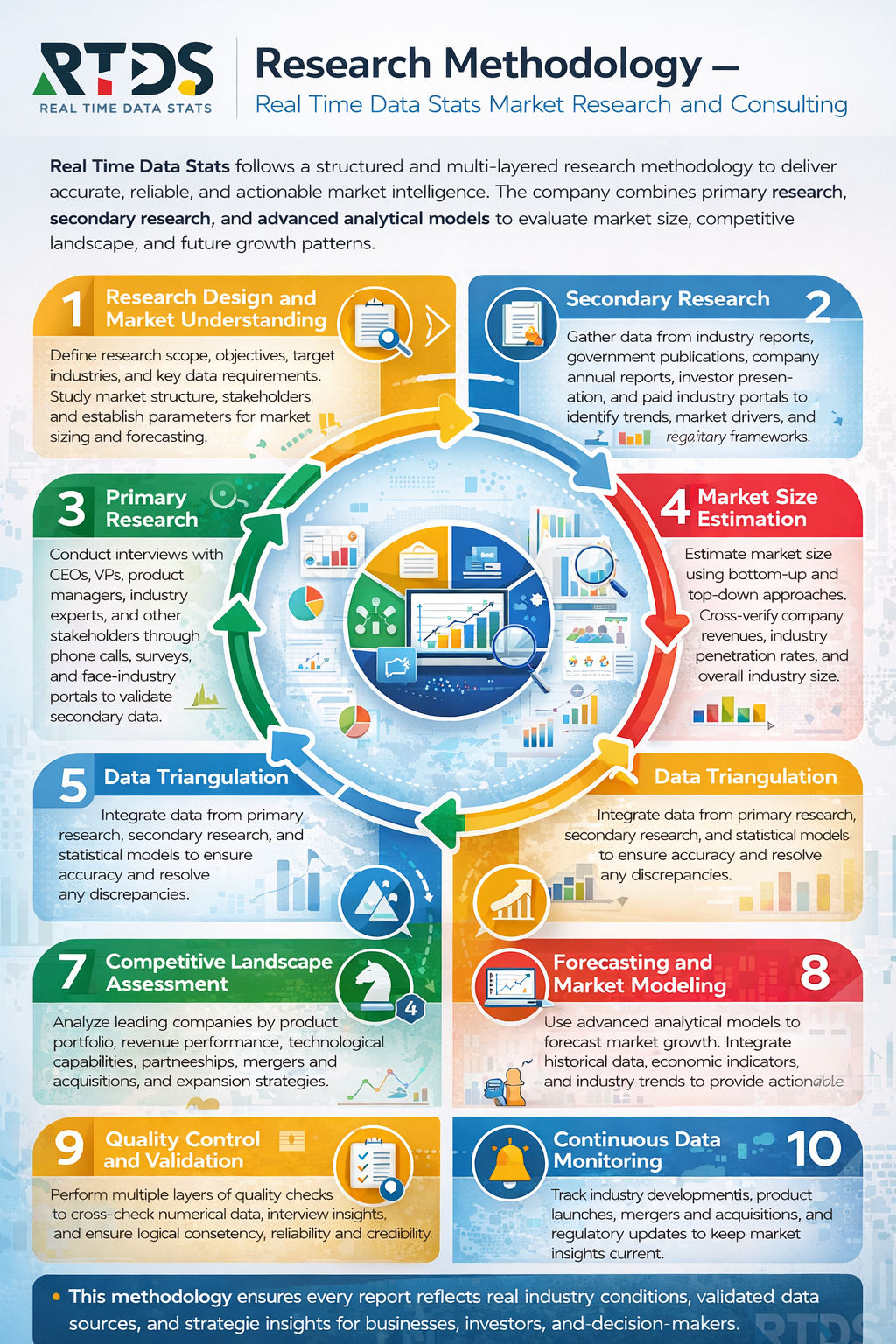
Research Methodology
- Data collection approach
- Primary research methodology
- Secondary research sources
- Market size estimation techniques
- Data triangulation and validation
Market Dynamics
- Market drivers
- Market restraints
- Market opportunities
- Market challenges
- Regulatory and environmental impact
Market Overview
- Market size analysis
- Market volume analysis
- Market growth trends
- Market outlook
- Value chain analysis
Synthetic Biolubricants Market Segmentation
- By Type
- Esters
- Polyalphaolefins
- Polyglycols
- Bio-based hydrocarbons
- Synthetic hydrocarbons
- Others
- By Application
- Engine oils
- Hydraulic fluids
- Gear oils
- Metalworking fluids
- Greases
- Compressor oils
- By Base Oil
- Synthetic esters
- Vegetable oil-based
- Animal fat-based
- Polyalkylene glycols
- Synthetic paraffins
- Blended base oils
- By End-Use Industry
- Automotive
- Industrial manufacturing
- Marine
- Agriculture
- Construction
- Energy and power
- By Source
- Plant-based
- Animal-based
- Microbial-based
- Chemically synthesized bio-oils
- Hybrid bio-synthetic
- Recycled bio-feedstock
- By Form
- Liquid
- Semi-solid
- Solid
- Aerosol
- Concentrates
- Emulsions
- By Grade
- ISO VG 32
- ISO VG 46
- ISO VG 68
- ISO VG 100
- ISO VG 150
- ISO VG 220
- By Distribution Channel
- Direct sales
- Distributors
- Online platforms
- OEM supply
- Retail outlets
- Aftermarket suppliers
- By Function
- Lubrication
- Cooling
- Corrosion protection
- Sealing
- Cleaning
- Power transmission
Regional Market Analysis
- North America market analysis
- Europe market analysis
- Asia Pacific market analysis
- Latin America market analysis
- Middle East market analysis
- Africa market analysis
Competitive Landscape
- Market share analysis
- Competitive benchmarking
- Strategic developments
- Mergers and acquisitions
- Product portfolio analysis
Company Profiles
- Company overview
- Financial performance
- Product offerings
- Strategic initiatives
- SWOT analysis
Future Market Outlook
- Emerging trends
- Technological advancements
- Investment opportunities
- Long-term growth prospects
Conclusion
- Summary of Market Trends
- Key Drivers and Restraints
- Growth Opportunities
- Technology & Innovation Outlook
- Future Market Forecast
Appendix
- Abbreviations
- Data sources
- Research framework
- Disclaimer
List of Tables
- Table:1: Global Synthetic Biolubricants Market Size Overview
- Table:2: Market Segmentation by Type
- Table:3: Market Segmentation by Application
- Table:4: Market Segmentation by Base Oil
- Table:5: Market Segmentation by End-Use Industry
- Table:6: Market Segmentation by Source
- Table:7: Market Segmentation by Form
- Table:8: Market Segmentation by Grade
- Table:9: Market Segmentation by Distribution Channel
- Table:10: Market Segmentation by Function
- Table:11: Regional Market Size Comparison
- Table:12: North America Market Analysis
- Table:13: Europe Market Analysis
- Table:14: Asia Pacific Market Analysis
- Table:15: Competitive Market Share Analysis
List of Figures
- Figure:1: Synthetic Biolubricants Market Overview
- Figure:2: Market Research Methodology Framework
- Figure:3: Market Dynamics Impact Analysis
- Figure:4: Value Chain Analysis
- Figure:5: Market Segmentation Overview
- Figure:6: Market by Type Distribution
- Figure:7: Market by Application Distribution
- Figure:8: Market by End-Use Industry Distribution
- Figure:9: Market by Source Distribution
- Figure:10: Market by Form Distribution
- Figure:11: Market by Distribution Channel
- Figure:12: Regional Market Share Analysis
- Figure:13: Competitive Landscape Overview
- Figure:14: Strategic Developments Mapping
- Figure:15: Future Market Outlook and Trends
Synthetic Biolubricants Market Key Factors
Drivers:
- Strengthening environmental regulations push industries to adopt sustainable lubricants.
- Growing consumer and corporate preference for bio-based products elevates market demand.
- Superior technical performance in extreme temperatures extends equipment life.
Restraints:
- Higher production costs challenge price competition with conventional lubricants.
- Limited feedstock availability and variability affect supply chain stability.
- Performance perception gaps in certain industrial applications slow adoption.
Opportunities:
- Expanding applications in electric vehicles and wind energy create new growth avenues.
- Advancements in feedstock technology improve product efficacy and cost profiles.
- Emerging stringent regulations in Asia-Pacific open new high-volume markets.
Challenges:
- Achieving consistent quality and standards across global markets remains difficult.
- Fluctuating prices of raw materials pressure profit margins.
- Need for continuous customer education and technical support increases market penetration costs.
Synthetic Biolubricants Market Key Regional Trends
North America:
- Strict federal and state sustainability mandates propel regulatory compliance demand.
- Major industrial and automotive sectors drive adoption through corporate sustainability goals.
- Significant R&D investments focus on next-generation, high-performance bio-based stocks.
Europe:
- The EU's Green Deal and circular economy action plan enforce rapid market transition.
- Automotive OEMs increasingly specify biolubricants for factory fill and service.
- Strong presence of leading producers accelerates technological innovation and partnerships.
Asia-Pacific:
- Rapid industrialization and rising environmental awareness fuel market growth.
- Governments in China and India begin implementing supportive bio-economy policies.
- Local production capabilities expand to meet domestic demand and reduce import reliance.
Frequently Asked Questions
Key Questions Answered
- What is the size and growth rate of the market industry?
- What are the main drivers influencing market growth trends?
- What are the key challenges and restraints faced by the market?
- What are the emerging trends and opportunities shaping the market?
- Who are the top players, and what strategies drive their success?
- What are the customer demographics and their buying behaviors?
- What are the key market segments, and what is their scope?
- What are the geographical dynamics, and which region dominates?
- What are the market forecasts and projections for the next decade?
- What regulatory factors are critical to consider for market growth?
Why Choose our Company?
- Major facts and stats backing every report we offer.
- Comprehensive analysis tailored to your business needs.
- Accurate insights backed by extensive market research.
- Expert support to address your queries promptly.
- Data-driven strategies for better decision-making.
- In-depth reports with actionable
recommendations. - Reliable statistics from trusted industry
sources. - Customizable reports to suit your specific goals.
- Unmatched quality and precision in market analysis.
- Competitive pricing with premium content delivery.
Share your experience!
We value you feedback. Please take a moment to review your experience with us.