
According to insights from Real Time Data Stats, the Space Habitat Materials Market was valued at USD 1.43 billion in 2025. It is expected to grow from USD 1.67 billion in 2026 to USD 4.95 billion by 2033, registering a CAGR of 16.8% during the forecast period (2026–2033).
MARKET SIZE AND SHARE
The global Space Habitat Materials Market is gaining momentum, driven by increasing lunar exploration programs, commercial space station development, and long-term human space habitation initiatives. The market is expected to expand at a strong growth rate, with advanced composites, lightweight structures, and radiation-shielding materials accounting for a significant share of demand. Companies are actively competing for contracts from government space agencies and private space ventures to strengthen their market presence.
Market share is expected to remain concentrated among major aerospace and defense manufacturers alongside specialized materials science companies. Established firms with expertise in aerospace-grade alloys will compete with innovators developing in-situ resource utilization technologies and self-healing polymers. Strategic collaborations with space agencies and commercial space organizations will play a critical role in market positioning, while investments in scalable and cost-effective production capabilities will influence long-term competitive success.
INDUSTRY OVERVIEW AND STRATEGY
The space habitat materials industry is characterized by extreme performance requirements, including radiation resistance, micrometeoroid protection, and long-term durability in harsh environments. It is a synergistic ecosystem involving raw material suppliers, advanced manufacturers, and system integrators. The industry's evolution is directly tied to the roadmaps of major space exploration programs, making it highly project-driven and reliant on government funding alongside increasing private capital for commercial orbital and lunar habitats.
Core strategies for market participants focus on heavy R&D investment to develop next-generation materials like multifunctional composites and regolith-based composites. Forming consortia to share development risks and costs is prevalent. A forward integration strategy, where material suppliers also offer modular habitat components, is gaining traction. Success hinges on achieving stringent certification standards while simultaneously driving down Earth-based production costs and advancing in-situ manufacturing technologies for extraterrestrial construction.
Analyst Key Takeaways:
The Space Habitat Materials Market is poised for strong growth, driven by increasing investments in orbital stations, lunar base initiatives, and long-duration deep-space missions. Demand is rising for advanced lightweight composites, radiation-shielding materials, thermal insulation systems, and high-strength alloys that can withstand extreme space environments while improving habitat safety and durability. Continuous innovation in material science is enabling more efficient, resilient, and sustainable space infrastructure.
North America remains a leading region due to its robust space exploration ecosystem, strong government funding, and active participation of private aerospace companies. Meanwhile, growing international collaborations, advancements in in-situ resource utilization (ISRU), and the development of modular habitat technologies are creating new opportunities for material suppliers. The market is expected to benefit from the expanding commercialization of space and the increasing focus on permanent human presence beyond Earth.
REGIONAL TRENDS AND GROWTH
North America holds a dominant share, fueled by NASA's Artemis program and prolific private sector activity from companies like SpaceX and Axiom Space. Europe follows closely, with ESA and EU member states prioritizing sovereign capabilities and sustainable exploration technologies. The Asia-Pacific region is the fastest-growing, driven by China's ambitious space station and lunar plans and Japan's advanced material science contributions, creating a dynamic competitive landscape.
Primary growth drivers include escalating government investments and the commercialization of low-Earth orbit. Key restraints are exceptionally high development costs and lengthy material certification processes. Major opportunities lie in developing lightweight, multifunctional materials and scalable in-situ resource utilization systems. The foremost challenges involve establishing long-term reliability data for materials in deep space environments and creating sustainable supply chains that extend from Earth to cislunar space and beyond.
SPACE HABITAT MATERIALS MARKET SEGMENTATION ANALYSIS
BY TYPE:
The structural composites segment holds a dominant position due to its exceptional strength-to-weight ratio, corrosion resistance, and long operational life in extreme space environments. These materials are widely adopted in primary load-bearing structures where reducing launch mass is critical to lowering mission costs. Metal alloys remain equally influential, especially aluminum-lithium and titanium variants, because of their proven durability, thermal stability, and compatibility with existing aerospace manufacturing systems. Their dominance is also supported by well-established supply chains and predictable mechanical performance under vacuum and radiation exposure.
Polymers and plastics are expanding rapidly due to flexibility, insulation capability, and suitability for modular and inflatable habitats, while ceramics are valued for high-temperature tolerance and radiation shielding efficiency. Glass materials gain traction in observation domes and solar interfaces where transparency and pressure resistance are essential. Hybrid materials are emerging as a dominant innovation driver by combining metals, composites, and polymers to achieve multi-functional performance, reducing structural redundancy and enhancing mission adaptability.
BY APPLICATION:
Space stations represent the most mature and dominant application due to continuous governmental and commercial investment in orbital infrastructure and maintenance cycles that demand advanced replacement materials. Lunar habitats are rapidly gaining momentum as global lunar exploration programs accelerate, driving demand for dust-resistant, radiation-shielded, and thermally stable materials designed for harsh surface conditions and extended human presence.
Mars habitats show strong future dominance potential because of long-term colonization visions requiring ultra-durable, self-sustaining structural materials. Space hotels are an emerging commercial segment where lightweight luxury interiors and transparent materials become key drivers. Research modules maintain steady demand due to scientific experimentation needs, while storage and logistics modules grow in parallel with cargo missions, emphasizing impact resistance and modular scalability as dominant selection factors.
BY MATERIAL PROPERTY:
Lightweight materials dominate this category as mass reduction directly influences launch economics and fuel efficiency, making them indispensable for nearly all habitat designs. Radiation-resistant materials also hold critical importance because prolonged exposure to cosmic rays and solar radiation necessitates advanced shielding solutions for crew safety and equipment longevity. These two properties collectively shape procurement priorities across both governmental and private missions.
Thermal-insulating materials are increasingly dominant due to extreme temperature fluctuations in space, while high-strength materials ensure structural stability under pressurized conditions. Corrosion-resistant materials address degradation caused by micro-particles and chemical reactions in closed environments. Self-healing materials are emerging as transformative innovations, enabling autonomous repair of micro-cracks and extending habitat lifespan, thereby reducing maintenance missions and operational risk.
BY END USER:
Government space agencies remain the dominant end users because of large-scale funding, national space programs, and long-term infrastructure investments that require certified, high-reliability materials. Private space companies are rapidly closing the gap, driven by reusable launch vehicles, commercial stations, and ambitious colonization goals, which increase demand for cost-efficient yet high-performance material solutions.
Defense organizations contribute significantly through satellite defense infrastructure and secure orbital modules requiring specialized shielding materials. Research institutions sustain consistent demand for experimental and prototype habitats. Commercial space tourism firms introduce new material requirements focused on aesthetics and passenger safety, while aerospace contractors act as major integrators, influencing bulk procurement and standardization trends across global supply networks.
BY MANUFACTURING PROCESS:
3D printing is emerging as a dominant manufacturing process due to its ability to produce complex geometries, reduce material waste, and enable in-space fabrication using local resources. This process significantly lowers logistics costs and enhances mission self-sufficiency. Injection molding continues to maintain relevance for interior and non-structural components due to speed, cost efficiency, and scalability in mass production.
Extrusion is widely used for structural beams and panel supports, while laminating is essential for composite layering and reinforcement. Casting supports the production of specialized metal components with intricate forms. CNC machining remains dominant for precision parts where dimensional accuracy and reliability are critical, ensuring compatibility with strict aerospace tolerances and safety certifications.
BY HABITAT COMPONENT:
Walls and panels dominate material demand because they form the primary barrier against radiation, pressure loss, and micrometeoroid impact. Their performance directly influences habitat safety and energy efficiency. Flooring systems also hold strong importance due to wear resistance, vibration control, and integration with modular equipment layouts.
Windows and transparent domes are key growth areas driven by observation needs and psychological well-being considerations for astronauts. Airlocks require highly specialized materials with superior sealing and pressure endurance. Structural frames represent the backbone of habitat integrity, while interior modules drive demand for lightweight and multifunctional materials that optimize limited living and working space.
BY FUNCTIONALITY:
Load-bearing functionality is the most dominant factor, as structural stability determines overall mission safety and longevity. Materials designed for this function must balance strength with minimal weight. Insulation also plays a central role in maintaining habitable temperature ranges and reducing energy consumption in closed environments.
Shielding functionality gains prominence due to radiation and debris exposure risks, while sealing is essential for maintaining internal pressure and preventing air leakage. Vibration dampening becomes increasingly relevant with frequent docking and equipment operation. Pressure containment remains a non-negotiable functionality, ensuring human survivability and equipment reliability in vacuum conditions.
BY TECHNOLOGY INTEGRATION:
Smart materials are becoming dominant due to their ability to respond to environmental changes such as temperature and pressure fluctuations, enhancing habitat resilience. Nano-engineered materials are gaining traction for their superior strength, reduced mass, and enhanced radiation resistance, making them ideal for next-generation space construction.
AI-embedded surfaces introduce predictive maintenance capabilities, while sensor-integrated panels enable real-time monitoring of structural health. adaptive materials adjust their properties based on external stimuli, improving operational flexibility. Energy-harvesting materials are increasingly important for sustainable power generation, reducing dependence on external energy sources and enhancing mission autonomy.
BY DEPLOYMENT LOCATION:
Low Earth Orbit dominates current demand because of existing stations, satellite servicing missions, and frequent launch activity requiring continuous material replacement and upgrades. Geostationary orbit also maintains relevance due to communication infrastructure expansion and long-term orbital platforms.
Lunar surface deployment is rapidly rising as international exploration initiatives accelerate, driving demand for dust-resistant and thermally stable materials. Martian surface applications show strong future growth potential tied to colonization ambitions. Deep space missions require ultra-durable and radiation-hardened materials, while asteroid bases represent a niche but innovative frontier emphasizing resource extraction compatibility and modular structural systems.
BY SUSTAINABILITY:
Recyclable materials are becoming dominant as mission planners prioritize waste reduction and circular resource utilization within closed ecosystems. Bio-based materials are gaining attention for their reduced environmental footprint and compatibility with regenerative life-support systems, aligning with long-duration mission sustainability goals.
Low-emission materials support environmentally responsible manufacturing practices, while reusable components significantly reduce mission costs and material consumption. In-situ resource utilization materials are emerging as a transformative factor, enabling construction using lunar or Martian soil and minimizing Earth-based supply dependency. Energy-efficient materials further strengthen sustainability dominance by lowering operational power needs and enhancing long-term habitat viability.
RECENT DEVELOPMENTS
- In Jan 2024: Lockheed Martin partnered with ICON to advance off-world construction, focusing on developing robotics and 3D-printing processes for lunar surface structures using in-situ materials.
- In Mar 2024: Axiom Space unveiled its next-generation microgravity research habitat prototype, showcasing advanced, lightweight multilayer structures for radiation and thermal protection in commercial space stations.
- In Jun 2024: NASA selected Collins Aerospace to develop new, lighter spacewalk suits for the ISS and Artemis, requiring innovative flexible materials for enhanced mobility and durability in extreme environments.
- In Nov 2024: Sierra Space's LIFE habitat successfully passed its ultimate burst test, validating its soft-goods technology and composite structures, a critical step for Orbital Reef commercial station.
- In Feb 2025: Mitsubishi Electric and JAXA announced a breakthrough in developing a new ultra-lightweight carbon-fiber composite panel with integrated power generation for lunar habitat exteriors.
KEY PLAYERS ANALYSIS
- Lockheed Martin Corporation
- Northrop Grumman Corporation
- The Boeing Company
- Airbus SE
- Sierra Space
- Axiom Space
- Collins Aerospace (RTX Corporation)
- ICON Technology, Inc.
- Mitsubishi Heavy Industries, Ltd.
- Thales Alenia Space
- Bigelow Aerospace (Operations Status Varies)
- NanoRacks (Voyager Space)
- SpaceX
- Blue Origin
- Jacobs Engineering Group Inc.
- Honeybee Robotics
- Relativity Space
- OHB SE
- ILC Dover LP
- Shimizu Corporation
Space Habitat Materials Market Segmentation Analysis
By Type:
- Structural Composites
- Metal Alloys
- Polymers & Plastics
- Ceramics
- Glass Materials
- Hybrid Materials
By Application:
- Space Stations
- Lunar Habitats
- Mars Habitats
- Space Hotels
- Research Modules
- Storage & Logistics Modules
By Material Property:
- Lightweight Materials
- Radiation-Resistant Materials
- Thermal-Insulating Materials
- High-Strength Materials
- Corrosion-Resistant Materials
- Self-Healing Materials
By End User
- Government Space Agen:cies
- Private Space Companies
- Defense Organizations
- Research Institutions
- Commercial Space Tourism Firms
- Aerospace Contractors
By Manufacturing Process:
- 3D Printing
- Injection Molding
- Extrusion
- Laminating
- Casting
- CNC Machining
By Habitat Component:
- Walls & Panels
- Flooring Systems
- Windows & Transparent Domes
- Airlocks
- Structural Frames
- Interior Modules
By Functionality:
- Load Bearing
- Insulation
- Shielding
- Sealing
- Vibration Dampening
- Pressure Containment
By Technology Integration:
- Smart Materials
- Nano-Engineered Materials
- AI-Embedded Surfaces
- Sensor-Integrated Panels
- Adaptive Materials
- Energy-Harvesting Materials
By Deployment Location:
- Low Earth Orbit
- Geostationary Orbit
- Lunar Surface
- Martian Surface
- Deep Space
- Asteroid Bases
By Sustainability:
- Recyclable Materials
- Bio-Based Materials
- Low-Emission Materials
- Reusable Components
- In-Situ Resource Utilization Materials
- Energy-Efficient Materials
By Geography:
- North America (USA, Canada, Mexico)
- Europe (UK, Germany, France, Italy, Spain, Rest of Europe)
- Asia-Pacific (China, Japan, Australia, South Korea, India, Rest of Asia-Pacific)
- South America (Brazil, Argentina, Rest of South America)
- Middle East and Africa (GCC Countries, South Africa, Rest of MEA)
Space Habitat Materials Market: Table of Contents
Executive Summary
- Market Overview
- Market Definition
- Market Scope
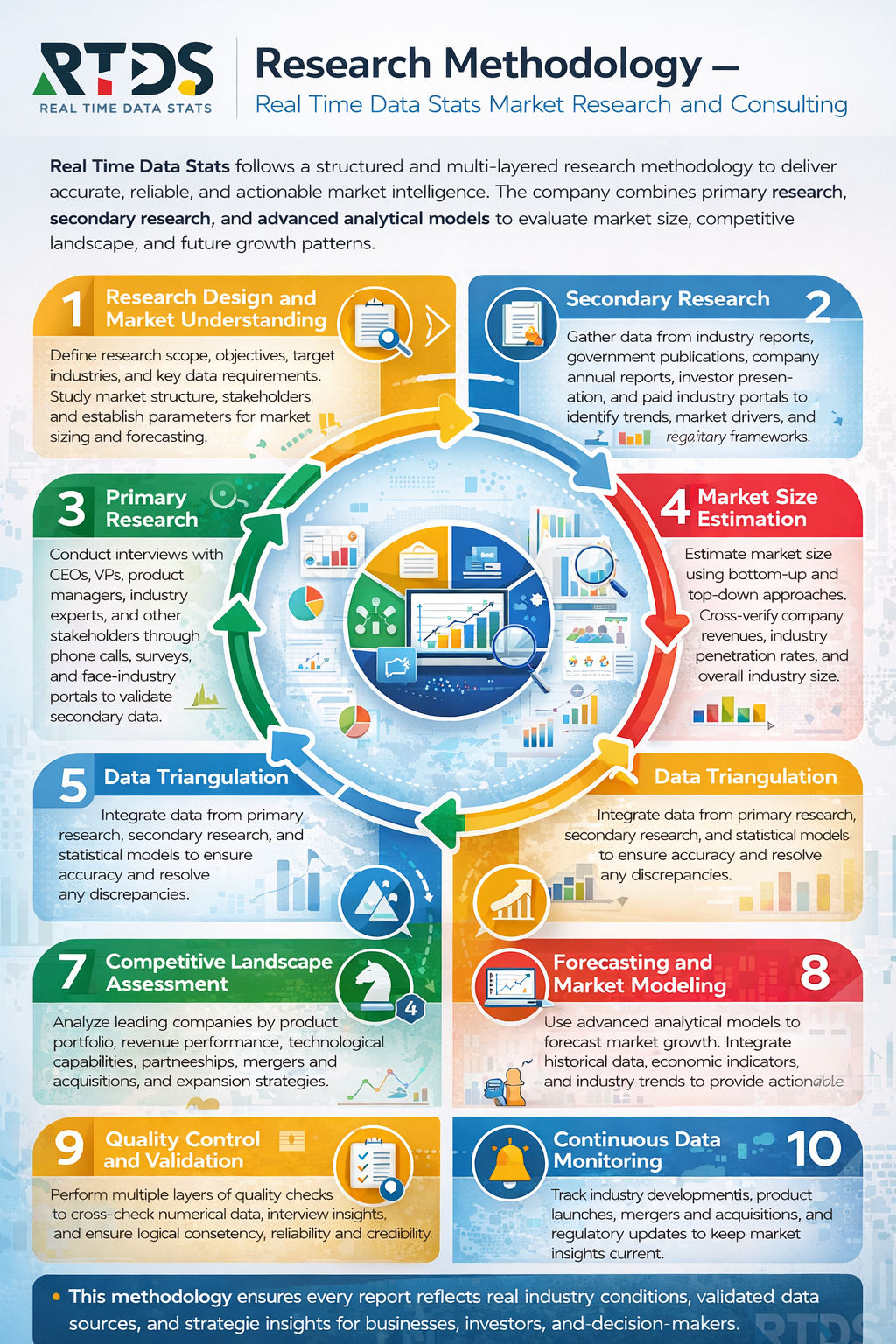
- Research Methodology
Market Dynamics
- Market Drivers
- Market Restraints
- Market Opportunities
- Market Challenges
- Value Chain Analysis
- Supply Chain Analysis
Regulatory Framework
- Industry Trends
- Innovation & Technological Advancements
- Pricing Analysis
- Investment & Funding Landscape
Space Habitat Materials Market Segmentation Analysis
- By Type
- Structural Composites
- Metal Alloys
- Polymers & Plastics
- Ceramics
- Glass Materials
- Hybrid Materials
- By Application
- Space Stations
- Lunar Habitats
- Mars Habitats
- Space Hotels
- Research Modules
- Storage & Logistics Modules
- By Material Property
- Lightweight Materials
- Radiation-Resistant Materials
- Thermal-Insulating Materials
- High-Strength Materials
- Corrosion-Resistant Materials
- Self-Healing Materials
- By End User
- Government Space Agencies
- Private Space Companies
- Defense Organizations
- Research Institutions
- Commercial Space Tourism Firms
- Aerospace Contractors
- By Manufacturing Process
- 3D Printing
- Injection Molding
- Extrusion
- Laminating
- Casting
- CNC Machining
- By Habitat Component
- Walls & Panels
- Flooring Systems
- Windows & Transparent Domes
- Airlocks
- Structural Frames
- Interior Modules
- By Functionality
- Load Bearing
- Insulation
- Shielding
- Sealing
- Vibration Dampening
- Pressure Containment
- By Technology Integration
- Smart Materials
- Nano-Engineered Materials
- AI-Embedded Surfaces
- Sensor-Integrated Panels
- Adaptive Materials
- Energy-Harvesting Materials
- By Deployment Location
- Low Earth Orbit
- Geostationary Orbit
- Lunar Surface
- Martian Surface
- Deep Space
- Asteroid Bases
- By Sustainability
- Recyclable Materials
- Bio-Based Materials
- Low-Emission Materials
- Reusable Components
- In-Situ Resource Utilization Materials
- Energy-Efficient Materials
Regional Analysis
- North America
- Europe
- Asia Pacific
- Latin America
- Middle East & Africa
Competitive Landscape
- Market Share Analysis
- Company Profiles
- Strategic Developments
- Mergers & Acquisitions
- Partnerships & Collaborations
- Product Launches
- R&D Activities
Conclusion
- Key Insights
- Strategic Recommendations
- Future Outlook
Appendix
- Abbreviations
- Data Sources
- Research Assumptions
- Methodology Notes
- Disclaimer
List of Tables
- Table:1: Global Space Habitat Materials Market Size
- Table:2: Market Growth Rate by Region
- Table:3: Segmentation by Type Share
- Table:4: Segmentation by Application Share
- Table:5: Material Property Analysis
- Table:6: End User Distribution Overview
- Table:7: Manufacturing Process Adoption
- Table:8: Habitat Component Demand Analysis
- Table:9: Functional Performance Comparison
- Table:10: Technology Integration Penetration
- Table:11: Deployment Location Revenue Share
- Table:12: Sustainability Material Usage
- Table:13: Regional Revenue Forecast
- Table:14: Competitive Positioning Matrix
- Table:15: Investment and Funding Trends
List of Figures
- Figure:1: Global Market Growth Curve
- Figure:2: Value Chain Structure
- Figure:3: Supply Chain Network
- Figure:4: Type Segmentation Pie Chart
- Figure:5: Application Segmentation Bar Graph
- Figure:6: Material Property Radar Chart
- Figure:7: End User Distribution Diagram
- Figure:8: Manufacturing Process Flowchart
- Figure:9: Habitat Component Illustration
- Figure:10: Functionality Mapping Model
- Figure:11: Technology Integration Framework
- Figure:12: Deployment Location Map
- Figure:13: Sustainability Model Diagram
- Figure:14: Regional Market Comparison Chart
- Figure:15: Competitive Landscape Overview
Space Habitat Materials Market Key Factors
Drivers:
- Government space agencies increase funding for lunar and Martian habitat programs.
- Private companies launch ambitious plans for commercial space stations and tourism.
- Advanced material science enables lighter, stronger, and multi-functional composites.
Restraints:
- Extreme launch costs limit the testing and deployment of new materials.
- The space environment severely degrades most conventional materials over time.
- Stringent and lengthy safety certifications delay material adoption.
Opportunities:
- In-situ resource utilization (ISRU) creates demand for materials processed from lunar or Martian regolith.
- Additive manufacturing (3D printing) allows for on-site construction with specialized materials.
- Terrestrial spin-offs of ultra-resilient materials benefit sectors like aerospace and defense.
Challenges:
- Shielding materials must protect against prolonged cosmic radiation and micro-meteoroids.
- Materials must maintain integrity across extreme thermal cycling in a vacuum.
- Developing closed-loop, recyclable material systems is critical for long-term mission sustainability.
Space Habitat Materials Market Key Regional Trends
North America:
- NASA and the U.S. Department of Defense lead contracts for radiation-shielding and multifunctional materials.
- Private firms pioneer in-space manufacturing and 3D-printing technologies for habitats.
- Venture capital strongly invests in startups developing advanced composites and metallic alloys.
Europe:
- ESA focuses international partnerships on developing sustainable and recyclable habitat materials.
- Strong academic and industrial research converges on self-healing materials and ceramic composites.
Regulations push for thorough life-cycle analysis and environmental safety of new materials.
Asia-Pacific:
- National programs aggressively pursue lunar base ambitions, driving material testing and development.
- Manufacturing expertise scales up production of lightweight carbon composites and thermal protection systems.
- Growing investments establish dedicated testing facilities for simulating space environments.
Rest of the World:
- Emerging space nations seek international collaborations for technology access and material testing.
- Focus increases on developing cost-effective material solutions for smaller-scale habitat modules.
- Research begins on adapting local industrial materials for potential space applications.
Frequently Asked Questions
Key Questions Answered
- What is the size and growth rate of the market industry?
- What are the main drivers influencing market growth trends?
- What are the key challenges and restraints faced by the market?
- What are the emerging trends and opportunities shaping the market?
- Who are the top players, and what strategies drive their success?
- What are the customer demographics and their buying behaviors?
- What are the key market segments, and what is their scope?
- What are the geographical dynamics, and which region dominates?
- What are the market forecasts and projections for the next decade?
- What regulatory factors are critical to consider for market growth?
Why Choose our Company?
- Major facts and stats backing every report we offer.
- Comprehensive analysis tailored to your business needs.
- Accurate insights backed by extensive market research.
- Expert support to address your queries promptly.
- Data-driven strategies for better decision-making.
- In-depth reports with actionable
recommendations. - Reliable statistics from trusted industry
sources. - Customizable reports to suit your specific goals.
- Unmatched quality and precision in market analysis.
- Competitive pricing with premium content delivery.
Share your experience!
We value you feedback. Please take a moment to review your experience with us.