
According to insights from Real Time Data Stats, the Space Cryo Manufacturing Market was valued at USD 4.46 billion in 2025. It is expected to grow from USD 4.89 billion in 2026 to USD 9.40 billion by 2033, registering a CAGR of 9.8% during the forecast period (2026–2033).
MARKET SIZE AND SHARE
The global space cryo manufacturing market is expanding due to rising demand for cryogenic tanks, propulsion systems, and advanced thermal management technologies used in satellite constellations, reusable launch vehicles, and deep-space exploration missions. Market share remains concentrated among established aerospace manufacturers and specialized subsystem suppliers, while increasing investments and technological advancements are encouraging new entrants to compete in cryogenic fluid storage and in-space fuel management solutions.
North America currently holds the largest market share, supported by strong government space programs and significant private-sector investment. However, the Asia-Pacific region is expected to record the fastest growth through 2033, driven by expanding national space initiatives, increasing satellite deployments, and growing commercial space activities. Market share across component, application, and end-user segments is expected to evolve as technology maturity, commercialization, and global participation in space exploration continue to accelerate.
INDUSTRY OVERVIEW AND STRATEGY
The space cryo manufacturing industry underpins advanced space exploration, producing systems for storing and handling super-cooled fuels like liquid hydrogen and oxygen. It is a critical enabler for long-duration lunar missions, Mars expeditions, and in-orbit refueling depots. The ecosystem comprises OEMs, material scientists, and component specialists focused on overcoming extreme thermal and pressure challenges. Strategic direction is overwhelmingly aligned with national space policies and the roadmaps of leading launch service providers, dictating investment and innovation cycles.
Core competitive strategies revolve around achieving technological supremacy in lightweight composite tanks, zero-boil-off systems, and reliable in-space transfer mechanisms. Companies are pursuing vertical integration, securing proprietary materials, and forming strategic consortia to de-risk complex programs. A key strategic pivot involves transitioning from government-centric development to scalable, commercial models that support space tourism, orbital logistics, and space-based manufacturing, thereby broadening the industry's economic foundation and customer base.
Analyst Key Takeaways:
The Space Cryo Manufacturing market is gaining momentum as space agencies and commercial operators increase investments in reusable launch systems, deep-space exploration missions, orbital fuel storage, and advanced propulsion technologies. Growing demand for cryogenic tanks, thermal management systems, and propellant handling infrastructure is driving innovation in high-performance manufacturing processes and materials engineering.
The market is also benefiting from the rapid expansion of the commercial space ecosystem, including satellite deployment, lunar exploration programs, and emerging in-space infrastructure projects. Advancements in lightweight cryogenic components, additive manufacturing, and precision fabrication technologies are improving system reliability and operational efficiency, creating new opportunities across both government and private space initiatives.
REGIONAL TRENDS AND GROWTH
Regional trends highlight North America's leadership, driven by NASA's Artemis program and SpaceX's Starship development, focusing on cryogenic propulsion and storage. Europe maintains a strong position through ESA collaborations and Airbus/Safran expertise. The most dynamic growth is in Asia-Pacific, where China’s space station and lunar plans, alongside India’s Gaganyaan and private sector growth, are spurring significant investment in indigenous cryogenic capabilities, reshaping global supply chains and strategic partnerships.
Primary growth drivers include government funding for deep-space exploration and the proliferation of large satellite constellations requiring advanced upper stages. A key restraint is the extremely high cost and technical risk associated with developing and qualifying reliable systems. Major opportunities lie in establishing in-orbit cryogenic refueling infrastructure and commoditizing storage solutions. The foremost challenges involve mastering long-duration storage in microgravity and creating standardized interfaces to foster an interoperable, commercial cislunar economy.
SPACE CRYO MANUFACTURING MARKET SEGMENTATION ANALYSIS
BY TYPE:
The cryogenic material processing segment holds a dominant position due to its broad applicability across multiple space-based manufacturing needs, especially where extreme low temperatures enable superior material strength, reduced micro-fractures, and enhanced molecular alignment. This type benefits from the increasing demand for high-precision components in satellites and spacecraft, where reliability under harsh cosmic conditions is non-negotiable. Cryogenic additive manufacturing is emerging rapidly as a transformative sub-segment, driven by the push toward lightweight yet ultra-durable structures that traditional manufacturing cannot easily achieve. The ability to 3D print metals and composites in cryogenic environments minimizes thermal distortion and improves layer bonding, making it particularly attractive for complex aerospace geometries.
Cryo-preservation manufacturing and cryogenic semiconductor fabrication are gaining traction as space-based pharmaceutical research and quantum electronics development accelerate. These types are primarily influenced by advancements in biological storage technology and the rising importance of ultra-pure semiconductor wafers for space electronics. Meanwhile, cryo-composite manufacturing and cryogenic alloy production are strongly driven by defense and deep-space exploration requirements, where enhanced fatigue resistance, radiation tolerance, and thermal stability are essential. The dominant factors across this segment include the need for microgravity precision, material longevity, and performance optimization in extreme extraterrestrial environments.
BY PRODUCT:
Cryogenic storage units and cryogenic chambers collectively dominate the product landscape because they form the foundational infrastructure of any cryo manufacturing setup. Without advanced containment and temperature control systems, no other cryogenic process can function efficiently. The growth of orbital laboratories and modular manufacturing hubs significantly boosts demand for these products. Additionally, cryogenic cooling systems are witnessing high adoption due to their critical role in maintaining stable thermal conditions for electronics, propulsion components, and superconductive materials. These products are strongly influenced by technological innovations in insulation efficiency, power consumption reduction, and long-duration operational reliability.
On the other hand, cryo-manufactured components and cryo-compatible sensors are expanding rapidly as downstream outputs of cryogenic processes. The dominance of these products is fueled by the increasing complexity of space missions that require high-sensitivity instruments and lightweight, precision-engineered parts. Cryogenic processing equipment also holds a significant share, driven by automation trends and the integration of AI-assisted controls. Key dominant factors in this segment include scalability of space production, durability of hardware in vacuum conditions, and the rising commercialization of orbital manufacturing services.
BY TECHNOLOGY:
Vacuum cryogenic processing remains the most established technology, largely because it aligns naturally with the vacuum conditions of space and ensures contamination-free production. This technology benefits from its compatibility with semiconductor and nano-material fabrication, making it indispensable in high-precision industries. AI-controlled cryogenic systems are emerging as a dominant growth driver, as artificial intelligence enables real-time temperature calibration, predictive maintenance, and autonomous adjustments that reduce human intervention. The adoption of AI significantly improves efficiency and minimizes operational risks in remote or unmanned environments.
Zero-gravity cryo manufacturing and robotic cryo fabrication are increasingly influential due to their ability to produce materials with uniform structural integrity unattainable on Earth. These technologies thrive on advancements in robotics, machine vision, and motion stabilization systems. Meanwhile, advanced cryogenic cooling techniques and nano-cryogenic manufacturing are driven by research institutions and semiconductor innovators seeking atomic-level precision. The dominant factors shaping this segment include automation, precision control, reduced energy consumption, and the pursuit of defect-free material production in extraterrestrial conditions.
BY APPLICATION:
Spacecraft component manufacturing leads the application segment because of continuous global investments in deep-space missions, reusable launch systems, and interplanetary exploration. Cryogenic methods enable the creation of lightweight yet high-strength materials that enhance fuel efficiency and mission longevity. Satellite systems manufacturing follows closely, supported by the exponential rise in communication, navigation, and Earth-observation satellites. These applications are primarily driven by the need for thermal stability, radiation resistance, and compact electronic assemblies.
Space electronics fabrication and advanced material research are rapidly expanding as nations and private firms compete for technological superiority in quantum computing and superconductive systems. Medical material production in space and energy storage material manufacturing are niche but fast-growing areas, influenced by breakthroughs in pharmaceutical crystallization and next-generation battery materials. Dominant factors across applications include mission durability requirements, innovation in energy efficiency, and the growing commercialization of orbital laboratories.
BY MATERIAL TYPE:
Cryogenic metals and superconducting materials dominate this segment due to their critical roles in propulsion systems, magnetic shielding, and quantum electronics. These materials benefit from improved conductivity and structural resilience when processed at ultra-low temperatures. Composite materials also hold a strong position, driven by their exceptional strength-to-weight ratio and adaptability for spacecraft hulls and satellite frames. The demand for such materials is heavily influenced by the need for lighter payloads and extended mission endurance.
Cryogenic polymers, ceramics, and nano-engineered materials are witnessing rising adoption as specialized applications grow in electronics insulation, thermal barriers, and micro-scale device fabrication. These materials are shaped by advancements in nano-technology, material science research, and hybrid composite innovations. Dominant factors in this segment include mechanical durability, thermal resistance, and the quest for multifunctional materials capable of operating under extreme cosmic conditions.
BY END USER:
Space agencies remain the primary end users due to their extensive funding capabilities, long-term exploration agendas, and large-scale infrastructure investments. Commercial space companies are rapidly closing the gap as private enterprises expand satellite constellations, space tourism ventures, and in-orbit manufacturing services. The dominance of these two groups is largely driven by innovation budgets, mission frequency, and the increasing privatization of space activities.
Defense & aerospace organizations, research institutions, and semiconductor manufacturers also represent significant demand centers, particularly in areas requiring advanced electronics and strategic technological superiority. Advanced material manufacturers are emerging as influential participants as they seek to commercialize cryogenic materials for terrestrial industries as well. Dominant factors here include R&D intensity, government-private partnerships, and the acceleration of dual-use technologies that benefit both space and Earth-based markets.
BY MANUFACTURING PROCESS:
Cryogenic 3d printing and cryogenic machining are leading processes due to their precision, reduced thermal distortion, and ability to fabricate complex geometries. These methods are highly favored in spacecraft component production and advanced electronics manufacturing. Cryogenic casting and cryogenic sintering also maintain strong relevance, especially for bulk material formation and high-density structural parts. The dominance of these processes is shaped by efficiency, repeatability, and compatibility with automated production lines.
Cryogenic coating and cryogenic surface treatment are gaining importance as finishing processes that enhance corrosion resistance, radiation shielding, and surface hardness. These processes are strongly influenced by the need for extended operational life and reduced maintenance in space missions. Key dominant factors include process reliability, material integrity preservation, and the growing emphasis on multifunctional surface engineering.
BY PLATFORM:
Space stations currently dominate the platform segment due to their established infrastructure, continuous human presence, and suitability for long-duration experiments. Orbital manufacturing modules and dedicated manufacturing satellites are expanding rapidly as modular and cost-efficient alternatives, allowing scalable production without the need for permanent crews. These platforms benefit from advancements in automation, docking systems, and remote monitoring technologies.
Reusable space vehicles, deep space manufacturing platforms, and lunar-orbit platforms represent future-oriented growth areas influenced by international lunar missions and Mars exploration initiatives. Their dominance potential is shaped by propulsion efficiency, mission sustainability, and international collaborations. The primary factors across platforms include operational flexibility, infrastructure investment, and technological maturity.
BY DEPLOYMENT MODE:
Low Earth Orbit (LEO) manufacturing leads the deployment mode segment due to its lower launch costs, easier accessibility, and well-established satellite networks. Many early-stage cryogenic manufacturing experiments and commercial activities are concentrated in LEO because of shorter mission cycles and reduced communication latency. Geostationary Orbit (GEO) and Medium Earth Orbit (MEO) manufacturing follow, driven by long-term satellite servicing and communication infrastructure needs.
Cis-lunar, deep space, and interplanetary manufacturing represent emerging frontiers with immense long-term potential. These modes are primarily influenced by advancements in propulsion, autonomous robotics, and international exploration programs. Dominant factors shaping this segment include cost efficiency, mission duration feasibility, and the strategic objective of establishing self-sustaining extraterrestrial industrial ecosystems.
RECENT DEVELOPMENTS
- In Jan 2024: Lockheed Martin partnered with Blue Origin to develop integrated liquid hydrogen propulsion and storage systems for the Orbital Reef space station, advancing in-space cryogenic infrastructure.
- In Apr 2024: SpaceX achieved a major milestone with the first successful suborbital test flight and landing of its Starship vehicle, demonstrating key cryogenic propellant transfer capabilities between internal tanks.
- In Jul 2024: The European Space Agency (ESA) awarded Airbus a €130 million contract to build the first flight model of the Cryogenic Propulsion Stage for the Argonaut lunar lander program.
- In Nov 2024: NASA selected Sierra Space and its partner Boeing to develop a cryogenic fluid management flight demonstrator, scheduled for launch in 2026 to test long-term liquid hydrogen storage in orbit.
- In Feb 2025: A consortium including Northrop Grumman and several startups successfully demonstrated a zero-boil-off technology for liquid oxygen on a prototype lunar lander, marking a critical step for sustainable moon missions.
KEY PLAYERS ANALYSIS
- SpaceX
- Lockheed Martin
- Northrop Grumman
- Boeing
- Airbus
- Blue Origin
- Sierra Space
- ArianeGroup
- Mitsubishi Heavy Industries
- United Launch Alliance (ULA)
- Rocket Lab
- Relativity Space
- Firefly Aerospace
- ispace, inc.
- Thales Alenia Space
- Voyager Space
- Axiom Space
- Astrobotic Technology
- Impulse Space
- SpaceFab
Space Cryo Manufacturing Market Segmentation Analysis
By Type:
- Cryogenic Material Processing
- Cryogenic Additive Manufacturing
- Cryo-Preservation Manufacturing
- Cryogenic Semiconductor Fabrication
- Cryo-Composite Manufacturing
- Cryogenic Alloy Production
By Product:
- Cryogenic Storage Units
- Cryogenic Chambers
- Cryo-Manufactured Components
- Cryogenic Cooling Systems
- Cryo-Compatible Sensors
- Cryogenic Processing Equipment
By Technology:
- Vacuum Cryogenic Processing
- Zero-Gravity Cryo Manufacturing
- AI-Controlled Cryogenic Systems
- Advanced Cryogenic Cooling Techniques
- Robotic Cryo Fabrication
- Nano-Cryogenic Manufacturing
By Application:
- Spacecraft Component Manufacturing
- Satellite Systems Manufacturing
- Space Electronics Fabrication
- Medical Material Production in Space
- Advanced Material Research
- Energy Storage Material Manufacturing
By Material Type:
- Cryogenic Metals
- Cryogenic Polymers
- Cryogenic Ceramics
- Superconducting Materials
- Composite Materials
- Nano-Engineered Materials
By End User:
- Space Agencies
- Commercial Space Companies
- Defense & Aerospace Organizations
- Research Institutions
- Semiconductor Manufacturers
- Advanced Material Manufacturers
By Manufacturing Process:
- Cryogenic Casting
- Cryogenic Machining
- Cryogenic 3D Printing
- Cryogenic Sintering
- Cryogenic Coating
- Cryogenic Surface Treatment
By Platform:
- Space Stations
- Dedicated Manufacturing Satellites
- Orbital Manufacturing Modules
- Deep Space Manufacturing Platforms
- Reusable Space Vehicles
- Lunar-Orbit Platforms
By Deployment Mode:
- Low Earth Orbit Manufacturing
- Medium Earth Orbit Manufacturing
- Geostationary Orbit Manufacturing
- Cis-Lunar Manufacturing
- Deep Space Manufacturing
- Interplanetary Manufacturing
By Geography:
- North America (USA, Canada, Mexico)
- Europe (UK, Germany, France, Italy, Spain, Rest of Europe)
- Asia-Pacific (China, Japan, Australia, South Korea, India, Rest of Asia-Pacific)
- South America (Brazil, Argentina, Rest of South America)
- Middle East and Africa (GCC Countries, South Africa, Rest of MEA)
Space Cryo Manufacturing Market: Table of Contents
Executive Summary
- Market Snapshot
- Key Insights
- Analyst Perspective
- Strategic Recommendations
- Opportunity Mapping
Introduction
- Market Definition
- Scope of Study
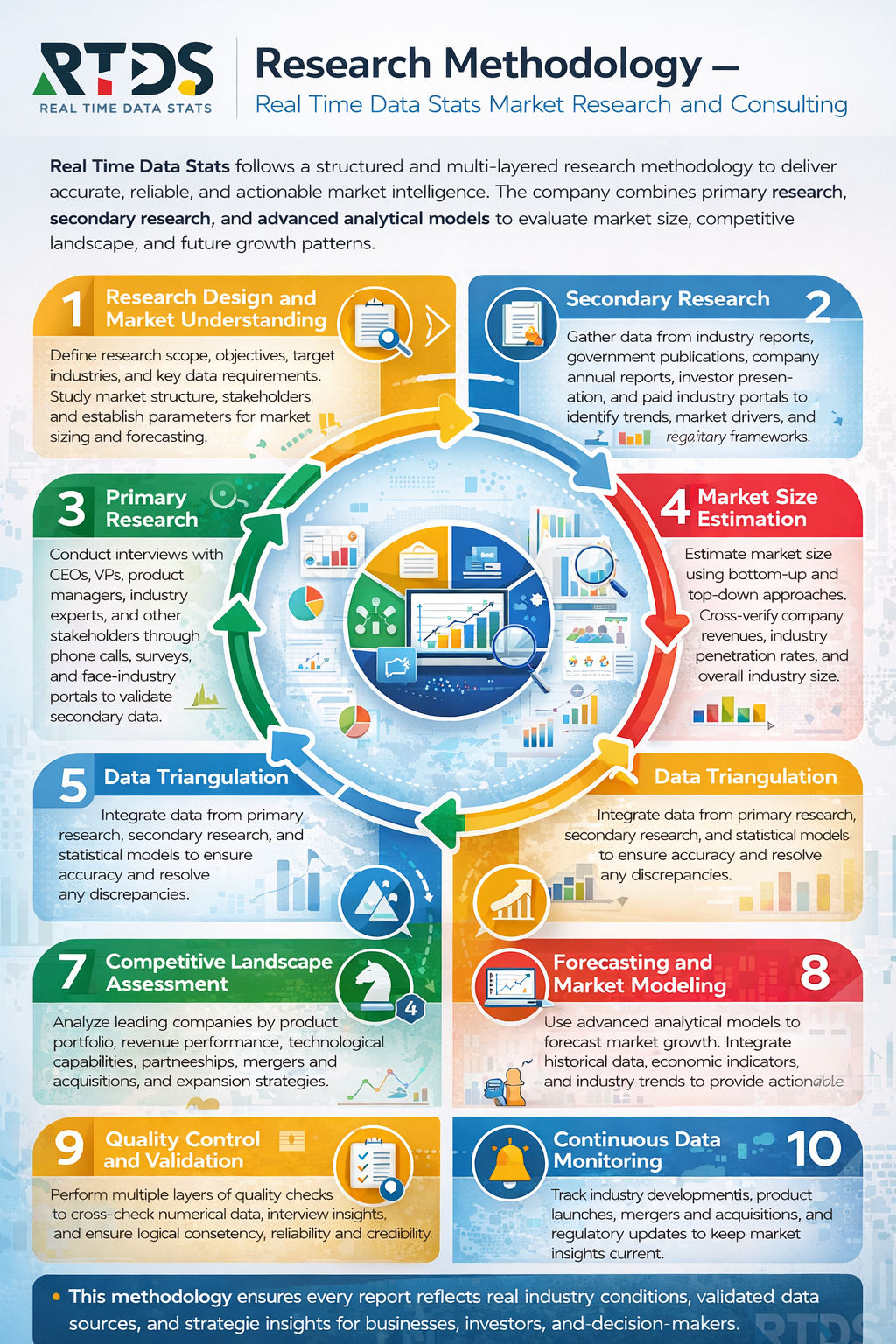
- Research Methodology
- Data Sources
- Assumptions & Limitations
- Currency & Units Considered
Market Overview
- Industry Evolution
- Current Market Scenario
- Technological Landscape
- Value Chain Analysis
- Ecosystem Mapping
- Regulatory Framework
- Patent & Innovation Trends
Market Dynamics
- Growth Drivers
- Market Restraints
- Emerging Opportunities
- Key Challenges
Demand–Supply Analysis
- Investment Trends
- Innovation & R&D Landscape
Space Cryo Manufacturing Market Segmentation
- By Type:
- Cryogenic Material Processing
- Cryogenic Additive Manufacturing
- Cryo-Preservation Manufacturing
- Cryogenic Semiconductor Fabrication
- Cryo-Composite Manufacturing
- Cryogenic Alloy Production
- By Product:
- Cryogenic Storage Units
- Cryogenic Chambers
- Cryo-Manufactured Components
- Cryogenic Cooling Systems
- Cryo-Compatible Sensors
- Cryogenic Processing Equipment
- By Technology:
- Vacuum Cryogenic Processing
- Zero-Gravity Cryo Manufacturing
- AI-Controlled Cryogenic Systems
- Advanced Cryogenic Cooling Techniques
- Robotic Cryo Fabrication
- Nano-Cryogenic Manufacturing
- By Application:
- Spacecraft Component Manufacturing
- Satellite Systems Manufacturing
- Space Electronics Fabrication
- Medical Material Production in Space
- Advanced Material Research
- Energy Storage Material Manufacturing
- By Material Type:
- Cryogenic Metals
- Cryogenic Polymers
- Cryogenic Ceramics
- Superconducting Materials
- Composite Materials
- Nano-Engineered Materials
- By End User:
- Space Agencies
- Commercial Space Companies
- Defense & Aerospace Organizations
- Research Institutions
- Semiconductor Manufacturers
- Advanced Material Manufacturers
- By Manufacturing Process:
- Cryogenic Casting
- Cryogenic Machining
- Cryogenic 3D Printing
- Cryogenic Sintering
- Cryogenic Coating
- Cryogenic Surface Treatment
- By Platform:
- Space Stations
- Dedicated Manufacturing Satellites
- Orbital Manufacturing Modules
- Deep Space Manufacturing Platforms
- Reusable Space Vehicles
- Lunar-Orbit Platforms
- By Deployment Mode:
- Low Earth Orbit Manufacturing
- Medium Earth Orbit Manufacturing
- Geostationary Orbit Manufacturing
- Cis-Lunar Manufacturing
- Deep Space Manufacturing
- Interplanetary Manufacturing
Competitive Landscape
- Market Share Analysis
- Company Positioning Matrix
- Strategic Developments
- Partnerships & Collaborations
- Mergers & Acquisitions
- Product Launches
- R&D Investments
Company Profiles
- Business Overview
- Financial Performance
- Product Portfolio
- Strategic Initiatives
- Recent Developments
- SWOT Analysis
- Supply Chain Analysis
- Raw Material Suppliers
Component Manufacturers
- Integrators
- Distributors
- End-Use Delivery Channels
- Pricing Analysis
- Regional Pricing Trends
- Cost Structure Breakdown
- Margin Analysis
- Forecasted Pricing Trends
Investment & Funding Analysis
- Venture Capital Trends
- Government Funding Programs
- Private Investments
- Grants & Subsidies
- Forecast Analysis
Market Size Forecast
- Revenue Projections
- Volume Projections
- Segment-Wise Forecast
Regional Forecast
- Trends & Innovations
- Emerging Materials
- Automation & AI Integration
- Miniaturization Trends
- Sustainable Cryogenic Systems
Smart Monitoring Technologies
- Risk Assessment
- Operational Risks
- Regulatory Risks
- Financial Risks
- Technological Risks
- Supply Chain Risks
Conclusion
- Summary of Market Trends
- Key Drivers and Restraints
- Growth Opportunities
- Technology & Innovation Outlook
- Future Market Forecast
Appendix
- Abbreviations
- Research Methodology Details
- Data Triangulation
- Disclaimer
- Contact Information
List of Tables
- Table:1: Global Market Size Overview
- Table:2: Market Growth Rate Comparison by Region
- Table:3: Component Segment Revenue Share
- Table:4: Application Segment Distribution
- Table:5: End-User Market Share
- Table:6: Technology Adoption Rates
- Table:7: Regional Pricing Analysis
- Table:8: Competitive Market Share Matrix
- Table:9: Investment Flow by Year
- Table:10: Supply Chain Cost Breakdown
- Table:11: Regulatory Compliance Comparison
- Table:12: Product Launch Timeline
- Table:13: R&D Spending Analysis
- Table:14: Forecast Revenue by Segment
- Table:15: Risk Impact Assessment Matrix
List of Figures
- Figure:1: Space Cryo Manufacturing Market Overview Diagram
- Figure:2: Market Value Chain Illustration
- Figure:3: Industry Ecosystem Map
- Figure:4: Growth Drivers Impact Chart
- Figure:5: Opportunity Analysis Graph
- Figure:6: Component Segment Pie Chart
- Figure:7: Application Trend Graph
- Figure:8: Regional Market Share Map
- Figure:9: Competitive Positioning Matrix
- Figure:10: Investment Trend Line Graph
- Figure:11: Technology Adoption Curve
- Figure:12: Supply Chain Flow Diagram
- Figure:13: Forecast Growth Curve
- Figure:14: Innovation Timeline Chart
- Figure:15: Risk Assessment Heat Map
Space Cryo Manufacturing Market Key Factors
Drivers:
- Growing satellite deployments increase demand for cryogenic cooling systems.
- Deep space missions require advanced cryogenic fuel storage and management.
- The commercialization of spaceflight lowers costs and accelerates technology development.
Restraints:
- Extreme technical complexity escalates development time and expense.
- Stringent safety and reliability standards constrain rapid iteration.
- High initial investment requirements limit market entry for new players.
Opportunities:
- Emerging in-orbit servicing creates demand for cryogenic fluid transfer.
- Lunar and Martian exploration programs drive next-generation system development.
- Advances in material science enable lighter and more efficient cryogenic components.
Challenges:
- The harsh space environment tests component durability and thermal management.
- A limited supply chain for space-grade cryogenic equipment creates bottlenecks.
- Achieving long-term cryogen storage with minimal loss remains a significant hurdle.
Space Cryo Manufacturing Market Key Regional Trends
North America:
- Government agencies like NASA and the Space Force fund advanced cryogenic technology programs.
- Private companies lead in developing reusable launch vehicles with integrated cryo systems.
- Established aerospace clusters foster collaboration between manufacturers and research institutions.
Europe:
- ESA-led initiatives prioritize cryogenics for next-generation launch vehicles and science missions.
- A strong focus on sustainability pushes research into green propellant management.
- Cross-border consortiums form to share high costs and technical expertise for large projects.
Asia-Pacific:
- National space programs rapidly expand, increasing investments in cryogenic launch capabilities.
- Growing satellite manufacturing hubs stimulate demand for associated cryo-components.
- Governments actively seek international partnerships to access advanced cryogenic technologies.
Frequently Asked Questions
Key Questions Answered
- What is the size and growth rate of the market industry?
- What are the main drivers influencing market growth trends?
- What are the key challenges and restraints faced by the market?
- What are the emerging trends and opportunities shaping the market?
- Who are the top players, and what strategies drive their success?
- What are the customer demographics and their buying behaviors?
- What are the key market segments, and what is their scope?
- What are the geographical dynamics, and which region dominates?
- What are the market forecasts and projections for the next decade?
- What regulatory factors are critical to consider for market growth?
Why Choose our Company?
- Major facts and stats backing every report we offer.
- Comprehensive analysis tailored to your business needs.
- Accurate insights backed by extensive market research.
- Expert support to address your queries promptly.
- Data-driven strategies for better decision-making.
- In-depth reports with actionable
recommendations. - Reliable statistics from trusted industry
sources. - Customizable reports to suit your specific goals.
- Unmatched quality and precision in market analysis.
- Competitive pricing with premium content delivery.
Share your experience!
We value you feedback. Please take a moment to review your experience with us.