
According to insights from Real Time Data Stats, the Space Atomic Materials Market was valued at USD 0.92 billion in 2025. It is expected to grow from USD 1.05 billion in 2026 to USD 2.71 billion by 2033, registering a CAGR of 14.6% during the forecast period (2026–2033).
MARKET SIZE AND SHARE
The global space atomic materials market is expanding steadily, driven by increasing investments in deep-space exploration programs and large-scale satellite constellations. Rising demand for dependable, long-duration power generation and advanced propulsion systems for space assets continues to support strong market growth throughout the forecast period.
Market share is expected to remain concentrated among leading aerospace organizations and specialized nuclear technology providers. North American companies, backed by significant government funding and defense contracts, are likely to maintain a strong position. However, competition will gradually broaden as European and Asia-Pacific participants enhance their technological capabilities and expand their presence in the sector.
INDUSTRY OVERVIEW AND STRATEGY
The space atomic materials industry encompasses the development and provision of radioisotopes and nuclear materials for power, propulsion, and scientific applications in space. Key products include Plutonium-238 for Radioisotope Thermoelectric Generators (RTGs) and fuels for nascent nuclear thermal propulsion systems. The industry is characterized by high technological barriers, stringent regulatory frameworks, and long development cycles, requiring close collaboration between national agencies and private sector contractors to mitigate inherent risks and supply chain challenges.
Core strategies for market participants involve securing long-term government partnerships and advancing technological readiness levels. Companies are focusing on vertical integration to control the supply of critical isotopes and investing in novel manufacturing techniques like additive manufacturing for fuel elements. Strategic alliances are being formed to share development costs and accelerate innovation, particularly for fission-based surface power systems intended for lunar and Martian habitats. A key strategic pivot is towards developing scalable and safer modular reactor designs for in-space applications.
Analyst Key Takeaways:
The Space Atomic Materials Market is witnessing strong growth driven by increasing demand for high-performance materials capable of operating in extreme space environments. Advancements in radiation-resistant alloys, atomic-scale engineered materials, nanomaterials, and ultra-lightweight composites are enabling next-generation spacecraft, satellites, and deep-space exploration systems. Growing investments in lunar missions, orbital infrastructure, and advanced propulsion technologies are further accelerating innovation across the sector.
The convergence of space mining, in-space manufacturing, and aerospace material science is creating new opportunities for specialized atomic materials with enhanced durability, thermal stability, and structural performance. Collaboration among aerospace manufacturers, research institutions, defense organizations, and commercial space companies is fostering rapid technological development, positioning space atomic materials as a critical enabler of future long-duration missions and the broader space economy.
REGIONAL TRENDS AND GROWTH
North America leads the market, propelled by NASA's Artemis program and deep space science missions requiring RTGs. The United States is actively reconstituting its Plutonium-238 production capacity, creating a stable demand pipeline. Europe, led by the European Space Agency and national programs, is strengthening its capabilities in radioisotope power systems, while Asia-Pacific exhibits emergent growth focused on research and development for dual-use technologies, with China showing significant strategic investments in space nuclear power.
Primary growth drivers include the necessity for high-power systems for crewed interplanetary missions and permanent lunar bases. Key restraints involve high costs, regulatory hurdles for launch safety, and public perception challenges. Opportunities arise from technological advancements in nuclear electric propulsion and compact fission reactors. The foremost challenges remain the complex international legal framework governing nuclear material in space and the development of fail-safe containment systems to ensure mission and environmental safety throughout a system's lifecycle.
SPACE ATOMIC MATERIALS MARKET SEGMENTATION ANALYSIS
BY TYPE:
The Space Atomic Materials Market by type is strongly dominated by nano-structured materials and radiation-resistant alloys, as these materials directly address the extreme environmental conditions of outer space such as cosmic radiation, micro-meteorite impacts, and drastic temperature fluctuations. Nano-structured materials are increasingly preferred due to their superior strength-to-weight ratio, atomic-level precision engineering capability, and enhanced durability, making them highly suitable for next-generation spacecraft and satellite structures. Radiation-resistant alloys and advanced ceramics also hold a significant share because long-duration missions demand materials that can sustain structural integrity under prolonged exposure to solar and galactic radiation. Composite and superconductive materials are gaining traction as private space companies seek performance efficiency and reduced launch mass, which are critical cost-optimization factors.
Another dominant driver in this segment is the growing investment in deep-space exploration and reusable launch vehicles, which require adaptive and smart materials capable of self-healing or responding to environmental stress. Governments and commercial entities are prioritizing lightweight yet resilient materials to enhance payload capacity while maintaining safety and longevity. Continuous R&D in atomic-scale material engineering, coupled with collaborations between aerospace manufacturers and nanotechnology firms, is accelerating innovation cycles. The demand is further amplified by satellite constellations and defense-oriented space programs, where reliability, minimal maintenance, and extended mission lifespans serve as the primary growth catalysts.
BY APPLICATION:
Application segmentation is largely driven by satellite manufacturing and spacecraft structural components, which collectively account for a major portion of market demand. The exponential rise in communication, navigation, and earth-observation satellites has significantly increased the need for advanced atomic materials that ensure durability, reduced weight, and enhanced operational efficiency. Propulsion systems and radiation shielding systems are also dominant applications because modern missions require fuel efficiency and astronaut safety, making high-performance atomic materials indispensable. Space station infrastructure and deep-space exploration equipment further contribute to demand as agencies expand orbital laboratories and interplanetary missions.
The dominant factors shaping this segment include the commercialization of space, expansion of broadband satellite networks, and defense-oriented space surveillance initiatives. Increased private sector participation has intensified the need for cost-effective yet technologically advanced materials capable of supporting repeated launches and long service cycles. Additionally, innovation in propulsion technology and miniaturized satellite components is fueling specialized material requirements. The surge in intergovernmental collaborations and lunar and Mars exploration projects is also strengthening long-term demand, as these missions require materials that can withstand extreme pressure, temperature, and radiation for extended durations.
BY END-USER:
Government space agencies remain the dominant end-users due to their large-scale funding capabilities, long-term mission planning, and national security interests. Agencies invest heavily in research, testing, and deployment of atomic-grade materials for defense satellites, exploration rovers, and orbital infrastructure. Commercial space companies are rapidly emerging as equally influential players, driven by satellite internet projects, space tourism initiatives, and reusable rocket programs. Defense and military organizations also hold a significant share, as advanced materials are critical for surveillance systems, missile detection satellites, and secure communication platforms.
Research institutions and aerospace manufacturers contribute strongly by driving innovation and prototype development, forming the backbone of technological advancement. Satellite service providers also influence demand as they require durable and lightweight materials to ensure uninterrupted service and reduced maintenance costs. The dominant factor in this segment is the rising collaboration between public and private entities, which accelerates innovation while reducing production timelines. Long-term strategic partnerships, venture capital investments, and defense modernization programs collectively shape sustained growth across all end-user categories.
BY MATERIAL CLASS:
Metals and alloys dominate this segment because of their proven structural reliability, high tensile strength, and adaptability in aerospace engineering. Carbon-based materials and composites are rapidly gaining share due to their lightweight characteristics and superior resistance to corrosion and fatigue. Ceramics and hybrid materials are increasingly utilized in thermal protection systems and radiation shielding due to their ability to withstand extreme temperatures and pressure variations. Polymers are also emerging in non-load-bearing components where flexibility and cost efficiency are prioritized.
The primary growth drivers include the need for multi-functional materials that combine strength, heat resistance, and electrical conductivity within a single structure. Technological progress in carbon nanotubes, graphene, and hybrid atomic layering has significantly enhanced performance metrics. Space mission diversification and modular spacecraft design are also pushing demand for versatile materials capable of supporting multiple applications. Sustainability considerations and recyclability of materials are gradually influencing procurement strategies, especially among commercial manufacturers aiming to reduce lifecycle costs and environmental impact.
BY MANUFACTURING PROCESS:
Additive manufacturing stands as the most influential process due to its ability to produce complex geometries with minimal waste and high precision at atomic scales. Atomic layer deposition and chemical vapor deposition are also dominant because they enable ultra-thin coatings and enhanced surface performance, which are critical for radiation resistance and thermal insulation. Powder metallurgy and nanofabrication techniques contribute substantially by allowing precise control over microstructures and mechanical properties, ensuring optimized performance for specialized components.
Key dominant factors include the rising need for customization, rapid prototyping, and cost-efficient production cycles in aerospace manufacturing. The integration of AI-assisted design tools and automation is further streamlining production efficiency. Increased adoption of 3D printing technologies reduces dependency on traditional machining, enabling faster deployment of mission-specific components. Furthermore, technological convergence between nanotechnology and material science is strengthening process innovation, enabling atomic-level control that significantly improves durability, efficiency, and overall mission safety.
BY FUNCTIONALITY:
Thermal protection and structural reinforcement dominate the functionality segment as space missions face extreme temperature variations and mechanical stress. Electrical conductivity and magnetic performance are also critical due to the increasing reliance on advanced electronics, communication modules, and navigation systems. Optical performance materials are gaining importance for sensors, imaging devices, and telescopic equipment, while radiation absorption remains essential for crew safety and electronic component longevity.
The dominant drivers include the increasing complexity of spacecraft systems and the demand for multifunctional materials capable of performing several roles simultaneously. Continuous advancements in sensor technology, quantum communication, and energy-efficient electronics are pushing innovation in functional materials. The growing duration of missions and the expansion of human spaceflight programs further intensify the need for materials that ensure safety, efficiency, and reliability under continuous operational stress. Performance optimization and integration flexibility remain the strongest influencing factors across this segment.
BY ORBIT TYPE:
Low Earth Orbit holds the largest share due to the surge in satellite constellations for communication, earth observation, and navigation services. Medium and Geostationary orbits also contribute significantly as they support weather forecasting, defense monitoring, and broadcasting networks. Polar and sun-synchronous orbits are increasingly important for environmental monitoring and scientific research missions, requiring materials with enhanced radiation tolerance and thermal adaptability. Deep space missions represent a smaller yet rapidly growing segment driven by exploration initiatives.
Dominant factors include the commercialization of satellite deployment and the rising demand for global connectivity solutions. Increased governmental funding for space exploration and defense surveillance strengthens demand across all orbit types. Technological advancements in launch vehicles and miniaturized satellites enable broader orbit utilization, thereby expanding material requirements. Long-term mission sustainability and orbital debris mitigation strategies also influence the selection of durable and lightweight materials capable of maintaining performance over extended lifecycles.
BY COMPONENT INTEGRATION:
Hull and frame materials dominate due to their structural significance and constant exposure to external space conditions. Solar panel and sensor materials are also critical as energy efficiency and accurate data acquisition are central to mission success. Communication module and fuel tank materials hold strong demand because uninterrupted connectivity and propulsion reliability are non-negotiable requirements. Landing gear materials gain importance in reusable launch systems and planetary exploration missions.
The dominant factors in this segment revolve around integration efficiency, weight optimization, and durability. Spacecraft manufacturers increasingly prioritize modular integration, which demands materials compatible with multiple subsystems. Technological innovation in energy storage, propulsion efficiency, and advanced sensing systems further drives material specialization. The expansion of reusable spacecraft programs and long-duration exploration missions continues to elevate the need for materials capable of enduring repetitive stress without performance degradation.
BY TECHNOLOGY:
Nanotechnology-based and quantum materials dominate due to their transformative potential in enhancing conductivity, strength, and computational efficiency. Metamaterials and AI-enhanced smart materials are rapidly gaining adoption because they offer adaptive responses to environmental changes and improved operational control. Self-healing and lightweight structural technologies are becoming vital as missions grow longer and maintenance opportunities remain limited.
The main growth drivers include rapid technological convergence, increased R&D investments, and cross-industry innovation partnerships. Space agencies and private enterprises are aggressively exploring intelligent materials that reduce operational risks and improve system autonomy. The push for miniaturization, automation, and enhanced energy efficiency strengthens the dominance of advanced technologies. Long-term sustainability goals and the need for resilient infrastructure in extraterrestrial environments also significantly influence this segment’s expansion.
RECENT DEVELOPMENTS
- In Jan 2024: NASA and the Department of Energy awarded $15 million in contracts to three companies—Lockheed Martin, Westinghouse, and Zeno Power—to advance conceptual designs for fission surface power systems intended for use on the Moon.
- In Apr 2024: Zeno Power, in partnership with NASA and the DOE, successfully completed a critical design review and began manufacturing its radioisotope power system using Strontium-90, targeting a 2026 demonstration mission.
- In Sep 2024: The European Space Agency (ESA) unveiled its European Radioisotope Power Systems (ERPS) roadmap, committing significant funding to develop European-made radioisotope thermoelectric generators (RTGs) using Americium-241.
- In Nov 2024: Lockheed Martin was selected by DARPA for Phase 2 of the Demonstration Rocket for Agile Cislunar Operations (DRACO) program, to design and build a nuclear thermal propulsion reactor for an in-space flight test.
- In Feb 2025: BWXT Advanced Technologies announced the delivery of the first coated uranium fuel particles to NASA for testing in its nuclear thermal propulsion project, marking a major milestone in fuel fabrication.
KEY PLAYERS ANALYSIS
- Lockheed Martin Corporation
- Northrop Grumman Corporation
- Boeing Company
- BWX Technologies, Inc. (BWXT)
- Zeno Power Systems
- Blue Origin
- SpaceX
- Rolls-Royce Holdings plc
- Westinghouse Electric Company (Bloom Energy)
- Aerojet Rocketdyne (L3Harris Technologies)
- General Atomics
- General Electric
- Ultra Safe Nuclear Corporation (USNC)
- NanoRacks (Voyager Space)
- Astrobotic Technology
- ispace, inc.
- The Aerospace Corporation
- Jacobs Engineering Group
- Mitsubishi Heavy Industries, Ltd.
- Safran SA
Space Atomic Materials Market Segmentation Analysis
By Type:
- Nano-Structured Materials
- Radiation-Resistant Alloys
- Advanced Ceramics
- Composite Materials
- Superconductive Materials
- Smart / Adaptive Materials
By Application:
- Satellite Manufacturing
- Spacecraft Structural Components
- Propulsion Systems
- Radiation Shielding Systems
- Space Station Infrastructure
- Deep Space Exploration Equipment
By End-User:
- Government Space Agencies
- Commercial Space Companies
- Defense & Military Organizations
- Research Institutions
- Satellite Service Providers
- Aerospace Manufacturers
By Material Class:
- Metals & Alloys
- Polymers
- Ceramics
- Composites
- Hybrid Materials
- Carbon-Based Materials
By Manufacturing Process:
- Additive Manufacturing
- Chemical Vapor Deposition
- Physical Vapor Deposition
- Atomic Layer Deposition
- Powder Metallurgy
- Nanofabrication Techniques
By Functionality:
- Thermal Protection
- Structural Reinforcement
- Electrical Conductivity
- Magnetic Performance
- Optical Performance
- Radiation Absorption
By Orbit Type:
- Low Earth Orbit
- Medium Earth Orbit
- Geostationary Orbit
- Polar Orbit
- Sun-Synchronous Orbit
- Deep Space Missions
By Component Integration:
- Hull & Frame Materials
- Solar Panel Materials
- Sensor & Instrument Materials
- Communication Module Materials
- Fuel Tank Materials
- Landing Gear Materials
By Technology:
- Nanotechnology-Based Materials
- Quantum Materials
- Metamaterials
- AI-Enhanced Smart Materials
- Self-Healing Materials
- Lightweight Structural Technologies
By Geography:
- North America (USA, Canada, Mexico)
- Europe (UK, Germany, France, Italy, Spain, Rest of Europe)
- Asia-Pacific (China, Japan, Australia, South Korea, India, Rest of Asia-Pacific)
- South America (Brazil, Argentina, Rest of South America)
- Middle East and Africa (GCC Countries, South Africa, Rest of MEA)
Space Atomic Materials Market: Table of Contents
Executive Summary
- Market Introduction
- Market Definition
- Scope of the Study
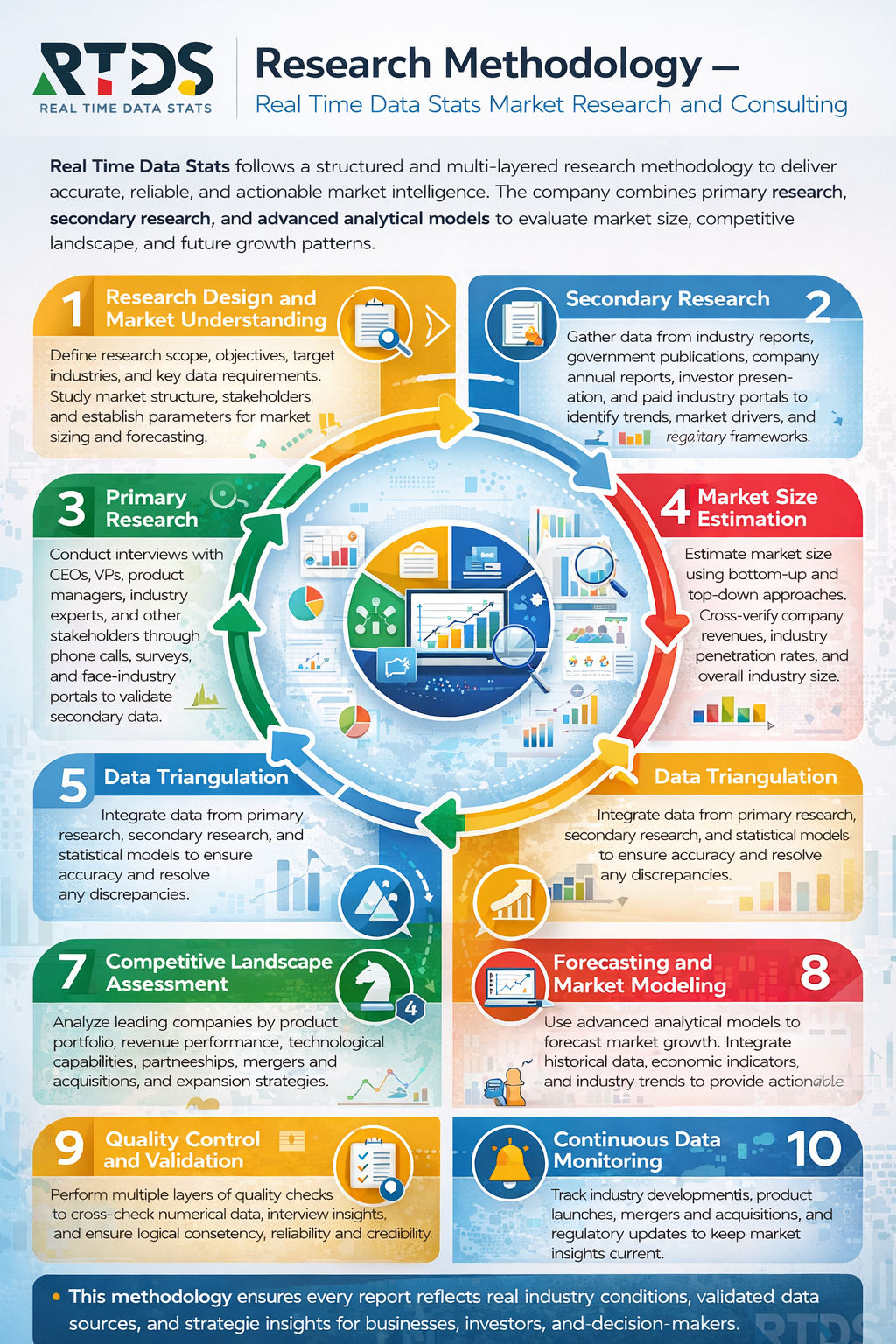
Research Methodology
- Data Sources
- Assumptions & Limitations
- Market Dynamics
- Market Drivers
- Market Restraints
- Market Opportunities
- Market Challenges
- Emerging Trends
Innovation & Technological Advancements
- Global Economic Impact on Space Atomic Materials Market
- Regulatory & Policy Landscape
- Supply Chain Analysis
- Value Chain Analysis
- Pricing Analysis
- Investment & Funding Scenario
Competitive Landscape
- Market Share Analysis
- Company Profiling
- Strategic Developments
- Mergers & Acquisitions
- Partnerships & Collaborations
- Product Launches
- R&D Activities
Space Atomic Materials Market Segmentation Analysis
- By Type
- Nano-Structured Materials
- Radiation-Resistant Alloys
- Advanced Ceramics
- Composite Materials
- Superconductive Materials
- Smart / Adaptive Materials
- By Application
- Satellite Manufacturing
- Spacecraft Structural Components
- Propulsion Systems
- Radiation Shielding Systems
- Space Station Infrastructure
- Deep Space Exploration Equipment
- By End-User
- Government Space Agencies
- Commercial Space Companies
- Defense & Military Organizations
- Research Institutions
- Satellite Service Providers
- Aerospace Manufacturers
- By Material Class
- Metals & Alloys
- Polymers
- Ceramics
- Composites
- Hybrid Materials
- Carbon-Based Materials
- By Manufacturing Process
- Additive Manufacturing
- Chemical Vapor Deposition
- Physical Vapor Deposition
- Atomic Layer Deposition
- Powder Metallurgy
- Nanofabrication Techniques
- By Functionality
- Thermal Protection
- Structural Reinforcement
- Electrical Conductivity
- Magnetic Performance
- Optical Performance
- Radiation Absorption
- By Orbit Type
- Low Earth Orbit
- Medium Earth Orbit
- Geostationary Orbit
- Polar Orbit
- Sun-Synchronous Orbit
- Deep Space Missions
- By Component Integration
- Hull & Frame Materials
- Solar Panel Materials
- Sensor & Instrument Materials
- Communication Module Materials
- Fuel Tank Materials
- Landing Gear Materials
- By Technology
- Nanotechnology-Based Materials
- Quantum Materials
- Metamaterials
- AI-Enhanced Smart Materials
- Self-Healing Materials
- Lightweight Structural Technologies
Regional Market Analysis
- North America Market Insights
- Europe Market Insights
- Asia Pacific Market Insights
- Latin America Market Insights
- Middle East & Africa Market Insights
Future Outlook & Forecast Analysis
- Market Growth Projections
- Opportunity Mapping
- Strategic Recommendations
Conclusion
- Summary of Market Trends
- Key Drivers and Restraints
- Growth Opportunities
- Technology & Innovation Outlook
- Future Market Forecast
Appendix
- Abbreviations
- Glossary of Terms
- Methodology Notes
- Disclaimer
List of Tables
- Table:1: Global Market Size Overview
- Table:2: Market Growth Rate Comparison
- Table:3: Type Segment Share Analysis
- Table:4: Application Segment Share Analysis
- Table:5: End-User Distribution
- Table:6: Material Class Revenue Split
- Table:7: Manufacturing Process Adoption
- Table:8: Functionality Demand Matrix
- Table:9: Orbit Type Utilization
- Table:10: Component Integration Share
- Table:11: Technology Penetration Rates
- Table:12: Regional Revenue Distribution
- Table:13: Competitive Market Share
- Table:14: Investment & Funding Trends
- Table:15: Forecast Market Projections
List of Figures
- Figure:1: Global Market Overview Diagram
- Figure:2: Market Dynamics Flowchart
- Figure:3: Value Chain Illustration
- Figure:4: Supply Chain Structure
- Figure:5: Type Segmentation Chart
- Figure:6: Application Segmentation Chart
- Figure:7: End-User Segmentation Chart
- Figure:8: Material Class Pie Chart
- Figure:9: Manufacturing Process Graph
- Figure:10: Functionality Performance Map
- Figure:11: Orbit Type Distribution Map
- Figure:12: Technology Adoption Curve
- Figure:13: Regional Market Map
- Figure:14: Competitive Landscape Matrix
- Figure:15: Forecast Growth Trend Graph
Space Atomic Materials Market Key Factors
Drivers:
- Governments increase funding for deep space exploration missions.
- The industry develops smaller, more efficient nuclear thermal propulsion systems.
- Companies seek reliable power for lunar and Martian surface operations.
Restraints:
- Strict international regulations govern the use and launch of radioactive materials.
- High development costs and complex engineering delay project timelines.
- Public perception and safety concerns create regulatory and social hurdles.
Opportunities:
- New material science research unlocks advanced radioisotope fuel designs.
- Private companies invest in nuclear systems for spacecraft and planetary bases.
- Potential missions to outer planets create demand for long-life power sources.
Challenges:
- Engineers must ensure absolute containment safety during launch and operation.
- The supply chain for specialized isotopes faces limited capacity and geopolitical issues.
- International space law lacks clear frameworks for nuclear systems in space.
Space Atomic Materials Market Key Regional Trends
North America:
- NASA and the Department of Defense fund advanced radioisotope power system development.
- Private companies actively prototype fission systems for lunar power.
- Regulatory agencies refine launch safety protocols for nuclear payloads.
Europe:
- ESA member states collaborate on radioisotope heater unit (RHU) production.
- Research focuses on non-proliferation compliant fuel alternatives.
- Agencies prioritize nuclear power for proposed Moon and Mars missions.
Asia-Pacific:
- China's space program advances its lunar nuclear reactor development plans.
- Japan leverages its terrestrial nuclear expertise for space power applications.
- National agencies invest in isotopic power for ambitious robotic exploration.
Rest of the World:
- International partnerships seek roles in the specialized supply chain.
- Emerging space nations engage in international regulatory discussions.
- Research institutions study niche applications for small satellites.
Frequently Asked Questions
Key Questions Answered
- What is the size and growth rate of the market industry?
- What are the main drivers influencing market growth trends?
- What are the key challenges and restraints faced by the market?
- What are the emerging trends and opportunities shaping the market?
- Who are the top players, and what strategies drive their success?
- What are the customer demographics and their buying behaviors?
- What are the key market segments, and what is their scope?
- What are the geographical dynamics, and which region dominates?
- What are the market forecasts and projections for the next decade?
- What regulatory factors are critical to consider for market growth?
Why Choose our Company?
- Major facts and stats backing every report we offer.
- Comprehensive analysis tailored to your business needs.
- Accurate insights backed by extensive market research.
- Expert support to address your queries promptly.
- Data-driven strategies for better decision-making.
- In-depth reports with actionable
recommendations. - Reliable statistics from trusted industry
sources. - Customizable reports to suit your specific goals.
- Unmatched quality and precision in market analysis.
- Competitive pricing with premium content delivery.
Share your experience!
We value you feedback. Please take a moment to review your experience with us.