
According to insights from Real Time Data Stats, the Neural Brain Stimulation Market was valued at USD 2.53 billion in 2025. It is expected to grow from USD 2.79 billion in 2026 to USD 5.53 billion by 2033, registering a CAGR of 10.3% during the forecast period (2026–2033).
MARKET SIZE AND SHARE
The global Neural Brain Stimulation market is expanding steadily, driven by the rising prevalence of neurological disorders and continuous technological advancements. Deep Brain Stimulation (DBS) currently accounts for the largest revenue share due to its proven clinical efficacy, while leading companies maintain strong market positions through extensive intellectual property portfolios and validated treatment outcomes.
Market share remains moderately concentrated among major industry participants, although Transcranial Magnetic Stimulation (TMS) is expected to gain significant traction because of its non-invasive nature. Growth in depression and chronic pain applications, along with the emergence of innovative neuromodulation technologies and strategic partnerships, is expected to reshape the competitive landscape and influence future market share distribution.
INDUSTRY OVERVIEW AND STRATEGY
The neural brain stimulation industry comprises medical device companies developing technologies to modulate neural activity. It is segmented by product type, application, and end-user, focusing on treating conditions like Parkinson’s, epilepsy, and depression. The competitive environment is characterized by high R&D investment and stringent regulatory pathways. A key industry driver is the growing demand for effective therapeutic solutions where pharmacological treatments fail, pushing continuous innovation in neuromodulation.
Core strategies involve intensive research into closed-loop systems and minimally invasive devices. Companies prioritize obtaining regulatory approvals and conducting large-scale clinical trials to demonstrate safety and efficacy. Strategic collaborations with research institutes and acquisitions of innovative startups are common to enhance technological portfolios. Another critical strategy is expanding indications for existing devices to access broader patient populations and ensure sustained market growth and leadership.
Analyst Key Takeaways:
The neural brain stimulation market is experiencing strong momentum, driven by the increasing prevalence of neurological and psychiatric disorders, growing demand for minimally invasive treatment options, and continuous advancements in neuromodulation technologies. Expanding clinical applications for conditions such as Parkinson’s disease, epilepsy, depression, chronic pain, and treatment-resistant neurological disorders are accelerating adoption across healthcare settings. Improved therapeutic outcomes and rising awareness among healthcare professionals are further supporting market expansion.
Technological innovation remains a key growth catalyst, with manufacturers focusing on advanced stimulation systems, personalized treatment approaches, and enhanced device connectivity. The integration of artificial intelligence, remote monitoring capabilities, and precision-targeting technologies is improving treatment effectiveness and patient experience. Additionally, favorable research activities, increasing regulatory approvals, and expanding investments in neuroscience are expected to create significant opportunities for industry participants throughout the forecast period.
REGIONAL TRENDS AND GROWTH
North America dominates the neural brain stimulation market, propelled by advanced healthcare infrastructure, high adoption of novel technologies, and favorable reimbursement policies. Europe follows, with strong growth supported by increasing government funding for neurological research. The Asia-Pacific region is identified as the fastest-growing market, due to its large patient pool, improving healthcare access, and rising medical tourism, particularly for advanced neurological treatments.
Key growth drivers include the aging global population and rising disease burden. However, the market faces restraints like high device costs and procedural risks. Significant opportunities lie in developing wearable and adaptive stimulation devices. Major challenges include stringent regulatory hurdles and the need for long-term clinical data. Future growth will depend on overcoming these barriers through technological refinement and demonstrating cost-effectiveness to payers and providers worldwide.
NEURAL BRAIN STIMULATION MARKET SEGMENTATION ANALYSIS
BY TYPE:
The neural brain stimulation market by type is primarily dominated by Deep Brain Stimulation (DBS) and Transcranial Magnetic Stimulation (TMS) due to their proven clinical efficacy and strong adoption in neurological and psychiatric treatments. DBS holds a leading share because of its high success rate in treating Parkinson’s disease and essential tremor, supported by continuous advancements in implantable pulse generators and precision targeting technologies. Meanwhile, TMS gains rapid traction as a non-invasive alternative, especially for depression and anxiety disorders, where patients seek safer procedures with minimal recovery time. Transcranial Direct Current Stimulation (tDCS) and Vagus Nerve Stimulation (VNS) also contribute significantly, driven by cost-effectiveness and expanding therapeutic approvals. The growing preference for personalized and minimally invasive procedures acts as a major dominant factor pushing these technologies forward.
Other stimulation types such as Spinal Cord Stimulation (SCS), Sacral Nerve Stimulation (SNS), Peripheral Nerve Stimulation (PNS), Responsive Neurostimulation (RNS), and Cortical Stimulation show steady growth as chronic pain management and epilepsy cases increase globally. Electroconvulsive Therapy (ECT), although older, still retains relevance in severe psychiatric conditions due to its rapid response outcomes. Dominant growth factors include rising neurological disorder prevalence, technological miniaturization of devices, improved battery longevity, and broader insurance coverage. Diversification of treatment options and clinical research expansion further strengthen the multi-type ecosystem within this segment.
BY APPLICATION:
By application, the market is heavily driven by Parkinson’s Disease, Epilepsy, and Depression, which collectively account for a substantial portion of global demand. Parkinson’s disease remains the strongest contributor due to the high effectiveness of DBS and continuous elderly population growth. Epilepsy applications expand with responsive neurostimulation and wearable monitoring systems that enhance seizure prediction and management. Depression treatments, especially through TMS and tDCS, show rapid acceleration as mental health awareness rises and non-drug therapies gain acceptance. The dominant factors in this segment include increasing disease burden, supportive reimbursement frameworks, and improved clinical success rates.
Additional applications such as Chronic Pain, Alzheimer’s Disease, Migraine, OCD, Stroke Rehabilitation, Essential Tremor, and Traumatic Brain Injury (TBI) further diversify revenue streams. Chronic pain management stands out due to the opioid crisis pushing demand for non-pharmacological therapies. Stroke rehabilitation and Alzheimer’s research also attract investment as healthcare systems emphasize neuroplasticity-based recovery methods. Expanding geriatric demographics, early diagnosis trends, and cross-disciplinary neurological research act as core dominant drivers that continuously widen the application landscape.
BY TECHNOLOGY:
The technology segment is led by Invasive Stimulation and Implantable Devices, as they deliver precise and long-term therapeutic outcomes for severe neurological disorders. Implantable systems dominate revenue share due to higher pricing, long replacement cycles, and reliability in chronic disease management. However, Non-Invasive Stimulation and External Devices are growing at a faster rate because of their accessibility, lower risk profile, and rising outpatient usage. Dominant factors include rapid advancements in microelectronics, battery efficiency, and integration of AI-based monitoring systems that enhance treatment accuracy.
Emerging technologies such as Closed-Loop Systems, Wearable Neurostimulators, and Wireless Neurostimulators are transforming the competitive landscape. Closed-loop systems gain attention for real-time feedback and adaptive stimulation, improving clinical precision. Rechargeable and non-rechargeable systems coexist, with rechargeables favored for sustainability and long-term cost benefits. Innovation in portability, remote connectivity, and digital health integration remains the strongest growth catalyst within this segment.
BY END USER:
Hospitals and Neurology Clinics dominate the end-user segment because they possess advanced infrastructure, skilled professionals, and higher surgical procedure volumes. Hospitals benefit from strong reimbursement support and multidisciplinary treatment capabilities, making them primary centers for implantable stimulation therapies. Neurology and specialty clinics follow closely due to focused expertise and rising patient preference for specialized care. The main dominant factors include increasing hospitalization rates for neurological disorders and investments in advanced neuro-diagnostic equipment.
Other end users such as Rehabilitation Centers, Academic Institutions, Research Institutes, Ambulatory Surgical Centers, Homecare Settings, Diagnostic Centers, and Long-Term Care Facilities are expanding steadily. Rehabilitation and homecare segments are particularly growing due to portable and wearable neurostimulators enabling remote therapy. Academic and research institutions play a crucial role in innovation and clinical trials, acting as long-term market accelerators. The shift toward decentralized healthcare delivery significantly strengthens this segment’s diversity.
BY PRODUCT:
The product segment is strongly led by Neurostimulator Devices, Electrodes, and Pulse Generators, as these components form the core functional architecture of stimulation systems. Neurostimulator devices hold the largest share due to their high cost and essential role in therapy delivery. Electrodes and leads witness consistent demand because of replacement needs and compatibility upgrades. Dominant factors include product innovation, extended battery life, and improved material biocompatibility that enhance patient safety and treatment efficiency.
Supporting products such as Implantable Generators, External Controllers, Batteries, Chargers, Software Systems, and Accessories significantly contribute to recurring revenue. Software systems emerge as a critical growth area due to AI-driven analytics, remote programming, and data integration features. Continuous product lifecycle management and ecosystem expansion act as strong dominant drivers across this segment.
BY MODALITY:
Electrical and Magnetic Stimulation lead the modality segment because of established clinical validation and widespread adoption in neurological and psychiatric therapies. Electrical stimulation remains dominant due to its versatility across multiple disorders, while magnetic stimulation grows rapidly through non-invasive depression treatments. Dominant factors include clinical familiarity, cost-effectiveness, and regulatory approvals supporting large-scale deployment.
Other modalities such as Ultrasound, Optical, Chemical, Mechanical, Thermal, Focused, Diffuse, and Hybrid Stimulation represent emerging innovation zones. Hybrid and focused stimulation techniques gain traction due to higher precision and reduced side effects. Research funding, interdisciplinary neuroscience collaboration, and demand for targeted therapies act as major expansion forces within this segment.
BY INDICATION:
The indication segment is primarily driven by Movement Disorders, Psychiatric Disorders, Neurological Disorders, and Pain Management, which collectively form the market backbone. Movement disorders dominate due to the high success of DBS therapies, while psychiatric and neurological disorders grow rapidly with increasing mental health awareness. Pain management remains a strong contributor as healthcare systems seek alternatives to long-term medication dependency. Dominant drivers include aging populations, lifestyle-related neurological issues, and early disease detection.
Additional indications such as Cognitive, Sleep, Sensory, Motor, Behavioral, and Developmental Disorders are gaining attention through clinical research and pediatric applications. The expansion of personalized medicine and neuroplasticity-based therapies further broadens indication coverage. Continuous scientific validation and public health initiatives serve as long-term growth catalysts.
BY AGE GROUP:
The Adult and Geriatric populations dominate the age group segment due to higher prevalence of Parkinson’s disease, chronic pain, and neurodegenerative disorders. The geriatric group especially drives implantable device demand as neurological degeneration rises with age. Dominant factors include global life expectancy growth, improved diagnostic accuracy, and increased healthcare spending among older demographics.
However, Pediatric, Adolescent, and Young Adult segments are expanding steadily due to early intervention therapies for epilepsy, developmental disorders, and TBI. Neonatal and pre-adolescent applications are still niche but supported by research initiatives. The increasing focus on preventive neurology and lifelong mental health management strengthens long-term opportunities across all age brackets.
BY DISTRIBUTION CHANNEL:
Direct Sales and Distributors hold the largest share in the distribution channel segment because of strong manufacturer-hospital relationships and bulk procurement practices. Direct sales ensure product customization and technical support, while distributors expand regional penetration. Dominant drivers include institutional purchasing contracts, government tenders, and strategic partnerships between manufacturers and healthcare providers.
Other channels such as Online Platforms, Hospital Pharmacies, Retail Pharmacies, Specialty Stores, E-Procurement, Group Purchasing Organizations, Medical Device Wholesalers, and Third-Party Suppliers are growing due to digital transformation and supply chain modernization. Online procurement and group purchasing organizations particularly accelerate cost efficiency and accessibility. Increasing globalization of medical device trade and digital logistics infrastructure act as the main growth accelerators within this segment.
RECENT DEVELOPMENTS
- In Jan 2024: Medtronic received FDA approval for its Percept™ RC deep brain stimulation system with BrainSense™ technology, enabling adaptive, data-driven therapy for movement disorders.
- In Jul 2024: Abbott launched its Eterna™ spinal cord stimulation system with a proprietary waveform, expanding its neuromodulation portfolio for chronic pain management.
- In Nov 2024: Boston Scientific acquired Axonics for $3.7 billion, significantly strengthening its position in the sacral neuromodulation market for bladder and bowel disorders.
- In Feb 2025: NeuroPace reported positive long-term data for its RNS® System in generalized epilepsy, supporting expanded indications for its responsive neurostimulation device.
- In Apr 2025: Synchron completed patient enrollment in its COMMAND trial, a pivotal study for its Stentrode™ brain-computer interface designed for severe paralysis patients.
KEY PLAYERS ANALYSIS
- Medtronic plc
- Boston Scientific Corporation
- Abbott Laboratories
- NeuroPace, Inc.
- LivaNova PLC
- Nevro Corp.
- Synapse Biomedical Inc.
- Aleva Neurotherapeutics SA
- Functional Neuromodulation Ltd.
- Neuronetics, Inc.
- BrainsWay Ltd.
- MagVenture A/S
- Fisher Wallace Laboratories
- Salvia BioElectronics
- Bioinduction Ltd. (Precision Neuroscience)
- Synchron Inc.
- Blackrock Neurotech
- CorTec GmbH
- Neuroelectrics
- Soterix Medical Inc.
Neural Brain Stimulation Market Segmentation Analysis
By Type:
- Deep Brain Stimulation (DBS)
- Transcranial Magnetic Stimulation (TMS)
- Transcranial Direct Current Stimulation (tDCS)
- Vagus Nerve Stimulation (VNS)
- Spinal Cord Stimulation (SCS)
- Sacral Nerve Stimulation (SNS)
- Cortical Stimulation
- Peripheral Nerve Stimulation (PNS)
- Responsive Neurostimulation (RNS)
- Electroconvulsive Therapy (ECT)
By Application:
- Parkinson’s Disease
- Epilepsy
- Depression
- Chronic Pain
- Alzheimer’s Disease
- Migraine
- Obsessive Compulsive Disorder (OCD)
- Stroke Rehabilitation
- Essential Tremor
- Traumatic Brain Injury (TBI)
By Technology:
- Invasive Stimulation
- Non-Invasive Stimulation
- Implantable Devices
- External Devices
- Closed-Loop Systems
- Open-Loop Systems
- Wearable Neurostimulators
- Wireless Neurostimulators
- Rechargeable Systems
- Non-Rechargeable Systems
By End User:
- Hospitals
- Neurology Clinics
- Specialty Clinics
- Ambulatory Surgical Centers
- Research Institutes
- Rehabilitation Centers
- Academic Institutions
- Diagnostic Centers
- Homecare Settings
- Long-Term Care Facilities
By Product:
- Neurostimulator Devices
- Electrodes
- Leads
- Pulse Generators
- Implantable Generators
- External Controllers
- Batteries
- Chargers
- Software Systems
- Accessories
By Modality:
- Electrical Stimulation
- Magnetic Stimulation
- Ultrasound Stimulation
- Optical Stimulation
- Chemical Stimulation
- Mechanical Stimulation
- Thermal Stimulation
- Focused Stimulation
- Diffuse Stimulation
- Hybrid Stimulation
By Indication:
- Movement Disorders
- Psychiatric Disorders
- Neurological Disorders
- Pain Management
- Cognitive Disorders
- Sleep Disorders
- Sensory Disorders
- Motor Disorders
- Behavioral Disorders
- Developmental Disorders
By Age Group:
- Pediatric
- Adolescent
- Young Adult
- Adult
- Middle-Aged
- Geriatric
- Neonatal
- Pre-Adolescent
- Elderly
- All Age Groups
By Distribution Channel:
- Direct Sales
- Distributors
- Online Platforms
- Hospital Pharmacies
- Retail Pharmacies
- Specialty Stores
- E-Procurement
- Group Purchasing Organizations
- Medical Device Wholesalers
- Third-Party Suppliers
By Geography:
- North America (USA, Canada, Mexico)
- Europe (UK, Germany, France, Italy, Spain, Rest of Europe)
- Asia-Pacific (China, Japan, Australia, South Korea, India, Rest of Asia-Pacific)
- South America (Brazil, Argentina, Rest of South America)
- Middle East and Africa (GCC Countries, South Africa, Rest of MEA)
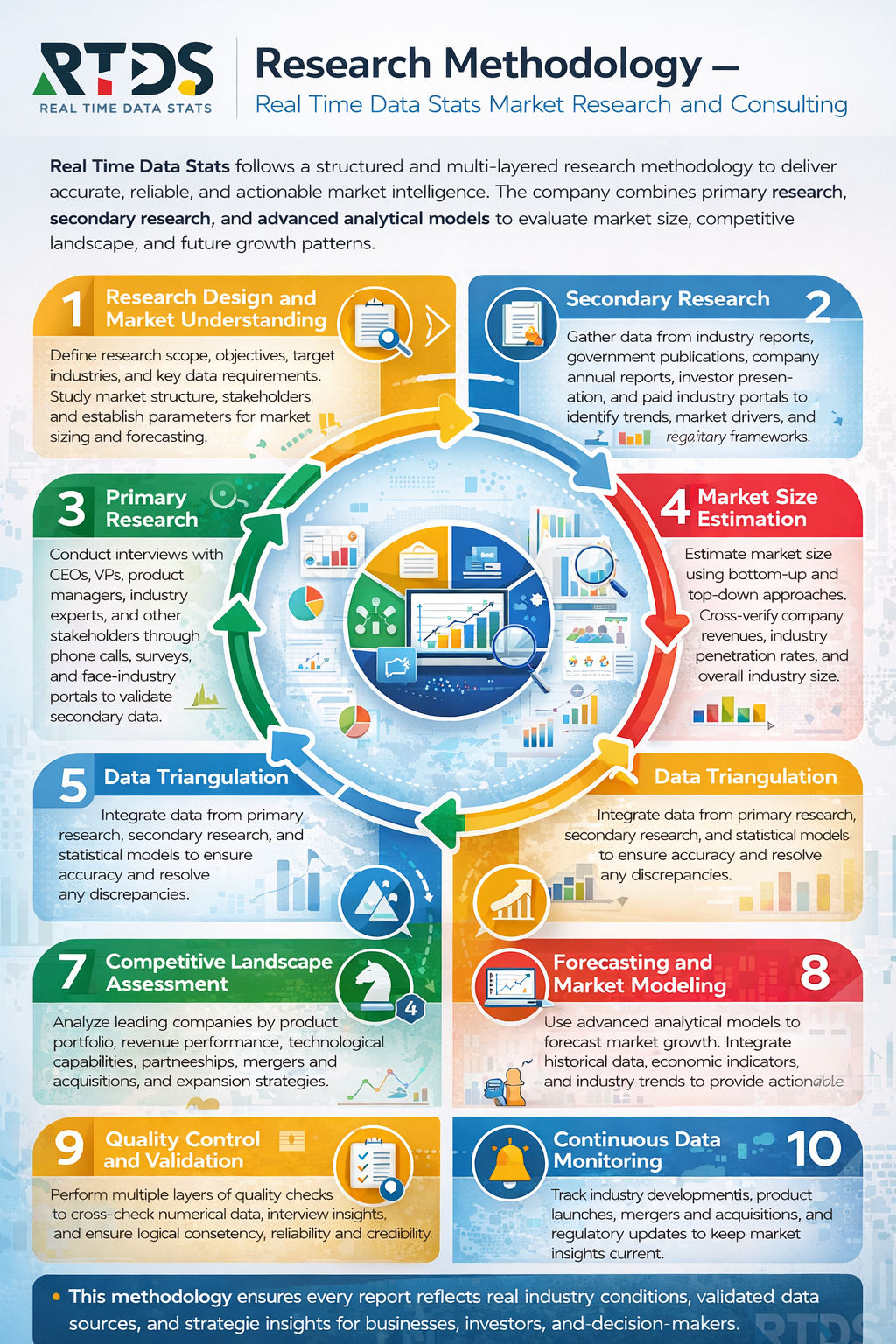
Neural Brain Stimulation Market Key Factors
Drivers:
- Rising neurological disorder cases increase demand for advanced stimulation therapies.
- Continuous innovation in implantable and non-invasive devices improves treatment success.
- Growing awareness among patients and clinicians encourages early adoption.
Restraints:
- High device and surgical costs limit accessibility in low-income groups.
- Strict regulatory approvals slow product launches.
- Risk of side effects creates hesitation among patients.
Opportunities:
- Expansion of tele-neurology and remote monitoring opens new service models.
- Untapped emerging markets offer strong patient pools.
- Integration of AI and smart wearables enhances personalized stimulation.
Challenges:
- Limited skilled neurosurgeons restrict procedure volumes.
- Data privacy and cybersecurity concerns affect connected devices.
- Reimbursement uncertainties create financial pressure on providers.
Neural Brain Stimulation Market Key Regional Trends
North America:
- Hospitals adopt next-gen deep brain stimulation systems rapidly.
- Insurance coverage expansion improves patient access.
- Strong clinical research funding drives innovation.
Europe:
- Public healthcare systems support neurological treatment programs.
- Aging population increases therapy demand.
- Cross-border research collaborations boost technology upgrades.
Asia Pacific:
- Rising healthcare investments strengthen neurology infrastructure.
- Growing middle-class spending supports elective procedures.
- Local manufacturers introduce cost-effective devices.
Latin America:
- Private hospitals expand advanced neurology departments.
- Medical tourism supports specialized brain treatments.
- Government awareness campaigns improve diagnosis rates.
Middle East & Africa:
- Urban healthcare modernization increases device adoption.
- Partnerships with global med-tech firms enhance availability.
- Training programs raise specialist expertise levels.
Frequently Asked Questions
Key Questions Answered
- What is the size and growth rate of the market industry?
- What are the main drivers influencing market growth trends?
- What are the key challenges and restraints faced by the market?
- What are the emerging trends and opportunities shaping the market?
- Who are the top players, and what strategies drive their success?
- What are the customer demographics and their buying behaviors?
- What are the key market segments, and what is their scope?
- What are the geographical dynamics, and which region dominates?
- What are the market forecasts and projections for the next decade?
- What regulatory factors are critical to consider for market growth?
Why Choose our Company?
- Major facts and stats backing every report we offer.
- Comprehensive analysis tailored to your business needs.
- Accurate insights backed by extensive market research.
- Expert support to address your queries promptly.
- Data-driven strategies for better decision-making.
- In-depth reports with actionable
recommendations. - Reliable statistics from trusted industry
sources. - Customizable reports to suit your specific goals.
- Unmatched quality and precision in market analysis.
- Competitive pricing with premium content delivery.
Share your experience!
We value you feedback. Please take a moment to review your experience with us.