
According to insights from Real Time Data Stats, the Mountain Rail Infrastructure Market was valued at USD 5.81 billion in 2025. It is expected to grow from USD 6.19 billion in 2026 to USD 9.59 billion by 2033, registering a CAGR of 6.47% during the forecast period (2026–2033).
MARKET SIZE AND SHARE
Europe dominates the global Mountain Rail Infrastructure Market, accounting for over 38% of total revenue in 2025. Asia Pacific marks the fastest-growing region, driven by rising investments in China, India, and Japan. North America holds a strong position due to ongoing modernization projects in the Rocky Mountains. The market remains moderately consolidated, with the top five players contributing nearly 45% of the total share in 2025.
INDUSTRY OVERVIEW AND STRATEGY
Mountain Rail Infrastructure Market Overview encompasses specialized railway systems constructed in mountainous terrains requiring tunnels, bridges, and slope stabilization technologies. The industry serves tourism, freight, and commuter segments with distinct rolling stock and safety requirements. Key players implement vertical integration strategies to control supply chains. Public-private partnerships dominate project financing models. Technological advancement focuses on automated train control and predictive maintenance systems.
Strategy in the Mountain Rail Infrastructure Market prioritizes sustainable construction methods and climate resilience. Leading companies develop modular tunneling systems reducing environmental disruption. Digital twin implementation for asset lifecycle management represents core competitive differentiation. Strategic alliances with local construction firms enable market entry in restricted regions. Investment in lightweight material research addresses altitude operational challenges. Long-term service agreements with government operators ensure recurring revenue streams.
REGIONAL TRENDS AND GROWTH
Mountain Rail Infrastructure Market Regional Trends indicate Europe leading through Alpine crossing upgrades and scenic route digitalization. Asia Pacific demonstrates unprecedented growth with Himalayan rail links and Southeast Asian highland connections. North America focuses on legacy infrastructure rehabilitation. South America shows potential in Andean mining corridors. Middle East investments target mountainous tourism destinations. Africa presents nascent development in Ethiopian highlands. Regional standardization efforts face technical compatibility challenges.
Current and Future Growth Factors Drivers include tourism expansion and mining logistics demand. Restraints encompass extreme weather vulnerability and construction complexity. Opportunities arise in green hydrogen propulsion and landslide detection systems. Challenges involve permafrost degradation affecting track stability and skilled labor shortages. Government climate adaptation funding accelerates modernization. Autonomous train integration in remote mountain passes transforms operational economics. Cross-border corridor agreements create new market expansion possibilities through 2032.
MOUNTAIN RAIL INFRASTRUCTURE MARKET SEGMENTATION ANALYSIS
BY TYPE:
The mountain rail infrastructure market is heavily influenced by rail type, as different rail systems cater to varied terrains, passenger capacities, and operational speeds. High-speed rails and conventional rails dominate due to their ability to cover long distances efficiently, while monorails and light rail transit are preferred in narrow valleys or urban mountain corridors. Cogwheel and funicular railways see demand in steep terrains, especially for tourism and local connectivity, driving investments in specialized rolling stock and infrastructure.
Terrain adaptability, maintenance requirements, and energy efficiency are key factors determining type selection. High-speed and conventional rail benefit from government-backed funding for regional connectivity, whereas cogwheel and funicular railways depend on tourism revenue. Safety and environmental sustainability are critical, as steep gradients increase derailment risks. Advanced signaling, track stabilization, and vibration-resistant engineering further influence infrastructure planning, ensuring both passenger safety and operational reliability in challenging mountain regions.
BY APPLICATION:
Passenger transport dominates mountain rail infrastructure demand, particularly for commuter connectivity and regional mobility in remote or hilly areas. Tourism & leisure applications also contribute significantly, with scenic mountain routes and heritage railways attracting high visitor numbers. Freight transport applications drive investments in tunnels, bridges, and track durability, especially for industries like mining and forestry, where mountain logistics is challenging. Emergency and rescue transport requirements additionally influence route planning and accessibility standards, enhancing market opportunities for multi-functional rail networks.
Urban connectivity and regional development programs are primary drivers of application-based segmentation. Commuter rail systems help reduce congestion and improve accessibility, while freight transport supports local economies. Tourism-based projects often receive public-private partnerships due to revenue potential. Operational efficiency, route planning, and environmental impact assessments determine which applications are prioritized in mountain regions. Infrastructure adaptation for climate resilience, such as landslide-prone areas, further shapes market demand across various applications.
BY COMPONENT:
Track infrastructure remains the backbone of mountain rail projects, with durability and gradient adaptability being critical factors. Bridges and tunnels are dominant components, particularly in rugged terrains where conventional track layouts are impractical. Rolling stock is customized for steep inclines, tight curves, and heavy loads, while signaling and communication systems are essential for operational safety. Power supply systems, including electrification or hybrid solutions, influence long-term operational costs and sustainability, driving investment decisions in mountainous regions.
Stations and terminals are designed to accommodate both commuter and tourist flows, often integrating multimodal transport connectivity. Track design considers landslide, seismic, and snow conditions, requiring advanced engineering solutions. Maintenance and modernization of rolling stock and tracks significantly impact operational reliability and cost efficiency. Integration of smart monitoring systems, energy-efficient locomotives, and automated signaling ensures enhanced safety and lower downtime, becoming a dominant factor in component-level segmentation of mountain rail infrastructure.
BY SERVICE TYPE:
Operations and maintenance are central to market growth, as mountain rail infrastructure requires high-frequency inspections due to weather and terrain-related wear. Construction and installation services dominate capital expenditure, given the complexity of building tunnels, bridges, and elevated tracks in challenging topographies. Modernization and upgrading services are increasingly sought to enhance efficiency, safety, and sustainability of older rail lines. Consulting and planning services are critical for route optimization, environmental assessment, and regulatory compliance.
Testing and inspection services ensure operational safety, particularly in landslide-prone or high-altitude zones, while training and support programs equip personnel to handle specialized equipment. Advanced construction techniques, risk assessment, and technology integration determine the demand for service-type segmentation. Public-private partnership projects often emphasize service reliability and lifecycle management, making operations, maintenance, and modernization dominant factors. Regulatory compliance and environmental considerations further shape service priorities in mountain rail projects.
BY PROPULSION TYPE:
Electric rail systems dominate the mountain rail market due to their energy efficiency, low emissions, and suitability for steep inclines. Diesel-powered locomotives remain relevant in areas with limited electrification, while hybrid and battery-powered options are emerging to reduce environmental impact. Hydrogen-powered trains are gaining attention for long-term sustainability goals, especially in regions committed to net-zero emissions. Steam locomotives continue to serve tourism and heritage routes, maintaining cultural and scenic appeal.
Energy efficiency, terrain adaptability, and operating cost are critical factors driving propulsion type selection. Electrification requires significant upfront investment but offers long-term reliability, while diesel and hybrid options provide flexibility in remote areas. Adoption of advanced propulsion technologies aligns with environmental regulations and passenger expectations for sustainable travel. Maintenance requirements, fuel availability, and integration with signaling and power infrastructure are decisive in determining the dominant propulsion type in mountain rail networks.
BY END USER:
Government and public transport authorities are dominant stakeholders, as they often fund and regulate mountain rail projects to ensure regional connectivity, safety, and sustainability. Private rail operators invest selectively, focusing on profitable passenger or freight routes. Tourism companies drive specialized scenic and heritage railways, particularly in high-altitude or mountainous regions. Freight logistics companies require robust rail infrastructure to transport industrial goods, while infrastructure developers focus on long-term network expansion. Industrial transport operators invest in dedicated lines for resource extraction or manufacturing.
Operational reliability, cost efficiency, and regulatory compliance are major factors influencing end-user demand. Public sector projects emphasize accessibility and regional economic development, while private operators focus on revenue generation and service quality. Tourism operators consider scenic value, passenger comfort, and branding. Freight and industrial users prioritize durability, load capacity, and route efficiency. Lifecycle cost, terrain adaptability, and risk mitigation heavily impact investment decisions across all end-user categories in mountain rail infrastructure.
BY TRACK GAUGE:
Standard gauge is the most widely adopted due to its global interoperability, high-speed capability, and operational efficiency. Narrow gauge is preferred in mountainous and constrained terrains for tight curves, lower construction costs, and easier maintenance. Broad gauge offers higher stability for heavy freight and passenger comfort. Meter gauge serves legacy networks in certain regions, while dual and miniature gauges are used for heritage railways, tourism, and light rail applications in challenging mountain environments.
Terrain constraints, rolling stock availability, and operational efficiency dominate track gauge selection. Steep gradients, narrow valleys, and limited construction space favor narrow or meter gauges, while broad and standard gauges support high-capacity transport. Maintenance cost, infrastructure adaptability, and safety standards are also critical. Heritage tourism routes prioritize miniature or dual gauges for experience rather than efficiency. Investment decisions depend on long-term operational feasibility, interoperability with regional networks, and ability to handle steep inclines and heavy loads.
BY TUNNEL TYPE:
Conventional bored tunnels dominate due to their ability to penetrate hard rock and maintain long, straight alignments for high-speed and heavy rail. Cut-and-cover tunnels are preferred in shallow areas for cost-effective construction. Shield tunnels provide safety in soft ground or seismic zones, while immersed tube tunnels are used for water crossings in mountain valleys. Arch and micro-tunnels cater to small-scale, tourism-focused, or specialized infrastructure requirements, especially in constrained terrains.
Safety, terrain geology, and cost-effectiveness are critical factors influencing tunnel type selection. Rock hardness, groundwater presence, and slope stability determine engineering methods. Long-term maintenance and ventilation requirements drive the preference for certain tunnel types. Shield and bored tunnels mitigate collapse risks in unstable terrains, while cut-and-cover tunnels reduce construction time in accessible areas. Environmental regulations, seismic considerations, and integration with other mountain rail infrastructure components also play dominant roles in tunnel selection.
BY FUNDING/ OWNERSHIP:
Public sector funding dominates mountain rail infrastructure due to high capital intensity, long payback periods, and socio-economic benefits of regional connectivity. Private sector investment occurs in profitable commuter, freight, or tourism routes. Public-private partnerships (PPP) balance cost-sharing, risk mitigation, and operational efficiency. Joint ventures enable collaboration between international infrastructure developers, while community-funded projects support local scenic or heritage railways. International aid and grants assist emerging markets in developing critical mountain rail corridors.
Economic viability, risk management, and return on investment are key factors determining funding and ownership models. Public sector funding ensures accessibility, safety, and social benefits, while PPPs combine private efficiency with public oversight. Private operators focus on revenue potential, cost efficiency, and operational flexibility. International aid projects target underserved mountainous regions, emphasizing sustainability and disaster resilience. Ownership decisions also consider maintenance responsibility, lifecycle costs, and long-term network expansion strategies.
RECENT DEVELOPMENTS
- In Jan 2024: Stadler Rail AG secured CHF 450 million contract to deliver thirty modern mountain rail vehicles for Swiss Alpine corridors with enhanced braking systems for steep gradient operations by 2026.
- In Mar 2024: Alstom SA launched next-generation hydrogen-powered train specifically engineered for mountain rail routes successfully completing test runs in Austrian Alps with zero emissions.
- In Jun 2024: Siemens Mobility commenced digital signaling installation on Jungfraubahn network implementing European Train Control System Level 2 for improved safety and capacity through narrow mountain passages.
- In Sep 2024: Hitachi Rail acquired Italian mountain rail signaling specialist Omnitech for EUR 120 million strengthening automated train control portfolio for complex topographic line management.
- In Nov 2024: China Railway Construction Corporation broke ground on 38-kilometer section of Sichuan-Tibet mountain rail link featuring world's highest altitude tunnel boring machine operations.
- In Jan 2025: CRRC Corporation Limited unveiled intelligent mountain railcar with artificial intelligence predictive maintenance capabilities and regenerative braking efficiency exceeding 35 percent for energy recovery.
- In Mar 2025: Strukton Rail commenced five-year track stabilization contract for Norwegian mountain lines utilizing drone-based terrain monitoring and automated rockfall prevention netting systems.
KEY PLAYERS ANALYSIS
- Stadler Rail AG
- Alstom SA
- Siemens Mobility
- CRRC Corporation Limited
- Hitachi Rail
- China Railway Construction Corporation
- Bombardier Transportation
- Knorr-Bremse AG
- Wabtec Corporation
- Mitsubishi Electric Corporation
- CAF SA
- Strukton Rail
- Systra SA
- Thales Group
- Voestalpine Railway Systems
- Plasser Theurer
- Ansaldo STS
- Huawei Technologies
- Porterbrook
- Herrenknecht AG
Mountain Rail Infrastructure Market Segmentation Analysis
By Type:
- High-speed Rail
- Conventional Rail
- Monorail
- Light Rail Transit (LRT)
- Cogwheel/ Rack Railways
- Funicular Railways
By Application:
- Passenger Transport
- Freight Transport
- Tourism & Leisure
- Commuter Rail
- Urban Connectivity
- Emergency/ Rescue Transport
By Component:
- Tracks
- Signaling Systems
- Rolling Stock
- Bridges & Tunnels
- Stations & Terminals
- Power Supply Systems
By Service Type:
- Operations & Maintenance
- Construction & Installation
- Modernization & Upgrading
- Consulting & Planning
- Testing & Inspection
- Training & Support
By Propulsion Type:
- Electric
- Diesel
- Hybrid
- Hydrogen
- Battery-powered
- Steam (Heritage/ Tourism)
By End User:
- Government & Public Transport Authorities
- Private Rail Operators
- Tourism Companies
- Freight Logistics Companies
- Infrastructure Developers
- Industrial Transport Operators
By Track Gauge:
- Standard Gauge
- Narrow Gauge
- Broad Gauge
- Meter Gauge
- Dual Gauge
- Miniature Gauge
By Tunnel Type:
- Conventional Bored Tunnels
- Immersed Tube Tunnels
- Cut-and-Cover Tunnels
- Shield Tunnels
- Arch Tunnels
- Micro-tunnels
By Funding/ Ownership:
- Public Sector
- Private Sector
- Public-Private Partnership (PPP)
- Joint Ventures
- Community-Funded Projects
- International Aid/ Grants
By Geography:
- North America (USA, Canada, Mexico)
- Europe (UK, Germany, France, Italy, Spain, Rest of Europe)
- Asia-Pacific (China, Japan, Australia, South Korea, India, Rest of Asia-Pacific)
- South America (Brazil, Argentina, Rest of South America)
- Middle East and Africa (GCC Countries, South Africa, Rest of MEA)
Mountain Rail Infrastructure Market: Table of Contents
Executive Summary
- Market Snapshot
- Key Findings
- Analyst Insights
- Demand–Supply Overview
- Opportunity Assessment
- Strategic Recommendations
Market Introduction
- Market Definition
- Market Scope
- Inclusion and Exclusion Criteria
- Research Objectives
- Study Assumptions
- Currency and Units Considered
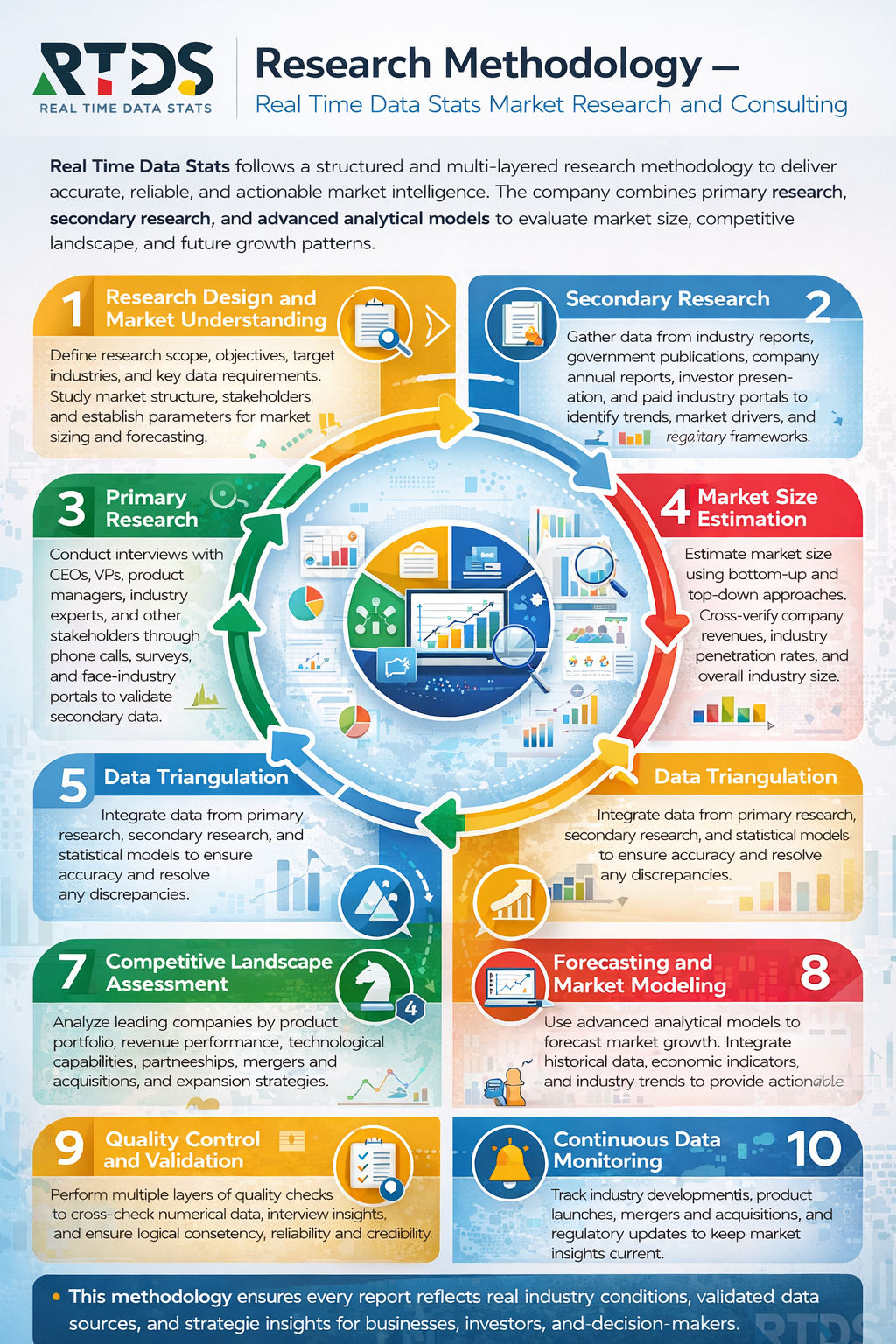
Research Methodology
- Primary Research
- Secondary Research
- Data Triangulation
- Forecasting Model
- Limitations of the Study
- Validation Techniques
Market Dynamics
- Market Drivers
- Market Restraints
- Market Opportunities
- Market Challenges
- Emerging Trends
Regulatory Impact Analysis
- Industry Value Chain Analysis
- Raw Material Suppliers
- Component Manufacturers
- Infrastructure Developers
- System Integrators
- End-Users
- Aftermarket Services
Technology Landscape
- Tunnel Engineering Technologies
- Track Laying Innovations
- Electrification Systems
- Signaling & Communication Systems
- Safety & Monitoring Systems
- Automation & Smart Rail Solutions
Mountain Rail Infrastructure Market Segmentation Analysis
- By Type
- High-speed Rail
- Conventional Rail
- Monorail
- Light Rail Transit (LRT)
- Cogwheel/ Rack Railways
- Funicular Railways
- By Application
- Passenger Transport
- Freight Transport
- Tourism & Leisure
- Commuter Rail
- Urban Connectivity
- Emergency/ Rescue Transport
- By Component
- Tracks
- Signaling Systems
- Rolling Stock
- Bridges & Tunnels
- Stations & Terminals
- Power Supply Systems
- By Service Type
- Operations & Maintenance
- Construction & Installation
- Modernization & Upgrading
- Consulting & Planning
- Testing & Inspection
- Training & Support
- By Propulsion Type
- Electric
- Diesel
- Hybrid
- Hydrogen
- Battery-powered
- Steam (Heritage/ Tourism)
- By End User
- Government & Public Transport Authorities
- Private Rail Operators
- Tourism Companies
- Freight Logistics Companies
- Infrastructure Developers
- Industrial Transport Operators
- By Track Gauge
- Standard Gauge
- Narrow Gauge
- Broad Gauge
- Meter Gauge
- Dual Gauge
- Miniature Gauge
- By Tunnel Type
- Conventional Bored Tunnels
- Immersed Tube Tunnels
- Cut-and-Cover Tunnels
- Shield Tunnels
- Arch Tunnels
- Micro-tunnels
- By Funding/ Ownership
- Public Sector
- Private Sector
- Public-Private Partnership (PPP)
- Joint Ventures
- Community-Funded Projects
- International Aid/ Grants
Market Dynamics
- Market Drivers
- Market Restraints
- Market Opportunities
- Market Challenges
- Regulatory Framework
- Technological Advancements
Competitive Landscape
- Market Share Analysis
- Key Players Profile
- Strategies Adopted
- Mergers & Acquisitions
- Recent Developments
- Market Forecast & Trends
Global Market Outlook
- Regional Market Forecast
- Segment-wise Market Forecast
- Emerging Technologies
- Future Opportunities
Conclusion
- Market summary
- Key findings
- Strategic insights
Appendix
- Research Methodology
- Data Sources
- Abbreviations
List of Tables
- Table:1: Mountain Rail Infrastructure Market Segmentation by Type
- Table:2: Mountain Rail Infrastructure Market Segmentation by Application
- Table:3: Mountain Rail Infrastructure Market Segmentation by Component
- Table:4: Mountain Rail Infrastructure Market Segmentation by Service Type
- Table:5: Mountain Rail Infrastructure Market Segmentation by Propulsion Type
- Table:6: Mountain Rail Infrastructure Market Segmentation by Region
- Table:7: Mountain Rail Infrastructure Market Segmentation by End User
- Table:8: Mountain Rail Infrastructure Market Segmentation by Track Gauge
- Table:9: Mountain Rail Infrastructure Market Segmentation by Tunnel Type
- Table:10: Mountain Rail Infrastructure Market Segmentation by Funding/ Ownership
- Table:11: Global Mountain Rail Infrastructure Market Size (Revenue)
- Table:12: Regional Mountain Rail Infrastructure Market Size (Revenue)
- Table:13: Mountain Rail Infrastructure Market Share by Key Players
- Table:14: Investment & Funding Analysis in Mountain Rail Projects
- Table:15: Emerging Technology Adoption in Mountain Rail Infrastructure
List of Figures
- Figure:1: Mountain Rail Infrastructure Market Value Chain
- Figure:2: Global Mountain Rail Infrastructure Market Growth Trend
- Figure:3: Mountain Rail Infrastructure Market Share by Type
- Figure:4: Mountain Rail Infrastructure Market Share by Application
- Figure:5: Mountain Rail Infrastructure Market Share by Component
- Figure:6: Mountain Rail Infrastructure Market Share by Service Type
- Figure:7: Mountain Rail Infrastructure Market Share by Propulsion Type
- Figure:8: Mountain Rail Infrastructure Market Share by Region
- Figure:9: Mountain Rail Infrastructure Market Share by End User
- Figure:10: Mountain Rail Infrastructure Market Share by Track Gauge
- Figure:11: Mountain Rail Infrastructure Market Share by Tunnel Type
- Figure:12: Mountain Rail Infrastructure Market Share by Funding/ Ownership
- Figure:13: Competitive Landscape of Mountain Rail Infrastructure Market
- Figure:14: Technological Advancements in Mountain Rail Infrastructure
- Figure:15: Future Forecast of Mountain Rail Infrastructure Market
Mountain Rail Infrastructure Market Key Factors
Drivers:
- Expanding tourism economies demand reliable mountain rail access
- Governments fund projects to reduce road congestion in alpine zones
- Steel-wheel technology advances enable steeper, safer track gradients
Restraints:
- Permitting delays stall construction across protected landscapes
- Extreme weather events cause recurring track damage and closures
- Skilled labor shortages slow tunneling and bridge works
Opportunities:
- Hybrid-electric trains cut emissions on scenic heritage routes
- Public-private partnerships unlock capital for isolated links
- Retrofitting old tunnels meets modern seismic and safety codes
Challenges:
- Avalanches and rockfalls force expensive protective installations
- Narrow valleys limit space for dual-track or passing loops
- Vandalism and copper theft disrupt signaling systems
Mountain Rail Infrastructure Market Key Regional Trends
North America:
- Canadian Rockies operators upgrade fleets for year-round tourist service
- S. Forest Service approvals accelerate trail-to-rail conversions
- Alaska invests in permafrost-adaptive track foundations
Europe:
- Swiss rail builders pioneer landslide-detection sensor networks
- French Alps lines trial hydrogen fuel cells for regional shuttles
- Italian state rail reinforces bridges against increased freight tonnage
Asia-Pacific:
- Indian Railways completes tunneling through Himalayan fragile zones
- Japanese operators deploy earthquake early-warning brake systems
- Chinese high-speed networks extend into western plateau corridors
South America:
- Andean routes implement switchback redesigns for heavier ore trains
- Peruvian government tenders Machu Picchu access rail modernization
- Chilean lines adopt solar microgrids for remote crossing signals
Middle East & Africa:
- Ethiopian–Djibouti line adds rock-shed protection in highland sections
- Saudi Arabian scenic projects study Swiss rack rail technologies
- South African heritage railways reintroduce steam for niche tourism
Frequently Asked Questions
Key Questions Answered
- What is the size and growth rate of the market industry?
- What are the main drivers influencing market growth trends?
- What are the key challenges and restraints faced by the market?
- What are the emerging trends and opportunities shaping the market?
- Who are the top players, and what strategies drive their success?
- What are the customer demographics and their buying behaviors?
- What are the key market segments, and what is their scope?
- What are the geographical dynamics, and which region dominates?
- What are the market forecasts and projections for the next decade?
- What regulatory factors are critical to consider for market growth?
Why Choose our Company?
- Major facts and stats backing every report we offer.
- Comprehensive analysis tailored to your business needs.
- Accurate insights backed by extensive market research.
- Expert support to address your queries promptly.
- Data-driven strategies for better decision-making.
- In-depth reports with actionable
recommendations. - Reliable statistics from trusted industry
sources. - Customizable reports to suit your specific goals.
- Unmatched quality and precision in market analysis.
- Competitive pricing with premium content delivery.
Share your experience!
We value you feedback. Please take a moment to review your experience with us.