
According to insights from Real Time Data Stats, the Digital Structural Genomics Market was valued at USD 1.66 billion in 2025. It is expected to grow from USD 1.94 billion in 2026 to USD 5.77 billion by 2033, registering a CAGR of 16.8% during the forecast period (2026–2033).
MARKET SIZE AND SHARE
The digital structural genomics market is driven by advancements in AI, cloud computing, and predictive bioinformatics technologies. Market share is expected to remain concentrated among leading companies offering integrated computational platforms for protein structure prediction, genomic analysis, and drug discovery, reshaping competitive dynamics throughout the forecast period.
Technological convergence and rising R&D investments will continue to support market expansion. The market share landscape will be influenced by strategic collaborations between technology providers and biopharmaceutical companies. North America currently holds the largest share, while Asia-Pacific is projected to record the fastest growth rate, gradually transforming global market distribution by 2032 as adoption of advanced genomics solutions accelerates worldwide.
INDUSTRY OVERVIEW AND STRATEGY
The digital structural genomics industry leverages computational tools to predict and analyze macromolecular structures, revolutionizing drug discovery and personalized medicine. This sector integrates artificial intelligence, high-performance computing, and big data analytics to decode biological complexity. Key participants include specialized software developers, academic research consortia, and large pharmaceutical corporations, all competing to deliver accurate, scalable solutions for understanding protein function and interaction.
Core strategies focus on technological differentiation through proprietary algorithms and expansive data partnerships. Companies are pursuing vertical integration to offer end-to-end platforms, from sequencing data to 3D structural models. Strategic alliances with academic institutions for validation and exclusive licensing agreements for therapeutic targets are common. A customer-centric approach, offering user-friendly interfaces and cloud-based accessibility, is essential for commercial success and widespread adoption across research and clinical settings.
Analyst Key Takeaways:
Digital structural genomics is gaining momentum as advances in high-throughput sequencing, computational biology, and genome mapping technologies improve the ability to analyze complex genomic structures. The increasing integration of artificial intelligence and machine learning into genomic research is accelerating structural variant detection, genome annotation, and predictive modeling, making digital platforms essential for modern genomics workflows.
The market is further supported by growing investments in precision medicine, population genomics, and biotechnology research, where detailed structural genomic insights are critical for understanding disease mechanisms and therapeutic targets. As bioinformatics capabilities continue to expand and genomic datasets become more complex, demand for digital structural genomics solutions is expected to strengthen across research institutions, healthcare organizations, and biopharmaceutical companies.
REGIONAL TRENDS AND GROWTH
North America leads, powered by substantial funding, major tech hubs, and a strong biopharma sector. Europe follows, with collaborative initiatives like the European Bioinformatics Institute driving innovation. The Asia-Pacific region emerges as the fastest-growing market, fueled by government investments in genomics, a booming biotechnology sector, and increasing academic-industry partnerships, particularly in China, Japan, and India, which prioritize structural genomics in national research agendas.
Primary drivers include the declining cost of sequencing, AI breakthroughs like AlphaFold, and demand for targeted therapies. Key restraints are high computational costs, data standardization issues, and a scarcity of skilled professionals. Opportunities lie in cloud-based service models, application in agricultural biotechnology, and neurodegenerative disease research. Major challenges involve managing immense, complex datasets, ensuring model accuracy for drug development, and navigating evolving intellectual property landscapes across different regions.
DIGITAL STRUCTURAL GENOMICS MARKET SEGMENTATION ANALYSIS
BY TYPE:
The software platforms segment dominates the Digital Structural Genomics Market because research institutions and pharmaceutical companies increasingly depend on integrated environments that combine structure modeling, visualization, and validation within a single digital framework. These platforms streamline complex genomic workflows, reduce dependency on fragmented tools, and support collaborative research across geographies. Growing demand for end-to-end digital pipelines that can handle massive structural datasets pushes vendors to continuously enhance platform scalability, interoperability, and algorithmic accuracy. As genomics research shifts toward automation and real-time analysis, software platforms remain central to enabling efficient structural interpretation and predictive modeling.
Databases, visualization tools, modeling tools, simulation tools, and structural analysis tools collectively strengthen this segment by supporting specialized tasks within structural genomics workflows. Rapid growth in experimentally and computationally derived protein structures increases the need for curated, searchable databases with high annotation accuracy. Visualization and modeling tools gain traction as researchers require intuitive interfaces to interpret complex 3D structures, while simulation tools benefit from advances in molecular dynamics and quantum modeling. Structural analysis tools play a critical role in validating conformational stability and functional relevance, making them indispensable for translational research and drug discovery initiatives
BY TECHNOLOGY:
Artificial intelligence and machine learning emerge as the most influential technologies shaping this market, as they dramatically improve the accuracy and speed of protein structure prediction and functional inference. Deep learning models trained on large structural datasets enable rapid identification of folding patterns, binding sites, and mutation impacts that traditional computational approaches cannot efficiently capture. Continuous improvements in algorithm training, availability of annotated datasets, and computational efficiency accelerate adoption across academic and commercial research environments.
Cloud computing, high-performance computing, big data analytics, and blockchain integration support large-scale data processing, secure collaboration, and traceability across genomic research networks. Cloud platforms allow researchers to scale computational workloads without heavy infrastructure investments, while HPC enables complex simulations and structure refinement at atomic resolution. Big data analytics helps manage the increasing volume and complexity of multi-omics structural datasets, and blockchain technologies gain relevance for ensuring data integrity, provenance tracking, and secure sharing of sensitive genomic information.
BY APPLICATION:
Drug discovery remains the leading application area due to the growing reliance on structure-based drug design and virtual screening techniques. Digital structural genomics allows researchers to identify target proteins, understand binding mechanisms, and optimize lead compounds with higher precision and reduced development timelines. Pharmaceutical companies increasingly integrate structural genomics data into early-stage discovery pipelines to minimize failure rates and improve clinical success probabilities.
Protein structure prediction, disease pathway analysis, biomarker identification, genomic variant analysis, and structure-based drug design expand market opportunities by addressing diverse research and clinical needs. Advances in predictive modeling improve interpretation of genetic variations and their structural consequences, supporting personalized medicine initiatives. Disease pathway analysis benefits from structural insights that clarify protein interactions and signaling mechanisms, while biomarker discovery relies on identifying structurally relevant molecular signatures. These applications collectively drive sustained demand across translational research and precision healthcare domains.
BY COMPONENT:
The solutions segment holds a dominant position as organizations prioritize ready-to-deploy platforms that integrate analytics, visualization, and predictive modeling capabilities. These solutions reduce technical complexity for end users and accelerate time-to-insight, particularly in high-throughput research environments. Vendors increasingly focus on modular solution architectures that allow customization while maintaining standardized performance and compliance requirements.
Services, platforms, APIs, data repositories, and analytical engines complement solution adoption by enabling implementation support, system integration, and continuous optimization. Professional and managed services gain importance as organizations seek expertise in handling complex genomic datasets and computational workflows. APIs facilitate interoperability between tools and external databases, while data repositories and analytical engines ensure reliable storage, processing, and interpretation of large-scale structural genomics data.
BY END USER:
Pharmaceutical and biotechnology companies dominate end-user adoption due to their strong focus on accelerating drug development and reducing R&D costs. These organizations invest heavily in digital structural genomics to gain competitive advantages in target identification, lead optimization, and pipeline diversification. Integration of structural genomics with AI-driven discovery platforms enhances decision-making and shortens development cycles.
Academic research institutes, contract research organizations, government research centers, and clinical research laboratories contribute significantly to market expansion by driving innovation and methodological advancements. Academic institutions generate foundational structural data and algorithms, while CROs support outsourced research for industry players. Government-funded centers promote large-scale genomic initiatives, and clinical labs increasingly apply structural insights to translational and diagnostic research, strengthening cross-sector collaboration.
BY DEPLOYMENT MODE:
The cloud-based deployment segment leads the market as organizations prioritize scalability, cost efficiency, and remote collaboration. Cloud environments support dynamic computational workloads required for structure prediction and simulation, while enabling global research teams to access shared resources securely. The growing availability of genomics-optimized cloud platforms further accelerates adoption across both large enterprises and startups.
On-premise, hybrid, web-based, private cloud, and public cloud models address varying security, compliance, and performance requirements. On-premise systems remain relevant for institutions handling sensitive data or requiring full control over infrastructure. Hybrid deployments balance flexibility and security, while web-based and public cloud solutions support accessibility and rapid deployment. Private cloud environments appeal to organizations seeking customized performance with enhanced data governance.
BY DATA TYPE:
Protein structural data represents the most critical data type due to its central role in functional genomics and drug design. The rapid growth of experimentally resolved and computationally predicted protein structures increases demand for platforms capable of managing, analyzing, and interpreting complex conformational information. High-resolution protein data enables deeper understanding of molecular mechanisms and therapeutic target validation.
DNA, RNA, epigenomic, metagenomic, and multi-omics data broaden the scope of digital structural genomics by providing contextual and regulatory insights. Integration of multiple data types enhances structural interpretation and supports systems-level analysis of biological processes. Multi-omics approaches gain traction as researchers aim to correlate structural changes with functional and phenotypic outcomes, driving demand for advanced data integration and analytics capabilities.
BY WORKFLOW STAGE:
Structure modeling and validation stages dominate workflow adoption as they directly influence research accuracy and downstream application success. Advanced modeling techniques supported by AI and HPC enable rapid generation of reliable structural predictions, while validation ensures biological relevance and stability. Organizations increasingly invest in tools that optimize these stages to improve reproducibility and confidence in results.
Data acquisition, data curation, functional annotation, and visualization and reporting form the foundation for efficient structural genomics workflows. High-quality data acquisition and curation reduce noise and improve model performance, while functional annotation connects structural features to biological roles. Visualization and reporting tools enhance interpretability and communication of findings, supporting collaborative research and regulatory documentation.
BY ORGANIZATION SIZE:
Large enterprises lead market adoption due to their substantial R&D budgets, advanced infrastructure, and strategic focus on innovation. These organizations integrate digital structural genomics across multiple research programs to maximize return on investment and accelerate discovery pipelines. Their ability to adopt complex, high-cost solutions drives demand for enterprise-grade platforms and services.
Mid-sized enterprises, small enterprises, startups, research consortia, and academic spin-offs fuel market growth through agility and innovation. Startups and spin-offs often pioneer novel algorithms and niche applications, while research consortia promote data sharing and collaborative development. Smaller organizations increasingly leverage cloud-based solutions to overcome resource constraints and compete effectively in advanced genomics research.
RECENT DEVELOPMENTS
- In Jan 2024: DeepMind launched AlphaFold 3, a revolutionary model that predicts the structure and interaction of all life's molecules, significantly expanding beyond proteins to DNA, RNA, and ligands.
- In Mar 2024: Schrödinger announced a strategic multi-year collaboration with Bayer AG to accelerate drug discovery by integrating its computational physics-based platforms with Bayer's research expertise.
- In Jun 2024: Isomorphic Labs, an Alphabet company, signed strategic partnerships with Eli Lilly and Novartis, potentially worth over $3 billion, to apply AI for discovering new therapeutic agents.
- In Nov 2024: Dassault Systèmes acquired biologics simulation leader Biovia, enhancing its 3DEXPERIENCE platform to offer end-to-end digital solutions for biologics discovery and development.
- In Feb 2025: NVIDIA launched BioNeMo Cloud, a generative AI platform for drug discovery, providing researchers with optimized, cloud-based models for protein structure prediction and biomolecular simulation.
KEY PLAYERS ANALYSIS
- Google DeepMind / Isomorphic Labs
- NVIDIA Corporation
- Schrödinger, Inc.
- Dassault Systèmes (BioVia)
- Thermo Fisher Scientific
- IBM (Watson Health)
- Illumina, Inc.
- Qiagen N.V.
- DNAnexus (a Roche Company)
- Benchling
- OpenEye Scientific (Cadence)
- CLC Bio (Qiagen)
- Genedata AG
- PerkinElmer, Inc.
- Bionano Genomics
- Seven Bridges Genomics
- Partek Incorporated
- Genestack Ltd.
- Phasefocus Ltd.
- Plectonic GmbH
Digital Structural Genomics Market Segmentation
By Type:
- Software Platforms
- Databases
- Visualization Tools
- Modeling Tools
- Simulation Tools
- Structural Analysis Tools
By Technology:
- Artificial Intelligence
- Machine Learning
- Cloud Computing
- High-Performance Computing
- Big Data Analytics
- Blockchain Integration
By Application:
- Drug Discovery
- Protein Structure Prediction
- Disease Pathway Analysis
- Biomarker Identification
- Genomic Variant Analysis
- Structure-Based Drug Design
By Component:
- Solutions
- Services
- Platforms
- APIs
- Data Repositories
- Analytical Engines
By End User:
- Pharmaceutical Companies
- Biotechnology Firms
- Academic Research Institutes
- Contract Research Organizations
- Government Research Centers
- Clinical Research Laboratories
By Deployment Mode:
- Cloud-Based
- On-Premise
- Hybrid
- Web-Based
- Private Cloud
- Public Cloud
By Data Type:
- DNA Structural Data
- RNA Structural Data
- Protein Structural Data
- Epigenomic Data
- Metagenomic Data
- Multi-Omics Data
By Workflow Stage:
- Data Acquisition
- Data Curation
- Structure Modeling
- Structure Validation
- Functional Annotation
- Visualization and Reporting
By Organization Size:
- Large Enterprises
- Mid-Sized Enterprises
- Small Enterprises
- Startups
- Research Consortia
- Academic Spin-Offs
By Geography:
- North America (USA, Canada, Mexico)
- Europe (UK, Germany, France, Italy, Spain, Rest of Europe)
- Asia-Pacific (China, Japan, Australia, South Korea, India, Rest of Asia-Pacific)
- South America (Brazil, Argentina, Rest of South America)
- Middle East and Africa (GCC Countries, South Africa, Rest of MEA)
Digital Structural Genomics Market: Table of Contents
Introduction
- Market Definition and Scope
- Digital Structural Genomics Overview
- Evolution of Structural Genomics in the Digital Era
- Industry Value Chain Analysis
- Market Ecosystem Overview
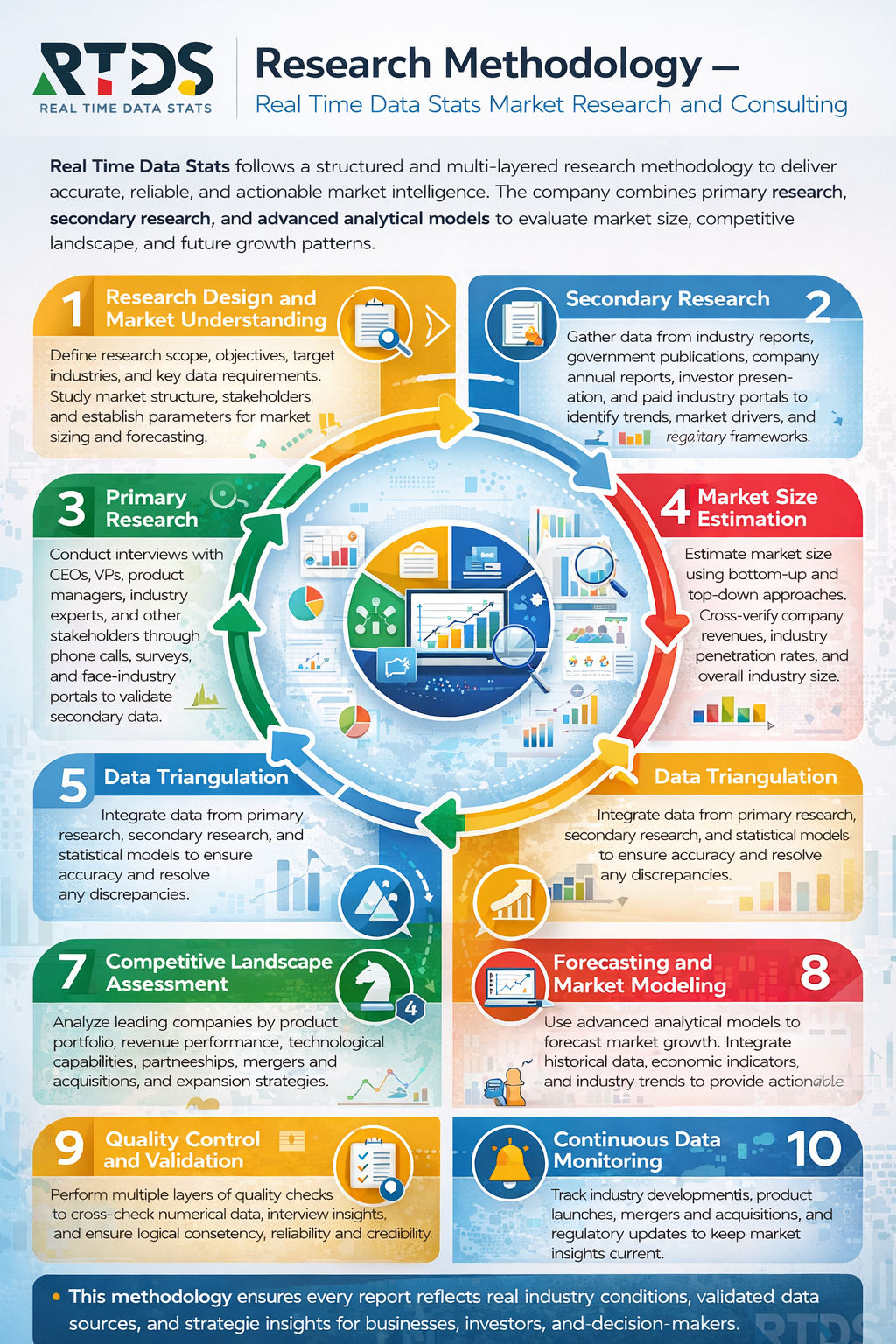
Research Methodology
- Primary Research Framework
- Secondary Research Sources
- Data Validation and Triangulation
- Market Size Estimation Approach
- Assumptions and Limitations
Market Dynamics
- Market Drivers
- Market Restraints
- Market Opportunities
- Market Challenges
- Impact of Digital Transformation
Digital Structural Genomics Market Overview
- Market Size and Forecast Overview
- Market Growth Trends
- Market Attractiveness Analysis
- Technology Adoption Landscape
- Competitive Intensity Overview
Digital Structural Genomics Market Segmentation
- By Type
- Software Platforms
- Databases
- Visualization Tools
- Modeling Tools
- Simulation Tools
- Structural Analysis Tools
- By Technology
- Artificial Intelligence
- Machine Learning
- Cloud Computing
- High-Performance Computing
- Big Data Analytics
- Blockchain Integration
- By Application
- Drug Discovery
- Protein Structure Prediction
- Disease Pathway Analysis
- Biomarker Identification
- Genomic Variant Analysis
- Structure-Based Drug Design
- By Component
- Solutions
- Services
- Platforms
- APIs
- Data Repositories
- Analytical Engines
- By End User
- Pharmaceutical Companies
- Biotechnology Firms
- Academic Research Institutes
- Contract Research Organizations
- Government Research Centers
- Clinical Research Laboratories
- By Deployment Mode
- Cloud-Based
- On-Premise
- Hybrid
- Web-Based
- Private Cloud
- Public Cloud
- By Data Type
- DNA Structural Data
- RNA Structural Data
- Protein Structural Data
- Epigenomic Data
- Metagenomic Data
- Multi-Omics Data
- By Workflow Stage
- Data Acquisition
- Data Curation
- Structure Modeling
- Structure Validation
- Functional Annotation
- Visualization and Reporting
- By Organization Size
- Large Enterprises
- Mid-Sized Enterprises
- Small Enterprises
- Startups
- Research Consortia
- Academic Spin-Offs
Regional Market Analysis
- North America Market Overview
- Europe Market Overview
- Asia Pacific Market Overview
- Latin America Market Overview
- Middle East Market Overview
- Africa Market Overview
Competitive Landscape
- Market Share Analysis
- Competitive Benchmarking
- Strategic Initiatives Overview
- Mergers and Acquisitions
- Collaborations and Partnerships
Company Profiles
- Company Overview
- Product and Service Portfolio
- Digital Structural Genomics Strategy
- Financial Overview
- Recent Developments
Future Outlook
- Emerging Technologies
- Innovation Trends
- Investment Landscape
- Long-Term Market Projections
- Strategic Recommendations
Conclusion
- Key Market Insights
- Strategic Takeaways
- Industry Outlook Summary
Appendix
- Abbreviations and Acronyms
- Methodology Notes
- Data Sources
- Disclaimer
List of Tables
- Table:1: Global Digital Structural Genomics Market Size Overview
- Table:2: Market Segmentation by Type
- Table:3: Market Segmentation by Technology
- Table:4: Market Segmentation by Application
- Table:5: Market Segmentation by Component
- Table:6: Market Segmentation by End User
- Table:7: Market Segmentation by Deployment Mode
- Table:8: Market Segmentation by Data Type
- Table:9: Market Segmentation by Workflow Stage
- Table:10: Market Segmentation by Organization Size
- Table:11: Regional Market Size Analysis
- Table:12: Competitive Market Share Analysis
- Table:13: Key Company Product Mapping
- Table:14: Strategic Developments Overview
- Table:15: Future Market Forecast Summary
List of Figures
- Figure:1: Digital Structural Genomics Market Ecosystem
- Figure:2: Market Research Methodology Framework
- Figure:3: Market Dynamics Impact Analysis
- Figure:4: Global Market Size Trend
- Figure:5: Market Segmentation Overview
- Figure:6: Technology Adoption Landscape
- Figure:7: Application-Based Market Distribution
- Figure:8: End User Market Share Analysis
- Figure:9: Deployment Mode Adoption Trends
- Figure:10: Workflow Stage Value Chain
- Figure:11: Organization Size Market Contribution
- Figure:12: Regional Market Distribution Map
- Figure:13: Competitive Landscape Matrix
- Figure:14: Strategic Growth Framework
- Figure:15: Future Market Outlook Visualization
Digital Structural Genomics Market Key Factors
Drivers:
- Expands protein structure databases through high-throughput sequencing tools
- Accelerates drug discovery using AI-based molecular modeling platforms
- Increases public and private funding for genomics infrastructure
Restraints:
- Raises data privacy and biosecurity concerns in genomic storage systems
- Demands high initial investment for advanced computing and lab equipment
- Faces shortage of skilled bioinformatics professionals
Opportunities:
- Integrates cloud computing for large-scale genomic data analysis
- Supports personalized medicine and targeted therapy development
- Encourages cross-border research collaborations and open databases
Challenges:
- Manages complex multi-omics datasets with accuracy and speed
- Standardizes data formats across institutions and platforms
- Ensures ethical compliance and regulatory alignment globally
Digital Structural Genomics Market Key Regional Trends
North America:
- Expands AI-driven structural biology startups
- Increases federal funding for genome research programs
- Strengthens partnerships between biotech firms and universities
Europe:
- Promotes open-access genomic data initiatives
- Supports precision medicine through public healthcare projects
- Enhances cross-country research consortia
Asia Pacific:
- Invests heavily in bioinformatics infrastructure
- Grows pharmaceutical R&D outsourcing activities
- Encourages government-backed genomics missions
Latin America:
- Develops regional genome mapping projects
- Improves academic-industry collaboration networks
- Adopts cost-effective digital sequencing tools
Middle East & Africa:
- Launches national genomics and biotech strategies
- Expands medical research centers and data hubs
- Increases international research partnerships
Frequently Asked Questions
Key Questions Answered
- What is the size and growth rate of the market industry?
- What are the main drivers influencing market growth trends?
- What are the key challenges and restraints faced by the market?
- What are the emerging trends and opportunities shaping the market?
- Who are the top players, and what strategies drive their success?
- What are the customer demographics and their buying behaviors?
- What are the key market segments, and what is their scope?
- What are the geographical dynamics, and which region dominates?
- What are the market forecasts and projections for the next decade?
- What regulatory factors are critical to consider for market growth?
Why Choose our Company?
- Major facts and stats backing every report we offer.
- Comprehensive analysis tailored to your business needs.
- Accurate insights backed by extensive market research.
- Expert support to address your queries promptly.
- Data-driven strategies for better decision-making.
- In-depth reports with actionable
recommendations. - Reliable statistics from trusted industry
sources. - Customizable reports to suit your specific goals.
- Unmatched quality and precision in market analysis.
- Competitive pricing with premium content delivery.
Share your experience!
We value you feedback. Please take a moment to review your experience with us.