
According to insights from Real Time Data Stats, the Digital Functional Genomics Market was valued at USD 3.2 billion in 2025. It is expected to grow from USD 3.7 billion in 2026 to USD 10.4 billion by 2033, registering a CAGR of 15.8% during the forecast period (2026–2033).
MARKET SIZE AND SHARE
The digital functional genomics market share is currently concentrated among established biotechnology companies and specialized bioinformatics providers. However, the competitive landscape remains dynamic, with innovative startups and cloud-based technology firms gaining traction through advanced analytics platforms, AI-driven tools, and scalable genomic data management solutions.
The digital functional genomics market is driven by the growing adoption of precision medicine and accelerated drug discovery initiatives. Market share is expected to evolve as companies offering integrated data interpretation, advanced bioinformatics capabilities, and end-to-end genomic solutions capture larger customer segments. Strategic partnerships and mergers may further reshape the industry, strengthening the position of leading full-stack solution providers.
INDUSTRY OVERVIEW AND STRATEGY
The digital functional genomics industry integrates computational tools with functional genetic data to decipher gene function and interaction. It serves pharmaceutical R&D, academic research, and clinical diagnostics, enabling targeted therapeutic development. The core value proposition lies in transforming complex genomic data into actionable biological insights, thereby accelerating discovery timelines and improving success rates for novel interventions across oncology, rare diseases, and agricultural biotechnology.
Strategic imperatives for players involve heavy investment in artificial intelligence and machine learning algorithms to enhance predictive modeling. Key strategies include forming collaborative ecosystems with academic institutes, cloud service partnerships for data handling scalability, and pursuing vertical integration to offer end-to-end platforms. Protecting proprietary algorithms and databases through intellectual property is also a critical strategic focus to maintain competitive advantage in this knowledge-driven market.
Analyst Key Takeaways:
The Digital Functional Genomics Market is experiencing strong momentum as researchers increasingly combine functional genomics with artificial intelligence, machine learning, and advanced bioinformatics platforms to accelerate gene-function analysis. The growing adoption of next-generation sequencing, CRISPR-based screening technologies, and cloud-enabled genomic data management is enhancing the efficiency of genomic research, drug discovery, and precision medicine applications across academic and commercial settings.
North America remains a leading innovation hub due to its robust genomics infrastructure, significant research funding, and presence of major biotechnology companies, while Asia-Pacific is emerging as a high-growth region driven by expanding genomics initiatives and investments in digital health technologies. The market is further benefiting from increasing demand for large-scale genomic data analytics, multi-omics integration, and computational approaches that enable deeper insights into complex biological systems and disease mechanisms.
REGIONAL TRENDS AND GROWTH
North America currently dominates, fueled by strong biotech funding, advanced healthcare it infrastructure, and supportive regulatory frameworks. Europe follows, with significant initiatives like the 1+ Million Genomes project creating integrated data landscapes. The Asia-Pacific region is the fastest-growing, driven by increasing genomic research investments, expanding biotechnology sectors, and rising prevalence of chronic diseases necessitating personalized medicine approaches, particularly in China, Japan, and India.
Primary growth drivers include plummeting DNA sequencing costs, rising demand for personalized medicine, and increased pharmaceutical R&D expenditure. Key restraints are data privacy concerns, lack of standardized protocols, and a shortage of skilled bioinformatics talent. Opportunities lie in cloud-based solutions, AI integration, and expansion into emerging markets. Major challenges involve managing massive, heterogeneous datasets and establishing clear regulatory pathways for clinical interpretation and application.
DIGITAL FUNCTIONAL GENOMICS MARKET SEGMENTATION ANALYSIS
BY TYPE:
The type-based segmentation of the Digital Functional Genomics Market is primarily driven by the growing need to understand biological systems at multiple molecular layers rather than relying on a single genomic perspective. Transcriptomics and epigenomics hold dominant positions due to their direct relevance in identifying gene expression patterns and regulatory mechanisms that influence disease development and therapeutic responses. Proteomics and metabolomics are also expanding rapidly as pharmaceutical and biotechnology firms increasingly demand deeper insights into protein interactions and metabolic pathways for precision drug targeting. Single-cell genomics is emerging as a highly influential segment because it enables researchers to analyze cellular heterogeneity, which is essential for cancer research and rare disease identification. Functional RNA analysis is gaining traction as RNA-based therapeutics and mRNA technologies become mainstream in clinical and vaccine development.
Dominant factors influencing this segment include the rising integration of multi-omics platforms, declining sequencing costs, and the surge in personalized medicine initiatives worldwide. The expansion of AI-powered analytical tools and high-performance computing infrastructure further strengthens demand for advanced genomic types, allowing researchers to process massive biological datasets efficiently. Additionally, government-funded genomic projects and cross-institutional collaborations are accelerating the adoption of specialized genomic techniques. The continuous evolution of sequencing accuracy, automation in laboratory workflows, and the need for real-time biological insights are collectively reinforcing the growth of all major genomic types within the digital functional genomics ecosystem.
BY APPLICATION:
Application segmentation is strongly shaped by the pharmaceutical and healthcare industries’ transition toward data-driven research models. Drug discovery and precision medicine dominate the market as companies seek to reduce drug development timelines and enhance treatment effectiveness through genomic insights. Disease diagnostics and biomarker identification are also key contributors, as clinicians increasingly depend on molecular-level data to detect diseases earlier and predict therapeutic outcomes more accurately. Gene function analysis and clinical research segments continue to expand due to the rising number of genomics-based trials and academic investigations into complex genetic disorders.
Major growth drivers include increasing investments in targeted therapies, the surge of chronic and genetic diseases, and the global push for personalized healthcare solutions. Regulatory support for genomic-based diagnostics and the availability of advanced bioinformatics platforms are accelerating adoption across hospitals and research institutes. Additionally, the growing collaboration between pharmaceutical companies and academic institutions enhances innovation pipelines, while digital data sharing platforms improve research efficiency. The ability of digital functional genomics to shorten experimental cycles, minimize costs, and improve predictive accuracy remains a dominant factor fueling application-level expansion.
BY TECHNOLOGY:
Technology segmentation reflects the rapid transformation of laboratory science into a digitally enhanced ecosystem. Next-generation sequencing (NGS) and RNA sequencing hold leading positions due to their scalability, speed, and declining operational costs. CRISPR-based screening technologies are becoming highly influential as genome editing and gene-knockout studies gain momentum across therapeutic research. Meanwhile, bioinformatics platforms and cloud-based genomic tools are acting as foundational technologies, enabling data storage, processing, and collaborative research on a global scale. Microarray technology, though comparatively mature, still maintains relevance in cost-sensitive and high-throughput screening environments.
Dominant factors shaping this segment include continuous technological innovation, automation in genomic laboratories, and increasing demand for real-time data analytics. The integration of AI and machine learning into sequencing platforms significantly improves accuracy and pattern recognition capabilities. Furthermore, the proliferation of cloud computing and scalable storage infrastructure supports large-scale genomic projects and international collaborations. Cost efficiency, speed of analysis, and interoperability with digital health systems remain the most influential drivers encouraging widespread technology adoption.
BY COMPONENT:
Component segmentation highlights the shift from hardware-centric research to software-driven genomic intelligence. Software platforms and analytical tools dominate the market because they serve as the operational backbone for sequencing interpretation, visualization, and predictive modeling. Databases and data integration systems are equally critical, as they enable structured storage and seamless sharing of complex genomic information across institutions. AI and machine learning platforms are experiencing accelerated adoption due to their capability to automate pattern recognition, variant detection, and predictive diagnostics. Cloud services further strengthen the ecosystem by offering scalable infrastructure and remote accessibility.
Key growth factors include the exponential rise in genomic data volumes, the need for interoperability between research platforms, and the expansion of digital health ecosystems. Continuous upgrades in cybersecurity and compliance standards also encourage enterprise-level investments in advanced genomic software solutions. The convergence of AI with bioinformatics and the rising preference for subscription-based cloud models significantly enhance accessibility for smaller research entities. Overall, digital transformation and data-centric research methodologies remain dominant forces within this segment.
BY END USER:
End-user segmentation is primarily led by pharmaceutical and biotechnology companies, which invest heavily in genomic analytics to accelerate innovation and competitive advantage. Academic and research institutes also hold a substantial share due to government grants, international collaborations, and the growing number of genomic research programs. Clinical laboratories and healthcare providers are increasingly integrating functional genomics into diagnostics and patient management systems, while contract research organizations (CROs) benefit from outsourcing trends in drug development and clinical trials.
Dominant drivers include increased R&D expenditure, rising prevalence of genetic disorders, and the shift toward precision medicine frameworks. Public-private partnerships and global research networks are significantly enhancing knowledge exchange and infrastructure development. Additionally, digital platforms that enable collaborative data analysis and remote experimentation are expanding accessibility for smaller institutions. The need for faster therapeutic innovation and accurate diagnostics continues to propel demand across all major end-user categories.
BY WORKFLOW:
Workflow segmentation demonstrates how digital functional genomics is evolving into a fully integrated analytical pipeline. Data generation and data analysis are the most dominant stages, driven by advancements in sequencing equipment and computational analytics tools. Data processing and interpretation are equally crucial as they transform raw genomic data into clinically and commercially valuable insights. Visualization and storage segments are growing rapidly due to the increasing need for user-friendly dashboards and secure long-term data preservation.
The primary factors influencing this segment include automation in laboratory operations, expansion of AI-based analytics, and rising cloud storage adoption. High-performance computing infrastructure and advanced visualization software significantly improve research efficiency and decision-making speed. Furthermore, regulatory requirements for data integrity and traceability encourage investments in secure storage and audit-ready systems. The demand for streamlined, end-to-end genomic workflows remains a central growth catalyst.
BY DEPLOYMENT MODE:
Deployment segmentation reflects the transition from traditional infrastructure to flexible digital ecosystems. Cloud-based and hybrid models dominate due to their scalability, cost efficiency, and remote accessibility. On-premise systems continue to serve organizations with strict data security and compliance requirements, while web-based platforms and enterprise solutions are gaining traction among large research networks. Standalone systems maintain relevance for specialized laboratories requiring customized workflows.
Major growth drivers include increasing data volumes, cybersecurity advancements, and the need for collaborative global research environments. The adoption of subscription-based cloud services reduces capital expenditure and enhances operational flexibility. Additionally, improvements in encryption technologies and regulatory compliance frameworks encourage broader cloud acceptance. Flexibility, scalability, and cost optimization remain the most influential deployment factors.
BY DISEASE AREA:
Disease-area segmentation is heavily dominated by oncology, as cancer research relies extensively on genomic profiling and mutation analysis. Neurological and rare genetic disorders also represent strong growth segments due to the increasing demand for personalized therapies and early detection tools. Cardiovascular, infectious, and metabolic diseases are witnessing rising genomic integration as researchers explore genetic predispositions and treatment responsiveness.
Key drivers include the global rise in chronic diseases, expanding clinical genomics programs, and increased funding for precision medicine initiatives. Advances in biomarker discovery and targeted therapy development further strengthen the role of functional genomics in disease management. Collaborative international research efforts and improved diagnostic technologies continue to accelerate adoption across diverse therapeutic areas.
BY ORGANISM TYPE:
Organism-type segmentation highlights the broad applicability of digital functional genomics beyond human health. Human genomics leads the market due to its direct relevance in clinical diagnostics, drug development, and personalized medicine. Animal models remain crucial for preclinical testing and disease simulation, while plant and microbial genomics are expanding in agriculture, food security, and environmental sustainability initiatives. synthetic biology models and environmental samples are emerging as innovative areas supporting bioengineering and ecological research.
Dominant factors include cross-disciplinary research expansion, advancements in gene editing technologies, and increased funding for sustainable biotechnology solutions. The growing need for food security, climate resilience, and bio-industrial innovation is also fueling non-human genomic applications. Enhanced computational tools, open-access genomic databases, and international research collaborations continue to strengthen this segment’s long-term growth trajectory.
RECENT DEVELOPMENTS
- In Jan 2024: Illumina launched the Connected Insights platform, a cloud-based software for genomic variant interpretation, streamlining functional analysis in clinical and research settings.
- In Mar 2024: Thermo Fisher Scientific expanded its Ion Torrent Genexus software with new oncology-focused workflows, enhancing automated next-generation sequencing analysis for functional genomic studies.
- In Jun 2024: QIAGEN entered a strategic partnership with Google Cloud to scale its CLC Genomics Workbench and Biomedical Genomics Workbench, leveraging AI for advanced functional genomics insights.
- In Oct 2024: Fabric Genomics integrated GPT-4-based AI into its platform, significantly accelerating the interpretation of complex genomic data for rare disease diagnosis and functional annotation.
- In Jan 2025: SOPHiA GENETICS announced a multi-year collaboration with Novo Nordisk to apply its multimodal AI platform for functional genomics in cardiovascular and metabolic disease research.
KEY PLAYERS ANALYSIS
- Illumina, Inc.
- Thermo Fisher Scientific Inc.
- QIAGEN N.V.
- Hoffmann-La Roche Ltd.
- Agilent Technologies, Inc.
- PerkinElmer, Inc. (Revvity)
- BGI Group
- SOPHiA GENETICS
- Fabric Genomics, Inc.
- DNAnexus (a Roche Company)
- PierianDx (a Certara Company)
- Partek Incorporated
- Seven Bridges Genomics
- Congenica Ltd.
- Genuity Science (formerly WuXi NextCODE)
- 10x Genomics, Inc.
- Pacific Biosciences of California, Inc.
- Oxford Nanopore Technologies plc
- Bio-Rad Laboratories, Inc.
- Eurofins Scientific
Digital Functional Genomics Market Segmentation Analysis
By Type:
- Transcriptomics
- Epigenomics
- Proteomics
- Metabolomics
- Single-Cell Genomics
- Functional RNA Analysis
By Application:
- Drug Discovery
- Precision Medicine
- Disease Diagnostics
- Biomarker Identification
- Gene Function Analysis
- Clinical Research
By Technology:
- Next-Generation Sequencing
- Microarray Technology
- CRISPR-Based Screening
- RNA Sequencing
- Bioinformatics Platforms
- Cloud-Based Genomic Tools
By Component:
- Software
- Databases
- Analytical Tools
- Cloud Services
- AI & Machine Learning Platforms
- Data Integration Systems
By End User:
- Pharmaceutical Companies
- Biotechnology Companies
- Academic & Research Institutes
- Clinical Laboratories
- Contract Research Organizations
- Healthcare Providers
By Workflow:
- Data Generation
- Data Processing
- Data Analysis
- Data Interpretation
- Data Visualization
- Data Storage
By Deployment Mode:
- On-Premise
- Cloud-Based
- Hybrid
- Web-Based Platforms
- Enterprise Solutions
- Standalone Systems
By Disease Area:
- Oncology
- Neurological Disorders
- Cardiovascular Diseases
- Rare Genetic Disorders
- Infectious Diseases
- Metabolic Disorders
By Organism Type:
- Human
- Animal Models
- Plant Genomics
- Microbial Genomics
- Synthetic Biology Models
- Environmental Samples
By Geography:
- North America (USA, Canada, Mexico)
- Europe (UK, Germany, France, Italy, Spain, Rest of Europe)
- Asia-Pacific (China, Japan, Australia, South Korea, India, Rest of Asia-Pacific)
- South America (Brazil, Argentina, Rest of South America)
- Middle East and Africa (GCC Countries, South Africa, Rest of MEA)
Digital Functional Genomics Market: Table of Contents
Introduction
- Market Overview
- Definition and Scope
- Market Taxonomy
- Study Objectives
- Research Assumptions
- Limitations
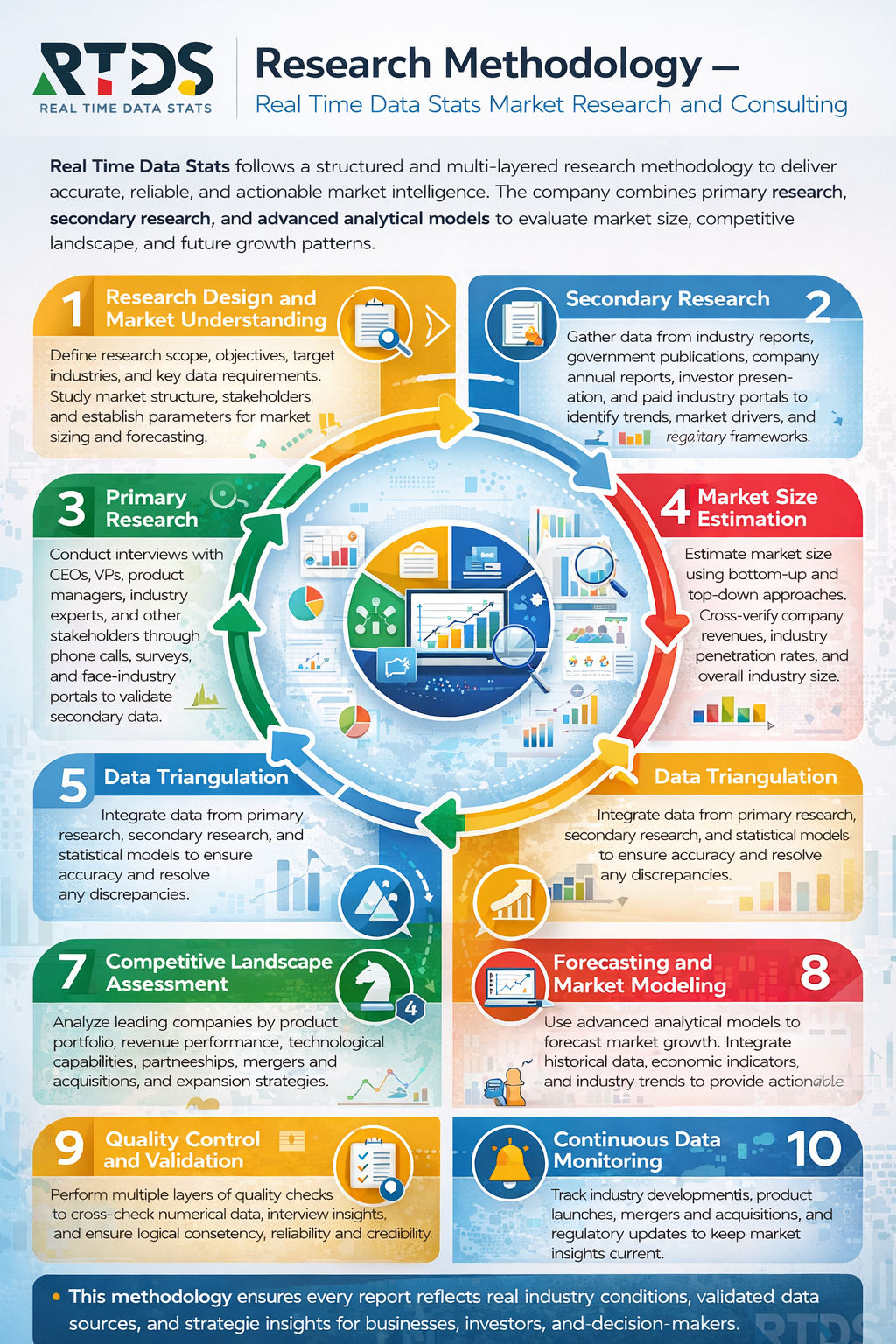
Research Methodology
- Data Collection Approach
- Primary Research
- Secondary Research
- Market Estimation Methodology
- Forecasting Methodology
- Data Validation
Executive Summary
- Market Snapshot
- Key Market Highlights
- Segmental Analysis Overview
- Regional Market Overview
- Competitive Landscape Summary
Market Dynamics
- Market Drivers
- Market Restraints
- Market Opportunities
- Market Challenges
- Industry Trends
- Regulatory Landscape
Digital Functional Genomics Market Segmentation Analysis
- By Type
- Transcriptomics
- Epigenomics
- Proteomics
- Metabolomics
- Single-Cell Genomics
- Functional RNA Analysis
- By Application
- Drug Discovery
- Precision Medicine
- Disease Diagnostics
- Biomarker Identification
- Gene Function Analysis
- Clinical Research
- By Technology
- Next-Generation Sequencing
- Microarray Technology
- CRISPR-Based Screening
- RNA Sequencing
- Bioinformatics Platforms
- Cloud-Based Genomic Tools
- By Component
- Software
- Databases
- Analytical Tools
- Cloud Services
- AI & Machine Learning Platforms
- Data Integration Systems
- By End User
- Pharmaceutical Companies
- Biotechnology Companies
- Academic & Research Institutes
- Clinical Laboratories
- Contract Research Organizations
- Healthcare Providers
- By Workflow
- Data Generation
- Data Processing
- Data Analysis
- Data Interpretation
- Data Visualization
- Data Storage
- By Deployment Mode
- On-Premise
- Cloud-Based
- Hybrid
- Web-Based Platforms
- Enterprise Solutions
- Standalone Systems
- By Disease Area
- Oncology
- Neurological Disorders
- Cardiovascular Diseases
- Rare Genetic Disorders
- Infectious Diseases
- Metabolic Disorders
- By Organism Type
- Human
- Animal Models
- Plant Genomics
- Microbial Genomics
- Synthetic Biology Models
- Environmental Samples
Regional Market Analysis
- North America
- Europe
- Asia-Pacific
- Latin America
- Middle East
- Africa
Competitive Landscape
- Market Share Analysis
- Competitive Benchmarking
- Strategic Developments
- Mergers and Acquisitions
- Partnerships and Collaborations
- Product Launches
Company Profiles
- Company Overview
- Product Portfolio
- Business Strategy
- Financial Overview
- Recent Developments
Conclusion
- Key Findings
- Strategic Insights
- Future Market Outlook
Appendix
- Abbreviations and Acronyms
- Assumptions and Methodology Details
- Data Sources
- Disclaimer
List of Tables
- Table:1: Digital Functional Genomics Market Overview
- Table:2: Market Taxonomy
- Table:3: Market Size by Type
- Table:4: Market Size by Application
- Table:5: Market Size by Technology
- Table:6: Market Size by Component
- Table:7: Market Size by End User
- Table:8: Market Size by Workflow
- Table:9: Market Size by Deployment Mode
- Table:10: Market Size by Disease Area
- Table:11: Market Size by Organism Type
- Table:12: Regional Market Size Analysis
- Table:13: Competitive Market Share Analysis
- Table:14: Key Strategic Developments
- Table:15: Company Comparative Analysis
List of Figures
- Figure:1: Digital Functional Genomics Market Research Framework
- Figure:2: Market Segmentation Overview
- Figure:3: Market Dynamics Impact Analysis
- Figure:4: Market Share by Type
- Figure:5: Market Share by Application
- Figure:6: Market Share by Technology
- Figure:7: Market Share by Component
- Figure:8: Market Share by End User
- Figure:9: Market Share by Workflow
- Figure:10: Market Share by Deployment Mode
- Figure:11: Market Share by Disease Area
- Figure:12: Market Share by Organism Type
- Figure:13: Regional Market Share Analysis
- Figure:14: Competitive Landscape Mapping
- Figure:15: Market Growth Forecast
Digital Functional Genomics Market Key Factors
Drivers:
- Rising adoption of single-cell analysis technologies accelerates precision medicine research.
- Expanding applications in oncology and rare disease diagnostics increase clinical demand.
- Decreasing costs of sequencing and computational power broaden market accessibility.
Restraints:
- High capital investment for advanced genomic platforms limits widespread adoption.
- Data integration and management complexities challenge research scalability.
- Stringent regulatory policies and ethical concerns slow commercial product approval.
Opportunities:
- Emerging economies present significant growth potential for genomic services.
- AI and machine learning integration creates novel tools for data interpretation.
- Expansion of CRISPR-based functional screening opens new therapeutic avenues.
Challenges:
- Shortage of skilled bioinformaticians hinders data analysis and utilization.
- Standardization gaps in data protocols impede collaboration and reproducibility.
- Cybersecurity risks associated with sensitive genomic data require robust solutions.
Digital Functional Genomics Market Key Regional Trends
North America:
- Dominant R&D investment fuels innovation in cloud-based genomic platforms.
- Strong academic-industry partnerships drive adoption of multi-omics approaches.
- Increasing focus on direct-to-consumer genomic testing expands the market base.
Europe:
- Stringent GDPR compliance shapes secure data-sharing frameworks and platforms.
- Public health initiatives integrate functional genomics for population-scale studies.
- Growing emphasis on translating genomic research into standardized clinical diagnostics.
Asia-Pacific:
- Rapid expansion of sequencing capacities and contract research services.
- Government-led genomic projects in China, Japan, and India stimulate market growth.
- Rising prevalence of chronic diseases increases demand for personalized therapeutics.
Rest of the World:
- Strategic collaborations focus on building foundational genomic research infrastructure.
- Increasing investments target infectious disease and agricultural genomics applications.
- Market growth faces hurdles from limited funding and technological access disparities.
Frequently Asked Questions
Key Questions Answered
- What is the size and growth rate of the market industry?
- What are the main drivers influencing market growth trends?
- What are the key challenges and restraints faced by the market?
- What are the emerging trends and opportunities shaping the market?
- Who are the top players, and what strategies drive their success?
- What are the customer demographics and their buying behaviors?
- What are the key market segments, and what is their scope?
- What are the geographical dynamics, and which region dominates?
- What are the market forecasts and projections for the next decade?
- What regulatory factors are critical to consider for market growth?
Why Choose our Company?
- Major facts and stats backing every report we offer.
- Comprehensive analysis tailored to your business needs.
- Accurate insights backed by extensive market research.
- Expert support to address your queries promptly.
- Data-driven strategies for better decision-making.
- In-depth reports with actionable
recommendations. - Reliable statistics from trusted industry
sources. - Customizable reports to suit your specific goals.
- Unmatched quality and precision in market analysis.
- Competitive pricing with premium content delivery.
Share your experience!
We value you feedback. Please take a moment to review your experience with us.