
According to insights from Real Time Data Stats, the Bioelectronic Textiles Market was valued at USD 0.95 billion in 2025. It is expected to grow from USD 1.18 billion in 2026 to USD 5.20 billion by 2033, registering a CAGR of 23.6% during the forecast period (2026–2033).
MARKET SIZE AND SHARE
The Bioelectronic Textiles Market is expanding due to growing demand for remote patient monitoring, sports performance tracking, and defense applications. Market share is currently led by material science companies and technology innovators that are integrating advanced sensors, connectivity, and smart functionalities into textile-based solutions across multiple industries.
Market share is evolving as companies strengthen their positions through intellectual property development, strategic partnerships, and investments in scalable manufacturing technologies. The competitive landscape is expected to broaden as textile manufacturers and consumer electronics companies increase their participation, driving the development of more integrated, application-specific, and cost-effective bioelectronic textile solutions for healthcare and consumer markets.
INDUSTRY OVERVIEW AND STRATEGY
Bioelectronic textiles represent a transformative convergence of biotechnology, nanotechnology, and traditional textiles, creating smart fabrics capable of monitoring physiological signals. This industry is fundamentally reshaping wearables, moving devices from worn objects to integrated fabric systems. Core applications span continuous health monitoring in medtech, performance tracking in sports, and interactive interfaces in consumer electronics. The strategic focus lies in achieving seamless integration of durable, miniature sensors and flexible conductive elements with comfortable, washable textile substrates.
Key strategies involve aggressive R&D for improved biocompatibility and power efficiency, alongside forming cross-sector alliances. Companies are pursuing vertical integration to control supply chains from fiber production to data analytics platforms. Success hinges on securing intellectual property for novel conductive yarns and scalable manufacturing processes. Strategic market entry focuses initially on professional healthcare and athletics before targeting the mass consumer market with cost-competitive, application-specific products.
Analyst Key Takeaways:
The Bioelectronic Textiles Market is poised for strong expansion, driven by the convergence of smart textiles, wearable healthcare technologies, and flexible electronics. Growing demand for continuous health monitoring, remote patient management, and real-time biometric tracking is accelerating the adoption of bioelectronic fabrics across medical, fitness, and defense applications. Advances in conductive fibers, embedded sensors, and energy-efficient electronic components are further enhancing product functionality and user comfort.
Healthcare remains a key growth avenue as bioelectronic textiles enable non-invasive monitoring of vital signs, rehabilitation progress, and chronic disease management. Increasing investments in digital health ecosystems, coupled with ongoing research into washable and durable electronic fabrics, are expected to support commercialization and broader adoption. The market is also benefiting from rising interest in personalized healthcare solutions and next-generation wearable systems that seamlessly integrate into everyday clothing.
REGIONAL TRENDS AND GROWTH
North America and Europe currently lead in market share, fueled by strong R&D investment, advanced healthcare infrastructure, and high consumer adoption of wearables. The Asia-Pacific region, however, is poised for the highest growth rate from 2025 to 2032, driven by massive textile manufacturing capabilities, supportive government initiatives in smart textiles, and a burgeoning tech-savvy population. China, South Korea, and Japan are key innovation hubs, integrating bioelectronics into both consumer products and industrial applications.
Primary market drivers include the rising prevalence of chronic diseases requiring remote monitoring, growing fitness awareness, and military demand for soldier health tracking. Significant restraints involve high production costs, data security concerns, and regulatory hurdles for medical-grade products. Future opportunities lie in developing self-powering energy-harvesting textiles and overcoming challenges related to washability, durability, and establishing universal industry standards for data and safety.
BIOELECTRONIC TEXTILES MARKET SEGMENTATION ANALYSIS
BY TYPE:
The Bioelectronic Textiles market by type is primarily segmented into Conductive Fabrics, E-textiles, Smart Fabrics, Wearable Sensors, Flexible Electronics, and Integrated Circuits. Conductive fabrics dominate the market due to their versatility in sensing, signal transmission, and integration into everyday apparel. E-textiles and smart fabrics are gaining traction, driven by rising consumer demand for wearable healthcare monitoring and fitness tracking solutions. Flexible electronics and integrated circuits embedded in textiles allow for lightweight, durable, and comfortable wearable devices, creating significant adoption opportunities in medical and sports applications. The market growth is further supported by innovations in textile engineering and materials science that enable better conductivity, durability, and washability.
Dominant factors influencing this segment include material performance, miniaturization of electronics, consumer comfort, and cost-effectiveness. The expansion of wearable healthcare devices for real-time monitoring of vital signs and chronic conditions fuels demand for advanced fabric types. Moreover, the increasing incorporation of IoT-enabled electronics into fabrics allows seamless connectivity with smartphones and cloud platforms, further boosting market adoption. Collaboration between textile manufacturers and electronics companies is accelerating the development of hybrid fabrics with multifunctional capabilities, solidifying the growth potential of this segment.
BY APPLICATION:
Applications in the Bioelectronic Textiles market span Healthcare Monitoring, Fitness & Sports, Military & Defense, Fashion & Lifestyle, Rehabilitation, and Telemedicine. Healthcare monitoring is the largest segment, driven by the rising prevalence of chronic diseases, aging populations, and growing demand for remote patient monitoring solutions. Fitness and sports applications are expanding rapidly, as consumers increasingly adopt wearable technology for activity tracking, performance optimization, and injury prevention. Military and defense applications leverage bioelectronic textiles for soldier health monitoring, fatigue management, and smart uniforms, enhancing operational efficiency and safety.
Key drivers for this segment include rising healthcare awareness, increasing adoption of remote monitoring, lifestyle changes, and government initiatives supporting digital health solutions. The telemedicine boom and growing interest in smart fashion are also significant factors driving adoption. In rehabilitation, bioelectronic textiles assist in monitoring patient recovery progress, ensuring real-time feedback, and enhancing personalized therapy programs. The convergence of electronics, textile engineering, and data analytics in application-specific products is strengthening the market, particularly in sectors that demand high precision and continuous monitoring.
BY MATERIAL:
Materials used in bioelectronic textiles include Carbon-based Materials, Metallic Fibers, Polymer-based Fibers, Hybrid Materials, Nanomaterials, and Conductive Inks. Carbon-based materials such as graphene offer high conductivity, flexibility, and durability, making them ideal for wearable sensors. Metallic fibers are preferred for high-performance applications due to excellent electrical conductivity, while polymer-based fibers provide elasticity and comfort. Hybrid materials and nanomaterials are increasingly incorporated to enhance mechanical strength, conductivity, and sensitivity of sensors embedded in textiles. Conductive inks facilitate cost-effective and scalable production of smart textiles, enabling printed electronics and seamless integration of sensors.
Dominant factors driving material selection include mechanical flexibility, electrical performance, washability, biocompatibility, and scalability of production. Innovations in nanomaterials and hybrid composites are expanding the functional capabilities of textiles, enabling simultaneous monitoring of multiple physiological parameters. Environmental considerations and sustainability are also influencing material choices, with manufacturers increasingly adopting eco-friendly conductive polymers and biodegradable components. The interplay between material innovation and application requirements is shaping market growth and enabling broader adoption across healthcare, sports, and military sectors.
BY END USER:
End users of bioelectronic textiles include Hospitals & Clinics, Sports & Fitness Centers, Military & Defense Organizations, Research & Academic Institutions, Consumer Electronics, and Textile Manufacturers. Hospitals and clinics are the primary adopters, utilizing bioelectronic textiles for patient monitoring, chronic disease management, and post-operative care. Sports and fitness centers leverage wearable textiles for performance tracking, injury prevention, and rehabilitation programs. Military and defense organizations deploy smart uniforms to monitor soldiers’ health and enhance operational efficiency under extreme conditions. Research institutions drive innovation through prototyping and testing of next-generation bioelectronic textile solutions.
Dominant factors influencing this segment are adoption rate, institutional budgets, technological awareness, and industry-specific regulatory approvals. Consumer electronics companies are increasingly integrating smart textiles into wearable devices for lifestyle and wellness applications, driving market penetration. Collaboration between end users and manufacturers is crucial to ensure tailored solutions that meet sector-specific needs. The market is also influenced by government and military initiatives promoting advanced wearable technology adoption, particularly for health monitoring, safety, and operational performance enhancement.
BY FUNCTIONALITY:
The functionality-based segmentation includes Temperature Sensing, Motion Tracking, Heart Rate Monitoring, Electrochemical Sensing, Pressure Sensing, and Biopotential Monitoring. Heart rate and biopotential monitoring are key applications in healthcare and fitness, enabling continuous assessment of vital parameters. Temperature and pressure sensors are crucial in both medical and sports applications, while motion tracking supports rehabilitation and athletic performance monitoring. Electrochemical sensing is increasingly applied in smart textiles for sweat analysis and chemical detection, enhancing personalized healthcare monitoring and predictive diagnostics.
Dominant factors in functionality adoption include accuracy, sensor durability, ease of integration, energy efficiency, and real-time data transmission capabilities. Advancements in miniaturization and flexible electronics allow multiple sensing functionalities to be embedded in a single garment. The growing demand for comprehensive health monitoring solutions that provide actionable insights is propelling the development of multifunctional textiles. Integration with smartphones and cloud analytics platforms enhances usability and market attractiveness, particularly for consumer and medical applications.
BY TECHNOLOGY:
Technological segmentation includes Flexible Sensors, Printed Electronics, Fiber-based Electronics, Wireless Communication, Energy Harvesting, and Signal Processing. Flexible sensors dominate due to their ability to conform to body movements while maintaining accurate signal acquisition. Printed electronics enable scalable production of smart textiles at lower costs. Fiber-based electronics allow seamless embedding of sensors directly into fabrics, while wireless communication ensures continuous connectivity and real-time data transfer. Energy harvesting technologies such as triboelectric and thermoelectric generators are increasingly integrated to enable self-powered wearable textiles, reducing dependency on batteries. Signal processing advancements ensure accurate data interpretation and actionable insights.
Dominant factors in technology adoption include integration capability, production scalability, cost efficiency, reliability, and compatibility with existing wearable ecosystems. Continuous innovation in flexible electronics and IoT-enabled solutions is accelerating adoption across healthcare, sports, and military applications. Manufacturers focus on combining multiple technologies to enhance product functionality, durability, and user comfort. Additionally, regulatory approvals and standardization of wireless protocols influence technology deployment, particularly in clinical and military environments.
BY PRODUCT:
Product segmentation includes Smart Shirts, Smart Socks, Smart Gloves, Smart Pants, Smart Jackets, and Smart Headgear. Smart shirts and jackets dominate due to their high adoption in healthcare and sports for vital sign monitoring, motion tracking, and performance optimization. Smart gloves and socks are primarily used in rehabilitation and industrial applications to monitor hand and foot movements. Smart pants and headgear find niche applications in military, fitness, and lifestyle sectors. The variety of product offerings allows market players to address specific user needs and expand adoption across multiple end-use segments.
Dominant factors influencing this segment include comfort, wearability, durability, functionality, and aesthetics. User-centric design, material innovation, and integration of multifunctional sensors are key growth drivers. Adoption is further driven by increasing consumer awareness of health monitoring and wearable technology trends. Product differentiation through unique features, connectivity options, and customization enhances market competitiveness, enabling manufacturers to capture both niche and mass-market segments.
BY CONNECTIVITY:
Connectivity segmentation includes Bluetooth-enabled, Wi-Fi-enabled, NFC-enabled, IoT-integrated, Standalone Devices, and Cloud-connected textiles. Bluetooth-enabled devices dominate the market due to low energy consumption, easy pairing with smartphones, and widespread adoption. Wi-Fi and NFC-enabled textiles are increasingly used for real-time data transfer, contactless transactions, and interactive applications. iot integration and cloud connectivity enable advanced analytics, remote monitoring, and personalized recommendations. Standalone devices cater to users who require functionality without external connections, particularly in remote or security-sensitive environments.
Dominant factors driving connectivity adoption include data transfer speed, energy efficiency, device compatibility, and cybersecurity considerations. Rising adoption of smart home ecosystems, telemedicine, and connected sports solutions fuels demand for advanced connectivity options. The convergence of wearable technology with mobile applications and cloud platforms enhances user experience and market attractiveness. Regulatory compliance, data privacy, and ease of integration are also critical for large-scale adoption in healthcare and military sectors.
BY MARKET PLAYER TYPE:
Market players are segmented into Established Companies, Start-ups, Contract Manufacturers, Research Organizations, Technology Providers, and Component Suppliers. Established companies dominate due to strong R&D capabilities, established distribution networks, and brand recognition. Start-ups drive innovation and niche applications with agile development of new textile-electronic integration methods. Contract manufacturers provide scalability and cost efficiency, while research organizations contribute to technological breakthroughs and product prototyping. Technology providers and component suppliers are critical for enabling seamless integration of sensors, energy solutions, and connectivity modules.
Dominant factors shaping this segment include innovation capacity, strategic partnerships, production capabilities, and intellectual property management. Collaboration between established firms and start-ups accelerates commercialization of new products. Component availability, supply chain efficiency, and access to cutting-edge technology influence market competitiveness. Additionally, regulatory compliance, certification standards, and investment in next-generation solutions determine the leadership positions and growth trajectories of market players.
RECENT DEVELOPMENTS
- In Jan 2024: Google's ATAP and Adidas unveiled a fitness-focused smart textile jersey integrating sensors for advanced biomechanics and physiology tracking during athlete performance.
- In Jun 2024: DuPont and Nextiles announced a strategic partnership to co-develop next-generation smart threads, combining conductive inks with advanced fabrics for scalable bioelectronic textile production.
- In Sep 2024: Medical giant Medtronic received FDA clearance for a cardiac monitoring bioelectronic textile vest, enabling long-term, ambulatory ECG data collection for improved arrhythmia detection.
- In Nov 2024: Apple is awarded a key patent for a fabric-based gesture control system, indicating development of interactive bioelectronic textiles for future wearable and smart home interfaces.
- In Feb 2025: Researchers at MIT published a breakthrough in Nature Electronics on a fully woven, machine-washable smart textile capable of simultaneous pressure sensing and energy harvesting for self-powered health monitors.
KEY PLAYERS ANALYSIS
- Google (ATAP)
- Apple Inc.
- Samsung Electronics
- DuPont de Nemours, Inc.
- Medtronic plc
- Koninklijke Philips N.V.
- Hexoskin (Carre Technologies Inc.)
- Myant Inc.
- Xenoma Inc.
- Nextiles
- BeBop Sensors
- NeuroTextiles Ltd.
- AiQ Smart Clothing
- Siren Care
- Vivonics Inc.
- Ohmatex ApS
- Choosy
- Bloomlife
- Sensoria Inc.
- Butler Technologies
Bioelectronic Textiles Market Segmentation Analysis
By Type:
- Conductive Fabrics
- E-textiles
- Smart Fabrics
- Wearable Sensors
- Flexible Electronics
- Integrated Circuits
By Application:
- Healthcare Monitoring
- Fitness & Sports
- Military & Defense
- Fashion & Lifestyle
- Rehabilitation
- Telemedicine
By Material:
- Carbon-based Materials
- Metallic Fibers
- Polymer-based Fibers
- Hybrid Materials
- Nanomaterials
- Conductive Inks
By End User:
- Hospitals & Clinics
- Sports & Fitness Centers
- Military & Defense Organizations
- Research & Academic Institutions
- Consumer Electronics
- Textile Manufacturers
By Functionality:
- Temperature Sensing
- Motion Tracking
- Heart Rate Monitoring
- Electrochemical Sensing
- Pressure Sensing
- Biopotential Monitoring
By Technology:
- Flexible Sensors
- Printed Electronics
- Fiber-based Electronics
- Wireless Communication
- Energy Harvesting
- Signal Processing
By Product:
- Smart Shirts
- Smart Socks
- Smart Gloves
- Smart Pants
- Smart Jackets
- Smart Headgear
By Connectivity:
- Bluetooth-enabled
- Wi-Fi-enabled
- NFC-enabled
- IoT-integrated
- Standalone Devices
- Cloud-connected
By Market Player Type:
- Established Companies
- Start-ups
- Contract Manufacturers
- Research Organizations
- Technology Providers
- Component Suppliers
By Geography:
- North America (USA, Canada, Mexico)
- Europe (UK, Germany, France, Italy, Spain, Rest of Europe)
- Asia-Pacific (China, Japan, Australia, South Korea, India, Rest of Asia-Pacific)
- South America (Brazil, Argentina, Rest of South America)
- Middle East and Africa (GCC Countries, South Africa, Rest of MEA)
Bioelectronic Textiles Market: Table of Contents
Executive Summary
- Market Snapshot
- Key Findings
- Analyst Insights
- Demand–Supply Overview
- Opportunity Highlights
- Strategic Recommendations
Introduction
- Market Definition
- Scope of Study
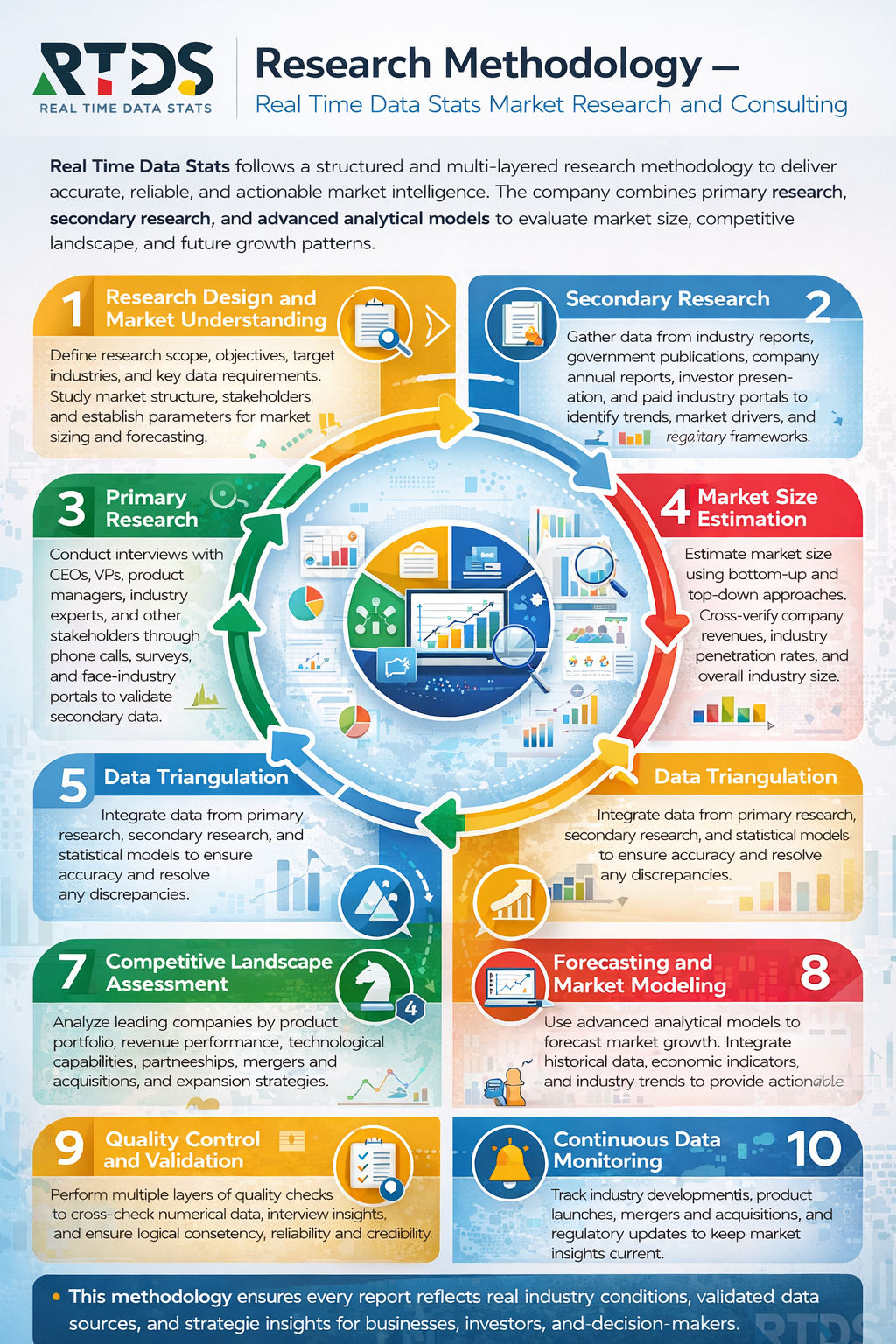
- Research Methodology
- Assumptions and Limitations
- Data Sources and Validation Approach
- Currency and Pricing Standards
Market Overview
- Industry Evolution
- Value Chain Analysis
- Ecosystem Mapping
- Technology Landscape
- Regulatory Environment
- Standards and Compliance Framework
- Innovation Trends
Market Dynamics
- Market Drivers
- Market Restraints
- Market Opportunities
- Market Challenges
- Emerging Trends
- Impact Analysis of Macroeconomic Factors
- Industry Risk Assessment
Bioelectronic Textiles Market Segmentation Analysis
- By Type:
- Conductive Fabrics
- E-textiles
- Smart Fabrics
- Wearable Sensors
- Flexible Electronics
- Integrated Circuits
- By Application:
- Healthcare Monitoring
- Fitness & Sports
- Military & Defense
- Fashion & Lifestyle
- Rehabilitation
- Telemedicine
- By Material:
- Carbon-based Materials
- Metallic Fibers
- Polymer-based Fibers
- Hybrid Materials
- Nanomaterials
- Conductive Inks
- By End User:
- Hospitals & Clinics
- Sports & Fitness Centers
- Military & Defense Organizations
- Research & Academic Institutions
- Consumer Electronics
- Textile Manufacturers
- By Functionality:
- Temperature Sensing
- Motion Tracking
- Heart Rate Monitoring
- Electrochemical Sensing
- Pressure Sensing
- Biopotential Monitoring
- By Technology:
- Flexible Sensors
- Printed Electronics
- Fiber-based Electronics
- Wireless Communication
- Energy Harvesting
- Signal Processing
- By Product:
- Smart Shirts
- Smart Socks
- Smart Gloves
- Smart Pants
- Smart Jackets
- Smart Headgear
- By Connectivity:
- Bluetooth-enabled
- Wi-Fi-enabled
- NFC-enabled
- IoT-integrated
- Standalone Devices
- Cloud-connected
- By Market Player Type:
- Established Companies
- Start-ups
- Contract Manufacturers
- Research Organizations
- Technology Providers
- Component Suppliers
Regional Analysis
- North America Market Analysis
- Europe Market Analysis
- Asia Pacific Market Analysis
- Latin America Market Analysis
- Middle East & Africa Market Analysis
- Regional Growth Drivers
- Regional Regulatory Scenarios
Competitive Landscape
- Market Share Analysis
- Company Positioning Matrix
- Strategic Initiatives
- Mergers and Acquisitions
- Partnerships and Collaborations
- New Product Launches
- Investment and Funding Trends
Company Profiles
- Business Overview
- Product Portfolio
- Financial Performance
- Regional Presence
- SWOT Analysis
- Strategic Outlook
Technology and Innovation Analysis
- Smart Fabric Integration Techniques
- Wearable Electronics Miniaturization
- Energy Harvesting Textiles
- AI and IoT Integration
- Flexible Circuit Advancements
- Biocompatibility Developments
Supply Chain and Manufacturing Analysis
- Raw Material Procurement
- Manufacturing Processes
- Quality Control Standards
- Distribution Logistics
- Cost Structure Analysis
- Sustainability and Recycling Practices
Pricing Analysis
- Regional Pricing Trends
- Component Cost Breakdown
- Margin Analysis
- Pricing Strategies by Key Players
Market Forecast and Future Outlook
- Revenue Forecast
- Volume Forecast
- Segment-Wise Forecast
- Regional Forecast
- Investment Opportunities
- Future Technology Roadmap
Conclusion
- Summary of Market Trends
- Key Drivers and Restraints
- Growth Opportunities
- Technology & Innovation Outlook
- Future Market Forecast
Appendix
- Abbreviations
- Research Methodology Details
- Glossary of Terms
- Disclaimer
List of Tables
- Table:1: Global Bioelectronic Textiles Market Snapshot
- Table:2: Market Size by Component
- Table:3: Market Size by Material Type
- Table:4: Market Size by Application
- Table:5: Market Size by End User
- Table:6: Market Size by Region
- Table:7: Regulatory Standards Comparison
- Table:8: Value Chain Breakdown
- Table:9: Cost Structure Analysis
- Table:10: Key Company Financials
- Table:11: Technology Adoption Rates
- Table:12: Distribution Channel Share
- Table:13: Investment and Funding Data
- Table:14: Forecast by Segment
- Table:15: Competitive Benchmarking Matrix
List of Figures
- Figure:1: Bioelectronic Textiles Market Overview Diagram
- Figure:2: Industry Value Chain Illustration
- Figure:3: Ecosystem Mapping Chart
- Figure:4: Technology Landscape Map
- Figure:5: Market Dynamics Impact Chart
- Figure:6: Component Share Pie Chart
- Figure:7: Material Type Comparison Graph
- Figure:8: Application Segmentation Chart
- Figure:9: End User Distribution Graph
- Figure:10: Regional Market Share Map
- Figure:11: Competitive Positioning Matrix
- Figure:12: Innovation Trend Timeline
- Figure:13: Supply Chain Flow Diagram
- Figure:14: Forecast Growth Curve
- Figure:15: Strategic Opportunity Heat Map
Bioelectronic Textiles Market Key Factors
Drivers:
- Rising chronic disease rates increase demand for continuous health monitoring.
- Advancing miniaturization and flexible electronics enable seamless textile integration.
- Growing consumer focus on personal wellness and preventive healthcare expands adoption.
Restraints:
- High production costs for conductive materials and integrated circuits limit market growth.
- Uncertain and evolving regulatory frameworks delay product commercialization.
- Concerns over data security and user privacy hinder consumer trust.
Opportunities:
- Expanding remote patient monitoring creates significant demand in healthcare.
- Developing novel self-powered textiles using energy harvesting opens new applications.
- Increasing military and defense investments in smart uniforms for soldier safety offer growth.
Challenges:
- Ensuring durability, reliability, and comfort through repeated washing cycles remains difficult.
- Establishing standardized manufacturing processes across the supply chain complicates scaling.
- Overcoming technical hurdles in achieving seamless, large-scale electronic-textile integration persists.
Bioelectronic Textiles Market Key Regional Trends
North America:
- Strong venture capital funding accelerates start-up innovation and R&D.
- Leading healthcare providers actively pilot remote monitoring solutions.
- High adoption of fitness wearables drives consumer acceptance of smart clothing.
Europe:
- Stringent data privacy regulations (GDPR) shape product development and features.
- Significant public and private grants support research in medical and sports applications.
- A strong luxury fashion sector explores integrating high-end bioelectronic garments.
Asia-Pacific:
- Rapid expansion of electronics manufacturing capabilities supports cost-effective production.
- Governments actively invest in smart textiles for their aging population healthcare needs.
- A vast consumer electronics market quickly adopts and commercializes wearable technology.
Frequently Asked Questions
Key Questions Answered
- What is the size and growth rate of the market industry?
- What are the main drivers influencing market growth trends?
- What are the key challenges and restraints faced by the market?
- What are the emerging trends and opportunities shaping the market?
- Who are the top players, and what strategies drive their success?
- What are the customer demographics and their buying behaviors?
- What are the key market segments, and what is their scope?
- What are the geographical dynamics, and which region dominates?
- What are the market forecasts and projections for the next decade?
- What regulatory factors are critical to consider for market growth?
Why Choose our Company?
- Major facts and stats backing every report we offer.
- Comprehensive analysis tailored to your business needs.
- Accurate insights backed by extensive market research.
- Expert support to address your queries promptly.
- Data-driven strategies for better decision-making.
- In-depth reports with actionable
recommendations. - Reliable statistics from trusted industry
sources. - Customizable reports to suit your specific goals.
- Unmatched quality and precision in market analysis.
- Competitive pricing with premium content delivery.
Share your experience!
We value you feedback. Please take a moment to review your experience with us.