
According to insights from Real Time Data Stats, the Autonomous Biosensors Market was valued at USD 0.71 billion in 2025. It is expected to grow from USD 0.87 billion in 2026 to USD 3.64 billion by 2033, registering a CAGR of 22.8% during the forecast period (2026–2033).
MARKET SIZE AND SHARE
The autonomous biosensors market is experiencing strong expansion, driven by rising demand for real-time health monitoring, precision diagnostics, and environmental sensing applications. Market share remains highly competitive, with established medical device manufacturers and emerging technology companies investing in advanced biosensor platforms. wearable and implantable biosensors are expected to account for a significant portion of total market revenue during the forecast period, supported by continuous innovation and increasing adoption across healthcare settings.
North America currently holds a leading market share, supported by advanced healthcare infrastructure, strong research capabilities, and substantial investment in biosensor development. Meanwhile, the Asia-Pacific region is projected to register the fastest growth, driven by expanding healthcare access, increasing technology adoption, and growing investments in digital health solutions. Strategic partnerships, acquisitions, and the integration of AI and nanotechnology are expected to reshape market share dynamics as companies enhance sensor autonomy, accuracy, and overall performance.
INDUSTRY OVERVIEW AND STRATEGY
The autonomous biosensors industry integrates biotechnology, nanotechnology, and artificial intelligence to create self-sustaining diagnostic devices. These sensors operate independently, providing real-time, continuous analysis of biological data without external intervention. The industry is propelled by the global shift towards personalized medicine, preventive healthcare, and remote patient monitoring. Key players encompass a mix of biotechnology giants, electronics manufacturers, and software analytics firms, all collaborating to advance sensor intelligence, miniaturization, and power efficiency for broader application.
Core strategies focus on intensive research and development to improve sensor sensitivity, specificity, and longevity. Companies are pursuing vertical integration to control the entire value chain, from material science to data platforms. Strategic alliances between tech companies and pharmaceutical entities are crucial for clinical validation and market penetration. A pivotal strategy involves securing regulatory approvals and ensuring robust cybersecurity for data transmission, while simultaneously pursuing cost-reduction in manufacturing to enable scalable commercialization and adoption in diverse, price-sensitive markets.
Analyst Key Takeaways:
The Autonomous Biosensors market is witnessing strong momentum as healthcare systems increasingly adopt intelligent monitoring technologies capable of continuous, real-time data collection and analysis. Advances in miniaturization, self-powered sensor designs, wireless communication, and AI-driven analytics are enabling more efficient and autonomous health monitoring across clinical, wearable, and remote care settings.
Rising demand for preventive healthcare, personalized medicine, and connected medical devices is creating significant opportunities for autonomous biosensor adoption. The convergence of biosensing technologies with IoMT platforms, digital health solutions, and smart diagnostics is accelerating innovation, while ongoing research and investment activities are supporting the development of highly accurate, low-maintenance, and scalable sensing systems.
REGIONAL TRENDS AND GROWTH
North America leads, driven by strong regulatory frameworks, high healthcare expenditure, and early adoption of digital health technologies. Europe follows, with growth fueled by supportive government initiatives for telehealth and an aging population requiring chronic disease management. The Asia-Pacific region emerges as the fastest-growing market, due to improving healthcare infrastructure, rising medical tourism, and increasing investments in smart healthcare solutions. Latin America and the Middle East show nascent but promising growth, focusing on infectious disease monitoring and environmental applications.
Primary growth drivers include the rising prevalence of chronic diseases, demand for point-of-care testing, and advancements in AI and iot integration. Significant restraints involve high development costs, stringent regulatory hurdles, and data privacy concerns. Opportunities lie in expanding applications into agriculture, food safety, and biodefense. Key challenges encompass achieving long-term operational stability in vivo, ensuring seamless interoperability with existing healthcare systems, and managing the technical complexities of miniaturization while maintaining accuracy and reliability in diverse real-world conditions.
AUTONOMOUS BIOSENSORS MARKET SEGMENTATION ANALYSIS
BY TYPE:
Electrochemical, optical, thermal, piezoelectric, wearable, and implantable autonomous biosensors together define the technological backbone of the market, with demand strongly shaped by accuracy requirements, response time, and long-term operational stability. Electrochemical biosensors continue to gain strong adoption due to their high sensitivity, compact design, and cost efficiency, particularly in medical diagnostics and environmental monitoring. Optical biosensors benefit from superior precision and non-invasive measurement capabilities, making them attractive for advanced research and clinical applications. Thermal and piezoelectric biosensors, while more specialized, address niche industrial and defense requirements where robustness and real-time physical signal detection are critical.
Wearable and implantable autonomous biosensors represent the fastest-evolving sub-segments, driven by rising demand for continuous health monitoring and personalized medicine. Their growth is dominated by factors such as miniaturization, biocompatibility, low-power operation, and seamless data transmission. Manufacturers increasingly focus on integrating self-powered mechanisms and wireless connectivity into these biosensors to enhance autonomy and user comfort. As healthcare systems shift toward preventive and remote care models, these types play a central role in expanding the overall market footprint.
BY APPLICATION:
Medical diagnostics dominate the application landscape due to the increasing need for early disease detection, chronic condition monitoring, and real-time patient data collection. Autonomous biosensors enable continuous monitoring without manual intervention, which significantly reduces clinical workload while improving diagnostic accuracy. Environmental monitoring also holds a strong position, as regulatory agencies and industries rely on autonomous biosensors to track pollutants, toxins, and biochemical changes in air and water systems. Their ability to operate independently in remote or hazardous environments directly strengthens adoption across public and private sectors.
Food safety testing, industrial process monitoring, agricultural monitoring, and defense applications collectively drive diversification within the market. In food and agriculture, dominant growth factors include rising contamination concerns, demand for traceability, and the need for real-time quality assessment. Industrial and defense applications emphasize durability, reliability, and rapid response under extreme conditions. The expanding scope of autonomous biosensors across these varied applications ensures stable long-term growth and reduces reliance on a single demand driver.
BY COMPONENT:
Sensors form the core component segment, as performance accuracy and selectivity directly influence system effectiveness. Continuous advancements in sensing materials, nanostructures, and surface chemistry significantly enhance detection capabilities, making sensors the primary value-driving component. power management units play an equally critical role, as autonomous operation depends on efficient energy usage, long battery life, or alternative power sources. Innovations in ultra-low-power electronics and energy optimization directly strengthen this segment’s importance.
Data processing units, wireless communication modules, microfluidic systems, and packaging materials collectively support system autonomy and scalability. Embedded processing capabilities allow biosensors to analyze data locally, reducing latency and dependency on external systems. Meanwhile, advanced packaging and encapsulation materials ensure durability, chemical resistance, and biocompatibility. The dominant factor across this component segment is integration efficiency, as manufacturers prioritize compact, multifunctional architectures to enhance performance while reducing production costs.
BY TECHNOLOGY:
Nanotechnology-based biosensors dominate due to their enhanced sensitivity, faster response times, and ability to detect low-concentration analytes. MEMS and lab-on-a-chip technologies further accelerate adoption by enabling miniaturization and mass production, which directly supports scalability across medical and industrial uses. These technologies allow complex biochemical processes to occur within compact platforms, improving efficiency and reducing sample requirements.
AI-integrated and IoT-enabled technologies increasingly shape competitive differentiation in the market. Artificial intelligence enhances pattern recognition, predictive analytics, and anomaly detection, while IoT connectivity enables real-time data transmission and remote monitoring. Energy harvesting technology further strengthens system autonomy by reducing reliance on conventional power sources. The dominant growth driver across this segment is the convergence of digital intelligence with biosensing hardware, enabling smarter, self-sustaining solutions.
BY END USER:
Hospitals and clinics represent the leading end-user segment, driven by the growing emphasis on real-time diagnostics, remote patient monitoring, and operational efficiency. Autonomous biosensors reduce manual testing dependency and support continuous health assessment, aligning well with modern healthcare delivery models. Research laboratories also contribute significantly, as autonomous systems support long-duration experiments and high-throughput screening with minimal human intervention.
Pharmaceutical companies, environmental agencies, food and beverage companies, and defense organizations expand market reach beyond healthcare. Pharmaceutical users rely on autonomous biosensors for drug development, quality control, and clinical trials. Environmental and food safety agencies prioritize reliability and regulatory compliance, while military and defense users focus on resilience and rapid threat detection. The dominant factor across end users is the ability of autonomous biosensors to deliver uninterrupted, high-quality data in diverse operational settings.
BY MODE OF OPERATION:
Continuous and real-time monitoring modes dominate the market due to their ability to provide uninterrupted data streams for critical decision-making. These modes are particularly valuable in healthcare, industrial safety, and environmental monitoring, where delays can result in significant risks. Self-calibrating and self-powered systems further enhance operational reliability by reducing maintenance requirements and ensuring consistent performance over extended periods.
On-demand and remote monitoring modes support flexible deployment and cost efficiency, especially in distributed or resource-limited environments. The dominant factor influencing adoption across this segment is system reliability over long durations without human intervention. As autonomy becomes a core purchasing criterion, manufacturers increasingly prioritize operational stability and automated system intelligence.
BY DEPLOYMENT TYPE:
Wearable and implantable deployments lead innovation due to rising demand for mobility, comfort, and continuous monitoring. These deployments benefit from advancements in flexible electronics, biocompatible materials, and wireless data transfer. Portable and mobile platforms expand usability in field operations, emergency response, and remote diagnostics.
Fixed installations and distributed sensor networks play a vital role in industrial and environmental applications where continuous area-wide monitoring is required. The dominant factor across deployment types is adaptability, as organizations seek biosensors that can function efficiently across changing environments and use cases without extensive infrastructure modifications.
BY POWER SOURCE:
Battery-powered systems currently dominate due to ease of implementation and reliability. However, limitations related to replacement cycles and environmental impact drive rapid adoption of energy harvesting, solar-powered, and biofuel cell-based solutions. These alternatives enhance autonomy and reduce long-term operational costs.
Wireless power transfer and hybrid power systems further strengthen the segment by enabling uninterrupted operation in inaccessible or sealed environments. The dominant growth driver is sustainability, as end users increasingly prioritize long-life, low-maintenance power solutions aligned with environmental and economic goals.
BY CONNECTIVITY:
Bluetooth and Wi-Fi connectivity dominate short-range applications due to low energy consumption and ease of integration. Cellular and satellite communication technologies support long-range and remote deployments, particularly in environmental monitoring and defense sectors.
Near field communication and proprietary protocols address security-sensitive and specialized use cases. The dominant factor across connectivity options is data reliability and security, as autonomous biosensors increasingly handle critical and confidential information across distributed networks.
RECENT DEVELOPMENTS
- In Jan 2024: Abbott launched a major trial for its Lingo biowearable, biosensors tracking glucose, ketones, and lactate for metabolic health insights beyond diabetes care, expanding the autonomous sensing market.
- In Apr 2024: Researchers at Penn State published a breakthrough in Nature on a self-powered, sweat-based biosensor using a biofuel cell, enabling fully autonomous operation for continuous health monitoring without batteries.
- In Jul 2024: Apple partnered with Roche to integrate Roche’s digital cardiac biomarkers into the Apple Watch ecosystem, a major step towards FDA-cleared, autonomous continuous biomarker sensing for cardiovascular health.
- In Nov 2024: The FDA granted De Novo clearance to Dexcom's Stelo Glucose Biosensor System, the first CGM authorized for over-the-counter use by non-diabetics, creating a new consumer wellness category for autonomous sensors.
- In Feb 2025: Honeywell announced a strategic investment and collaboration with Profusa to co-develop next-generation, implantable biosensors for real-time monitoring of critical biomarkers in military and clinical trauma applications.
KEY PLAYERS ANALYSIS
- Abbott Laboratories
- Dexcom, Inc.
- Medtronic plc
- Roche Diagnostics
- Senseonics Holdings, Inc.
- Bio-Rad Laboratories, Inc.
- Siemens Healthineers
- Universal Biosensors, Inc.
- LifeScan, Inc. (a Kiniksa company)
- Nova Biomedical
- AgaMatrix, Inc.
- Apple, Inc.
- Google (Alphabet Inc.)
- Huawei Technologies Co., Ltd.
- Samsung Electronics Co., Ltd.
- Honeywell International, Inc.
- BioIntelliSense, Inc.
- Profusa, Inc.
- Nemaura Medical, Inc.
- Know Labs, Inc.
Autonomous Biosensors Market Segmentation
By Type:
- Electrochemical Biosensors
- Optical Biosensors
- Thermal Biosensors
- Piezoelectric Biosensors
- Wearable Autonomous Biosensors
- Implantable Autonomous Biosensors
By Application:
- Medical Diagnostics
- Environmental Monitoring
- Food Safety Testing
- Industrial Process Monitoring
- Agricultural Monitoring
- Defense and Security
By Component:
- Sensors
- Power Management Units
- Data Processing Units
- Wireless Communication Modules
- Microfluidic Systems
- Packaging and Encapsulation Materials
By Technology:
- Nanotechnology-Based
- MEMS-Based
- Lab-on-a-Chip Technology
- AI-Integrated Biosensors
- IoT-Enabled Biosensors
- Energy Harvesting Technology
By End User:
- Hospitals and Clinics
- Research Laboratories
- Pharmaceutical Companies
- Environmental Agencies
- Food and Beverage Companies
- Military and Defense Organizations
By Mode of Operation:
- Continuous Monitoring
- Real-Time Monitoring
- On-Demand Monitoring
- Remote Monitoring
- Self-Calibrating Systems
- Self-Powered Systems
By Deployment Type:
- Wearable Devices
- Implantable Devices
- Portable Devices
- Fixed Installation Systems
- Distributed Sensor Networks
- Mobile Monitoring Platforms
By Power Source:
- Battery-Powered
- Energy Harvesting-Based
- Solar-Powered
- Biofuel Cell-Based
- Wireless Power Transfer
- Hybrid Power Systems
By Connectivity:
- Bluetooth
- Wi-Fi
- Cellular Networks
- Near Field Communication
- Satellite Communication
- Proprietary Wireless Protocols
By Geography:
- North America (USA, Canada, Mexico)
- Europe (UK, Germany, France, Italy, Spain, Rest of Europe)
- Asia-Pacific (China, Japan, Australia, South Korea, India, Rest of Asia-Pacific)
- South America (Brazil, Argentina, Rest of South America)
- Middle East and Africa (GCC Countries, South Africa, Rest of MEA)
Autonomous Biosensors Market: Table of Contents
Introduction
- Market Definition and Scope
- Autonomous Biosensors Overview
- Industry Value Chain Analysis
- Market Ecosystem Mapping
- Key Stakeholders Analysis
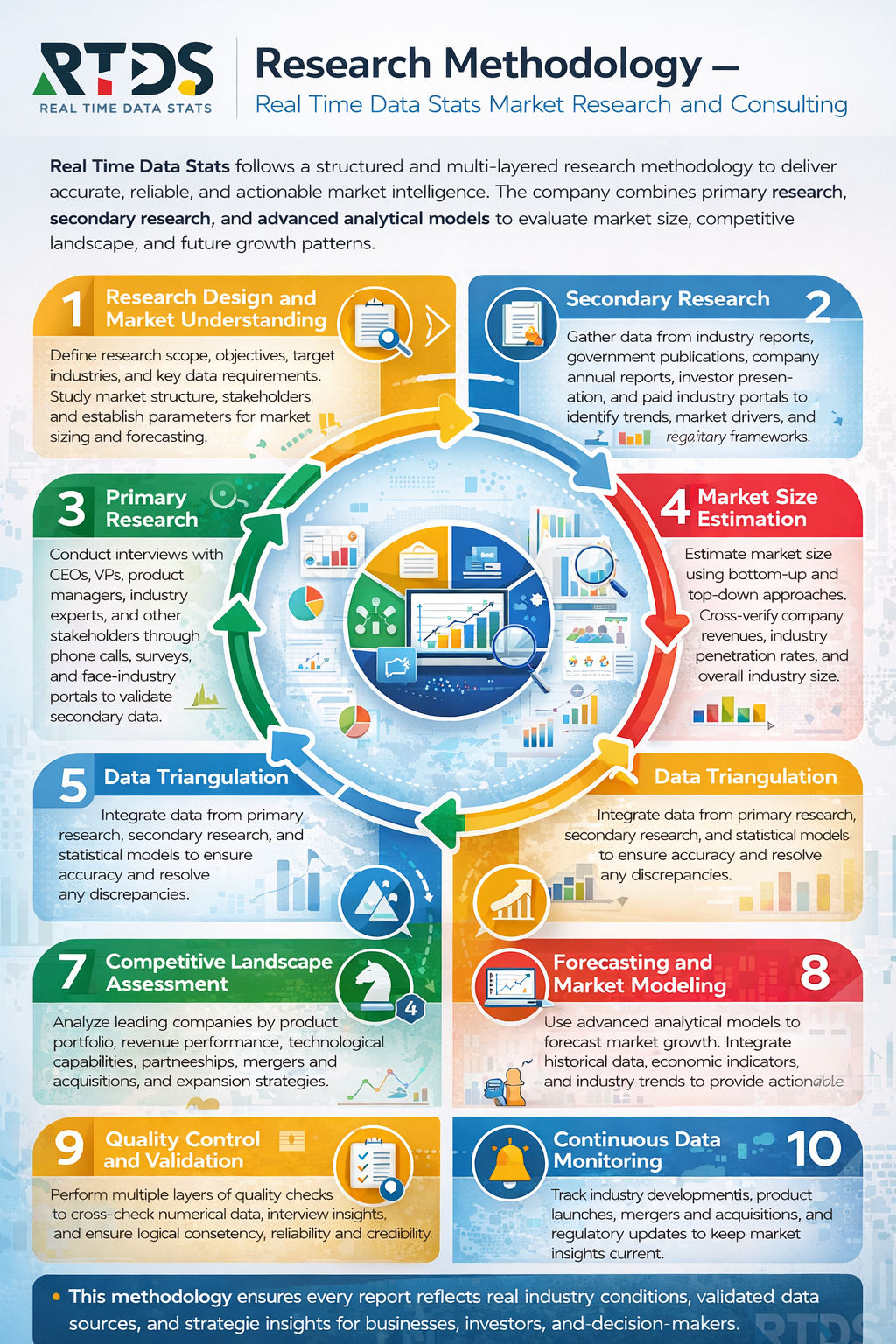
Research Methodology
- Primary Research Approach
- Secondary Research Sources
- Data Triangulation Method
- Market Size Estimation Techniques
- Forecasting Methodology
- Assumptions and Limitations
Executive Summary
- Global Market Snapshot
- Key Market Highlights
- Major Growth Trends
- Strategic Insights
Market Dynamics
- Market Drivers
- Market Restraints
- Market Opportunities
- Market Challenges
Regulatory Landscape
- Technology Evolution Impact
- Autonomous Biosensors Market Analysis
- Global Market Size and Forecast
- Market Growth Rate Analysis
- Market Attractiveness Analysis
- Pricing Trend Analysis
Autonomous Biosensors Market Segmentation
- By Type
- Electrochemical Biosensors
- Optical Biosensors
- Thermal Biosensors
- Piezoelectric Biosensors
- Wearable Autonomous Biosensors
- Implantable Autonomous Biosensors
- By Application
- Medical Diagnostics
- Environmental Monitoring
- Food Safety Testing
- Industrial Process Monitoring
- Agricultural Monitoring
- Defense and Security
- By Component
- Sensors
- Power Management Units
- Data Processing Units
- Wireless Communication Modules
- Microfluidic Systems
- Packaging and Encapsulation Materials
- By Technology
- Nanotechnology-Based
- MEMS-Based
- Lab-on-a-Chip Technology
- AI-Integrated Biosensors
- IoT-Enabled Biosensors
- Energy Harvesting Technology
- By End User
- Hospitals and Clinics
- Research Laboratories
- Pharmaceutical Companies
- Environmental Agencies
- Food and Beverage Companies
- Military and Defense Organizations
- By Mode of Operation
- Continuous Monitoring
- Real-Time Monitoring
- On-Demand Monitoring
- Remote Monitoring
- Self-Calibrating Systems
- Self-Powered Systems
- By Deployment Type
- Wearable Devices
- Implantable Devices
- Portable Devices
- Fixed Installation Systems
- Distributed Sensor Networks
- Mobile Monitoring Platforms
- By Power Source
- Battery-Powered
- Energy Harvesting-Based
- Solar-Powered
- Biofuel Cell-Based
- Wireless Power Transfer
- Hybrid Power Systems
- By Connectivity
- Bluetooth
- Wi-Fi
- Cellular Networks
- Near Field Communication
- Satellite Communication
- Proprietary Wireless Protocols
Regional Market Analysis
- North America Market Overview
- Europe Market Overview
- Asia Pacific Market Overview
- Latin America Market Overview
- Middle East Market Overview
- Africa Market Overview
Competitive Landscape
- Market Share Analysis
- Competitive Benchmarking
- Strategic Initiatives Analysis
- Mergers and Acquisitions
- Partnerships and Collaborations
- Product Launches and Innovations
Company Profiles
- Company Overview
- Product Portfolio
- Business Strategy
- Financial Overview
- Recent Developments
Future Outlook
- Emerging Trends
- Technology Roadmap
- Investment Opportunities
- Market Expansion Strategies
Conclusion
- Summary of Market Trends
- Key Drivers and Restraints
- Growth Opportunities
- Technology & Innovation Outlook
- Future Market Forecast
Appendix
- Abbreviations and Acronyms
- Research Methodology Details
- Data Sources
- Disclaimer
List of Tables
- Table:1: Global Autonomous Biosensors Market Size Overview
- Table:2: Market Segmentation by Type
- Table:3: Market Segmentation by Application
- Table:4: Market Segmentation by Component
- Table:5: Market Segmentation by Technology
- Table:6: Market Segmentation by End User
- Table:7: Market Segmentation by Mode of Operation
- Table:8: Market Segmentation by Deployment Type
- Table:9: Market Segmentation by Power Source
- Table:10: Market Segmentation by Connectivity
- Table:11: Regional Market Size Comparison
- Table:12: North America Market Analysis
- Table:13: Europe Market Analysis
- Table:14: Asia Pacific Market Analysis
- Table:15: Competitive Landscape Overview
List of Figures
- Figure:1: Autonomous Biosensors Market Ecosystem
- Figure:2: Market Research Methodology Framework
- Figure:3: Global Market Size Trend Analysis
- Figure:4: Market Dynamics Overview
- Figure:5: Market Segmentation Framework
- Figure:6: Market Share by Type
- Figure:7: Market Share by Application
- Figure:8: Market Share by Component
- Figure:9: Market Share by Technology
- Figure:10: Market Share by End User
- Figure:11: Regional Market Share Distribution
- Figure:12: North America Market Structure
- Figure:13: Europe Market Structure
- Figure:14: Asia Pacific Market Structure
- Figure:15: Competitive Landscape Mapping
Autonomous Biosensors Market Key Factors
Drivers:
- Rising chronic disease prevalence increases demand for continuous monitoring.
- Advancements in nanotechnology and AI enhance sensor accuracy and functionality.
- Growing healthcare costs push adoption of preventive, decentralized care models.
Restraints:
- Strict regulatory approvals delay product commercialization.
- High development and manufacturing costs limit market accessibility.
- Data security and privacy concerns hinder user adoption.
Opportunities:
- Expanding applications in environmental monitoring and food safety create new markets.
- Integration with telehealth platforms offers scalable remote patient management.
- Emerging economies present untapped markets with growing healthcare infrastructure.
Challenges:
- Achieving long-term stability and reliability in diverse biological environments remains difficult.
- Lack of standardized protocols impedes widespread integration into healthcare systems.
- Battery life and power management constrain design and performance of wearable devices.
Autonomous Biosensors Market Key Regional Trends
North America:
- Strong venture capital investment fuels innovation and startup growth.
- Strategic partnerships between tech giants and biotech firms accelerate R&D.
- Favorable FDA regulatory pathways for breakthrough devices streamline market entry.
Europe:
- Stringent GDPR rules shape data handling and privacy-by-design sensor development.
- Government-funded initiatives prioritize smart wearables for aging population care.
- Focus expands beyond healthcare into industrial and environmental sensing applications.
Asia-Pacific:
- Rapidly expanding digital healthcare infrastructure supports adoption.
- Local manufacturing reduces costs and addresses high-volume demand.
- Governments actively promote domestic biosensor production for public health programs.
Frequently Asked Questions
Key Questions Answered
- What is the size and growth rate of the market industry?
- What are the main drivers influencing market growth trends?
- What are the key challenges and restraints faced by the market?
- What are the emerging trends and opportunities shaping the market?
- Who are the top players, and what strategies drive their success?
- What are the customer demographics and their buying behaviors?
- What are the key market segments, and what is their scope?
- What are the geographical dynamics, and which region dominates?
- What are the market forecasts and projections for the next decade?
- What regulatory factors are critical to consider for market growth?
Why Choose our Company?
- Major facts and stats backing every report we offer.
- Comprehensive analysis tailored to your business needs.
- Accurate insights backed by extensive market research.
- Expert support to address your queries promptly.
- Data-driven strategies for better decision-making.
- In-depth reports with actionable
recommendations. - Reliable statistics from trusted industry
sources. - Customizable reports to suit your specific goals.
- Unmatched quality and precision in market analysis.
- Competitive pricing with premium content delivery.
Share your experience!
We value you feedback. Please take a moment to review your experience with us.