
The global Zero-Waste Packaging Market size was valued at USD 348.5 billion in 2025 and is projected to expand at a compound annual growth rate (CAGR) of 10.0% during the forecast period, reaching a value of USD 673.57 billion by 2033.
MARKET SIZE AND SHARE
The global zero-waste packaging market is expanding due to rising environmental awareness among consumers and strict regulations against single-use plastics. These factors act as key drivers and create strong opportunities across the value chain.
Market share analysis shows recyclable materials hold the leading position. North America held the largest share in 2024, supported by strong corporate sustainability efforts. The Asia-Pacific region is set to gain a larger share during the forecast period, driven by rapid urbanization, growing e-commerce, and rising plastic waste challenges in countries like China and India.
INDUSTRY OVERVIEW AND STRATEGY
The zero-waste packaging industry is characterized by a paradigm shift from linear to circular economic models. Key strategies involve designing out waste and pollution from the outset. Market players are increasingly focusing on material innovation, such as developing biodegradable films and compostable polymers. The industry overview highlights a collaborative ecosystem involving packaging manufacturers, brand owners, and waste management facilities. Strategic alliances are being forged to establish standardized recycling infrastructures and consumer education campaigns globally to drive widespread adoption.
Effective market strategy necessitates a multi-pronged approach. Companies are prioritizing the development of lightweight packaging to reduce material usage and transportation emissions. Another critical strategy involves implementing refillable and returnable packaging schemes, particularly in the fast-moving consumer goods sector. Investment in advanced sorting and chemical recycling technologies is a key strategic move to handle complex waste streams. Furthermore, aligning product development with evolving regulatory frameworks and achieving true cost parity with conventional plastics remain central to long-term strategic success.
REGIONAL TRENDS AND GROWTH
Regional trends indicate Europe as a frontrunner in zero-waste packaging adoption, fueled by progressive policies like the Circular Economy Action Plan. Growth factors here include stringent landfill directives and high consumer consciousness. Conversely, the Asia-Pacific region exhibits the highest future growth potential. Key drivers include rapid industrialization and rising plastic pollution. However, growth is restrained by inadequate waste collection infrastructure in several nations. A significant opportunity lies in developing decentralized composting solutions for bioplastics to address this regional challenge effectively.
Future growth in North America is currently driven by corporate sustainability pledges from major retailers and brands. However, a fragmented regulatory landscape presents a considerable restraint. The key opportunity exists in harmonizing state-level policies to create a unified market for recyclates. In Latin America and the Middle East, growth factors include burgeoning tourism and a youthful demographic demanding eco-friendly products. The primary challenge across these regions is the high initial cost of transitioning from conventional packaging. Overcoming this cost barrier is essential for unlocking their substantial long-term market potential.
ZERO-WASTE PACKAGING MARKET SEGMENTATION ANALYSIS
BY TYPE:
The Zero-Waste Packaging market by type is dominated by biodegradable plastics and paper-based packaging, driven by rising consumer preference for eco-friendly alternatives. Biodegradable plastics, such as PLA and PBAT, offer compostability and reduced environmental impact, making them highly adopted in food and retail sectors. Paper and paperboard remain popular due to recyclability and cost-effectiveness. Glass and metal packaging are increasingly used for premium products, while edible and compostable packaging gain traction in the foodservice industry.
Innovation, regulatory support, and sustainability mandates are key growth factors. Governments globally are enforcing bans on single-use plastics, pushing industries toward compostable and reusable alternatives. Consumer awareness, brand sustainability commitments, and circular economy adoption are driving investments in edible, bamboo, and bagasse packaging. Market growth is also fueled by R&D in high-performance biodegradable materials that provide barrier protection, strength, and shelf-life comparable to conventional materials, making zero-waste packaging both practical and environmentally responsible.
BY APPLICATION:
The Zero-Waste Packaging market by application sees significant adoption in food & beverages and personal care sectors. Food packaging demands high barrier performance, freshness retention, and regulatory compliance, promoting biodegradable films, compostable trays, and recyclable containers. Personal care and cosmetic products increasingly use recyclable and reusable jars, bottles, and tubes to appeal to eco-conscious consumers. Pharmaceutical packaging benefits from tamper-proof and sustainable alternatives, while e-commerce, electronics, and household products adopt zero-waste solutions to reduce shipment-related environmental impact.
Dominant factors shaping this segment include increasing consumer preference for sustainable brands, e-commerce growth driving packaging demand, and stricter environmental regulations. The expansion of ready-to-eat food delivery, cosmetic subscription boxes, and pharmaceutical cold-chain logistics encourages innovative, lightweight, and recyclable packaging. Companies focus on packaging that reduces carbon footprint while maintaining product integrity, creating opportunities for flexible films, molded fiber products, and reusable packaging systems, especially in regions with high regulatory compliance and consumer awareness.
BY MATERIAL:
In Zero-Waste Packaging by material, PLA, PBAT, cellulose-based, cornstarch, bamboo, and bagasse dominate due to environmental friendliness and biodegradability. PLA and PBAT are widely used in food packaging films and compostable bags. Cellulose and cornstarch provide versatile, edible, and compostable options for single-use packaging, while bamboo and bagasse offer renewable, plant-based alternatives for trays, containers, and disposable cutlery. Material selection is driven by performance, cost-effectiveness, and compatibility with recycling or composting infrastructure.
Key growth factors include rising raw material availability, declining cost of biopolymers, and technological advancements enhancing material strength and barrier properties. Sustainability mandates encourage manufacturers to substitute conventional plastics with plant-based or biodegradable materials. Partnerships with material suppliers and innovation in multi-layer compostable structures are driving adoption across foodservice, e-commerce, and industrial packaging. Consumer demand for fully recyclable or edible materials accelerates R&D in advanced biomaterials, boosting both market penetration and product differentiation.
BY FORM:
The Zero-Waste Packaging market by form includes rigid, flexible, pouches & bags, trays & containers, wraps & films, and bottles & jars. Flexible packaging is gaining traction due to cost efficiency, reduced material usage, and convenience, especially in food and e-commerce applications. Rigid containers, bottles, and jars are popular for cosmetics, pharmaceuticals, and premium beverages due to durability and reusability. Trays, wraps, and films are preferred in ready-to-eat food and retail packaging for easy handling and product protection.
Dominant factors driving this form-based segmentation are consumer convenience, lightweight transport, reduced carbon footprint, and ease of recycling or composting. Technological innovations such as multi-layer compostable films, molded pulp trays, and reusable bottles enhance market attractiveness. E-commerce growth encourages flexible and pouch packaging for shipping efficiency. Regulatory pressure, eco-conscious consumer behavior, and corporate sustainability initiatives push brands to adopt diverse packaging forms that balance protection, aesthetics, and environmental responsibility.
BY END-USE INDUSTRY:
The Zero-Waste Packaging market by end-use industry sees strong demand in foodservice, grocery & retail, healthcare & pharmaceuticals, cosmetics & personal care, logistics & supply chain, and industrial packaging. Foodservice and grocery sectors require high-performance biodegradable, compostable, and recyclable packaging, driven by regulatory bans on plastics and consumer preference. Healthcare and pharmaceutical sectors prioritize tamper-proof, sterilizable, and compliant materials. Cosmetics and personal care benefit from reusable jars and tubes, while logistics and industrial packaging increasingly adopt recyclable or reusable bulk containers.
Market growth factors include rising eco-conscious consumer spending, regulatory pressure to reduce single-use plastics, and corporate sustainability initiatives. Industrial players are implementing circular economy strategies, focusing on packaging recovery, recycling, and reuse. Expansion of retail chains, food delivery services, and e-commerce platforms further fuels adoption. Partnerships between packaging companies and end-use industries promote innovation in plant-based, compostable, and high-barrier materials to meet sector-specific functionality, sustainability targets, and brand positioning
BY SUSTAINABILITY TYPE:
The Zero-Waste Packaging market by sustainability type is led by compostable, recyclable, reusable, renewable material-based, water-soluble, and plant-based packaging. Compostable and recyclable packaging dominate due to regulatory support, eco-conscious consumer adoption, and ease of integration into waste management systems. Reusable and renewable material-based packaging appeal to premium brands seeking circular economy compliance, while water-soluble and plant-based materials cater to niche applications like foodservice, pharmaceuticals, and cosmetics.
Key factors driving growth include government policies favoring sustainable packaging, rising awareness of carbon footprint reduction, and corporate sustainability commitments. Innovations in multi-layer compostable films, biodegradable polymers, and plant-based packaging enhance durability and shelf-life, enabling practical adoption. The shift toward circular packaging models encourages R&D investments in reusable, modular, and fully compostable materials, creating new opportunities across regions with strong regulatory enforcement and eco-conscious consumer markets.
BY DISTRIBUTION CHANNEL:
The Zero-Waste Packaging market by distribution channel includes supermarkets/hypermarkets, specialty stores, e-commerce, direct sales, wholesale distributors, and convenience stores. Supermarkets and hypermarkets remain major channels for packaged food and household products due to high volume demand, while specialty stores and direct sales cater to premium eco-friendly products. E-commerce adoption accelerates flexible, lightweight, and protective zero-waste packaging, particularly for cosmetics, personal care, and food delivery.
Dominant growth factors include increasing online retail penetration, supply chain sustainability goals, and consumer demand for eco-conscious brands. Wholesale distributors play a key role in bulk and industrial packaging adoption, while convenience stores push single-serve sustainable packaging. Brands focus on packaging solutions that balance cost, durability, and sustainability. Logistics efficiency, packaging innovation, and consumer awareness drive channel-specific adoption patterns, promoting eco-friendly practices across both B2B and B2C distribution networks.
BY PRICE RANGE:
The Zero-Waste Packaging market by price range is segmented into premium, mid-range, low-cost, bulk packaging, customized packaging, and standardized packaging. Premium packaging dominates high-end food, beverage, and cosmetic segments, leveraging reusable, compostable, or plant-based materials. Mid-range and low-cost segments focus on cost-effective biodegradable plastics and paper-based solutions, suitable for mass-market consumer goods. Bulk packaging and standardized packaging serve industrial and logistics sectors, while customized packaging allows brand differentiation and sustainability branding.
Key market factors include raw material cost fluctuations, economies of scale, and consumer willingness to pay for eco-friendly alternatives. Rising brand emphasis on sustainability drives innovation in affordable zero-waste packaging. Price-sensitive markets adopt recycled or low-cost plant-based materials, whereas premium segments invest in reusable or compostable high-performance options. Government incentives, tax benefits, and environmental labeling further support the adoption of cost-effective sustainable packaging across industries.
BY BARRIER TYPE:
The Zero-Waste Packaging market by barrier type consists of moisture, oxygen, light, gas, multi-layer, and thermal barriers. Moisture and oxygen barriers are critical for food and beverage packaging to maintain freshness and shelf-life, while light and gas barriers protect sensitive pharmaceuticals, cosmetics, and specialty foods. Multi-layer compostable films provide combined protection and structural strength, and thermal barriers support hot-fill, frozen, and temperature-sensitive applications.
Growth factors include rising demand for high-performance eco-friendly materials, regulatory compliance, and consumer expectation for product safety. Innovations in bio-based coatings, compostable laminates, and advanced barrier films enhance functional performance while reducing environmental impact. Companies focus on developing cost-effective, biodegradable, and recyclable barrier solutions compatible with existing packaging lines. Strong R&D and technological adoption are key to ensuring zero-waste packaging meets protection, durability, and sustainability requirements.
RECENT DEVELOPMENTS
- In Jan 2024: Pulpex Limited partnered with a major global spirits brand to scale commercial production of its 100% plastic-free, recyclable paper bottle made from sustainably sourced wood pulp.
- In Mar 2024: Nestlé SA piloted a new refillable system for pet food in Switzerland, utilizing returnable stainless steel containers to test consumer adoption and logistical feasibility.
- In Jun 2024: Amcor PLC launched a new high-barrier, recycle-ready paper-based packaging for dry food products, designed to run on existing high-speed packaging lines.
- In Sep 2024: The UK government announced significant funding for a consortium led by DS Smith to develop AI-powered sorting technology for complex packaging waste.
- In Nov 2024: Unilever announced the expansion of its concentrated refill formats for laundry detergents across Europe, aiming to reduce plastic use and transportation emissions.
- In Jan 2025: Danone SA unveiled a pilot program in France for a fully compostable yogurt pot made from paper and a bio-based lining, tested with specific waste stream partners.
- In Feb 2025: L'Oréal committed to making 100% of its packaging refillable, reusable, recyclable or compostable by 2030, detailing progress on bio-sourced materials in its annual report.
- In Mar 2025: A collaboration between Berry Global and a major quick-service restaurant chain resulted in a new fiber-based, hot-food clamshell container free from forever chemicals.
KEY PLAYERS ANALYSIS
- Amcor PLC
- Berry Global Group Inc.
- Tetra Pak International S.A.
- Mondi PLC
- DS Smith PLC
- Sealed Air Corporation
- Smurfit Kappa Group PLC
- Huhtamaki Oyj
- WestRock Company
- Sonoco Products Company
- Uflex Limited
- Constantia Flexibles Group GmbH
- Coveris Holdings S.A.
- Crown Holdings Inc.
- Ardagh Group S.A.
- Ball Corporation
- Winpak Ltd.
- Klabin S.A.
- Can-Pack S.A.
- Pulpex Limited
Zero-Waste Packaging Market Segmentation Analysis
By Type:
- Biodegradable Plastics
- Paper & Paperboard
- Glass
- Metal (Aluminum & Steel)
- Compostable Packaging
- Edible Packaging
By Application:
- Food & Beverages
- Personal Care & Cosmetics
- Pharmaceuticals
- E-commerce & Retail
- Electronics
- Household Products
By Material:
- PLA (Polylactic Acid)
- PBAT (Polybutylene Adipate Terephthalate)
- Cellulose-Based Materials
- Cornstarch Packaging
- Bamboo Packaging
- Sugarcane Bagasse Packaging
By Form:
- Rigid Packaging
- Flexible Packaging
- Pouches & Bags
- Trays & Containers
- Wraps & Films
- Bottles & Jars
By End-Use Industry:
- Foodservice
- Grocery & Retail
- Healthcare & Pharmaceuticals
- Cosmetics & Personal Care
- Logistics & Supply Chain
- Industrial Packaging
By Sustainability Type:
- Compostable
- Recyclable
- Reusable
- Renewable Material-Based
- Water-Soluble Packaging
- Plant-Based Packaging
By Distribution Channel:
- Supermarkets/Hypermarkets
- Specialty Stores
- E-commerce
- Direct Sales
- Wholesale Distributors
- Convenience Stores
By Price Range:
- Premium
- Mid-Range
- Low-Cost
- Bulk Packaging
- Customized Packaging
- Standardized Packaging
By Barrier Type:
- Moisture Barrier
- Oxygen Barrier
- Light Barrier
- Gas Barrier
- Multi-Layer Barrier
- Thermal Barrier
By Geography:
- North America (USA, Canada, Mexico)
- Europe (UK, Germany, France, Italy, Spain, Rest of Europe)
- Asia-Pacific (China, Japan, Australia, South Korea, India, Rest of Asia-Pacific)
- South America (Brazil, Argentina, Rest of South America)
- Middle East and Africa (GCC Countries, South Africa, Rest of MEA)
Zero-Waste Packaging Market: Table of Contents
Executive Summary
- Market Snapshot
- Key Findings
- Analyst Insights
- Strategic Recommendations
Market Introduction
- Market Definition
- Scope of Study
- Research Objectives
- Market Structure
- Stakeholder Analysis
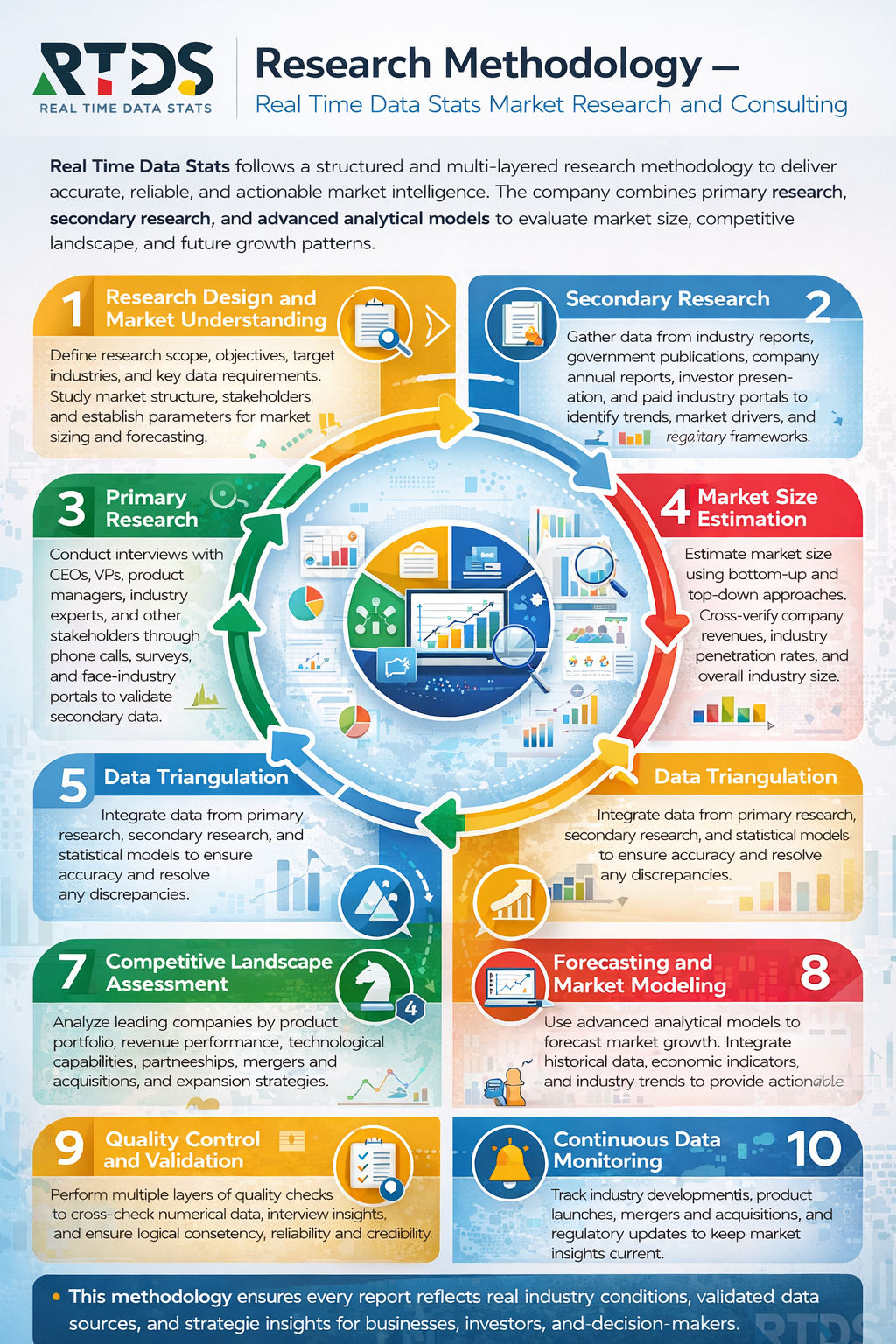
Research Methodology
- Research Design
- Data Collection Methods
- Primary Research Sources
- Secondary Research Sources
- Forecasting Techniques
- Assumptions and Limitations
Market Dynamics
- Drivers
- Restraints
- Opportunities
- Challenges
Industry Analysis
- Value Chain Analysis
- Supply Chain Analysis
- Pricing Analysis
- Cost Structure Analysis
- Profit Margin Trends
Regulatory & Policy Framework
- Global Regulations
- Regional Policies
- Environmental Standards
- Certification Requirements
Technology & Innovation Landscape
- Emerging Technologies
- Material Innovations
- Automation in Packaging
- Smart Packaging Integration
Sustainability & Environmental Impact
- Carbon Footprint Analysis
- Waste Reduction Metrics
- Recycling & Composting Trends
- Lifecycle Assessment
Market Size & Forecast
- Historical Market Data
- Current Market Size
- Forecast Projections
- Growth Rate Analysis
Zero-Waste Packaging Market Segmentation
- By Type
- Biodegradable Plastics
- Paper & Paperboard
- Glass
- Metal (Aluminum & Steel)
- Compostable Packaging
- Edible Packaging
- By Application
- Food & Beverages
- Personal Care & Cosmetics
- Pharmaceuticals
- E-commerce & Retail
- Electronics
- Household Products
- By Material
- PLA (Polylactic Acid)
- PBAT (Polybutylene Adipate Terephthalate)
- Cellulose-Based Materials
- Cornstarch Packaging
- Bamboo Packaging
- Sugarcane Bagasse Packaging
- By Form
- Rigid Packaging
- Flexible Packaging
- Pouches & Bags
- Trays & Containers
- Wraps & Films
- Bottles & Jars
- By End-Use Industry
- Foodservice
- Grocery & Retail
- Healthcare & Pharmaceuticals
- Cosmetics & Personal Care
- Logistics & Supply Chain
- Industrial Packaging
- By Sustainability Type
- Compostable
- Recyclable
- Reusable
- Renewable Material-Based
- Water-Soluble Packaging
- Plant-Based Packaging
- By Distribution Channel
- Supermarkets/Hypermarkets
- Specialty Stores
- E-commerce
- Direct Sales
- Wholesale Distributors
- Convenience Stores
- By Price Range
- Premium
- Mid-Range
- Low-Cost
- Bulk Packaging
- Customized Packaging
- Standardized Packaging
- By Barrier Type
- Moisture Barrier
- Oxygen Barrier
- Light Barrier
- Gas Barrier
- Multi-Layer Barrier
- Thermal Barrier
Competitive Landscape
- Market Share Analysis
- Competitive Benchmarking
- Strategic Positioning
- Company Profiling
- Strategic Developments
- Mergers & Acquisitions
- Partnerships & Collaborations
Product Launches
- R&D Investments
- Analytical Tools
- Porter’s Five Forces Analysis
- SWOT Analysis
- PESTLE Analysis
- Demand–Supply Gap Analysis
- Risk Assessment
Trade & Investment Analysis
- Import–Export Trends
- Investment Flow
- Funding & Venture Capital Trends
Future Outlook
- Emerging Market Trends
- Innovation Roadmap
- Growth Opportunities
Conclusion
- Market summary
- Key findings
- Strategic insights
Appendix
- Abbreviations
- Glossary of Terms
- References
- Methodology Notes
List of Tables
- Table:1: Global Market Size by Year
- Table:2: Regional Revenue Distribution
- Table:3: Material Type Share
- Table:4: Packaging Type Comparison
- Table:5: End-Use Industry Demand
- Table:6: Regulatory Standards Comparison
- Table:7: Cost Structure Breakdown
- Table:8: Raw Material Pricing Trends
- Table:9: Technology Adoption Rates
- Table:10: Competitive Market Share
- Table:11: Company Revenue Analysis
- Table:12: Import–Export Statistics
- Table:13: Investment Flow Analysis
- Table:14: Sustainability Metrics
- Table:15: Forecast Market by Segment
List of Figures
- Figure:1: Market Value Chain Diagram
- Figure:2: Market Dynamics Model
- Figure:3: Global Market Growth Graph
- Figure:4: Regional Distribution Map
- Figure:5: Material Type Pie Chart
- Figure:6: Packaging Type Bar Graph
- Figure:7: End-Use Industry Share Chart
- Figure:8: Technology Evolution Timeline
- Figure:9: Competitive Landscape Matrix
- Figure:10: Supply Chain Flowchart
- Figure:11: Consumer Preference Illustration
- Figure:12: Investment Trend Graph
- Figure:13: Environmental Impact Model
- Figure:14: Forecast Growth Curve
- Figure:15: Strategic Positioning Map
Zero-Waste Packaging Market Key Factors
Drivers:
- Increase in consumer preference for eco-friendly packaging
- Government regulations limiting single-use plastics
- Rising corporate sustainability commitments
Restraints:
- High cost of biodegradable and compostable materials
- Limited recycling and composting infrastructure in some regions
- Technical limitations in barrier and durability performance
Opportunities:
- Growing e-commerce and food delivery sectors
- Innovation in plant-based and edible packaging
- Expansion of circular economy initiatives
Challenges:
- Ensuring consistent supply of raw materials
- Balancing sustainability with product protection
- Educating consumers and industries on proper disposal
Zero-Waste Packaging Market Key Regional Trends
North America:
- Strong regulatory push against single-use plastics
- High adoption of biodegradable and compostable packaging in foodservice
- Corporate sustainability and brand-conscious consumer behavior
Europe:
- Early implementation of circular economy policies
- Rising use of recyclable and reusable packaging in retail
- Government incentives for sustainable packaging innovation
Asia-Pacific:
- Rapid e-commerce growth driving packaging demand
- Expansion of plant-based and bio-degradable packaging startups
- Increasing awareness of environmental pollution and regulations
Latin America:
- Growing consumer demand for sustainable retail packaging
- Adoption of compostable packaging in food & beverage sector
- Regional policies encouraging plastic reduction
Middle East:
- Rising eco-conscious initiatives in hospitality and foodservice
- Government campaigns to reduce plastic usage
- Adoption of reusable and recyclable packaging solutions
Africa:
- Slow but growing adoption of eco-friendly packaging
- Limited recycling infrastructure driving innovation in compostables
- NGO and government programs promoting sustainable practices
Frequently Asked Questions
Key Questions Answered
- What is the size and growth rate of the market industry?
- What are the main drivers influencing market growth trends?
- What are the key challenges and restraints faced by the market?
- What are the emerging trends and opportunities shaping the market?
- Who are the top players, and what strategies drive their success?
- What are the customer demographics and their buying behaviors?
- What are the key market segments, and what is their scope?
- What are the geographical dynamics, and which region dominates?
- What are the market forecasts and projections for the next decade?
- What regulatory factors are critical to consider for market growth?
Why Choose our Company?
- Major facts and stats backing every report we offer.
- Comprehensive analysis tailored to your business needs.
- Accurate insights backed by extensive market research.
- Expert support to address your queries promptly.
- Data-driven strategies for better decision-making.
- In-depth reports with actionable
recommendations. - Reliable statistics from trusted industry
sources. - Customizable reports to suit your specific goals.
- Unmatched quality and precision in market analysis.
- Competitive pricing with premium content delivery.
Share your experience!
We value you feedback. Please take a moment to review your experience with us.