
The global Website Builders Market size was valued at USD 5.6 billion in 2025 and is projected to expand at a compound annual growth rate (CAGR) of 13% during the forecast period, reaching a value of USD 13.2 billion by 2033.
MARKET SIZE AND SHARE
The global website builders market is witnessing strong growth. Do-it-yourself platform providers hold the dominant revenue share, exceeding 55% in 2025. Artificial intelligence integration and e-commerce features remain the primary factors shaping market share. North America currently accounts for the largest regional share, contributing more than 35% of global revenue.
Emerging economies are expected to gain a larger share throughout the forecast period. Asia-Pacific shows the fastest growth, with market share expanding at a CAGR of over 15%. The small business segment represents the largest end-user share, contributing nearly 60% of the total market. Cloud-based website builders continue to hold a clear advantage over on-premise solutions. Competitive analysis suggests that the top five vendors collectively account for around 70% of the market. Market expansion also aligns closely with rising global internet penetration and growing digital entrepreneurship.
INDUSTRY OVERVIEW AND STRATEGY
The website builders industry encompasses software platforms enabling users to create websites without manual coding. Market structure ranges from freemium drag and drop editors to advanced content management systems. Key strategic imperatives include artificial intelligence design automation, mobile first responsive templates, and integrated e commerce functionality. Vendor differentiation increasingly relies on search engine optimization tools and customer support quality. The competitive environment features established players alongside innovative startups. Industry consolidation continues through strategic acquisitions targeting specialized technological capabilities and geographic expansion.
Strategic priorities focus on subscription model optimization and lifetime value maximization. Leading vendors implement tiered pricing architectures addressing diverse user segments from hobbyists to enterprises. Product strategy emphasizes ecosystem development through third party application integrations. Marketing strategies leverage content marketing, freemium conversion funnels, and affiliate partnerships. Research and development investments concentrate on generative artificial intelligence for automated content creation. Strategic partnerships with hosting providers, domain registrars, and e commerce platforms represent critical distribution channel strategies. User experience excellence remains the fundamental competitive differentiator driving customer acquisition and retention.
REGIONAL TRENDS AND GROWTH
North America maintains regional leadership through technological early adoption and high digital literacy rates. Europe demonstrates steady growth propelled by small business digital transformation initiatives. Asia Pacific represents the highest growth region, driven by rapid smartphone penetration and expanding small business ecosystems. Latin America exhibits accelerating adoption through affordable mobile data plans. The Middle East and Africa show nascent but accelerating demand, particularly in tourism and retail sectors. Current regional trends indicate gradual market share redistribution toward emerging economies throughout the forecast period.
Primary growth drivers include increasing non technical user demand, declining coding requirements, and affordable internet access. Significant restraints encompass intense competition compressing pricing power and sophisticated user requirements exceeding basic builder capabilities. Opportunities arise from vertical specialization, underserved regional markets, and artificial intelligence integration. Challenges include cybersecurity vulnerabilities, platform dependency concerns, and customer acquisition cost escalation. Future growth factors incorporate voice user interface design, augmented reality commerce capabilities, and blockchain based security features. Regional growth trajectories will diverge based on digital infrastructure maturity and entrepreneurial ecosystem development.
WEBSITE BUILDERS MARKET SEGMENTATION ANALYSIS
BY TYPE:
The website builders market is primarily segmented into Drag-and-Drop Builders, AI-Powered Builders, Code-Based Builders, and Hybrid Builders. Drag-and-drop builders dominate due to their simplicity, allowing users with no coding knowledge to design responsive websites quickly. AI-powered builders are gaining traction, leveraging machine learning to automate design and content suggestions, reducing setup time. Code-based builders remain relevant among professional developers seeking full customization and scalability, while hybrid builders blend ease of use with advanced functionality, catering to intermediate users.
Comparative analysis shows that drag-and-drop and AI-powered builders are preferred by SMEs and individuals for cost-effectiveness and time efficiency. Code-based builders are dominant in large enterprises and IT-driven sectors requiring robust performance. Hybrid builders serve niche markets that demand both automation and customization. Trends indicate growing AI integration and cross-platform compatibility as key differentiators influencing buyer choices and technology adoption across industries.
BY DEPLOYMENT MODE:
Website builders are offered through Cloud-Based, On-Premise, and Hybrid Deployment models. Cloud-based deployment dominates due to reduced infrastructure costs, ease of access, and automatic updates, making it ideal for startups and SMEs. On-premise deployment, although less common, is preferred by large enterprises and government organizations requiring strict data control and security compliance. Hybrid deployment is gaining attention as it combines the flexibility of cloud solutions with the security of on-premise systems, catering to businesses with mixed operational needs.
Deployment trend analysis highlights a steady shift towards cloud adoption fueled by remote working trends and demand for scalable solutions. Enterprises increasingly adopt hybrid deployment to balance regulatory compliance and operational efficiency. Cloud-based solutions lead in adoption rates among individuals and SMEs due to affordability and convenience. Meanwhile, on-premise deployments are strategically used in sectors with sensitive data requirements, including healthcare, banking, and government, reflecting evolving risk management priorities.
BY ORGANIZATION SIZE:
Market segmentation by organization size includes Small, Medium, and Large Enterprises. Small enterprises drive demand for user-friendly, low-cost website builders, favoring drag-and-drop and AI-powered platforms for rapid online presence. Medium enterprises require moderate customization, scalability, and integration with CRM and marketing tools, often adopting hybrid or AI-assisted solutions. Large enterprises prioritize security, high performance, and extensive customization, showing preference for code-based or enterprise-grade hybrid builders that can handle complex workflows and high traffic.
Adoption patterns indicate smaller organizations prioritize affordability, ease of use, and quick deployment. Medium enterprises balance cost with functionality, focusing on features that support business growth. Large enterprises lean toward tailored solutions with dedicated support, advanced analytics, and multi-user access. Across all sizes, there is a common trend of migrating to cloud platforms for agility and global reach, while sector-specific requirements dictate deployment choices and builder selection strategies.
BY END USER:
End-user segmentation comprises Individuals, SMEs, Large Enterprises, Educational Institutions, Non-Profit Organizations, and Government Sector. Individuals primarily use website builders for personal blogs, portfolios, or small businesses, favoring drag-and-drop and free/freemium models. SMEs seek scalable and affordable solutions with marketing tools integrated, often opting for cloud-based and AI-powered builders. Large enterprises require enterprise-grade solutions with security, analytics, and high customization, usually through hybrid or code-based builders.
Educational institutions and non-profits focus on cost-effective, easy-to-manage solutions with collaboration tools, often using freemium or subscription-based models. Government sector adoption emphasizes security, compliance, and data privacy, leading to preference for on-premise or hybrid deployments. Dominant factors across end users include usability, scalability, integration with existing systems, and cost-effectiveness, with increasing reliance on AI and automation to improve website functionality and user experience.
BY INDUSTRY VERTICAL:
The industry vertical segmentation includes Retail & E-Commerce, Media & Entertainment, Healthcare, Education, IT & Telecom, Travel & Hospitality, Real Estate, and Others. Retail and e-commerce lead adoption due to the demand for responsive, interactive online storefronts. Media and entertainment rely on dynamic content management and multimedia support. Healthcare and education focus on secure, accessible, and user-friendly platforms for patient and student engagement, respectively, while IT and telecom prioritize integration with existing digital infrastructure.
Travel, hospitality, and real estate sectors leverage website builders for visually rich, interactive, and mobile-friendly platforms. Key factors driving adoption include industry-specific templates, scalability, security, and content management features. Others, such as NGOs or creative agencies, adopt flexible and cost-effective platforms tailored to their outreach needs. Across verticals, cloud-based and AI-powered solutions dominate for speed, ease of maintenance, and automation, while code-based solutions remain vital for highly specialized or regulated industries.
BY PRICING MODEL:
The pricing model segmentation includes Free Model, Subscription-Based, Freemium, and One-Time License. Free models attract individuals and startups seeking basic functionality without financial commitment. Subscription-based models dominate the market, offering predictable costs, regular updates, and technical support, making them suitable for SMEs and enterprises. Freemium models provide a combination of free access with premium upgrades for advanced features, appealing to users testing platforms before full adoption. One-time licenses cater to businesses preferring upfront investment over recurring fees.
Comparative pricing analysis indicates subscription-based models lead due to flexibility, scalability, and lower initial investment, while freemium models drive initial adoption and brand penetration. Free models remain a dominant choice for individuals, small businesses, and educational use. One-time licenses are preferred in cost-sensitive environments where ongoing fees are challenging. Dominant factors influencing choice include total cost of ownership, scalability, feature availability, and support services, with subscription-based options increasingly favored for predictable operational budgeting.
RECENT DEVELOPMENTS
- In Jan 2024: Squarespace launched Design Intelligence, an AI-powered website builder generating complete branded websites through conversational user prompts and content import capabilities.
- In Mar 2024: Wix announced Wix Studio, an advanced platform for agencies featuring responsive design automation and client management tools with integrated AI assistance.
- In May 2024: GoDaddy acquired Poynt, integrating smart payment terminal technology into its website builder ecosystem for omnichannel commerce solutions.
- In Jul 2024: Weebly introduced AI Layout Generator, automatically creating mobile-optimized page arrangements based on uploaded images and business category selections.
- In Sep 2024: Shopify unveiled Shopify Magic for online stores, providing AI-generated product descriptions and automated website copywriting capabilities.
- In Nov 2024: Webflow secured $120 million Series E funding, reaching $4 billion valuation for expanding AI development tools and international market presence.
- In Jan 2025: WordPress.com launched WP Cloud platform, integrating hosting and builder tools with AI content creation and real-time collaboration features.
- In Mar 2025: Jimdo introduced Dolphin AI 2.0, enabling voice-activated website construction and automated social media integration for micro-businesses.
- In May 2025: Duda announced Mobile AI Designer, creating device-specific layouts automatically while maintaining brand consistency across all viewport sizes.
- In Jul 2025: Zyro released SEO Assistant, providing real-time content optimization suggestions and automated meta tag generation for improved search rankings.
KEY PLAYERS ANALYSIS
- Wix
- Squarespace
- GoDaddy
- Shopify
- WordPress
- Weebly
- Webflow
- Jimdo
- Duda
- Zyro
- Site123
- Strikingly
- HostGator
- Bluehost
- IONOS
- Weebly
- Carrd
- Tilda Publishing
- Yola
- Webnode
Website Builders Market Segmentation Analysis
By Type:
- Drag-and-Drop Builders
- AI-Powered Builders
- Code-Based Builders
- Hybrid Builders
- Comparative Analysis
By Deployment Mode:
- Cloud-Based
- On-Premise
- Hybrid Deployment
- Deployment Trend Analysis
By Organization Size:
- Small Enterprises
- Medium Enterprises
- Large Enterprises
- Adoption Patterns
By End User:
- Individuals
- SMEs
- Large Enterprises
- Educational Institutions
- Non-Profit Organizations
- Government Sector
By Industry Vertical:
- Retail & E-Commerce
- Media & Entertainment
- Healthcare
- Education
- IT & Telecom
- Travel & Hospitality
- Real Estate
- Others
By Pricing Model:
- Free Model
- Subscription-Based
- Freemium
- One-Time License
- Comparative Pricing Analysis
By Geography:
- North America (USA, Canada, Mexico)
- Europe (UK, Germany, France, Italy, Spain, Rest of Europe)
- Asia-Pacific (China, Japan, Australia, South Korea, India, Rest of Asia-Pacific)
- South America (Brazil, Argentina, Rest of South America)
- Middle East and Africa (GCC Countries, South Africa, Rest of MEA)
Website Builders Market: Table of Contents
Introduction
- Market Definition
- Scope of Study
- Research Objectives
- Market Assumptions
- Limitations of the Study
- Currency & Pricing Considerations
- Stakeholders Overview
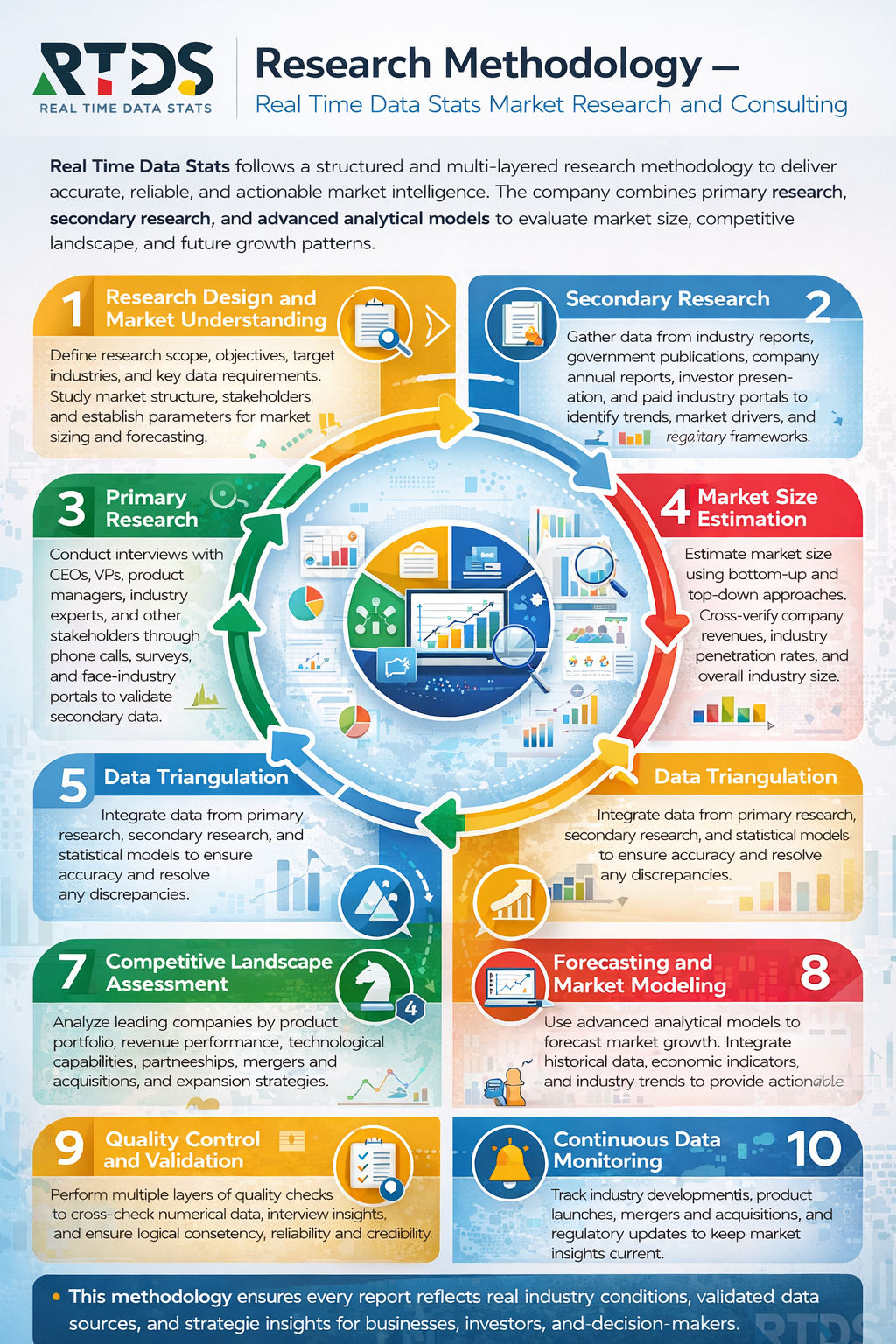
Research Methodology
- Data Collection Methods
- Primary Research
- Secondary Research
- Data Validation
- Market Estimation Techniques
- Forecasting Models
- Analyst Tools & Frameworks
Executive Summary
- Market Snapshot
- Key Findings
- Key Opportunities
- Key Challenges
Market Attractiveness Overview
- Regional Highlights
- Market Overview
- Industry Evolution
- Ecosystem Analysis
- Value Chain Analysis
- Regulatory Framework
- Technology Landscape
- Investment Trends
- Innovation Trends
Market Dynamics
- Market Drivers
- Market Restraints
- Market Opportunities
- Market Challenges
- Emerging Trends
- Impact Analysis
Website Builders Market Segmentation Analysis
- By Type
- Drag-and-Drop Builders
- AI-Powered Builders
- Code-Based Builders
- Hybrid Builders
- Comparative Analysis
- By Deployment Mode
- Cloud-Based
- On-Premise
- Hybrid Deployment
- Deployment Trend Analysis
- By Organization Size
- Small Enterprises
- Medium Enterprises
- Large Enterprises
- Adoption Patterns
- By End User
- Individuals
- SMEs
- Large Enterprises
- Educational Institutions
- Non-Profit Organizations
- Government Sector
- By Industry Vertical
- Retail & E-Commerce
- Media & Entertainment
- Healthcare
- Education
- IT & Telecom
- Travel & Hospitality
- Real Estate
- Others
- By Pricing Model
- Free Model
- Subscription-Based
- Freemium
- One-Time License
- Comparative Pricing Analysis
Regional Analysis
- North America
- Europe
- Asia Pacific
- Latin America
- Middle East & Africa
- Country-Level Analysis
- Regional Growth Trends
Competitive Landscape
- Market Share Analysis
- Competitive Benchmarking
- Strategic Initiatives
- Product Launches
- Partnerships & Collaborations
- Mergers & Acquisitions
- SWOT Analysis
Company Profiles
- Business Overview
- Product Portfolio
- Financial Overview
- Recent Developments
- Strategic Outlook
- Market Forecast Analysis
- Revenue Forecast
- Volume Forecast
- Segment Forecast
Regional Forecast
- Growth Rate Projections
- Future Outlook & Trends
- Technology Advancements
- Consumer Behavior Shifts
- Digital Transformation Impact
- Innovation Pipeline
Conclusion
- Summary of Market Trends
- Key Drivers and Restraints
- Growth Opportunities
- Technology & Innovation Outlook
- Future Market Forecast
Appendix
- Abbreviations
- Glossary of Terms
- Methodology Details
- Data Sources
- Disclaimer
List of Tables
- Table:1: Global Website Builders Market Size Overview
- Table:2: Market Growth Rate Comparison
- Table:3: Type-Wise Market Share
- Table:4: Deployment Mode Analysis
- Table:5: Organization Size Distribution
- Table:6: End User Adoption Rates
- Table:7: Industry Vertical Contribution
- Table:8: Pricing Model Comparison
- Table:9: Regional Revenue Share
- Table:10: Country-Level Market Size
- Table:11: Competitive Market Share
- Table:12: Product Feature Comparison
- Table:13: Investment Trends
- Table:14: Forecast Revenue by Segment
- Table:15: Strategic Initiatives Summary
List of Figures
- Figure:1: Market Evolution Timeline
- Figure:2: Market Size Graph
- Figure:3: Growth Rate Trend
- Figure:4: Type Segmentation Chart
- Figure:5: Deployment Mode Pie Chart
- Figure:6: Organization Size Distribution Graph
- Figure:7: End User Analysis Diagram
- Figure:8: Industry Vertical Breakdown
- Figure:9: Pricing Model Visualization
- Figure:10: Regional Market Map
- Figure:11: Competitive Landscape Matrix
- Figure:12: Technology Adoption Curve
- Figure:13: Forecast Growth Curve
- Figure:14: Value Chain Diagram
- Figure:15: Future Trend Illustration
Website Builders Market Key Factors
Drivers:
- Expanding small business digitization increases demand
- User-friendly drag-and-drop tools attract non-technical users
- Affordable subscription models encourage quick adoption
Restraints:
- Limited customization for advanced developers reduces appeal
- Security and data privacy concerns slow selection decisions
- High competition pressures pricing and margins
Opportunities:
- Rising freelance and creator economy opens new user base
- Integration with e-commerce and AI tools boosts value
- Growth in emerging markets widens customer reach
Challenges:
- Rapid technology shifts require constant upgrades
- Platform dependency risks long-term customer loyalty
- Balancing simplicity with professional features remains difficult
Website Builders Market Key Regional Trends
North America:
- Businesses prioritize mobile-optimized site creation
- AI design assistants gain strong user interest
- Subscription bundling with marketing tools rises
Europe:
- Privacy-focused features influence platform choice
- Multilingual templates see higher demand
- Sustainable hosting options attract attention
Asia Pacific:
- Startup growth fuels first-time website creation
- Mobile-first builders expand rapidly
- Local payment gateway integration increases usage
Latin America:
- Low-cost plans drive platform trials
- Social media integration becomes common
- Freelancers adopt builders for client projects
Middle East & Africa:
- SME digital transformation accelerates uptake
- Cloud-based hosting preference grows
- Arabic and local language templates gain traction
Frequently Asked Questions
Key Questions Answered
- What is the size and growth rate of the market industry?
- What are the main drivers influencing market growth trends?
- What are the key challenges and restraints faced by the market?
- What are the emerging trends and opportunities shaping the market?
- Who are the top players, and what strategies drive their success?
- What are the customer demographics and their buying behaviors?
- What are the key market segments, and what is their scope?
- What are the geographical dynamics, and which region dominates?
- What are the market forecasts and projections for the next decade?
- What regulatory factors are critical to consider for market growth?
Why Choose our Company?
- Major facts and stats backing every report we offer.
- Comprehensive analysis tailored to your business needs.
- Accurate insights backed by extensive market research.
- Expert support to address your queries promptly.
- Data-driven strategies for better decision-making.
- In-depth reports with actionable
recommendations. - Reliable statistics from trusted industry
sources. - Customizable reports to suit your specific goals.
- Unmatched quality and precision in market analysis.
- Competitive pricing with premium content delivery.
Share your experience!
We value you feedback. Please take a moment to review your experience with us.