
The global Urban Noise Mapping Software Market size was valued at USD 105 million in 2026 and is projected to expand at a compound annual growth rate (CAGR) of 8.2% during the forecast period, reaching a value of USD 180 million by 2033.
MARKET SIZE AND SHARE
The Urban Noise Mapping Software Market saw North America dominate market share in 2025, holding over 35% due to strict regulatory frameworks. Europe followed closely, while Asia-Pacific is expected to register the fastest growth rate. Key players such as Brüel & Kjær, SoundPLAN, and DataKustik collectively accounted for over 45% of the market share in 2025.
The market remains moderately consolidated, with leading companies adopting aggressive acquisition strategies. Software-as-a-Service models held around 40% of the revenue share in 2025 and are projected to exceed 60% by 2032. The environmental agencies segment led the end-user category with a 38% share in 2025. Meanwhile, the commercial real estate segment is anticipated to record the highest CAGR of 17.2%. Emerging local players in Asia-Pacific are steadily gaining share through cost-effective solutions, intensifying competition for established firms.
INDUSTRY OVERVIEW AND STRATEGY
The Urban Noise Mapping Software industry integrates GIS, acoustic modeling, and real-time sensor data to visualize noise pollution. Key applications include urban planning, environmental compliance, and public health assessment. Strategic focus is shifting towards 3D visualization and AI-driven predictive analytics. Major companies are prioritizing cloud-based platforms to enhance accessibility and scalability. Strategic partnerships with smart city initiatives and government bodies are central to long-term growth and market penetration strategies.
Strategy revolves around product differentiation through advanced features like machine learning algorithms and integration with IoT sensor networks. Companies are adopting a freemium model to penetrate the small municipality segment. Vertical integration is a key strategy, with firms acquiring sensor manufacturers to offer end-to-end solutions. Investment in R&D for low-cost, high-accuracy software is critical. Furthermore, aggressive marketing campaigns highlighting return on investment for real estate developers are gaining strategic traction.
REGIONAL TRENDS AND GROWTH
Regional trends indicate Europe leading in adoption due to the Environmental Noise Directive, with Western Europe holding 33% share in 2025. Asia-Pacific is the primary growth region, driven by rapid urbanization and smart city projects in China and India. North America shows steady growth from transportation noise regulations. Latin America and Middle East & Africa are emerging markets, with growth fueled by tourism-related noise management and new infrastructure investments.
Key drivers include stringent government mandates and rising public health awareness of noise pollution. Major restraints are high software costs and lack of skilled professionals. Opportunities lie in integrating 5G networks for real-time mapping and expansion into industrial noise monitoring. Challenges include data privacy concerns and the complexity of modeling dynamic urban soundscapes. Future growth hinges on technological advancements and successful public-private partnership models across all regions.
URBAN NOISE MAPPING SOFTWARE MARKET SEGMENTATION ANALYSIS
BY TYPE:
Standalone software remains widely adopted due to its affordability, offline functionality, and simplicity of deployment, making it highly suitable for academic institutions, environmental consultancies, and small municipal bodies. These systems provide advanced simulation capabilities without the complexity of large-scale integration, offering flexibility in independent project execution. Rising environmental impact studies, traffic modeling projects, and regulatory compliance reporting drive steady demand. Additionally, growing infrastructure expansion and urban redevelopment initiatives continue to stimulate demand for efficient and independent noise modeling tools.
Integrated software solutions are gaining rapid adoption due to their ability to connect with GIS platforms, IoT sensor networks, traffic management systems, and smart city infrastructure. Cloud-based, web-based, mobile-based, and hybrid solutions enable real-time data processing, scalability, and seamless collaboration among multiple stakeholders. Increasing digital transformation across urban management departments, along with the need for continuous monitoring and real-time reporting, is significantly accelerating adoption. The integration of AI-driven analytics, predictive simulation, and automated reporting further strengthens market growth across software types.
BY APPLICATION:
Environmental monitoring represents a primary application area due to increasing government regulations, public health concerns, and environmental sustainability mandates. Authorities utilize noise mapping solutions to monitor pollution hotspots, enforce compliance, and design mitigation strategies. Rising population density and transportation growth are escalating environmental risks, pushing demand for continuous noise monitoring solutions. Moreover, environmental awareness campaigns and stricter noise pollution standards across developed and emerging economies further support adoption in large-scale urban environments.
Urban planning and traffic noise analysis dominate due to expanding urban infrastructure, rising vehicle ownership, and smart transportation initiatives. These applications support predictive modeling for highway design, public transit systems, and zoning regulations. Industrial and construction noise assessment plays a critical role in regulatory compliance and workforce safety, while airport noise mapping addresses aviation growth and community noise exposure. Together, these applications benefit from increasing investments in smart cities, transportation corridors, and sustainable urban development programs worldwide.
BY DEPLOYMENT MODE:
On-premise deployment remains relevant among government agencies, defense organizations, and research institutions due to data security, regulatory compliance, and operational control requirements. Organizations handling sensitive environmental and infrastructure data prefer local servers to maintain privacy and cybersecurity. Despite higher installation and maintenance costs, on-premise models offer superior customization and system integration. Demand remains stable among large enterprises with robust IT infrastructure and strict regulatory frameworks, particularly in developed economies.
Cloud, hybrid, private cloud, public cloud, and community cloud models are witnessing rapid expansion driven by scalability, cost-efficiency, and real-time data accessibility. Cloud platforms enable seamless collaboration, remote monitoring, and centralized data processing across departments and geographies. The rise of IoT sensor networks and big data analytics platforms further supports cloud deployment. Hybrid and community cloud solutions balance data security with accessibility, enabling inter-agency collaboration, which significantly enhances operational efficiency and urban environmental governance.
BY END USER:
Government authorities and municipal corporations represent the largest end-user segment, driven by urban development projects, environmental regulations, and public health monitoring initiatives. These entities rely on noise mapping solutions for regulatory enforcement, urban zoning, traffic planning, and citizen welfare. Rapid urbanization, infrastructure modernization, and smart city investments significantly boost adoption. Continuous government funding and digital governance initiatives further strengthen long-term demand for advanced noise mapping platforms.
Environmental agencies, urban planners, research institutions, and engineering consultants collectively contribute to strong market expansion. Environmental agencies focus on compliance assessment, policy formulation, and environmental sustainability. Urban planners leverage predictive modeling for infrastructure design and land-use planning. Research institutions apply these platforms in environmental studies and innovation projects. Engineering consultants adopt noise mapping software for feasibility studies, environmental impact assessments, and regulatory approvals, supporting consistent market growth across diverse professional sectors.
BY COMPONENT:
Software platforms form the core architecture of noise mapping systems, enabling simulation, monitoring, and regulatory reporting. Data analytics tools process large volumes of environmental data, generating actionable insights for policy formulation and infrastructure planning. Visualization tools enhance interpretation through interactive maps and dashboards, facilitating stakeholder engagement. Rising demand for high-performance computing, predictive analytics, and automation significantly drives investment in advanced component development.
Simulation engines and reporting tools are critical for predictive noise modeling and compliance documentation. Integration tools ensure seamless connectivity with GIS platforms, IoT sensors, traffic systems, and smart city frameworks. Growing adoption of AI, machine learning, and cloud analytics further strengthens component integration. Continuous innovation in sensor technology and data visualization platforms enhances operational accuracy, scalability, and reliability, contributing significantly to sustained market expansion.
BY PLATFORM:
Windows-based platforms dominate due to extensive enterprise compatibility, strong processing capabilities, and widespread software ecosystem support. macOS and Linux platforms attract research institutions and engineering firms requiring advanced computational environments and high-performance analytics. Web platforms enhance accessibility by enabling browser-based operations, facilitating cross-device usage. Platform flexibility plays a crucial role in enhancing system adoption across government bodies, research institutions, and consulting firms.
Android and iOS platforms support mobile-based monitoring, field data collection, and real-time reporting. These platforms enable engineers and inspectors to capture noise data directly from project sites, improving operational efficiency. Increasing smartphone penetration, mobile GIS applications, and cloud connectivity are driving mobile platform expansion. The convergence of mobile computing, sensor technology, and real-time analytics significantly enhances platform versatility and global market adoption.
By Industry Vertical
Smart cities represent the dominant industry vertical, driven by large-scale investments in digital governance, intelligent transportation, and environmental sustainability. Transportation and construction sectors rely heavily on noise mapping tools for regulatory compliance, traffic planning, and infrastructure development. Manufacturing and energy utilities use these platforms to manage industrial emissions, ensure workforce safety, and meet environmental standards. Rapid industrialization and infrastructure modernization are key growth accelerators across these sectors.
Aerospace and defense sectors increasingly utilize advanced noise simulation software for airport planning, military facility management, and aviation compliance. The growth of commercial aviation and stricter community noise regulations further fuel adoption. Cross-industry integration of environmental management systems strengthens sustainability goals, regulatory adherence, and public acceptance. Continuous infrastructure investments and technological advancements ensure sustained demand across diverse industry verticals globally.
BY FUNCTIONALITY:
Real-time monitoring and noise simulation capabilities dominate due to increasing regulatory enforcement and public health concerns. Real-time data enables rapid identification of noise hotspots, while simulation tools assist in predictive modeling for infrastructure planning. Data visualization enhances decision-making by presenting complex noise data through intuitive dashboards. Compliance reporting ensures regulatory adherence, reduces administrative burden, and supports efficient environmental governance.
Predictive analysis and scenario modeling allow authorities to evaluate multiple mitigation strategies before implementation. AI-driven analytics improves forecasting accuracy and supports proactive urban planning. Increasing environmental awareness, infrastructure expansion, and transportation modernization significantly boost multifunctional platform demand. Continuous advancements in cloud computing, machine learning, and sensor integration strengthen the functional scope and performance of modern noise mapping systems.
BY DATA SOURCE:
Fixed sensors provide continuous long-term noise monitoring and form the backbone of urban noise mapping networks. Mobile sensors enhance coverage across transportation corridors, construction zones, and industrial areas. IoT devices enable real-time data streaming, supporting dynamic monitoring and predictive analytics. The integration of satellite and GIS data improves geographical precision, large-scale analysis, and urban spatial modeling capabilities.
Crowd-sourced data introduces community participation into environmental monitoring, improving transparency and engagement. The fusion of multiple data sources enhances modeling accuracy and environmental risk assessment. Rapid expansion of smart sensor networks, digital infrastructure, and AI-based analytics platforms continues to strengthen multi-source data utilization. Growing investments in urban digitization and environmental intelligence systems are significantly accelerating data-driven market expansion.
RECENT DEVELOPMENTS
- In Jan 2024: Brüel & Kjær launched下一代noise mapping platform with AI-powered predictive analytics for urban infrastructure planning across European smart cities.
- In Mar 2024: SoundPLAN acquired德国GIS firm to enhance 3D acoustic visualization capabilities for complex metropolitan noise modeling applications.
- In Jun 2024: DataKustik partnered with Siemens to integrate noise mapping software into digital twin platforms for real-time urban monitoring.
- In Sep 2024: Beijing-based SmartSoni signed contract with Shanghai municipality for largest Asian urban noise mapping project deployment.
- In Nov 2024: European Commission funded Horizon Europe project led by六家consortium members developing open-source noise mapping standards.
- In Feb 2025: NAVTECH Noise Solutions raised USD 15 million Series B for IoT sensor network expansion across North American cities.
- In Apr 2025: AAE Tech unveiled cloud-based noise forecasting tool utilizing machine learning trained on十年historical urban acoustic data.
- In Jul 2025: Bentley Systems embedded CadnaA noise mapping engine into infrastructure digital twins for transportation noise compliance.
KEY PLAYERS ANALYSIS
- Brüel & Kjær
- SoundPLAN
- DataKustik
- Bentley Systems
- Siemens
- NAVTECH Noise Solutions
- AAE Tech
- SoftdB
- ACOEM Group
- 01dB
- CESVA Instruments
- RION
- Svantek
- NTi Audio
- PCE Instruments
- Cirrus Research
- Listen, Inc.
- Shenzhen Brea
- SmartSoni
- Beijing Huake
Urban Noise Mapping Software Market Segmentation Analysis
By Type:
- Standalone Software
- Integrated Software
- Cloud-Based Software
- Web-Based Software
- Mobile-Based Software
- Hybrid Software
By Application:
- Environmental Monitoring
- Urban Planning
- Traffic Noise Analysis
- Industrial Noise Assessment
- Construction Noise Monitoring
- Airport Noise Mapping
By Deployment Mode:
- On-Premise
- Cloud
- Hybrid
- Private Cloud
- Public Cloud
- Community Cloud
By End User:
- Government Authorities
- Municipal Corporations
- Environmental Agencies
- Urban Planners
- Research Institutions
- Engineering Consultants
By Component:
- Software Platforms
- Data Analytics Tools
- Visualization Tools
- Simulation Engines
- Reporting Tools
- Integration Tools
By Platform:
- Windows
- macOS
- Linux
- Android
- iOS
- Web Platform
By Industry Vertical:
- Smart Cities
- Transportation
- Construction
- Manufacturing
- Energy & Utilities
- Aerospace & Defense
By Functionality:
- Real-Time Monitoring
- Noise Simulation
- Predictive Analysis
- Data Visualization
- Compliance Reporting
- Scenario Modeling
By Data Source:
- Fixed Sensors
- Mobile Sensors
- IoT Devices
- Satellite Data
- GIS Data
- Crowd-Sourced Data
By Geography:
- North America (USA, Canada, Mexico)
- Europe (UK, Germany, France, Italy, Spain, Rest of Europe)
- Asia-Pacific (China, Japan, Australia, South Korea, India, Rest of Asia-Pacific)
- South America (Brazil, Argentina, Rest of South America)
- Middle East and Africa (GCC Countries, South Africa, Rest of MEA)
Urban Noise Mapping Software Market: Table of Contents
Executive Summary
- Market Overview
- Key Findings
- Market Highlights
- Strategic Insights
- Future Outlook Summary
Introduction
- Study Background
- Market Definition
- Market Scope
- Objectives of the Study
- Report Structure
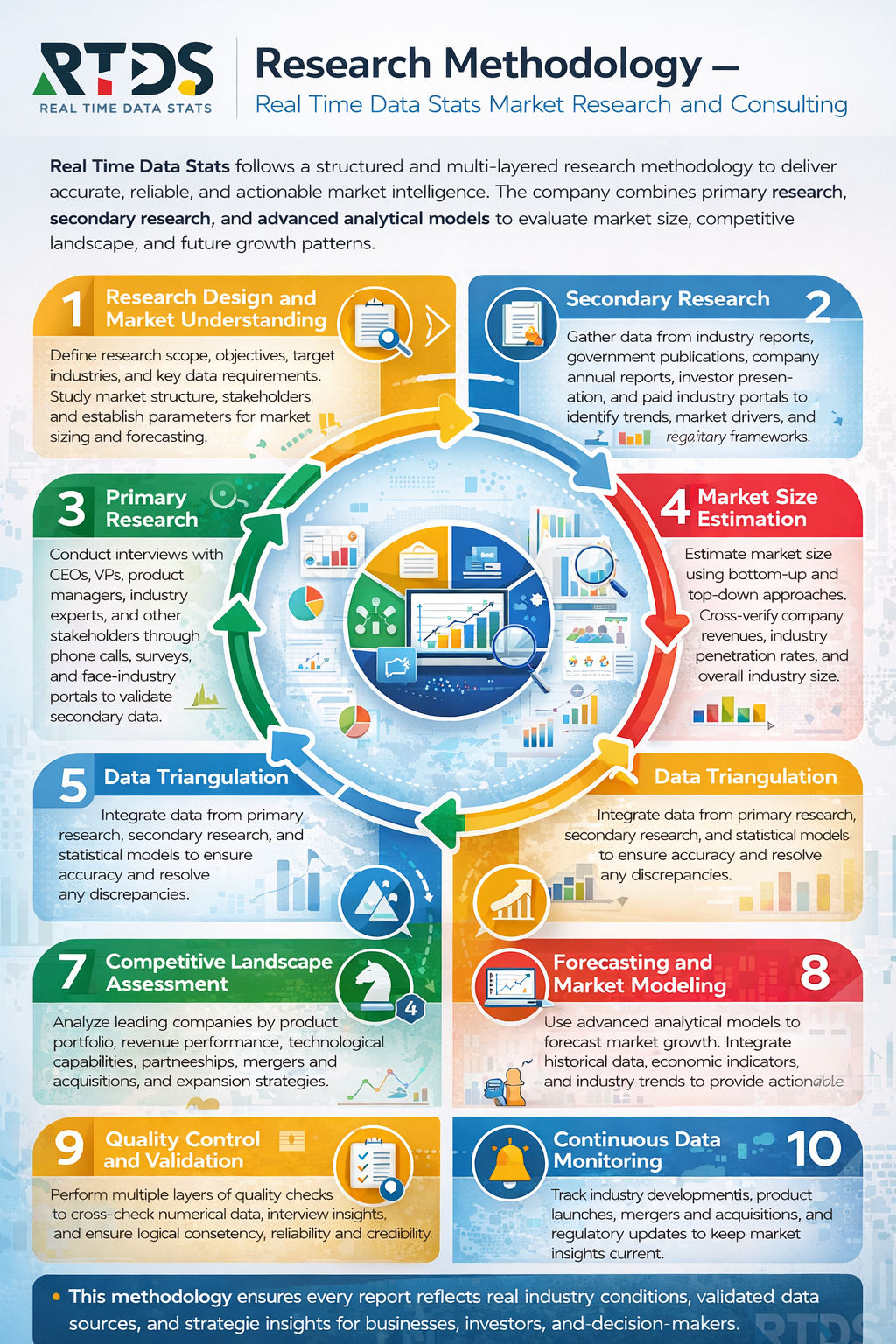
Research Methodology
- Research Design
- Primary Research
- Interviews
- Surveys
- Expert Consultations
- Secondary Research
- Company Reports
- Government Publications
Industry Databases
- Paid Sources
- Public Sources
- Data Collection Process
- Data Validation and Triangulation
- Forecasting Methodology
- Assumptions and Limitations
Market Overview
- Industry Evolution
- Market Ecosystem
- Value Chain Analysis
- Pricing Analysis
- Technology Landscape
- Regulatory Framework
Market Dynamics
- Market Drivers
- Market Restraints
- Market Opportunities
- Market Challenges
Urban Noise Mapping Software Market Segmentation Overview
- By Type:
- Standalone Software
- Integrated Software
- Cloud-Based Software
- Web-Based Software
- Mobile-Based Software
- Hybrid Software
- By Application:
- Environmental Monitoring
- Urban Planning
- Traffic Noise Analysis
- Industrial Noise Assessment
- Construction Noise Monitoring
- Airport Noise Mapping
- By Deployment Mode:
- On-Premise
- Cloud
- Hybrid
- Private Cloud
- Public Cloud
- Community Cloud
- By End User:
- Government Authorities
- Municipal Corporations
- Environmental Agencies
- Urban Planners
- Research Institutions
- Engineering Consultants
- By Component:
- Software Platforms
- Data Analytics Tools
- Visualization Tools
- Simulation Engines
- Reporting Tools
- Integration Tools
- By Platform:
- Windows
- macOS
- Linux
- Android
- iOS
- Web Platform
- By Industry Vertical:
- Smart Cities
- Transportation
- Construction
- Manufacturing
- Energy & Utilities
- Aerospace & Defense
- By Functionality:
- Real-Time Monitoring
- Noise Simulation
- Predictive Analysis
- Data Visualization
- Compliance Reporting
- Scenario Modeling
- By Data Source:
- Fixed Sensors
- Mobile Sensors
- IoT Devices
- Satellite Data
- GIS Data
- Crowd-Sourced Data
Regional Analysis
- North America
- Europe
- Asia Pacific
- Latin America
- Middle East & Africa
Competitive Landscape
- Market Share Analysis
- Company Profiling Framework
- Key Player Profiles
- Company Overview
- Financial Overview
- Product Portfolio
- Strategic Initiatives
Recent Developments
- SWOT Analysis
- Competitive Benchmarking
- Strategic Partnerships
- Mergers and Acquisitions
- Product Innovations
Investment Analysis
- Funding Trends
- Venture Capital Activity
- Government Funding
- Public–Private Partnerships
- Return on Investment Analysis
Future Outlook
- Market Forecast
- Technology Roadmap
- Emerging Business Models
- Strategic Recommendations
Conclusion
- Key Market Insights
- Strategic Takeaways
- Industry Outlook Summary
Appendix
- Abbreviations and Acronyms
- Research Assumptions
- Data Sources
- Glossary of Terms
- Disclaimer
List of Tables
- Table:1: Global Urban Noise Mapping Software Market Size Overview
- Table:2: Market Growth Rate Forecast Analysis
- Table:3: Market Segmentation by Type
- Table:4: Market Segmentation by Application
- Table:5: Market Segmentation by Deployment Mode
- Table:6: Market Segmentation by End User
- Table:7: Market Segmentation by Component
- Table:8: Market Segmentation by Platform
- Table:9: Market Segmentation by Industry Vertical
- Table:10: Market Segmentation by Functionality
- Table:11: Market Segmentation by Data Source
- Table:12: Market Segmentation by Region
- Table:13: Regional Market Revenue Analysis
- Table:14: Competitive Landscape Market Share
- Table:15: Key Company Profiles Summary
List of Figures
- Figure:1: Global Urban Noise Mapping Software Market Overview
- Figure:2: Market Research Methodology Flowchart
- Figure:3: Market Dynamics Framework
- Figure:4: Value Chain Analysis Diagram
- Figure:5: Ecosystem Analysis Structure
- Figure:6: Technology Landscape Mapping
- Figure:7: Market Segmentation Overview Chart
- Figure:8: Type-Based Market Distribution
- Figure:9: Application-Based Market Distribution
- Figure:10: Deployment Mode Market Share
- Figure:11: End User Market Analysis
- Figure:12: Regional Market Distribution
- Figure:13: Competitive Landscape Matrix
- Figure:14: Strategic Developments Timeline
- Figure:15: Future Market Forecast Model
Urban Noise Mapping Software Market Key Factors
Drivers:
- City planners use software to design quieter residential zones.
- Health agencies adopt tools to link noise pollution with public illness.
- Real estate developers model soundscapes to boost property values.
Restraints:
- High licensing costs prevent small municipalities from purchasing software.
- Legacy city data systems fail to integrate with modern mapping platforms.
- Lack of standardized measurement protocols creates inconsistent results.
Opportunities:
- Startups build low-cost mobile versions for developing nations.
- 5G networks enable real-time, city-wide noise sensor grids.
- Architects embed acoustic mapping into smart building blueprints.
Challenges:
- Deploying dense sensor networks requires significant infrastructure budgets.
- Privacy advocates oppose audio data collection in public spaces.
- Wind and construction noise distort sensor accuracy in field tests.
Urban Noise Mapping Software Market Key Regional Trends
North America:
- Los Angeles mandates noise maps for all new transit corridors.
- Canadian cities deploy sensors to protect migratory bird habitats.
- New York integrates noise data with 311 complaint systems.
Europe:
- Paris uses mapping software to enforce strict nighttime delivery bans.
- Berlin links noise maps to urban green space expansion projects.
- London models aircraft noise impact on school locations.
Asia Pacific:
- Tokyo deploys mapping to manage pachinko parlor noise in residential blocks.
- Singapore cross-references noise data with smart lamppost networks.
- Mumbai maps temple festival sound to manage crowd flow.
Latin America:
- Bogotá visualizes bus rapid transit noise along TransMilenio routes.
- Mexico City targets illegal quarry blasts with acoustic triangulation.
- São Paulo prioritizes favela pacification zones for noise remediation.
Middle East & Africa:
- Dubai models construction noise around Expo legacy sites.
- Nairobi maps matatu honking patterns to redesign bus stops.
- Tel Aviv overlays conflict alert sirens with civilian noise baselines.
Frequently Asked Questions
Key Questions Answered
- What is the size and growth rate of the market industry?
- What are the main drivers influencing market growth trends?
- What are the key challenges and restraints faced by the market?
- What are the emerging trends and opportunities shaping the market?
- Who are the top players, and what strategies drive their success?
- What are the customer demographics and their buying behaviors?
- What are the key market segments, and what is their scope?
- What are the geographical dynamics, and which region dominates?
- What are the market forecasts and projections for the next decade?
- What regulatory factors are critical to consider for market growth?
Why Choose our Company?
- Major facts and stats backing every report we offer.
- Comprehensive analysis tailored to your business needs.
- Accurate insights backed by extensive market research.
- Expert support to address your queries promptly.
- Data-driven strategies for better decision-making.
- In-depth reports with actionable
recommendations. - Reliable statistics from trusted industry
sources. - Customizable reports to suit your specific goals.
- Unmatched quality and precision in market analysis.
- Competitive pricing with premium content delivery.
Share your experience!
We value you feedback. Please take a moment to review your experience with us.