
According to insights from Real Time Data Stats, the Urban Heat Island Mitigation Solutions Market was valued at USD 1.14 billion in 2025. It is expected to grow from USD 1.42 billion in 2026 to USD 6.05 billion by 2033, registering a CAGR of 24.5% during the forecast period (2026–2033).
MARKET SIZE AND SHARE
The global urban heat island mitigation solutions market is driven by escalating climate change impacts and rapid urbanization. This growth reflects rising municipal investments in sustainable infrastructure, with green roofs, cool pavements, and urban forestry leading adoption and capturing significant market share across key regions.
Market share is concentrated among specialized material providers, landscape service firms, and integrated engineering consultancies. Leading players leverage technological innovation and strategic partnerships to strengthen their positions. The competitive landscape continues to evolve, with cool reflective coatings and smart irrigation systems gaining traction. North America and Europe currently hold dominant shares, while the Asia-Pacific region is set to grow at the fastest pace, capturing an increasing share of the global market.
INDUSTRY OVERVIEW AND STRATEGY
This industry encompasses products and services designed to lower temperatures in densely built environments, including reflective materials, green infrastructure, and water-based technologies. Key drivers are stringent urban sustainability mandates, public health concerns, and the economic necessity to reduce cooling energy demand. The sector is characterized by interdisciplinary collaboration between construction, environmental science, and urban planning, aiming to integrate mitigation solutions seamlessly into city development and retrofit projects on a large scale.
Core strategies for market players involve intensive research into high-albedo materials and drought-resistant vegetation. Successful firms pursue vertical integration, offering combined product-service packages, and actively engage in public-private partnerships to secure large municipal contracts. Strategic focus is on cost reduction to enhance accessibility and demonstrating clear return on investment through energy savings and extended infrastructure lifespan, thereby accelerating mainstream adoption across both public and private sector projects globally.
REGIONAL TRENDS AND GROWTH
In North America and Europe, growth is driven by well-established regulatory frameworks and significant funding for climate resilience, with cool pavements and mandated green roofs being prevalent. The Asia-Pacific region, facing extreme heat in megacities, represents the most dynamic market, led by China and India, with opportunities in large-scale green corridor projects. The Middle East is investing heavily in advanced cooling materials, while Latin America focuses on urban forestry and public space redesign.
Primary growth drivers include rising global temperatures, urban population growth, and supportive government policies. Key restraints are high initial costs and fragmented urban governance. Significant opportunities lie in smart city integration and climate adaptation financing. Major challenges include a lack of standardized measurement for mitigation effectiveness and the need for long-term maintenance planning, which can hinder project scalability and consistent investment across diverse economic landscapes.
URBAN HEAT ISLAND MITIGATION SOLUTIONS MARKET SEGMENTATION ANALYSIS
BY TYPE:
The segmentation by type is primarily influenced by the measurable effectiveness of each solution in reducing surface and ambient temperatures in dense urban areas. Cool roof coatings and reflective membranes dominate due to cost efficiency and ease of large-scale deployment. Green roof systems gain traction in high-density cities where land scarcity encourages vertical vegetation integration. Cool pavements and urban forestry solutions are widely adopted in transportation corridors and public zones where heat absorption remains high.
Market preference within this segment is strongly shaped by regulatory mandates, sustainability certifications, and lifecycle performance. Solutions that offer long-term durability, minimal maintenance, and proven thermal reduction performance secure stronger adoption. Smart shading structures are expanding in commercial and institutional spaces due to their dual functionality of comfort enhancement and energy savings. Government-backed climate adaptation strategies further reinforce demand across solution types that demonstrate quantifiable environmental benefits.
BY APPLICATION:
Application-based segmentation is driven by infrastructure density and energy consumption patterns. Residential and commercial buildings lead adoption due to increasing cooling demand and green building standards. Industrial facilities integrate mitigation systems to maintain operational efficiency under rising heat stress. Transportation infrastructure and public spaces represent high-growth areas as cities prioritize heat reduction in high-footfall and asphalt-dominated zones.
Institutional buildings such as hospitals and educational campuses adopt mitigation technologies to enhance occupant comfort and reduce energy expenditure. Urban planning policies increasingly mandate heat-resilient designs in new developments. The growing awareness of public health risks associated with extreme heat further strengthens adoption across civic and mixed-use infrastructure, positioning application diversity as a central growth factor in the market.
BY MATERIAL:
Material segmentation depends heavily on thermal reflectivity, permeability, durability, and environmental compatibility. Reflective paints and coatings dominate due to affordability and straightforward application. Permeable concrete and reflective asphalt are gaining momentum in roadway projects, where stormwater management and surface cooling are dual priorities. Vegetation layers and engineered soil media drive growth in green roof systems.
Polymer membranes and composite shading materials benefit from technological innovation that enhances UV resistance and longevity. Sustainability considerations, including recycled content and low embodied carbon, increasingly influence material selection. Municipal procurement policies favor materials that meet environmental performance benchmarks, making compliance and lifecycle efficiency decisive factors in this segment’s expansion.
BY TECHNOLOGY:
Technological segmentation is shaped by performance optimization and integration with smart urban infrastructure. High albedo technologies dominate due to proven reflectivity benefits and standardized compliance metrics. Passive cooling designs gain popularity as energy-efficient solutions that reduce dependency on mechanical cooling systems. Evaporative cooling and permeable surface technologies address both temperature mitigation and water management challenges.
IoT-based temperature monitoring solutions are expanding rapidly as cities adopt data-driven climate resilience strategies. Real-time analytics help municipalities assess effectiveness and optimize deployment strategies. Solar-reflective and hybrid technologies that combine cooling with renewable integration strengthen long-term value propositions, positioning innovation as the primary driver in this segment.
BY END USER:
End-user segmentation is primarily driven by funding capacity, regulatory responsibility, and infrastructure ownership. Municipal authorities dominate due to their mandate to implement climate adaptation policies. Real estate developers integrate mitigation solutions to enhance property value and comply with green certification requirements. Commercial property owners adopt cooling systems to reduce operational energy costs.
Industrial operators focus on workforce safety and productivity under high heat conditions. Infrastructure agencies prioritize large-scale roadway and transit cooling initiatives. Residential associations increasingly participate in retrofit programs supported by subsidies and awareness campaigns. Institutional purchasing power and public-private partnerships significantly influence adoption rates across this segment.
BY INSTALLATION TYPE:
Installation type segmentation reflects urban development patterns and infrastructure maturity. Retrofit projects dominate due to the vast stock of existing buildings requiring thermal upgrades. Renovation initiatives integrate cool roofing and pavement solutions during structural upgrades, optimizing cost efficiency. Public infrastructure upgrades also contribute significantly as cities modernize aging assets.
New construction projects incorporate mitigation systems at the design stage to meet evolving energy codes and sustainability benchmarks. Smart city projects increasingly integrate cooling solutions within broader digital infrastructure frameworks. Community-based installations gain traction through localized climate action programs, reinforcing diversified installation demand.
BY SURFACE TYPE:
Surface type segmentation is influenced by exposure intensity and material heat absorption characteristics. Rooftops represent the largest segment due to extensive surface area and direct solar exposure. Roadways and parking lots follow closely, as asphalt surfaces significantly contribute to urban heat retention. Sidewalks and open grounds are increasingly targeted for permeable and reflective upgrades.
Building facades gain importance in dense metropolitan centers where vertical heat absorption intensifies microclimates. Urban design strategies prioritize cooling high-traffic surfaces to reduce localized heat islands. Municipal zoning regulations further guide deployment across critical exposure zones, shaping demand patterns within this segment.
BY COMPONENT:
Component segmentation centers on functional integration and system performance. Coatings and membranes dominate due to widespread applicability and cost-effective installation. Vegetation layers and irrigation systems drive demand in green infrastructure projects, ensuring sustained cooling efficiency. Structural support systems are critical in retrofitting green roofs onto existing buildings.
Monitoring systems gain traction as stakeholders seek performance validation and data-backed environmental reporting. Integrated components that offer durability and modular installation attract greater investment. Lifecycle cost optimization and compliance with green infrastructure standards remain decisive in shaping component-level growth.
BY CLIMATE ZONE:
Climate zone segmentation is largely determined by temperature intensity, humidity levels, and seasonal variability. Tropical and arid regions show strong adoption due to persistent high solar radiation and extreme heat events. Temperate regions integrate mitigation solutions to address rising summer temperature spikes linked to climate change.
Continental and coastal zones adopt hybrid approaches balancing cooling with stormwater resilience. Urban desert regions particularly prioritize reflective and permeable technologies to manage severe thermal stress. Regional climate adaptation policies and environmental vulnerability assessments significantly influence solution deployment across climate zones.
BY DISTRIBUTION CHANNEL:
Distribution channel segmentation depends on project scale and procurement frameworks. Direct sales dominate large municipal and commercial contracts where customized solutions are required. EPC contractors play a central role in infrastructure and smart city projects, integrating mitigation systems within broader development plans.
Government procurement platforms streamline large-scale public deployments. Distributors and wholesalers support mid-sized commercial and residential demand. Online platforms are gradually expanding for standardized products such as reflective coatings. Retail hardware stores cater primarily to small-scale residential retrofits, contributing to decentralized market expansion.
RECENT DEVELOPMENTS
- In Jan 2024: Dow Inc. launched a new range of high-solar-reflective COOLIT coatings for roads and roofs, designed to enhance durability and cooling performance in extreme urban climates.
- In Mar 2024: Sika AG acquired a majority stake in a green roofing specialist to expand its portfolio of integrated building envelope solutions focused on urban climate resilience and stormwater management.
- In Jun 2024: The startup ""Arkyne"" secured significant funding to deploy its modular, hydroponic ""BioBreeze"" vertical green walls, which combine real-time cooling with air purification for dense urban areas.
- In Nov 2024: The Cool Roof Rating Council (CRRC) and Green Business Certification Inc. (GBCI) announced a strategic partnership to streamline and globalize the certification for cool surfaces and heat island mitigation products.
- In Feb 2025: A major consortium including AECOM and IBM released an open-source AI-powered platform for city planners to model and optimize the cost-benefit of various heat mitigation strategies at a district scale.
KEY PLAYERS ANALYSIS
- Dow Inc.
- Sika AG
- Owens Corning
- Saint-Gobain
- BASF SE
- Huntsman Corporation
- ika AG
- GAF Materials Corporation
- Carlisle Companies Inc.
- Holcim
- AECOM
- Arup
- Ramboll
- Green Roofs for Healthy Cities (Industry Association)
- The Cool Roof Rating Council (CRRC)
- DeepRoot Green Infrastructure
- Urban Strong
- GreenBlue Urban
- IRICEN (Institutional)
- Municipal Governments & City Planning Authorities
Urban Heat Island Mitigation Solutions Market Segmentation
By Type:
- Cool Roof Coatings
- Reflective Roofing Membranes
- Green Roof Systems
- Cool Pavements
- Urban Forestry Solutions
- Smart Shading Structures
By Application:
- Residential Buildings
- Commercial Buildings
- Industrial Facilities
- Transportation Infrastructure
- Public Spaces
- Institutional Buildings
By Material:
- Reflective Paints & Coatings
- Vegetation & Soil Media
- Permeable Concrete
- Reflective Asphalt
- Polymer Membranes
- Composite Shading Materials
By Technology:
- High Albedo Technologies
- Evaporative Cooling Systems
- Permeable Surface Technologies
- Solar-Reflective Technologies
- Passive Cooling Designs
- IoT-Based Temperature Monitoring
By End User:
- Municipal Authorities
- Real Estate Developers
- Industrial Operators
- Infrastructure Agencies
- Commercial Property Owners
- Residential Associations
By Installation Type:
- New Construction
- Retrofit Projects
- Renovation Projects
- Public Infrastructure Upgrades
- Smart City Projects
- Community-Based Installations
By Surface Type:
- Rooftops
- Roadways
- Sidewalks
- Parking Lots
- Open Grounds
- Building Facades
By Component:
- Coatings & Paints
- Membranes
- Vegetation Layers
- Irrigation Systems
- Structural Support Systems
- Monitoring Systems
By Climate Zone:
- Tropical Regions
- Arid Regions
- Temperate Regions
- Continental Regions
- Coastal Regions
- Urban Desert Areas
By Distribution Channel:
- Direct Sales
- Distributors & Wholesalers
- Online Platforms
- Government Procurement
- EPC Contractors
- Retail Hardware Stores
By Geography:
- North America (USA, Canada, Mexico)
- Europe (UK, Germany, France, Italy, Spain, Rest of Europe)
- Asia-Pacific (China, Japan, Australia, South Korea, India, Rest of Asia-Pacific)
- South America (Brazil, Argentina, Rest of South America)
- Middle East and Africa (GCC Countries, South Africa, Rest of MEA)
Urban Heat Island Mitigation Solutions Market: Table of Contents
Executive Summary
- Market Overview
- Key Findings
- Market Snapshot
- Analyst Insights
- Strategic Recommendations
Introduction
- Definition and Scope
- Research Objectives
- Market Definition
- Study Assumptions
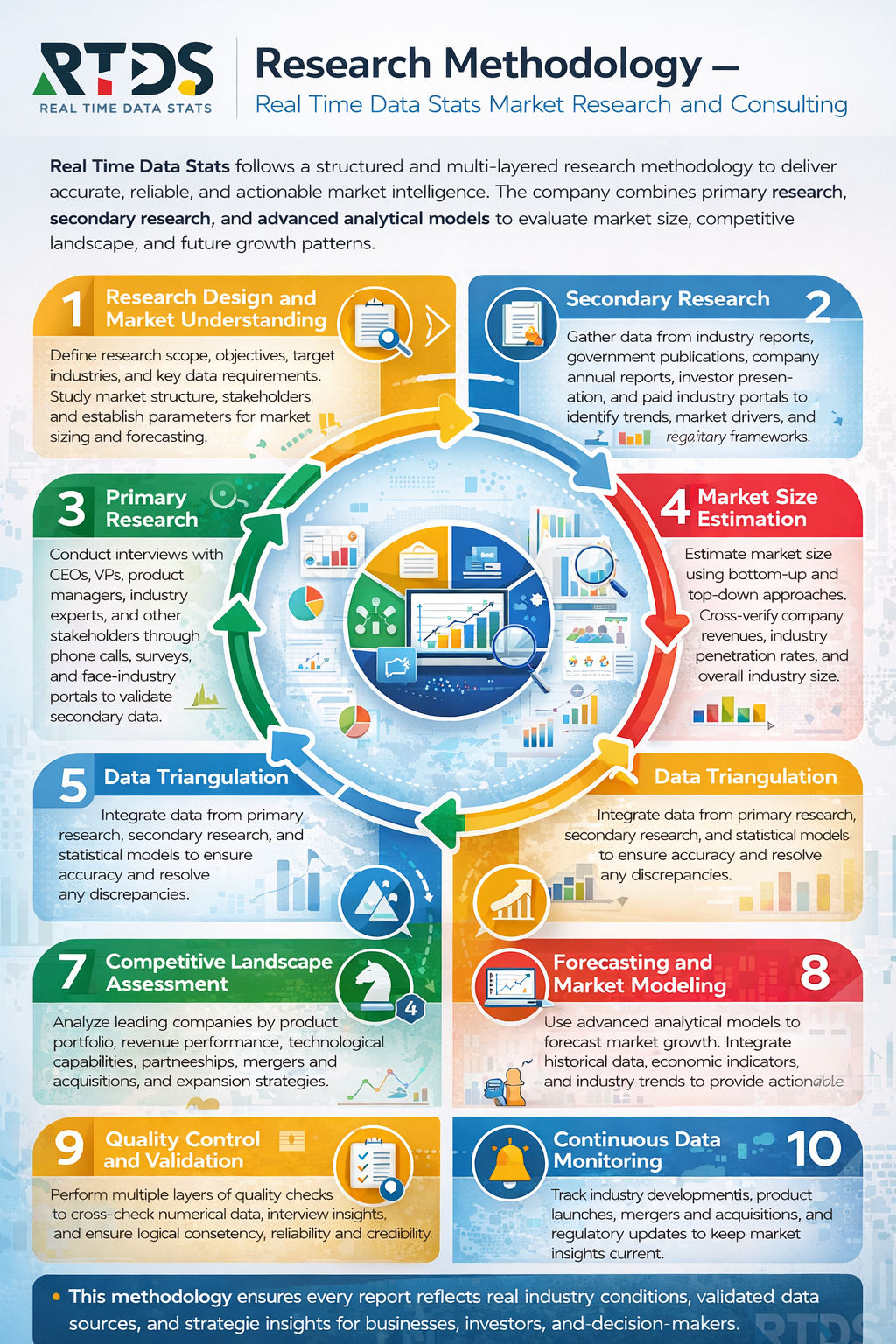
- Research Methodology
- Data Sources
- Forecasting Model
Market Dynamics
- Market Drivers
- Market Restraints
- Market Opportunities
- Market Challenges
Regulatory Framework
- Policy & Sustainability Mandates
- Value Chain Analysis
- Pricing Analysis
- Technology Roadmap
Urban Heat Island Mitigation Solutions Market Segmentation
- By Type
- Cool Roof Coatings
- Reflective Roofing Membranes
- Green Roof Systems
- Cool Pavements
- Urban Forestry Solutions
- Smart Shading Structures
- By Application
- Residential Buildings
- Commercial Buildings
- Industrial Facilities
- Transportation Infrastructure
- Public Spaces
- Institutional Buildings
- By Material
- Reflective Paints & Coatings
- Vegetation & Soil Media
- Permeable Concrete
- Reflective Asphalt
- Polymer Membranes
- Composite Shading Materials
- By Technology
- High Albedo Technologies
- Evaporative Cooling Systems
- Permeable Surface Technologies
- Solar-Reflective Technologies
- Passive Cooling Designs
- IoT-Based Temperature Monitoring
- By End User
- Municipal Authorities
- Real Estate Developers
- Industrial Operators
- Infrastructure Agencies
- Commercial Property Owners
- Residential Associations
- By Installation Type
- New Construction
- Retrofit Projects
- Renovation Projects
- Public Infrastructure Upgrades
- Smart City Projects
- Community-Based Installations
- By Surface Type
- Rooftops
- Roadways
- Sidewalks
- Parking Lots
- Open Grounds
- Building Facades
- By Component
- Coatings & Paints
- Membranes
- Vegetation Layers
- Irrigation Systems
- Structural Support Systems
- Monitoring Systems
- By Climate Zone
- Tropical Regions
- Arid Regions
- Temperate Regions
- Continental Regions
- Coastal Regions
- Urban Desert Areas
- By Distribution Channel
- Direct Sales
- Distributors & Wholesalers
- Online Platforms
- Government Procurement
- EPC Contractors
- Retail Hardware Stores
Regional Analysis
- North America
- Europe
- Asia Pacific
- Latin America
- Middle East & Africa
Competitive Landscape
- Market Share Analysis
- Company Profiling
- Strategic Developments
- Mergers & Acquisitions
- Product Launches
- Partnerships & Collaborations
Investment & Funding Analysis
- Venture Capital Trends
- Government Grants
- Infrastructure Investments
- ESG Funding Trends
Future Outlook
- Emerging Technologies
- Innovation Trends
- Long-Term Market Forecast
Conclusion
- Market summary
- Key findings
- Strategic insights
Appendix
- Abbreviations
- Glossary of Terms
- List of Data Sources
- Disclaimer
List of Tables
- Table:1: Global Urban Heat Island Mitigation Solutions Market Size Overview
- Table:2: Market Growth Rate by Region
- Table:3: Market Share by Type
- Table:4: Market Share by Application
- Table:5: Market Share by Material
- Table:6: Market Share by Technology
- Table:7: Market Share by End User
- Table:8: Market Share by Installation Type
- Table:9: Market Share by Surface Type
- Table:10: Market Share by Component
- Table:11: Market Share by Climate Zone
- Table:12: Market Share by Distribution Channel
- Table:13: Competitive Positioning Matrix
- Table:14: Regulatory Framework Comparison by Region
- Table:15: Investment & Funding Analysis
List of Figures
- Figure:1: Urban Heat Island Mitigation Solutions Market Value Chain
- Figure:2: Market Dynamics Framework
- Figure:3: Global Market Revenue Forecast
- Figure:4: Regional Market Distribution
- Figure:5: Segmentation by Type
- Figure:6: Segmentation by Application
- Figure:7: Segmentation by Material
- Figure:8: Segmentation by Technology
- Figure:9: Segmentation by End User
- Figure:10: Segmentation by Installation Type
- Figure:11: Segmentation by Surface Type
- Figure:12: Segmentation by Component
- Figure:13: Segmentation by Climate Zone
- Figure:14: Segmentation by Distribution Channel
- Figure:15: Competitive Landscape Overview
Urban Heat Island Mitigation Solutions Market Key Factors
Drivers:
- Rising global temperatures intensify urban heat effects.
- City governments enact stricter green building and sustainability codes.
- Public demand grows for healthier, more livable cities.
Restraints:
- High upfront costs deter investment in advanced mitigation solutions.
- Fragmented urban governance slows coordinated city-wide action.
- Limited space in dense cities restricts green infrastructure deployment.
Opportunities:
- Smart city investments integrate cooling technologies with urban data platforms.
- Innovation creates new, cost-effective reflective materials and green tech.
- Climate adaptation funding increases from public and private sources.
Challenges:
- Maintaining and monitoring mitigation assets strains municipal budgets.
- Quantifying the direct economic return on investment remains difficult.
- Older urban infrastructure often cannot support new solutions without major retrofit.
Urban Heat Island Mitigation Solutions Market Key Regional Trends
North America:
- Cities mandate cool roofs and update heat resilience plans.
- Green bond financing expands for large-scale public park projects.
- Focus increases on addressing extreme heat equity in vulnerable neighborhoods.
Europe:
- EU directives drive binding targets for urban green space.
- Blue-green infrastructure solutions combine water management with cooling.
- Pedestrianization and low-emission zones reduce waste heat from vehicles.
Asia-Pacific:
- Rapidly expanding cities incorporate cooling strategies into new master plans.
- Government programs subsidize cool roof installations in megacities.
- Vertical greening and building-integrated vegetation gain popularity in dense areas.
Latin America:
- Cities promote urban forestry and tree canopy campaigns.
- Projects revitalize riverbanks and waterways to restore cooling effects.
- Community-led initiatives focus on cooling informal settlements.
Middle East & Africa:
- Water-efficient cooling solutions like shaded landscapes are prioritized.
- New city developments feature advanced passive cooling from the design stage.
- Research and pilot projects test affordable materials for harsh climates.
Frequently Asked Questions
Key Questions Answered
- What is the size and growth rate of the market industry?
- What are the main drivers influencing market growth trends?
- What are the key challenges and restraints faced by the market?
- What are the emerging trends and opportunities shaping the market?
- Who are the top players, and what strategies drive their success?
- What are the customer demographics and their buying behaviors?
- What are the key market segments, and what is their scope?
- What are the geographical dynamics, and which region dominates?
- What are the market forecasts and projections for the next decade?
- What regulatory factors are critical to consider for market growth?
Why Choose our Company?
- Major facts and stats backing every report we offer.
- Comprehensive analysis tailored to your business needs.
- Accurate insights backed by extensive market research.
- Expert support to address your queries promptly.
- Data-driven strategies for better decision-making.
- In-depth reports with actionable
recommendations. - Reliable statistics from trusted industry
sources. - Customizable reports to suit your specific goals.
- Unmatched quality and precision in market analysis.
- Competitive pricing with premium content delivery.
Share your experience!
We value you feedback. Please take a moment to review your experience with us.