
The global Tropical Timber Traceability Market size was valued at USD 3.05 billion in 2025 and is projected to expand at a compound annual growth rate (CAGR) of 15.3% during the forecast period, reaching a value of USD 8.27 billion by 2033.
MARKET SIZE AND SHARE
The Tropical Timber Traceability Market was led by North America, which held a 35% share in 2025, supported by strict import regulations. Europe followed with a 30% share, while Asia Pacific accounted for 25%. Latin America and Africa together represented 10%, offering strong untapped growth potential during the forecast period.
The Tropical Timber Traceability Market remains fragmented, with key players such as Optel, Starling, and SGS holding a combined 45% share in 2025. Blockchain technology providers accounted for 20% of the traceability solutions segment, while DNA tracing specialists held 15%. RFID and barcode systems together represented 25%. The competitive landscape is becoming more consolidated through strategic partnerships. At the same time, emerging solution providers are expected to capture 30% of the market by 2032, increasing competition and driving innovation.
INDUSTRY OVERVIEW AND STRATEGY
The Tropical Timber Traceability Market encompasses technologies and systems enabling complete supply chain visibility from forest origin to end consumer. Industry participants deploy DNA analysis, isotopic testing, blockchain platforms, and geospatial monitoring solutions. Regulatory compliance with EU Timber Regulation, Lacey Act, and Japan Clean Wood Act drives adoption. Market stakeholders prioritize interoperability between traceability systems and integration with existing forestry management platforms. Strategic partnerships between technology providers and certification bodies characterize current market development approaches.
Market strategy focuses on developing end-to-end traceability solutions addressing legality verification, sustainability certification, and carbon footprint tracking. Leading companies invest heavily in artificial intelligence for wood species identification and satellite monitoring capabilities. Strategic acquisitions target specialized technology providers to expand service portfolios. Customer education initiatives emphasize traceability benefits for brand protection and premium pricing. Long-term strategies include developing standardized data protocols enabling seamless information exchange across global supply chains and regulatory jurisdictions.
REGIONAL TRENDS AND GROWTH
Regional trends reveal Europe implementing mandatory due diligence systems driving sophisticated traceability adoption. North America shows strong growth through corporate sustainability commitments and Lacey Act enforcement. Asia Pacific experiences rapid expansion led by Japan Clean Wood Act compliance and Chinese import verification requirements. Latin America demonstrates emerging adoption through FSC certification initiatives and Amazon deforestation monitoring programs. Africa presents growth opportunities through EU Forest Law Enforcement Governance and Trade partnerships establishing traceability infrastructure in Congo Basin and West African timber producing nations.
Current growth drivers include tightening import regulations, corporate net-zero deforestation pledges, and consumer demand for verified sustainable products. Restraints encompass high implementation costs and technical challenges tracing mixed-source timber products. Opportunities arise from emerging carbon credit markets valuing verified supply chains and technological cost reductions. Challenges include combating sophisticated documentation fraud, coordinating across fragmented producer landscapes, and balancing traceability depth with operational efficiency. Future growth depends on affordable solutions accessible to smallholders and harmonized international traceability standards.
TROPICAL TIMBER TRACEABILITY MARKET SEGMENTATION ANALYSIS
BY TYPE:
Hardware solutions, RFID-based tracking systems, and QR code technologies collectively drive operational traceability across physically complex tropical timber environments. Durable scanners, handheld devices, tamper-proof tags, and rugged identification tools enable accurate data capture at harvesting and transit points. RFID systems dominate large-scale forestry operations due to automated scanning efficiency, while QR and barcode systems provide cost-effective solutions for small and medium enterprises. The growing need for real-time tracking, inventory visibility, and compliance verification significantly strengthens hardware-led adoption across developing tropical economies.
Software platforms, blockchain-based systems, and DNA or isotope testing solutions dominate the digital and verification layers of the market. Software centralizes documentation, automates reporting, and ensures seamless chain-of-custody management. Blockchain enhances transparency through immutable transaction records, building trust among exporters and regulators. Meanwhile, DNA and isotope testing provide scientific proof of timber origin, addressing fraud and species mislabeling concerns. Increasing regulatory pressure and global sustainability standards accelerate demand for integrated digital and forensic traceability solutions.
BY APPLICATION:
Forest management and sawmill operations represent foundational application segments due to their position at the origin of the timber value chain. Traceability systems enable monitoring of tree species, harvest permits, and concession boundaries, reducing illegal logging risks. At sawmills, digital tagging and batch tracking ensure correct processing documentation and inventory alignment. Strong enforcement of forest governance policies and demand for transparent raw material sourcing significantly drive adoption at these early operational stages.
Plywood production, furniture manufacturing, paper and pulp processing, and export-import monitoring dominate downstream applications. Manufacturers integrate traceability systems to meet international buyer requirements and avoid regulatory penalties. Export and import monitoring applications gain momentum as cross-border trade laws mandate strict legality verification. Digital documentation systems streamline customs clearance and certification validation. Rising global consumer demand for sustainably sourced timber products strengthens traceability implementation across finished goods production and global trade channels.
BY TECHNOLOGY:
Blockchain technology and cloud-based platforms dominate the technological transformation of the Tropical Timber Traceability Market. Blockchain ensures tamper-resistant records, preventing manipulation of harvesting and shipment data. Cloud platforms provide scalable storage, real-time accessibility, and centralized compliance management across geographically dispersed operations. Their integration supports automated documentation workflows and multi-stakeholder transparency. Increasing digital infrastructure investments in emerging timber-producing regions accelerate adoption of these technologies for efficient supply chain governance.
IoT-enabled tracking, artificial intelligence analytics, GIS mapping, and satellite remote sensing further strengthen monitoring capabilities. IoT devices capture real-time movement data, while AI detects anomalies and predicts compliance risks. GIS supports spatial mapping of concessions and harvesting zones, enhancing regulatory oversight. Satellite imaging identifies deforestation patterns and unauthorized logging activities. The convergence of these technologies enables proactive monitoring, strengthens enforcement mechanisms, and enhances environmental sustainability across tropical forestry ecosystems.
BY DEPLOYMENT MODE:
On-premises deployment remains significant for organizations prioritizing data control and cybersecurity, particularly government agencies and large timber enterprises. These systems offer customized configurations and secure storage for sensitive compliance data. However, infrastructure and maintenance costs can limit scalability. Despite this, strict national data sovereignty regulations sustain demand for localized deployment models in several tropical timber-producing countries.
Cloud-based and hybrid deployment models dominate growth due to flexibility and cost efficiency. Public cloud solutions provide scalable infrastructure for small enterprises, while private cloud environments enhance security for larger organizations. Hybrid models balance regulatory compliance with operational accessibility, allowing sensitive data to remain locally stored while analytics operate in cloud environments. Edge-based systems further enhance remote forest operations by processing data locally before synchronizing with centralized platforms, improving reliability in low-connectivity regions.
BY END USER:
Logging companies and timber traders serve as primary adopters due to direct exposure to legality verification requirements. Logging firms implement tagging and digital documentation systems to prove sustainable harvesting practices. Timber traders rely on traceability platforms to validate sourcing information and maintain export eligibility. Competitive market pressures and increasing due diligence obligations strongly influence adoption among upstream supply chain participants.
Wood processing industries, government authorities, certification bodies, retailers, and distributors represent influential demand drivers. Governments enforce regulatory frameworks, compelling compliance through digital monitoring systems. Certification bodies depend on transparent data trails for auditing and validation. Retailers and distributors increasingly require proof of sustainable sourcing to maintain brand reputation. Market access to environmentally conscious consumers and international buyers continues to strengthen end-user investment in traceability infrastructure.
BY COMPONENT:
Tracking devices, sensors, and tags or labels form the physical backbone of timber traceability systems. GPS trackers, RFID tags, and durable labeling solutions enable identification at harvesting, transportation, and processing stages. Sensors monitor environmental and storage conditions, improving inventory integrity. Increasing field-level automation and operational digitization significantly boost demand for reliable and weather-resistant hardware components across tropical forestry operations.
Data management software, analytics and reporting tools, and verification systems dominate the intelligence layer of the market. Centralized platforms store transaction records, generate compliance reports, and facilitate audit readiness. Advanced analytics tools detect irregularities, while verification solutions authenticate certification claims and species origin. Integration between hardware inputs and software intelligence enhances overall supply chain transparency, enabling stakeholders to meet stringent regulatory and sustainability requirements effectively.
BY CERTIFICATION TYPE:
FSC and PEFC certification tracking dominate international timber trade due to widespread global recognition. Companies prioritize these certifications to access regulated markets in Europe and North America. Digital traceability systems streamline compliance documentation, reduce audit complexity, and ensure accurate chain-of-custody records. Increasing retailer preference for certified products significantly strengthens adoption of certification-specific tracking modules.
National forestry certification systems, sustainable forest management certifications, chain-of-custody frameworks, and legality verification certifications further expand market scope. Governments enforce legality verification to combat illegal logging, driving traceability integration. Sustainable forest management certifications encourage responsible harvesting practices. Companies leverage certification tracking systems to differentiate products, improve transparency, and maintain competitive positioning in environmentally regulated global markets.
BY FOREST TYPE:
Natural forests dominate traceability demand due to higher risks of illegal logging and biodiversity concerns. Monitoring systems ensure compliance with conservation policies and verify authorized harvesting. Plantation forests also contribute significantly as commercial forestry operations require efficient production tracking and export documentation. Structured plantation management systems support digital integration and standardized reporting practices.
Community forests, private forests, public forests, and protected forest areas present unique compliance requirements. Community-managed forests emphasize transparency and equitable benefit distribution. Public and protected areas require strict monitoring to prevent unauthorized activities. Traceability technologies support governance frameworks across diverse ownership models, strengthening sustainable forest management and reinforcing accountability within tropical timber-producing regions.
BY SUPPLY CHAIN STAGE:
Harvesting and transportation represent critical traceability points due to high diversion and fraud risks. Digital tagging at harvest sites ensures origin verification, while GPS tracking monitors transport routes. Real-time monitoring reduces illegal substitution and enhances regulatory oversight. Strong enforcement at these early stages significantly improves overall supply chain transparency and reduces compliance violations.
Processing, warehousing, distribution, and retail stages further strengthen downstream traceability. Batch tracking during processing ensures material consistency, while warehousing systems maintain accurate inventory records. Distribution monitoring supports export compliance, and retail-level transparency addresses consumer demand for sustainable sourcing. Integrated traceability across all supply chain stages ensures end-to-end visibility, reinforcing market credibility and regulatory alignment.
RECENT DEVELOPMENTS
- In Jan 2024: Optel launched blockchain-based timber traceability platform with satellite monitoring integration for verified supply chain transparency from Congo Basin forests to European markets.
- In Mar 2024: Starling partnered with Brazilian environmental agency to deploy DNA tracing technology for Amazon mahogany certification, covering 500,000 hectares of sustainable forest operations.
- In Jun 2024: SGS acquired TimberID forensic laboratory capabilities strengthening wood species identification services for Asian and North American regulatory compliance markets.
- In Sep 2024: Preferred by Nature introduced Timber Traceability Information System enabling smallholders to generate EUDR-compliant due diligence documentation through mobile application interface.
- In Nov 2024: World Resources Institute launched Global Forest Watch Pro with supply chain mapping tools for corporate zero-deforestation commitments monitoring tropical timber sourcing.
- In Jan 2025: DoubleHelix Tracking Technologies expanded isotopic testing facilities in Singapore to serve growing Asia Pacific timber import verification demand from Japan and South Korea.
- In Mar 2025: Trimble integrated forestry inventory data with traceability software enabling seamless chain-of-custody tracking from standing timber to finished wood products manufacturing.
- In Apr 2025: African Forest Forum deployed regional traceability pilot in Gabon utilizing QR code technology connecting community forestry operations to international buyers.
KEY PLAYERS ANALYSIS
- Optel
- Starling
- SGS
- DoubleHelix Tracking Technologies
- Preferred by Nature
- Trimble
- World Resources Institute
- African Forest Forum
- TimberID
- Rainforest Alliance
- Forest Stewardship Council
- Programme for the Endorsement of Forest Certification
- Earthworm Foundation
- The Forest Trust
- Satelligence
- Orbital Insight
- Descartes Labs
- ABB
- Hitachi
- Toshiba
Tropical Timber Traceability Market Segmentation Analysis
By Type:
- Hardware Solutions
- Software Platforms
- Blockchain-Based Systems
- RFID-Based Tracking Systems
- QR Code & Barcode Systems
- DNA & Isotope Testing Solutions
By Application:
- Forest Management
- Sawmill Operations
- Plywood & Veneer Production
- Furniture Manufacturing
- Paper & Pulp Industry
- Export & Import Monitoring
By Technology:
- Blockchain Technology
- Cloud-Based Platforms
- IoT-Enabled Tracking
- Artificial Intelligence Analytics
- Geographic Information Systems (GIS)
- Satellite & Remote Sensing
By Deployment Mode:
- On-Premises
- Cloud-Based
- Hybrid Deployment
- Private Cloud
- Public Cloud
- Edge-Based Systems
By End User:
- Logging Companies
- Timber Traders
- Wood Processing Industries
- Government & Regulatory Authorities
- Certification Bodies
- Retailers & Distributors
By Component:
- Tracking Devices
- Sensors
- Tags & Labels
- Data Management Software
- Analytics & Reporting Tools
- Verification & Authentication Tools
By Certification Type:
- FSC Certification Tracking
- PEFC Certification Tracking
- National Forestry Certification Systems
- Chain-of-Custody Certification
- Sustainable Forest Management Certification
- Legality Verification Certification
By Forest Type:
- Natural Forests
- Plantation Forests
- Community Forests
- Private Forests
- Public Forests
- Protected Forest Areas
By Supply Chain Stage:
- Harvesting
- Transportation
- Processing
- Warehousing
- Distribution
- Retail
By Geography:
- North America (USA, Canada, Mexico)
- Europe (UK, Germany, France, Italy, Spain, Rest of Europe)
- Asia-Pacific (China, Japan, Australia, South Korea, India, Rest of Asia-Pacific)
- South America (Brazil, Argentina, Rest of South America)
- Middle East and Africa (GCC Countries, South Africa, Rest of MEA)
Tropical Timber Traceability Market: Table of Contents
Executive Summary
- Market Snapshot
- Key Insights
- Analyst Perspective
- Strategic Recommendations
- Market Attractiveness Overview
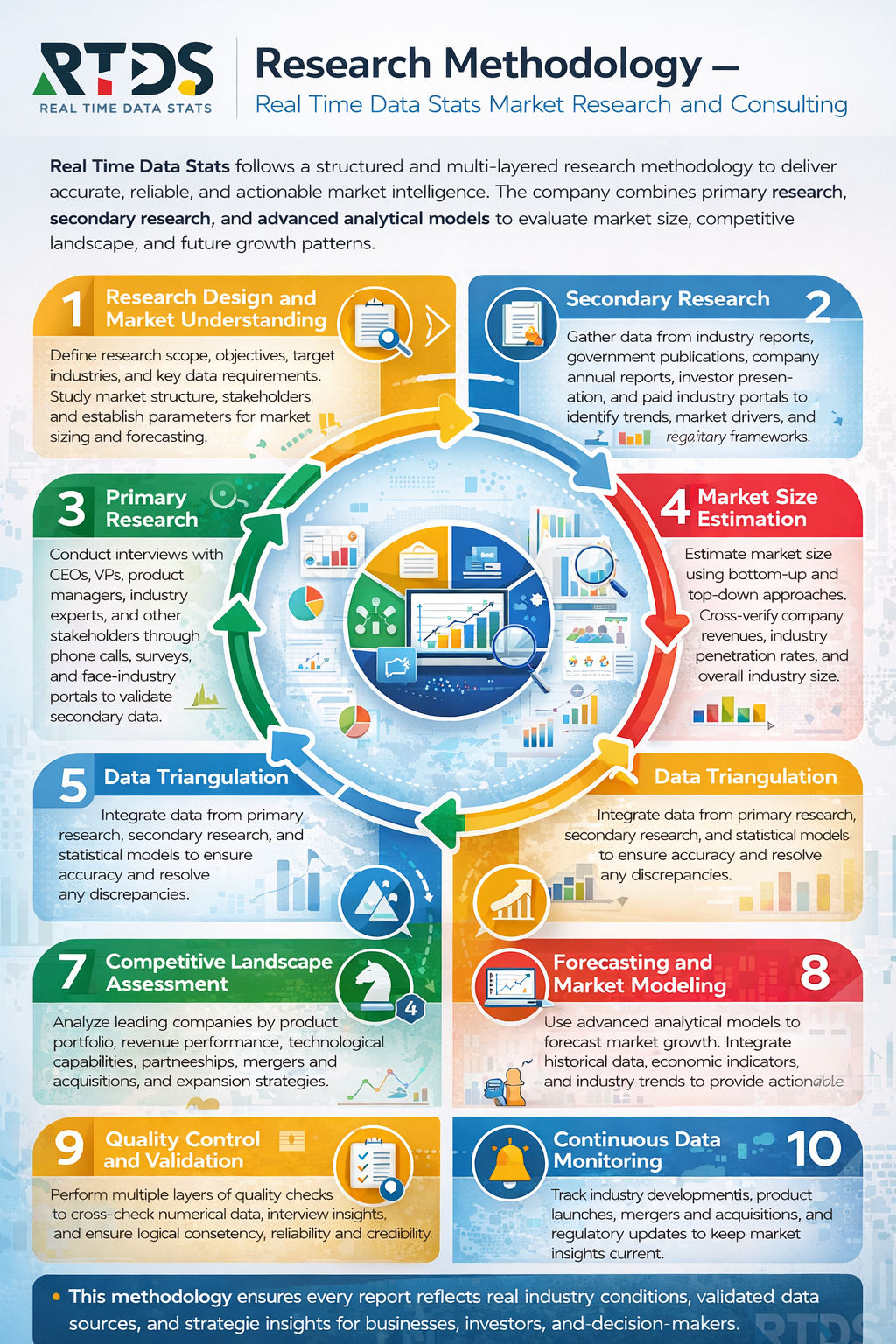
Research Methodology
- Research Design
- Data Collection Sources
- Primary Research Approach
- Secondary Research Sources
- Data Validation & Triangulation
- Assumptions & Limitations
Market Overview
- Market Definition
- Scope of the Study
- Industry Ecosystem Analysis
- Value Chain Analysis
- Supply Chain Mapping
- Regulatory Landscape Overview
- Trade Flow Analysis
- Sustainability Framework Overview
Market Dynamics
- Drivers
- Restraints
- Opportunities
- Challenges
- Emerging Trends
- Technological Advancements Impact
Tropical Timber Traceability Market Segmentation
- By Type
- Hardware Solutions
- Software Platforms
- Blockchain-Based Systems
- RFID-Based Tracking Systems
- QR Code & Barcode Systems
- DNA & Isotope Testing Solutions
- By Application
- Forest Management
- Sawmill Operations
- Plywood & Veneer Production
- Furniture Manufacturing
- Paper & Pulp Industry
- Export & Import Monitoring
- By Technology
- Blockchain Technology
- Cloud-Based Platforms
- IoT-Enabled Tracking
- Artificial Intelligence Analytics
- Geographic Information Systems (GIS)
- Satellite & Remote Sensing
- By Deployment Mode
- On-Premises
- Cloud-Based
- Hybrid Deployment
- Private Cloud
- Public Cloud
- Edge-Based Systems
- By End User
- Logging Companies
- Timber Traders
- Wood Processing Industries
- Government & Regulatory Authorities
- Certification Bodies
- Retailers & Distributors
- By Component
- Tracking Devices
- Sensors
- Tags & Labels
- Data Management Software
- Analytics & Reporting Tools
- Verification & Authentication Tools
- By Certification Type
- FSC Certification Tracking
- PEFC Certification Tracking
- National Forestry Certification Systems
- Chain-of-Custody Certification
- Sustainable Forest Management Certification
- Legality Verification Certification
- By Forest Type
- Natural Forests
- Plantation Forests
- Community Forests
- Private Forests
- Public Forests
- Protected Forest Areas
- By Supply Chain Stage
- Harvesting
- Transportation
- Processing
- Warehousing
- Distribution
- Retail
Regional Analysis
- North America Market Analysis
- Latin America Market Analysis
- Europe Market Analysis
- Asia Pacific Market Analysis
- Middle East Market Analysis
- Africa Market Analysis
Competitive Landscape
- Market Share Analysis
- Company Positioning Matrix
- Strategic Initiatives
- Mergers & Acquisitions
- Partnerships & Collaborations
- Product Launches & Innovations
Company Profiles
- Company Overview
- Financial Overview
- Product Portfolio
- Strategic Developments
- SWOT Analysis
Investment Analysis
- Funding Trends
- Venture Capital Landscape
- Government Grants & Incentives
- Infrastructure Investments
Future Outlook
- Market Forecast Analysis
- Growth Opportunities
- Technology Roadmap
- Scenario Analysis
Regional Analysis
- North America
- Europe
- Asia Pacific
- Latin America
- Middle East & Africa
Appendix
- Abbreviations
- Glossary of Terms
- List of Stakeholders
- Methodological Notes
- Disclaimer
List of Tables
- Table:1: Global Tropical Timber Traceability Market Overview
- Table:2: Market Size by Type
- Table:3: Market Size by Application
- Table:4: Market Size by Technology
- Table:5: Market Size by Deployment Mode
- Table:6: Market Size by End User
- Table:7: Market Size by Component
- Table:8: Market Size by Certification Type
- Table:9: Market Size by Forest Type
- Table:10: Market Size by Supply Chain Stage
- Table:11: Market Size by Geography
- Table:12: Regional Revenue Comparison
- Table:13: Competitive Market Share Analysis
- Table:14: Regulatory Framework Comparison by Region
- Table:15: Investment & Funding Trends
List of Figures
- Figure:1: Tropical Timber Traceability Market Value Chain
- Figure:2: Industry Ecosystem Overview
- Figure:3: Market Dynamics Framework
- Figure:4: Segmentation Overview Diagram
- Figure:5: Market Share by Type
- Figure:6: Market Share by Application
- Figure:7: Market Share by Technology
- Figure:8: Market Share by Deployment Mode
- Figure:9: Market Share by End User
- Figure:10: Market Share by Component
- Figure:11: Market Share by Certification Type
- Figure:12: Market Share by Forest Type
- Figure:13: Market Share by Supply Chain Stage
- Figure:14: Regional Market Distribution
- Figure:15: Competitive Positioning Matrix
Tropical Timber Traceability Market Key Factors
Drivers:
- Import bans compel suppliers to verify legal timber origins.
- Green building certifications demand verified sustainable wood sources.
- Consumers reject brands linked to deforestation practices.
Restraints:
- Small-scale loggers cannot afford advanced tracking systems.
- Complex supply chains involve multiple countries and intermediaries.
- Corrupt officials issue false documentation in transit hubs.
Opportunities:
- Blockchain platforms create tamper-proof records from forest to mill.
- DNA testing identifies wood species and geographic origin precisely.
- Public-private partnerships fund traceability infrastructure in developing nations.
Challenges:
- Data silos prevent information sharing between customs agencies.
- Overlapping certification schemes confuse buyers and increase costs.
- Illegal timber mixes with legal logs at processing facilities.
Tropical Timber Traceability Market Key Regional Trends
North America:
- Lacey Act amendments expand due diligence requirements for importers.
- LEED v5 prioritizes tropical timber with full supply chain visibility.
- Retailers deploy AI tools to audit supplier documents automatically.
Europe:
- EU Deforestation Regulation requires geolocation coordinates for all harvest plots.
- EUTR enforcement intensifies with heavier fines for non-compliance.
- Corporate net-zero pledges drive preference for verified tropical wood.
Asia-Pacific:
- Japan’s Clean Wood Act mandates legality verification for public projects.
- China’s timber legality verification system tightens customs inspections.
- Indonesian SVLK system becomes benchmark for regional export certifications.
Latin America:
- Brazil strengthens federal environmental enforcement agencies.
- Colombia integrates traceability requirements into peace-building rural programs.
- Peru expands timber concession monitoring with satellite technology.
Africa:
- Gabon’s log export ban accelerates local processing and chain-of-custody.
- Ghana pilots national timber tracking platform for smallholders.
- FLEGT licensing improves market access for verified African timber.
Frequently Asked Questions
Key Questions Answered
- What is the size and growth rate of the market industry?
- What are the main drivers influencing market growth trends?
- What are the key challenges and restraints faced by the market?
- What are the emerging trends and opportunities shaping the market?
- Who are the top players, and what strategies drive their success?
- What are the customer demographics and their buying behaviors?
- What are the key market segments, and what is their scope?
- What are the geographical dynamics, and which region dominates?
- What are the market forecasts and projections for the next decade?
- What regulatory factors are critical to consider for market growth?
Why Choose our Company?
- Major facts and stats backing every report we offer.
- Comprehensive analysis tailored to your business needs.
- Accurate insights backed by extensive market research.
- Expert support to address your queries promptly.
- Data-driven strategies for better decision-making.
- In-depth reports with actionable
recommendations. - Reliable statistics from trusted industry
sources. - Customizable reports to suit your specific goals.
- Unmatched quality and precision in market analysis.
- Competitive pricing with premium content delivery.
Share your experience!
We value you feedback. Please take a moment to review your experience with us.