
According to insights from Real Time Data Stats, the Synthetic Riboswitches Market was valued at USD 66 million in 2025. It is expected to grow from USD 77 million in 2026 to USD 242 million by 2033, registering a CAGR of 17.8% during the forecast period (2026–2033).
MARKET SIZE AND SHARE
The synthetic riboswitches market expansion is driven by increasing demand for precise genetic regulation tools in synthetic biology and therapeutic development. Market share is currently concentrated among leading biotechnology companies and specialized research reagent providers, supported by proprietary design platforms and advanced engineering capabilities. These established players dominate due to strong R&D investments and early adoption of innovative gene regulation technologies.
Future market share distribution is expected to evolve through strategic collaborations between pharmaceutical companies and emerging synthetic biology startups. Advancements in computational design, molecular engineering, and high-throughput screening are enabling new entrants to access niche opportunities and gradually challenge existing leaders. Overall market expansion is projected to continue steadily, supported by growing applications in gene therapy, metabolic engineering, and advanced biomedical research.
INDUSTRY OVERVIEW AND STRATEGY
The synthetic riboswitches industry centers on engineering RNA-based regulatory elements to control gene expression in response to specific ligands. It serves critical applications in drug discovery, metabolic engineering, and next-generation biosensing. The competitive strategy for leading firms hinges on securing intellectual property around novel riboswitch motifs and ligand specificity, creating high barriers to entry through patented design algorithms and validation platforms that ensure reliable performance in complex biological systems.
A core strategic focus is vertical integration, combining riboswitch design with downstream therapeutic or diagnostic development to capture greater value. Companies are actively pursuing collaborative research agreements with academic institutions to fuel innovation pipelines. Concurrently, market players emphasize developing user-friendly, modular platforms for non-specialist researchers, aiming to broaden adoption across industrial biotechnology and accelerate the transition from foundational research to commercialized products and therapies.
Analyst Key Takeaways:
Synthetic riboswitches are emerging as a highly specialized segment within synthetic biology, driven by the rapid evolution of RNA-based gene regulation systems. Their relevance is increasing in advanced genetic circuit design, where precise, programmable control of gene expression is required for both research and therapeutic applications. Growth is primarily supported by expanding investment in synthetic biology platforms, increasing adoption of RNA engineering tools, and the broader shift toward modular and controllable biological systems.
The market is characterized by early-stage commercialization and strong academic and biotech R&D dominance, with most innovation concentrated in synthetic gene networks and next-generation therapeutic design. Demand is being reinforced by convergence across genome engineering, nucleic acid technologies, and cell programming platforms. However, adoption remains constrained by technical complexity and limited standardization, making ecosystem development and translational breakthroughs key determinants of future expansion.
REGIONAL TRENDS AND GROWTH
North America holds the largest market share, driven by substantial R&D investment, a strong biotechnology sector, and supportive regulatory frameworks for advanced therapies. Europe follows, with growth anchored in academic excellence and significant public funding for synthetic biology initiatives. The Asia-Pacific region is identified as the fastest-growing market, propelled by increasing government biotech initiatives, expanding life sciences infrastructure, and rising research outsourcing to countries like China and India.
Primary growth drivers include the escalating need for targeted therapeutics and programmable biologics. However, the market faces restraints like technical complexities in in-vivo delivery and limited ligand diversity. Key opportunities lie in advancing cell-based therapies and integrating riboswitches with CRISPR systems. Major challenges encompass stringent regulatory pathways for genetically modified organisms and the high cost of development, which could impede widespread commercialization and market penetration in cost-sensitive regions.
SYNTHETIC RIBOSWITCHES MARKET SEGMENTATION ANALYSIS
BY TYPE:
The type segmentation of the Synthetic Riboswitches Market is systematically driven by structural design efficiency, ligand-binding accuracy, and gene regulation precision. Aptamer-based and ligand-responsive riboswitches hold dominant positions because they provide highly selective molecular recognition, which is essential for targeted gene expression control in therapeutic and industrial biotechnology applications. Transcriptional and translational riboswitches are also widely adopted as they allow regulation at different biological checkpoints, giving researchers layered control over protein synthesis and RNA behavior. Self-cleaving riboswitches are increasingly relevant in advanced medical research where timed RNA degradation and cellular response modulation are required. The core dominant factor in this segment is functional reliability combined with programmable adaptability.
Another strong systematic driver is the acceleration of RNA engineering technologies and computational biology tools that allow predictive modeling before laboratory synthesis. High-throughput screening, automated nucleotide assembly, and AI-assisted molecular simulations significantly reduce development risks and experimentation costs. Academic laboratories and biotech startups are continuously introducing innovative riboswitch structures tailored for niche clinical and environmental needs. As personalized medicine and cell-based therapeutic approaches expand globally, the demand for customizable riboswitch types becomes a central growth pillar, ensuring sustained innovation and commercialization momentum within this segment.
BY APPLICATION:
Application segmentation is primarily influenced by the expanding need for precision gene control across medical, diagnostic, and industrial biological fields. Gene therapy remains the dominant application due to its dependence on controlled activation and suppression of genetic pathways, which riboswitches deliver with high specificity. Drug discovery follows closely, as riboswitch-enabled cellular models accelerate compound screening and toxicity evaluation. Biosensors and diagnostic tools are also major contributors, leveraging riboswitch sensitivity for pathogen and metabolite detection. The main dominant factor across applications is the increasing demand for programmable biological switches that enhance accuracy while minimizing unintended cellular effects.
Systematic growth is further supported by interdisciplinary collaboration among pharmaceutical firms, bioinformatics specialists, and molecular biologists who collectively enhance application scalability. Emerging uses in metabolic engineering and vaccine development are strengthening the segment as sustainability initiatives and global health priorities drive innovation. Public funding initiatives, private venture investments, and government-supported biotechnology programs play significant roles in accelerating adoption. The inherent versatility of riboswitches to operate across prokaryotic and eukaryotic organisms ensures diversified application potential, reinforcing this segment as a central engine of overall market expansion.
BY END USER:
End-user segmentation is systematically shaped by research intensity, funding availability, and infrastructure capacity. Pharmaceutical companies and biotechnology firms dominate due to their strong capital resources and immediate requirement for advanced gene modulation technologies in drug pipelines and clinical experimentation. Academic and research institutions serve as foundational innovation hubs where theoretical riboswitch designs are validated and optimized before commercialization. Contract research organizations and clinical laboratories are rapidly increasing participation as outsourcing trends grow and specialized genetic experimentation becomes more common. The principal dominant factor is concentrated expertise supported by continuous research funding.
Additional momentum arises from government research bodies and international scientific collaborations that promote biotechnology advancements through grants and innovation policies. The globalization of biomedical research allows smaller institutions to access advanced tools through shared platforms and joint ventures. Increasing focus on rare diseases, precision medicine, and targeted therapies is compelling healthcare organizations to adopt synthetic gene regulation systems. This systematic distribution of expertise, infrastructure, and financial capability ensures that the end-user segment remains a decisive influence on technological diffusion and commercial scalability.
BY TECHNOLOGY PLATFORM:
Technology platform segmentation is driven by interoperability between riboswitch mechanisms and broader genetic engineering systems. CRISPR-integrated platforms dominate because they enable simultaneous genome editing and riboswitch-based regulation, creating highly efficient dual-control biological environments. RNA interference systems, sequencing technologies, and synthetic biology toolkits further enhance accuracy by enabling precise gene targeting and verification. Microfluidic platforms contribute through miniaturized experimentation, reducing reagent costs while increasing throughput efficiency. The dominant factor in this segment is integration capability combined with automation and analytical precision.
Systematic technological progress is reinforced by laboratory robotics, machine learning-based sequence optimization, and cloud-based genomic databases that support collaborative research. These tools significantly reduce manual errors and accelerate innovation cycles, making advanced platforms more accessible to emerging biotech firms. Continuous private investment in research infrastructure and open-source bioinformatics communities strengthens knowledge sharing and development speed. As biological design becomes increasingly data-driven, platforms offering scalability, predictive accuracy, and cross-tool compatibility maintain competitive dominance and long-term market relevance.
BY MOLECULE TYPE:
Molecule type segmentation is largely influenced by molecular stability, compatibility with cellular systems, and binding responsiveness. RNA-based riboswitches dominate because of their natural alignment with gene expression pathways and rapid responsiveness to intracellular metabolites. DNA-based and hybrid riboswitches are gaining attention for their durability and long-term regulatory potential, especially in industrial biotechnology applications. Protein-binding and small-molecule sensing riboswitches broaden functional diversity by enabling cross-biological control mechanisms. The leading dominant factor in this segment is the balance between responsiveness and structural stability.
Further systematic growth is supported by innovations in nucleotide modification chemistry and synthetic nucleic acid production, which improve resilience against degradation. Hybrid molecular designs are increasingly explored to combine RNA flexibility with DNA durability, allowing multi-layered regulatory functions. Pharmaceutical and industrial demand for stable yet adaptable gene control systems continues to push research toward advanced molecular architectures. The continuous refinement of synthesis techniques and cost-efficient production methods ensures sustained competitiveness and diversification within this segment.
BY DELIVERY METHOD:
Delivery method segmentation is shaped by efficiency, safety profile, and targeting precision of genetic transport systems. Viral vectors dominate due to their naturally high transfection efficiency and long-term gene expression capabilities, making them highly suitable for therapeutic interventions. Non-viral methods such as lipid nanoparticles and polymer carriers are rapidly expanding because they offer lower immunogenic risk and improved patient safety. Electroporation and microinjection remain essential in controlled laboratory settings where precision and reproducibility are critical. The dominant factor across this segment is delivery accuracy with minimal cytotoxic impact.
Systematic expansion is further driven by nanotechnology advancements and biodegradable carrier innovations that enhance cellular uptake while reducing side effects. Regulatory approvals and successful clinical trial outcomes significantly influence adoption trends, particularly in healthcare applications. Hybrid delivery mechanisms combining viral efficiency with non-viral safety are emerging as promising solutions. As personalized medicine and targeted therapies grow, demand for reliable, scalable, and patient-safe delivery systems continues to strengthen this segment’s market significance.
BY RESEARCH AREA:
Research area segmentation is primarily led by oncology and genetic disorder studies due to the urgent need for precise gene modulation technologies in life-threatening diseases. Neurological and immunological research fields are also strong contributors, as riboswitches enable reversible gene control without permanent genomic alteration. Microbial engineering and agricultural biotechnology represent emerging domains driven by sustainability goals and food security initiatives. The main dominant factor is disease prevalence combined with the global push for innovative and minimally invasive treatment methodologies.
Systematic development is supported by international funding programs, interdisciplinary research partnerships, and biotechnology incubators that foster experimentation beyond traditional medical boundaries. The merging of biological sciences with artificial intelligence and engineering disciplines is expanding riboswitch applications into environmental monitoring and industrial bio-production. As global priorities increasingly align with health resilience and ecological sustainability, this segment continues to broaden in both scope and funding intensity, reinforcing its strong contribution to overall market dynamics.
BY PRODUCT FORM:
Product form segmentation is influenced by accessibility, standardization, and customization flexibility. Kits and reagents dominate because they provide ready-to-use solutions that reduce technical barriers and shorten experimentation timelines for laboratories. Enzymes and plasmids hold strong positions in advanced research environments requiring tailored experimental conditions. Custom constructs and specialized software tools are gaining rapid traction as laboratories seek predictive modeling capabilities and personalized genetic design solutions. The dominant factor is operational convenience balanced with technical precision.
Systematic growth is further propelled by digital biology platforms offering subscription-based modeling services and automated design interfaces. Companies are increasingly focusing on bundled product ecosystems that combine physical reagents with analytical software, improving user experience and research efficiency. The rising number of university laboratories and biotechnology startups fuels consistent demand for modular and scalable offerings. Continuous product innovation, user-friendly interfaces, and integrated research solutions ensure sustained competitiveness within this segment.
BY REGULATION MECHANISM:
Regulation mechanism segmentation is driven by controllability, reversibility, and adaptability of gene expression systems. Inducible and repressible riboswitches dominate due to their dynamic switching capability in both therapeutic and industrial biological environments. Positive and negative regulation systems remain foundational for experimental biology, while dual-control riboswitches are increasingly adopted for complex genetic circuits requiring multi-layered control. Conditional riboswitches provide adaptability in fluctuating cellular environments, strengthening their relevance in metabolic engineering and adaptive therapy. The principal dominant factor is precise and reversible control of genetic activity.
Systematic innovation is reinforced by improvements in molecular sensing technologies and real-time monitoring tools that enhance switch responsiveness and accuracy. Increasing biological circuit complexity is encouraging the development of hybrid regulatory frameworks capable of multi-signal processing. Demand for non-permanent gene modulation solutions continues to guide research and commercialization strategies. As industries prioritize safety, efficiency, and adaptability, this segment remains central to the advancement of programmable biological systems.
RECENT DEVELOPMENTS
- In Jan 2024: Ribometrix entered a multi-year discovery collaboration with Genentech to identify and develop novel small molecule therapeutics targeting RNA, including riboswitch structures.
- In May 2024: Moderna and IBM collaborated to explore AI, including generative AI models, for designing novel biomolecules, potentially advancing programmable mRNA therapeutics with synthetic regulatory elements.
- In Aug 2024: The Scripps Research Institute published a novel high-throughput screening method in Nature to rapidly discover and engineer new synthetic riboswitches with high precision.
- In Nov 2024: Sutro Biopharma expanded its cell-free synthetic biology platform, showcasing new applications for precise, riboswitch-like control of protein expression in oncology therapeutics.
- In Feb 2025: Deep Genomics advanced its AI-driven RNA target portfolio, highlighting progress on proprietary, small molecule-responsive RNA switches for precise gene control in genetic therapies.
KEY PLAYERS ANALYSIS
- Moderna, Inc.
- BioNTech SE
- Ginkgo Bioworks
- Synthego Corporation
- Novo Nordisk A/S
- Sanofi
- Thermo Fisher Scientific Inc.
- Merck KGaA
- Agilent Technologies, Inc.
- Danaher Corporation (IDT)
- TriLink BioTechnologies
- LGC Biosearch Technologies
- Hologic, Inc. (Diagenode)
- Twist Bioscience
- Codexis, Inc.
- Arcturus Therapeutics
- Deep Genomics
- Ribometrix
- Senti Biosciences
- Sutro Biopharma
Synthetic Riboswitches Market Segmentation Analysis
By Type:
- Aptamer-Based Riboswitches
- Expression Platform Riboswitches
- Ligand-Responsive Riboswitches
- Transcriptional Riboswitches
- Translational Riboswitches
- Self-Cleaving Riboswitches
By Application:
- Gene Therapy
- Drug Discovery
- Biosensors
- Metabolic Engineering
- Vaccine Development
- Diagnostic Tools
By End User:
- Pharmaceutical Companies
- Biotechnology Firms
- Academic & Research Institutes
- Contract Research Organizations
- Clinical Laboratories
- Government Research Bodies
By Technology Platform:
- CRISPR-Integrated Systems
- RNA Interference Platforms
- Synthetic Biology Platforms
- DNA/RNA Sequencing Platforms
- Microfluidic Platforms
- Bioinformatics Platforms
By Molecule Type:
- RNA-Based Riboswitches
- DNA-Based Riboswitches
- Protein-Binding Riboswitches
- Small Molecule Riboswitches
- Metabolite-Sensing Riboswitches
- Hybrid Riboswitches
By Delivery Method:
- Viral Vectors
- Non-Viral Vectors
- Lipid Nanoparticles
- Electroporation
- Microinjection
- Polymer-Based Delivery
By Research Area:
- Oncology Research
- Neurological Research
- Immunology Research
- Genetic Disorder Studies
- Microbial Engineering
- Agricultural Biotechnology
By Product Form:
- Kits
- Reagents
- Enzymes
- Plasmids
- Custom Constructs
- Software Tools
By Regulation Mechanism:
- Positive Regulation Riboswitches
- Negative Regulation Riboswitches
- Conditional Riboswitches
- Inducible Riboswitches
- Repressible Riboswitches
- Dual-Control Riboswitches
By Geography:
- North America (USA, Canada, Mexico)
- Europe (UK, Germany, France, Italy, Spain, Rest of Europe)
- Asia-Pacific (China, Japan, Australia, South Korea, India, Rest of Asia-Pacific)
- South America (Brazil, Argentina, Rest of South America)
- Middle East and Africa (GCC Countries, South Africa, Rest of MEA)
Synthetic Riboswitches Market: Table of Contents
Executive Summary
- Market Introduction
- Market Definition
- Market Scope
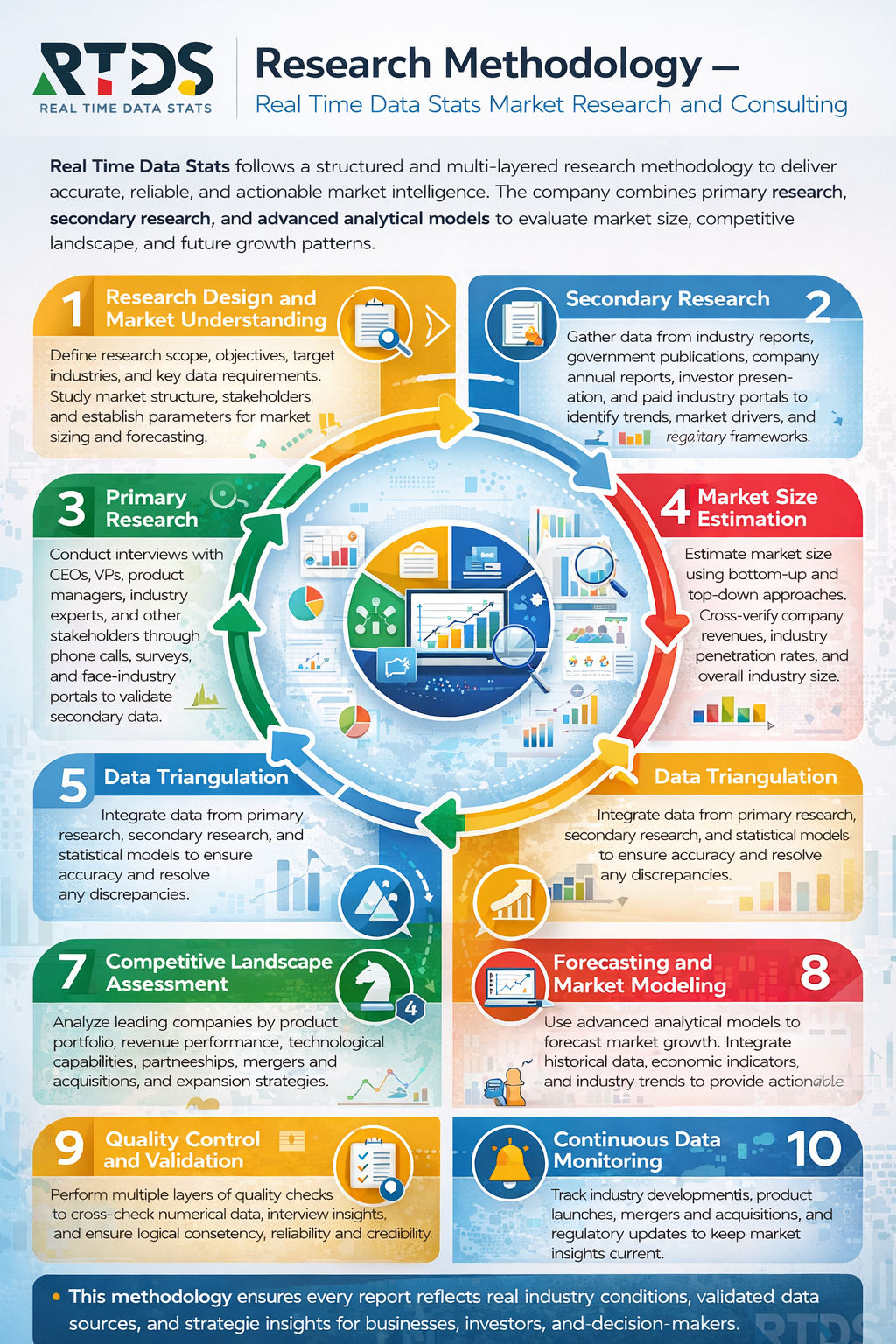
- Research Methodology
- Assumptions and Limitations
Market Dynamics
- Market Drivers
- Market Restraints
- Market Opportunities
- Market Challenges
- Market Trends
Regulatory Landscape
- Industry Value Chain Analysis
- Supply Chain Analysis
- Pricing Analysis
- Patent Analysis
Technology Landscape
- Innovation and R&D Overview
- Investment and Funding Analysis
- Porter’s Five Forces Analysis
- PESTLE Analysis
Competitive Landscape
- Market Share Analysis
- Strategic Developments
- Mergers and Acquisitions
- Partnerships and Collaborations
- New Product Launches
- Company Profiles
Synthetic Riboswitches Market Segmentation Analysis
- By Type
- Aptamer-Based Riboswitches
- Expression Platform Riboswitches
- Ligand-Responsive Riboswitches
- Transcriptional Riboswitches
- Translational Riboswitches
- Self-Cleaving Riboswitches
- By Application
- Gene Therapy
- Drug Discovery
- Biosensors
- Metabolic Engineering
- Vaccine Development
- Diagnostic Tools
- By End User
- Pharmaceutical Companies
- Biotechnology Firms
- Academic & Research Institutes
- Contract Research Organizations
- Clinical Laboratories
- Government Research Bodies
- By Technology Platform
- CRISPR-Integrated Systems
- RNA Interference Platforms
- Synthetic Biology Platforms
- DNA/RNA Sequencing Platforms
- Microfluidic Platforms
- Bioinformatics Platforms
- By Molecule Type
- RNA-Based Riboswitches
- DNA-Based Riboswitches
- Protein-Binding Riboswitches
- Small Molecule Riboswitches
- Metabolite-Sensing Riboswitches
- Hybrid Riboswitches
- By Delivery Method
- Viral Vectors
- Non-Viral Vectors
- Lipid Nanoparticles
- Electroporation
- Microinjection
- Polymer-Based Delivery
- By Research Area
- Oncology Research
- Neurological Research
- Immunology Research
- Genetic Disorder Studies
- Microbial Engineering
- Agricultural Biotechnology
- By Product Form
- Kits
- Reagents
- Enzymes
- Plasmids
- Custom Constructs
- Software Tools
- By Regulation Mechanism
- Positive Regulation Riboswitches
- Negative Regulation Riboswitches
- Conditional Riboswitches
- Inducible Riboswitches
- Repressible Riboswitches
- Dual-Control Riboswitches
Regional Analysis
- North America
- Europe
- Asia Pacific
- Latin America
- Middle East & Africa
Conclusion
- Summary of Market Trends
- Key Drivers and Restraints
- Growth Opportunities
- Technology & Innovation Outlook
- Future Market Forecast
Appendix
- Abbreviations
- Glossary of Terms
- Data Sources
- Research Method References
List of Tables
- Table:1: Global Market Size Overview
- Table:2: Market Growth Rate Comparison
- Table:3: Driver Impact Analysis
- Table:4: Restraint Impact Analysis
- Table:5: Opportunity Mapping
- Table:6: Technology Adoption Rates
- Table:7: By Type Market Share
- Table:8: By Application Market Share
- Table:9: By End User Market Share
- Table:10: By Technology Platform Distribution
- Table:11: By Molecule Type Distribution
- Table:12: By Delivery Method Distribution
- Table:13: Regional Revenue Comparison
- Table:14: Competitive Benchmarking
- Table:15: Forecast Summar
List of Figures
- Figure:1: Market Research Methodology Flow
- Figure:2: Market Dynamics Overview
- Figure:3: Value Chain Illustration
- Figure:4: Supply Chain Network
- Figure:5: Technology Evolution Map
- Figure:6: Investment Trend Graph
- Figure:7: Type Segmentation Chart
- Figure:8: Application Segmentation Chart
- Figure:9: End User Segmentation Chart
- Figure:10: Technology Platform Diagram
- Figure:11: Molecule Type Distribution Pie
- Figure:12: Delivery Method Diagram
- Figure:13: Regional Market Map
- Figure:14: Competitive Landscape Matrix
- Figure:15: Forecast Growth Curve
Synthetic Riboswitches Market Key Factors
Drivers:
- Growing synthetic biology research expands tool applications.
- Rising demand for precise gene control in biotherapeutics development advances the field.
- Increasing need for high-throughput screening methods propels adoption.
Restraints:
- Technical complexities in design and validation hinder widespread use.
- Limited commercial product availability slows market growth.
- Competition from established gene regulation technologies challenges market penetration.
Opportunities:
- Expanding applications in metabolic engineering create new potential.
- Integration with CRISPR systems opens innovative pathways.
- Emerging diagnostics and biosensor applications offer fresh revenue streams.
Challenges:
- Achieving robust performance in complex biological systems remains difficult.
- High research and development costs delay commercialization.
- Intellectual property and licensing issues create barriers for entrants.
Synthetic Riboswitches Market Key Regional Trends
North America:
- Strong academic and government funding accelerates foundational research.
- Biotechnology companies actively integrate tools into therapeutic pipelines.
- Strategic collaborations between startups and established pharma drive innovation.
Europe:
- Significant public investment fuels synthetic biology consortia.
- Focus on sustainable biomanufacturing applications grows.
- Ethical regulatory frameworks shape translational research pathways.
Asia-Pacific:
- Increasing government initiatives boost synthetic biology infrastructure.
- Rapid expansion of contract research and manufacturing services occurs.
- Growing research in agricultural and industrial applications emerges.
Frequently Asked Questions
Key Questions Answered
- What is the size and growth rate of the market industry?
- What are the main drivers influencing market growth trends?
- What are the key challenges and restraints faced by the market?
- What are the emerging trends and opportunities shaping the market?
- Who are the top players, and what strategies drive their success?
- What are the customer demographics and their buying behaviors?
- What are the key market segments, and what is their scope?
- What are the geographical dynamics, and which region dominates?
- What are the market forecasts and projections for the next decade?
- What regulatory factors are critical to consider for market growth?
Why Choose our Company?
- Major facts and stats backing every report we offer.
- Comprehensive analysis tailored to your business needs.
- Accurate insights backed by extensive market research.
- Expert support to address your queries promptly.
- Data-driven strategies for better decision-making.
- In-depth reports with actionable
recommendations. - Reliable statistics from trusted industry
sources. - Customizable reports to suit your specific goals.
- Unmatched quality and precision in market analysis.
- Competitive pricing with premium content delivery.
Share your experience!
We value you feedback. Please take a moment to review your experience with us.