
According to insights from Real Time Data Stats, the Synthetic Neurochemistry Market was valued at USD 190 million in 2025. It is expected to grow from USD 219 million in 2026 to USD 581 million by 2033, registering a CAGR of 15% during the forecast period (2026–2033).
MARKET SIZE AND SHARE
The Synthetic Neurochemistry Market is expanding steadily, driven by rising demand for advanced neurochemical probes and next-generation neuromodulation technologies. Researchers and healthcare innovators are focusing on synthetic compounds that enable precise targeting of neural pathways, supporting breakthroughs in neuropharmacology and cognitive enhancement. Market share is currently concentrated among leading pharmaceutical and biotechnology companies that invest heavily in research and development to create high-performance, targeted solutions. These players compete by advancing novel synthesis techniques and building strong pipelines of innovative neuroactive compounds for both clinical and research applications.
Market share distribution reflects a competitive landscape led by North American companies, supported by strong funding, advanced research infrastructure, and early adoption of cutting-edge technologies. At the same time, Asia-Pacific is rapidly gaining momentum due to increasing investments, expanding research capabilities, and a growing focus on neurological disorder treatment. Competitive dynamics are shaped by intellectual property, proprietary synthesis platforms, and strategic collaborations across industry and academia. These factors are enabling companies to capture larger market segments while driving continuous innovation in this high-value, specialized chemical domain.
INDUSTRY OVERVIEW AND STRATEGY
Synthetic neurochemistry involves designing and manufacturing compounds to interact with the nervous system, serving research, diagnostic, and therapeutic applications. The industry is fundamentally driven by the need to understand complex neurological pathways and address disorders like depression and Alzheimer's. Core activities include creating novel neurotransmitters, neuromodulators, and imaging agents, positioning the field at the convergence of advanced chemistry, neuroscience, and personalized medicine, with a strong emphasis on precision and efficacy.
Primary strategies center on intensive research collaboration between academic institutions and commercial entities to accelerate discovery. Companies prioritize securing intellectual property for novel synthetic pathways and target engagement methods. Commercial strategy focuses on developing high-purity, standardized chemical libraries for research while pursuing regulatory pathways for clinical applications, ensuring a pipeline from basic science to therapeutic commercialization in a highly specialized market.
Analyst Key Takeaways:
Synthetic neurochemistry is emerging as a high-growth niche at the convergence of synthetic biology and neuroscience, driven by increasing demand for precision-engineered neuroactive compounds and advanced neuromodulation strategies. The field is benefiting from rapid progress in molecular engineering, gene circuit design, and biofoundry platforms, enabling the creation of customized neurotransmitters and neuropeptides. Innovation is largely concentrated in research and early-stage commercialization, with strong momentum coming from applications in neuropharmacology, brain-computer interfaces, and targeted therapies for complex neurological disorders.
From a market dynamics perspective, growth is shaped by a balance between technological acceleration and clinical translation constraints. While synthetic biology capabilities are advancing rapidly, adoption within neuroscience remains moderated by regulatory rigor, safety validation requirements, and long development timelines for neuroactive compounds. However, increasing investment in neurotechnology, rising prevalence of neurological conditions, and expanding interdisciplinary collaborations are expected to strengthen the commercialization pipeline, positioning synthetic neurochemistry as a strategically important segment within next-generation life sciences.
REGIONAL TRENDS AND GROWTH
North America leads the market, propelled by premier research institutes, substantial NIH funding, and a strong pharmaceutical sector focused on neurological drug discovery. Europe follows, with significant growth in neurotechnology hubs in the UK, Germany, and Switzerland, supported by robust public-private partnerships. The Asia-Pacific region emerges as the fastest-growing market, driven by increased government investment in brain science initiatives in China, Japan, and South Korea, alongside a rising prevalence of neurological conditions.
Key growth drivers include the increasing global burden of neurological diseases and technological advancements in chemical synthesis and screening. Major restraints involve high R&D costs, stringent regulatory hurdles for novel neurochemical entities, and ethical considerations. Opportunities lie in untapped markets for cognitive enhancers and personalized neurology, while challenges encompass the complexity of the blood-brain barrier and the need for long-term safety data on new synthetic compounds.
SYNTHETIC NEUROCHEMISTRY MARKET SEGMENTATION ANALYSIS
BY TYPE:
The market by type is dominated by synthetic neurotransmitters, neuromodulators, and neuropeptides due to rising prevalence of neurological and psychiatric disorders globally. Increasing investments in neuropharmacology research, growing demand for precision medicine, and rapid advancements in molecular engineering are significantly driving innovation in synthetic neurochemical compounds. Pharmaceutical companies are prioritizing product development to enhance therapeutic efficacy, improve bioavailability, and minimize adverse effects, contributing to accelerated adoption.
Additionally, rising government funding for neuroscience research, expansion of clinical trials, and increasing acceptance of synthetic neurochemicals in neurological therapies are fueling growth. Synthetic neuroenzymes and neuroreceptors are gaining traction due to their applications in advanced diagnostic tools and targeted drug therapies. The development of next-generation neurochemical products supported by nanotechnology and recombinant technologies is enhancing treatment accuracy, leading to improved clinical outcomes and sustained market expansion.
BY APPLICATION:
Neurological disorder treatment remains the largest application segment due to the increasing burden of Alzheimer’s disease, Parkinson’s disease, epilepsy, and multiple sclerosis. The growing aging population, rising stress levels, and increasing prevalence of cognitive disorders significantly boost the demand for synthetic neurochemical therapies. Pharmaceutical advancements and expanding clinical research pipelines are enabling the development of highly specialized neurochemical drugs that enhance patient outcomes and reduce disease progression.
Psychiatric disorder treatment, cognitive enhancement, and pain management are emerging as fast-growing application areas. Rising awareness of mental health, expanding healthcare infrastructure, and favorable regulatory approvals are encouraging adoption. Increasing use of synthetic neurochemicals in sleep disorder treatment and neurodegenerative disease management is also accelerating market growth. Combined with technological advancements and personalized medicine approaches, application-based segmentation reflects a strong upward trajectory.
BY PRODUCT FORM:
Tablets and capsules dominate the product form segment due to ease of administration, high patient compliance, and cost efficiency. Oral dosage forms are widely preferred for long-term neurological treatments, enabling consistent therapeutic outcomes. Injections hold significant demand in hospital settings for acute neurological interventions. Pharmaceutical companies are investing in advanced formulation technologies to enhance drug stability, controlled release, and bioavailability, which supports market expansion.
Nasal sprays, transdermal patches, and oral liquids are rapidly gaining popularity due to their non-invasive nature and faster drug absorption. These innovative delivery formats are particularly effective in cognitive enhancement and pain management applications. Technological progress in formulation science and patient-centric drug delivery is reshaping product portfolios. Increasing regulatory approvals for alternative dosage forms and rising consumer preference for convenient medication options are further accelerating segment growth.
BY ROUTE OF ADMINISTRATION:
Oral administration remains the dominant route due to convenience, safety, and cost-effectiveness. Oral neurochemical drugs are widely prescribed for chronic neurological and psychiatric conditions. Increasing advancements in oral drug delivery systems, including sustained-release and targeted delivery technologies, are improving therapeutic efficiency. High patient adherence and ease of distribution further reinforce the leadership of oral administration in global markets.
Intravenous, intramuscular, and subcutaneous routes are extensively used in critical care and hospital environments for rapid drug delivery. Intranasal and transdermal routes are gaining traction due to their non-invasive nature and ability to bypass the blood-brain barrier. These innovative approaches enhance bioavailability and minimize systemic side effects. Growing R&D investments and favorable clinical trial outcomes are significantly supporting the adoption of advanced administration routes.
BY END USER:
Hospitals dominate the end-user segment due to high patient inflow, advanced treatment infrastructure, and availability of specialized neurological care. Increasing hospital investments in advanced neurodiagnostic technologies and pharmaceutical therapeutics are boosting demand. Specialty clinics and research institutes also contribute significantly due to rising neurological case volumes and clinical research activities focused on novel synthetic neurochemical compounds.
Pharmaceutical and biotechnology companies represent fast-growing end-user segments due to their involvement in drug discovery, clinical trials, and commercial production. Academic laboratories are playing a vital role in early-stage research and molecular innovation. Growing collaboration between research institutions and industry players is accelerating product development, leading to a stronger market ecosystem and enhanced commercialization of synthetic neurochemical solutions.
BY DISTRIBUTION CHANNEL:
Hospital pharmacies hold the largest share due to direct patient access, prescription-based sales, and strong hospital supply contracts. Retail pharmacies also contribute significantly, supported by increasing outpatient treatments and chronic disease management. Online pharmacies are experiencing rapid growth due to digital healthcare expansion, doorstep delivery services, and increasing consumer preference for convenient purchasing channels.
Drug wholesalers and direct sales channels facilitate bulk distribution and institutional procurement, supporting large-scale supply chains. Third-party distributors play a critical role in improving regional market penetration and enhancing accessibility in emerging economies. Growing e-commerce penetration, improved logistics infrastructure, and digital payment adoption are transforming distribution models, making synthetic neurochemical therapies more accessible globally.
BY INDICATION:
Alzheimer’s disease and Parkinson’s disease dominate this segment due to rising elderly populations and increasing disease prevalence. Growing awareness of early diagnosis, expanding therapeutic research, and rising government initiatives for neurodegenerative disease management are fueling demand. Epilepsy, depression, anxiety disorders, and schizophrenia are also driving significant market expansion due to increasing diagnosis rates and improved treatment accessibility.
Mental health awareness campaigns, expanding psychiatric care infrastructure, and favorable regulatory approvals are strengthening market growth. Technological advancements in neurochemical formulations and personalized treatment strategies are improving therapeutic outcomes. Rising healthcare expenditure and patient-centric drug development approaches are further accelerating the adoption of synthetic neurochemistry solutions across diverse neurological indications.
BY TECHNOLOGY:
Chemical synthesis remains the dominant technology due to scalability, cost efficiency, and established manufacturing processes. Recombinant technology and peptide synthesis are gaining traction due to their precision, safety, and therapeutic effectiveness. Nanotechnology-based synthesis is emerging as a high-growth segment, enabling targeted drug delivery and enhanced blood-brain barrier penetration.
Biocatalysis and molecular engineering are revolutionizing drug discovery by improving synthesis efficiency and reducing environmental impact. Continuous advancements in synthetic biology and computational chemistry are accelerating innovation cycles. Increased funding for advanced research platforms and growing collaboration between biotech firms and academic institutions are driving technological evolution, enabling the development of next-generation neurochemical therapeutics.
BY MECHANISM OF ACTION:
Reuptake inhibition and receptor agonist therapies dominate due to their effectiveness in treating depression, anxiety, and neurodegenerative disorders. Enzyme inhibition and ion channel modulation play crucial roles in managing epilepsy, Parkinson’s disease, and neuropathic pain. Pharmaceutical companies are increasingly focusing on targeted mechanisms to minimize side effects and enhance therapeutic precision.
Neurotransmitter release modulation is gaining momentum due to its application in cognitive enhancement and neuroprotection. Ongoing clinical trials and expanding molecular research are enabling the discovery of novel mechanisms. Precision medicine approaches, combined with genetic and biomarker analysis, are enhancing treatment specificity, leading to superior patient outcomes and sustainable market growth.
RECENT DEVELOPMENTS
- In Jan 2024: PsyBio Therapeutics and Clexio Biosciences merged to advance a pipeline of novel, synthetic neurochemical-based therapeutics for central nervous system disorders.
- In Mar 2024: Alto Neuroscience initiated a Phase IIb trial for ALTO-300, a synthetic neurochemical compound targeting a specific biomarker profile for major depressive disorder.
- In Sep 2024: Neumora Therapeutics received FDA Fast Track designation for NMRA-511, a novel synthetic neurochemical designed as a highly selective V1a receptor antagonist for anxiety.
- In Dec 2024: Beckley Psytech and Mindset Pharma collaborated to develop next-generation synthetic neurochemicals, specifically second-generation psychedelic-inspired compounds.
- In Feb 2025: Gilgamesh Pharmaceuticals announced positive preclinical data for GM-1020, a novel synthetic neurochemical designed as a rapid-acting antidepressant with a non-hallucinogenic mechanism.
KEY PLAYERS ANALYSIS
- Alto Neuroscience
- Neumora Therapeutics
- Gilgamesh Pharmaceuticals
- Beckley Psytech
- Mindset Pharma
- COMPASS Pathways
- Atai Life Sciences
- Cybin Inc.
- GH Research
- Small Pharma
- Usona Institute
- PsyBio Therapeutics (now part of Clexio)
- Neurocrine Biosciences
- Perception Neuroscience
- Delix Therapeutics
- Tactogen
- Empyrean Neuroscience
- Enveric Biosciences
- Awakn Life Sciences
- Eleusis
Synthetic Neurochemistry Market Segmentation Analysis
By Type:
- Synthetic Neurotransmitters
- Synthetic Neuromodulators
- Synthetic Neurohormones
- Synthetic Neuroenzymes
- Synthetic Neuroreceptors
- Synthetic Neuropeptides
By Application:
- Neurological Disorder Treatment
- Psychiatric Disorder Treatment
- Cognitive Enhancement
- Pain Management
- Sleep Disorder Treatment
- Neurodegenerative Disease Management
By Product Form:
- Tablets
- Capsules
- Injections
- Nasal Sprays
- Transdermal Patches
- Oral Liquids
By Route of Administration:
- Oral
- Intravenous
- Intramuscular
- Subcutaneous
- Intranasal
- Transdermal
By End User:
- Hospitals
- Specialty Clinics
- Research Institutes
- Pharmaceutical Companies
- Academic Laboratories
- Biotechnology Companies
By Distribution Channel:
- Hospital Pharmacies
- Retail Pharmacies
- Online Pharmacies
- Drug Wholesalers
- Direct Sales
- Third-Party Distributors
By Indication:
- Alzheimer’s Disease
- Parkinson’s Disease
- Epilepsy
- Depression
- Anxiety Disorders
- Schizophrenia
By Technology:
- Chemical Synthesis
- Recombinant Technology
- Peptide Synthesis
- Nanotechnology-Based Synthesis
- Biocatalysis
- Molecular Engineering
By Mechanism of Action:
- Reuptake Inhibition
- Receptor Agonists
- Receptor Antagonists
- Enzyme Inhibition
- Ion Channel Modulation
- Neurotransmitter Release Modulation
By Geography:
- North America (USA, Canada, Mexico)
- Europe (UK, Germany, France, Italy, Spain, Rest of Europe)
- Asia-Pacific (China, Japan, Australia, South Korea, India, Rest of Asia-Pacific)
- South America (Brazil, Argentina, Rest of South America)
- Middle East and Africa (GCC Countries, South Africa, Rest of MEA)
Synthetic Neurochemistry Market: Table of Contents
Executive Summary
- Market Overview
- Key Market Highlights
- Market Snapshot
- Key Findings
- Strategic Insights
Introduction
- Definition and Scope
- Market Taxonomy
- Study Objectives
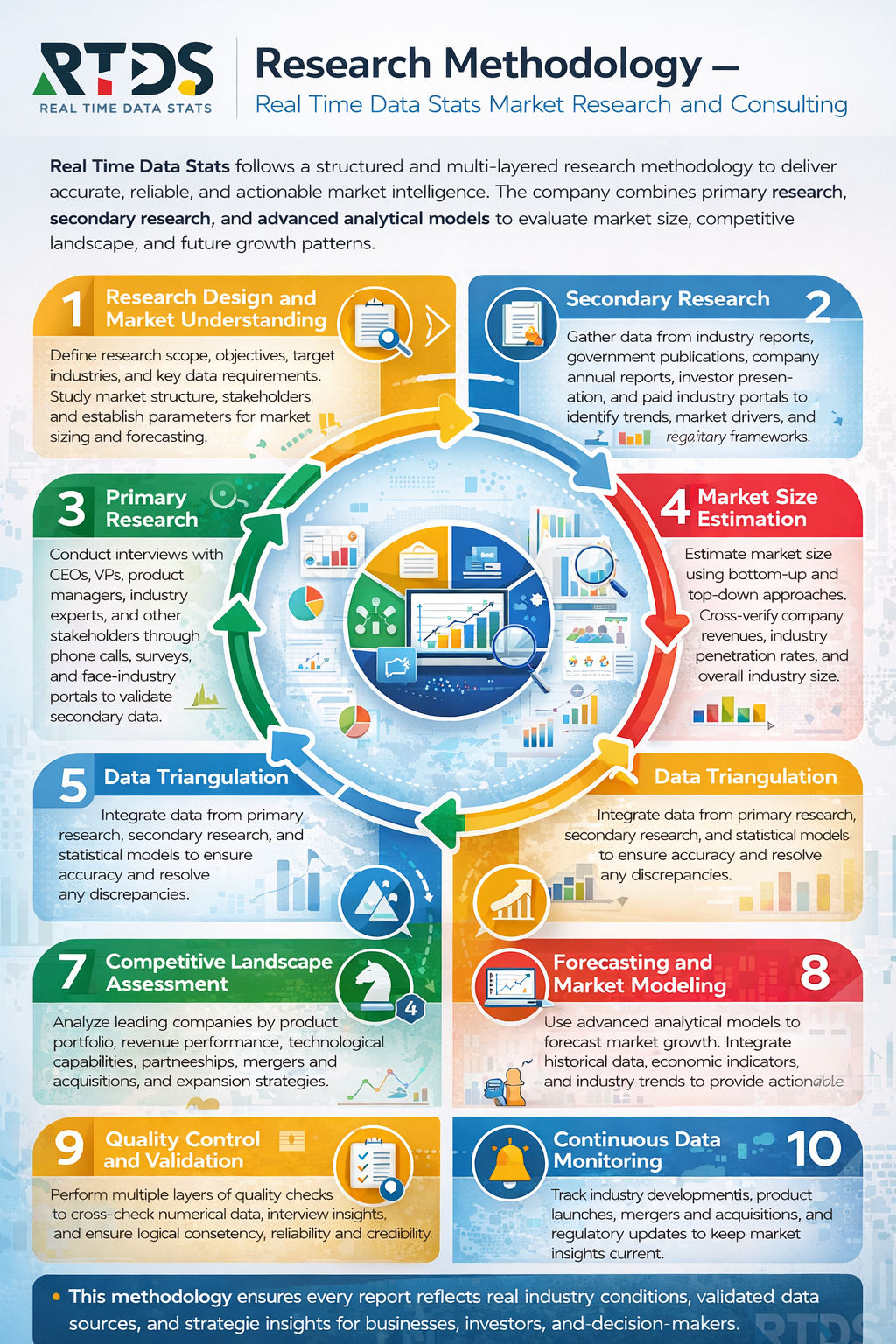
- Research Methodology Overview
- Assumptions and Limitations
Market Dynamics
- Market Drivers
- Market Restraints
- Market Opportunities
- Market Challenges
- Industry Trends
Market Ecosystem Analysis
- Value Chain Analysis
- Stakeholder Analysis
- Supplier Landscape
- Distribution Network
- End-User Landscape
- Regulatory Framework
- Global Regulatory Overview
Regional Regulatory Policies
- Compliance Standards
- Safety and Quality Guidelines
- Ethical Considerations
Competitive Landscape
- Market Share Analysis
- Competitive Benchmarking
- Strategic Developments
- Mergers and Acquisitions
- Collaborations and Partnerships
Synthetic Neurochemistry Market Segmentation Analysis
- By Type:
- Synthetic Neurotransmitters
- Synthetic Neuromodulators
- Synthetic Neurohormones
- Synthetic Neuroenzymes
- Synthetic Neuroreceptors
- Synthetic Neuropeptides
- By Application:
- Neurological Disorder Treatment
- Psychiatric Disorder Treatment
- Cognitive Enhancement
- Pain Management
- Sleep Disorder Treatment
- Neurodegenerative Disease Management
- By Product Form:
- Tablets
- Capsules
- Injections
- Nasal Sprays
- Transdermal Patches
- Oral Liquids
- By Route of Administration:
- Oral
- Intravenous
- Intramuscular
- Subcutaneous
- Intranasal
- Transdermal
- By End User:
- Hospitals
- Specialty Clinics
- Research Institutes
- Pharmaceutical Companies
- Academic Laboratories
- Biotechnology Companies
- By Distribution Channel:
- Hospital Pharmacies
- Retail Pharmacies
- Online Pharmacies
- Drug Wholesalers
- Direct Sales
- Third-Party Distributors
- By Indication:
- Alzheimer’s Disease
- Parkinson’s Disease
- Epilepsy
- Depression
- Anxiety Disorders
- Schizophrenia
- By Technology:
- Chemical Synthesis
- Recombinant Technology
- Peptide Synthesis
- Nanotechnology-Based Synthesis
- Biocatalysis
- Molecular Engineering
- By Mechanism of Action:
- Reuptake Inhibition
- Receptor Agonists
- Receptor Antagonists
- Enzyme Inhibition
- Ion Channel Modulation
- Neurotransmitter Release Modulation
Regional Market Analysis
- North America Market Overview
- Europe Market Overview
- Asia-Pacific Market Overview
- Latin America Market Overview
- Middle East Market Overview
- Africa Market Overview
Pricing Analysis
- Regional Pricing Trends
- Product-Based Pricing
- Cost Structure Analysis
- Reimbursement Scenario
- Profit Margin Assessment
Investment & Funding Analysis
- Venture Capital Trends
- Public & Private Investments
- Government Funding
- Startup Ecosystem
- R&D Investments
Technology & Innovation Landscape
- Emerging Technologies
- Product Development Trends
- Patent Analysis
- Research Pipeline
- Clinical Trial Overview
Strategic Recommendations
- Market Entry Strategy
- Product Development Focus
- Technology Adoption
- Partnership Strategy
- Regional Expansion
Conclusion
- Market Summary
- Key Insights
- Growth Outlook
- Strategic Implications
- Final Assessment
Appendix
- Research Methodology
- Data Sources
- Abbreviations
- Assumptions
- Disclaimer
List of Tables
- Table:1: Global Synthetic Neurochemistry Market Overview
- Table:2: Market Segmentation Summary
- Table:3: By Type Market Distribution
- Table:4: By Application Market Distribution
- Table:5: By Product Form Market Analysis
- Table:6: By Route of Administration Market Share
- Table:7: By End User Market Contribution
- Table:8: By Distribution Channel Market Split
- Table:9: By Indication Market Share
- Table:10: By Technology Market Overview
- Table:11: By Mechanism of Action Market Breakdown
- Table:12: Regional Market Revenue Comparison
- Table:13: Competitive Market Share Analysis
- Table:14: Pricing Analysis by Region
- Table:15: Investment & Funding Overview
List of Figures
- Figure:1: Synthetic Neurochemistry Market Research Framework
- Figure:2: Market Segmentation Structure
- Figure:3: By Type Market Share Distribution
- Figure:4: By Application Market Share Analysis
- Figure:5: By Product Form Market Breakdown
- Figure:6: By Route of Administration Market Flow
- Figure:7: End User Market Contribution Chart
- Figure:8: Distribution Channel Flow Diagram
- Figure:9: Indication-Based Market Share
- Figure:10: Technology Adoption Trends
- Figure:11: Mechanism of Action Market Mapping
- Figure:12: Regional Market Comparison
- Figure:13: Competitive Landscape Matrix
- Figure:14: Investment Trend Analysis
- Figure:15: Future Market Growth Projection
Synthetic Neurochemistry Market Key Factors
Drivers:
- Rising neurological disorder prevalence increases demand for advanced treatments.
- Expanding neuroscience research unlocks new pathways for targeted neurochemical intervention.
- Growing investment from pharmaceutical companies accelerates therapeutic development.
Restraints:
- Stringent regulatory frameworks prolong the approval process for novel neurochemical agents.
- High research and development costs limit market entry for smaller players.
- Complex drug delivery to the central nervous system presents significant technical hurdles.
Opportunities:
- Advancements in computational modeling and AI offer new tools for neurochemical discovery.
- Rising focus on personalized medicine creates potential for tailored neurological therapies.
- Untapped potential in emerging markets offers avenues for geographic expansion.
Challenges:
- Potential for severe side effects and long-term safety concerns require extensive clinical validation.
- Intellectual property disputes and patent cliffs can disrupt market stability.
- A shortage of specialized neuroscience expertise slows research and development progress.
Synthetic Neurochemistry Market Key Regional Trends
North America:
- Strong venture capital funding fuels innovation in neurotechnology and neurochemical startups.
- Collaborative networks between top academic institutions and biotech firms drive translational research.
- Regulatory agencies are adapting frameworks to accommodate novel neuropsychiatric therapies.
Europe:
- Public-private partnerships prioritize research into neurodegenerative diseases like Alzheimer's.
- Stringent data protection laws (GDPR) influence clinical trial design and data management practices.
- Growing emphasis on ethical guidelines for neuroenhancement and cognitive modification technologies.
Asia-Pacific:
- Governments are increasing national healthcare investment to address rising neurological disease burdens.
- Contract research organizations (CROs) are expanding capabilities to support global neurochemistry trials.
- Rapidly improving diagnostic infrastructure facilitates earlier patient identification and clinical study recruitment.
Frequently Asked Questions
Key Questions Answered
- What is the size and growth rate of the market industry?
- What are the main drivers influencing market growth trends?
- What are the key challenges and restraints faced by the market?
- What are the emerging trends and opportunities shaping the market?
- Who are the top players, and what strategies drive their success?
- What are the customer demographics and their buying behaviors?
- What are the key market segments, and what is their scope?
- What are the geographical dynamics, and which region dominates?
- What are the market forecasts and projections for the next decade?
- What regulatory factors are critical to consider for market growth?
Why Choose our Company?
- Major facts and stats backing every report we offer.
- Comprehensive analysis tailored to your business needs.
- Accurate insights backed by extensive market research.
- Expert support to address your queries promptly.
- Data-driven strategies for better decision-making.
- In-depth reports with actionable
recommendations. - Reliable statistics from trusted industry
sources. - Customizable reports to suit your specific goals.
- Unmatched quality and precision in market analysis.
- Competitive pricing with premium content delivery.
Share your experience!
We value you feedback. Please take a moment to review your experience with us.