
According to insights from Real Time Data Stats, the Synthetic Neurobiology Market was valued at USD 0.84 billion in 2025. It is expected to grow from USD 1.00 billion in 2026 to USD 3.45 billion by 2033, registering a CAGR of 19.2% during the forecast period (2026–2033).
MARKET SIZE AND SHARE
The global synthetic neurobiology market is expanding due to rising investment in neuroscience research and growing cases of neurological disorders. Leading biotechnology firms and neurotech startups drive innovation through advanced neural interface technologies and targeted brain modulation solutions, strengthening their market positions and accelerating adoption across clinical and research environments worldwide.
In the competitive landscape, market share is shaped by key technologies such as optogenetics and chemogenetics, which continue to gain strong traction. Companies focus on partnerships, research alliances, and intellectual property development to expand their presence. Neurological disease treatment remains the leading application segment, followed by research tools and cognitive enhancement, supporting steady market growth over the forecast period.
INDUSTRY OVERVIEW AND STRATEGY
Synthetic neurobiology is an interdisciplinary field applying engineering principles to design and construct novel neural circuits and functions. It combines neuroscience, molecular biology, and bioengineering to develop precise tools for monitoring and controlling brain activity. The industry is propelled by the urgent need to understand brain function and develop next-generation therapies for intractable conditions like Parkinson's, depression, and epilepsy, moving beyond traditional pharmaceutical approaches.
Core industry strategy revolves around technological convergence and translational research. Companies are strategically integrating gene therapy, advanced materials, and AI-driven data analytics to create closed-loop neuromodulation systems. Partnerships between academic institutions, pharmaceutical giants, and neurotechnology firms are crucial to de-risk development and accelerate clinical adoption. The overarching strategic focus is on achieving unprecedented spatial and temporal precision in neural interventions to unlock therapeutic and diagnostic applications.
Analyst Key Takeaways:
Synthetic neurobiology is emerging as a high-impact niche at the intersection of engineered biology and neuroscience, driven by advances in gene editing, neural circuit design, and programmable cellular systems. The segment is benefiting from increasing convergence between synthetic biology platforms and neurotechnology applications, particularly in areas such as brain-computer interfaces, neurodegenerative disease modeling, and precision therapeutics. Early-stage innovation remains heavily research-oriented, with strong backing from academic institutions, government funding bodies, and strategic collaborations with biopharma companies.
From a growth perspective, the market is expected to outpace its parent domains due to its disruptive potential and expanding application scope. However, commercialization timelines remain uneven, influenced by regulatory complexity, ethical considerations, and technical challenges in translating lab-scale innovations into clinical and industrial use. Over the long term, scalability of engineered neural systems, integration with AI-driven biological design, and advancements in personalized medicine are likely to be key factors shaping competitive positioning and market maturity.
REGIONAL TRENDS AND GROWTH
North America dominates the synthetic neurobiology market, fueled by substantial NIH funding, a concentration of leading research institutions, and a strong venture capital ecosystem for neurotech startups. Europe follows, with significant collaborative projects under the EU's Human Brain Project framework. The Asia-Pacific region is identified as the fastest-growing market, driven by increasing government investment in neuroscience in China, Japan, and South Korea, alongside a rising patient demographic.
Primary growth drivers include the high global burden of neurological diseases and advancements in gene-editing technologies like CRISPR. Key restraints are high development costs, stringent regulatory pathways, and ethical concerns. Opportunities lie in personalized neurotherapeutics and non-invasive brain-computer interfaces. Future challenges involve addressing long-term safety data, achieving scalable manufacturing for viral vectors, and establishing standardized clinical frameworks for these novel biologic-device combination products.
SYNTHETIC NEUROBIOLOGY MARKET SEGMENTATION ANALYSIS
BY TYPE:
The type segment in the Synthetic Neurobiology Market is primarily driven by the rapid evolution of neural circuit engineering and synthetic neuron development, which are becoming central to next-generation bioelectronic innovation. Demand is increasing due to the growing need for precise brain simulation models, hybrid biological–digital systems, and scalable artificial synapse platforms. Research institutions and private biotech firms are investing heavily in neuromorphic chips and programmable neural tissues, enabling improved computational efficiency, adaptive learning behavior, and high-fidelity neural replication across experimental and commercial environments.
Another dominant factor shaping this segment is interdisciplinary collaboration between neuroscience, materials science, and artificial intelligence, which accelerates commercialization of biohybrid neural systems. Continuous miniaturization of hardware and improved bio-compatible substrates are enabling safer and more stable synthetic neural constructs. Additionally, intellectual property expansion, startup ecosystem growth, and government-funded neural innovation programs are strengthening competitive intensity. These forces collectively push technological diversification, encouraging manufacturers to specialize in niche neural architectures tailored for medical, industrial, and cognitive enhancement applications.
BY APPLICATION:
Application segmentation is strongly influenced by the expanding use of synthetic neurobiology in brain–computer interfaces, neuroprosthetics, and cognitive enhancement technologies. Healthcare and rehabilitation sectors are adopting advanced neural integration tools to improve motor recovery, sensory restoration, and neurodegenerative disease management. Pharmaceutical and biotech companies are also leveraging synthetic neural platforms for faster drug discovery and toxicity testing, significantly reducing research timelines. The convergence of machine learning with neural modeling further amplifies performance accuracy, encouraging wider adoption across scientific and clinical ecosystems worldwide.
A second dominant factor is the increasing societal and commercial interest in human–machine interaction and behavioral analytics. Governments and defense organizations are exploring neural applications for advanced training, situational awareness, and human performance optimization. Educational and research institutions are also investing in simulation-based neuroscience learning systems. Rising venture capital funding, supportive regulatory experimentation zones, and public–private innovation partnerships are reinforcing market penetration. Collectively, these drivers expand application diversity while accelerating the transition from experimental prototypes to scalable real-world neural deployment solutions.
BY TECHNOLOGY:
Technology segmentation is largely propelled by breakthroughs in gene-editing tools, optogenetics, and chemogenetic modulation, which allow precise control over neural activity and biological signal pathways. CRISPR-based neural editing and microfluidic neural platforms are enabling highly customized neurological experimentation and therapeutic modeling. Integration of artificial intelligence into neural simulation environments further enhances predictive accuracy and adaptive learning systems. Continuous improvements in nano-fabrication and sensor miniaturization are reducing system complexity while increasing computational power, making advanced neurobiological technologies more accessible to mid-scale laboratories and startups.
Another influential factor is the rapid pace of cross-disciplinary innovation linking bioengineering, semiconductor design, and computational neuroscience. Technology providers are focusing on interoperability, scalability, and energy-efficient neural hardware to meet rising demand. Global patent filings, open-source neural software ecosystems, and academic–industry partnerships are accelerating commercialization. Increased funding for advanced research infrastructures and specialized fabrication facilities also strengthens technological maturity. These elements collectively shape a competitive environment where innovation speed, precision control, and integration capability determine technological leadership within the synthetic neurobiology landscape.
BY END USER:
End-user segmentation is primarily dominated by research institutes, biotechnology firms, and pharmaceutical companies that rely on synthetic neurobiology for experimentation, therapeutic modeling, and product innovation. Academic laboratories serve as foundational innovation hubs, generating intellectual property and pioneering neural engineering techniques. Hospitals and clinical centers increasingly adopt neuro-synthetic tools for rehabilitation and prosthetic integration, expanding medical use cases. The defense sector also contributes significantly by funding advanced cognitive and neural interface research, creating a steady pipeline of high-value technological demand and specialized solution development.
A secondary dominant factor is the diversification of commercial participation as consumer electronics and robotics industries begin exploring neural integration for adaptive devices and intelligent automation. Venture capital firms and innovation incubators are actively supporting early-stage neuro-startups, accelerating commercialization cycles. Government grants, cross-border research collaborations, and ethical regulatory frameworks further influence end-user expansion. As accessibility improves and costs decline, mid-sized enterprises and educational institutions are entering the ecosystem, collectively broadening the adoption base and strengthening long-term market sustainability and technological diffusion.
BY DEPLOYMENT MODE:
Deployment mode segmentation in the Synthetic Neurobiology Market is largely influenced by the increasing preference for cloud-based and hybrid infrastructures that enable scalable neural data processing and remote experimentation capabilities. Research organizations and biotech firms favor cloud deployment because it supports high computational loads, collaborative neural modeling, and real-time data sharing across international laboratories. On-premise systems still maintain strong relevance where data privacy, regulatory compliance, and ultra-low latency neural simulations are required, especially in defense and clinical environments with strict confidentiality standards.
Another dominant factor shaping deployment trends is the growing integration of edge neural devices and portable biohybrid systems that allow decentralized processing and faster response times. Embedded neural modules are becoming attractive for wearable and implantable technologies where continuous monitoring and adaptive feedback are essential. Advancements in cybersecurity protocols, distributed computing frameworks, and energy-efficient processors are reinforcing trust in remote and hybrid deployments. These combined influences are encouraging flexible infrastructure adoption, enabling organizations to balance performance, security, and cost efficiency while expanding operational scalability.
BY INTERFACE MODE:
Interface mode segmentation is strongly driven by technological advancements in invasive, semi-invasive, and non-invasive neural interaction systems, each offering different balances between precision and safety. Invasive interfaces dominate high-accuracy medical and research applications due to their superior signal clarity and direct neural connectivity, making them valuable in neuroprosthetics and advanced neurological treatments. Meanwhile, non-invasive and wearable interfaces are rapidly gaining traction for consumer and rehabilitation uses, supported by improved sensor sensitivity, ergonomic design, and reduced health risks associated with long-term neural monitoring.
A second dominant factor is the increasing demand for wireless and implantable neural communication systems that enhance mobility, comfort, and continuous connectivity. Miniaturization of electrodes, bio-compatible coatings, and energy-harvesting technologies are accelerating adoption across healthcare and human–machine interaction fields. Regulatory acceptance, ethical considerations, and long-term safety validation also influence interface selection and commercialization pace. Together, these factors foster diversified innovation, encouraging manufacturers to develop adaptive, secure, and minimally intrusive neural interface solutions tailored to both clinical precision and everyday usability requirements.
BY MATERIAL:
Material segmentation is primarily influenced by the emergence of advanced biopolymers, conductive polymers, and graphene-based compounds that provide superior electrical conductivity and biological compatibility. These materials are essential for creating stable neural pathways, flexible electrodes, and long-lasting implantable systems. Silicon-based substrates continue to dominate due to their manufacturing maturity and integration with semiconductor technologies, while carbon nanotubes and hybrid biomaterials are increasingly explored for their lightweight properties and enhanced signal transmission efficiency in compact neural devices and experimental platforms.
Another dominant factor is the continuous pursuit of durability, flexibility, and bio-stability to ensure long-term performance within biological environments. Research funding directed toward nano-engineered composites and self-healing materials is expanding innovation boundaries, enabling safer and more adaptive neural implants. Environmental sustainability and recyclability considerations are also beginning to shape material choices, especially in large-scale manufacturing. Collaborative development between chemical engineers, neuroscientists, and electronics manufacturers is accelerating the discovery of multifunctional materials that balance conductivity, safety, and mechanical resilience in evolving synthetic neurobiology applications.
BY INDUSTRY VERTICAL:
Industry vertical segmentation is heavily driven by healthcare and pharmaceutical sectors, which represent the largest adoption base due to their demand for neurological therapies, prosthetics, and advanced diagnostic tools. Research and academic institutions also hold significant influence by generating foundational discoveries and experimental models that feed into commercial innovation pipelines. Defense and security sectors invest in cognitive enhancement and neural training technologies, while robotics and automation industries utilize synthetic neural systems to develop adaptive, learning-based machines capable of complex environmental interaction and decision-making processes.
A further dominant factor is the gradual entry of consumer electronics and education sectors, which are exploring neural integration for immersive learning, gaming, and smart wearable experiences. Government funding initiatives, cross-industry partnerships, and technology transfer programs are expanding vertical participation. Regulatory clarity and ethical governance frameworks also shape adoption rates across sensitive industries. As awareness and accessibility grow, diverse verticals are leveraging synthetic neurobiology to achieve performance optimization, innovation differentiation, and long-term competitive advantages within increasingly technology-driven global markets.
RECENT DEVELOPMENTS
- In Jan 2024: Precigen Inc. advances its ultra-precise GenCRISPR gene editing platform for neurological applications, demonstrating enhanced specificity in preclinical models for targeted neurotherapeutics.
- In Mar 2024: NeuroSense Therapeutics and Massachusetts General Hospital collaborate to identify new biomarkers for neurodegenerative diseases, aiming to enhance patient stratification for targeted therapy development.
- In Jun 2024: Inscopix announces a strategic partnership with a major pharma company to utilize its nVista HD imaging platform for large-scale, in-vivo neurobiology discovery programs in drug development.
- In Nov 2024: Blackrock Neurotech receives FDA Breakthrough Device designation for its latest-generation neural implant, MoveAgain, aimed at restoring motor function in patients with paralysis.
- In Feb 2025: Paradromics, a neural interface company, completes a successful $100 million Series B funding round to accelerate the development and clinical translation of its high-data-rate brain-computer interface system.
KEY PLAYERS ANALYSIS
- Blackrock Neurotech
- Paradromics
- Synchron Inc.
- Neuralink
- Inscopix, Inc.
- Precigen, Inc.
- NeuroSense Therapeutics
- MindMaze
- Kernel
- Neurable
- BrainCo
- Cognixion
- NeuroPace, Inc.
- Axoft, Inc.
- Science Corporation
- Neuralink
- CorTec GmbH
- NeuroSky
- EMOTIV
- Nuro
Synthetic Neurobiology Market Segmentation Analysis
By Type:
- Neural Circuits Engineering
- Synthetic Neurons
- Neuro-Genetic Constructs
- Biohybrid Neural Systems
- Neuromorphic Chips
- Artificial Synapse Platforms
By Application:
- Brain-Computer Interfaces
- Cognitive Enhancement
- Neuroprosthetics
- Drug Discovery & Testing
- Behavioral Research
- Neural Rehabilitation
By Technology:
- CRISPR-Based Neural Editing
- Optogenetics
- Chemogenetics
- Microfluidic Neural Platforms
- AI-Integrated Neural Modeling
- Nano-Neural Fabrication
By Component:
- Hardware Modules
- Software Platforms
- Biological Materials
- Sensors & Actuators
- Microelectrodes
- Signal Processing Units
By End User:
- Research Institutes
- Biotechnology Companies
- Pharmaceutical Companies
- Academic Laboratories
- Hospitals & Clinics
- Defense Organizations
By Deployment Mode:
- On-Premise Systems
- Cloud-Based Platforms
- Hybrid Infrastructure
- Edge Neural Devices
- Portable Systems
- Embedded Modules
By Interface Mode:
- Invasive Interfaces
- Semi-Invasive Interfaces
- Non-Invasive Interfaces
- Wireless Interfaces
- Wearable Interfaces
- Implantable Interfaces
By Material:
- Biopolymers
- Conductive Polymers
- Silicon-Based Materials
- Carbon Nanotubes
- Graphene Materials
- Hybrid Biomaterials
By Industry Vertical:
- Healthcare
- Pharmaceuticals
- Defense & Security
- Education & Research
- Consumer Electronics
- Robotics & Automation
By Geography:
- North America (USA, Canada, Mexico)
- Europe (UK, Germany, France, Italy, Spain, Rest of Europe)
- Asia-Pacific (China, Japan, Australia, South Korea, India, Rest of Asia-Pacific)
- South America (Brazil, Argentina, Rest of South America)
- Middle East and Africa (GCC Countries, South Africa, Rest of MEA)
Synthetic Neurobiology Market: Table of Contents
Executive Summary
- Market Introduction
- Market Definition
- Market Scope
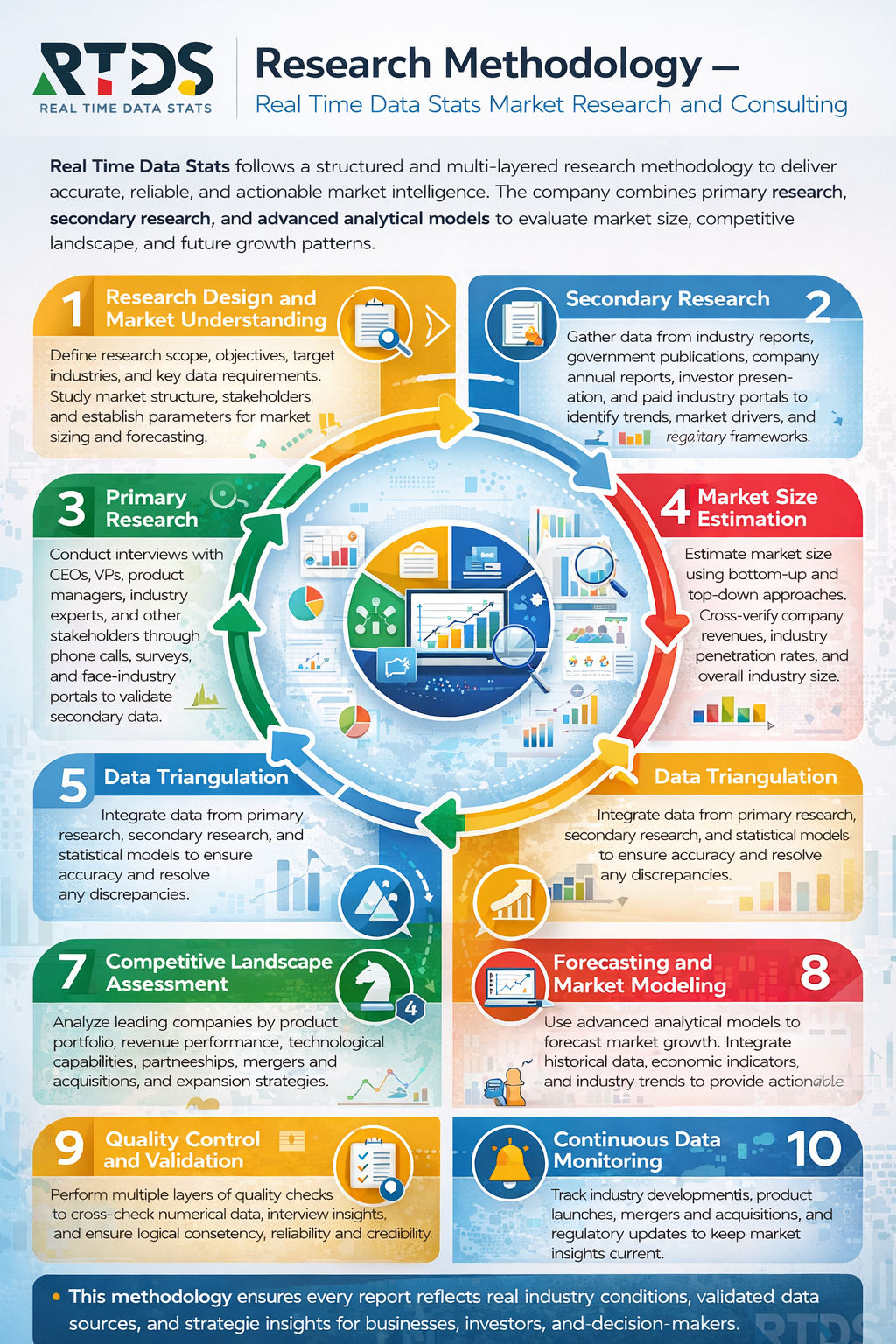
- Research Methodology
- Assumptions & Limitations
Market Dynamics
- Market Drivers
- Market Restraints
- Market Opportunities
- Market Challenges
- Emerging Trends
Innovation Landscape
- Regulatory & Ethical Framework
- Global Regulations
- Bio-Ethical Considerations
- Compliance Standards
- Safety Protocols
Intellectual Property Landscape
- Technology Overview
- Synthetic Neural Engineering
- Neuromorphic Systems
- Genetic Neural Programming
- AI Integration in Neurobiology
- Micro & Nano Fabrication
- Advanced Biohybrid Architectures
Synthetic Neurobiology Market Segmentation
- By Type
- Neural Circuits Engineering
- Synthetic Neurons
- Neuro-Genetic Constructs
- Biohybrid Neural Systems
- Neuromorphic Chips
- Artificial Synapse Platforms
- By Application
- Brain-Computer Interfaces
- Cognitive Enhancement
- Neuroprosthetics
- Drug Discovery & Testing
- Behavioral Research
- Neural Rehabilitation
- By Technology
- CRISPR-Based Neural Editing
- Optogenetics
- Chemogenetics
- Microfluidic Neural Platforms
- AI-Integrated Neural Modeling
- Nano-Neural Fabrication
- By Component
- Hardware Modules
- Software Platforms
- Biological Materials
- Sensors & Actuators
- Microelectrodes
- Signal Processing Units
- By End User
- Research Institutes
- Biotechnology Companies
- Pharmaceutical Companies
- Academic Laboratories
- Hospitals & Clinics
- Defense Organizations
- By Deployment Mode
- On-Premise Systems
- Cloud-Based Platforms
- Hybrid Infrastructure
- Edge Neural Devices
- Portable Systems
- Embedded Modules
- By Interface Mode
- Invasive Interfaces
- Semi-Invasive Interfaces
- Non-Invasive Interfaces
- Wireless Interfaces
- Wearable Interfaces
- Implantable Interfaces
- By Material
- Biopolymers
- Conductive Polymers
- Silicon-Based Materials
- Carbon Nanotubes
- Graphene Materials
- Hybrid Biomaterials
- By Industry Vertical
- Healthcare
- Pharmaceuticals
- Defense & Security
- Education & Research
- Consumer Electronics
- Robotics & Automation
Regional Analysis
- North America
- Europe
- Asia Pacific
- Latin America
- Middle East & Africa
Competitive Landscape
- Market Share Analysis
- Strategic Developments
- Mergers & Acquisitions
- Partnerships & Collaborations
- Product Launches
- R&D Investments
Company Profiles
- Overview
- Financial Performance
- Product Portfolio
- Business Strategies
- Recent Developments
Market Forecast Analysis
- Revenue Forecast
- Volume Forecast
- Regional Forecast
- Segment Forecast
- Opportunity Mapping
Supply Chain Analysis
- Raw Material Suppliers
- Manufacturers
- Distributors
- End-User Channels
Investment & Funding Analysis
- Venture Capital Trends
- Government Grants
- Private Investments
- Innovation Funds
Case Studies & Use Scenarios
- Clinical Research Implementations
- Academic Experiment Models
- Industrial Prototype Projects
- Neuro-AI Integration Examples
- Therapeutic Application Cases
- Innovation Pilot Programs
- Future Outlook & Strategic Recommendations
Technology Advancement Pathways
- Investment Opportunities
- R&D Focus Areas
- Partnership Strategies
- Market Expansion Plans
- Risk Mitigation Approaches
Conclusion
- Key Findings Summary
- Segment Performance Highlights
- Growth Potential Overview
- Strategic Insights
- Market Sustainability View
- Final Analyst Perspective
Appendix
- Abbreviations
- Data Sources
- Glossary of Terms
- Methodology Notes
List of Tables
- Table: 1: Global Market Size Overview
- Table: 2: Market Growth Rate Comparison
- Table: 3: Technology Adoption Rates
- Table: 4: Type Segment Revenue Share
- Table: 5: Application Segment Analysis
- Table: 6: Component Distribution Matrix
- Table: 7: End-User Spending Patterns
- Table: 8: Deployment Mode Statistics
- Table: 9: Interface Mode Utilization
- Table: 10: Material Usage Trends
- Table: 11: Industry Vertical Contribution
- Table: 12: Regional Revenue Breakdown
- Table: 13: Competitive Market Share
- Table: 14: Investment Flow Analysis
- Table: 15: Forecast Revenue Summary
List of Figures
- Figure: 1: Market Growth Curve
- Figure: 2: Value Chain Illustration
- Figure: 3: Technology Evolution Map
- Figure: 4: Segment Share Pie Chart
- Figure: 5: Application Distribution Graph
- Figure: 6: Component Architecture Diagram
- Figure: 7: End-User Demand Chart
- Figure: 8: Deployment Infrastructure Model
- Figure: 9: Interface Mode Comparison
- Figure: 10: Material Innovation Flow
- Figure: 11: Industry Vertical Heat Map
- Figure: 12: Regional Market Map
- Figure: 13: Competitive Positioning Grid
- Figure: 14: Investment Trend Line
- Figure: 15: Forecast Projection Graph
Synthetic Neurobiology Market Key Factors
Drivers:
- Rising neurological disease prevalence increases demand for advanced treatments.
- Expanding biotechnology investments accelerate research and tool development.
- Converging advancements in AI and genomics enable precise neural engineering.
Restraints:
- Stringent ethical regulations slow the approval process for novel therapies.
- High research costs and complex trials limit widespread commercial exploration.
- Technical hurdles in targeting specific neural circuits challenge clinical translation.
Opportunities:
- Emerging brain-computer interface applications create new therapeutic and commercial avenues.
- Growing partnerships between academia and biotech firms foster innovation.
- Unmet needs in psychiatry and neurology open doors for next-generation interventions.
Challenges:
- Public and academic debate over neurotechnology ethics impacts social acceptance.
- Long development timelines and scientific uncertainty deter some investors.
- Integrating multidisciplinary expertise remains difficult for consistent progress.
Synthetic Neurobiology Market Key Regional Trends
North America:
- Strong venture capital funding fuels startup growth and translational research.
- Leading academic institutions drive pioneering studies in neural circuitry and interfaces.
- Regulatory agencies actively engage with innovators to shape evolving policy frameworks.
Europe:
- Collaborative EU-funded projects promote cross-border research in neuro-engineering.
- Stricter GDPR-like regulations for neural data shape privacy and ethics standards.
- Growing focus on non-invasive neuromodulation techniques for therapeutic use.
Asia-Pacific:
- Governments are increasing strategic investments in neuroscience and brain initiative projects.
- Rising medical needs from aging populations boost demand for neurological solutions.
- Expanding biotechnology hubs accelerate cost-effective research and development.
Rest of World:
- Developing regions are exploring targeted applications for prevalent local neurological disorders.
- Infrastructure gaps limit large-scale research but create niches for specific tool adoption.
- International collaborations are helping to build initial research capacity and expertise.
Frequently Asked Questions
Key Questions Answered
- What is the size and growth rate of the market industry?
- What are the main drivers influencing market growth trends?
- What are the key challenges and restraints faced by the market?
- What are the emerging trends and opportunities shaping the market?
- Who are the top players, and what strategies drive their success?
- What are the customer demographics and their buying behaviors?
- What are the key market segments, and what is their scope?
- What are the geographical dynamics, and which region dominates?
- What are the market forecasts and projections for the next decade?
- What regulatory factors are critical to consider for market growth?
Why Choose our Company?
- Major facts and stats backing every report we offer.
- Comprehensive analysis tailored to your business needs.
- Accurate insights backed by extensive market research.
- Expert support to address your queries promptly.
- Data-driven strategies for better decision-making.
- In-depth reports with actionable
recommendations. - Reliable statistics from trusted industry
sources. - Customizable reports to suit your specific goals.
- Unmatched quality and precision in market analysis.
- Competitive pricing with premium content delivery.
Share your experience!
We value you feedback. Please take a moment to review your experience with us.