
According to insights from Real Time Data Stats, the Synthetic Chromatin Market was valued at USD 0.32 billion in 2025. It is expected to grow from USD 0.39 billion in 2026 to USD 1.75 billion by 2033, registering a CAGR of 24.0% during the forecast period (2026–2033).
MARKET SIZE AND SHARE
The synthetic chromatin market is driven by rising demand for epigenetics research and therapeutic development. Advancements in synthetic biology, gene regulation technologies, and precision medicine are accelerating market growth. Market share remains concentrated among specialized biotechnology companies and pharmaceutical firms focused on epigenetic tools and research platforms. North America holds the largest market share, supported by strong R&D funding, advanced research infrastructure, and a well-established biotechnology ecosystem.
The competitive landscape features a combination of established life science tool providers and emerging biotechnology innovators shaping market dynamics. Strategic partnerships, technology licensing agreements, and research collaborations are key factors influencing market share expansion. The market is projected to grow at a strong compound annual growth rate during the forecast period, driven by increasing adoption across academic institutions, pharmaceutical companies, and contract research organizations seeking advanced solutions for epigenetic analysis and chromatin engineering.
INDUSTRY OVERVIEW AND STRATEGY
The synthetic chromatin industry serves advanced epigenetics, enabling researchers to study and engineer gene expression patterns. It provides essential tools for drug discovery, particularly for oncology and rare genetic diseases, by offering controlled models of chromatin structure. The industry is characterized by high technical expertise and interdisciplinary collaboration between molecular biology and bioengineering. Its growth is intrinsically linked to progress in understanding epigenetic mechanisms and their role in disease pathology, creating a specialized but expanding niche.
Core business strategies revolve around intensive R&D for product innovation and establishing strong intellectual property portfolios. Companies are pursuing vertical integration by offering associated assays and services. Key strategic moves include forming alliances with academic pioneers and large pharmaceutical partners to co-develop platforms. Scalable and cost-effective production methods are a critical strategic focus to transition from research-only applications toward therapeutic and diagnostic uses.
Analyst Key Takeaways:
The Synthetic Chromatin Market is emerging as a strategically important segment within synthetic biology and epigenetics, driven by growing demand for precise control of gene expression, chromatin remodeling, and programmable cellular functions. Advances in genome engineering, epigenome editing, and synthetic gene regulation platforms are accelerating research activities, enabling scientists to develop more sophisticated biological systems for therapeutic, industrial, and research applications.
Strong momentum in cell and gene therapy development, regenerative medicine, and next-generation drug discovery is expected to support long-term market expansion. Increasing investments from biotechnology companies, academic institutions, and research organizations are fostering innovation in synthetic chromatin technologies, while the convergence of artificial intelligence, genomics, and synthetic biology is creating new opportunities for engineered chromatin systems in precision medicine and advanced biological design.
REGIONAL TRENDS AND GROWTH
North America leads, fueled by top-tier research institutions, significant venture funding, and a concentration of epigenetics-focused biotech firms. Europe follows, with strong academic initiatives and public funding for epigenetics projects. The Asia-Pacific region is emerging as the fastest-growing market, driven by expanding life science research budgets, government support for biotechnology, and increasing outsourcing of R&D activities to this region, creating new hubs for innovation and manufacturing.
Primary growth drivers include escalating investments in personalized medicine and the identification of novel epigenetic drug targets. A major restraint is the high cost and technical complexity of synthetic chromatin platforms. Significant opportunities exist in developing chromatin-based therapies and diagnostics. However, the market faces challenges such as ethical considerations in epigenetic engineering, stringent regulatory pathways for therapeutics, and the need for specialized skilled personnel to advance the field.
SYNTHETIC CHROMATIN MARKET SEGMENTATION ANALYSIS
BY TYPE:
Segmentation by type reflects the structural and functional diversity of synthetic chromatin products available in the market. Recombinant chromatin and synthetic nucleosome arrays dominate due to their wide applicability in transcription and chromatin remodeling studies. Modified histone complexes and epigenetically engineered chromatin are experiencing rising demand as research increasingly focuses on post-translational histone modifications and their regulatory roles. These types allow precise manipulation of chromatin states, making them highly valuable in mechanistic and functional genomics studies.
The demand across different types is also influenced by the level of experimental customization required. DNA–protein hybrid chromatin and custom-designed chromatin constructs are gaining traction in specialized research environments where standard chromatin models are insufficient. The dominance of certain types varies across academic and industrial users, with pharmaceutical companies favoring scalable and reproducible formats, while academic researchers prioritize flexibility and structural complexity. Continuous innovation in chromatin design is expected to further diversify this segment.
BY APPLICATION:
Application-based segmentation highlights the critical role of synthetic chromatin in epigenetics research, which remains the largest application area. The ability to replicate chromatin behavior in controlled environments makes synthetic chromatin indispensable for studying histone modifications, chromatin accessibility, and transcription factor interactions. Drug discovery and screening represent another dominant application, as pharmaceutical companies use synthetic chromatin to evaluate compound interactions with chromatin-associated targets more accurately.
Beyond these core applications, gene regulation studies, chromatin remodeling analysis, and disease modeling are expanding rapidly. Synthetic chromatin provides a reliable platform for modeling disease-specific epigenetic states, particularly in cancer and neurological disorders. The growing emphasis on functional genomics and systems biology is further strengthening demand across applications. As research shifts from gene-centric to chromatin-centric approaches, application diversity is expected to broaden significantly.
BY PRODUCT:
Product-based segmentation is driven by the availability of both standalone components and integrated solutions. Synthetic histones and DNA templates form the foundational products, widely used in custom chromatin assembly workflows. Meanwhile, nucleosome assembly kits and chromatin reconstitution kits are gaining popularity due to their ease of use and ability to reduce experimental variability, particularly in high-throughput research settings.
Histone modification kits and ready-to-use chromatin samples are increasingly adopted by pharmaceutical and biotechnology companies seeking efficiency and reproducibility. The demand for complete, validated product systems is rising as research timelines shorten and experimental complexity increases. Product innovation, packaging standardization, and compatibility with automated workflows are becoming key competitive factors within this segment.
BY TECHNOLOGY:
Technology segmentation reflects the underlying methods used to produce and modify synthetic chromatin. Recombinant DNA technology and in vitro chromatin assembly dominate due to their scalability and compatibility with existing molecular biology workflows. Chemical synthesis and enzymatic modification technologies are widely used for precise histone modifications, enabling detailed epigenetic studies.
Emerging technologies such as CRISPR-based chromatin engineering and nanotechnology-driven synthesis are reshaping the market by allowing targeted chromatin manipulation and enhanced structural control. These technologies are particularly attractive for next-generation research applications and therapeutic development. The pace of technological adoption is influenced by cost, technical expertise requirements, and infrastructure availability, making this segment highly dynamic and innovation-sensitive.
BY END USER:
End-user segmentation is primarily driven by academic research institutes, which account for a significant share due to extensive basic research activities. Universities and government laboratories rely heavily on synthetic chromatin for fundamental studies in gene regulation and epigenetics. Their demand is characterized by high customization needs and exploratory research objectives.
Biotechnology and pharmaceutical companies represent a fast-growing end-user segment, driven by translational research and commercial drug development. Contract research organizations are also emerging as important users, supporting outsourced research and high-throughput screening. Differences in budget constraints, scalability requirements, and regulatory considerations strongly influence purchasing behavior across end-user groups.
BY FUNCTION:
Functional segmentation emphasizes the diverse biological processes that synthetic chromatin supports. Transcription regulation and epigenetic modification control are the most dominant functions, as chromatin structure directly influences gene expression. DNA replication and repair studies also represent significant functional areas, particularly in cancer and genomic stability research.
Protein–DNA interaction analysis and chromatin accessibility studies are gaining prominence with the rise of advanced sequencing and imaging technologies. These functions enable deeper insights into chromatin dynamics under different biological conditions. The increasing complexity of functional studies is driving demand for more sophisticated and function-specific chromatin systems.
BY COMPONENT:
Component-based segmentation includes DNA templates, core histones, histone variants, and chromatin-associated proteins, each playing a critical role in chromatin assembly. Core histones and histone variants dominate demand due to their direct involvement in chromatin structure and regulation. Enzymes and cofactors are essential for introducing post-translational modifications, making them indispensable in epigenetics research.
Buffers, reagents, and supporting components contribute to experimental stability and reproducibility. The growing preference for high-purity, validated components is influencing supplier selection and pricing strategies. As research moves toward modular chromatin systems, component-level innovation is becoming increasingly important.
BY WORKFLOW:
Workflow segmentation captures the sequential processes involved in synthetic chromatin utilization. Chromatin assembly and histone modification stages dominate in terms of time and resource allocation, as they determine experimental accuracy. Structural validation and functional screening are critical for ensuring biological relevance, particularly in drug discovery applications.
Data analysis and storage are becoming more prominent due to the integration of synthetic chromatin experiments with high-throughput sequencing and bioinformatics tools. Workflow optimization, automation compatibility, and reproducibility are key factors influencing adoption. This segment reflects the growing complexity and interdisciplinarity of chromatin research workflows.
BY DISEASE AREA:
Disease-area segmentation is largely driven by cancer research, where epigenetic dysregulation plays a central role. Synthetic chromatin enables precise modeling of tumor-specific chromatin states, supporting both basic research and therapeutic development. Neurological and genetic disorders also represent significant segments due to the role of chromatin in neural development and gene expression regulation.
Emerging applications in metabolic, cardiovascular, and infectious diseases are expanding the scope of this segment. As evidence linking chromatin dynamics to a broader range of diseases grows, synthetic chromatin is increasingly used for disease modeling and biomarker discovery. This diversification is expected to strengthen long-term market growth.
RECENT DEVELOPMENTS
- In Jan 2024: EpiCypher launched its new dCypher® DNA barcoded nucleosome kits, enhancing high-throughput screening for chromatin reader and writer drug discovery.
- In Mar 2024: The new startup ChromaX Biosciences launched with $40M Series A funding, aiming to develop programmable synthetic chromatin platforms for cell engineering.
- In Jul 2024: Twist Bioscience and Epicypher expanded their strategic collaboration to co-develop and commercialize a comprehensive suite of synthetic nucleosome products.
- In Nov 2024: Active Motif introduced its ""ChromaTune"" synthetic chromatin array platform, designed for massively parallel profiling of chromatin-protein interactions.
- In Feb 2025: Diagenode was acquired by Revvity for approximately $465 million, significantly expanding Revvity's portfolio in epigenetic research tools and diagnostic assays.
KEY PLAYERS ANALYSIS
- EpiCypher
- Active Motif
- Diagenode (Revvity)
- Twist Bioscience
- New England Biolabs
- Thermo Fisher Scientific
- Merck KGaA (MilliporeSigma)
- ChromaX Biosciences
- Abcam
- Bio-Rad Laboratories
- PerkinElmer
- Promega Corporation
- BPS Bioscience
- Cube Biotech
- Inspirata GmbH
- Cayman Chemical Company
- Jena Bioscience
- Cell Signaling Technology
- Epicentre (an Illumina company)
- Creative BioMart
Synthetic Chromatin Market Segmentation Analysis
By Type:
- Recombinant chromatin
- Synthetic nucleosome arrays
- Modified histone complexes
- Epigenetically engineered chromatin
- DNA–protein hybrid chromatin
- Custom-designed chromatin constructs
By Application:
- Epigenetics research
- Drug discovery and screening
- Gene regulation studies
- Chromatin remodeling analysis
- Transcription mechanism research
- Disease modeling
By Product:
- Synthetic histones
- Nucleosome assembly kits
- Chromatin reconstitution kits
- Histone modification kits
- DNA template systems
- Ready-to-use chromatin samples
By Technology:
- Chemical synthesis
- Recombinant DNA technology
- In vitro chromatin assembly
- CRISPR-based chromatin engineering
- Enzymatic modification technology
- Nanotechnology-based synthesis
By End User:
- Academic research institutes
- Biotechnology companies
- Pharmaceutical companies
- Contract research organizations
- Government research laboratories
- Diagnostic research centers
By Function:
- Transcription regulation
- DNA replication studies
- DNA repair analysis
- Epigenetic modification control
- Protein–DNA interaction analysis
- Chromatin accessibility studies
By Component:
- DNA templates
- Core histones
- Histone variants
- Chromatin-associated proteins
- Enzymes and cofactors
- Buffers and reagents
By Workflow:
- Chromatin assembly
- Histone modification
- Structural validation
- Functional screening
- Data analysis
- Storage and preservation
By Disease Area:
- Cancer research
- Neurological disorders
- Genetic disorders
- Metabolic diseases
- Cardiovascular diseases
- Infectious diseases
By Geography:
- North America (USA, Canada, Mexico)
- Europe (UK, Germany, France, Italy, Spain, Rest of Europe)
- Asia-Pacific (China, Japan, Australia, South Korea, India, Rest of Asia-Pacific)
- South America (Brazil, Argentina, Rest of South America)
- Middle East and Africa (GCC Countries, South Africa, Rest of MEA)
Synthetic Chromatin Market: Table of Contents
Introduction
- Market definition and scope
- Synthetic chromatin overview
- Evolution of chromatin engineering
- Industry value chain overview
- Market taxonomy framework
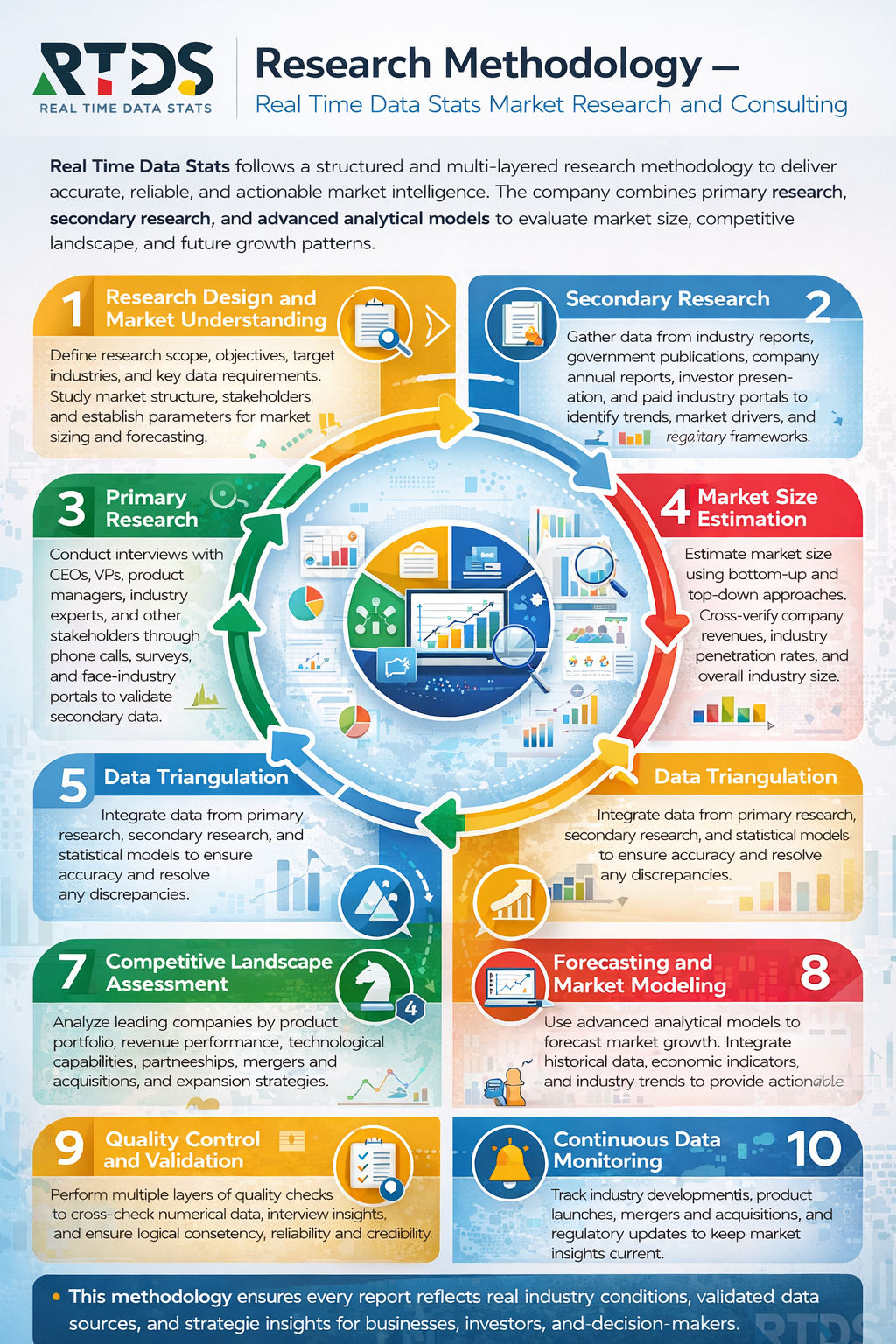
Research Methodology
- Primary research approach
- Secondary research sources
- Data triangulation methodology
- Market estimation techniques
- Assumptions and limitations
Executive Summary
- Global market snapshot
- Key growth highlights
- Major demand drivers
- Emerging opportunities
- Competitive intensity overview
Market Dynamics
- Market drivers
- Market restraints
- Market opportunities
- Market challenges
Industry trends and innovations
- Synthetic Chromatin Market Size Analysis
- Global market value assessment
- Historical market performance
- Current market scenario
- Future market outlook
- CAGR analysis
Synthetic Chromatin Market Segmentation Analysis
- By Type
- Recombinant chromatin
- Synthetic nucleosome arrays
- Modified histone complexes
- Epigenetically engineered chromatin
- DNA–protein hybrid chromatin
- Custom-designed chromatin constructs
- By Application
- Epigenetics research
- Drug discovery and screening
- Gene regulation studies
- Chromatin remodeling analysis
- Transcription mechanism research
- Disease modeling
- By Product
- Synthetic histones
- Nucleosome assembly kits
- Chromatin reconstitution kits
- Histone modification kits
- DNA template systems
- Ready-to-use chromatin samples
- By Technology
- Chemical synthesis
- Recombinant DNA technology
- In vitro chromatin assembly
- CRISPR-based chromatin engineering
- Enzymatic modification technology
- Nanotechnology-based synthesis
- By End User
- Academic research institutes
- Biotechnology companies
- Pharmaceutical companies
- Contract research organizations
- Government research laboratories
- Diagnostic research centers
- By Function
- Transcription regulation
- DNA replication studies
- DNA repair analysis
- Epigenetic modification control
- Protein–DNA interaction analysis
- Chromatin accessibility studies
- By Component
- DNA templates
- Core histones
- Histone variants
- Chromatin-associated proteins
- Enzymes and cofactors
- Buffers and reagents
- By Workflow
- Chromatin assembly
- Histone modification
- Structural validation
- Functional screening
- Data analysis
- Storage and preservation
- By Disease Area
- Cancer research
- Neurological disorders
- Genetic disorders
- Metabolic diseases
- Cardiovascular diseases
- Infectious diseases
Regional Market Analysis
- North America market assessment
- Europe market assessment
- Asia-Pacific market assessment
- Latin America market assessment
- Middle East market assessment
- Africa market assessment
Competitive Landscape
- Market share analysis
- Competitive benchmarking
- Strategic developments
- Mergers and acquisitions
- Partnerships and collaborations
Company Profiles
- Business overview
- Product portfolio
- Financial overview
- Strategic initiatives
- SWOT analysis
Future Outlook
- Technological advancements
- Investment trends
- Regulatory impact
- Emerging applications
- Long-term market potential
Conclusion
- Summary of Market Trends
- Key Drivers and Restraints
- Growth Opportunities
- Technology & Innovation Outlook
- Future Market Forecast
Appendix
- Abbreviations and acronyms
- Data sources
- Research assumptions
- Disclaimer
List of Tables
- Table:1: Global Synthetic Chromatin Market Overview
- Table:2: Market Size by Type
- Table:3: Market Size by Application
- Table:4: Market Size by Product
- Table:5: Market Size by Technology
- Table:6: Market Size by End User
- Table:7: Market Size by Function
- Table:8: Market Size by Component
- Table:9: Market Size by Workflow
- Table:10: Market Size by Disease Area
- Table:11: Regional Market Size Analysis
- Table:12: North America Market Breakdown
- Table:13: Europe Market Breakdown
- Table:14: Asia-Pacific Market Breakdown
- Table:15: Competitive Market Share Analysis
List of Figures
- Figure:1: Synthetic Chromatin Market Research Framework
- Figure:2: Global Market Size Trend Analysis
- Figure:3: Market Segmentation Overview
- Figure:4: Market Dynamics Impact Analysis
- Figure:5: Market Share by Type
- Figure:6: Market Share by Application
- Figure:7: Market Share by Product
- Figure:8: Market Share by Technology
- Figure:9: Market Share by End User
- Figure:10: Market Share by Disease Area
- Figure:11: Regional Market Contribution
- Figure:12: North America Market Structure
- Figure:13: Europe Market Structure
- Figure:14: Asia-Pacific Market Structure
- Figure:15: Competitive Landscape Matrix
Synthetic Chromatin Market Key Factors
Drivers:
- Rising adoption of synthetic chromatin accelerates epigenetic research and drug discovery.
- Expanding gene therapy and regenerative medicine applications increase product demand.
- Pharmaceutical and biotechnology companies invest heavily in advanced epigenetics tools.
Restraints:
- High development and production costs limit market accessibility for smaller entities.
- Technical complexities in synthesis and application hinder widespread adoption.
- Stringent regulatory frameworks for epigenetics-based therapies slow commercial timelines.
Opportunities:
- Emerging CRISPR-based chromatin engineering technologies create novel application pathways.
- Growing focus on personalized medicine opens new avenues for chromatin-based diagnostics and therapeutics.
- Increased research funding for oncology and neurology expands the potential user base.
Challenges:
- Standardizing quality and reproducibility across synthetic chromatin products remains difficult.
- The field faces a shortage of skilled professionals proficient in chromatin biology and engineering.
- Ethical and safety debates surrounding epigenetic manipulation pose reputational and regulatory risks.
Synthetic Chromatin Market Key Regional Trends
North America:
- Strong presence of leading biotech and pharmaceutical firms drives R&D and early adoption.
- High concentration of research funding from NIH and private investors fuels innovation.
- Accelerating clinical translation of epigenetics-based therapies, particularly in oncology.
Europe:
- Collaborative academic and industry partnerships advance foundational chromatin research.
- Supportive public funding initiatives, like EU framework programs, promote technology development.
- Growing focus on developing ethical guidelines for epigenetic engineering applications.
Asia-Pacific:
- Rapidly expanding biotechnology sector increases investment in epigenetics research infrastructure.
- Government initiatives actively support genomic and life science research, boosting demand.
- Rising prevalence of chronic diseases spurs interest in chromatin-related diagnostic and therapeutic solutions.
Frequently Asked Questions
Key Questions Answered
- What is the size and growth rate of the market industry?
- What are the main drivers influencing market growth trends?
- What are the key challenges and restraints faced by the market?
- What are the emerging trends and opportunities shaping the market?
- Who are the top players, and what strategies drive their success?
- What are the customer demographics and their buying behaviors?
- What are the key market segments, and what is their scope?
- What are the geographical dynamics, and which region dominates?
- What are the market forecasts and projections for the next decade?
- What regulatory factors are critical to consider for market growth?
Why Choose our Company?
- Major facts and stats backing every report we offer.
- Comprehensive analysis tailored to your business needs.
- Accurate insights backed by extensive market research.
- Expert support to address your queries promptly.
- Data-driven strategies for better decision-making.
- In-depth reports with actionable
recommendations. - Reliable statistics from trusted industry
sources. - Customizable reports to suit your specific goals.
- Unmatched quality and precision in market analysis.
- Competitive pricing with premium content delivery.
Share your experience!
We value you feedback. Please take a moment to review your experience with us.