
According to insights from Real Time Data Stats, the Synthetic Cellular Robotics Market was valued at USD 20 million in 2025. It is expected to grow from USD 27 million in 2026 to USD 285 million by 2033, registering a CAGR of 39.8% during the forecast period (2026–2033).
MARKET SIZE AND SHARE
The Synthetic Cellular Robotics Market is expected to witness strong growth, driven by increasing research investments and the demonstrated potential of bio-hybrid systems for highly precise, microscopic interventions in complex and previously inaccessible environments. Advancements in biotechnology, synthetic biology, and cellular engineering are accelerating innovation, enabling applications in targeted therapy, diagnostics, environmental monitoring, and advanced research. Rising funding from public institutions, private investors, and collaborative research programs is further supporting technology development and commercialization efforts across global markets.
Market share is likely to remain concentrated among leading biotechnology companies and academic spin-offs that hold foundational intellectual property and core technological expertise. North America currently holds a significant position due to robust government support, strong venture capital activity, and well-established research infrastructure. Over time, the market landscape is expected to become more diversified as specialized firms enter the space, focusing on niche applications such as targeted drug delivery, precision medicine, regenerative therapies, and environmental remediation, thereby contributing to broader industry expansion and competitive development.
INDUSTRY OVERVIEW AND STRATEGY
The Synthetic Cellular Robotics industry represents a frontier convergence of synthetic biology, nanotechnology, and robotics. It involves engineering artificial or modified living cells to perform programmed, mechanical tasks. Core applications are revolutionizing fields such as precision medicine, where these microscopic robots can perform intracellular surgery, and industrial biotechnology, for manufacturing novel materials. The industry is characterized by intense, interdisciplinary R&D and a race to translate laboratory proofs-of-concept into scalable, commercial platforms.
Key strategic imperatives for firms include securing robust patent portfolios around core design and fabrication techniques. Success hinges on forming strategic alliances with major pharmaceutical and healthcare corporations to co-develop therapeutic applications. Companies are also prioritizing modular platform strategies, creating adaptable cellular chassis that can be customized for various payloads and functions, thereby maximizing addressable market segments while controlling development costs and timelines.
Analyst Key Takeaways:
The Synthetic Cellular Robotics market is emerging as a high-growth convergence sector driven by advances in synthetic biology, biohybrid robotics, programmable living systems, and autonomous microscale engineering. Increasing research activity in engineered cells, smart biomaterials, and AI-assisted biological design is accelerating innovation across targeted therapeutics, regenerative medicine, precision drug delivery, and environmental sensing applications. The market is also benefiting from rising investments in next-generation bioautomation and cellular engineering platforms.
A key industry trend is the transition from experimental biohybrid prototypes toward functional cellular robotic systems capable of autonomous sensing, adaptive response, and self-directed actuation. Strong growth momentum in adjacent markets such as synthetic biology and biohybrid robotics validates long-term commercialization potential for synthetic cellular robotics. North America currently leads innovation activity due to advanced biotech infrastructure and research funding, while Asia-Pacific is expected to witness rapid expansion supported by increasing investments in synthetic biology and biomedical robotics research.
REGIONAL TRENDS AND GROWTH
North America leads, driven by substantial DARPA and NIH funding, a dense network of top research institutions, and a vibrant venture capital ecosystem focused on deep tech. Europe follows, emphasizing ethical frameworks and collaborative EU-funded projects that push foundational science. The Asia-Pacific region is identified as the fastest-growing market, with countries like China and Japan making strategic national investments to lead in biomanufacturing and next-generation medical technologies.
Primary growth drivers include unmet needs in targeted drug delivery for oncology and the demand for sustainable, cell-based industrial processes. A major restraint is the complex and evolving regulatory landscape governing genetically modified organisms. Significant opportunities lie in programmable tissue engineering and environmental monitoring. Critical challenges encompass public perception, biosecurity concerns, and the immense technical hurdle of achieving precise in vivo navigation and control of synthetic cellular assemblies.
SYNTHETIC CELLULAR ROBOTICS MARKET SEGMENTATION ANALYSIS
BY TYPE:
The market segmentation by type reflects the rapid diversification of synthetic cellular robotics architectures driven by functional specialization and system adaptability. Programmable cellular robots dominate research and early commercialization due to their ability to execute predefined biological tasks with high precision, making them suitable for controlled laboratory and pharmaceutical applications. Self-assembling and swarm-based cellular robots gain traction as they enable collective behavior, scalability, and fault tolerance, which are critical for complex biological environments. Biohybrid cellular robots attract significant investment as they merge living cells with synthetic frameworks, enhancing responsiveness and biocompatibility. Soft and autonomous cellular robots further expand adoption by enabling flexible movement and independent decision-making in constrained or dynamic environments.
Growth within this segment depends heavily on advancements in cellular programming, materials engineering, and control intelligence. Market players prioritize types that balance biological compatibility with operational stability, especially for medical and industrial use cases. Autonomous and swarm-based systems experience rising demand as industries seek decentralized, self-regulating robotic solutions. Meanwhile, programmable and biohybrid types remain central to early-stage deployments due to regulatory familiarity and predictable performance outcomes. The type-based segmentation continues to evolve as technological maturity shifts certain designs from experimental to commercially viable systems.
BY COMPONENT:
Component-based segmentation highlights the structural foundation of synthetic cellular robotics systems, where synthetic cells and genetic circuits serve as the functional core. Synthetic cells dominate component demand because they replicate essential biological behaviors while maintaining design flexibility. Genetic circuits play a critical role by enabling logic-based decision-making within cellular robots, directly influencing task accuracy and responsiveness. Control algorithms and communication interfaces gain importance as system complexity increases, allowing coordinated behavior, adaptive learning, and interaction with external platforms. Structural biomaterials and power modules support durability, energy efficiency, and environmental stability across applications.
The dominance of specific components depends on application requirements and system deployment environments. Medical and research-focused implementations prioritize high-performance synthetic cells and genetic circuits, while industrial applications emphasize robust control algorithms and communication interfaces. Power efficiency and miniaturization increasingly influence component innovation, pushing manufacturers to develop integrated, multifunctional modules. As commercialization accelerates, component interoperability and standardization emerge as decisive factors shaping procurement decisions and long-term system scalability.
BY TECHNOLOGY:
Technology segmentation reflects the interdisciplinary nature of synthetic cellular robotics, combining biology, engineering, and computational intelligence. Synthetic biology forms the backbone of this market by enabling the design and manipulation of cellular behavior at the molecular level. Microfluidics supports precise control over cellular environments, enhancing reproducibility and scalability. Nanotechnology strengthens system sensitivity and structural integrity, while molecular programming enables fine-tuned behavioral logic within cellular robots. Biofabrication technologies accelerate prototyping and enable scalable production of complex cellular constructs.
AI-guided control systems increasingly act as a differentiating technology, allowing real-time adaptation, predictive behavior, and autonomous optimization. Market growth within this segment depends on the seamless integration of biological and digital technologies. Organizations investing in cross-platform compatibility and hybrid technological stacks gain competitive advantage. As regulatory frameworks mature, technologies offering transparency, traceability, and controllability experience faster adoption, particularly in healthcare and regulated industrial sectors.
BY APPLICATION:
Application-based segmentation demonstrates the expanding utility of synthetic cellular robotics across high-impact sectors. Targeted drug delivery remains the most influential application due to its potential to improve therapeutic precision while minimizing side effects. Tissue engineering and precision diagnostics follow closely, driven by the need for advanced regenerative solutions and early disease detection. Environmental monitoring applications gain momentum as synthetic cellular robots enable real-time detection of pollutants and biochemical changes in complex ecosystems. Smart manufacturing and bio-computing applications emerge as future growth areas by leveraging cellular robots for adaptive production and biological data processing.
Demand patterns within this segment depend on regulatory readiness, funding availability, and technological maturity. Healthcare applications dominate revenue potential due to strong institutional support and clear value propositions. Industrial and environmental applications experience gradual adoption as reliability and scalability improve. Market participants increasingly align application development with unmet needs, focusing on solutions that deliver measurable performance improvements, cost efficiency, and long-term operational benefits.
BY END USER:
End-user segmentation highlights the institutional drivers shaping market adoption. Research institutes represent the primary end users, as they lead innovation, experimentation, and proof-of-concept development. Biotechnology and pharmaceutical companies follow closely, leveraging synthetic cellular robotics to accelerate drug discovery, testing, and delivery processes. Healthcare providers show growing interest as clinical applications become more feasible and regulatory clarity improves. Defense organizations and industrial manufacturers explore the technology for advanced sensing, adaptive systems, and autonomous operations.
End-user dominance varies by region and application maturity. Academic and research institutions drive early demand, while commercial entities increasingly fuel market expansion through applied research and pilot deployments. Industrial manufacturers prioritize scalability and operational reliability, whereas healthcare-focused end users emphasize safety and regulatory compliance. Strategic partnerships between end users and technology developers play a critical role in translating laboratory innovations into commercially viable solutions.
BY FUNCTIONALITY:
Functionality-based segmentation reflects the operational capabilities embedded within synthetic cellular robotics systems. Sensing and actuation functions dominate early adoption as they provide immediate value in detection and response tasks. Signal processing and adaptive response functionalities enhance system intelligence, enabling cellular robots to interpret environmental inputs and modify behavior dynamically. Autonomous navigation and self-replication functions represent advanced capabilities that attract research investment due to their transformative potential across applications.
Market growth within this segment depends on the balance between functional complexity and controllability. Simple sensing and actuation systems gain faster regulatory acceptance, while advanced functionalities face higher validation requirements. Developers increasingly prioritize modular functionality, allowing users to customize systems based on application needs. Functional reliability and predictability remain dominant factors influencing buyer confidence and long-term deployment.
BY DEPLOYMENT MODE:
Deployment mode segmentation distinguishes how and where synthetic cellular robotics systems operate. In-vitro deployment dominates current usage due to controlled conditions, ease of testing, and regulatory simplicity. In-vivo and ex-vivo systems gain momentum as medical applications advance, enabling direct interaction with biological systems. Laboratory-based deployment remains central for research and development, while industrial and field deployments expand as robustness and environmental tolerance improve.
Adoption trends depend on risk tolerance, application sensitivity, and regulatory frameworks. Medical and pharmaceutical sectors favor in-vitro and ex-vivo modes, whereas environmental and industrial users explore field deployments. Market participants invest heavily in deployment-specific optimization to ensure stability, safety, and performance consistency. The ability to transition systems across deployment modes increasingly defines competitive differentiation.
BY CONTROL MECHANISM:
Control mechanism segmentation highlights how synthetic cellular robots receive, process, and execute instructions. Chemical and genetic control mechanisms dominate foundational designs due to their natural compatibility with biological systems. Optical and electrical signal-based controls offer higher precision and faster response times, enabling external modulation and monitoring. AI-based and hybrid control systems gain prominence by combining multiple control pathways to enhance adaptability and decision-making accuracy.
Market expansion within this segment depends on control reliability, scalability, and transparency. Hybrid and AI-based mechanisms experience rising demand as they support complex, multi-variable environments. However, simpler control mechanisms retain strong adoption in regulated settings due to their predictability and ease of validation. Control innovation remains a critical focus area as it directly impacts system safety, responsiveness, and operational effectiveness.
BY MATERIAL TYPE:
Material-based segmentation defines the physical and biochemical composition of synthetic cellular robotics. Lipid-based and protein-based materials dominate due to their biocompatibility and functional resemblance to natural cells. Polymer-based and hydrogel materials offer structural flexibility, durability, and tunable properties, making them suitable for diverse applications. Nanocomposite and bio-derived materials gain interest as they enhance mechanical strength, responsiveness, and environmental stability.
Material selection depends on application requirements, deployment conditions, and cost considerations. Healthcare applications prioritize biocompatibility and degradation control, while industrial uses emphasize durability and performance consistency. Continuous material innovation enables longer operational lifespans and improved system integration. Material scalability and manufacturing feasibility increasingly influence commercialization timelines and market penetration.
RECENT DEVELOPMENTS
- In Jan 2024: Ginkgo Bioworks and ArcelorMittal launched a project to engineer microbial robots for sustainable steel production, aiming to reduce carbon emissions through bio-based processing.
- In Jun 2024: Synlogic announced positive Phase II clinical results for its Synthetic Biotic™ medicine, a programmable bacterial therapeutic, demonstrating efficacy in treating metabolic disorders.
- In Sep 2024: A research team from the University of Pennsylvania published a breakthrough in Science on creating ""cyborg cells"" with integrated synthetic polymers, enhancing their stability and functionality for targeted delivery.
- In Nov 2024: Bosch and startup BactoJoy partnered to develop microbial robots for industrial maintenance, focusing on autonomous corrosion detection and biofilm prevention within machinery.
- In Feb 2025: The FDA granted Breakthrough Device designation to a collaborative project by Zymergen and a medical device firm for a synthetic cellular robotic system designed for precise intratumoral drug delivery.
KEY PLAYERS ANALYSIS
- Ginkgo Bioworks
- Synlogic, Inc.
- Zymergen
- Amyris
- Bristol Myers Squibb (via partnerships)
- Novartis AG (via investments in cell therapy)
- Bayer AG (Leaps by Bayer)
- Merck KGaA
- Twist Bioscience
- Codexis, Inc.
- Synthetic Genomics
- Precirix (for targeted radiopharma)
- Senti Biosciences
- LabGenius
- ArcelorMittal (via R&D collaborations)
- Bosch (via research ventures)
- LanzaTech
- Genomatica
- Insilico Medicine
- BactoJoy
Synthetic Cellular Robotics Market Segmentation Analysis
By Type:
- Programmable Cellular Robots
- Self-Assembling Cellular Robots
- Biohybrid Cellular Robots
- Swarm-Based Cellular Robots
- Soft Cellular Robots
- Autonomous Cellular Robots
By Component:
- Synthetic Cells
- Genetic Circuits
- Control Algorithms
- Power Modules
- Communication Interfaces
- Structural Biomaterials
By Technology:
- Synthetic Biology
- Microfluidics
- Nanotechnology
- AI-Guided Control Systems
- Molecular Programming
- Biofabrication
By Application:
- Targeted Drug Delivery
- Tissue Engineering
- Environmental Monitoring
- Precision Diagnostics
- Smart Manufacturing
- Bio-Computing
By End User:
- Research Institutes
- Biotechnology Companies
- Pharmaceutical Companies
- Healthcare Providers
- Defense Organizations
- Industrial Manufacturers
By Functionality:
- Sensing
- Actuation
- Self-Replication
- Adaptive Response
- Signal Processing
- Autonomous Navigation
By Deployment Mode:
- In-Vitro Systems
- In-Vivo Systems
- Ex-Vivo Systems
- Laboratory Deployment
- Industrial Deployment
- Field Deployment
By Control Mechanism:
- Chemical Signal-Based Control
- Electrical Signal-Based Control
- Optical Control
- Genetic Control
- AI-Based Control
- Hybrid Control Systems
By Material Type:
- Lipid-Based Materials
- Polymer-Based Materials
- Protein-Based Materials
- Hydrogel Materials
- Nanocomposite Materials
- Bio-Derived Materials
By Geography:
- North America (USA, Canada, Mexico)
- Europe (UK, Germany, France, Italy, Spain, Rest of Europe)
- Asia-Pacific (China, Japan, Australia, South Korea, India, Rest of Asia-Pacific)
- South America (Brazil, Argentina, Rest of South America)
- Middle East and Africa (GCC Countries, South Africa, Rest of MEA)
Synthetic Cellular Robotics Market: Table of Contents
Introduction
- Market Definition and Scope
- Synthetic Cellular Robotics Overview
- Evolution of Cellular Robotics
- Market Ecosystem Analysis
- Key Stakeholders
Research Methodology
- Research Framework
- Primary Research Approach
- Secondary Research Sources
- Data Triangulation Method
- Assumptions and Limitations
Executive Summary
- Market Snapshot
- Key Market Highlights
- Strategic Insights
- Emerging Opportunities
Market Dynamics
- Market Drivers
- Market Restraints
- Market Opportunities
- Market Challenges
Regulatory Landscape
- Technology Landscape
- Synthetic Biology Integration
- AI and Machine Learning Role
- Microfluidics Advancements
- Nanotechnology Applications
- Biofabrication Techniques
Synthetic Cellular Robotics Market Segmentation
- By Type
- Programmable Cellular Robots
- Self-Assembling Cellular Robots
- Biohybrid Cellular Robots
- Swarm-Based Cellular Robots
- Soft Cellular Robots
- Autonomous Cellular Robots
- By Component
- Synthetic Cells
- Genetic Circuits
- Control Algorithms
- Power Modules
- Communication Interfaces
- Structural Biomaterials
- By Technology
- Synthetic Biology
- Microfluidics
- Nanotechnology
- AI-Guided Control Systems
- Molecular Programming
- Biofabrication
- By Application
- Targeted Drug Delivery
- Tissue Engineering
- Environmental Monitoring
- Precision Diagnostics
- Smart Manufacturing
- Bio-Computing
- By End User
- Research Institutes
- Biotechnology Companies
- Pharmaceutical Companies
- Healthcare Providers
- Defense Organizations
- Industrial Manufacturers
- By Functionality
- Sensing
- Actuation
- Self-Replication
- Adaptive Response
- Signal Processing
- Autonomous Navigation
- By Deployment Mode
- In-Vitro Systems
- In-Vivo Systems
- Ex-Vivo Systems
- Laboratory Deployment
- Industrial Deployment
- Field Deployment
- By Control Mechanism
- Chemical Signal-Based Control
- Electrical Signal-Based Control
- Optical Control
- Genetic Control
- AI-Based Control
- Hybrid Control Systems
- By Material Type
- Lipid-Based Materials
- Polymer-Based Materials
- Protein-Based Materials
- Hydrogel Materials
- Nanocomposite Materials
- Bio-Derived Materials
Regional Market Analysis
- North America Market Overview
- Europe Market Overview
- Asia-Pacific Market Overview
- Latin America Market Overview
- Middle East Market Overview
- Africa Market Overview
Competitive Landscape
- Market Share Analysis
- Competitive Positioning Matrix
- Strategic Initiatives
- Partnerships and Collaborations
- Mergers and Acquisitions
Company Profiles
- Company Overview
- Product Portfolio
- Strategic Developments
- Financial Performance
- SWOT Analysis
Future Outlook
- Market Forecast
- Innovation Roadmap
- Investment Trends
- Long-Term Growth Prospects
Conclusion
- Summary of Market Trends
- Key Drivers and Restraints
- Growth Opportunities
- Technology & Innovation Outlook
- Future Market Forecast
Appendix
- Abbreviations and Acronyms
- Data Sources
- Methodology Notes
List of Tables
- Table:1: Global Synthetic Cellular Robotics Market Overview
- Table:2: Market Segmentation by Type
- Table:3: Market Segmentation by Component
- Table:4: Market Segmentation by Technology
- Table:5: Market Segmentation by Application
- Table:6: Market Segmentation by End User
- Table:7: Market Segmentation by Functionality
- Table:8: Market Segmentation by Deployment Mode
- Table:9: Market Segmentation by Control Mechanism
- Table:10: Market Segmentation by Material Type
- Table:11: Regional Market Analysis Summary
- Table:12: Competitive Landscape Overview
- Table:13: Key Company Profiles
- Table:14: Strategic Developments Analysis
- Table:15: Market Forecast Summary
List of Figures
- Figure:1: Synthetic Cellular Robotics Market Ecosystem
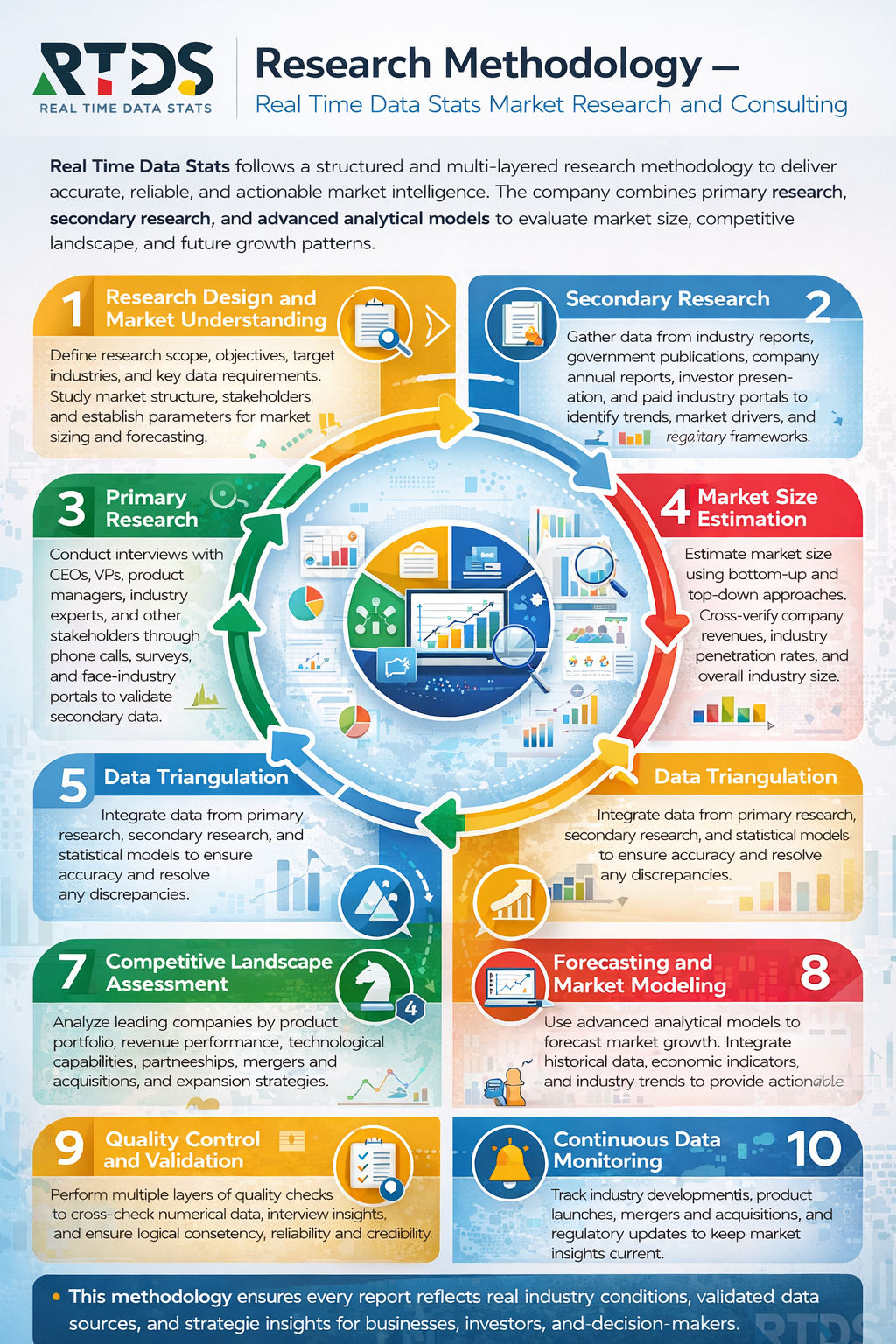
- Figure:2: Research Methodology Flowchart
- Figure:3: Market Dynamics Framework
- Figure:4: Technology Landscape Overview
- Figure:5: Market Segmentation Structure
- Figure:6: By Type Market Share Visualization
- Figure:7: By Application Market Share Visualization
- Figure:8: Regional Market Distribution
- Figure:9: Competitive Positioning Matrix
- Figure:10: Value Chain Analysis
- Figure:11: Innovation Roadmap
- Figure:12: Investment Trend Analysis
- Figure:13: Strategic Partnership Landscape
- Figure:14: Market Growth Opportunity Map
- Figure:15: Future Market Outlook Visualization
Synthetic Cellular Robotics Market Key Factors
Drivers:
- Increasing demand for targeted drug delivery systems accelerates research.
- Rising investments in nanomedicine and synthetic biology fuel development.
- The need for minimally invasive surgical procedures expands potential applications.
Restraints:
- High research and development costs limit widespread commercialization.
- Unclear regulatory pathways delay clinical testing and product approval.
- Potential ethical concerns and public perception challenge adoption.
Opportunities:
- Advances in AI and machine learning enhance design and control capabilities.
- Expanding into environmental monitoring and bioremediation opens new sectors.
- Strategic partnerships between academia and industry accelerate translation.
Challenges:
- Ensuring biocompatibility and preventing immune responses remains difficult.
- Technical hurdles in manufacturing at scale persist.
- Long-term safety and efficacy data are currently insufficient.
Synthetic Cellular Robotics Market Key Regional Trends
North America:
- Significant government and venture capital funding supports pioneering research.
- Strong academic-industry collaborations drive rapid technological advancements.
- Regulatory agencies actively engage to shape evolving approval frameworks.
Europe:
- Robust public funding focuses on ethical and safety-centric development.
- Cross-border consortia promote standardization and collaborative R&D.
- Growing interest in applying technologies to precision medicine initiatives.
Asia-Pacific:
- Governments strategically invest to build domestic research and manufacturing capacity.
- Rising healthcare demands spur exploration for diagnostic and therapeutic uses.
- Increasing number of startups and research publications signal rapid market emergence.
Frequently Asked Questions
Key Questions Answered
- What is the size and growth rate of the market industry?
- What are the main drivers influencing market growth trends?
- What are the key challenges and restraints faced by the market?
- What are the emerging trends and opportunities shaping the market?
- Who are the top players, and what strategies drive their success?
- What are the customer demographics and their buying behaviors?
- What are the key market segments, and what is their scope?
- What are the geographical dynamics, and which region dominates?
- What are the market forecasts and projections for the next decade?
- What regulatory factors are critical to consider for market growth?
Why Choose our Company?
- Major facts and stats backing every report we offer.
- Comprehensive analysis tailored to your business needs.
- Accurate insights backed by extensive market research.
- Expert support to address your queries promptly.
- Data-driven strategies for better decision-making.
- In-depth reports with actionable
recommendations. - Reliable statistics from trusted industry
sources. - Customizable reports to suit your specific goals.
- Unmatched quality and precision in market analysis.
- Competitive pricing with premium content delivery.
Share your experience!
We value you feedback. Please take a moment to review your experience with us.