
According to insights from Real Time Data Stats, the Synthetic Biofertilizers Market was valued at USD 290 million in 2025. It is expected to grow from USD 340 million in 2026 to USD 1,010 million by 2033, registering a CAGR of 16.8% during the forecast period (2026–2033).
MARKET SIZE AND SHARE
The Synthetic Biofertilizers Market is expanding steadily, driven by the growing need for sustainable agriculture, improved soil health, and reduced dependence on chemical fertilizers. Rising awareness of environmentally friendly farming practices, combined with increasing demand for higher crop productivity, is supporting market growth across both developed and emerging agricultural economies.
Market share is concentrated among leading companies focused on advancing microbial and biochemical formulations to enhance agricultural performance. North America and Europe currently account for significant shares due to established farming practices and supportive regulatory frameworks. Meanwhile, the Asia-Pacific region is expected to gain a larger market share, supported by extensive agricultural activity, rising adoption of bio-based inputs, and government initiatives promoting sustainable farming solutions.
INDUSTRY OVERVIEW AND STRATEGY
The synthetic biofertilizer industry merges biotechnology with conventional agronomy, producing engineered microorganisms and biostimulants that enhance nutrient uptake. This sector responds to critical challenges like soil degradation and chemical runoff, positioning itself as a cornerstone for the future of precision and regenerative farming. The industry is characterized by intensive research and development, with companies striving to create more efficient and crop-specific formulations to replace synthetic chemical fertilizers.
Key strategies for market players include vertical integration, from strain development to direct farmer education, and forging partnerships with agricultural distributors. Companies are heavily investing in advanced fermentation technologies and digital farming tools to demonstrate product efficacy. Strategic acquisitions of biotech startups and securing long-term supply contracts with large agribusinesses are crucial for scaling production and capturing market share in this rapidly evolving space.
Analyst Key Takeaways:
The Synthetic Biofertilizers Market is gaining momentum as agricultural producers increasingly seek sustainable alternatives to conventional chemical fertilizers. Advances in synthetic biology, microbial engineering, and precision agriculture are enabling the development of highly efficient biofertilizer solutions that improve nutrient utilization, enhance soil health, and support crop productivity while reducing environmental impact.
Growing regulatory support for sustainable farming practices and rising demand for eco-friendly agricultural inputs are accelerating market adoption across both developed and emerging economies. Continuous innovation in engineered microbial formulations, coupled with increasing investments in agricultural biotechnology research, is expected to strengthen the market's long-term growth prospects and expand its application across diverse crop types and farming systems.
REGIONAL TRENDS AND GROWTH
Regional trends show North America and Europe leading with strict regulations on nitrates and strong organic certification frameworks, driving adoption. The Asia-Pacific region emerges as the fastest-growing market, with countries like India and China implementing national missions to reduce chemical fertilizer dependence. Latin America shows strong uptake in major exporting nations like Brazil, where large-scale farms integrate synthetic biofertilizers to maintain soil health for continuous cultivation, creating distinct regional demand patterns.
Primary growth drivers include escalating food security concerns and climate-smart agriculture policies. Key restraints are high product costs and variable field efficacy. Significant opportunities lie in developing customized microbial consortia and expanding into untapped markets. Major challenges involve farmer skepticism, complex regulatory pathways for engineered strains, and the need for robust cold-chain logistics to maintain product viability, which must be addressed for sustained growth.
SYNTHETIC BIOFERTILIZERS MARKET SEGMENTATION ANALYSIS
BY TYPE:
Nitrogen-fixing, Phosphate-solubilizing, and Potassium-solubilizing Biofertilizers represent the most dominant core categories because they directly address the primary macronutrient deficiencies in soil. Nitrogen-fixing variants are widely adopted due to their ability to reduce dependence on chemical urea and improve crop yield sustainability, especially in cereal and grain cultivation. Phosphate-solubilizing biofertilizers gain strong traction in regions with phosphorus-locked soils where nutrient availability is limited despite fertilizer application. Potassium-solubilizing types are increasingly important in improving plant resistance to drought and disease, which acts as a significant growth factor in arid and semi-arid agricultural zones.
Sulfur-solubilizing, Zinc-solubilizing, and Multifunctional Biofertilizers are emerging as high-value segments driven by micronutrient management and precision agriculture trends. Sulfur-based products are witnessing rising demand due to their role in oilseed and pulse productivity, while zinc-solubilizing biofertilizers are becoming crucial in correcting micronutrient deficiencies that impact crop quality and nutritional value. Multifunctional biofertilizers dominate innovation pipelines because they combine multiple nutrient-mobilizing capabilities, reducing application costs and improving farmer convenience, which acts as a key competitive and adoption driver.
BY APPLICATION:
Cereals & Grains, Fruits & Vegetables, and Oilseeds & Pulses account for the largest share due to their direct linkage with food security and export-oriented agriculture. Cereals and grains dominate usage because large-scale farming operations seek cost-efficient nutrient alternatives to chemical fertilizers. Fruits and vegetables show rapid growth owing to increasing consumer demand for residue-free produce and organic labeling advantages. Oilseeds and pulses benefit strongly from biofertilizer use because these crops are highly responsive to soil microbial enrichment and nutrient balancing.
Horticultural Crops, Plantation Crops, and Turf & Landscaping represent expanding niche applications fueled by quality enhancement and soil health maintenance priorities. Horticulture drives demand through greenhouse farming, floriculture, and ornamental plant production where soil conditioning is critical. Plantation crops such as tea, coffee, and rubber utilize biofertilizers for long-term soil productivity and export quality compliance. Turf and landscaping applications are growing in urban development projects where eco-friendly soil solutions and aesthetic maintenance are dominant influencing factors.
BY FORM:
Liquid, Powder, and Granular Biofertilizers hold significant market presence due to ease of storage, transportation, and field applicability. Liquid formulations dominate technologically advanced markets because of their longer shelf life, uniform microbial distribution, and compatibility with irrigation systems. Powder forms remain popular in cost-sensitive regions where affordability and wide distribution networks drive purchasing decisions. Granular biofertilizers gain traction in mechanized farming due to their compatibility with spreaders and large-scale field operations.
Gel-based, Tablet-based, and Carrier-based Biofertilizers are innovation-oriented segments shaped by convenience and precision delivery factors. Gel and tablet formats are increasingly adopted for controlled nutrient release and minimal wastage, making them attractive in high-value crop farming. Carrier-based products continue to dominate rural and traditional markets because of their low production costs and adaptability with local soil conditions, acting as a strong accessibility and affordability driver.
BY CROP TYPE:
Food Crops, Cash Crops, and Commercial Crops collectively drive the majority of demand because these categories directly influence national agricultural output and export revenues. Food crops such as wheat and rice benefit from nitrogen-fixing and phosphate-solubilizing solutions that enhance yield stability. Cash crops including cotton and sugarcane show increasing reliance on biofertilizers to maintain soil fertility across repeated harvest cycles. Commercial crops push demand further as agribusinesses prioritize sustainable productivity and regulatory compliance.
Perennial Crops, Vegetables & Fruits, and Medicinal & Aromatic Crops represent high-growth segments driven by quality sensitivity and soil longevity requirements. Perennial crops depend heavily on soil microbial balance due to their long cultivation cycles. Vegetables and fruits see rising adoption as consumer awareness of chemical-free produce grows globally. Medicinal and aromatic crops require strict quality standards, making biofertilizers a dominant factor in preserving purity, potency, and export certifications.
BY MODE OF APPLICATION:
Seed Treatment, Soil Application, and Foliar Spray are the most widely used methods due to their direct impact on early plant development and nutrient absorption efficiency. Seed treatment dominates because it ensures immediate microbial colonization and strong root establishment. Soil application remains the traditional and most accessible approach, particularly in large-scale farming environments. Foliar spray adoption is increasing as it allows rapid nutrient delivery and visible crop response, which strongly influences farmer confidence.
Root Dipping, Drip Irrigation, and Fertigation are technologically progressive modes driven by precision agriculture and water-efficient farming practices. Root dipping is common in transplant crops where early vigor is essential. Drip irrigation and fertigation methods are expanding rapidly in greenhouse and horticulture sectors due to their efficient nutrient distribution and reduced wastage, making them dominant in high-investment farming ecosystems.
BY FUNCTION:
Growth Promotion, Soil Fertility Enhancement, and Disease Resistance form the functional backbone of the market as they directly correlate with yield improvement and crop protection. Growth-promoting biofertilizers are widely demanded because they accelerate plant metabolism and biomass production. Soil fertility enhancement remains the strongest long-term driver as farmers seek to reverse soil degradation caused by chemical overuse. Disease resistance functions gain importance as biological crop protection becomes a safer alternative to pesticides.
Stress Tolerance, Nutrient Uptake Efficiency, and Soil Microbial Activity Improvement are advanced functional segments influenced by climate variability and sustainability goals. Stress tolerance solutions are critical in drought-prone and saline regions where crop resilience determines profitability. Nutrient uptake efficiency biofertilizers reduce input costs and improve productivity ratios, while microbial activity enhancement ensures long-term soil ecosystem balance, making these factors central to sustainable agriculture strategies.
BY END-USER:
Commercial Farmers, Smallholder Farmers, and Organic Farms dominate overall consumption due to their direct involvement in cultivation activities. Commercial farmers invest heavily in biofertilizers to optimize yield and reduce chemical dependency at scale. Smallholder farmers adopt them gradually due to affordability benefits and government subsidy programs. Organic farms represent a rapidly expanding segment as certification requirements and premium pricing create strong economic incentives.
Agricultural Cooperatives, Horticulture & Nursery, and Government & Research Institutions contribute significantly through distribution, experimentation, and policy support. Cooperatives act as collective buyers and awareness drivers in rural regions. Horticulture and nursery operators rely on biofertilizers for plant quality and survival rates. Government bodies and research institutions fuel market expansion through field trials, subsidies, and sustainable agriculture initiatives, making institutional backing a dominant growth catalyst.
BY TECHNOLOGY:
Microbial Inoculants, Bio-stimulants Integration, and Carrier-based Formulations lead the technological landscape because they offer proven efficiency and scalability. Microbial inoculants remain the most established technology due to their targeted nutrient mobilization. Bio-stimulant integration is gaining momentum as farmers seek multifunctional benefits beyond fertilization. Carrier-based formulations continue to dominate cost-efficient markets because of their simple production and adaptability.
Encapsulated Biofertilizers, Fermentation-based Production, and Nano Biofertilizers represent high-innovation segments driven by research advancements and precision delivery demands. Encapsulation enhances shelf life and controlled release, fermentation technologies enable large-scale microbial production, and nano biofertilizers are emerging as a futuristic solution offering higher nutrient efficiency and reduced application volume, positioning them as strong future growth drivers.
BY PACKAGING:
Small Pack, Medium Pack, and Large Pack packaging cater primarily to farmer purchasing capacity and landholding size. Small packs dominate retail channels and smallholder usage due to affordability and trial convenience. Medium packs balance cost efficiency and usability for mid-scale farms. Large packs are preferred by commercial agricultural enterprises seeking bulk purchasing advantages and reduced logistics costs.
Bulk Packaging, Sachet Packs, and Bottle Packs address distribution efficiency and product stability considerations. Bulk packaging is widely used in cooperatives and institutional procurement for cost optimization. Sachet packs are effective in promotional and rural outreach programs because of their low entry price. Bottle packs dominate liquid biofertilizer sales as they provide better preservation, accurate measurement, and transportation safety, making packaging innovation a notable competitive factor in the market.
RECENT DEVELOPMENTS
- In Jan 2024: Pivot Bio launched its PROVEN® 40 on-farm production system, enabling growers to produce their own nitrogen-fixing microbial biofertilizer, representing a major shift in decentralized production and supply chain models.
- In Mar 2024: Novozymes and Bayer expanded their multi-year BioAg alliance, focusing on developing next-generation synthetic biofertilizers that combine multiple microbial strains for enhanced nutrient efficiency in major row crops.
- In Aug 2024: Kula Bio announced a $10 million grant from the U.S. Department of Energy to scale its patented sustainable manufacturing process for producing nitrogen-fixing biofertilizers, aiming to drastically reduce production costs.
- In Nov 2024: Azotic Technologies received regulatory approval in Brazil for its N-fixing biofertilizer, enabling its entry into one of the world's largest agricultural markets and targeting widespread use in soybean and corn cultivation.
- In Feb 2025: Locus AG reported groundbreaking 3-year field trial data showing its carbon-trapping microbial biofertilizers increased corn yields by over 12% while significantly boosting soil organic carbon, enhancing their carbon credit value proposition.
KEY PLAYERS ANALYSIS
- Novozymes A/S
- UPL Limited
- Syngenta AG (Part of Syngenta Group)
- BASF SE
- Bayer AG
- Hansen Holding A/S
- Lallemand Inc.
- Koppert Biological Systems
- Pivot Bio
- Locus Agricultural Solutions (Locus AG)
- Azotic Technologies Ltd.
- Kula Bio
- Vegalab SA
- AgriLife
- Symborg
- Rizobacter
- Mapleton Agri Biotec Pty Ltd
- Stanes & Company Limited
- Biomax Naturals
- Kan Biosys Pvt. Ltd.
Synthetic Biofertilizers Market Segmentation Analysis
By Type:
- Nitrogen-fixing Biofertilizers
- Phosphate-solubilizing Biofertilizers
- Potassium-solubilizing Biofertilizers
- Sulfur-solubilizing Biofertilizers
- Zinc-solubilizing Biofertilizers
- Multifunctional Biofertilizers
By Application:
- Cereals & Grains
- Fruits & Vegetables
- Oilseeds & Pulses
- Horticultural Crops
- Plantation Crops
- Turf & Landscaping
By Form:
- Liquid Biofertilizers
- Powder Biofertilizers
- Granular Biofertilizers
- Gel-based Biofertilizers
- Tablet-based Biofertilizers
- Carrier-based Biofertilizers
By Crop Type:
- Food Crops
- Cash Crops
- Commercial Crops
- Perennial Crops
- Vegetables & Fruits
- Medicinal & Aromatic Crops
By Mode of Application:
- Seed Treatment
- Soil Application
- Foliar Spray
- Root Dipping
- Drip Irrigation
- Fertigation
By Function:
- Growth Promotion
- Soil Fertility Enhancement
- Disease Resistance
- Stress Tolerance
- Nutrient Uptake Efficiency
- Soil Microbial Activity Improvement
By End-User:
- Commercial Farmers
- Smallholder Farmers
- Organic Farms
- Agricultural Cooperatives
- Horticulture & Nursery
- Government & Research Institutions
By Technology:
- Microbial Inoculants
- Bio-stimulants Integration
- Carrier-based Formulations
- Encapsulated Biofertilizers
- Fermentation-based Production
- Nano Biofertilizers
By Packaging:
- Small Pack (≤1 kg/liter)
- Medium Pack (1–5 kg/liter)
- Large Pack (5–10 kg/liter)
- Bulk Packaging (>10 kg/liter)
- Sachet Packs
- Bottle Packs
By Geography:
- North America (USA, Canada, Mexico)
- Europe (UK, Germany, France, Italy, Spain, Rest of Europe)
- Asia-Pacific (China, Japan, Australia, South Korea, India, Rest of Asia-Pacific)
- South America (Brazil, Argentina, Rest of South America)
- Middle East and Africa (GCC Countries, South Africa, Rest of MEA)
Synthetic Biofertilizers Market: Table of Contents
Executive Summary
- Market snapshot
- Key insights
- Demand outlook
- Growth highlights
- Strategic recommendations
Market Introduction
- Definition of synthetic biofertilizers
- Scope of the study
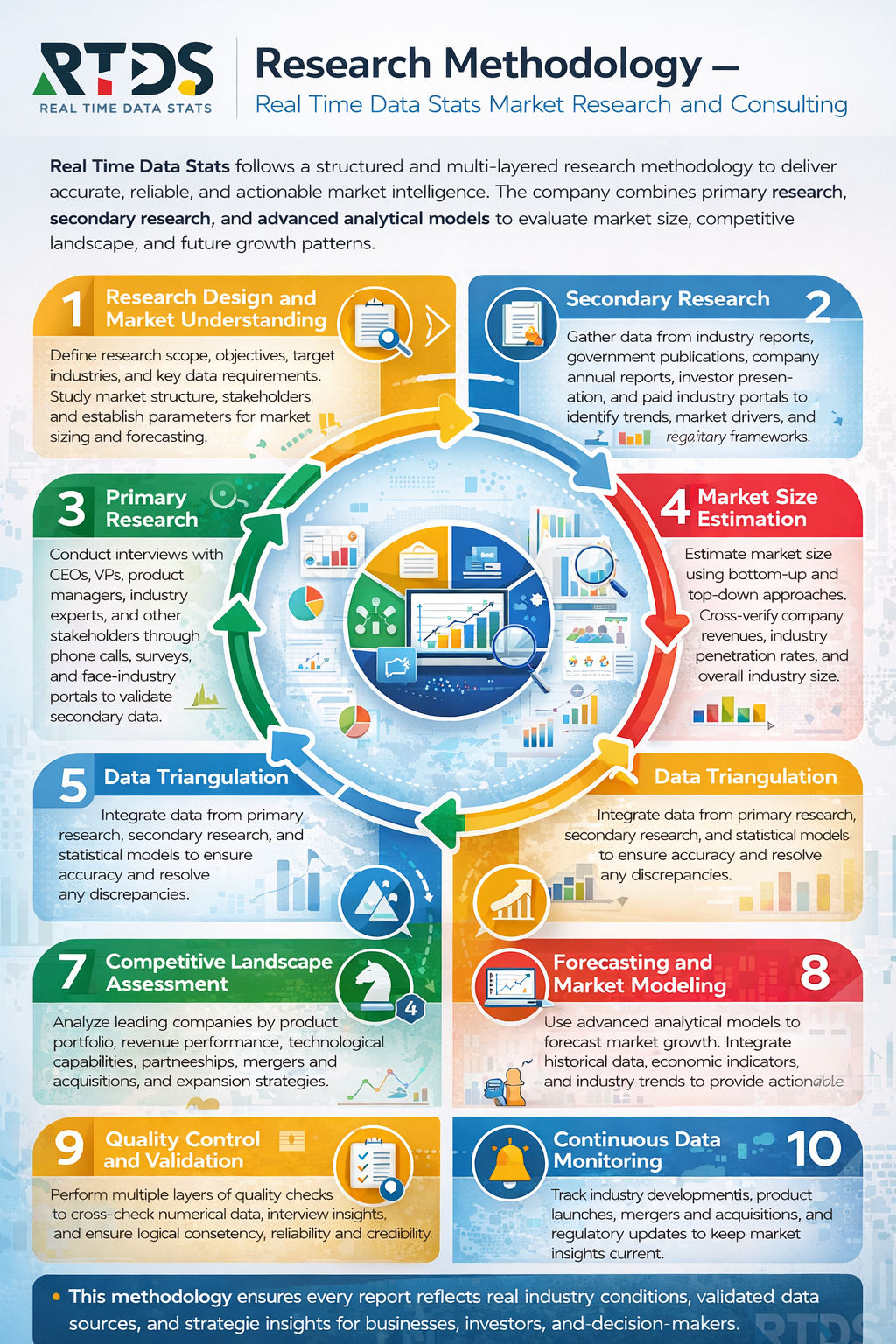
- Research methodology
- Assumptions and limitations
Market Overview
- Evolution of biofertilizer technologies
- Transition from conventional to synthetic biofertilizers
- Market ecosystem
- Value chain analysis
- Supply chain dynamics
Market Dynamics
- Market drivers
- Market restraints
- Market challenges
Technology Landscape
- Microbial strain engineering
- Synthetic biology applications
- Fermentation technologies
- Carrier material innovations
- Controlled release mechanisms
Synthetic Biofertilizers Market Segmentation Analysis
- By Type:
- Nitrogen-fixing Biofertilizers
- Phosphate-solubilizing Biofertilizers
- Potassium-solubilizing Biofertilizers
- Sulfur-solubilizing Biofertilizers
- Zinc-solubilizing Biofertilizers
- Multifunctional Biofertilizers
- By Application:
- Cereals & Grains
- Fruits & Vegetables
- Oilseeds & Pulses
- Horticultural Crops
- Plantation Crops
- Turf & Landscaping
- By Form:
- Liquid Biofertilizers
- Powder Biofertilizers
- Granular Biofertilizers
- Gel-based Biofertilizers
- Tablet-based Biofertilizers
- Carrier-based Biofertilizers
- By Crop Type:
- Food Crops
- Cash Crops
- Commercial Crops
- Perennial Crops
- Vegetables & Fruits
- Medicinal & Aromatic Crops
- By Mode of Application:
- Seed Treatment
- Soil Application
- Foliar Spray
- Root Dipping
- Drip Irrigation
- Fertigation
- By Function:
- Growth Promotion
- Soil Fertility Enhancement
- Disease Resistance
- Stress Tolerance
- Nutrient Uptake Efficiency
- Soil Microbial Activity Improvement
- By End-User:
- Commercial Farmers
- Smallholder Farmers
- Organic Farms
- Agricultural Cooperatives
- Horticulture & Nursery
- Government & Research Institutions
- By Technology:
- Microbial Inoculants
- Bio-stimulants Integration
- Carrier-based Formulations
- Encapsulated Biofertilizers
- Fermentation-based Production
- Nano Biofertilizers
- By Packaging:
- Small Pack (≤1 kg/liter)
- Medium Pack (1–5 kg/liter)
- Large Pack (5–10 kg/liter)
- Bulk Packaging (>10 kg/liter)
- Sachet Packs
- Bottle Packs
Regional Analysis
- North America
- Europe
- Asia Pacific
- Latin America
- Middle East & Africa
Competitive Landscape
- Market share analysis
- Strategic initiatives
- Product innovation trends
- Partnerships and collaborations
- Mergers and acquisitions
Company Profiles
- Company overview
- Product portfolio
- Financial performance
- Strategic developments
- SWOT analysis
Pricing Analysis
- Raw material cost trends
- Production cost structure
- Regional price variations
- Margin analysis
Regulatory Framework
- Biofertilizer approval processes
- Environmental safety standards
- Labeling and compliance norms
- Sustainability and Environmental Impact
- Soil biodiversity benefits
- Reduction in chemical fertilizer usage
- Carbon footprint implications
Future Outlook and Market Forecast
- Demand projections
- Technology adoption trends
- Investment outlook
Conclusion
- Sustainable shift
- Efficiency gains
- Adoption rising
- Emerging demand
- Innovation driven
- Soil focus
- Partnerships growing
Appendix
- Abbreviations
- Research methodology details
- Data sources
- Disclaimer
List of Tables
- Table:1: Global Synthetic Biofertilizers Market Snapshot
- Table:2: Key Market Drivers and Impact Analysis
- Table:3: Synthetic Biofertilizers vs Conventional Fertilizers Comparison
- Table:4: Value Chain Margin Analysis
- Table:5: Technology Adoption Trends by Region
- Table:6: Product Type Market Share Distribution
- Table:7: Microorganism Type Performance Comparison
- Table:8: Application Method Efficiency Comparison
- Table:9: Formulation Stability Characteristics
- Table:10: Crop Type Demand Analysis
- Table:11: End User Adoption Rates
- Table:12: Regional Regulatory Framework Summary
- Table:13: Competitive Market Share Analysis
- Table:14: Pricing Trend Analysis by Region
- Table:15: Market Forecast by Segment
List of Figures
- Figure:1: Synthetic Biofertilizers Market Growth Trend
- Figure:2: Market Ecosystem Diagram
- Figure:3: Value Chain Flowchart
- Figure:4: Market Dynamics Overview
- Figure:5: Technology Innovation Landscape
- Figure:6: Product Type Segmentation Chart
- Figure:7: Microorganism Type Distribution
- Figure:8: Application Method Share Analysis
- Figure:9: Formulation Type Breakdown
- Figure:10: Crop Type Consumption Pattern
- Figure:11: Regional Market Share Map
- Figure:12: Competitive Positioning Matrix
- Figure:13: Pricing Structure Breakdown
- Figure:14: Regulatory Approval Process Flow
- Figure:15: Market Forecast Growth Projection
Synthetic Biofertilizers Market Key Factors
Drivers:
- Governments actively promote sustainable agriculture through policies and subsidies.
- Rising consumer demand for organic food expands the market.
- Farmers seek to improve soil health and reduce chemical dependency.
Restraints:
- High initial product costs hinder widespread farmer adoption.
- Short shelf-life and specific storage conditions challenge distribution.
- Variable efficacy under different field conditions affects farmer trust.
Opportunities:
- Advancements in microbial strain technology enhance product performance.
- Expanding into emerging economies with large agricultural sectors offers growth.
- Combining biofertilizers with traditional inputs creates integrated solutions.
Challenges:
- Lack of standardized regulations creates market inconsistency.
- Educating farmers about proper application requires significant effort.
- Strong competition from established synthetic fertilizer companies persists.
Synthetic Biofertilizers Market Key Regional Trends
North America:
- Major agricultural corporations actively invest in and acquire biofertilizer startups.
- Precision farming techniques increasingly integrate biofertilizer applications.
- Demand rises significantly in the organic fruit and vegetable sector.
Europe:
- Stringent EU Green Deal regulations directly drive adoption among farmers.
- Research focuses on biofertilizers for carbon sequestration and soil restoration.
- Partnerships between biofertilizer producers and organic food brands strengthen.
Asia-Pacific:
- Governments, notably in India and China, launch large-scale subsidy programs.
- Manufacturers develop low-cost products tailored for smallholder farmers.
- Production expands rapidly for cereal crops like rice and wheat.
Latin America:
- Major soybean and coffee exporters adopt biofertilizers to meet international sustainability standards.
- Local production facilities increase to reduce import dependency.
- Biofertilizer use grows in revitalizing degraded pastureland.
Middle East & Africa:
- Focus intensifies on biofertilizers that improve water and nutrient use efficiency in arid soils.
- Pilot programs and donor-funded initiatives promote adoption.
- Governments seek solutions to reduce high fertilizer import costs.
Frequently Asked Questions
Key Questions Answered
- What is the size and growth rate of the market industry?
- What are the main drivers influencing market growth trends?
- What are the key challenges and restraints faced by the market?
- What are the emerging trends and opportunities shaping the market?
- Who are the top players, and what strategies drive their success?
- What are the customer demographics and their buying behaviors?
- What are the key market segments, and what is their scope?
- What are the geographical dynamics, and which region dominates?
- What are the market forecasts and projections for the next decade?
- What regulatory factors are critical to consider for market growth?
Why Choose our Company?
- Major facts and stats backing every report we offer.
- Comprehensive analysis tailored to your business needs.
- Accurate insights backed by extensive market research.
- Expert support to address your queries promptly.
- Data-driven strategies for better decision-making.
- In-depth reports with actionable
recommendations. - Reliable statistics from trusted industry
sources. - Customizable reports to suit your specific goals.
- Unmatched quality and precision in market analysis.
- Competitive pricing with premium content delivery.
Share your experience!
We value you feedback. Please take a moment to review your experience with us.