
According to insights from Real Time Data Stats, the Synthetic Bioenergetic Market was valued at USD 2.05 billion in 2025. It is expected to grow from USD 2.46 billion in 2026 to USD 9.82 billion by 2033, registering a CAGR of 21.9% during the forecast period (2026–2033).
MARKET SIZE AND SHARE
The global synthetic bioenergetics market is expanding due to rising demand for engineered metabolic pathways and advanced cellular energy solutions. Growth is supported by increasing applications in therapeutics, regenerative medicine, and industrial biotechnology, where efficient energy production plays a critical role. Market share remains concentrated among leading biotechnology companies focused on mitochondrial science and synthetic bioenergetic platforms. Strategic collaborations, patent-driven innovations, and proprietary technologies are helping major firms strengthen their competitive positions throughout the forecast period.
The pharmaceutical and renewable energy sectors continue to emerge as major revenue contributors within the synthetic bioenergetics market. Leading companies are investing heavily in research and development to introduce innovative ATP-enhancing compounds, synthetic organelles, and next-generation metabolic engineering solutions. The competitive environment is evolving rapidly as advancements in aging research, metabolic disease treatment, and bio-based energy applications create new growth opportunities. Emerging players with breakthrough technologies are expected to challenge established firms and gradually reshape market share distribution over the coming years.
INDUSTRY OVERVIEW AND STRATEGY
The synthetic bioenergetics industry focuses on redesigning cellular energy systems for enhanced function in medicine and manufacturing. Core activities involve engineering artificial mitochondria and developing molecules to optimize ATP production. The field intersects advanced biotechnology, biophysics, and computational design, aiming to overcome natural energetic limitations. Primary applications target age-related diseases, metabolic disorders, and high-yield bioproduction, positioning the industry at the frontier of next-generation bio-engineering solutions with transformative potential.
Corporate strategy centers on vertical integration, combining platform technology development with targeted therapeutic programs. Key strategic pillars include securing intellectual property around core bioenergetic mechanisms and forming academic alliances for foundational research. Companies are also pursuing licensing agreements to embed their energetic modules into broader bioprocesses. A long-term strategy involves transitioning from niche therapeutic targets to platform technologies enabling diverse industries, thereby de-risking pipelines and creating multiple revenue streams.
Analyst Key Takeaways:
The Synthetic Bioenergetic Market is witnessing strong momentum due to rapid advancements in synthetic biology, metabolic engineering, and precision bio-manufacturing technologies. Increasing focus on engineered cellular energy systems, synthetic metabolic pathways, and programmable biological functions is accelerating adoption across healthcare, industrial biotechnology, and bioenergy applications. Growing integration of AI-driven bioengineering tools and next-generation fermentation technologies is further enhancing research efficiency and commercial scalability.
The market is also benefiting from rising investments in sustainable biotechnology solutions and advanced therapeutic development. Expanding applications in mitochondrial engineering, cellular optimization, biopharmaceutical production, and renewable biological systems are creating new growth opportunities for industry participants. North America currently leads innovation activity due to strong biotechnology infrastructure and research funding, while Asia-Pacific is emerging as a high-growth region supported by expanding synthetic biology ecosystems and increasing industrial biotechnology initiatives.
REGIONAL TRENDS AND GROWTH
North America leads the market, fueled by substantial venture capital, a strong biotech sector, and significant research in aging and metabolic diseases. Europe follows, with growth driven by robust academic research frameworks and governmental support for synthetic biology initiatives. The Asia-Pacific region emerges as the fastest-growing area, due to increasing R&D investments, rising chronic disease prevalence, and expanding biomanufacturing capabilities. Regional strategies emphasize building local innovation hubs to capture specific application segments.
Primary growth drivers include the escalating burden of mitochondrial disorders and demand for sustainable chemical production. Key restraints are high development costs, technical complexity in system integration, and stringent regulatory pathways. Opportunities lie in creating novel therapeutic classes for neurodegenerative diseases and enhancing agricultural crop yields. Major challenges involve ensuring long-term safety and stability of synthetic energy systems within living cells and navigating the evolving ethical and regulatory landscape governing engineered biology.
SYNTHETIC BIOENERGETIC MARKET SEGMENTATION ANALYSIS
BY TYPE:
The synthetic bioenergetics market by type is primarily dominated by enzymatic bioenergetics, chemical bioenergetics, and microbial bioenergetics, as these segments offer efficient energy conversion mechanisms with wide applicability in both industrial and laboratory settings. Enzymatic bioenergetics is particularly significant due to its specificity and high efficiency in catalyzing biochemical reactions, which makes it crucial for pharmaceutical synthesis and biofuel production. Chemical bioenergetics, on the other hand, remains pivotal because of its scalability and adaptability in industrial processes, while photobiological bioenergetics is emerging rapidly, leveraging solar energy to drive ATP synthesis and other cellular energy processes. Electrochemical bioenergetics and synthetic ATP analogues are increasingly gaining attention for niche applications such as high-throughput screening, metabolic engineering, and energy storage, where precise energy modulation is essential.
Microbial bioenergetics represents a major segment due to the versatility of microbial strains to produce bioenergetic compounds under controlled conditions. Their role in sustainable energy generation and bioremediation makes them highly attractive in both academic and industrial contexts. Synthetic ATP analogues, though more specialized, are critical in therapeutic and diagnostic applications, as they enable researchers to mimic natural energy transfer pathways and design novel metabolic interventions. The integration of these types across multiple industries highlights the market’s focus on optimizing energy efficiency, reducing operational costs, and meeting sustainability goals, making type-based segmentation a key factor in driving market growth.
BY APPLICATION:
The market for synthetic bioenergetics by application is dominated by pharmaceutical production and biofuel generation, which represent the highest commercial demand. Pharmaceutical production benefits from synthetic bioenergetics through enhanced drug synthesis, enzymatic catalysis, and the creation of more efficient metabolic pathways, which reduce costs and improve yields. Biofuel generation remains another dominant driver, as enzymatic and microbial bioenergetics allow for the conversion of biomass into high-value energy products, supporting global initiatives for renewable energy. The food & beverage industry also relies on bioenergetics for improving nutritional content, fortifying functional foods, and ensuring product stability, while agriculture and livestock applications focus on optimizing energy utilization in feed and enhancing growth performance. Environmental remediation is increasingly important, as bioenergetic processes facilitate pollutant degradation and energy recovery from waste, aligning with sustainability and regulatory standards.
Industrial bioprocessing stands out as a significant application area due to its reliance on synthetic bioenergetics for scaling complex biochemical reactions efficiently. The ability to engineer specific bioenergetic pathways ensures consistent productivity, minimizes energy wastage, and reduces chemical inputs, making operations more sustainable and cost-effective. Additionally, the integration of synthetic bioenergetics across diverse applications highlights its multifunctionality—from energy transfer and metabolic optimization to environmental and industrial resilience—cementing its value across multiple sectors. Companies adopting these applications are increasingly investing in research to exploit high-yield bioenergetic pathways, further accelerating market growth.
BY SOURCE:
By source, plant-based, microbial-based, and algae-based bioenergetics dominate the market due to their renewable and sustainable nature. Plant-based sources offer a rich reservoir of enzymatic and chemical intermediates, widely utilized in food, pharmaceutical, and industrial bioprocessing sectors. Microbial-based sources are highly scalable and adaptable, enabling the production of bioenergetic compounds such as ATP analogues, cofactors, and enzymes under controlled fermentation conditions. Algae-based bioenergetics is emerging as a promising alternative, particularly for biofuel production and high-value metabolite synthesis, given its rapid growth rates, minimal land requirement, and ability to sequester CO₂, enhancing sustainability credentials.
Animal-based sources, though limited, contribute to specific high-value applications like therapeutic enzymes and tissue-specific bioenergetic molecules. Synthetic chemicals and recombinant DNA technology are pivotal in engineered systems, where custom bioenergetic molecules and pathways are designed for targeted industrial, research, or medical applications. The dominance of renewable sources reflects the market’s emphasis on sustainability, environmental compliance, and cost-effectiveness, while synthetic and recombinant approaches address the demand for precision, reproducibility, and high-purity bioenergetic products.
BY END-USER:
Pharmaceutical companies and biotechnology firms are the dominant end-users of synthetic bioenergetics, leveraging these products to enhance drug development, metabolic engineering, and enzyme-mediated synthesis. The pharmaceutical sector uses synthetic bioenergetics for ATP analogues, enzymatic reactions, and energy transfer applications to improve therapeutic efficacy, while biotech firms integrate microbial and enzymatic systems for large-scale production of high-value biomolecules. Research and academic institutions also represent a significant user base, as they employ synthetic bioenergetics for fundamental studies in metabolism, synthetic biology, and bioengineering, providing insights that inform industrial and medical applications.
Food & beverage manufacturers and agricultural enterprises are increasingly adopting bioenergetics for fortification, yield improvement, and metabolic optimization, making them notable contributors to market demand. Environmental agencies utilize bioenergetic processes for bioremediation and energy recovery projects, reflecting an expanding focus on sustainability and environmental health. Overall, end-user segmentation reflects both commercial and research-driven adoption, with emphasis on efficiency, scalability, and the ability to address sector-specific challenges—from metabolic regulation in pharmaceuticals to sustainable energy in environmental applications.
BY FORM:
Liquid and powder forms dominate the market due to their versatility and ease of integration in industrial and laboratory processes. Liquid bioenergetics formulations are widely used in fermentation, enzymatic reactions, and photobioreactor systems, offering rapid solubility and high bioavailability, while powders provide extended shelf life and ease of transport, making them ideal for industrial-scale bioprocessing and laboratory applications. Gel, encapsulated, and tablet forms cater to more specialized applications where controlled release, stability, or dosage precision is critical, such as in pharmaceuticals, nutraceuticals, or research interventions.
Lyophilized bioenergetics products are increasingly preferred for long-term storage and transport, as freeze-drying preserves enzymatic activity and prevents degradation, particularly for sensitive ATP analogues and recombinant bioenergetic compounds. The choice of form significantly impacts application efficiency, storage requirements, and operational convenience, making it a crucial factor in the commercialization of synthetic bioenergetics. Dominance of liquid and powder forms reflects industrial preference for flexibility, scalability, and cost-effectiveness, whereas advanced formulations like lyophilized or encapsulated products address precision and stability demands.
BY TECHNOLOGY:
The synthetic bioenergetics market by technology is largely driven by fermentation technology, enzymatic synthesis, and genetic engineering, which dominate due to their scalability, efficiency, and adaptability across multiple industries. Fermentation technology remains a cornerstone for microbial-based bioenergetics production, enabling cost-effective, high-volume synthesis of ATP analogues, cofactors, and metabolic intermediates. Enzymatic synthesis is preferred in pharmaceutical and industrial applications for its precision, mild reaction conditions, and ability to produce complex bioenergetic molecules with minimal byproducts. Genetic engineering is increasingly critical, allowing the design of custom metabolic pathways, the creation of recombinant organisms, and the optimization of energy transfer processes for both research and industrial production.
Emerging technologies such as electrochemical synthesis, photobioreactor systems, and nanotechnology integration are gaining traction for specialized applications. Electrochemical synthesis allows direct energy conversion and electron transfer for high-efficiency systems, while photobioreactor systems harness light to drive bioenergetic processes, particularly in algae-based biofuels and photobiological bioenergetics. Nanotechnology integration enhances bioenergetic efficiency at the molecular level, improving reaction kinetics, stability, and targeted delivery in pharmaceuticals and bioprocessing. The dominance of these technologies highlights the market’s focus on innovation, precision, and sustainability, with adoption patterns driven by application-specific needs and cost-effectiveness.
BY FUNCTIONALITY:
Energy transfer, ATP production, and electron transport are the leading functionalities in synthetic bioenergetics due to their central role in metabolic and industrial processes. Energy transfer is fundamental for all biochemical reactions, making it a key functionality in pharmaceuticals, biofuel production, and industrial bioprocessing. ATP production, the core energy currency of cells, is highly sought after for applications ranging from enzymatic reactions to metabolic engineering, allowing industries to replicate or enhance natural energy pathways. Electron transport functionality is crucial in redox reactions and bioelectrochemical systems, impacting biofuel cells, environmental remediation, and nanobiotechnology applications.
Secondary functionalities like metabolic regulation, signal transduction, and redox reactions are increasingly relevant for high-precision applications in research, pharmaceuticals, and agriculture. Metabolic regulation enables control over cellular energy pathways, enhancing yields and stability in bioprocessing. Signal transduction functionality is leveraged in diagnostics, synthetic biology, and therapeutic interventions, allowing precise modulation of biochemical responses. Redox reactions are central to sustainable energy conversion, biosensing, and detoxification processes. Dominance in these functionalities reflects the market’s orientation toward both fundamental energy processes and specialized, high-value applications, where precision, efficiency, and reproducibility are paramount.
BY PROCESS:
In the process-based segmentation, biocatalysis, fermentative conversion, and enzymatic reaction processes dominate the synthetic bioenergetics market. Biocatalysis offers highly selective, efficient, and environmentally friendly reaction pathways for pharmaceutical synthesis, industrial chemical production, and metabolic engineering. Fermentative conversion is key for microbial-based and algae-based bioenergetics, allowing scalable production of high-value biofuels, metabolites, and ATP analogues. Enzymatic reactions are widely employed across all sectors due to their specificity, rapid kinetics, and mild operational conditions, which ensure consistent product quality and reduced energy consumption.
Processes like bioelectrochemistry, photophosphorylation, and chemiosmosis are gaining prominence for cutting-edge applications. Bioelectrochemistry supports energy conversion and electron transfer applications, essential for sustainable biofuel and bioremediation technologies. Photophosphorylation and chemiosmosis mimic natural energy processes, enabling light-driven ATP synthesis and metabolic engineering in both laboratory and industrial settings. The process segmentation reflects a balance between traditional, scalable methods and innovative, high-efficiency processes, with dominance dictated by application-specific efficiency, cost-effectiveness, and technological feasibility.
BY MARKET CHANNEL:
The synthetic bioenergetics market is primarily dominated by direct sales and distributors, as these channels allow companies to ensure product quality, provide technical support, and maintain strong client relationships. Direct sales are preferred by industrial enterprises and pharmaceutical firms due to the high-value nature of bioenergetic products and the need for customized solutions, bulk supply, and regulatory compliance. Distributors help extend market reach, particularly for SMEs and research institutions that require standardized formulations in smaller quantities, supporting both regional and global penetration.
Emerging channels like online platforms, retail pharmacies, and research supply networks are gradually gaining traction due to ease of access, convenience, and the increasing adoption of synthetic bioenergetics in research and consumer applications. Online platforms provide immediate procurement, bulk order management, and access to niche products like ATP analogues and specialized enzymatic reagents. Research supply networks and retail pharmacies facilitate timely delivery to academic institutions and specialized laboratories, supporting R&D activities and small-scale industrial applications. The dominance of direct and distributor channels reflects the high technical value of products, whereas emerging channels indicate a shift toward accessibility, convenience, and faster market reach.
RECENT DEVELOPMENTS
- In Jan 2024: Juvena Therapeutics announced a $41M Series A funding round to advance its AI-discovered bioenergetic proteins for regenerative medicine, targeting muscle and metabolic diseases.
- In Mar 2024: Life Biosciences presented positive preclinical data for its mitochondrial reprogramming platform at a major aging conference, showing reversal of age-related bioenergetic decline in animal models.
- In Aug 2024: Astellas Pharma entered a strategic collaboration with a synthetic biology startup, investing $50M upfront to develop novel bioenergetic modulators for cardiometabolic disorders.
- In Nov 2024: Bayer's Leaps by Bayer co-led a $90M investment in Transition Bio, a company engineering liquid condensates to reorganize cellular energy pathways.
- In Feb 2025: Novo Nordisk acquired a preclinical-stage biotech specializing in synthetic bioenergetics for obesity-related metabolic dysfunction, signaling major pharma's strategic entry into the field.
KEY PLAYERS ANALYSIS
- Life Biosciences
- Juvena Therapeutics
- Astellas Pharma
- Bayer AG (Leaps by Bayer)
- Novo Nordisk
- Transition Bio
- Mitobridge (an Astellas Company)
- Stealth BioTherapeutics
- BioAge Labs
- Cellvie
- MaxWell Biosciences
- Neurodon
- Kate Therapeutics
- Aeovian Pharmaceuticals
- Bionaut Labs
- NuvOx Pharma
- Elamipretide (Stealth)
- Calico Life Sciences (Alphabet)
- Fountain Therapeutics
- Insilico Medicine
Synthetic Bioenergetic Market Segmentation Analysis
By Type:
- Enzymatic Bioenergetics
- Chemical Bioenergetics
- Photobiological Bioenergetics
- Microbial Bioenergetics
- Electrochemical Bioenergetics
- Synthetic ATP Analogues
By Application:
- Pharmaceutical Production
- Biofuel Generation
- Food & Beverage Industry
- Agriculture & Livestock
- Environmental Remediation
- Industrial Bioprocessing
By Source:
- Plant-based
- Microbial-based
- Algae-based
- Animal-based
- Synthetic Chemicals
- Recombinant DNA Technology
By End-User:
- Pharmaceutical Companies
- Biotechnology Firms
- Food & Beverage Manufacturers
- Agricultural Enterprises
- Research & Academic Institutions
- Environmental Agencies
By Form:
- Liquid
- Powder
- Gel
- Encapsulated
- Tablets
- Lyophilized
By Technology:
- Fermentation Technology
- Enzymatic Synthesis
- Genetic Engineering
- Electrochemical Synthesis
- Photobioreactor Systems
- Nanotechnology Integration
By Functionality:
- Energy Transfer
- Electron Transport
- ATP Production
- Metabolic Regulation
- Signal Transduction
- Redox Reactions
By Process:
- Biocatalysis
- Bioelectrochemistry
- Photophosphorylation
- Chemiosmosis
- Fermentative Conversion
- Enzymatic Reaction
By Market Channel:
- Direct Sales
- Distributors
- Online Platforms
- Retail Pharmacies
- Industrial Supply Chains
- Research Supply Networks
By Geography:
- North America (USA, Canada, Mexico)
- Europe (UK, Germany, France, Italy, Spain, Rest of Europe)
- Asia-Pacific (China, Japan, Australia, South Korea, India, Rest of Asia-Pacific)
- South America (Brazil, Argentina, Rest of South America)
- Middle East and Africa (GCC Countries, South Africa, Rest of MEA)
Synthetic Bioenergetic Market: Table of Contents
Executive Summary
- Market Snapshot
- Key Insights
- Analyst Highlights
- Opportunity Map
- Strategic Recommendations
- Future Outlook
Introduction
- Market Definition
- Scope of Study
- Research Objectives
- Assumptions
- Limitations
- Terminology
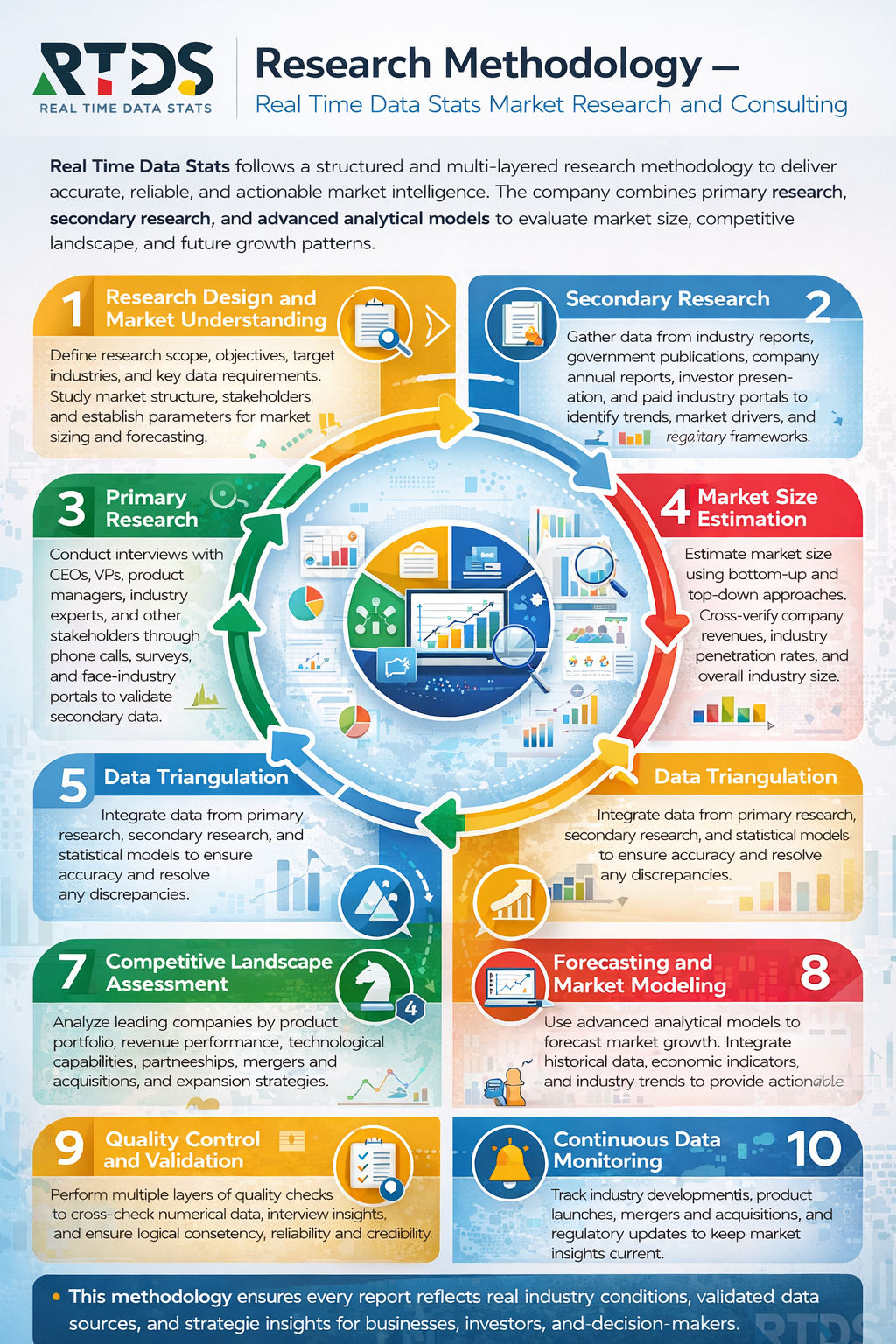
Research Methodology
- Data Collection Sources
- Primary Research
- Secondary Research
- Market Modeling
- Forecasting Techniques
- Validation Process
Market Overview
- Industry Evolution
- Ecosystem Analysis
- Value Chain Analysis
- Pricing Trends
- Regulatory Landscape
- Technology Roadmap
Market Dynamics
- Drivers
- Restraints
- Opportunities
- Challenges
- Emerging Trends
- Innovation Landscape
Competitive Landscape
- Market Share Analysis
- Company Profiling
- Strategic Developments
- Mergers & Acquisitions
- Product Launches
- Investment Analysis
Synthetic Bioenergetic Market Segmentation Analysis
- By Type:
- Enzymatic Bioenergetics
- Chemical Bioenergetics
- Photobiological Bioenergetics
- Microbial Bioenergetics
- Electrochemical Bioenergetics
- Synthetic ATP Analogues
- By Application:
- Pharmaceutical Production
- Biofuel Generation
- Food & Beverage Industry
- Agriculture & Livestock
- Environmental Remediation
- Industrial Bioprocessing
- By Source:
- Plant-based
- Microbial-based
- Algae-based
- Animal-based
- Synthetic Chemicals
- Recombinant DNA Technology
- By End-User:
- Pharmaceutical Companies
- Biotechnology Firms
- Food & Beverage Manufacturers
- Agricultural Enterprises
- Research & Academic Institutions
- Environmental Agencies
- By Form:
- Liquid
- Powder
- Gel
- Encapsulated
- Tablets
- Lyophilized
- By Technology:
- Fermentation Technology
- Enzymatic Synthesis
- Genetic Engineering
- Electrochemical Synthesis
- Photobioreactor Systems
- Nanotechnology Integration
- By Functionality:
- Energy Transfer
- Electron Transport
- ATP Production
- Metabolic Regulation
- Signal Transduction
- Redox Reactions
- By Process:
- Biocatalysis
- Bioelectrochemistry
- Photophosphorylation
- Chemiosmosis
- Fermentative Conversion
- Enzymatic Reaction
- By Market Channel:
- Direct Sales
- Distributors
- Online Platforms
- Retail Pharmacies
- Industrial Supply Chains
- Research Supply Networks
Regional Analysis
- North America
- Europe
- Asia Pacific
- Latin America
- Middle East & Africa
Cross-Regional Comparison
- Investment & Funding Analysis
- Venture Capital Trends
- Government Grants
- Private Equity
- Startup Landscape
- R&D Investments
- Funding Outlook
Future Market Outlook
- Technology Forecast
- Demand Projections
- Innovation Pipelines
- Adoption Curves
- Risk Assessment
- Long-Term Opportunities
Conclusion
- Summary of Market Trends
- Key Drivers and Restraints
- Growth Opportunities
- Technology & Innovation Outlook
- Future Market Forecast
Appendix
- Abbreviations
- Data Sources
- Method Notes
- Glossary
- Disclaimer
- Contact Information
List of Tables
- Table:1: Global Market Snapshot
- Table:2: Revenue Forecast by Region
- Table:3: Market Dynamics Summary
- Table:4: Competitive Share Analysis
- Table:5: Investment Trends
- Table:6: Regulatory Comparison
- Table:7: Technology Adoption Rates
- Table:8: Pricing Benchmark
- Table:9: Value Chain Mapping
- Table:10: Demand Forecast by Type
- Table:11: Demand Forecast by Application
- Table:12: Regional Growth Rates
- Table:13: Innovation Pipeline Overview
- Table:14: Funding Distribution
- Table:15: Risk Assessment Matrix
List of Figures
- Figure:1: Market Overview Diagram
- Figure:2: Industry Ecosystem Map
- Figure:3: Value Chain Flow
- Figure:4: Technology Roadmap
- Figure:5: Competitive Positioning Grid
- Figure:6: Regional Market Share Chart
- Figure:7: Growth Trend Graph
- Figure:8: Investment Flow Chart
- Figure:9: Segmentation Tree by Type
- Figure:10: Segmentation Tree by Application
- Figure:11: Adoption Curve Illustration
- Figure:12: Innovation Cycle Wheel
- Figure:13: Demand-Supply Graph
- Figure:14: Opportunity Heat Map
- Figure:15: Forecast Projection Curve
Synthetic Bioenergetics Market Key Factors
Drivers:
- Governments globally increase funding for renewable energy research.
- Rising fuel costs push industries toward bio-based alternatives.
- Advances in enzyme and microbial engineering accelerate production efficiency.
Restraints:
- High initial capital requirements limit new market entrants.
- Complex regulatory pathways delay product commercialization.
- Current production yields struggle to match conventional energy costs.
Opportunities:
- Synthetic biology tools enable the design of novel energy-dense molecules.
- Waste-to-energy applications create value from industrial byproducts.
- Strategic partnerships expand scale-up and distribution capabilities.
Challenges:
- Engineered organisms face public acceptance and biosafety hurdles.
- Supply chain vulnerabilities affect feedstock availability and price.
- Technical obstacles in metabolic pathways hinder optimal energy output.
Synthetic Bioenergetics Market Key Regional Trends
North America:
- Significant venture capital funds innovative startups.
- Research focuses on engineering cyanobacteria for direct fuel production.
- Defense agencies explore portable bioenergetic systems.
Europe:
- Strong policy frameworks promote circular bioeconomy models.
- Consortiums develop aviation biofuels from synthetic pathways.
- Public debate centers on responsible innovation and GMO regulations.
Asia-Pacific:
- China and India heavily invest in large-scale pilot biorefineries.
- Research targets high-productivity algae strains for tropical climates.
- Manufacturing growth drives demand for industrial bio-heat and power.
Rest of the World:
- Countries explore decentralized systems for energy security.
- Projects convert agricultural waste into biogas using engineered microbes.
- Limited infrastructure challenges technology adoption and scaling.
Frequently Asked Questions
Key Questions Answered
- What is the size and growth rate of the market industry?
- What are the main drivers influencing market growth trends?
- What are the key challenges and restraints faced by the market?
- What are the emerging trends and opportunities shaping the market?
- Who are the top players, and what strategies drive their success?
- What are the customer demographics and their buying behaviors?
- What are the key market segments, and what is their scope?
- What are the geographical dynamics, and which region dominates?
- What are the market forecasts and projections for the next decade?
- What regulatory factors are critical to consider for market growth?
Why Choose our Company?
- Major facts and stats backing every report we offer.
- Comprehensive analysis tailored to your business needs.
- Accurate insights backed by extensive market research.
- Expert support to address your queries promptly.
- Data-driven strategies for better decision-making.
- In-depth reports with actionable
recommendations. - Reliable statistics from trusted industry
sources. - Customizable reports to suit your specific goals.
- Unmatched quality and precision in market analysis.
- Competitive pricing with premium content delivery.
Share your experience!
We value you feedback. Please take a moment to review your experience with us.