
According to insights from Real Time Data Stats, The Global Synthetic Bioadhesives Market was valued at USD 0.95 billion in 2025. It is expected to grow from USD 1.03 billion in 2026 to USD 1.86 billion by 2033, registering a CAGR of 8.8% during the forecast period (2026–2033).
MARKET SIZE AND SHARE
The global synthetic bioadhesives market is led by the surgical and medical segment, which accounts for the largest revenue share due to the growing use of bioadhesives in wound closure, tissue engineering, and advanced surgical procedures. Rising demand for minimally invasive treatments, improved patient recovery, and reliable tissue bonding continues to strengthen the segment's position across healthcare applications.
Market share remains concentrated among leading multinational medical device and specialty chemical companies that benefit from strong research capabilities, broad product portfolios, and extensive global distribution networks. At the same time, innovative startups developing biocompatible, high-strength, and next-generation adhesive formulations are gaining traction in niche applications, increasing competition and gradually reshaping the market's competitive landscape.
INDUSTRY OVERVIEW AND STRATEGY
The synthetic bioadhesives industry is a dynamic sector at the intersection of medical technology, materials science, and biotechnology. It primarily serves the healthcare industry, providing alternatives to traditional sutures and staples for wound management, surgical procedures, and drug delivery. Growth is fundamentally driven by the rising volume of surgical procedures globally, coupled with a strong clinical demand for minimally invasive solutions that reduce trauma and improve healing times for patients.
Core competitive strategies revolve around intensive research into novel polymer chemistries, such as advanced hydrogels and urethane-based adhesives. Companies are strategically pursuing collaborations with research institutions and securing regulatory approvals for new applications. A key strategic focus is portfolio diversification into emerging fields like wearable medical devices and advanced organ-on-a-chip technologies, aiming to unlock new, high-value revenue streams beyond conventional medical uses.
Analyst Key Takeaways:
The Synthetic Bioadhesives Market is witnessing steady growth due to increasing adoption in surgical procedures, wound closure, tissue engineering, and advanced drug delivery systems. Rising demand for biocompatible, high-strength, and fast-curing adhesive solutions is encouraging manufacturers to develop innovative synthetic formulations that enhance clinical performance and patient outcomes.
North America remains a leading regional market owing to its advanced healthcare infrastructure and strong investment in medical technologies, while Asia-Pacific is emerging as the fastest-growing region driven by expanding healthcare access and increasing surgical volumes. Continuous research in polymer science, regulatory approvals for novel products, and collaborations between medical device companies and biotechnology firms are expected to strengthen the market's long-term growth potential.
REGIONAL TRENDS AND GROWTH
North America holds the largest market share, supported by a sophisticated healthcare infrastructure, high healthcare expenditure, and the presence of major industry players. Europe follows closely, with growth fueled by stringent regulatory standards promoting advanced medical products and an aging population. The Asia-Pacific region is identified as the fastest-growing market, driven by expanding medical tourism, increasing investments in healthcare modernization, and rising awareness of advanced treatment options in countries like China and India.
Primary growth drivers include the rising prevalence of chronic diseases requiring surgery, technological advancements in adhesive formulations, and the shift towards outpatient procedures. Significant restraints are the high cost of advanced bioadhesives and stringent, time-consuming regulatory pathways. Key opportunities lie in developing biodegradable and stimuli-responsive adhesives. Major challenges include achieving consistent performance in wet physiological environments and navigating the complex intellectual property landscape surrounding novel biomaterials.
SYNTHETIC BIOADHESIVES MARKET SEGMENTATION ANALYSIS
BY TYPE:
The Protein-Based Bioadhesives segment dominates due to its excellent biocompatibility, rapid setting time, and widespread applications in surgical and dental procedures. Polysaccharide-Based Bioadhesives, derived from natural polymers like chitosan and cellulose, are gaining traction for wound closure and tissue engineering due to their biodegradability and minimal immune response. Synthetic Polymer Bioadhesives continue to expand in high-demand markets such as orthopedics and drug delivery, driven by their customizable mechanical properties and cost-effectiveness. Hybrid Bio-Synthetic Adhesives, which combine natural and synthetic elements, are increasingly preferred for complex medical applications, offering enhanced adhesion and controlled biodegradability. Biomimetic Adhesives, inspired by mussel and gecko adhesion mechanisms, are emerging rapidly in research-focused applications, leveraging their strong wet-surface bonding capabilities. Hydrogel-Based Adhesives maintain strong growth due to their high water retention, flexibility, and suitability for soft tissue repair and controlled drug release.
Dominant factors shaping the overall By Type segment include biocompatibility, adhesion strength, biodegradability, regulatory approval ease, and adaptability for advanced medical procedures. Innovations in material engineering and bioinspired mechanisms are driving preference for hybrid and biomimetic solutions, while cost and manufacturing scalability favor synthetic polymers. The growing demand for minimally invasive procedures and regenerative medicine applications also strongly supports protein-based and hydrogel adhesives, solidifying their position across the healthcare sector.
BY SOURCE MATERIAL:
Plant-Derived Polymers dominate due to their sustainable sourcing, wide availability, and application in low-immunogenicity surgical adhesives. Animal-Derived Polymers, such as fibrin and collagen, continue to hold high clinical acceptance due to proven tissue integration and fast hemostatic effects. Microbial-Derived Polymers are increasingly adopted in research and pharmaceutical sectors for precision tissue engineering and drug delivery applications, owing to their controllable properties and scalability. Marine-Inspired Materials, such as mussel-inspired adhesives, are gaining momentum in wet-tissue bonding applications due to superior adhesion in fluid-rich environments. Recombinant Biopolymers offer tailored functionality and batch consistency, making them attractive for high-end surgical and tissue engineering uses. Synthetic Biodegradable Polymers maintain significant share due to customizable degradation rates, mechanical stability, and cost-efficiency in orthopedic and dental applications.
Key factors driving By Source Material segmentation include biocompatibility, scalability, regulatory acceptance, mechanical properties, and cost-effectiveness. The trend toward sustainable and lab-engineered materials, particularly microbial and recombinant polymers, is shaping R&D investments. Marine-inspired and animal-derived materials dominate high-performance niches due to their specialized adhesion capabilities, while plant-based and synthetic biodegradable polymers provide cost-optimized solutions for large-scale healthcare applications.
BY FORMULATION:
Liquid Adhesives dominate clinical use due to their ease of application, fast curing, and versatility across wound closure and surgical sealant applications. Gel Adhesives are favored for their viscoelasticity, controlled application, and suitability for soft tissue repair. Paste Adhesives offer mechanical strength and prolonged adhesion, making them dominant in orthopedic and dental applications. Film Adhesives maintain steady growth due to their protective barrier properties and controlled release potential in tissue engineering. Sprayable Adhesives provide non-invasive, uniform coverage, particularly in emergency care and minimally invasive surgeries. Foam-Based Adhesives are emerging for irregular tissue surfaces due to their expansion properties and high surface contact area.
Dominant factors influencing the By Formulation segment include ease of application, setting time, adhesion strength, tissue compatibility, and versatility across medical procedures. Innovations in delivery methods, such as sprayable and injectable forms, are driving adoption, while mechanical strength and stability determine preference for orthopedic and dental applications. Overall, liquid and gel formulations remain preferred for surgical efficiency, while specialized formulations like foam and film target niche high-precision applications.
BY APPLICATION:
The Wound Closure segment dominates due to the growing prevalence of chronic wounds, surgical interventions, and cosmetic procedures requiring rapid healing and minimal scarring. Surgical Sealants are in high demand for internal surgeries to reduce complications, bleeding, and infection risk, making them a key revenue driver. Tissue Engineering applications are expanding rapidly as bioadhesives facilitate scaffold integration and cellular growth in regenerative medicine. drug delivery systems benefit from controlled release adhesives that improve therapeutic efficiency and patient compliance. Dental Procedures continue to drive demand for adhesives with high mechanical strength and biocompatibility for restorative and orthodontic applications. Orthopedic Fixation adhesives are increasingly preferred for minimally invasive bone repair and fracture stabilization, especially in aging populations.
Dominant factors shaping the By Application segment include clinical efficacy, adhesion strength, biocompatibility, regulatory approvals, and integration with emerging medical technologies. The rise of regenerative medicine and minimally invasive procedures is strongly influencing growth, while cost and performance determine preference in dental and orthopedic markets. Surgical sealants and wound closure remain primary revenue contributors due to high procedure volumes and recurring demand.
BY END USER:
Hospitals dominate consumption due to the large volume of surgical procedures, emergency care, and chronic wound management. Ambulatory Surgical Centers are increasingly adopting bioadhesives for minimally invasive and day-care procedures, reflecting growth in outpatient services. Specialty Clinics, particularly dental, orthopedic, and cosmetic centers, drive demand for high-performance adhesives with precise application requirements. Research Laboratories are key consumers of advanced biomimetic and recombinant adhesives for experimental and tissue engineering applications. Biotechnology Companies leverage bioadhesives in R&D pipelines, including drug delivery and regenerative therapies. Pharmaceutical Companies utilize bioadhesives for controlled release formulations, patch applications, and tissue repair adjuncts.
Dominant factors for By End User segmentation include procedure volume, technical expertise, budget allocation, adoption of advanced medical technologies, and R&D focus. Hospitals and specialty clinics lead due to frequent clinical applications, while biotechnology and pharmaceutical firms influence innovation-driven segments. The increasing focus on outpatient care, minimally invasive procedures, and regenerative medicine is shaping end-user preferences and driving broader adoption of synthetic bioadhesives.
BY ADHESION MECHANISM:
Covalent Bonding Adhesives dominate due to strong, long-lasting bonds suitable for internal and high-stress applications. Electrostatic Adhesives are preferred in soft tissue and delicate organ applications where non-invasive adhesion is critical. Hydrogen Bonding Adhesives are gaining traction in tissue engineering due to reversible bonding and compatibility with cellular scaffolds. Mechanical Interlocking Adhesives provide robust physical adhesion for irregular surfaces, especially in orthopedic and dental procedures. Bioinspired Mussel Adhesives are emerging as high-performance solutions for wet environments due to superior adhesion under fluid conditions. Fibrin-Mimetic Adhesives continue to see widespread adoption for hemostasis and regenerative procedures.
Dominant factors in By Adhesion Mechanism segmentation include bond strength, tissue compatibility, environment adaptability (wet vs. dry), reversibility, and integration with therapeutic delivery systems. Bioinspired and covalent bonding adhesives dominate high-performance clinical applications, while mechanical and hydrogen bonding adhesives target tissue-specific and regenerative applications. Regulatory approval and clinical safety strongly influence mechanism selection in healthcare settings.
BY MATERIAL COMPATIBILITY:
Soft Tissue Adhesives dominate due to high demand in surgical sealants, wound closure, and cosmetic procedures. Hard Tissue Adhesives are critical for orthopedic and dental repairs, requiring mechanical strength and durability. Skin Adhesives remain highly used for external wound management, bandages, and wearable drug delivery patches. Internal Organ Adhesives are gaining traction in complex surgical procedures requiring minimally invasive interventions. Bone Adhesives drive growth in trauma and fracture repair, particularly for non-load-bearing and minimally invasive fixation. Cartilage Adhesives are emerging in tissue engineering and regenerative medicine due to specialized adhesion requirements and cellular compatibility.
Dominant factors for By Material Compatibility include mechanical strength, tissue adhesion, biocompatibility, elasticity, and degradability. Soft tissue and skin adhesives lead in adoption due to high procedure frequency, while specialized bone and cartilage adhesives drive niche innovation. Material compatibility directly influences clinical outcomes, shaping segment growth and R&D priorities.
BY DEGRADATION PROFILE:
Fast-Degrading Adhesives are preferred in short-term wound closure and surgical sealants to minimize tissue irritation. Moderate-Degrading Adhesives are widely adopted for tissue engineering and internal organ repair where temporary support is needed. Long-Term Biodegradable Adhesives are critical in orthopedic and dental applications for extended structural support. Bioabsorbable Adhesives maintain high demand due to elimination of removal procedures and reduced patient discomfort. Enzymatically Degradable Adhesives are increasingly used in targeted tissue engineering applications for precise degradation control. Hydrolytically Degradable Adhesives are dominant in drug delivery systems and scaffold integration where predictable hydrolysis ensures functional outcomes.
Dominant factors shaping By Degradation Profile segmentation include biodegradability rate, tissue compatibility, therapeutic integration, and procedural requirements. Fast and moderate-degrading adhesives lead in routine surgeries, while long-term and enzyme-degradable adhesives dominate complex tissue engineering and orthopedic procedures. Controlled degradation is a critical driver for clinical adoption and market growth.
BY TECHNOLOGY:
Nanotechnology-Enhanced Adhesives are leading due to improved mechanical strength, targeted adhesion, and drug delivery potential at the nanoscale. UV-Curable Bioadhesives dominate in controlled surgical environments for rapid, precise curing and minimal tissue damage. Thermo-Responsive Adhesives are increasingly adopted for injectable and temperature-sensitive applications where on-demand bonding is required. pH-Responsive Adhesives are emerging for gastrointestinal, tissue engineering, and drug delivery systems where environmental triggers dictate adhesion. Injectable Adhesive Systems are rapidly growing due to minimally invasive procedure trends and versatility in irregular tissue repair. 3D Printable Bioadhesives are gaining momentum in regenerative medicine, scaffold fabrication, and personalized surgical applications.
Dominant factors in By Technology segmentation include adhesion precision, trigger responsiveness, biocompatibility, integration with medical devices, and clinical versatility. Nanotechnology and UV-curable systems dominate high-performance surgical and research applications, while injectable and 3D printable adhesives support minimally invasive and personalized treatment trends. Technology-driven innovation continues to be a primary growth driver in the synthetic bioadhesives market.
RECENT DEVELOPMENTS
- In Jan 2024: Baxter International received FDA 510(k) clearance for a new synthetic surgical sealant, enhancing its portfolio for cardiac and vascular surgeries, expanding its hemostasis solutions.
- In Jun 2024: Henkel AG & Co. KGaA launched a new high-strength, biodegradable medical adhesive, Loctite MED 5000, targeting advanced wound care and wearable device assembly applications.
- In Sep 2024: Cohera Medical, Inc. announced a strategic partnership with a major European distributor to expand the commercial availability of its TissuGlu® surgical adhesive across key EU markets.
- In Jan 2025: Adhesys Medical GmbH secured Series B funding of €15 million to accelerate clinical trials for its next-generation synthetic tissue adhesive designed for internal organ repair.
- In Mar 2025: Johnson & Johnson’s Ethicon unit initiated a pivotal clinical study for a novel light-activated synthetic bioadhesive for minimally invasive gastrointestinal procedures, aiming for 2026 market entry.
KEY PLAYERS ANALYSIS
- Baxter International Inc.
- Johnson & Johnson (Ethicon)
- Braun SE
- Medtronic plc
- CryoLife, Inc.
- Cohera Medical, Inc.
- Adhesys Medical GmbH
- Henkel AG & Co. KGaA
- Becton, Dickinson and Company
- Cardinal Health
- 3M Company
- Avery Dennison Corporation
- B. Fuller Company
- Ashland Global Holdings Inc.
- Dentsply Sirona
- TissuGlu (Mystic Pharmaceuticals)
- Chemence Medical
- GluStitch Inc.
- Meyer-Haake GmbH
- Biom'Up
Synthetic Bioadhesives Market Segmentation Analysis
By Type:
- Protein-Based Bioadhesives
- Polysaccharide-Based Bioadhesives
- Synthetic Polymer Bioadhesives
- Hybrid Bio-Synthetic Adhesives
- Biomimetic Adhesives
- Hydrogel-Based Adhesives
By Source Material:
- Plant-Derived Polymers
- Animal-Derived Polymers
- Microbial-Derived Polymers
- Marine-Inspired Materials
- Recombinant Biopolymers
- Synthetic Biodegradable Polymers
By Formulation:
- Liquid Adhesives
- Gel Adhesives
- Paste Adhesives
- Film Adhesives
- Sprayable Adhesives
- Foam-Based Adhesives
By Application:
- Wound Closure
- Surgical Sealants
- Tissue Engineering
- Drug Delivery Systems
- Dental Procedures
- Orthopedic Fixation
By End User:
- Hospitals
- Ambulatory Surgical Centers
- Specialty Clinics
- Research Laboratories
- Biotechnology Companies
- Pharmaceutical Companies
By Adhesion Mechanism:
- Covalent Bonding Adhesives
- Electrostatic Adhesives
- Hydrogen Bonding Adhesives
- Mechanical Interlocking Adhesives
- Bioinspired Mussel Adhesives
- Fibrin-Mimetic Adhesives
By Material Compatibility:
- Soft Tissue Adhesives
- Hard Tissue Adhesives
- Skin Adhesives
- Internal Organ Adhesives
- Bone Adhesives
- Cartilage Adhesives
By Degradation Profile:
- Fast-Degrading Adhesives
- Moderate-Degrading Adhesives
- Long-Term Biodegradable Adhesives
- Bioabsorbable Adhesives
- Enzymatically Degradable Adhesives
- Hydrolytically Degradable Adhesives
By Technology:
- Nanotechnology-Enhanced Adhesives
- UV-Curable Bioadhesives
- Thermo-Responsive Adhesives
- pH-Responsive Adhesives
- Injectable Adhesive Systems
- 3D Printable Bioadhesives
By Geography:
- North America (USA, Canada, Mexico)
- Europe (UK, Germany, France, Italy, Spain, Rest of Europe)
- Asia-Pacific (China, Japan, Australia, South Korea, India, Rest of Asia-Pacific)
- South America (Brazil, Argentina, Rest of South America)
- Middle East and Africa (GCC Countries, South Africa, Rest of MEA)
Synthetic Bioadhesives Market: Table of Contents
Executive Summary
- Market Introduction
- Market Definition
- Market Scope
Research Methodology
- Data Sources and Validation
- Market Dynamics
- Market Drivers
- Market Restraints
- Market Opportunities
- Market Challenges
- Industry Value Chain Analysis
- Regulatory Landscape
Technology Landscape
- Pricing Analysis
- Raw Material Analysis
- Patent Analysis
- Trade Analysis
- Supply Chain Analysis
- Porter’s Five Forces Analysis
- PESTLE Analysis
Synthetic Bioadhesives Market Segmentation Analysis
- By Type
- Protein-Based Bioadhesives
- Polysaccharide-Based Bioadhesives
- Synthetic Polymer Bioadhesives
- Hybrid Bio-Synthetic Adhesives
- Biomimetic Adhesives
- Hydrogel-Based Adhesives
- By Source Material
- Plant-Derived Polymers
- Animal-Derived Polymers
- Microbial-Derived Polymers
- Marine-Inspired Materials
- Recombinant Biopolymers
- Synthetic Biodegradable Polymers
- By Formulation
- Liquid Adhesives
- Gel Adhesives
- Paste Adhesives
- Film Adhesives
- Sprayable Adhesives
- Foam-Based Adhesives
- By Application
- Wound Closure
- Surgical Sealants
- Tissue Engineering
- Drug Delivery Systems
- Dental Procedures
- Orthopedic Fixation
- By End User
- Hospitals
- Ambulatory Surgical Centers
- Specialty Clinics
- Research Laboratories
- Biotechnology Companies
- Pharmaceutical Companies
- By Adhesion Mechanism
- Covalent Bonding Adhesives
- Electrostatic Adhesives
- Hydrogen Bonding Adhesives
- Mechanical Interlocking Adhesives
- Bioinspired Mussel Adhesives
- Fibrin-Mimetic Adhesives
- By Material Compatibility
- Soft Tissue Adhesives
- Hard Tissue Adhesives
- Skin Adhesives
- Internal Organ Adhesives
- Bone Adhesives
- Cartilage Adhesives
- By Degradation Profile
- Fast-Degrading Adhesives
- Moderate-Degrading Adhesives
- Long-Term Biodegradable Adhesives
- Bioabsorbable Adhesives
- Enzymatically Degradable Adhesives
- Hydrolytically Degradable Adhesives
- By Technology
- Nanotechnology-Enhanced Adhesives
- UV-Curable Bioadhesives
- Thermo-Responsive Adhesives
- pH-Responsive Adhesives
- Injectable Adhesive Systems
- 3D Printable Bioadhesives
Regional Analysis
- North America
- Europe
- Asia Pacific
- Latin America
- Middle East & Africa
Competitive Landscape
- Market Share Analysis
- Company Profiling
- Strategic Developments
- Mergers and Acquisitions
- Partnerships and Collaborations
- Product Launches
- Investment and Funding Analysis
Conclusion
- Key Market Insights
- Growth Opportunities
- Future Market Trends
- Strategic Recommendations
- Investment Potential
Appendix
- Abbreviations
- Assumptions
- Research Disclaimer
List of Tables
- Table:1: Synthetic Bioadhesives Market Definition and Scope
- Table:2: Key Market Drivers and Impact Analysis
- Table:3: Market Restraints and Impact Analysis
- Table:4: Global Market Size by Type
- Table:5: Global Market Size by Source Material
- Table:6: Global Market Size by Formulation
- Table:7: Global Market Size by Application
- Table:8: Global Market Size by End User
- Table:9: Global Market Size by Adhesion Mechanism
- Table:10: Global Market Size by Material Compatibility
- Table:11: Global Market Size by Degradation Profile
- Table:12: Global Market Size by Technology
- Table:13: Global Market Size by Region
- Table:14: Competitive Market Share Analysis
- Table:15: Regulatory Framework by Region
List of Figures
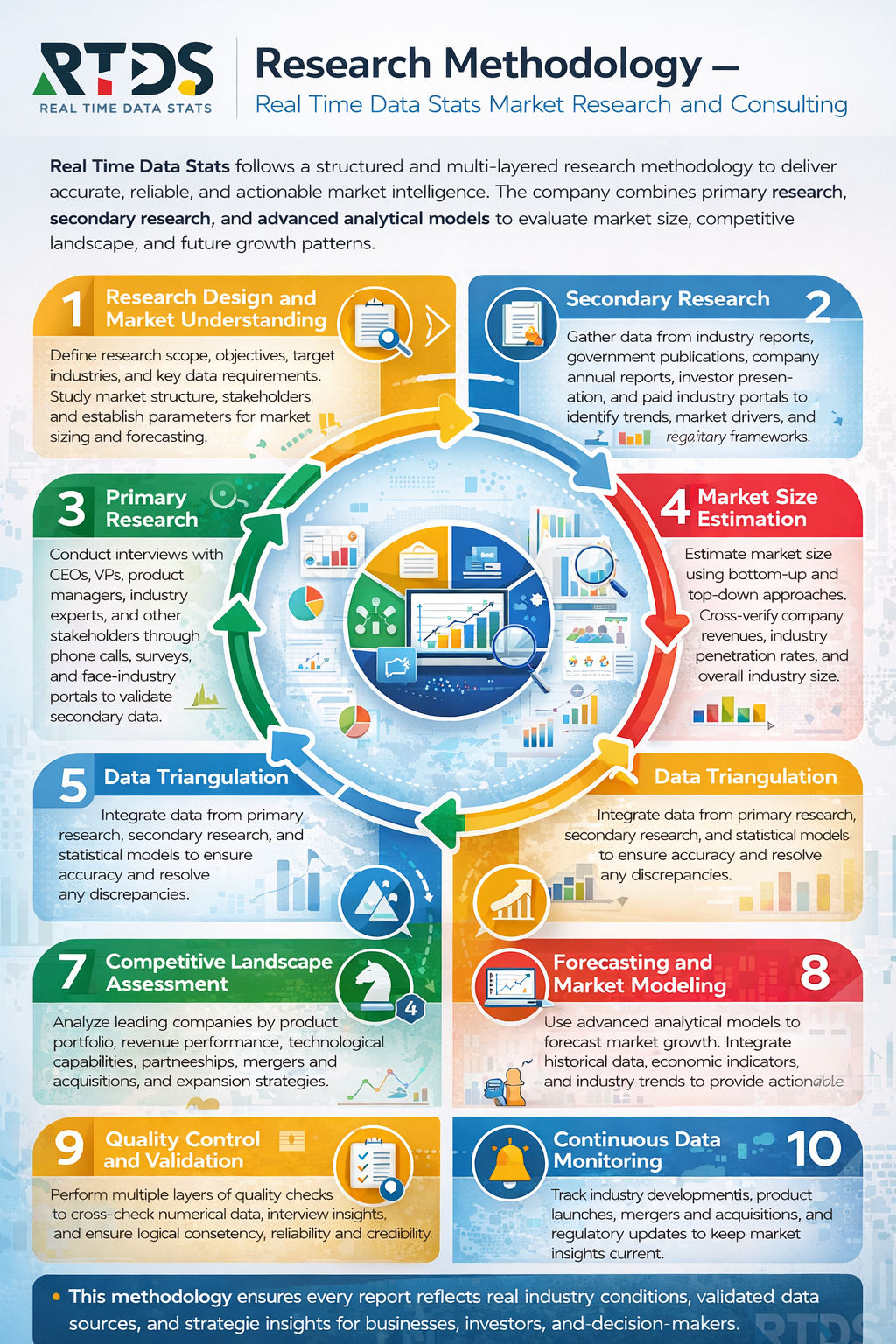
- Figure:1: Synthetic Bioadhesives Market Research Methodology
- Figure:2: Market Dynamics Overview
- Figure:3: Value Chain Analysis
- Figure:4: Porter’s Five Forces Analysis
- Figure:5: PESTLE Analysis
- Figure:6: Market Segmentation by Type
- Figure:7: Market Segmentation by Source Material
- Figure:8: Market Segmentation by Formulation
- Figure:9: Market Segmentation by Application
- Figure:10: Market Segmentation by End User
- Figure:11: Market Segmentation by Adhesion Mechanism
- Figure:12: Market Segmentation by Technology
- Figure:13: Regional Market Share Analysis
- Figure:14: Competitive Landscape Overview
- Figure:15: Global Market Forecast Trend
Synthetic Bioadhesives Market Key Factors
Drivers:
- Increasing surgical procedures and trauma cases create strong clinical demand.
- Advanced materials research enhances adhesive performance and biocompatibility.
- Growing patient preference for minimally invasive surgical techniques boosts adoption.
Restraints:
- High production costs limit market accessibility and widespread use.
- Stringent regulatory approval processes delay product commercialization.
- Performance limitations in wet biological environments hinder certain applications.
Opportunities:
- Expanding applications in wearable medical devices and advanced wound care open new markets.
- Emerging economies present significant growth potential due to healthcare infrastructure development.
- Cross-industry innovation from marine biology and biomimetics inspires next-generation products.
Challenges:
- Achieving consistent and reliable adhesion on dynamic, living tissues remains technically difficult.
- Navigating complex and varying international regulatory landscapes complicates market entry.
- Established competition from conventional medical adhesives and sutures pressures market penetration.
Synthetic Bioadhesives Market Key Regional Trends
North America:
- Strong pipeline of clinical trials for novel bioadhesive products.
- Strategic collaborations between academic institutes and medical device companies accelerate innovation.
- High healthcare expenditure facilitates the adoption of premium-priced advanced surgical products.
Europe:
- Stricter EU regulations push for greener, sustainable material sourcing in medical devices.
- Focus increases on developing bioadhesives for outpatient and home-care settings.
- Significant research activity targets orthopedic and dental surgery applications.
Asia-Pacific:
- Rapid expansion of medical tourism fuels demand for advanced surgical materials.
- Local manufacturing capabilities grow, aiming to reduce costs and import dependence.
- Governments increase healthcare funding, improving access to advanced treatment options.
Rest of the World:
- Focus primarily centers on cost-effective solutions for essential surgical and trauma care.
- Adoption rates rise slowly, linked to improvements in local healthcare infrastructure.
- International aid programs sometimes introduce advanced medical products, including bioadhesives.
Frequently Asked Questions
Key Questions Answered
- What is the size and growth rate of the market industry?
- What are the main drivers influencing market growth trends?
- What are the key challenges and restraints faced by the market?
- What are the emerging trends and opportunities shaping the market?
- Who are the top players, and what strategies drive their success?
- What are the customer demographics and their buying behaviors?
- What are the key market segments, and what is their scope?
- What are the geographical dynamics, and which region dominates?
- What are the market forecasts and projections for the next decade?
- What regulatory factors are critical to consider for market growth?
Why Choose our Company?
- Major facts and stats backing every report we offer.
- Comprehensive analysis tailored to your business needs.
- Accurate insights backed by extensive market research.
- Expert support to address your queries promptly.
- Data-driven strategies for better decision-making.
- In-depth reports with actionable
recommendations. - Reliable statistics from trusted industry
sources. - Customizable reports to suit your specific goals.
- Unmatched quality and precision in market analysis.
- Competitive pricing with premium content delivery.
Share your experience!
We value you feedback. Please take a moment to review your experience with us.