
According to insights from Real Time Data Stats, the Specialty Pet Supplements Market was valued at USD 1.10 billion in 2025. It is expected to grow from USD 1.46 billion in 2026 to USD 2.10 billion by 2033, registering a CAGR of 8.3% during the forecast period (2026–2033).
MARKET SIZE AND SHARE
The global specialty pet supplements market is witnessing steady expansion as pet owners increasingly prioritize preventive healthcare and wellness products for companion animals. Rising pet humanization trends, growing awareness regarding pet nutrition, and increasing spending on premium pet care products are supporting market growth worldwide. North America continues to dominate market share due to strong consumer purchasing power, advanced veterinary healthcare infrastructure, and the widespread adoption of functional pet nutrition products. Europe also maintains a significant position, driven by rising demand for natural and organic formulations. Meanwhile, the Asia-Pacific region is projected to register the fastest growth during the forecast period as urbanization, rising disposable incomes, and expanding awareness about pet health continue to reshape the regional market landscape.
The competitive environment remains highly dynamic, with established pharmaceutical companies, pet nutrition brands, and emerging niche manufacturers actively investing in product innovation and portfolio expansion. Joint health supplements, calming formulations, and skin and coat health products currently account for a substantial share of market demand due to the increasing prevalence of mobility issues, anxiety, and age-related conditions among pets. At the same time, probiotic and digestive health supplements are gaining rapid traction as consumers focus more on gut health and immunity support for animals. Companies are also introducing functional ingredients, clean-label formulations, and breed-specific products to strengthen customer engagement. Strategic mergers, acquisitions, partnerships, and expansion into online retail channels are further helping key players enhance their global presence and strengthen their competitive position throughout the forecast period.
INDUSTRY OVERVIEW AND STRATEGY
The specialty pet supplements industry is characterized by a shift toward humanization of pets, with owners seeking targeted health solutions. The overview highlights a fragmented market with numerous players offering condition-specific products. Strategy focuses on scientific validation and clinical efficacy to build brand trust. Companies are investing heavily in research and development for novel ingredients like cannabinoids and adaptogens. The competitive landscape necessitates clear differentiation through product quality and specialized formulations for dogs, cats, and other companion animals.
Effective strategy in this market involves leveraging digital channels for direct-to-consumer sales and educational marketing. Key approaches include partnering with veterinarians and pet professionals to gain endorsements and credibility. Strategic expansion into emerging markets requires tailored products addressing regional health concerns and regulatory compliance. Furthermore, companies are adopting sustainable sourcing and transparent labeling as core strategic pillars. These multifaceted strategies aim to capture evolving consumer preferences and secure long-term growth in a dynamic industry.
Analyst Key Takeaways:
The Specialty Pet Supplements Market is witnessing strong momentum due to the growing humanization of pets and rising awareness regarding preventive animal healthcare. Pet owners are increasingly seeking targeted nutritional solutions for joint health, digestive wellness, skin & coat care, immunity, cognitive support, and anxiety management. The expansion of premium pet nutrition trends, combined with increasing veterinary recommendations for functional supplements, is accelerating product adoption across both developed and emerging markets.
Manufacturers are focusing on innovative formulations, clean-label ingredients, breed-specific supplements, and personalized nutrition solutions to strengthen market positioning. The industry is also benefiting from the rapid growth of e-commerce pet care platforms and subscription-based wellness services, which are improving product accessibility and consumer engagement. In addition, advancements in nutraceutical research and increasing expenditure on companion animal wellness are expected to support long-term market expansion.
REGIONAL TRENDS AND GROWTH
Regional trends show North America leading in adoption of advanced pet supplements, driven by high healthcare spending. Current growth factors include the increasing incidence of pet obesity and age-related conditions. Europe follows closely with stringent quality regulations boosting consumer confidence. Key opportunities lie in untapped markets of Latin America and the Middle East, where rising pet adoption creates demand. However, growth is restrained by high product costs and a lack of standardized global regulations across different regions.
Future growth factors in the Asia-Pacific region are propelled by rapid urbanization and the growing middle-class population viewing pets as family. Drivers include increased awareness of preventive healthcare for animals, creating significant opportunities for market entrants. A major challenge remains the dominance of traditional remedies and low awareness in rural areas. Overcoming logistical distribution hurdles in remote regions presents another obstacle. Navigating these diverse regional dynamics will be crucial for capitalizing on the projected growth opportunities through 2032.
SPECIALTY PET SUPPLEMENTS MARKET SEGMENTATION ANALYSIS
BY TYPE:
The segmentation by type plays a dominant role in shaping the Specialty Pet Supplements Market, primarily driven by rising demand for condition-specific nutrition. Joint and mobility supplements lead due to increasing cases of arthritis and hip dysplasia in aging pets. Skin and coat supplements gain traction as owners prioritize aesthetic health and allergy management. Digestive health formulas expand rapidly with growing probiotic awareness. Calming supplements witness strong demand due to pet anxiety concerns. Vitamins and minerals remain foundational, ensuring daily nutritional balance across breeds and life stages.
Product innovation acts as a major growth catalyst within this segment. Manufacturers increasingly introduce multi-functional blends combining omega fatty acids, glucosamine, probiotics, and herbal extracts to enhance effectiveness. Clean-label formulations and natural ingredients significantly influence consumer preference. Palatable formats tailored to pets’ taste profiles strengthen repeat purchases. Veterinary endorsements further accelerate adoption, particularly for therapeutic supplements. The expansion of premium and prescription-based variants enhances value growth, positioning type-based segmentation as a core revenue contributor within the global specialty pet supplements industry.
BY APPLICATION:
Application-based segmentation dominates purchasing decisions because pet owners typically seek targeted health outcomes rather than general supplementation. Joint support applications remain highly influential due to sedentary lifestyles and obesity in companion animals. Digestive health applications expand steadily as gastrointestinal sensitivities become more recognized. Immune support gains importance amid preventive healthcare trends. Skin and coat care continues to grow because of rising allergy cases and grooming consciousness. Weight management and cardiac health applications strengthen as chronic conditions become increasingly prevalent among senior pets.
Preventive healthcare awareness acts as a major driver across application categories. Veterinarians increasingly recommend supplements as adjunct therapies, encouraging early adoption. Consumer willingness to spend on proactive wellness rather than reactive treatment enhances growth. Technological advancements in formulation science improve absorption and bioavailability, boosting product effectiveness. Brand positioning around scientific validation further shapes demand. Application-specific marketing strategies and condition-focused labeling strengthen consumer trust, making this segmentation critical for revenue forecasting and competitive differentiation within the specialty pet supplements landscape.
BY PET TYPE:
Pet type segmentation significantly influences product customization and market expansion. Dogs represent the largest share due to their higher supplement consumption rates and larger population base. Cats follow with increasing demand for hairball control and urinary health support. Equine supplements form a niche but high-value category driven by performance enhancement needs. Birds, reptiles, and small mammals create emerging micro-segments as exotic pet ownership rises. Species-specific nutritional requirements strongly dictate formulation strategies and pricing structures across this segment.
Humanization of pets acts as the dominant growth factor across pet categories. Owners increasingly treat pets as family members, leading to higher spending on advanced healthcare solutions. Breed-specific supplements tailored to size, metabolism, and hereditary risks gain strong traction. Veterinary recommendations differ by species, encouraging specialized product development. Expanding pet adoption rates globally further diversify demand. The rise of customized nutrition platforms enhances segmentation precision, making pet-type differentiation essential for long-term competitive positioning and revenue optimization.
BY FORM:
Form-based segmentation significantly impacts consumer convenience and pet compliance. Chewables dominate due to their palatability and ease of administration, particularly for dogs. Tablets and capsules maintain relevance for precise dosing and veterinary prescriptions. Powders grow steadily because they can be mixed with food, appealing to picky eaters. Liquids provide flexibility in dosage control for smaller pets. Soft gels attract premium consumers seeking advanced nutrient encapsulation and enhanced absorption technology.
Convenience and compliance remain the strongest growth drivers in this segment. Pet owners prefer hassle-free administration methods that reduce stress for animals. Flavor innovation enhances product acceptance, boosting repeat sales. Packaging advancements such as resealable pouches and measured droppers improve usability. Premium positioning often aligns with advanced delivery systems that promise higher bioavailability. The growth of e-commerce also supports diverse form offerings, allowing consumers to explore innovative supplement formats that align with pet behavior and owner lifestyle preferences.
BY DISTRIBUTION CHANNEL:
Distribution channel segmentation directly shapes market accessibility and brand visibility. Veterinary clinics maintain strong influence due to professional endorsement and prescription-based sales. Pet specialty stores remain critical for premium and niche product exposure. Online retail channels grow rapidly, supported by convenience and subscription-based models. Supermarkets and hypermarkets contribute to volume sales in mid-range segments. Pharmacies expand gradually as regulatory frameworks evolve to include pet healthcare products.
Digital transformation acts as a dominant factor reshaping this segment. E-commerce platforms provide detailed product comparisons and consumer reviews, enhancing informed purchasing decisions. Subscription services encourage recurring revenue streams. Omnichannel strategies strengthen brand reach and customer engagement. Veterinary partnerships continue to build credibility and clinical trust. Expanding last-mile delivery infrastructure improves accessibility in emerging markets. Distribution diversification reduces dependency on single channels, enhancing resilience and revenue stability within the specialty pet supplements market.
BY END USER:
End-user segmentation significantly influences product positioning and demand intensity in the Specialty Pet Supplements Market. Individual pet owners account for the largest share, driven by increasing awareness of preventive healthcare and pet humanization trends. Breeders represent a focused segment requiring performance and immunity-enhancing formulations. Animal shelters and boarding facilities generate consistent demand for basic wellness supplements. Veterinary hospitals maintain strong influence through therapeutic and recovery-based supplementation. Pet grooming centers also contribute, particularly for skin and coat-focused products.
Preventive health orientation remains the dominant factor shaping end-user demand. Pet owners increasingly invest in long-term wellness solutions rather than reactive treatments. Rising disposable income supports higher spending on specialized and premium supplements. Professional institutions such as veterinary hospitals drive clinical-grade supplement adoption through structured health plans. Customized feeding and supplementation programs strengthen repeat purchases. Education campaigns and digital awareness further influence buying patterns, making end-user behavior a critical determinant of product innovation and revenue expansion.
BY PRICE RANGE:
Price range segmentation directly reflects consumer purchasing power, perceived product quality, and brand positioning strategies. Economy and mid-range supplements capture volume sales by offering affordable preventive solutions. Premium and super-premium segments dominate revenue value due to advanced formulations, natural ingredients, and clinical validation claims. Prescription-based supplements cater to therapeutic needs and often command higher margins. Private label products grow steadily, supported by retail chains aiming to enhance brand differentiation and competitive pricing.
Premiumization emerges as the strongest growth catalyst within this segment. Pet humanization trends encourage owners to choose higher-quality, scientifically formulated supplements despite elevated costs. Transparent ingredient sourcing and clean-label positioning justify premium pricing. Subscription services and loyalty programs help mitigate price sensitivity while encouraging repeat purchases. Economic stability in developed markets strengthens spending capacity for super-premium products. At the same time, expanding middle-class populations in emerging economies support gradual upward movement from economy to mid-tier segments, reinforcing diversified pricing strategies.
RECENT DEVELOPMENTS
- In Jan 2024: Zoetis launched a new line of advanced joint health chews for senior dogs, utilizing a novel bioavailability-enhanced formulation for maximum efficacy.
- In Apr 2024: Nestlé Purina PetCare acquired a majority stake in a boutique supplement brand specializing in organic and sustainably sourced ingredients for cats.
- In Jul 2024: Virbac announced a strategic partnership with a leading microbiome research firm to develop next-generation probiotic supplements for digestive health.
- In Oct 2024: Mars Petcare unveiled a new range of calming supplements containing clinically studied ingredients to help pets manage anxiety and stress.
- In Jan 2025: Elanco Animal Health received regulatory approval for its innovative new supplement targeting cognitive dysfunction in aging felines.
- In Mar 2025: A major investment round was secured by a direct-to-consumer pet supplement startup focused on personalized nutrition based on DNA testing.
KEY PLAYERS ANALYSIS
- Zoetis Inc.
- Nestlé Purina PetCare
- Mars Petcare Inc.
- Elanco Animal Health
- Virbac Corporation
- Bayer Animal Health
- Hill's Pet Nutrition Inc.
- Nutramax Laboratories Inc.
- VetriScience Laboratories
- FoodScience Corporation
- NOW Foods Company
- Zesty Paws LLC
- PetVitalityPRO
- Only Natural Pet
- Ark Naturals Company
- Thorne Vet
- Pet Wellbeing Ltd.
- Stella & Chewy's LLC
- Nutri-Vet Wellness LLC
- Vetoquinol S.A.
Specialty Pet Supplements Market Segmentation Analysis
By Type:
- Vitamins
- Minerals
- Joint & Mobility Supplements
- Skin & Coat Supplements
- Digestive Health Supplements
- Calming & Anxiety Relief Supplements
By Application:
- Joint Support
- Digestive Health
- Immune Support
- Skin & Coat Care
- Weight Management
- Cardiac Health
By Pet Type:
- Dogs
- Cats
- Birds
- Small Mammals
- Reptiles
- Equine
By Form:
- Tablets
- Chewables
- Powders
- Liquids
- Capsules
- Soft Gels
By Ingredient Type:
- Herbal Extracts
- Probiotics
- Omega Fatty Acids
- Amino Acids
- Enzymes
- CBD-Based Ingredients
By Age Group:
- Puppy/Kitten
- Adult
- Senior
- All Life Stages
- Geriatric
- Breed-Specific
By Distribution Channel:
- Veterinary Clinics
- Pet Specialty Stores
- Online Retail
- Supermarkets & Hypermarkets
- Pharmacies
- Direct-to-Consumer
By End User:
- Individual Pet Owners
- Breeders
- Animal Shelters
- Pet Boarding Facilities
- Veterinary Hospitals
- Pet Grooming Centers
By Price Range:
- Economy
- Mid-Range
- Premium
- Super Premium
- Prescription-Based
- Private Label
By Geography:
- North America (USA, Canada, Mexico)
- Europe (UK, Germany, France, Italy, Spain, Rest of Europe)
- Asia-Pacific (China, Japan, Australia, South Korea, India, Rest of Asia-Pacific)
- South America (Brazil, Argentina, Rest of South America)
- Middle East and Africa (GCC Countries, South Africa, Rest of MEA)
Specialty Pet Supplements Market: Table of Contents
Executive Summary
- Market Snapshot
- Key Insights
- Analyst Perspective
- Demand–Supply Overview
- Growth Outlook
- Strategic Recommendations
Market Introduction
- Market Definition
- Scope of Study
- Research Assumptions
- Market Structure
- Stakeholder Mapping
- Value Chain Overview
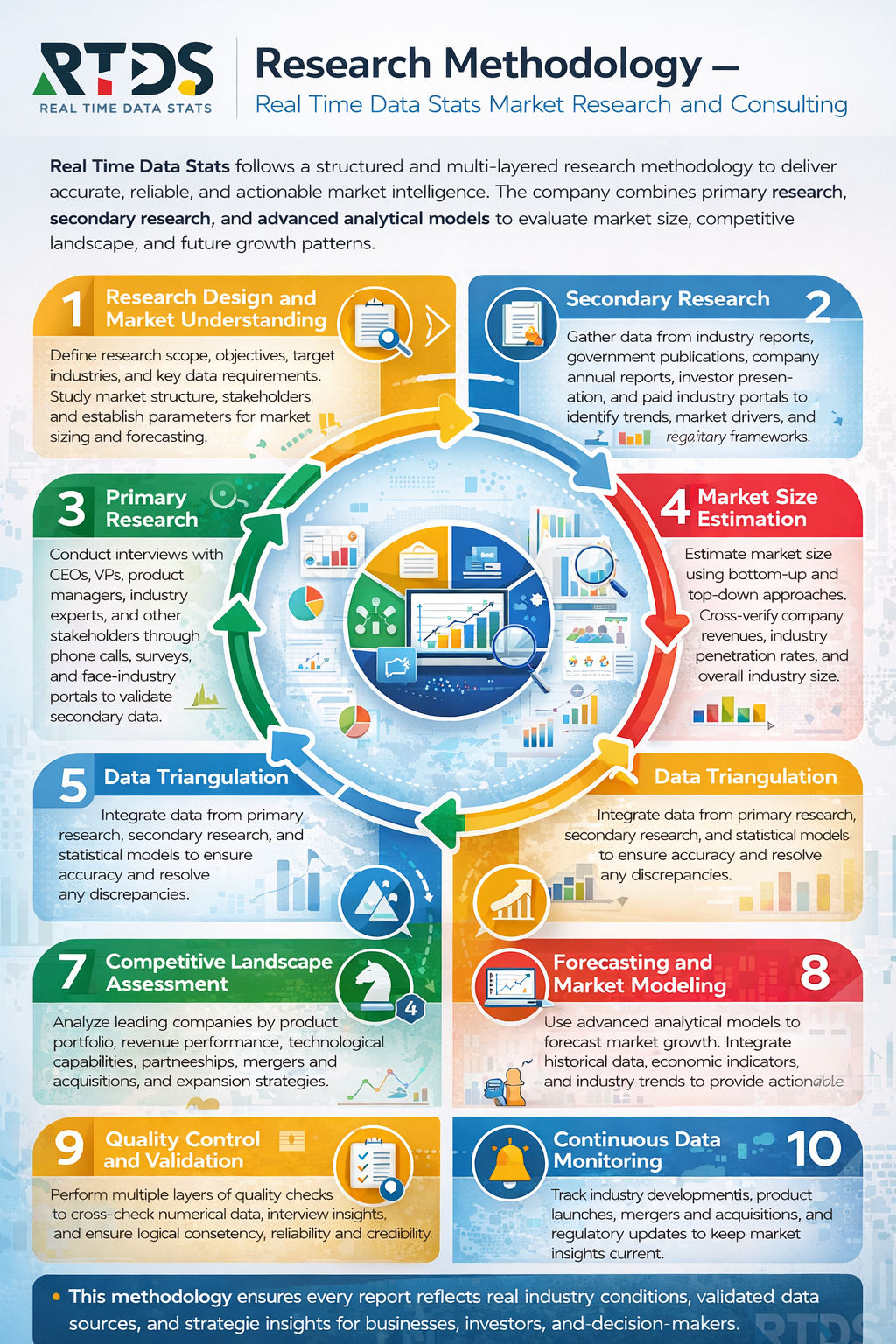
Research Methodology
- Research Design
- Data Collection Sources
- Primary Research Approach
- Secondary Research Sources
- Market Estimation Techniques
- Data Validation & Triangulation
- Forecasting Model
- Limitations of Study
Market Dynamics
- Market Drivers
- Market Restraints
- Market Opportunities
- Emerging Trends
Regulatory Landscape
- Technological Advancements
- Pricing Analysis
- Consumer Behavior Analysis
- Market Size & Forecast Analysis
- Global Market Revenue Analysis
- Historical Market Trends
Forecast Period Overview
- Growth Rate Analysis
- Regional Revenue Share
- Volume Analysis
- Market Attractiveness Index
Specialty Pet Supplements Market Segmentation Analysis
- By Type
- Vitamins
- Minerals
- Joint & Mobility Supplements
- Skin & Coat Supplements
- Digestive Health Supplements
- Calming & Anxiety Relief Supplements
- By Application
- Joint Support
- Digestive Health
- Immune Support
- Skin & Coat Care
- Weight Management
- Cardiac Health
- By Pet Type
- Dogs
- Cats
- Birds
- Small Mammals
- Reptiles
- Equine
- By Form
- Tablets
- Chewables
- Powders
- Liquids
- Capsules
- Soft Gels
- By Ingredient Type
- Herbal Extracts
- Probiotics
- Omega Fatty Acids
- Amino Acids
- Enzymes
- CBD-Based Ingredients
- By Age Group
- Puppy/Kitten
- Adult
- Senior
- All Life Stages
- Geriatric
- Breed-Specific
- By Distribution Channel
- Veterinary Clinics
- Pet Specialty Stores
- Online Retail
- Supermarkets & Hypermarkets
- Pharmacies
- Direct-to-Consumer
- By End User
- Individual Pet Owners
- Breeders
- Animal Shelters
- Pet Boarding Facilities
- Veterinary Hospitals
- Pet Grooming Centers
- By Price Range
- Economy
- Mid-Range
- Premium
- Super Premium
- Prescription-Based
- Private Label
Regional Market Analysis
- North America Country-Level Analysis
- Europe Country-Level Analysis
- Asia Pacific Country-Level Analysis
- Latin America Country-Level Analysis
- Middle East Country-Level Analysis
- Africa Country-Level Analysis
Competitive Landscape
- Market Share Analysis
- Competitive Benchmarking
- Strategic Developments
- Mergers & Acquisitions
- Product Launch Analysis
- Company Positioning Matrix
Company Profiles
- Company Overview
- Financial Performance
- Product Portfolio
- Strategic Initiatives
- SWOT Analysis
Recent Developments
- Investment & Opportunity Analysis
- Emerging Investment Areas
- High-Growth Segments
- Market Entry Strategies
- Risk Assessment
- Expansion Strategies
Conclusion
- Summary of Market Trends
- Key Drivers and Restraints
- Growth Opportunities
- Technology & Innovation Outlook
- Future Market Forecast
Appendix
- Abbreviations
- Currency Exchange Rates
- Disclaimer
- Contact Information
List of Tables
- Table:1: Global Specialty Pet Supplements Market Revenue Overview
- Table:2: Global Market Volume Analysis
- Table:3: Market Growth Rate by Region
- Table:4: Market Size by Type
- Table:5: Market Size by Application
- Table:6: Market Size by Pet Type
- Table:7: Market Size by Form
- Table:8: Market Size by Ingredient Type
- Table:9: Market Size by Age Group
- Table:10: Market Size by Distribution Channel
- Table:11: Market Size by End User
- Table:12: Market Size by Price Range
- Table:13: Regional Market Share Analysis
- Table:14: Competitive Market Share of Key Players
- Table:15: Investment Opportunity Matrix
List of Figures
- Figure:1: Specialty Pet Supplements Market Structure
- Figure:2: Market Value Chain Analysis
- Figure:3: Market Dynamics Framework
- Figure:4: Global Revenue Trend Analysis
- Figure:5: Market Share by Type
- Figure:6: Market Share by Application
- Figure:7: Market Share by Pet Type
- Figure:8: Market Share by Form
- Figure:9: Market Share by Ingredient Type
- Figure:10: Market Share by Age Group
- Figure:11: Market Share by Distribution Channel
- Figure:12: Market Share by End User
- Figure:13: Market Share by Price Range
- Figure:14: Regional Revenue Distribution
- Figure:15: Competitive Positioning Matrix
Specialty Pet Supplements Market Key Factors
Drivers:
- Pet owners humanize animals, seeking preventive health measures.
- Rising pet adoption rates expand the potential customer base.
- Owners proactively address specific issues like joint health and anxiety.
Restraints:
- High-quality product costs deter price-sensitive consumers.
- Unclear regulations create skepticism about product efficacy.
- Pet owners hesitate to switch from trusted traditional veterinary advice.
Opportunities:
- Companies innovate with new formats like chews and functional treats.
- Brands target specific ailments such as kidney support or allergies.
- E-commerce platforms enable direct-to-consumer education and sales.
Challenges:
- Products must navigate complex and varying international regulations.
- Markets face intense competition from numerous small and large brands.
- Brands must constantly educate consumers to differentiate legitimate products from fakes.
Specialty Pet Supplements Market Key Regional Trends
North America:
- Human-grade ingredients trend drives premiumization in pet care.
- Millennials and Gen Z prioritize functional supplements for pet longevity.
- Direct-to-consumer subscription models gain significant market share.
Europe:
- Stringent regulatory compliance shapes product development and marketing.
- Strong consumer demand focuses on natural and sustainably sourced ingredients.
- Market growth rises for supplements targeting mobility in aging pet populations.
Asia-Pacific:
- Rapid urbanization increases pet ownership in apartments, boosting supplement use.
- Rising disposable incomes allow spending on specialized pet wellness products.
- E-commerce dominates sales, particularly in China and Japan for convenience.
Frequently Asked Questions
Key Questions Answered
- What is the size and growth rate of the market industry?
- What are the main drivers influencing market growth trends?
- What are the key challenges and restraints faced by the market?
- What are the emerging trends and opportunities shaping the market?
- Who are the top players, and what strategies drive their success?
- What are the customer demographics and their buying behaviors?
- What are the key market segments, and what is their scope?
- What are the geographical dynamics, and which region dominates?
- What are the market forecasts and projections for the next decade?
- What regulatory factors are critical to consider for market growth?
Why Choose our Company?
- Major facts and stats backing every report we offer.
- Comprehensive analysis tailored to your business needs.
- Accurate insights backed by extensive market research.
- Expert support to address your queries promptly.
- Data-driven strategies for better decision-making.
- In-depth reports with actionable
recommendations. - Reliable statistics from trusted industry
sources. - Customizable reports to suit your specific goals.
- Unmatched quality and precision in market analysis.
- Competitive pricing with premium content delivery.
Share your experience!
We value you feedback. Please take a moment to review your experience with us.