
According to insights from Real Time Data Stats, the Space Vacuum Materials Market was valued at USD 1.51 billion in 2025. It is expected to grow from USD 1.64 billion in 2026 to USD 2.96 billion by 2033, registering a CAGR of 8.8% during the forecast period (2026–2033).
MARKET SIZE AND SHARE
The global space vacuum materials market is being driven by escalating satellite deployments, deep-space exploration initiatives, and growing investments in advanced spacecraft technologies. Advanced ceramics, high-performance polymers, and specialized composites are expected to dominate material demand due to their ability to withstand extreme space environments. Market share remains concentrated among established aerospace material suppliers and defense contractors, while increasing innovation and commercialization are attracting new participants to this high-value niche sector.
Market share distribution is expected to remain dynamic, shaped by technological advancements, expanding space missions, and long-term government contracts from agencies such as NASA and ESA. North American and European organizations are projected to maintain a significant share of the market, supported by strong aerospace infrastructure and research capabilities. However, the accelerating space ambitions of Asia-Pacific countries are likely to reshape the competitive landscape, capturing a larger market share through indigenous space programs, satellite manufacturing expansion, and the growth of commercial launch services.
INDUSTRY OVERVIEW AND STRATEGY
The space vacuum materials industry caters to the extreme environmental demands of space, providing solutions for thermal management, structural integrity, and radiation shielding. Key products include ultra-low outgassing composites, atomic oxygen-resistant coatings, and multi-layer insulation films. The industry is characterized by high R&D intensity, stringent qualification standards, and long product lifecycle value, serving both governmental space agencies and a rapidly growing private NewSpace economy focused on satellite constellations and orbital platforms.
Primary corporate strategies revolve around vertical integration, strategic material science partnerships, and securing early involvement in next-generation spacecraft design. Companies are investing heavily in advanced manufacturing like additive fabrication to produce complex, lightweight components. A critical strategic focus is on developing scalable and more cost-effective production processes to serve the burgeoning commercial satellite market without compromising the unparalleled reliability required for harsh, unforgiving orbital and deep-space environments.
Analyst Key Takeaways:
The Space Vacuum Materials Market is experiencing steady momentum, driven by increasing investments in satellite deployments, deep-space exploration missions, reusable launch vehicles, and next-generation spacecraft systems. Demand for low-outgassing polymers, radiation-resistant composites, thermal control coatings, and vacuum-compatible structural materials is rising as space agencies and commercial operators seek improved performance, reliability, and mission longevity in extreme space environments.
Technological advancements in advanced materials engineering are accelerating innovation across the market, with manufacturers focusing on lightweight, high-strength, and thermally stable materials capable of withstanding harsh vacuum conditions. Growing commercialization of the space sector, expanding private space programs, and increasing international collaboration in lunar and orbital projects are expected to create significant opportunities for specialized material suppliers throughout the forecast period.
REGIONAL TRENDS AND GROWTH
North America leads the market, propelled by NASA’s Artemis program, substantial defense spending, and a vibrant private sector led by SpaceX and others. Europe maintains a strong position through ESA collaborations and Airbus/Safran, emphasizing sustainable and reusable space technologies. The Asia-Pacific region is the fastest-growing, with China’s ambitious lunar and station plans, India’s cost-effective launch services, and Japan’s robotic exploration driving substantial domestic material development and demand.
Key growth drivers include rising satellite connectivity needs, lunar economy development, and technology miniaturization. Significant restraints involve extremely high R&D costs and lengthy qualification cycles. Opportunities lie in in-situ resource utilization materials and debris mitigation coatings. The foremost challenge is developing materials that withstand prolonged deep-space radiation and temperature extremes for crewed Mars missions, requiring foundational material science advances beyond current capabilities.
SPACE VACUUM MATERIALS MARKET SEGMENTATION ANALYSIS
BY TYPE:
The metals segment dominates the space vacuum materials market due to its superior mechanical strength, thermal conductivity, and ability to withstand extreme space conditions. Aluminum, titanium, and stainless steel are widely used in satellites, spacecraft structures, and launch vehicles because they offer high strength-to-weight ratios and excellent durability in vacuum environments. The growing demand for lightweight materials in satellite and spacecraft manufacturing is driving the adoption of metallic materials, particularly in emerging space programs and private space companies. Advanced alloys and metal composites are also being increasingly integrated to enhance performance while reducing overall payload mass, which is a critical consideration in modern space missions.
Ceramics, polymers, composites, and coatings are gaining traction due to their specialized functionalities. Ceramics are employed for thermal insulation and radiation shielding, while high-performance polymers and composites are used for flexible structures, cables, and protective layers. Coatings such as anti-reflective and protective layers play a critical role in minimizing degradation caused by space radiation and atomic oxygen exposure. Market growth in these sub-segments is largely influenced by advancements in materials engineering, government and private R&D investment, and the expansion of space exploration initiatives that require materials capable of maintaining structural integrity under harsh space conditions.
BY APPLICATION:
Satellite manufacturing represents the largest application segment for space vacuum materials, driven by the exponential growth of communication, navigation, and Earth observation satellites. The increasing number of satellite constellations for broadband internet, surveillance, and weather monitoring necessitates materials with high thermal and radiation resistance, low outgassing, and lightweight properties. Spacecraft components, including fuselage structures, propulsion systems, and internal frameworks, also demand high-performance vacuum materials, encouraging manufacturers to innovate and adopt advanced alloys, ceramics, and composites to meet strict safety and reliability standards.
Space suits, propulsion systems, space stations, and scientific instruments further expand market demand. Space suits require materials with flexibility, durability, and thermal resistance, while propulsion systems rely on high-temperature metals and ceramics to endure extreme exhaust conditions. Materials for space stations must sustain long-term exposure to vacuum, radiation, and temperature fluctuations. Scientific instruments necessitate precision materials with minimal outgassing to prevent contamination. Overall, market growth is fueled by increasing space exploration projects, the rise of private space enterprises, and governmental investments in next-generation spacecraft technologies.
BY MATERIAL FORM:
Sheets and plates, films and foils, powders, rods and tubes, fibers and fabrics, and coated materials constitute the primary material forms in the space vacuum materials market. Sheets and plates are widely used in structural frameworks and satellite panels due to their durability and ease of integration. Films, foils, and coated materials are crucial for thermal insulation, radiation protection, and lightweight design. Rods, tubes, and fibers provide structural reinforcement and flexible connectivity solutions for spacecraft assemblies. The growth of this segment is driven by material innovation and the need for versatile forms that can meet diverse engineering specifications in space missions.
The market is also influenced by the increasing adoption of advanced fabrication techniques such as additive manufacturing, precision extrusion, and lamination. These processes allow manufacturers to produce highly specialized forms that optimize weight, strength, and thermal performance. Fibers and fabrics, particularly high-strength composites and polymers, are essential in applications such as tethers, space suits, and protective covers. Coated materials further enhance resistance against abrasion, radiation, and micro-meteoroid impacts. The combination of advanced manufacturing capabilities and the continuous demand for optimized material forms contributes to sustained growth in this segment.
BY FUNCTIONALITY:
Thermal insulation, radiation shielding, structural support, electrical conductivity, chemical resistance, and wear resistance represent the primary functional categories for space vacuum materials. Thermal insulation and radiation shielding are particularly critical for protecting spacecraft and instruments from extreme temperatures and cosmic radiation. Materials with these functionalities must maintain performance in vacuum conditions and minimize outgassing to prevent contamination of sensitive components. Rising space exploration activities and extended-duration missions are driving increased adoption of high-performance functional materials.
Structural support, electrical conductivity, chemical resistance, and wear-resistant materials also play a significant role. Metals and composites provide structural stability for spacecraft and satellites, while conductive materials ensure efficient power distribution and signal transmission. Chemical-resistant and wear-resistant materials enhance longevity and reliability in harsh environments, particularly in propulsion systems and space instrumentation. The growing need for multifunctional materials that combine several of these properties in a single solution is shaping research and innovation in this segment.
BY END-USER:
Government space agencies, including NASA, ESA, and CNSA, are the primary end-users of space vacuum materials, driving demand through large-scale satellite, spacecraft, and research projects. Government projects prioritize reliability, quality, and performance, influencing suppliers to invest in advanced materials with proven longevity and safety. These agencies also fund research collaborations with academic institutions and private companies, facilitating the development of new materials and manufacturing processes.
Private space companies, research laboratories, defense organizations, satellite operators, and universities constitute other significant end-users. The rise of commercial space ventures has accelerated the demand for lightweight, cost-effective, and high-performance vacuum materials. Defense organizations require materials with advanced radiation shielding and structural resilience, while research labs and academic institutions focus on experimental applications and testing of innovative composites. The growing diversity of end-users and expansion of the global space ecosystem are primary factors driving market growth.
BY MANUFACTURING PROCESS:
Additive manufacturing, extrusion, molding, coating, sintering, and lamination dominate the production processes for space vacuum materials. additive manufacturing enables highly complex geometries and lightweight structures, making it increasingly popular for satellite and spacecraft components. Coating and lamination processes enhance thermal resistance, reduce outgassing, and protect materials from radiation, which is crucial for long-duration space missions.
Traditional methods like extrusion, molding, and sintering remain relevant for high-strength metals, ceramics, and composite materials. Advanced manufacturing techniques enable customization, reduced material wastage, and faster production cycles. The choice of process is often dictated by application requirements, performance specifications, and cost considerations. Increasing demand for high-performance, precision-engineered components is a major driver for innovation in manufacturing processes in this market.
BY PERFORMANCE:
High-temperature stability, low-temperature resistance, high vacuum stability, low outgassing, mechanical strength, and lightweight properties are key performance parameters driving the space vacuum materials market. Materials that can withstand extreme temperature fluctuations and vacuum conditions are critical for satellite structures, propulsion systems, and scientific instruments. Lightweight materials are preferred to reduce launch costs and optimize payload efficiency.
Mechanical strength and low outgassing properties are essential for structural reliability and contamination-free operation in sensitive instruments. Performance-driven material selection ensures mission success and longevity of spacecraft in orbit. The increasing complexity of space missions, longer mission durations, and heightened requirements for reliability and efficiency are dominant factors influencing growth in this segment.
BY COATING TYPE:
Metallic, ceramic, polymer, composite, anti-reflective, and protective coatings are widely used to enhance performance and durability of space vacuum materials. Metallic coatings provide thermal management, conductivity, and corrosion protection. Ceramic coatings enhance thermal insulation and wear resistance, while polymer and composite coatings improve flexibility, lightweight performance, and chemical stability.
Anti-reflective and protective coatings are critical for minimizing degradation due to solar radiation, atomic oxygen, and micrometeoroid impacts. The adoption of multifunctional coatings that combine radiation shielding, thermal resistance, and wear protection is accelerating. Market growth is driven by technological advancements in coating materials and processes, as well as the increasing demand for materials that can extend the operational lifespan of space equipment.
BY MARKET CHANNEL:
Direct sales, distributors, online platforms, retailers, OEM partnerships, and government contracts constitute the market channels for space vacuum materials. Direct sales and OEM partnerships dominate due to the highly technical and customized nature of space materials, where suppliers work closely with manufacturers to meet stringent specifications.
Government contracts play a significant role, particularly in North America, Europe, and Asia, where space agencies fund large-scale projects and long-term supply agreements. Distributors and online platforms are increasingly emerging to serve smaller space startups and research institutions. The choice of channel depends on project scale, customer requirements, and regulatory compliance, with direct and government-led channels remaining the dominant drivers of market growth.
RECENT DEVELOPMENTS
- In Jan 2024: Materion Corporation announced a new high-purity beryllium-aluminum alloy for satellite structural components, offering improved strength-to-weight ratio and thermal stability in vacuum.
- In Jul 2024: PPG Industries unveiled a next-generation, atomic-oxygen-resistant coating for low-Earth orbit satellite constellations, significantly extending operational lifespan by reducing material degradation.
- In Oct 2024: Rogers Corporation launched the ULTRALINE 9000 series of high-performance polyimide foams, designed for ultra-low outgassing and thermal insulation in deep-space probe applications.
- In Feb 2025: Henkel and Lockheed Martin entered a strategic partnership to co-develop advanced thermal interface materials for next-generation lunar habitat modules and spacecraft electronics.
- In Apr 2025: Toray Industries completed development of a carbon fiber reinforced polymer (CFRP) with integrated nano-sensors for real-time structural health monitoring in the vacuum of space.
KEY PLAYERS ANALYSIS
- Materion Corporation
- Toray Industries, Inc.
- PPG Industries, Inc.
- Rogers Corporation
- Henkel AG & Co. KGaA
- DuPont de Nemours, Inc.
- Saint-Gobain S.A.
- Kyocera Corporation
- 3M Company
- Solvay S.A.
- BASF SE
- Parker Hannifin Corporation
- Axiom Space (Emerging Integrator)
- Lockheed Martin Corporation
- Airbus SE
- SpaceX (Vertical Integrator)
- Northrop Grumman Corporation
- Blue Origin (Vertical Integrator)
- Mitsubishi Chemical Group Corporation
- Huntsman Corporation
Space Vacuum Materials Market Segmentation Analysis
By Type:
- Metals
- Ceramics
- Polymers
- Composites
- Glasses
- Coatings
By Application:
- Satellite Manufacturing
- Spacecraft Components
- Space Suits
- Propulsion Systems
- Space Stations
- Scientific Instruments
By Material Form:
- Sheets & Plates
- Films & Foils
- Powders
- Rods & Tubes
- Fibers & Fabrics
- Coated Materials
By Functionality:
- Thermal Insulation
- Radiation Shielding
- Structural Support
- Electrical Conductivity
- Chemical Resistance
- Wear Resistance
By End-User:
- Government Space Agencies
- Private Space Companies
- Research Laboratories
- Defense Organizations
- Satellite Operators
- Universities & Academic Institutions
By Manufacturing Process:
- Additive Manufacturing
- Extrusion
- Molding
- Coating
- Sintering
- Lamination
By Performance:
- High Temperature
- Low Temperature
- High Vacuum Stability
- Low Outgassing
- Mechanical Strength
- Lightweight
By Coating Type:
- Metallic Coatings
- Ceramic Coatings
- Polymer Coatings
- Composite Coatings
- Anti-Reflective Coatings
- Protective Coatings
By Market Channel:
- Direct Sales
- Distributors
- Online Platforms
- Retailers
- OEM Partnerships
- Government Contracts
By Geography:
- North America (USA, Canada, Mexico)
- Europe (UK, Germany, France, Italy, Spain, Rest of Europe)
- Asia-Pacific (China, Japan, Australia, South Korea, India, Rest of Asia-Pacific)
- South America (Brazil, Argentina, Rest of South America)
- Middle East and Africa (GCC Countries, South Africa, Rest of MEA)
Space Vacuum Materials Market: Table of Contents
Executive Summary
- Market Snapshot
- Key Findings
- Analyst Insights
- Winning Strategies
- Future Outlook Highlights
Market Introduction
- Definition of Space Vacuum Materials
- Scope of the Study
- Research Objectives
- Market Assumptions
- Limitations and Exclusions
- Currency & Pricing Considerations
- Abbreviations and Acronyms
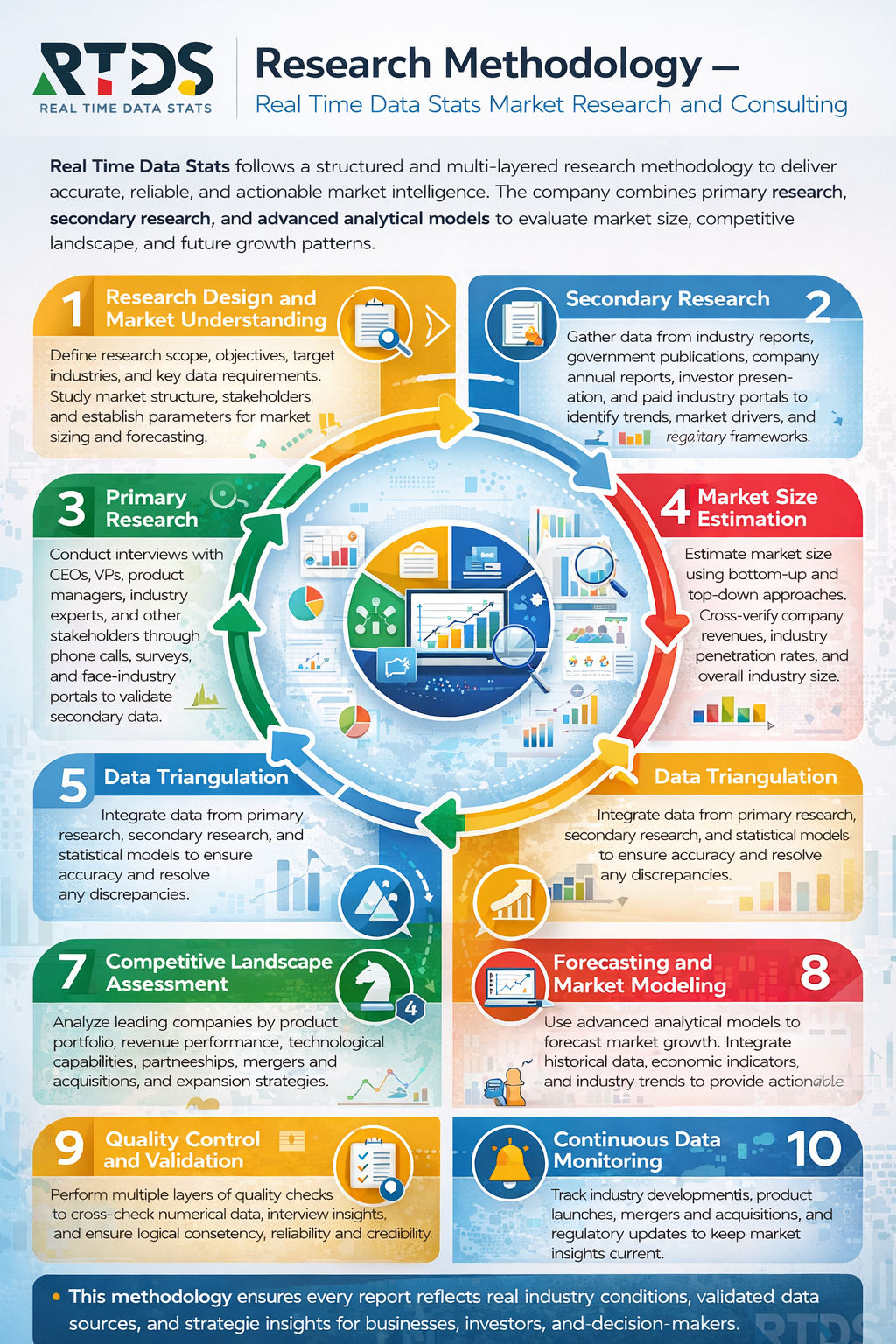
Research Methodology
- Primary Research Overview
- Secondary Research Sources
- Data Triangulation Techniques
- Forecasting Models
- Market Estimation Approach
- Validation Process
- Expert Panel Review
Market Dynamics
- Market Drivers
- Market Restraints
- Market Opportunities
- Market Challenges
- Emerging Trends
Innovation Landscape
- Regulatory Environment
- Supply Chain Analysis
- Pricing Analysis
- Impact of Geopolitical Factors
- Impact of Technological Advancements
Industry Analysis
- Value Chain Analysis
- Porter’s Five Forces Analysis
- PESTLE Analysis
Investment Analysis
- Patent Analysis
- Trade Analysis
- Raw Material Outlook
- Manufacturing Landscape
- Sustainability & Environmental Impact
Space Vacuum Materials Market Segmentation Analysis
- By Type:
- Metals
- Ceramics
- Polymers
- Composites
- Glasses
- Coatings
- By Application:
- Satellite Manufacturing
- Spacecraft Components
- Space Suits
- Propulsion Systems
- Space Stations
- Scientific Instruments
- By Material Form:
- Sheets & Plates
- Films & Foils
- Powders
- Rods & Tubes
- Fibers & Fabrics
- Coated Materials
- By Functionality:
- Thermal Insulation
- Radiation Shielding
- Structural Support
- Electrical Conductivity
- Chemical Resistance
- Wear Resistance
- By End-User:
- Government Space Agencies
- Private Space Companies
- Research Laboratories
- Defense Organizations
- Satellite Operators
- Universities & Academic Institutions
- By Manufacturing Process:
- Additive Manufacturing
- Extrusion
- Molding
- Coating
- Sintering
- Lamination
- By Performance:
- High Temperature
- Low Temperature
- High Vacuum Stability
- Low Outgassing
- Mechanical Strength
- Lightweight
- By Coating Type:
- Metallic Coatings
- Ceramic Coatings
- Polymer Coatings
- Composite Coatings
- Anti-Reflective Coatings
- Protective Coatings
- By Market Channel:
- Direct Sales
- Distributors
- Online Platforms
- Retailers
- OEM Partnerships
- Government Contracts
Regional Analysis
- North America Market
- Europe Market
- Asia Pacific Market
- Latin America Market
- Middle East & Africa Market
Country-Level Analysis
- United States
- Canada
- Germany
- United Kingdom
- France
- China
- Japan
- India
- South Korea
- Brazil
- GCC Countries
- South Africa
Competitive Landscape
- Market Share Analysis
- Company Benchmarking
- Strategic Developments
- Mergers & Acquisitions
- Partnerships & Collaborations
- New Product Launches
- R&D Investments
Company Profiles
- Overview
- Financial Performance
- Product Portfolio
- Strategic Initiatives
- SWOT Analysis
Recent Developments
- Technology & Innovation Outlook
- Next-Generation Materials
- Nanotechnology Integration
- Smart Materials
- Radiation-Resistant Materials
- Lightweight Structural Innovations
Supply Chain & Distribution Analysis
- Raw Material Suppliers
- Component Manufacturers
- Distributors & Logistics
- End-Use Industries
- Aftermarket Services
Pricing & Cost Structure Analysis
- Cost Breakdown
- Margin Analysis
- Regional Pricing Variations
- Procurement Strategies
Investment & Funding Scenario
- Venture Capital Trends
- Government Grants
- Private Investments
- Public-Private Partnerships
Future Market Outlook & Forecast
- Short-Term Forecast
- Mid-Term Forecast
- Long-Term Forecast
- Scenario Analysis
- Growth Opportunities Map
Conclusion
- Summary of Market Trends
- Key Drivers and Restraints
- Growth Opportunities
- Technology & Innovation Outlook
- Future Market Forecast
Appendix
- Glossary of Terms
- List of Abbreviations
- Research References
- Data Sources
- Methodology Notes
List of Tables
- Table: 1: Global Market Size Overview
- Table: 2: Market Growth Rate Comparison
- Table: 3: Material Type Share Analysis
- Table: 4: Application Segment Revenue
- Table: 5: End User Distribution
- Table: 6: Regional Market Value
- Table: 7: Country-Level Revenue Analysis
- Table: 8: Competitive Market Share
- Table: 9: Pricing Trend Analysis
- Table: 10: Supply Chain Cost Structure
- Table: 11: Investment Flow Analysis
- Table: 12: Technology Adoption Rates
- Table: 13: Import-Export Statistics
- Table: 14: Forecast Comparison Matrix
- Table: 15: Regulatory Compliance Overview
List of Figures
- Figure: 1: Global Market Overview Chart
- Figure: 2: Growth Trend Graph
- Figure: 3: Material Type Pie Chart
- Figure: 4: Application Segment Illustration
- Figure: 5: End User Distribution Graph
- Figure: 6: Regional Market Map
- Figure: 7: Country Market Comparison
- Figure: 8: Competitive Positioning Matrix
- Figure: 9: Value Chain Diagram
- Figure: 10: Porter’s Five Forces Model
- Figure: 11: Technology Adoption Curve
- Figure: 12: Investment Flow Diagram
- Figure: 13: Supply Chain Flowchart
- Figure: 14: Forecast Trend Line
- Figure: 15: Opportunity Heat Map
Space Vacuum Materials Market Key Factors
Drivers:
- Expanding satellite constellations increase demand for robust thermal protection.
- Growing deep-space exploration missions require advanced propulsion and shielding materials.
- Rising investments in reusable launch vehicles propel the need for durable, heat-resistant components.
Restraints:
- Extreme production and testing costs limit market entry and scalability.
- Stringent and lengthy qualification protocols delay material adoption.
- Limited availability of specialized manufacturing infrastructure hinders rapid production.
Opportunities:
- Developing private space stations and commercial habitats opens new application areas.
- Advancements in material science enable lighter and more resilient composite designs.
- Emerging space tourism sector creates demand for next-generation cabin and vehicle materials.
Challenges:
- Ensuring long-term material reliability and performance in harsh orbital environments remains difficult.
- Managing space debris proliferation requires materials with enhanced impact resistance.
- Navigating complex international regulations and technology control policies complicates global supply chains.
Space Vacuum Materials Market Key Regional Trends
North America:
- Private companies lead in developing new material applications for lunar and Mars missions.
- Government agencies fund research into radiation-shielding and self-healing materials.
- Supply chains rapidly adapt to support the high launch frequency of commercial providers.
Europe:
- Strong focus on sustainable and reusable material solutions for launch vehicles.
- Collaborative multinational programs drive standardization in material testing and certification.
- Research institutes pioneer advanced ceramics and coatings for scientific payloads.
Asia-Pacific:
- National space programs aggressively expand satellite capabilities, boosting material demand.
- Manufacturing investments grow to reduce reliance on imported specialized materials.
- Increased lunar exploration ambitions fuel research into in-situ resource utilization (ISRU) technologies.
Frequently Asked Questions
Key Questions Answered
- What is the size and growth rate of the market industry?
- What are the main drivers influencing market growth trends?
- What are the key challenges and restraints faced by the market?
- What are the emerging trends and opportunities shaping the market?
- Who are the top players, and what strategies drive their success?
- What are the customer demographics and their buying behaviors?
- What are the key market segments, and what is their scope?
- What are the geographical dynamics, and which region dominates?
- What are the market forecasts and projections for the next decade?
- What regulatory factors are critical to consider for market growth?
Why Choose our Company?
- Major facts and stats backing every report we offer.
- Comprehensive analysis tailored to your business needs.
- Accurate insights backed by extensive market research.
- Expert support to address your queries promptly.
- Data-driven strategies for better decision-making.
- In-depth reports with actionable
recommendations. - Reliable statistics from trusted industry
sources. - Customizable reports to suit your specific goals.
- Unmatched quality and precision in market analysis.
- Competitive pricing with premium content delivery.
Share your experience!
We value you feedback. Please take a moment to review your experience with us.