
According to insights from Real Time Data Stats, the Space Systems Medicine Market was valued at USD 0.45 billion in 2025. It is expected to grow from USD 0.51 billion in 2026 to USD 1.18 billion by 2033, registering a CAGR of 12.8% during the forecast period (2026–2033).
MARKET SIZE AND SHARE
The Space Systems Medicine market is driven by the rapid expansion of commercial spaceflight programs and increasing investments in long-duration lunar and deep-space missions. Market share is currently concentrated among a limited number of aerospace, biotechnology, and medical technology companies working closely with government space agencies. As demand for astronaut health monitoring, preventive care, and space-adapted medical solutions grows, the market is expected to achieve strong compound growth, creating opportunities for new participants and specialized healthcare innovators.
Market share dynamics are expected to shift as the industry transitions from primarily government-funded research toward broader commercial healthcare applications for space travelers, lunar habitats, and future space settlements. The entry of major pharmaceutical and medical device companies is likely to intensify competition and reduce the dominance of existing players. By the end of the forecast period, the market is projected to develop into a more diversified ecosystem, with strategic collaborations between aerospace firms and biotech companies playing a key role in shaping market value and competitive positioning.
INDUSTRY OVERVIEW AND STRATEGY
Space Systems Medicine encompasses the development of medical technologies, protocols, and countermeasures to protect human health in the extreme space environment. The industry integrates aerospace engineering, telemedicine, and physiology to address challenges like radiation exposure and microgravity-induced health decay. Its primary strategic objective is to enable sustainable human presence beyond Earth. Current efforts are heavily focused on research and validation through partnerships with national space agencies, laying the foundational knowledge for future commercialization.
Core strategies involve leveraging dual-use technologies that offer solutions for both astronaut care and terrestrial remote medicine, creating viable revenue streams. Companies are aggressively forming consortia to share high development costs and mitigate technical risks. A forward-looking strategic pillar is the standardization of medical systems for different spacecraft and habitats. Success hinges on proactive regulatory engagement and building scalable, autonomous health monitoring and diagnostic platforms suitable for the latency and resource constraints of deep-space missions.
Analyst Key Takeaways:
The Space Systems Medicine Market is gaining momentum as government space agencies and commercial spaceflight operators prioritize astronaut health, mission safety, and long-duration human space exploration. Growing investments in advanced health monitoring systems, telemedicine platforms, AI-enabled diagnostics, and autonomous medical support technologies are accelerating innovation across the sector. The increasing complexity of lunar, orbital, and deep-space missions is further driving demand for integrated medical systems capable of operating in remote and resource-constrained environments.
Technological advancements in wearable biosensors, predictive health analytics, remote patient monitoring, and life-support medical infrastructure are creating new opportunities for market expansion. Collaboration between aerospace organizations, healthcare technology providers, and research institutions is strengthening the development of next-generation space healthcare solutions. As human presence in space continues to expand, the need for resilient, real-time, and data-driven medical systems is expected to remain a key growth driver for the industry.
REGIONAL TRENDS AND GROWTH
North America currently leads the market, fueled by NASA's Artemis program and strong private sector investment from companies like SpaceX and Axiom Space. Europe follows closely, with ESA and its member states driving collaborative research in life sciences. Emerging interest is evident in Asia-Pacific, particularly from China and Japan, as they advance their human spaceflight capabilities. Each region exhibits distinct regulatory and funding environments that shape the pace and direction of local market development.
Key growth drivers include increasing space tourism, national prestige projects, and the high value of biomedical spin-offs. Significant restraints are extreme development costs, lengthy testing cycles, and unresolved physiological risks. Opportunities lie in creating closed-loop life support systems and predictive health analytics software. The foremost challenges are establishing interoperable medical standards for international missions and ensuring ethical frameworks keep pace with the commercialization of human health in space, which could restrain innovation if not managed proactively.
SPACE SYSTEMS MEDICINE MARKET SEGMENTATION ANALYSIS
BY TYPE:
The segmentation by type plays a foundational role in shaping the Space Systems Medicine Market, as medical needs in space environments are multifaceted and evolve with mission duration and complexity. Preventive medicine dominates this segment due to the high priority placed on minimizing health risks before mission launch, including immunization, physical conditioning, and radiation exposure mitigation. Diagnostic and therapeutic medicine follow closely, driven by the growing requirement for in-flight health monitoring, real-time diagnostics, and treatment of physiological changes caused by microgravity. Emergency and rehabilitation medicine are gaining importance as missions extend beyond low Earth orbit, where immediate evacuation is no longer feasible.
Psychological and behavioral medicine is emerging as a critical sub-segment, driven by prolonged isolation, confinement, and cognitive stress experienced during long-duration missions. Dominant factors influencing this segment include mission duration, crew size, autonomy level, and distance from Earth-based medical support. The integration of digital diagnostics, autonomous medical decision systems, and AI-enabled monitoring tools is further reshaping the type-based segmentation, making it central to long-term human space exploration strategies.
BY APPLICATION:
Application-based segmentation highlights how space medicine solutions are deployed across diverse mission environments. Human spaceflight represents the largest share, driven by continuous investments from national space agencies and private companies focused on crewed missions. Space stations and deep space exploration applications demand advanced medical systems capable of autonomous operation, real-time health analytics, and minimal resource consumption. space tourism is an emerging application, creating new demand for standardized, rapid-response medical systems tailored to non-professional astronauts.
Military and defense space missions add a strategic dimension to this segment, emphasizing resilience, redundancy, and classified medical technologies. Robotic space missions indirectly support this segment by testing medical technologies and biological experiments in space. Dominant growth factors include increased crewed mission frequency, commercialization of space travel, and rising safety regulations. However, cost intensity and system miniaturization challenges remain key constraints influencing application-based adoption.
BY PRODUCT:
Product segmentation reflects the tangible medical infrastructure supporting space missions. Medical monitoring devices dominate this segment due to their critical role in tracking vital signs, musculoskeletal health, cardiovascular performance, and neurological status. Life support systems and pharmaceutical products form the backbone of onboard healthcare, ensuring survival and functional stability in hostile space environments. Telemedicine systems and health data management software are increasingly integrated to support real-time decision-making and long-distance medical supervision.
The dominance of this segment is driven by technological miniaturization, interoperability requirements, and reliability under extreme conditions. Surgical and emergency kits are evolving toward compact, multifunctional designs suitable for autonomous use. Product innovation is heavily influenced by constraints such as limited payload capacity, power efficiency, and zero-gravity usability, making this segment a focal point for aerospace-medical collaboration and R&D investments.
BY TECHNOLOGY:
Technology-based segmentation underscores the rapid convergence of space medicine and advanced digital health solutions. artificial intelligence systems are transforming diagnostics, predictive health analytics, and autonomous medical decision-making. Wearable health sensors and remote monitoring technologies are widely adopted due to their ability to provide continuous, non-invasive health data with minimal crew intervention. Biotechnology solutions, including regenerative medicine and bioengineered therapies, are gaining traction for long-term missions.
Robotics and automation are becoming dominant enablers, particularly for surgical assistance, rehabilitation, and pharmaceutical management in microgravity. Digital health platforms support data integration, cybersecurity, and mission-wide health coordination. The key drivers of this segment include the need for autonomy, reduced dependence on Earth-based medical experts, and enhanced crew safety. However, validation, system reliability, and ethical considerations remain critical technological barriers.
BY END USER:
End-user segmentation highlights the diversity of stakeholders utilizing space medical systems. Astronauts remain the primary end users, driving demand for personalized, adaptive, and preventive healthcare solutions. Space agencies play a dominant role as procurement authorities, shaping technical standards, regulatory compliance, and long-term medical strategies. Commercial space companies are rapidly expanding their influence, particularly with the rise of private crewed missions and orbital platforms.
Defense organizations and research institutions contribute significantly through funding, innovation, and experimental validation. Space tourism operators represent a fast-growing end-user group, requiring simplified, scalable, and cost-effective medical solutions for short-duration missions. Dominant factors shaping this segment include mission objectives, user expertise level, regulatory oversight, and risk tolerance, making end-user needs a critical determinant of product and system design.
BY INDICATION:
Indication-based segmentation focuses on the specific health conditions addressed by space medicine systems. Musculoskeletal and cardiovascular conditions dominate due to the well-documented effects of microgravity on bone density, muscle mass, and cardiac function. Neurological and immune system disorders are increasingly prioritized as research reveals long-term cognitive and immunological changes associated with spaceflight. Radiation-related conditions represent a critical concern, particularly for deep space and interplanetary missions.
Mental health conditions are gaining prominence, driven by isolation, circadian rhythm disruption, and psychological stress. Dominant factors influencing this segment include mission duration, radiation exposure levels, and crew demographics. Advances in predictive diagnostics and preventive interventions are reshaping how indications are managed, positioning this segment as essential for ensuring mission sustainability and crew performance.
BY ROUTE OF ADMINISTRATION:
Route of administration segmentation reflects operational feasibility and medical effectiveness in microgravity. Oral and injectable routes remain dominant due to familiarity, reliability, and ease of storage. Transdermal and inhalation methods are gaining traction as they offer controlled dosing and reduced dependency on gravity. Intravenous administration is used selectively, primarily for emergency and critical care scenarios.
Implantable systems represent an emerging innovation, enabling long-term drug delivery and physiological monitoring. The dominance of certain routes is influenced by stability, absorption variability, crew training requirements, and storage constraints. This segment is increasingly shaped by pharmaceutical innovation and the need for autonomous medical care, particularly for missions with delayed Earth communication.
BY MISSION TYPE:
Mission type segmentation highlights how medical requirements scale with mission complexity. Short-duration and low Earth orbit missions rely on preventive and diagnostic systems with Earth-based support. In contrast, long-duration, lunar, and Mars missions demand fully autonomous medical infrastructures capable of handling emergencies, chronic conditions, and rehabilitation. Interplanetary missions significantly amplify the need for redundancy and advanced medical intelligence.
Dominant factors influencing this segment include communication latency, evacuation feasibility, mission duration, and environmental exposure. As space agencies transition toward permanent lunar bases and Mars exploration, mission type segmentation becomes a strategic driver of medical system design, investment, and innovation.
BY PLATFORM:
Platform-based segmentation focuses on where medical systems are deployed. Spacecraft and space stations dominate due to their continuous human occupancy and operational complexity. Space suits integrate compact medical monitoring systems to support extravehicular activities. Ground-based control systems play a critical role in data analysis, telemedicine, and mission support.
Lunar habitats and planetary surface systems represent emerging platforms requiring scalable and resilient medical solutions. Dominant factors shaping this segment include platform size, mission duration, environmental exposure, and system integration requirements. Platform diversity necessitates adaptable medical architectures, making this segment pivotal for future exploration infrastructure.
RECENT DEVELOPMENTS
- In Jan 2024: SpaceX's Polaris Dawn mission announced a comprehensive suite of medical research, including studies on decompression sickness and spaceflight-related neuro-ocular syndrome, pushing in-flight health monitoring.
- In May 2024: Axiom Space contracted with the Mayo Clinic to establish a new space medicine collaborative, focusing on biomanufacturing and cardiac research in microgravity for terrestrial health solutions.
- In Aug 2024: NASA awarded $2 million in grants to several academic institutions through the ISS National Lab for research on tissue chips and organoids to model aging and disease.
- In Nov 2024: The European Space Agency (ESA) and the French company MEDES inaugurated a new ground-based analogue facility for long-duration bedrest studies, simulating microgravity effects.
- In Feb 2025: The startup Aethera unveiled its compact, AI-powered ultrasound device successfully tested on a parabolic flight, designed for autonomous use by astronauts on future lunar missions.
KEY PLAYERS ANALYSIS
- SpaceX
- Axiom Space
- Blue Origin
- Sierra Space
- Boeing
- Northrop Grumman
- Airbus
- Lockheed Martin
- Thales Group
- Leidos
- KBR
- BioServe Space Technologies (University of Colorado Boulder)
- Mayo Clinic (Space Medicine)
- MEDES (Institute for Space Medicine and Physiology)
- Odyssey Space Research
- SpacePharma
- Aethera
- Bionetics Corporation
- NASA (Johnson Space Center - Human Health and Performance)
- European Space Agency (ESA)
Space Systems Medicine Market Segmentation
By Type:
- Preventive Medicine
- Diagnostic Medicine
- Therapeutic Medicine
- Emergency Medicine
- Rehabilitation Medicine
- Psychological & Behavioral Medicine
By Application:
- Human Spaceflight
- Robotic Space Missions
- Space Tourism
- Space Stations
- Deep Space Exploration
- Military & Defense Space Missions
By Product:
- Medical Monitoring Devices
- Life Support Systems
- Pharmaceutical Products
- Surgical & Emergency Kits
- Telemedicine Systems
- Health Data Management Software
By Technology:
- Artificial Intelligence Systems
- Wearable Health Sensors
- Remote Monitoring Technology
- Biotechnology Solutions
- Robotics & Automation
- Digital Health Platforms
By End User:
- Astronauts
- Space Agencies
- Commercial Space Companies
- Defense Organizations
- Research Institutions
- Space Tourism Operators
By Indication:
- Musculoskeletal Disorders
- Cardiovascular Conditions
- Neurological Disorders
- Immune System Disorders
- Radiation-related Conditions
- Mental Health Conditions
By Route of Administration:
- Oral
- Injectable
- Transdermal
- Inhalation
- Intravenous
- Implantable Systems
By Mission Type:
- Short-duration Missions
- Long-duration Missions
- Low Earth Orbit Missions
- Lunar Missions
- Mars Missions
- Interplanetary Missions
By Platform:
- Spacecraft
- Space Stations
- Space Suits
- Ground-based Control Systems
- Lunar Habitats
- Planetary Surface Systems
By Geography:
- North America (USA, Canada, Mexico)
- Europe (UK, Germany, France, Italy, Spain, Rest of Europe)
- Asia-Pacific (China, Japan, Australia, South Korea, India, Rest of Asia-Pacific)
- South America (Brazil, Argentina, Rest of South America)
- Middle East and Africa (GCC Countries, South Africa, Rest of MEA)
Space Systems Medicine Market: Table of Contents
Introduction
- Market Definition
- Scope of the Study
- Market Classification
- Stakeholders
- Research Objectives
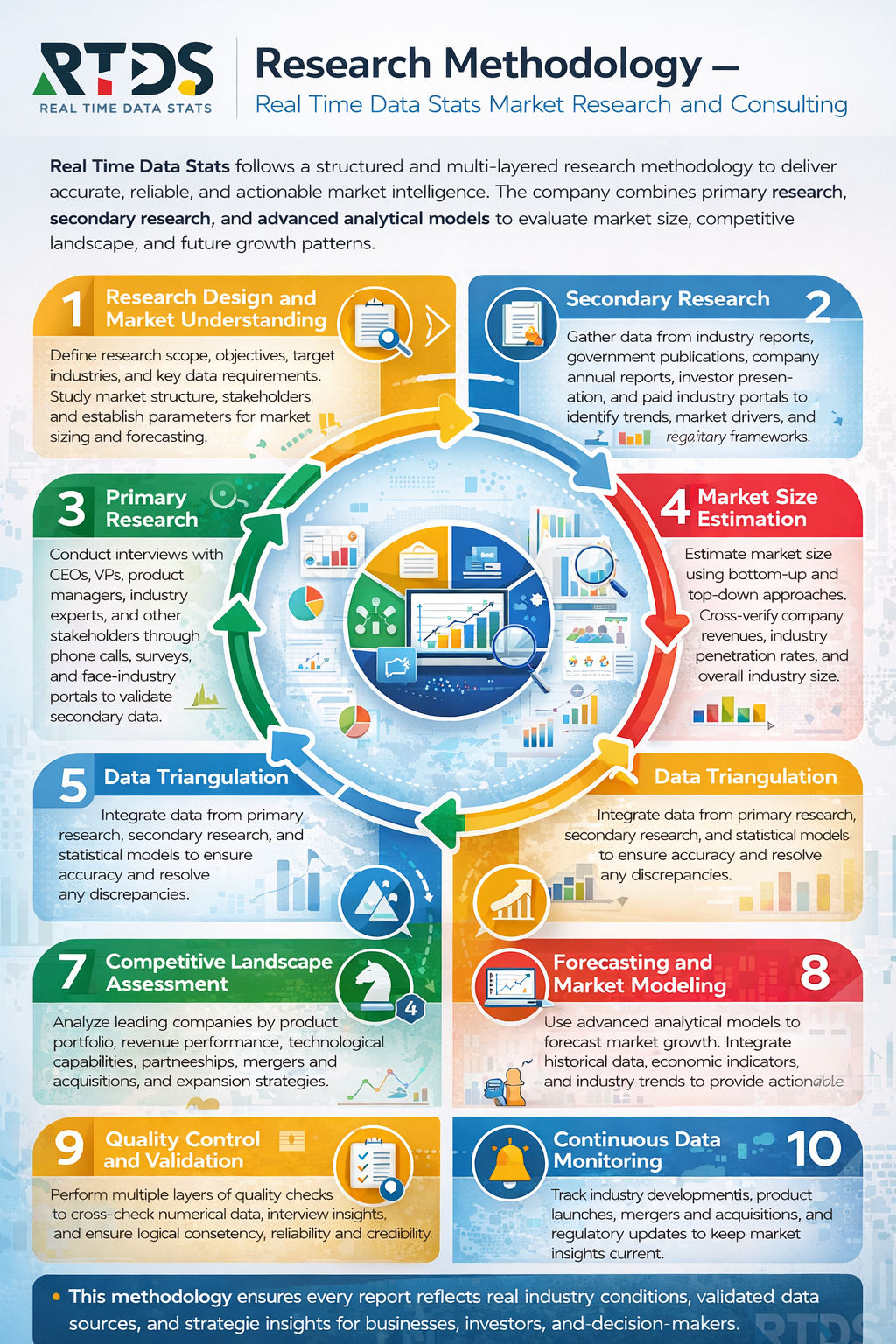
Research Methodology
- Primary Research
- Secondary Research
- Data Triangulation
- Market Size Estimation
- Assumptions & Limitations
Market Dynamics
- Market Drivers
- Market Restraints
- Market Opportunities
- Market Challenges
- Industry Trends
Market Overview
- Market Snapshot
- Market Ecosystem
- Value Chain Analysis
- Regulatory Landscape
- Technological Advancements
Space Systems Medicine Market Segmentation
- By Type
- Preventive Medicine
- Diagnostic Medicine
- Therapeutic Medicine
- Emergency Medicine
- Rehabilitation Medicine
- Psychological & Behavioral Medicine
- By Application
- Human Spaceflight
- Robotic Space Missions
- Space Tourism
- Space Stations
- Deep Space Exploration
- Military & Defense Space Missions
- By Product
- Medical Monitoring Devices
- Life Support Systems
- Pharmaceutical Products
- Surgical & Emergency Kits
- Telemedicine Systems
- Health Data Management Software
- By Technology
- Artificial Intelligence Systems
- Wearable Health Sensors
- Remote Monitoring Technology
- Biotechnology Solutions
- Robotics & Automation
- Digital Health Platforms
- By End User
- Astronauts
- Space Agencies
- Commercial Space Companies
- Defense Organizations
- Research Institutions
- Space Tourism Operators
- By Indication
- Musculoskeletal Disorders
- Cardiovascular Conditions
- Neurological Disorders
- Immune System Disorders
- Radiation-related Conditions
- Mental Health Conditions
- By Route of Administration
- Oral
- Injectable
- Transdermal
- Inhalation
- Intravenous
- Implantable Systems
- By Mission Type
- Short-duration Missions
- Long-duration Missions
- Low Earth Orbit Missions
- Lunar Missions
- Mars Missions
- Interplanetary Missions
- By Platform
- Spacecraft
- Space Stations
- Space Suits
- Ground-based Control Systems
- Lunar Habitats
- Planetary Surface Systems
Regional Market Analysis
- North America Market Overview
- Europe Market Overview
- Asia-Pacific Market Overview
- Latin America Market Overview
- Middle East Market Overview
- Africa Market Overview
Competitive Landscape
- Market Share Analysis
- Competitive Benchmarking
- Strategic Developments
- Mergers & Acquisitions
- Partnerships & Collaborations
Company Profiles
- Overview
- Product Portfolio
- Financial Overview
- Recent Developments
- Strategic Outlook
Future Outlook
- Market Forecast
- Emerging Technologies
- Investment Opportunities
- Growth Strategies
Conclusion
- Summary of Market Trends
- Key Drivers and Restraints
- Growth Opportunities
- Technology & Innovation Outlook
- Future Market Forecast
Appendix
- Abbreviations
- Data Sources
- Research Framework
- Disclaimer
List of Tables
- Table:1: Market Definition and Scope
- Table:2: Research Methodology Framework
- Table:3: Market Dynamics Overview
- Table:4: Value Chain Analysis
- Table:5: Market Segmentation by Type
- Table:6: Market Segmentation by Application
- Table:7: Market Segmentation by Product
- Table:8: Market Segmentation by Technology
- Table:9: Market Segmentation by End User
- Table:10: Market Segmentation by Indication
- Table:11: Market Segmentation by Route of Administration
- Table:12: Market Segmentation by Mission Type
- Table:13: Market Segmentation by Platform
- Table:14: Market Segmentation by Region
- Table:15: Competitive Landscape Overview
List of Figures
- Figure:1: Space Systems Medicine Market Structure
- Figure:2: Research Design Overview
- Figure:3: Market Dynamics Framework
- Figure:4: Market Ecosystem Diagram
- Figure:5: Value Chain Analysis Flow
- Figure:6: Market Segmentation by Type
- Figure:7: Market Segmentation by Application
- Figure:8: Market Segmentation by Product
- Figure:9: Market Segmentation by Technology
- Figure:10: Market Segmentation by End User
- Figure:11: Market Segmentation by Mission Type
- Figure:12: Market Segmentation by Platform
- Figure:13: Regional Market Distribution
- Figure:14: Competitive Landscape Mapping
- Figure:15: Future Market Outlook Diagram
Space Systems Medicine Market Key Factors
Drivers:
- Growing private sector investment accelerates commercial spaceflight and space tourism.
- Expanding deep-space exploration missions require advanced medical support systems.
- Terrestrial healthcare applications adopt technologies developed for astronaut health monitoring.
Restraints:
- Extremely high development costs limit entry for new market participants.
- Stringent regulatory and safety protocols delay product approval and mission timelines.
- Limited in-flight validation opportunities hinder the testing of medical protocols.
Opportunities:
- Advancements in AI and telemedicine enable remote diagnostics and autonomous care.
- Development of compact, multi-purpose medical devices creates new product categories.
- International collaboration on lunar and Martian missions opens shared R&D ventures.
Challenges:
- Microgravity uniquely alters human physiology, complicating diagnosis and treatment.
- Significant radiation exposure in space demands novel protective countermeasures.
- Mission constraints impose severe limits on medical equipment mass, power, and volume.
Space Systems Medicine Market Key Regional Trends
North America:
- NASA and the Department of Defense fund advanced medical countermeasure research.
- Private companies lead in developing commercial astronaut health and training services.
- Strong aerospace and biotech sectors foster public-private partnerships for innovation.
Europe:
- ESA focuses on integrated life support and closed-loop systems for planetary habitats.
- National agencies increasingly participate in and fund international lunar exploration initiatives.
- Research emphasizes the long-term cardiovascular and musculoskeletal effects of spaceflight.
Asia-Pacific:
- China's space station program drives independent development of life science payloads.
- Japan and India prioritize robotic and analog missions to test medical technologies.
- Growing national investments aim to build autonomous human spaceflight capabilities.
Frequently Asked Questions
Key Questions Answered
- What is the size and growth rate of the market industry?
- What are the main drivers influencing market growth trends?
- What are the key challenges and restraints faced by the market?
- What are the emerging trends and opportunities shaping the market?
- Who are the top players, and what strategies drive their success?
- What are the customer demographics and their buying behaviors?
- What are the key market segments, and what is their scope?
- What are the geographical dynamics, and which region dominates?
- What are the market forecasts and projections for the next decade?
- What regulatory factors are critical to consider for market growth?
Why Choose our Company?
- Major facts and stats backing every report we offer.
- Comprehensive analysis tailored to your business needs.
- Accurate insights backed by extensive market research.
- Expert support to address your queries promptly.
- Data-driven strategies for better decision-making.
- In-depth reports with actionable
recommendations. - Reliable statistics from trusted industry
sources. - Customizable reports to suit your specific goals.
- Unmatched quality and precision in market analysis.
- Competitive pricing with premium content delivery.
Share your experience!
We value you feedback. Please take a moment to review your experience with us.