
According to insights from Real Time Data Stats, the Space Systems Biology Market was valued at USD 0.48 billion in 2025. It is expected to grow from USD 0.57 billion in 2026 to USD 1.72 billion by 2033, registering a CAGR of 17.1% during the forecast period (2026–2033).
MARKET SIZE AND SHARE
The Space Systems Biology market is projected to grow significantly from 2025 to 2032, transitioning from a niche research field to a vital component of deep space exploration. Current market share is concentrated among government space agencies and a few specialized biotech firms supporting the International Space Station. By 2032, private sector participation in lunar and Mars mission planning will drive expansion, redistributing market share and fostering new competitive dynamics as commercial space stations become operational.
Analysts forecast a robust compound annual growth rate, with the total addressable market value potentially multiplying severalfold over this period. This growth is quantified by increased funding for space life science experiments and the procurement of specialized hardware for microgravity biological research. Market share will increasingly be captured by companies providing integrated genomic analysis platforms and bioinformatics services tailored for spaceflight data, essential for ensuring astronaut health and developing closed-loop life support systems.
INDUSTRY OVERVIEW AND STRATEGY
Space Systems Biology is an interdisciplinary field applying genomics, proteomics, and metabolomics to understand how spaceflight affects living organisms at a fundamental level. The industry is driven by the imperative to protect human health during long-duration missions and to utilize biological processes for sustainable exploration. Core activities include conducting experiments in microgravity and developing computational models to predict biological responses to the extreme space environment, forming the basis for countermeasures and biotechnology applications.
Key strategies for market players involve forming strategic public-private partnerships with agencies like NASA and ESA to co-fund high-risk research. Companies are focusing on product differentiation by creating miniaturized, automated lab-on-a-chip platforms for in-situ analysis. A critical strategic pivot is the development of dual-use technologies that have both spaceflight and terrestrial biomedical applications, thereby improving return on investment and accelerating the translational pipeline from space discovery to Earth benefit.
Analyst Key Takeaways:
The Space Systems Biology market is gaining momentum as space agencies, biotechnology companies, and research institutions increasingly focus on understanding biological behavior in microgravity environments. Advancements in omics technologies, synthetic biology, AI-driven biological modeling, and precision medicine are accelerating research aimed at astronaut health monitoring, radiation response analysis, and space-based drug discovery. Growing collaboration between commercial space companies and life science organizations is further expanding experimental opportunities aboard orbital platforms and future private space stations.
The market is also benefiting from rising interest in long-duration space missions, lunar exploration programs, and Mars mission preparation, all of which require deeper biological system analysis under extreme conditions. Increasing integration of systems biology with spatial biology and bioinformatics tools is improving the ability to study cellular adaptation, metabolic pathways, and immune responses in space environments. North America continues to lead innovation due to strong government funding and private-sector participation, while Asia-Pacific is emerging as a promising region supported by expanding national space research initiatives.
REGIONAL TRENDS AND GROWTH
North America, led by NASA and a strong private aerospace sector, holds the dominant market share and sets the technological pace. Europe follows closely, with the European Space Agency fostering collaborative research across member states. Emerging contributions are notable from Asia-Pacific, particularly China and Japan, which are rapidly expanding their space life science programs through national space station initiatives, indicating a future shift towards a more multipolar market landscape with distinct regional capabilities and focuses.
Primary growth drivers include escalating government investments in crewed Moon and Mars missions, which demand advanced biomedical support. A significant restraint remains the high cost and limited flight opportunities for experiments. Major opportunities lie in leveraging artificial intelligence for biological data analysis and creating self-sustaining biomanufacturing systems. The foremost challenge is the scientific and technical complexity of unraveling the combined effects of radiation and microgravity, requiring long-term, stable funding and international cooperation to mitigate risks.
SPACE SYSTEMS BIOLOGY MARKET SEGMENTATION ANALYSIS
BY TYPE:
The type segment in the Space Systems Biology Market is largely driven by the growing dependence on advanced analytical platforms capable of functioning in microgravity and extreme environmental conditions. Omics analysis platforms, bioinformatics tools, and space-compatible laboratory instruments dominate this segment because biological experimentation in space requires ultra-precise measurement and highly automated systems. The dominant factor here is technological sophistication combined with environmental resilience, as conventional Earth-based biological tools often fail or produce inconsistent results in space. Continuous innovation in miniaturization, AI-enabled analytics, and integrated biosensors significantly strengthens demand across government and private space missions.
Another major influencing factor is the increasing complexity of biological datasets generated in extraterrestrial environments. Biological sample processing kits and monitoring devices are gaining traction due to their ability to ensure contamination control, data accuracy, and long-term storage stability. Investments in modular and multifunctional equipment further enhance segment growth, while partnerships between biotech firms and aerospace agencies accelerate product development cycles. As missions become longer and more autonomous, the need for versatile and self-sustaining biological analysis tools becomes the strongest growth catalyst within this segment.
BY APPLICATION:
The application segment is primarily influenced by the expanding scope of human and non-human biological research beyond Earth. Astronaut health monitoring remains the most dominant application due to the necessity of tracking physiological changes, immune responses, and genetic stability in prolonged space exposure. Drug discovery and radiation impact studies also hold substantial weight, as space environments provide unique conditions that cannot be replicated on Earth. The dominant factor here is the need to mitigate biological risks associated with long-duration missions, which directly drives funding and technological investment.
Additionally, plant and microbial experiments, along with life support system optimization, are becoming increasingly important as space agencies focus on sustainability and self-sufficient habitats. The ability to grow food, recycle air and water, and maintain microbial balance forms a crucial pillar for future lunar and Martian settlements. The application segment is therefore shaped by long-term colonization goals and biomedical advancement, where interdisciplinary collaboration between space medicine, biotechnology, and environmental biology significantly boosts research activity and market demand.
BY COMPONENT:
The component segment is dominated by the integration of hardware, software, and consumables that collectively enable seamless biological experimentation in space. Hardware such as imaging systems and analytical instruments forms the backbone, while specialized software platforms provide modeling, simulation, and predictive analytics. The dominant factor is system interoperability and reliability, as space missions require components that can function without frequent maintenance or replacement. The growing use of AI-driven analytical software further amplifies demand for advanced computational tools.
Consumables and analytical services also play a crucial role because biological experiments often require sterile, single-use materials and ongoing data interpretation. Data storage solutions are emerging as a strong sub-segment due to the exponential rise in genomic and proteomic datasets. The component segment is strongly influenced by data intensity and mission duration, pushing organizations to invest in durable, lightweight, and multifunctional systems that reduce payload weight while maximizing operational efficiency.
BY END USER:
The end-user segment is heavily influenced by government space agencies, which remain the primary funding and execution bodies for large-scale biological missions. Research institutes and academic universities also hold a strong presence due to their continuous pursuit of scientific discovery and collaborative international projects. The dominant factor in this segment is institutional funding capacity and research infrastructure, as advanced biological experiments require significant capital and technical expertise.
Biotechnology and pharmaceutical companies are rapidly expanding their involvement, recognizing the commercial and scientific potential of microgravity research. Defense and aerospace organizations contribute through dual-use technologies and strategic biological studies. The segment’s growth is driven by cross-sector collaboration and commercialization of space biology innovations, leading to a diversified ecosystem where both public and private stakeholders actively shape market dynamics.
BY TECHNOLOGY:
The technology segment is shaped by breakthroughs in genomics, proteomics, metabolomics, and transcriptomics, which enable comprehensive biological mapping under extraterrestrial conditions. Systems modeling and AI-driven biological analysis serve as dominant forces because they allow predictive simulations and adaptive experimentation. The key factor here is data-driven innovation, as biological responses in space are complex and require high-precision analytical frameworks supported by machine learning and computational biology.
Technological convergence also plays a critical role, with biosensors, automation, and real-time analytics merging into unified platforms. Continuous R&D investments and patent development accelerate technology adoption. The segment’s expansion is therefore driven by the pursuit of accuracy, automation, and predictive capability, ensuring that biological insights gained in space translate into actionable knowledge for both terrestrial and extraterrestrial applications.
BY MISSION TYPE:
The mission type segment is dominated by low Earth orbit missions and space station experiments due to their accessibility and lower operational risks. However, deep space, lunar, and Mars exploration missions are emerging as strong growth areas as agencies intensify interplanetary ambitions. The dominant factor is mission duration and distance, which directly influence the complexity and necessity of biological monitoring systems.
Satellite-based biological studies also contribute to the segment by enabling remote experimentation and environmental observation. As mission diversity increases, the demand for adaptable biological platforms grows substantially. The segment is primarily driven by exploration expansion and habitat sustainability goals, ensuring that biological research remains central to mission planning and long-term human presence in space.
BY DEPLOYMENT MODE:
The deployment mode segment is influenced by the need for flexibility and operational efficiency. On-board spacecraft systems dominate due to their direct access to experimental environments, while ground-based simulation labs provide cost-effective alternatives for preliminary research. The dominant factor is operational accessibility combined with technological integration, as hybrid and cloud-integrated platforms enable real-time collaboration and data synchronization.
Portable research units and autonomous lab modules are gaining prominence as missions demand decentralized and self-operating systems. These deployment modes reduce human intervention and enhance mission safety. The segment’s growth is therefore propelled by automation, remote accessibility, and system scalability, ensuring that biological research can continue uninterrupted regardless of mission constraints.
BY RESEARCH FOCUS:
The research focus segment is largely driven by human physiology studies, which address muscle degradation, bone density loss, and immune system alterations in space. Microbial behavior analysis and plant growth research also hold strong significance as they directly impact life support systems. The dominant factor is biological adaptation understanding, which is essential for sustaining long-term extraterrestrial living conditions.
Synthetic biology and cellular adaptation studies are emerging as transformative sub-segments, enabling engineered biological solutions for resource generation and environmental control. The segment is influenced by the pursuit of self-sustaining ecosystems and biomedical innovation, making it one of the most strategically important areas within the Space Systems Biology Market.
BY FUNDING SOURCE:
The funding source segment is primarily dominated by government funding, which provides the foundational capital for large-scale missions and infrastructure development. Public-private partnerships are increasingly influential as they combine institutional support with commercial agility. The dominant factor here is financial stability and long-term investment commitment, which determines the scale and continuity of research initiatives.
Private investments, venture capital, and academic grants also contribute significantly by supporting niche innovations and early-stage technologies. Defense budgets further strengthen funding diversity. The segment’s expansion is driven by multi-channel financial ecosystems and commercialization prospects, ensuring a steady influx of resources for technological advancement and mission execution.
RECENT DEVELOPMENTS
- In Jan 2024: NASA selected 11 U.S. institutions for the Space Biology Program, funding 26 grants to study plant and microbial biology in space, focusing on astronaut health and life support.
- In Aug 2024: The European Space Agency (ESA) and the German Aerospace Center (DLR) initiated the first long-term artificial gravity study on the ISS using centrifuge-equipped rodent habitats for systems biology research.
- In Nov 2024: SpaceX's Crew-9 mission delivered a new batch of multi-omics experiments to the ISS, including commercial payloads from BioServe Space Technologies to study microbiome changes.
- In Feb 2025: Biotech startup Orbit Genomics secured $20M in Series A funding to develop its CRISPR-based biosensors for real-time monitoring of gene expression changes in microgravity.
- In Apr 2025: NASA and the ISS National Lab awarded funds to four companies to advance bioanalytic hardware for in-situ sequencing and protein analysis onboard spacecraft.
KEY PLAYERS ANALYSIS
- NASA (National Aeronautics and Space Administration)
- ESA (European Space Agency)
- SpaceX
- Blue Origin
- Sierra Space
- Nanoracks (Voyager Space)
- Airbus Defence and Space
- Lockheed Martin Space
- Northrop Grumman
- Boeing
- BioServe Space Technologies
- SpacePharma
- Ginkgo Bioworks (Zymergen)
- 10x Genomics
- Illumina
- Pacific Biosciences
- Oxford Nanopore Technologies
- KBR (Government Solutions)
- Leidos
- Airbus Defence and Space
Space Systems Biology Market Segmentation Analysis
By Type:
- Omics Analysis Platforms
- Bioinformatics & Data Analytics Tools
- Microgravity Simulation Systems
- Space-Compatible Lab Instruments
- Biosensors & Monitoring Devices
- Biological Sample Processing Kits
By Application:
- Astronaut Health Monitoring
- Drug Discovery & Testing in Space
- Genetic & Cellular Research
- Plant & Microbial Experiments
- Radiation Impact Studies
- Life Support System Optimization
By Component:
- Hardware
- Software
- Consumables
- Analytical Services
- Imaging Systems
- Data Storage Solutions
By End User:
- Space Agencies
- Research Institutes
- Biotechnology Companies
- Pharmaceutical Companies
- Academic Universities
- Defense & Aerospace Organizations
By Technology:
- Genomics
- Proteomics
- Metabolomics
- Transcriptomics
- Systems Modeling
- AI-Driven Biological Analysis
By Mission Type:
- Low Earth Orbit Missions
- Deep Space Missions
- Lunar Missions
- Mars Exploration Missions
- Space Station Experiments
- Satellite-Based Biological Studies
By Deployment Mode:
- On-Board Spacecraft Systems
- Ground-Based Simulation Labs
- Hybrid Research Platforms
- Cloud-Integrated Platforms
- Portable Research Units
- Autonomous Lab Modules
By Research Focus:
- Human Physiology Studies
- Microbial Behavior Analysis
- Plant Growth Research
- Cellular Adaptation Studies
- Environmental Interaction Research
- Synthetic Biology Experiments
By Funding Source:
- Government Funding
- Private Investments
- Public-Private Partnerships
- Academic Grants
- Defense Budgets
- Venture Capital
By Geography:
- North America (USA, Canada, Mexico)
- Europe (UK, Germany, France, Italy, Spain, Rest of Europe)
- Asia-Pacific (China, Japan, Australia, South Korea, India, Rest of Asia-Pacific)
- South America (Brazil, Argentina, Rest of South America)
- Middle East and Africa (GCC Countries, South Africa, Rest of MEA)
Space Systems Biology Market: Table of Contents
Executive Summary
- Market Snapshot
- Key Insights
- Analyst Viewpoint
- Strategic Recommendations
- Future Outlook
Market Introduction
- Market Definition
- Scope of Study
- Research Objectives
- Market Structure Overview
- Stakeholder Ecosystem
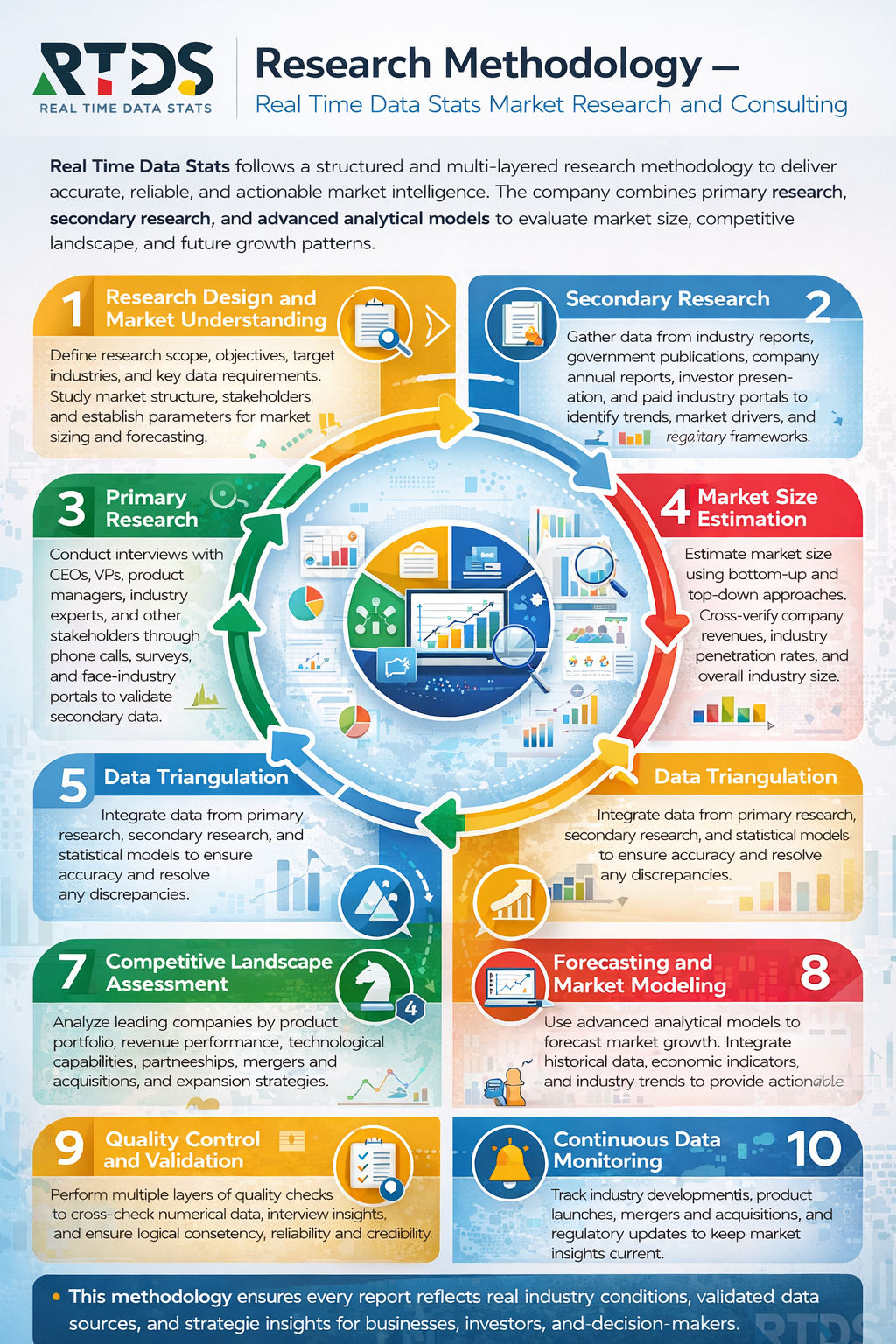
Research Methodology
- Data Collection Methods
- Primary Research Sources
- Secondary Research Sources
- Data Validation Techniques
- Assumptions & Limitations
Market Dynamics
- Market Drivers
- Market Restraints
- Market Opportunities
- Market Challenges
- Emerging Trends
Industry Value Chain Analysis
- Raw Material & Component Suppliers
- Technology Providers
- Integrators & Developers
- Distribution Channels
- End-User Interaction
Regulatory & Policy Landscape
- International Space Regulations
- Bioethics & Compliance Standards
- Safety Protocols
- Data Governance Policies
- Funding & Grants Framework
Technology Landscape
- Genomics Technologies
- Proteomics Platforms
- AI & Computational Biology
- Biosensor Innovations
- Space Lab Automation
Global Market Analysis & Forecast
- Market Size Overview
- Growth Rate Analysis
- Historical Trends
- Forecast Projections
- Demand–Supply Scenario
Space Systems Biology Market Segmentation
- By Type
- Omics Analysis Platforms
- Bioinformatics & Data Analytics Tools
- Microgravity Simulation Systems
- Space-Compatible Lab Instruments
- Biosensors & Monitoring Devices
- Biological Sample Processing Kits
- By Application
- Astronaut Health Monitoring
- Drug Discovery & Testing in Space
- Genetic & Cellular Research
- Plant & Microbial Experiments
- Radiation Impact Studies
- Life Support System Optimization
- By Component
- Hardware
- Software
- Consumables
- Analytical Services
- Imaging Systems
- Data Storage Solutions
- By End User
- Space Agencies
- Research Institutes
- Biotechnology Companies
- Pharmaceutical Companies
- Academic Universities
- Defense & Aerospace Organizations
- By Technology
- Genomics
- Proteomics
- Metabolomics
- Transcriptomics
- Systems Modeling
- AI-Driven Biological Analysis
- By Mission Type
- Low Earth Orbit Missions
- Deep Space Missions
- Lunar Missions
- Mars Exploration Missions
- Space Station Experiments
- Satellite-Based Biological Studies
- By Deployment Mode
- On-Board Spacecraft Systems
- Ground-Based Simulation Labs
- Hybrid Research Platforms
- Cloud-Integrated Platforms
- Portable Research Units
- Autonomous Lab Modules
- By Research Focus
- Human Physiology Studies
- Microbial Behavior Analysis
- Plant Growth Research
- Cellular Adaptation Studies
- Environmental Interaction Research
- Synthetic Biology Experiments
- By Funding Source
- Government Funding
- Private Investments
- Public-Private Partnerships
- Academic Grants
- Defense Budgets
- Venture Capital
Competitive Landscape
- Market Share Analysis
- Company Profiling
- Strategic Developments
- Partnerships & Collaborations
- Innovation Benchmarking
Regional Market Insights
- North America Analysis
- Europe Analysis
- Asia Pacific Analysis
- Latin America Analysis
- Middle East & Africa Analysis
Investment & Funding Analysis
- Venture Capital Trends
- Government Investments
- Private Equity Movements
- R&D Spending Patterns
- Grant Distribution
- Innovation & Patent Analysis
- Patent Filing Trends
Technology Ownership
- Innovation Hubs
- R&D Pipelines
- Collaboration Networks
Conclusion
- Summary of Market Trends
- Key Drivers and Restraints
- Growth Opportunities
- Technology & Innovation Outlook
- Future Market Forecast
Appendix
- Abbreviations
- Glossary of Terms
- Research References
- Data Sources
- Methodology Notes
List of Tables
- Table:1: Global Market Size Overview
- Table:2: Market Growth Rate Comparison
- Table:3: Value Chain Structure
- Table:4: Regulatory Framework Summary
- Table:5: Technology Adoption Rates
- Table:6: By Type Segment Share
- Table:7: By Application Segment Share
- Table:8: By Component Segment Share
- Table:9: By End User Segment Share
- Table:10: By Technology Segment Share
- Table:11: By Mission Type Segment Share
- Table:12: By Deployment Mode Segment Share
- Table:13: By Research Focus Segment Share
- Table:14: By Funding Source Segment Share
- Table:15: Regional Market Distribution
List of Figures
- Figure:1: Market Overview Diagram
- Figure:2: Growth Trend Graph
- Figure:3: Value Chain Illustration
- Figure:4: Technology Landscape Map
- Figure:5: Regulatory Flowchart
- Figure:6: By Type Segmentation Chart
- Figure:7: By Application Segmentation Chart
- Figure:8: By Component Segmentation Chart
- Figure:9: By End User Segmentation Chart
- Figure:10: By Technology Segmentation Chart
- Figure:11: By Mission Type Segmentation Chart
- Figure:12: By Deployment Mode Segmentation Chart
- Figure:13: By Research Focus Segmentation Chart
- Figure:14: By Funding Source Segmentation Chart
- Figure:15: Regional Market Share Map
Space Systems Biology Market: Key Factors
Drivers:
- Growing space agencies and private companies fund biological research.
- Advancing biotechnology tools enable complex experiments in microgravity.
- Need to protect astronaut health on long-duration missions intensifies.
Restraints:
- Extremely high costs of launching and maintaining space experiments limit access.
- Technical complexity of automating biology labs in space creates hurdles.
- Strict planetary protection regulations potentially slow research progress.
Opportunities:
- Developing novel biomedical discoveries with Earth applications.
- Creating bio-manufacturing processes for space resources.
- Expanding commercial research services for the space sector.
Challenges:
- Ensuring reliable and reproducible science in the extreme space environment.
- Managing and interpreting massive, complex biological datasets from space.
- Establishing clear legal and ethical frameworks for space-based biological research.
Space Systems Biology Market: Key Regional Trends
North America:
- NASA and commercial partners lead integrated research on human adaptation to space.
- Venture capital actively funds startups in space biotech and manufacturing.
- Academic institutions rapidly expand astrobiology and space life sciences programs.
Europe:
- ESA focuses on closed-loop life support systems and bioregenerative technologies.
- Strong international collaboration drives standardized experimental platforms.
- Research emphasizes plant biology and microbial ecology for habitat sustainability.
Asia-Pacific:
- China’s space station program accelerates its own controlled ecological life support research.
- Japan and India prioritize experiments on radiation biology and extremophiles.
- Growing government investment aims to build domestic technical expertise.
Rest of the World:
- Emerging space nations participate through specific experiment payloads on international missions.
- Research often focuses on local biological resources with potential space applications.
- Partnerships with established space agencies provide primary market access.
Frequently Asked Questions
Key Questions Answered
- What is the size and growth rate of the market industry?
- What are the main drivers influencing market growth trends?
- What are the key challenges and restraints faced by the market?
- What are the emerging trends and opportunities shaping the market?
- Who are the top players, and what strategies drive their success?
- What are the customer demographics and their buying behaviors?
- What are the key market segments, and what is their scope?
- What are the geographical dynamics, and which region dominates?
- What are the market forecasts and projections for the next decade?
- What regulatory factors are critical to consider for market growth?
Why Choose our Company?
- Major facts and stats backing every report we offer.
- Comprehensive analysis tailored to your business needs.
- Accurate insights backed by extensive market research.
- Expert support to address your queries promptly.
- Data-driven strategies for better decision-making.
- In-depth reports with actionable
recommendations. - Reliable statistics from trusted industry
sources. - Customizable reports to suit your specific goals.
- Unmatched quality and precision in market analysis.
- Competitive pricing with premium content delivery.
Share your experience!
We value you feedback. Please take a moment to review your experience with us.