
According to insights from Real Time Data Stats, the Space Radiation Biology Market was valued at USD 230 million in 2025. It is expected to grow from USD 259 million in 2026 to USD 590 million by 2033, registering a CAGR of 12.5% during the forecast period (2026–2033).
MARKET SIZE AND SHARE
The Space Radiation Biology Market is driven by escalating deep-space mission ambitions and growing investments in astronaut health research. Market share is concentrated among space agencies, government contractors, and a limited number of pioneering biotechnology firms. Leading organizations leverage proprietary research capabilities and long-standing partnerships with major space programs such as NASA and ESA, enabling them to secure a significant portion of current revenue and future contracted projects.
Market expansion will be fueled by lunar base development, crewed Mars mission preparations, and the commercialization of low-Earth orbit activities. Emerging companies are expected to capture specialized niche segments, gradually diversifying the competitive landscape without disrupting the dominance of established players. As demand for advanced human biology studies increases, the total addressable market will expand significantly, strengthening the industry's financial foundation and accelerating its transition from government-funded research to a broader, commercially sustainable sector.
INDUSTRY OVERVIEW AND STRATEGY
The Space Radiation Biology industry focuses on understanding and mitigating biological impacts of cosmic radiation, a paramount hurdle for human space exploration. This ecosystem comprises government space agencies, academic research institutions, aerospace defense primes, and biotechnology companies. The core strategic imperative is developing effective countermeasures—from pharmaceutical radioprotectants to advanced shielding materials and predictive health monitoring systems. Collaboration is fundamental, with public-private partnerships and international consortia forming to pool expertise, share astronomical costs, and de-risk long-term development cycles.
Competitive strategy hinges on intellectual property creation in biomonitoring, bioinformatics, and tailored medical solutions. Leaders are vertically integrating, combining space hardware experience with cutting-edge life sciences. A key strategic shift involves leveraging findings for terrestrial applications, like improving cancer radiotherapy, to create dual-use revenue streams. Success requires navigating a high-regulation environment, securing sustained government funding, and managing the extended timelines inherent to space biology research and validation.
Analyst Key Takeaways:
The Space Radiation Biology Market is gaining momentum as space agencies and commercial spaceflight operators intensify efforts to understand and mitigate the biological effects of cosmic radiation on astronauts. Growing investments in long-duration lunar and Mars missions are accelerating research into radiation-induced cellular damage, genomic responses, and the development of advanced biological countermeasures. The market is also benefiting from increased collaboration between aerospace organizations, research institutes, and biotechnology companies focused on astronaut health and mission safety.
Technological advancements in molecular biology, omics-based research, predictive modeling, and radiation simulation platforms are enhancing the precision and scalability of space radiobiology studies. The expanding role of private space enterprises, coupled with rising government support for human space exploration programs, is creating new opportunities for innovation in radiation risk assessment and personalized health monitoring. As human presence in deep space expands, demand for evidence-based radiation biology research is expected to strengthen significantly.
REGIONAL TRENDS AND GROWTH
North America holds commanding market leadership, propelled by NASA's Artemis program and substantial Department of Defense investment. Europe follows, with ESA member states and the EU funding coordinated research through programs like SOLARIS. The Asia-Pacific region is the fastest-growing, driven by China's ambitious Tiangong station and lunar plans, and India's expanding Gaganyaan crewed mission profile. Growth here is characterized by rapid state-funded capacity building and increasing academic output in relevant radiation sciences.
Primary growth drivers are clear national mandates for human spaceflight beyond LEO and the rising participation of commercial space entities. Key restraints include extreme research costs, technical complexity, and lengthy product development pathways. Significant opportunities lie in biotechnology breakthroughs and spin-off terrestrial healthcare applications. The foremost challenge remains the fundamental scientific uncertainty regarding chronic galactic cosmic ray exposure, requiring international cooperation to build the necessary knowledge base for safe, long-duration exploration.
SPACE RADIATION BIOLOGY MARKET SEGMENTATION ANALYSIS
BY TYPE:
The segmentation by type plays a foundational role in structuring the space radiation biology market, as different radiation exposure categories drive distinct research priorities, funding patterns, and technological development. Galactic cosmic radiation studies dominate this segment due to their relevance to long-duration deep space missions, particularly missions to the Moon, Mars, and beyond. The persistent and high-energy nature of galactic cosmic rays creates long-term biological risks, making them a central focus for space agencies and research institutions. Solar particle event studies also represent a critical segment, driven by the unpredictable and acute exposure risks associated with solar flares, which can significantly impact astronaut safety and mission continuity.
Low-dose and mixed radiation studies are gaining increasing importance as the market shifts from short orbital missions toward extended human presence in space. These segments are strongly influenced by the need to understand cumulative biological damage over time rather than immediate acute effects. High-dose radiation studies continue to support ground-based simulation research and countermeasure validation, particularly for emergency exposure scenarios. Overall, segmentation by type reflects the evolving mission architecture of global space programs and directly shapes investment in experimental models, radiation simulators, and biological monitoring technologies.
BY APPLICATION:
Application-based segmentation is a major determinant of market demand, as it connects radiation biology research directly to operational and clinical outcomes. Astronaut health risk assessment remains the dominant application, driven by the increasing number of crewed missions and extended mission durations. This segment is heavily supported by government funding, as accurate risk modeling is essential for mission approval and crew selection. Cancer risk research and central nervous system studies are also expanding rapidly, reflecting growing concerns about long-term degenerative and cognitive effects of radiation exposure in space environments.
Radiation countermeasure development represents a high-growth application area, fueled by the need for pharmacological, biological, and technological solutions to mitigate radiation damage. This segment attracts strong interest from biotechnology and pharmaceutical companies, creating cross-sector collaboration between space agencies and life science industries. Space mission planning applications further reinforce market growth, as radiation biology data is increasingly integrated into spacecraft design, shielding strategies, and mission timelines. Together, these applications position space radiation biology as a mission-critical discipline rather than a purely academic field.
BY RADIATION TYPE:
Segmentation by radiation type reflects the complexity of the space radiation environment and the need for specialized research approaches. Protons and heavy ions dominate this segment due to their prevalence in galactic cosmic radiation and solar particle events. Heavy ions, in particular, are a key focus because of their high linear energy transfer and their disproportionate biological impact despite lower abundance. Research centered on these radiation types drives demand for advanced particle accelerators and simulation facilities capable of replicating space-like conditions on Earth.
Neutrons, gamma rays, X-rays, and secondary radiation form essential subsegments that support comparative and validation studies. Secondary radiation has gained prominence as researchers recognize that interactions between primary radiation and spacecraft materials can significantly amplify biological risk. This segmentation influences infrastructure investment decisions and shapes collaborative research frameworks, especially among institutions with access to rare and costly irradiation facilities. The diversity of radiation types ensures sustained demand across multiple experimental platforms and analytical tools.
BY END USER:
End-user segmentation highlights the multi-institutional nature of the space radiation biology market. Space agencies remain the primary end users, accounting for the largest share of funding and research output. Their dominance is driven by national space exploration agendas, human spaceflight programs, and planetary exploration missions. Academic institutions and research institutes play a complementary role, contributing fundamental biological insights and training the specialized workforce required for this field.
Biotechnology and pharmaceutical companies represent a rapidly expanding end-user segment as commercial interest in radiation countermeasures and spin-off medical applications increases. Defense organizations also participate due to overlapping interests in radiation exposure, resilience, and protection technologies. This diverse end-user landscape enhances market resilience, promotes interdisciplinary innovation, and ensures a steady flow of investments from both public and private sectors.
BY MODEL SYSTEM:
Model system segmentation is critical because biological responses to radiation vary significantly across experimental platforms. Human cell lines dominate early-stage mechanistic studies due to their scalability and relevance to human health outcomes. Animal models continue to be essential for systemic and long-term effect analysis, particularly for neurobiological, cardiovascular, and reproductive research. These models underpin regulatory decision-making and validate risk projection frameworks used by space agencies.
Emerging model systems such as tissue-engineered constructs and computational models are gaining traction due to ethical considerations and cost efficiency. Computational models, in particular, are becoming integral to predictive biology and mission simulation, reducing reliance on resource-intensive physical experiments. The diversification of model systems strengthens the scientific robustness of the market while enabling faster translation of findings into mission-ready solutions.
BY TECHNOLOGY:
Technology-based segmentation reflects the infrastructure-intensive nature of space radiation biology research. Particle accelerators and ground-based simulation facilities account for a substantial portion of market investment due to their central role in replicating space radiation conditions. These technologies are capital-intensive but indispensable, creating high entry barriers and fostering long-term institutional partnerships. Dosimetry systems and imaging technologies support precise exposure measurement and biological response analysis, reinforcing experimental reliability.
Bioinformatics tools and data analytics platforms are emerging as key growth drivers within this segment. As datasets become larger and more complex, the ability to integrate biological, physical, and environmental data is essential. Technological advancement in this segment directly influences research efficiency, predictive accuracy, and cross-mission applicability, making it a strategic priority for both public agencies and private stakeholders.
BY RESEARCH AREA:
Research area segmentation reflects the expanding understanding of radiation-induced biological damage. DNA damage and repair studies form the backbone of this segment, as genomic instability underlies many long-term health risks. Oxidative stress and immune response research further enhance knowledge of systemic degradation caused by chronic exposure. These areas are strongly supported by long-standing radiobiology frameworks adapted for space-specific conditions.
Neurobiological and cardiovascular effects represent fast-growing research areas due to their implications for crew performance and mission safety. Reproductive health effects are also gaining attention as human spaceflight transitions toward long-term habitation scenarios. The breadth of research areas ensures sustained funding diversity and positions space radiation biology as a multidisciplinary field with wide-ranging scientific and medical relevance.
BY DOSE LEVEL:
Dose-level segmentation distinguishes between acute and chronic exposure scenarios, each with unique biological and operational implications. Acute exposure studies remain essential for understanding emergency events such as solar particle storms, supporting contingency planning and rapid-response countermeasures. High dose rate studies also support validation of shielding and pharmaceutical interventions under extreme conditions.
Chronic, low dose rate exposure studies are increasingly dominant as mission durations extend. These studies focus on cumulative damage, adaptive biological responses, and delayed health outcomes. Fractionated and mixed dose studies bridge the gap between laboratory conditions and real mission environments, enhancing the predictive power of research outputs. This segmentation directly aligns with future deep space exploration strategies.
BY ENVIRONMENT:
Environmental segmentation reflects the spatial diversity of radiation exposure across mission profiles. Low Earth orbit studies remain relevant due to ongoing space station operations and commercial orbital missions. However, deep space and planetary surface environments represent the most significant growth areas, driven by lunar and Martian exploration initiatives. These environments expose biological systems to higher radiation levels and more complex exposure patterns.
Spacecraft interior studies are crucial for evaluating shielding effectiveness and habitat design, while ground-based analog environments support pre-mission testing and validation. This segmentation ensures that research outcomes are directly transferable to real mission contexts, reinforcing the applied value of the space radiation biology market.
RECENT DEVELOPMENTS
- In Jan 2024: NASA selected over a dozen projects for its new Space Biology program, focusing on radiation effects using the ISS and ground-based laboratories to advance countermeasure research.
- In May 2024: The European Space Agency (ESA) awarded a major contract to Thales Alenia Space to lead the LUNA facility project, which will include a dedicated radiation biology laboratory for simulating lunar surface conditions.
- In Aug 2024: Biotechnology startup Varian, a Siemens Healthineers company, announced a new research collaboration with Axiom Space to adapt its clinical radiotherapy sensing technologies for astronaut biodosimetry.
- In Nov 2024: The UK Space Agency and the Canadian Space Agency jointly funded a new £2 million initiative, ""Shield-G,"" supporting three consortia to develop novel biological and physical radiation shielding materials.
- In Feb 2025: The Japanese Aerospace Exploration Agency (JAXA) and the German Aerospace Center (DLR) co-published breakthrough data from the MARA experiment on ISS, detailing cellular DNA repair mechanisms in microgravity and radiation environments.
KEY PLAYERS ANALYSIS
- NASA
- ESA (European Space Agency)
- JAXA (Japan Aerospace Exploration Agency)
- SpaceX
- Blue Origin
- Sierra Space
- Lockheed Martin
- Northrop Grumman
- Boeing
- Thales Alenia Space
- Airbus Defence and Space
- Axiom Space
- Nanoracks
- BioServe Space Technologies
- Charles River Laboratories
- The Henry M. Jackson Foundation
- Wyle Laboratories (KBR)
- Leidos
- Mayo Clinic (Space Medicine)
- Johns Hopkins University Applied Physics Laboratory
Space Radiation Biology Market Segmentation
By Type:
- Galactic Cosmic Radiation Studies
- Solar Particle Event Studies
- Trapped Radiation Belt Studies
- Mixed Radiation Studies
- Low-Dose Radiation Studies
- High-Dose Radiation Studies
By Application:
- Astronaut Health Risk Assessment
- Space Mission Planning
- Cancer Risk Research
- Central Nervous System Research
- Degenerative Disease Studies
- Radiation Countermeasure Development
By Radiation Type:
- Protons
- Heavy Ions
- Neutrons
- Gamma Rays
- X-Rays
- Secondary Radiation
By End User:
- Space Agencies
- Research Institutes
- Academic Institutions
- Defense Organizations
- Biotechnology Companies
- Pharmaceutical Companies
By Model System:
- Human Cell Lines
- Animal Models
- Plant Models
- Microbial Models
- Tissue-Engineered Models
- Computational Models
By Technology:
- Particle Accelerators
- Ground-Based Simulation Facilities
- Spaceflight Experiments
- Dosimetry Systems
- Imaging Technologies
- Bioinformatics Tools
By Research Area:
- DNA Damage and Repair
- Oxidative Stress
- Immune System Response
- Neurobiological Effects
- Cardiovascular Effects
- Reproductive Health Effects
By Dose Level:
- Acute Exposure Studies
- Chronic Exposure Studies
- Low Dose Rate Studies
- High Dose Rate Studies
- Fractionated Dose Studies
- Mixed Dose Studies
By Environment:
- Low Earth Orbit
- Deep Space
- Lunar Surface
- Martian Surface
- Spacecraft Interior
- Ground-Based Analog Environments
By Geography:
- North America (USA, Canada, Mexico)
- Europe (UK, Germany, France, Italy, Spain, Rest of Europe)
- Asia-Pacific (China, Japan, Australia, South Korea, India, Rest of Asia-Pacific)
- South America (Brazil, Argentina, Rest of South America)
- Middle East and Africa (GCC Countries, South Africa, Rest of MEA)
Space Radiation Biology Market: Table of Contents
Introduction
- Market Definition and Scope
- Study Objectives
- Market Coverage
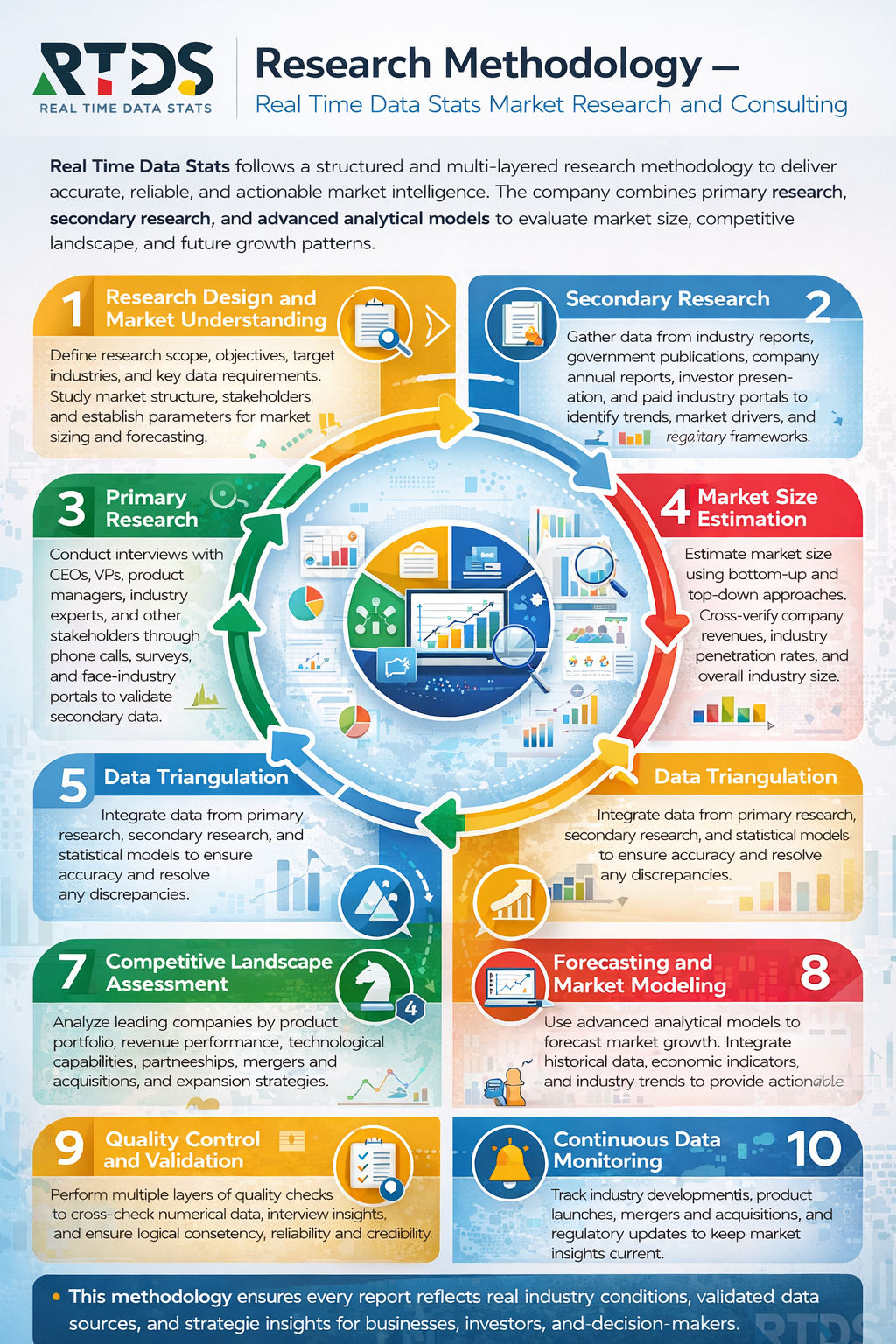
- Research Methodology Overview
- Assumptions and Limitations
Executive Summary
- Market Snapshot
- Key Findings
- Major Growth Drivers
- Market Challenges
- Emerging Opportunities
Market Overview
- Space Radiation Biology: Conceptual Framework
- Historical Market Evolution
- Current Market Landscape
- Future Market Outlook
- Value Chain Analysis
Market Dynamics
- Market Drivers
- Market Restraints
- Market Opportunities
- Market Challenges
Impact Analysis
- Impact of Space Exploration Programs
- Impact of Human Spaceflight Missions
- Impact of Technological Advancements
- Impact of Government Funding
- Impact of Global Collaboration
Space Radiation Biology Market Segmentation
- By Type
- Galactic Cosmic Radiation Studies
- Solar Particle Event Studies
- Trapped Radiation Belt Studies
- Mixed Radiation Studies
- Low-Dose Radiation Studies
- High-Dose Radiation Studies
- By Application
- Astronaut Health Risk Assessment
- Space Mission Planning
- Cancer Risk Research
- Central Nervous System Research
- Degenerative Disease Studies
- Radiation Countermeasure Development
- By Radiation Type
- Protons
- Heavy Ions
- Neutrons
- Gamma Rays
- X-Rays
- Secondary Radiation
- By End User
- Space Agencies
- Research Institutes
- Academic Institutions
- Defense Organizations
- Biotechnology Companies
- Pharmaceutical Companies
- By Model System
- Human Cell Lines
- Animal Models
- Plant Models
- Microbial Models
- Tissue-Engineered Models
- Computational Models
- By Technology
- Particle Accelerators
- Ground-Based Simulation Facilities
- Spaceflight Experiments
- Dosimetry Systems
- Imaging Technologies
- Bioinformatics Tools
- By Research Area
- DNA Damage and Repair
- Oxidative Stress
- Immune System Response
- Neurobiological Effects
- Cardiovascular Effects
- Reproductive Health Effects
- By Dose Level
- Acute Exposure Studies
- Chronic Exposure Studies
- Low Dose Rate Studies
- High Dose Rate Studies
- Fractionated Dose Studies
- Mixed Dose Studies
- By Environment
- Low Earth Orbit
- Deep Space
- Lunar Surface
- Martian Surface
- Spacecraft Interior
- Ground-Based Analog Environments
Regional Market Analysis
- North America Market Overview
- Europe Market Overview
- Asia Pacific Market Overview
- Latin America Market Overview
- Middle East Market Overview
- Africa Market Overview
Competitive Landscape
- Market Share Analysis
- Competitive Positioning Matrix
- Strategic Initiatives
- Collaborations and Partnerships
- Research and Development Trends
Company Profiles
- Overview
- Product and Service Portfolio
- Strategic Developments
- Financial Overview
- Future Strategies
Investment and Funding Analysis
- Government Funding Programs
- Private Investment Trends
- Public–Private Partnerships
- Research Grants Analysis
Future Outlook
- Market Forecast Overview
- Technological Roadmap
- Emerging Research Trends
- Long-Term Market Potential
Conclusion
- Summary of Market Trends
- Key Drivers and Restraints
- Growth Opportunities
- Technology & Innovation Outlook
- Future Market Forecast
Appendix
- Abbreviations and Acronyms
- Methodology Details
- Data Sources
- Disclaimer
List of Tables
- Table:1: Global Space Radiation Biology Market Overview
- Table:2: Market Dynamics Impact Analysis
- Table:3: Market Segmentation by Type
- Table:4: Market Segmentation by Application
- Table:5: Market Segmentation by Radiation Type
- Table:6: Market Segmentation by End User
- Table:7: Market Segmentation by Model System
- Table:8: Market Segmentation by Technology
- Table:9: Market Segmentation by Research Area
- Table:10: Market Segmentation by Dose Level
- Table:11: Market Segmentation by Environment
- Table:12: Market Segmentation by Region
- Table:13: Regional Market Comparison
- Table:14: Competitive Landscape Analysis
- Table:15: Investment and Funding Overview
List of Figures
- Figure:1: Space Radiation Biology Market Framework
- Figure:2: Market Research Methodology Flow
- Figure:3: Global Market Value Chain
- Figure:4: Market Drivers and Restraints Overview
- Figure:5: Impact of Space Missions on Market Growth
- Figure:6: Market Segmentation Overview
- Figure:7: Market Share by Type
- Figure:8: Market Share by Application
- Figure:9: Market Share by Radiation Type
- Figure:10: Technology Adoption Landscape
- Figure:11: Regional Market Distribution
- Figure:12: Competitive Positioning Matrix
- Figure:13: Research and Development Trends
- Figure:14: Investment Flow Analysis
- Figure:15: Future Market Outlook and Forecast
Space Radiation Biology Market Key Factors
Drivers:
- Expanding government space agencies fund biological research for deep space missions.
- Growing private space sector increases demand for human health risk assessments.
- Advancements in biotechnology enable more sophisticated ground-based space radiation studies.
Restraints:
- Extremely high costs limit access to space-based experimental platforms.
- Scientific complexity and data variability challenge the creation of standardized models.
- Stringent regulatory frameworks slow the development and approval of potential countermeasures.
Opportunities:
- Emerging startups innovate with novel shielding materials and pharmaceutical radioprotectants.
- International collaborations pool resources and share data from rare flight experiments.
- Terrestrial applications in oncology and aviation medicine create new commercial pathways.
Challenges:
- Inadequate knowledge persists regarding the long-term effects of combined space radiation exposures.
- Technical hurdles complicate the design of reliable biological experiments for the space environment.
- Ethical considerations govern research involving human subjects and astronauts in high-risk studies.
Space Radiation Biology Market Key Regional Trends
North America:
- NASA and the Department of Defense lead funding for mission-oriented research programs.
- Private companies actively partner with agencies to develop and test countermeasures.
- Major research institutions concentrate on improving cancer radiotherapy using space-derived data.
Europe:
- The European Space Agency (ESA) coordinates multinational research across member states.
- Strong focus continues on fundamental radiobiology using large-scale particle accelerators.
- Entities integrate space research findings into strict occupational radiation protection frameworks.
Asia-Pacific:
- National space programs rapidly increase biological experiment payloads on spacecraft and stations.
- Governments significantly invest in specialized space life sciences research facilities.
- Research initiatives strongly emphasize botanical studies and agricultural sustainability for space habitats.
Frequently Asked Questions
Key Questions Answered
- What is the size and growth rate of the market industry?
- What are the main drivers influencing market growth trends?
- What are the key challenges and restraints faced by the market?
- What are the emerging trends and opportunities shaping the market?
- Who are the top players, and what strategies drive their success?
- What are the customer demographics and their buying behaviors?
- What are the key market segments, and what is their scope?
- What are the geographical dynamics, and which region dominates?
- What are the market forecasts and projections for the next decade?
- What regulatory factors are critical to consider for market growth?
Why Choose our Company?
- Major facts and stats backing every report we offer.
- Comprehensive analysis tailored to your business needs.
- Accurate insights backed by extensive market research.
- Expert support to address your queries promptly.
- Data-driven strategies for better decision-making.
- In-depth reports with actionable
recommendations. - Reliable statistics from trusted industry
sources. - Customizable reports to suit your specific goals.
- Unmatched quality and precision in market analysis.
- Competitive pricing with premium content delivery.
Share your experience!
We value you feedback. Please take a moment to review your experience with us.