
According to insights from Real Time Data Stats, the Space Planetary Materials Market was valued at USD 230 million in 2025. It is expected to grow from USD 280 million in 2026 to USD 1,250 million by 2033, registering a CAGR of 24% during the forecast period (2026–2033).
MARKET SIZE AND SHARE
The Space Planetary Materials Market, encompassing extraterrestrial resources such as regolith, water ice, and rare minerals, is transitioning from a conceptual domain to a structured commercial frontier. This rapid expansion is fueled by planned lunar bases, asteroid exploration programs, and long-term deep space missions. Early market share will remain concentrated among major space agencies and pioneering private firms that secure technological and operational advantages. Demonstrations of in-situ resource utilization (ISRU) will act as a critical inflection point, unlocking new investment flows and encouraging broader participation across the value chain as specialized players enter the ecosystem.
Initial dominance will rest with organizations capable of end-to-end operations, including extraction, processing, and space logistics. Established aerospace contractors, along with agile startups focused on mining technologies and resource conversion, will command significant early shares. As commercialization accelerates beyond 2030, market distribution will gradually diversify between upstream extraction companies and downstream users such as orbital manufacturers and fuel providers. The long-term scale of the market depends on achieving cost-efficient resource utilization for applications like propulsion, habitat construction, and in-space manufacturing, ultimately shaping the foundation of a sustainable space economy.
INDUSTRY OVERVIEW AND STRATEGY
This emerging industry focuses on identifying, extracting, and utilizing materials from celestial bodies. Current activities are dominated by research and robotic prospecting missions. The core strategic imperative is to develop and demonstrate feasible ISRU technologies to enable sustainable deep-space operations. Long-term strategy involves creating a supply chain for propellants, construction materials, and life support, thereby reducing Earth dependency for exploration and future commercial ventures in cislunar space and beyond.
Key strategies include forming international consortia to share monumental costs and risks. Companies are pursuing phased approaches: first, remote sensing for resource mapping; second, pilot processing plants; third, scalable commercial operations. Strategic partnerships between aerospace firms, mining corporations, and research institutions are critical. The overarching goal is to establish technical standards and legal frameworks, turning scientific capability into a viable, strategically vital economic sector.
Analyst Key Takeaways:
The space planetary materials segment is emerging as a high-growth niche within the broader space mining ecosystem, driven by increasing focus on in-situ resource utilization (ISRU) and long-term space mission sustainability. As space agencies and private players accelerate lunar and asteroid exploration initiatives, demand for locally sourced materials such as regolith, water ice, and metal ores is gaining strategic importance. This shift reduces dependency on Earth-based supply chains and enables cost-efficient construction, fuel generation, and life-support systems in extraterrestrial environments.
From an investment and technology standpoint, the segment is expected to outpace its parent market due to its specialized role in enabling space infrastructure and commercialization. Advancements in robotic extraction, autonomous processing systems, and material refinement technologies are creating new value layers within the ecosystem. Additionally, growing collaboration between governments and private space companies is strengthening the commercialization pathway, positioning planetary materials as a critical enabler of the future space economy.
REGIONAL TRENDS AND GROWTH
The United States, through NASA's Artemis program and commercial lunar payload services, drives North American dominance. Europe and Japan show strong governmental and agency-led investment in ISRU technology. China’s ambitious lunar and deep-space plans position it as a fast-growing regional leader. The Middle East, notably the UAE, is entering with strategic investments, viewing space resources as a future economic diversification pillar beyond Earth.
Primary drivers include government funding for exploration and reducing launch mass. Major restraints are extremely high initial costs, uncertain legal frameworks, and immense technical risks. Opportunities lie in supplying lunar fuel depots and orbital manufacturing. The central challenge is achieving economic feasibility before sustained funding wanes. Future growth depends on converging technological progress, supportive policy, and proving a compelling return-on-investment model to attract private capital at scale.
SPACE PLANETARY MATERIALS MARKET SEGMENTATION ANALYSIS
BY TYPE:
The segmentation by type plays a fundamental role in shaping the technological and commercial direction of the space planetary materials market. Metals, silicates, ices, carbonaceous materials, regolith, and rare earth elements collectively form the backbone of extraterrestrial resource utilization. Metals such as iron, nickel, and aluminum are essential for structural construction, equipment manufacturing, and infrastructure development in space. Silicates support fabrication and glass production, while ices contribute significantly to water extraction and fuel generation. Carbonaceous materials provide organic compounds crucial for scientific research and life-support systems. Regolith serves as shielding and construction feedstock, while rare earth elements enable advanced electronics and energy storage.
The dominance of these material types is driven by increasing mission complexity, sustained space exploration programs, and the long-term goal of human settlement beyond Earth. Rising investment in asteroid mining and lunar exploration initiatives is significantly accelerating the demand for high-value materials such as rare earth elements and metals. The strategic importance of in-situ resource utilization is reinforcing interest in regolith and silicate-based construction solutions. Meanwhile, the search for sustainable life-support resources is intensifying the focus on water ice and carbon-rich materials. Collectively, these factors are redefining material priorities and driving sustained growth across multiple segments of the planetary materials market.
BY APPLICATION:
Application-based segmentation highlights the diverse utility of planetary materials across operational, scientific, and commercial domains. Space construction dominates due to increasing demand for sustainable habitats, protective shielding, and orbital infrastructure. Fuel production is rapidly expanding as extracted water ice and carbon compounds are converted into hydrogen and oxygen propellants, reducing Earth-dependence. Life support systems rely on locally sourced water, oxygen, and carbon materials, enabling extended missions. Scientific research drives the collection of pristine extraterrestrial samples, while manufacturing in space enables precision component fabrication. Energy generation through solar material processing further strengthens this application segment.
The dominance of these applications is fueled by expanding interplanetary missions, space station development, and the growing commercialization of low Earth orbit operations. Government and private agencies increasingly prioritize sustainable supply chains, pushing the adoption of in-space manufacturing and fuel generation. Advances in robotics, automation, and material processing technologies significantly enhance operational feasibility. Furthermore, strategic goals of permanent lunar and Martian bases amplify the demand for space construction and life-support solutions. Collectively, these dominant application factors are shaping long-term investments and redefining operational efficiency within the space planetary materials ecosystem.
BY MATERIAL FORM:
Material form segmentation reflects operational flexibility and technological adaptability in space environments. Solid materials dominate due to their structural utility, storage stability, and processing efficiency. Liquid forms, particularly water and fuel derivatives, support life-support and propulsion applications. Gaseous materials enable breathable atmospheres and energy production, while powder forms facilitate additive manufacturing and construction printing. Composite materials enhance strength-to-weight ratios, enabling durable infrastructure, while nanomaterials offer superior performance in electronics, energy storage, and radiation shielding, driving innovation across space manufacturing and exploration systems.
The dominance of these forms is driven by increasing mission durations, complex operational environments, and efficiency optimization. Solid and composite materials remain crucial for building resilient habitats and spacecraft components. Powder-based forms are gaining traction due to their compatibility with 3D printing and autonomous construction technologies. Nanomaterials continue to experience growing demand due to advancements in sensor technologies and energy efficiency. Liquids and gases remain essential for sustaining human presence and propulsion needs. These factors collectively promote diversified material form utilization, accelerating innovation and technological advancement across the planetary materials market.
BY SOURCE:
Source-based segmentation highlights the strategic importance of extraterrestrial resource extraction locations. The lunar surface dominates due to its proximity, accessibility, and abundance of regolith, metals, and water ice. Martian surface exploration supports long-term colonization strategies and life-support development. Asteroids offer high concentrations of metals and rare earth elements, making them attractive for commercial mining. Comets provide valuable water and carbon resources, while planetary moons contribute to scientific discovery. Space debris recycling introduces sustainability by repurposing orbiting waste materials into usable construction feedstock.
The dominance of these sources is driven by advancing propulsion systems, autonomous mining robotics, and declining launch costs. The Moon remains the primary testing ground for large-scale extraction technologies and infrastructure deployment. Asteroid mining initiatives gain traction due to high economic value and strategic material security. Martian exploration is fueled by long-term human settlement ambitions. Recycling space debris supports sustainable orbital operations and environmental safety. Collectively, these dominant sourcing factors are shaping future exploration strategies and redefining extraterrestrial resource economics within the global planetary materials market.
BY MISSION TYPE:
Mission type segmentation reflects operational objectives and investment priorities. Robotic missions dominate due to lower cost, reduced risk, and extended operational capability. Crewed missions support scientific discovery, construction, and colonization objectives. Sample return missions enable in-depth material analysis, strengthening research and development. Mining missions drive commercial resource extraction, while exploration missions expand planetary knowledge. Colonization missions represent long-term strategic initiatives aimed at sustainable human settlement, infrastructure development, and self-sufficient ecosystems beyond Earth.
The dominance of these mission types is influenced by technological maturity, funding availability, and geopolitical competition. Robotic missions benefit from rapid advancements in artificial intelligence, enabling autonomous decision-making and resource extraction. Crewed missions gain momentum through international collaborations and private-sector investments. Mining missions are increasingly prioritized due to rising material demand and cost optimization. Colonization missions attract significant funding as governments and corporations seek permanent off-world presence. These dominant mission-driven factors collectively shape strategic roadmaps and long-term planning across the planetary materials industry.
BY END USER:
End-user segmentation demonstrates diverse demand patterns and investment drivers. Government space agencies dominate through large-scale exploration programs, scientific research funding, and infrastructure development initiatives. Private space companies contribute significantly through innovation, commercialization, and cost reduction strategies. Research institutions drive material testing, experimentation, and technology validation. Defense organizations focus on strategic security, surveillance, and resilience. Commercial manufacturers utilize planetary materials for advanced product development, while academic institutions support workforce training, scientific discovery, and interdisciplinary research collaboration.
The dominance of these end users is shaped by policy frameworks, funding structures, and technological partnerships. Government agencies provide long-term stability and research continuity, while private firms accelerate commercialization and operational efficiency. Defense organizations invest in resilient material systems and strategic resource independence. Research institutions and academia foster innovation and skill development. Commercial manufacturers leverage advanced materials for competitive advantage. Together, these dominant end-user factors promote continuous technological advancement, market expansion, and sustainable ecosystem development within the planetary materials sector.
BY PROCESSING METHOD:
Processing method segmentation highlights technological pathways for material conversion and utilization. Mechanical processing dominates due to simplicity, reliability, and suitability for regolith handling. Thermal processing supports extraction and purification of metals and volatiles. Chemical processing enables fuel synthesis and material separation. Biological processing introduces innovative life-support recycling solutions. Additive manufacturing drives in-space construction and component fabrication, while electrochemical processing supports energy generation, oxygen extraction, and fuel production, enhancing mission autonomy and operational sustainability.
The dominance of these methods is driven by technological feasibility, energy efficiency, and automation integration. Mechanical and thermal processes remain foundational due to operational robustness. Chemical and electrochemical techniques gain importance as fuel production and energy independence become strategic priorities. Additive manufacturing experiences rapid growth due to its ability to minimize payload dependence. Biological processing gains interest for closed-loop life-support systems. These dominant processing factors collectively enable scalable, sustainable material utilization across diverse mission architectures.
BY TECHNOLOGY:
Technology-based segmentation defines innovation intensity and operational capability. In-situ resource utilization remains central to reducing Earth-dependence and enhancing mission sustainability. Autonomous robotics dominate due to extended operational endurance and reduced human risk. 3D printing enables rapid infrastructure deployment. Advanced sensors support precision mining and environmental monitoring. Artificial intelligence enhances autonomous decision-making, while remote operations ensure mission control efficiency. Together, these technologies form an integrated ecosystem enabling efficient planetary material extraction and utilization.
The dominance of these technologies is driven by cost reduction pressures, operational autonomy, and mission complexity. In-situ resource utilization underpins sustainable space logistics. Robotics and artificial intelligence enhance efficiency and adaptability in hostile environments. 3D printing supports rapid construction and repair. Advanced sensors improve material detection and processing precision. Remote operations ensure real-time control across vast distances. These dominant technological drivers collectively accelerate mission success rates and foster continuous innovation within the planetary materials market.
BY DISTRIBUTION CHANNEL:
Distribution channel segmentation reflects procurement structures and strategic collaboration models. Direct contracts dominate through long-term agreements between agencies and suppliers. Government tenders ensure regulatory compliance and large-scale procurement. Strategic partnerships facilitate technology sharing and co-development. Research collaborations support innovation and experimental validation. Commercial supply agreements drive market commercialization, while space logistics providers ensure transportation, storage, and orbital deployment of materials, forming a critical operational backbone.
The dominance of these channels is influenced by mission complexity, regulatory requirements, and commercial expansion strategies. Direct contracts and government tenders ensure stability and funding continuity. Strategic partnerships accelerate technology development and reduce risk exposure. Research collaborations foster innovation and skill transfer. Commercial supply agreements support market scaling, while logistics providers enable efficient distribution and operational integration. Collectively, these dominant distribution factors streamline supply chains, enhance operational efficiency, and strengthen global planetary materials market connectivity.
RECENT DEVELOPMENTS
- In Jan 2024: NASA selected multiple companies for its Lunar Surface Innovation Initiative, funding technologies for in-situ resource utilization (ISRU) and regolith processing on the Moon.
- In Aug 2024: The Japanese space agency JAXA and NASA confirmed the successful collection of asteroid material from Ryugu by Hayabusa2, advancing sample analysis for resource potential.
- In Nov 2024: Luxembourg-based Maana Electric demonstrated its terrestrial prototype for extracting iron and oxygen from simulated Martian regolith in desert conditions.
- In Feb 2025: SpaceX's Starship test flight successfully landed on the Moon, carrying payloads designed to conduct preliminary experiments on lunar soil for future resource extraction.
- In Apr 2025: A consortium led by Blue Origin was awarded a DARPA contract to develop and test a robotic system for mining lunar ice at the permanently shadowed south pole regions.
KEY PLAYERS ANALYSIS
- NASA (National Aeronautics and Space Administration)
- SpaceX
- Blue Origin
- ispace, inc.
- Astrobotic Technology
- Lunar Outpost
- TransAstra
- OffWorld
- Masten Space Systems
- Shackleton Energy Company
- JAXA (Japan Aerospace Exploration Agency)
- ESA (European Space Agency)
- CNSA (China National Space Administration)
- Roscosmos
- Lockheed Martin
- Northrop Grumman
- Airbus Defence and Space
- The Boeing Company
- Dymonium
- Solar System Resources Corporation
Space Planetary Materials Market Segmentation Analysis
By Type:
- Metals
- Silicates
- Ices
- Carbonaceous Materials
- Regolith
- Rare Earth Elements
By Application:
- Space Construction
- Fuel Production
- Life Support Systems
- Scientific Research
- Manufacturing in Space
- Energy Generation
By Material Form:
- Solid
- Liquid
- Gas
- Powder
- Composite
- Nanomaterials
By Source:
- Lunar Surface
- Martian Surface
- Asteroids
- Comets
- Planetary Moons
- Space Debris
By Mission Type:
- Robotic Missions
- Crewed Missions
- Sample Return Missions
- Mining Missions
- Exploration Missions
- Colonization Missions
By End User:
- Government Space Agencies
- Private Space Companies
- Research Institutions
- Defense Organizations
- Commercial Manufacturers
- Academic Institutions
By Processing Method:
- Mechanical Processing
- Thermal Processing
- Chemical Processing
- Biological Processing
- Additive Manufacturing
- Electrochemical Processing
By Technology:
- In-Situ Resource Utilization
- Autonomous Robotics
- 3D Printing
- Advanced Sensors
- Artificial Intelligence
- Remote Operations
By Distribution Channel:
- Direct Contracts
- Government Tenders
- Strategic Partnerships
- Research Collaborations
- Commercial Supply Agreements
- Space Logistics Providers
By Geography:
- North America (USA, Canada, Mexico)
- Europe (UK, Germany, France, Italy, Spain, Rest of Europe)
- Asia-Pacific (China, Japan, Australia, South Korea, India, Rest of Asia-Pacific)
- South America (Brazil, Argentina, Rest of South America)
- Middle East and Africa (GCC Countries, South Africa, Rest of MEA)
Space Planetary Materials Market: Table of Contents
Introduction
- Market Definition
- Market Scope
- Market Structure
- Industry Value Chain Analysis
- Research Objectives
- Assumptions and Limitations
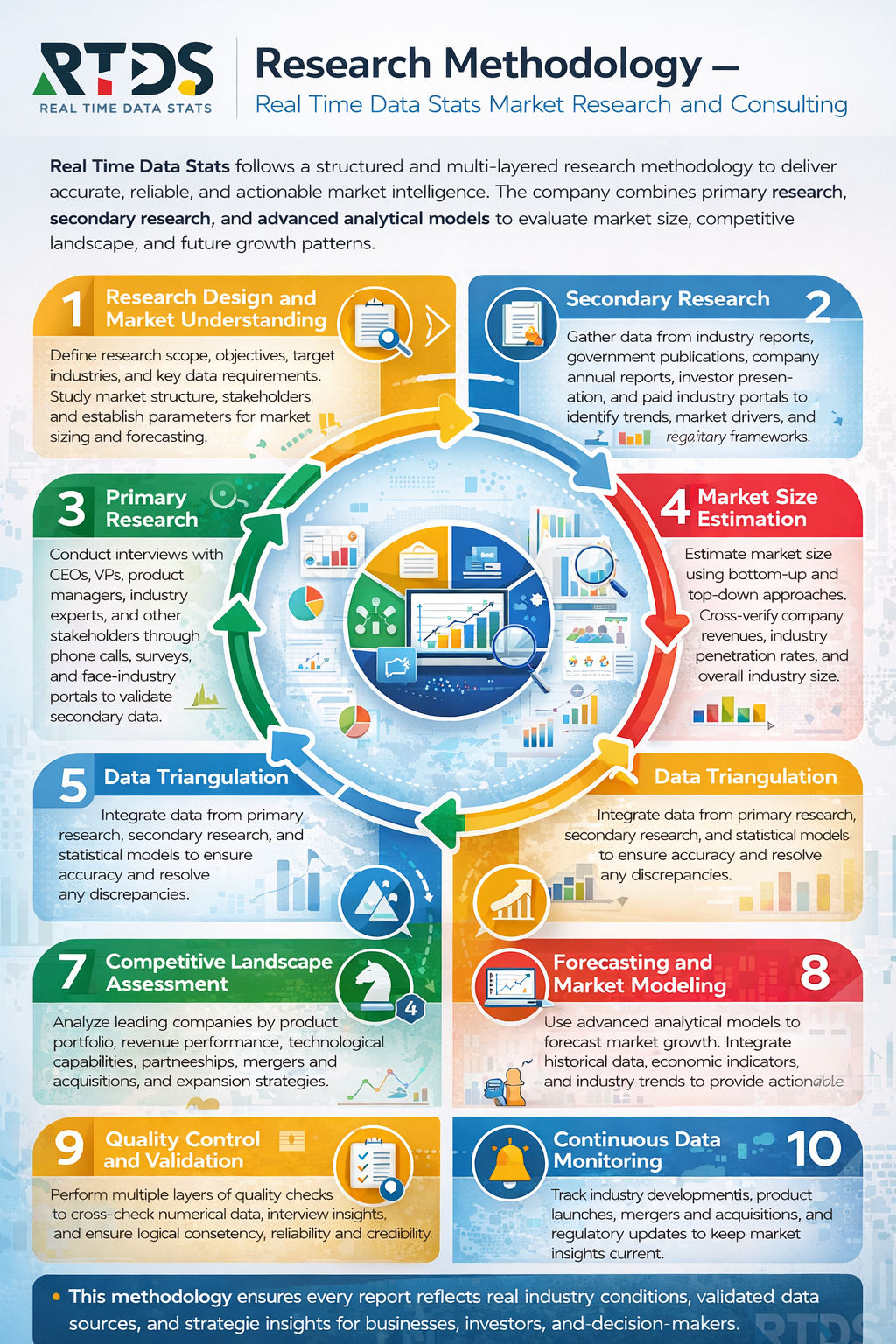
Research Methodology
- Primary Research
- Secondary Research
- Data Triangulation
- Market Estimation Techniques
- Forecasting Models
- Validation Process
Executive Summary
- Market Snapshot
- Key Findings
- Market Highlights
- Growth Opportunities
- Strategic Recommendations
Market Dynamics
- Market Drivers
- Market Restraints
- Market Opportunities
- Market Challenges
- Industry Trends
- Regulatory Framework
Global Space Planetary Materials Market Overview
- Market Size Analysis
- Market Growth Rate
- Market Forecast Outlook
- Industry Life Cycle Assessment
- Value Chain Analysis
- Ecosystem Mapping
Space Planetary Materials Market Segmentation Analysis
- By Type
- Metals
- Silicates
- Ices
- Carbonaceous Materials
- Regolith
- Rare Earth Elements
- By Application
- Space Construction
- Fuel Production
- Life Support Systems
- Scientific Research
- Manufacturing in Space
- Energy Generation
- By Material Form
- Solid
- Liquid
- Gas
- Powder
- Composite
- Nanomaterials
- By Source
- Lunar Surface
- Martian Surface
- Asteroids
- Comets
- Planetary Moons
- Space Debris
- By Mission Type
- Robotic Missions
- Crewed Missions
- Sample Return Missions
- Mining Missions
- Exploration Missions
- Colonization Missions
- By End User
- Government Space Agencies
- Private Space Companies
- Research Institutions
- Defense Organizations
- Commercial Manufacturers
- Academic Institutions
- By Processing Method
- Mechanical Processing
- Thermal Processing
- Chemical Processing
- Biological Processing
- Additive Manufacturing
- Electrochemical Processing
- By Technology
- In-Situ Resource Utilization
- Autonomous Robotics
- 3D Printing
- Advanced Sensors
- Artificial Intelligence
- Remote Operations
- By Distribution Channel
- Direct Contracts
- Government Tenders
- Strategic Partnerships
- Research Collaborations
- Commercial Supply Agreements
- Space Logistics Providers
Regional Market Analysis
- North America Market Analysis
- Europe Market Analysis
- Asia Pacific Market Analysis
- Latin America Market Analysis
- Middle East Market Analysis
- Africa Market Analysis
Competitive Landscape
- Market Share Analysis
- Company Profiling
- Strategic Developments
- Mergers and Acquisitions
- Partnerships and Collaborations
- Product Portfolio Analysis
- Key Company Profiles
Company Overview
- Financial Performance
- Product Portfolio
- Strategic Initiatives
- Recent Developments
- SWOT Analysis
Investment and Funding Analysis
- Venture Capital Trends
- Government Funding Programs
- Private Investments
- Strategic Alliances
Future Investment Outlook
- Future Outlook and Forecast
- Market Forecast by Region
- Market Forecast by Type
- Market Forecast by Application
- Market Forecast by Technology
- Market Forecast by End User
- Long-Term Industry Outlook
Conclusion
- Summary of Market Trends
- Key Drivers and Restraints
- Growth Opportunities
- Technology & Innovation Outlook
- Future Market Forecast
Appendix
- Abbreviations and Acronyms
- Data Sources
- Research Assumptions
- Methodology Details
- Disclaimer
List of Tables
- Table:1: Global Space Planetary Materials Market Overview
- Table:2: Market Size by Region
- Table:3: Market Size by Type
- Table:4: Market Size by Application
- Table:5: Market Size by Material Form
- Table:6: Market Size by Source
- Table:7: Market Size by Mission Type
- Table:8: Market Size by End User
- Table:9: Market Size by Processing Method
- Table:10: Market Size by Technology
- Table:11: Market Size by Distribution Channel
- Table:12: Competitive Landscape Analysis
- Table:13: Key Company Market Share
- Table:14: Investment & Funding Trends
- Table:15: Forecast Market Growth Projections
List of Figures
- Figure:1: Global Market Share by Region
- Figure:2: Market Segmentation by Type
- Figure:3: Market Segmentation by Application
- Figure:4: Market Segmentation by Material Form
- Figure:5: Market Segmentation by Source
- Figure:6: Market Segmentation by Mission Type
- Figure:7: Market Segmentation by End User
- Figure:8: Market Segmentation by Processing Method
- Figure:9: Market Segmentation by Technology
- Figure:10: Market Segmentation by Distribution Channel
- Figure:11: Market Growth Trends
- Figure:12: Competitive Landscape Overview
- Figure:13: Key Company Positioning Matrix
- Figure:14: Investment Flow Mapping
- Figure:15: Market Forecast Visualization
Space Planetary Materials Market Key Factors
Drivers:
- Increasing public and private investment expands space exploration missions.
- Advancing in-situ resource utilization (ISRU) technologies enable material processing.
- Growing ambitions to establish sustainable human presence on the Moon and Mars create demand.
Restraints:
- Extremely high costs for space missions and technology development limit scale.
- Unclear international and national regulatory frameworks create legal uncertainty.
- Immature and unproven extraction techniques present significant technical risks.
Opportunities:
- Developing space-based manufacturing and construction unlocks new industries.
- Utilizing extraterrestrial resources reduces Earth launch mass and costs.
- Discovering and harvesting rare or valuable materials offers high economic potential.
Challenges:
- Operating in harsh planetary environments with extreme temperatures and radiation.
- Establishing reliable and autonomous robotic operations for extraction.
- Creating viable economic models for a currently non-existent commercial market.
Space Planetary Materials Market Key Regional Trends
North America:
- NASA's Artemis program and CLPS initiatives drive lunar ISRU technology development.
- Strong private sector involvement from companies like SpaceX and Blue Origin accelerates plans.
- S. government agencies actively formulate initial policy and regulatory frameworks.
Europe:
- ESA leads international collaboration on ISRU demonstration missions and research.
- Member states focus on developing specific robotic and resource prospecting technologies.
- Emphasizing sustainable exploration guidelines and ethical resource use frameworks.
Asia-Pacific:
- China's lunar exploration program actively pursues sample return and South Pole missions.
- Japan and India advance robotic exploration and partner in international missions.
- Growing national space budgets increasingly allocate funds to deep space and ISRU research.
Frequently Asked Questions
Key Questions Answered
- What is the size and growth rate of the market industry?
- What are the main drivers influencing market growth trends?
- What are the key challenges and restraints faced by the market?
- What are the emerging trends and opportunities shaping the market?
- Who are the top players, and what strategies drive their success?
- What are the customer demographics and their buying behaviors?
- What are the key market segments, and what is their scope?
- What are the geographical dynamics, and which region dominates?
- What are the market forecasts and projections for the next decade?
- What regulatory factors are critical to consider for market growth?
Why Choose our Company?
- Major facts and stats backing every report we offer.
- Comprehensive analysis tailored to your business needs.
- Accurate insights backed by extensive market research.
- Expert support to address your queries promptly.
- Data-driven strategies for better decision-making.
- In-depth reports with actionable
recommendations. - Reliable statistics from trusted industry
sources. - Customizable reports to suit your specific goals.
- Unmatched quality and precision in market analysis.
- Competitive pricing with premium content delivery.
Share your experience!
We value you feedback. Please take a moment to review your experience with us.