
According to insights from Real Time Data Stats, the Space Microecology Market was valued at USD 0.65 billion in 2025. It is expected to grow from USD 0.72 billion in 2026 to USD 1.29 billion by 2033, registering a CAGR of 8.5% during the forecast period (2026–2033).
MARKET SIZE AND SHARE
The global space microecology market is experiencing significant expansion, driven by rising investments in long-duration manned missions and space station operations. Market share is currently concentrated among key aerospace agencies and a select group of specialized biotechnology firms that provide advanced life support systems and microbial management technologies for extraterrestrial environments. These players benefit from strong R&D capabilities and strategic collaborations supporting space sustainability objectives.
A dominant share of the market is held by entities offering integrated closed-loop ecological systems and microbial payload services for orbital and lunar platforms. As commercial space stations and deep-space exploration initiatives continue to advance, new entrants are expected to capture niche segments, slightly diluting existing concentration while expanding the overall market size. The competitive landscape is evolving through partnerships between aerospace organizations and microbiological research institutes shaping future growth dynamics.
INDUSTRY OVERVIEW AND STRATEGY
The space microecology industry focuses on studying and engineering microbial communities to sustain human life in space, encompassing bioregenerative life support, waste recycling, and in-situ resource utilization. This niche sector is foundational for achieving extraterrestrial settlement and long-term mission viability, merging astrobiology, systems engineering, and biotechnology. Core activities involve developing self-sustaining micro-ecosystems that regulate air, water, and food within isolated spacecraft and habitats, reducing reliance on Earth-based resupply.
Strategic imperatives center on forging collaborative ecosystems, combining NASA, ESA, and private entity capabilities. Key strategies include heavy investment in R&D for microbial strain optimization and miniaturized bioreactor technology. Companies are pursuing vertical integration to offer turnkey habitat solutions and securing exclusive contracts with national space programs. Protecting intellectual property around proprietary microbial consortia and forming academic partnerships for foundational research are also critical strategic pillars for long-term dominance.
Analyst Key Takeaways:
The Space Microecology Market is being shaped by the rapid expansion of space biotechnology and life sciences capabilities, particularly as long-duration crewed missions and closed-loop habitat systems gain strategic importance. Demand is increasingly driven by the need to maintain stable microbial ecosystems in spacecraft and orbital platforms, where contamination control, microbiome regulation, and bio-regenerative life support systems are becoming mission-critical. Advances in microbiome analytics, small-scale bioreactors, and space-based bioengineering are converging to enable more resilient and self-sustaining biological environments in space.
At the same time, the market is transitioning from experimental research toward operational integration within next-generation space infrastructure, including lunar bases and deep-space missions. Growth is reinforced by cross-sector innovation from terrestrial life sciences, particularly microbiome research and synthetic biology, which is being adapted for microgravity conditions. However, technological complexity, high development costs, and mission qualification constraints continue to limit rapid scaling, making this a highly specialized but strategically important segment within the broader space biotechnology ecosystem.
REGIONAL TRENDS AND GROWTH
North America leads, fueled by NASA’s Artemis program and robust private investment from companies like SpaceX and Axiom Space. Europe follows closely, driven by ESA’s focus on closed-loop systems for the Moon Village concept. Asia-Pacific exhibits the highest growth rate, with China’s ambitious space station and lunar research plans accelerating demand. National prestige and strategic autonomy in long-duration spaceflight are primary regional drivers, shaping distinct governmental funding landscapes and public-private partnership models.
Primary growth drivers include the proliferation of commercial space stations and lunar base objectives. Major restraints involve extreme development costs and the biological risks of system failure. Key opportunities lie in translating space-tested microecology to terrestrial sustainability markets. Paramount challenges are mastering long-term ecological stability in microgravity and establishing regulatory frameworks for planetary protection. Success hinges on overcoming these technical and policy hurdles to enable scalable, reliable biological support systems.
SPACE MICROECOLOGY MARKET SEGMENTATION ANALYSIS
BY TYPE:
The type-based segmentation of the space microecology market is strongly influenced by the growing need for self-sustaining biological systems in long-duration space missions. Microbial monitoring systems dominate due to their critical role in tracking microbial behavior in closed environments where even minor imbalances can threaten crew health and system stability. Closed-loop life support bioreactors and bio-regenerative habitat systems are also major drivers, as space agencies prioritize technologies that reduce dependence on Earth resupply missions. These systems enable biological recycling of air, water, and waste, making them foundational to sustainable extraterrestrial habitation.
Another dominant factor is the shift from purely mechanical life-support technologies to bio-integrated solutions. Space composting units and microbial waste recycling systems are gaining importance because they transform waste into usable resources, aligning with circular ecosystem models required for Moon and Mars bases. Environmental microbial control systems also play a key role, particularly in preventing harmful microbial mutations in microgravity. As missions extend in duration and distance, the demand for resilient, adaptive biological infrastructure continues to accelerate this segment.
BY APPLICATION:
Application segmentation is largely driven by the necessity of biological regeneration in closed habitats. Life support systems remain the primary application, as microbial processes help maintain breathable air and potable water. Food production in space is another powerful growth area, where microecology supports soil-less agriculture and nutrient cycling. Waste management applications are equally dominant because untreated waste can quickly become hazardous in confined spacecraft or planetary habitats.
Air regeneration and water recovery applications gain importance due to their direct impact on mission duration and crew survival. Microbial systems efficiently convert carbon dioxide into oxygen and purify wastewater through biological filtration, reducing reliance on mechanical purification systems. Radiation protection research is an emerging application, as scientists explore radiation-resistant microbes and biofilms that may help shield habitats or repair radiation-induced damage. Together, these applications position microecology as a central pillar of sustainable space living.
BY MICROORGANISM TYPE:
The microorganism segmentation is shaped by functional versatility and resilience in extreme environments. Bacteria dominate due to their adaptability, fast growth rates, and wide metabolic capabilities, making them ideal for waste breakdown and nutrient recycling. Algae and cyanobacteria are also crucial, particularly for oxygen generation and carbon dioxide fixation, as they form the biological backbone of regenerative life support.
Fungi contribute significantly through decomposition and soil simulation for plant growth, supporting extraterrestrial agriculture. Archaea gain attention because of their survival in extreme conditions, which mirrors the harsh environments of space habitats. Engineered microbial consortia are emerging as a transformative factor, as synthetic biology allows tailored microbial communities to perform multiple functions simultaneously. This customization potential is a major force driving innovation within this segment.
BY SYSTEM COMPONENT:
System component segmentation is influenced by the integration of hardware, biology, and digital intelligence. Sensors and detection devices lead due to their essential role in real-time monitoring of microbial activity, air quality, and nutrient levels. Bioreactors are another dominant component, acting as the operational core where microbial processes occur under controlled conditions.
Control software is rapidly growing in importance as AI and automation enable autonomous regulation of biological systems. Filtration units and nutrient delivery systems ensure stable operational cycles, directly affecting system efficiency and reliability. Storage modules also matter, particularly for preserving microbial cultures during long missions. The push toward compact, modular, and intelligent components significantly shapes this segment’s expansion.
BY END USER:
End-user segmentation is driven by institutional investment and mission objectives. Space agencies dominate due to their leadership in deep-space exploration and human habitat development. Their funding and long-term research initiatives make them primary adopters of advanced microecology systems.
Commercial space stations and private space exploration companies are rising contributors as the commercialization of low Earth orbit accelerates. Academic research institutions support innovation through experimental studies in astrobiology and synthetic ecosystems. Defense space programs explore microecology for closed-environment survival systems, while space habitat developers focus on scalable biological infrastructure for future colonies. The diversification of space stakeholders fuels steady demand across this segment.
BY MISSION TYPE:
Mission type segmentation depends heavily on mission duration and environmental extremity. Low Earth orbit missions drive early adoption because they serve as testing grounds for biological systems in microgravity. Space station missions also contribute significantly, as continuous human presence requires stable ecological support.
Lunar and Mars missions represent the strongest long-term growth drivers, since these missions demand near-total self-sufficiency. Deep space exploration and interplanetary transit missions further amplify demand because resupply becomes impossible, making regenerative microecological systems essential. The farther humans travel, the more critical biological self-sustainability becomes.
BY TECHNOLOGY:
Technology segmentation evolves around biological engineering and digital convergence. Synthetic biology leads as it enables the design of microbes tailored for oxygen production, waste recycling, and nutrient synthesis. Microbial genomics supports this by helping scientists understand and optimize microbial behavior in microgravity.
AI-based microbial monitoring is a major growth driver, allowing predictive system adjustments without human intervention. Bioinformatics platforms enhance system modeling and risk assessment. Lab-on-a-chip systems provide compact experimentation tools in space, while autonomous bioprocessing systems reduce crew workload. The convergence of biotech and automation defines the competitive edge in this segment.
BY HABITAT TYPE:
Habitat type segmentation reflects the diversity of extraterrestrial living environments. Space stations dominate currently due to ongoing missions requiring controlled ecological systems. Lunar bases are a strong growth area as international programs push for permanent Moon habitats.
Mars habitats represent the most demanding use case because of extreme environmental conditions and mission isolation. Spacecraft cabins also require microecology for air and waste management during transit. Inflatable habitats and underground extraterrestrial habitats are emerging concepts that rely heavily on bio-regenerative systems for sustainability and structural ecosystem support.
BY FUNCTION:
Function-based segmentation is centered on biological resource regeneration. Oxygen generation and carbon dioxide fixation are the most critical functions, forming the respiratory foundation of closed habitats. Nutrient recycling also dominates, as it supports plant cultivation and food security.
Organic waste breakdown and water purification are equally important for maintaining sanitation and resource efficiency. Soil creation for space farming is an emerging function, enabling long-term agricultural independence. These interconnected biological roles make microecology essential to sustaining life beyond Earth.
BY DEPLOYMENT MODE:
Deployment mode segmentation is shaped by system flexibility and mission logistics. Integrated habitat systems dominate because they form the ecological backbone of permanent or semi-permanent bases. Modular units are gaining traction for their scalability and ease of replacement.
Portable research kits support experimental missions and scientific studies in orbit or on planetary surfaces. Robotic-assisted systems reduce astronaut workload and exposure to biological processes. Autonomous self-regulating systems are a major innovation driver, enabling long-duration missions with minimal human intervention. Ground-simulated space systems also play a crucial role in testing and validation before deployment, supporting safe and reliable mission planning.
RECENT DEVELOPMENTS
- In Jan 2024: NASA selected four companies, including Sierra Space and a startup, for milestone-based contracts to develop advanced bioprocessing and closed-loop life support system prototypes for lunar and Martian missions.
- In May 2024: The European Space Agency (ESA) awarded a major contract to Airbus Defence and Space to lead the “Micro-Ecological Life Support System Alternative” (MELiSSA) pilot plant advancement, focusing on air and water recycling using microbes.
- In Aug 2024: Japanese startup Interstellar Technologies Inc. successfully tested a new, compact bioreactor in a parabolic flight, demonstrating improved microalgae growth for oxygen production under simulated microgravity conditions.
- In Nov 2024: SpaceX’s Crew-8 mission to the ISS included a commercial experiment from BioServe Space Technologies to study probiotic stability, marking increased private sector research in microbial health for astronauts.
- In Mar 2025: Axiom Space and biotechnology firm Ginkgo Bioworks announced a strategic partnership to co-develop engineered microbial strains for in-situ resource utilization and waste processing on future commercial space stations.
KEY PLAYERS ANALYSIS
- Airbus Defence and Space
- NASA (National Aeronautics and Space Administration)
- ESA (European Space Agency)
- Sierra Space
- Lockheed Martin
- Northrop Grumman
- Axiom Space
- SpaceX
- Blue Origin
- Nanoracks (Voyager Space)
- Boeing
- Thales Alenia Space
- Mitsubishi Heavy Industries
- Airbus (MELiSSA Foundation)
- Ginkgo Bioworks
- BioServe Space Technologies
- Space Tango
- Interstellar Technologies Inc.
- Kellogg Brown & Root (KBR)
- Leidos
Space Microecology Market Segmentation Analysis
By Type:
- Microbial Monitoring Systems
- Closed-Loop Life Support Bioreactors
- Bio-Regenerative Habitat Systems
- Space Composting Units
- Microbial Waste Recycling Systems
- Environmental Microbial Control Systems
By Application:
- Life Support Systems
- Food Production in Space
- Waste Management
- Air Regeneration
- Water Recovery
- Radiation Protection Research
By Microorganism Type:
- Bacteria
- Fungi
- Algae
- Cyanobacteria
- Archaea
- Engineered Microbial Consortia
By System Component:
- Sensors and Detection Devices
- Bioreactors
- Control Software
- Filtration Units
- Nutrient Delivery Systems
- Storage Modules
By End User:
- Space Agencies
- Commercial Space Stations
- Defense Space Programs
- Academic Research Institutions
- Private Space Exploration Companies
- Space Habitat Developers
By Mission Type:
- Low Earth Orbit Missions
- Lunar Missions
- Mars Missions
- Deep Space Exploration
- Space Station Missions
- Interplanetary Transit Missions
By Technology:
- Synthetic Biology
- Microbial Genomics
- AI-Based Microbial Monitoring
- Bioinformatics Platforms
- Lab-on-a-Chip Systems
- Autonomous Bioprocessing Systems
By Habitat Type:
- Space Stations
- Lunar Bases
- Mars Habitats
- Spacecraft Cabins
- Inflatable Space Habitats
- Underground Extraterrestrial Habitats
By Function:
- Oxygen Generation
- Carbon Dioxide Fixation
- Nutrient Recycling
- Organic Waste Breakdown
- Water Purification
- Soil Creation for Space Farming
By Deployment Mode:
- Integrated Habitat Systems
- Modular Units
- Portable Research Kits
- Robotic-Assisted Systems
- Autonomous Self-Regulating Systems
- Ground-Simulated Space Systems
By Geography:
- North America (USA, Canada, Mexico)
- Europe (UK, Germany, France, Italy, Spain, Rest of Europe)
- Asia-Pacific (China, Japan, Australia, South Korea, India, Rest of Asia-Pacific)
- South America (Brazil, Argentina, Rest of South America)
- Middle East and Africa (GCC Countries, South Africa, Rest of MEA)
Space Microecology Market: Table of Contents
Executive Summary
- Market Snapshot
- Key Findings
- Strategic Highlights
- Emerging Opportunities
- Critical Challenges
- Future Outlook
Market Introduction
- Definition of Space Microecology
- Scope of the Market
- Research Objectives
- Market Structure Overview
- Stakeholder Ecosystem
- Value Chain Overview
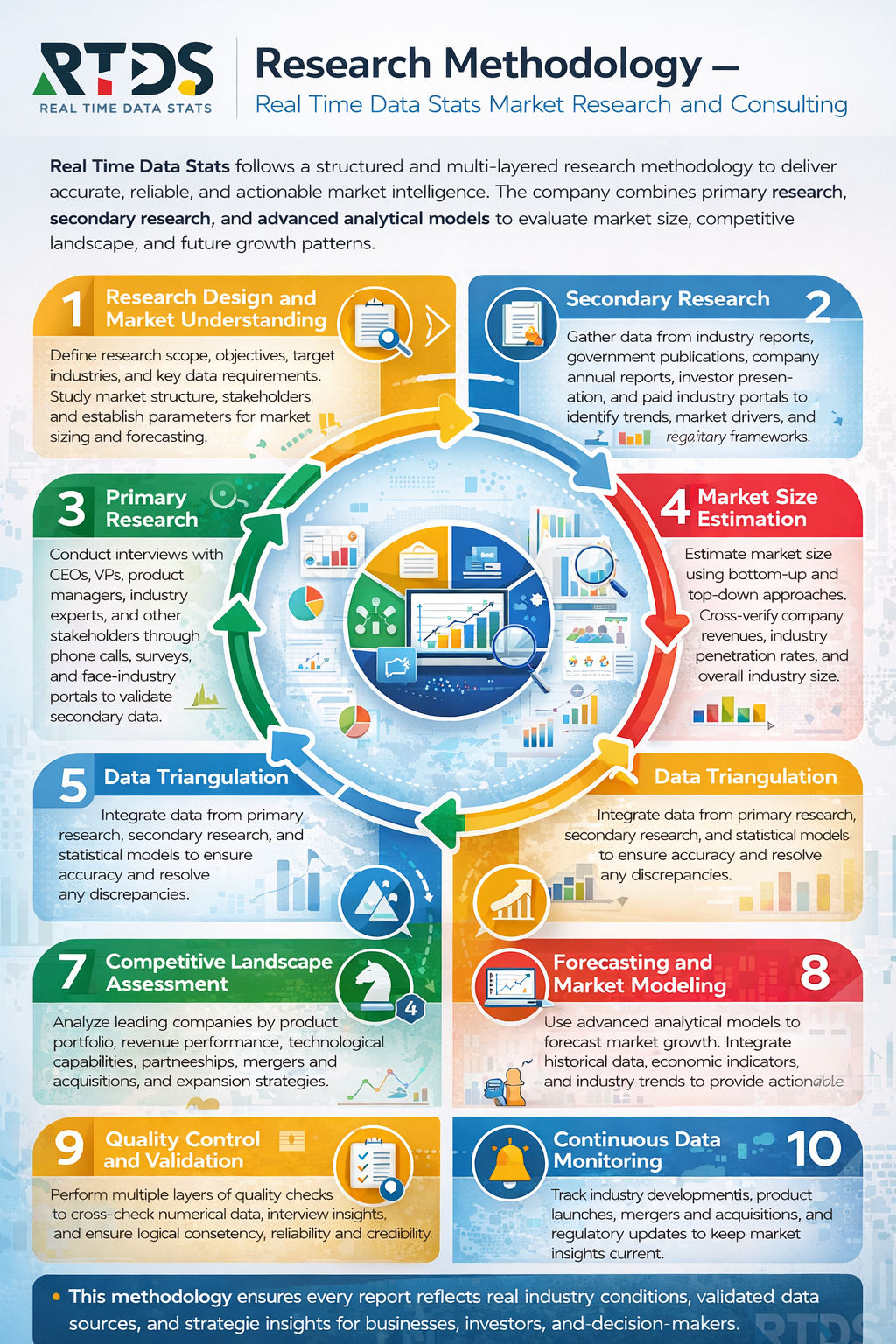
Research Methodology
- Data Collection Methods
- Primary Research Approach
- Secondary Research Sources
- Market Size Estimation Model
- Forecasting Techniques
- Data Validation Process
Market Dynamics
- Market Drivers
- Market Restraints
- Market Opportunities
- Market Challenges
Regulatory Landscape
- Technological Evolution Impact
- Industry Trends Analysis
- Advances in Space Biotechnology
- Closed-Loop Ecosystem Innovations
- Synthetic Biology in Space
- Automation in Space Bioprocessing
- AI Integration in Microbial Monitoring
- Sustainable Space Habitat Developments
Space Microecology Market Segmentation Analysis
- By Type
- Microbial Monitoring Systems
- Closed-Loop Life Support Bioreactors
- Bio-Regenerative Habitat Systems
- Space Composting Units
- Microbial Waste Recycling Systems
- Environmental Microbial Control Systems
- By Application
- Life Support Systems
- Food Production in Space
- Waste Management
- Air Regeneration
- Water Recovery
- Radiation Protection Research
- By Microorganism Type
- Bacteria
- Fungi
- Algae
- Cyanobacteria
- Archaea
- Engineered Microbial Consortia
- By System Component
- Sensors and Detection Devices
- Bioreactors
- Control Software
- Filtration Units
- Nutrient Delivery Systems
- Storage Modules
- By End User
- Space Agencies
- Commercial Space Stations
- Defense Space Programs
- Academic Research Institutions
- Private Space Exploration Companies
- Space Habitat Developers
- By Mission Type
- Low Earth Orbit Missions
- Lunar Missions
- Mars Missions
- Deep Space Exploration
- Space Station Missions
- Interplanetary Transit Missions
- By Technology
- Synthetic Biology
- Microbial Genomics
- AI-Based Microbial Monitoring
- Bioinformatics Platforms
- Lab-on-a-Chip Systems
- Autonomous Bioprocessing Systems
- By Habitat Type
- Space Stations
- Lunar Bases
- Mars Habitats
- Spacecraft Cabins
- Inflatable Space Habitats
- Underground Extraterrestrial Habitats
- By Function
- Oxygen Generation
- Carbon Dioxide Fixation
- Nutrient Recycling
- Organic Waste Breakdown
- Water Purification
- Soil Creation for Space Farming
- By Deployment Mode
- Integrated Habitat Systems
- Modular Units
- Portable Research Kits
- Robotic-Assisted Systems
- Autonomous Self-Regulating Systems
- Ground-Simulated Space Systems
Regional Market Analysis
- North America
- Europe
- Asia-Pacific
- Middle East & Africa
- Latin America
- Emerging Space Nations
Competitive Landscape
- Market Share Analysis
- Strategic Developments
- Partnerships and Collaborations
- Mergers and Acquisitions
- Innovation Benchmarking
- Startup Ecosystem Analysis
Investment and Funding Analysis
- Government Funding Trends
- Private Investment Patterns
- Venture Capital Activity
Research Grant Landscape
- Public-Private Partnerships
- Long-Term Investment Outlook
- Future Outlook and Forecast
- Market Growth Projections
Technology Adoption Forecast
- Emerging Mission Demands
- Innovation Pipeline
- Scenario Analysis
- Long-Term Vision for Space Habitats
Conclusion
- Summary of Market Trends
- Key Drivers and Restraints
- Growth Opportunities
- Technology & Innovation Outlook
- Future Market Forecast
Appendix
- Abbreviations
- Research Assumptions
- Data Sources
- Glossary of Terms
- Methodology Notes
- Disclaimer
List of Tables
- Table: 1: Global Space Microecology Market Snapshot
- Table: 2: Key Driver Impact Analysis
- Table: 3: Regulatory Framework Comparison
- Table: 4: Technology Adoption Matrix
- Table: 5: Market Size by Type
- Table: 6: Market Size by Application
- Table: 7: Market Size by Microorganism Type
- Table: 8: Market Size by System Component
- Table: 9: Market Size by End User
- Table: 10: Market Size by Mission Type
- Table: 11: Market Size by Technology
- Table: 12: Market Size by Habitat Type
- Table: 13: Market Size by Function
- Table: 14: Market Size by Deployment Mode
- Table: 15: Regional Market Forecast
List of Figures
- Figure: 1: Space Microecology Market Ecosystem
- Figure: 2: Market Growth Drivers Overview
- Figure: 3: Market Restraints Impact Chart
- Figure: 4: Opportunity Mapping
- Figure: 5: Value Chain Analysis
- Figure: 6: Market Segmentation Overview
- Figure: 7: Technology Evolution Timeline
- Figure: 8: Competitive Landscape Map
- Figure: 9: Investment Flow Diagram
- Figure: 10: Regional Market Share
- Figure: 11: Mission Type Demand Distribution
- Figure: 12: Habitat Type Adoption Trends
- Figure: 13: Functional Role Distribution
- Figure: 14: Deployment Mode Comparison
- Figure: 15: Future Market Forecast Graph
Space Microecology Market Key Factors
Drivers:
- Increasing long-duration space missions create demand for sustainable life support.
- Growing private and government investment fuels advanced biological research in space.
- Developing integrated biomanufacturing processes reduces reliance on Earth-based supplies.
Restraints:
- High costs and technical complexity limit widespread experimentation.
- Microgravity and radiation pose significant challenges to ecosystem stability.
- Strict planetary protection regulations constrain certain biological experiments.
Opportunities:
- Advancing in-situ resource utilization (ISRU) for lunar and Martian habitats.
- Creating spin-off technologies for terrestrial agriculture and closed-loop systems.
- Developing space-based pharmaceutical research in unique microgravity environments.
Challenges:
- Ensuring reliable containment and control of microbial communities.
- Modeling and predicting complex ecological interactions in closed systems.
- Establishing standardized protocols and international regulatory frameworks.
Space Microecology Market Key Regional Trends
North America:
- NASA and commercial partners lead in developing closed-loop life support systems.
- Venture capital actively funds startups in space biotech and microbial applications.
- Research focuses on microbiome management for astronaut health on Artemis missions.
Europe:
- ESA emphasizes sustainable exploration and circular economy concepts.
- Strong academic research concentrates on microbial resource utilization.
- International collaboration drives standardized biological payload development.
Asia-Pacific:
- National space agencies rapidly expand biological experiment programs on space stations.
- Investments grow in plant-microbe interactions for space food production.
- Research increases on extremophiles for radiation protection and habitat applications.
Frequently Asked Questions
Key Questions Answered
- What is the size and growth rate of the market industry?
- What are the main drivers influencing market growth trends?
- What are the key challenges and restraints faced by the market?
- What are the emerging trends and opportunities shaping the market?
- Who are the top players, and what strategies drive their success?
- What are the customer demographics and their buying behaviors?
- What are the key market segments, and what is their scope?
- What are the geographical dynamics, and which region dominates?
- What are the market forecasts and projections for the next decade?
- What regulatory factors are critical to consider for market growth?
Why Choose our Company?
- Major facts and stats backing every report we offer.
- Comprehensive analysis tailored to your business needs.
- Accurate insights backed by extensive market research.
- Expert support to address your queries promptly.
- Data-driven strategies for better decision-making.
- In-depth reports with actionable
recommendations. - Reliable statistics from trusted industry
sources. - Customizable reports to suit your specific goals.
- Unmatched quality and precision in market analysis.
- Competitive pricing with premium content delivery.
Share your experience!
We value you feedback. Please take a moment to review your experience with us.