
According to insights from Real Time Data Stats, the Space Cryogenic Systems Market was valued at USD 1.1 billion in 2025. It is expected to grow from USD 1.17 billion in 2026 to USD 1.9 billion by 2033, registering a CAGR of 6.5% during the forecast period (2026–2033).
MARKET SIZE AND SHARE
The global space cryogenic systems market is gaining momentum, driven by the rapid increase in deep-space exploration missions and satellite deployments. Advanced cryogenic technologies are essential for storing and handling propellants such as liquid hydrogen and liquid oxygen, as well as maintaining ultra-low temperatures for sensitive scientific instruments. Demand is rising from both government space agencies and private aerospace companies seeking reliable thermal management solutions for long-duration missions. Market share is largely concentrated among established players with expertise in cryocoolers, cryogenic storage tanks, and fluid transfer systems, as these components are critical for ensuring operational stability in the harsh conditions of space. Continuous innovation and performance optimization are strengthening the position of leading suppliers in this highly specialized sector.
The competitive landscape is becoming more intense as major aerospace corporations and niche technology firms compete to expand their presence. Increasing investments in lunar and Mars exploration programs are significantly influencing procurement cycles and overall market growth. At the same time, the emergence of commercial space ventures is creating new opportunities for suppliers offering cost-efficient and scalable cryogenic solutions. Industry consolidation is expected as companies pursue mergers and partnerships to deliver integrated systems covering storage, transfer, and thermal control. Over time, market share will shift toward vertically integrated organizations capable of serving both government contracts and the rapidly growing commercial space ecosystem with advanced, end-to-end cryogenic capabilities.
INDUSTRY OVERVIEW AND STRATEGY
The space cryogenic systems industry provides critical technology for storing and handling liquefied gases like hydrogen and oxygen in space environments. These systems are foundational for next-generation propulsion, life support, and advanced scientific payloads. The industry is characterized by high technological barriers, stringent reliability requirements, and a collaborative ecosystem involving NASA, ESA, and private entities. Current focus is on improving efficiency, reducing boil-off, and enabling long-duration interplanetary travel through advanced thermal management solutions.
Core strategies for market players involve heavy investment in research to develop passive cooling technologies and zero-loss fluid transfer systems. Forming strategic partnerships with launch providers and satellite manufacturers is essential for integration and securing long-term contracts. Companies are also pursuing diversification, adapting earth-bound cryogenic expertise for space applications, and focusing on modular, scalable system designs to serve a wide range of mission profiles from low-Earth orbit to deep-space exploration.
Analyst Key Takeaways:
The Space Cryogenic Systems market is characterized by its role as a mission-critical subsystem within the broader space technology ecosystem, with demand tightly coupled to launch vehicle activity, satellite deployment, and deep-space exploration programs. Growth momentum is being reinforced by increasing adoption of liquid hydrogen and liquid oxygen propulsion systems, expansion of reusable launch architectures, and rising investments from both government agencies and private space companies. Technological advancements in cryocoolers, thermal insulation, and long-duration propellant storage are improving system reliability and efficiency, making cryogenic solutions indispensable for next-generation space missions.
From a supply-side perspective, the market remains highly specialized and moderately consolidated, with strong entry barriers driven by precision engineering requirements, extreme operating conditions, and stringent qualification standards. While it benefits from innovation in the broader cryogenic equipment industry, its growth trajectory is more closely aligned with space mission frequency and payload complexity. Increasing focus on deep-space exploration, space telescopes, and lunar/Mars missions is expected to elevate demand for advanced cryogenic systems, particularly those enabling long-term thermal management and energy efficiency. The market is therefore positioned for steady expansion, supported by both technological evolution and sustained growth in global space activities.
REGIONAL TRENDS AND GROWTH
North America currently leads the market, fueled by NASA's Artemis program and substantial private investment from companies like SpaceX and Blue Origin. Europe follows closely, with strong contributions from ESA and Airbus, particularly in scientific cryogenics. The Asia-Pacific region is emerging as the fastest-growing area, driven by ambitious national programs in China, India, and Japan, which are rapidly advancing their lunar and space station ambitions, creating robust regional demand for cryogenic solutions.
Primary growth drivers include the global shift towards high-thrust cryogenic propulsion and increased spending on space exploration. Key restraints are exceptionally high development costs and complex technical challenges associated with long-duration cryogenic storage. Significant opportunities lie in developing in-situ resource utilization technologies for the Moon and Mars. The foremost challenges involve achieving unprecedented reliability standards for multi-year missions and scaling production to meet the rising demand from a rapidly expanding global space economy.
SPACE CRYOGENIC SYSTEMS MARKET SEGMENTATION ANALYSIS
BY TYPE:
The type-based segmentation of the space cryogenic systems market is strongly driven by the increasing diversification of propellants and cooling requirements across modern space missions. Liquid oxygen and liquid hydrogen systems continue to dominate due to their extensive use in launch vehicle propulsion, particularly in high-thrust and heavy-lift rockets. These systems benefit from well-established infrastructure, high combustion efficiency, and compatibility with reusable launch platforms. Meanwhile, liquid methane systems are gaining accelerated traction as space agencies and private launch providers shift toward cleaner-burning, reusable propulsion technologies that reduce coking and improve engine reusability. Liquid nitrogen and liquid helium systems play a critical role in thermal management, sensor cooling, and superconducting applications, especially in satellites and deep-space instruments.
The growth of advanced mission architectures further strengthens demand for specialized cryogenic fuel conditioning systems that enable precise temperature control, phase stabilization, and pressure regulation under extreme conditions. These systems become increasingly critical for long-duration missions where boil-off management directly impacts mission success and payload efficiency. Technological progress in insulation materials, zero-boil-off techniques, and cryogenic fluid handling continues to reshape system design priorities, pushing manufacturers to develop highly integrated, lightweight, and autonomous cryogenic solutions tailored to specific propellant types.
BY COMPONENT:
Component-based segmentation reflects the growing complexity and performance sensitivity of space cryogenic systems. Cryogenic storage tanks dominate this segment due to their direct influence on mission endurance, safety, and payload optimization. Advanced tank designs incorporating composite materials, vacuum insulation, and multilayer insulation systems significantly reduce thermal losses while improving structural integrity. Cryogenic valves and pumps are equally critical, as they enable precise flow control and pressure stability during fueling, engine ignition, and in-flight operations. Reliability, leak prevention, and resistance to thermal cycling remain dominant purchasing criteria for these components.
Heat exchangers, insulation systems, and sensors increasingly shape system-level performance as missions demand higher thermal efficiency and autonomous monitoring. Sensors and control units, in particular, are gaining importance with the rise of digitalized spacecraft and real-time health monitoring systems. Integrated diagnostics, fault detection, and predictive maintenance capabilities are becoming standard expectations, pushing component suppliers to align hardware performance with advanced software and data analytics frameworks.
BY APPLICATION:
Application-based segmentation highlights the foundational role of cryogenic systems across propulsion, cooling, and fuel transfer operations. Launch vehicle propulsion remains the largest application area, driven by rising launch frequencies, reusable rocket development, and growing satellite deployment rates. Spacecraft propulsion follows closely, supported by increased demand for precise orbital maneuvers, deep-space missions, and interplanetary exploration. Satellite cooling applications rely heavily on cryogenic systems to maintain optimal operating temperatures for infrared sensors, communication payloads, and scientific instruments.
Ground support equipment and cryogenic fuel transfer applications experience steady growth as spaceports modernize their infrastructure to support faster turnaround times and higher launch cadence. Space exploration missions, particularly lunar and planetary programs, further expand application scope by requiring long-term cryogenic storage, in-situ resource utilization compatibility, and autonomous fluid management. These evolving mission profiles elevate cryogenic systems from supporting hardware to mission-critical enablers.
BY END USE:
End-use segmentation reflects the expanding ecosystem of space stakeholders adopting cryogenic technologies. Government space agencies remain the largest end users due to their involvement in large-scale exploration programs, defense missions, and scientific research initiatives. Commercial space operators are rapidly increasing their share as private launch companies, satellite operators, and space logistics providers scale operations. Their focus on cost efficiency, reusability, and rapid deployment strongly influences system design and procurement strategies.
Defense organizations and research institutions contribute significantly to technological innovation, often prioritizing performance reliability, security, and extreme-environment capability. Spaceports and aerospace OEMs also play a vital role as system integrators and infrastructure developers. Their demand centers on standardized, interoperable cryogenic systems that support multiple vehicle types and mission configurations, reinforcing the trend toward modular and scalable system architectures.
BY TECHNOLOGY:
Technology-based segmentation is shaped by the balance between performance efficiency and system complexity. Active cryogenic cooling technologies dominate high-precision applications where tight thermal control is essential, such as deep-space instruments and superconducting systems. Passive cooling technologies remain relevant in cost-sensitive and weight-constrained missions, offering simplicity and reliability with minimal power consumption. Regenerative cooling continues to be essential in propulsion systems, where it enhances engine durability and thermal efficiency.
Superfluid cryogenics and cryocooler-based systems represent advanced technological frontiers, particularly in scientific payloads and next-generation space observatories. As missions become longer and more autonomous, advanced thermal management systems integrating multiple cooling techniques gain prominence. These technologies enable sustained performance under variable thermal loads, driving investment in hybrid and adaptive cooling architectures.
BY FUEL TYPE:
Fuel type segmentation reflects propulsion innovation trends and mission-specific performance requirements. Cryogenic oxidizers and propellants dominate due to their high energy density and proven flight heritage. The increasing adoption of cryogenic bipropellants supports higher thrust efficiency and mission flexibility, particularly in reusable launch systems. Cryogenic coolants play a vital role beyond propulsion, supporting payload cooling, onboard electronics stability, and scientific instrumentation.
Hybrid fuels and cryogenic monopropellants gain relevance as mission designers explore simplified propulsion architectures and reduced system complexity. These fuel types benefit from easier handling and compatibility with emerging propulsion concepts. Market growth in this segment remains closely tied to advancements in storage stability, boil-off mitigation, and fuel conditioning technologies.
BY PLATFORM:
Platform-based segmentation highlights the varied requirements of different space assets. Launch vehicles represent the most demanding platform due to extreme thermal loads, rapid fueling cycles, and safety-critical operations. Satellites rely on cryogenic systems primarily for thermal regulation, where long-term reliability and minimal maintenance are key. Space stations and reusable spacecraft introduce additional complexity, requiring systems capable of repeated thermal cycling and extended operational lifetimes.
Deep space probes and lunar or planetary landers drive demand for ultra-efficient, long-duration cryogenic storage solutions. These platforms often operate far from resupply opportunities, making boil-off control and autonomous system management dominant design priorities. Platform diversification continues to push manufacturers toward mission-tailored solutions rather than one-size-fits-all systems.
BY STORAGE METHOD:
Storage method segmentation centers on thermal efficiency, mission duration, and operational constraints. Vacuum-insulated and multilayer-insulated storage systems dominate due to their superior ability to minimize heat transfer in space environments. Pressurized and non-pressurized storage methods are selected based on mission architecture, fuel type, and propulsion system requirements. Zero-boil-off storage technologies are gaining strong momentum as agencies seek to maximize fuel utilization and extend mission lifespans.
Long-duration cryogenic storage emerges as a critical factor for deep-space exploration and lunar infrastructure development. These storage methods depend heavily on advanced insulation, active cooling integration, and real-time monitoring systems. As mission timelines extend, storage performance becomes a decisive factor influencing overall mission feasibility and cost.
BY SYSTEM FUNCTION:
System function segmentation reflects how cryogenic systems integrate into broader spacecraft architectures. Propellant storage and feed systems remain the backbone of propulsion operations, directly affecting thrust reliability and mission control. Thermal control systems support payload stability and electronic performance, especially in temperature-sensitive environments. Fuel conditioning systems gain importance as propulsion technologies demand precise control over fluid properties.
Cryogenic distribution, safety, and monitoring systems increasingly define system intelligence and reliability. Advanced monitoring enables early fault detection, risk mitigation, and autonomous response, which are essential for crewed missions and long-duration exploration. The shift toward smart cryogenic systems elevates functional integration as a key competitive differentiator.
RECENT DEVELOPMENTS
- In Jan 2024: Lockheed Martin partnered with NASA to advance cryogenic fluid management technologies, focusing on long-duration storage for lunar missions under the CSM project.
- In Jul 2024: Airbus Defence and Space unveiled a new lightweight cryogenic tank, achieving a 30% mass reduction, crucial for next-generation reusable launch vehicles.
- In Oct 2024: Blue Origin successfully demonstrated zero-loss cryogenic propellant storage in orbit for over 90 days, a key milestone for deep space logistics.
- In Jan 2025: Mitsubishi Heavy Industries (MHI) announced a breakthrough in active cooling systems, significantly improving thermal management for hydrogen fuel in space.
- In Mar 2025: NASA awarded $60M in contracts to several firms, including SpaceX and ULA, to mature in-space cryogenic refueling and transfer technologies for Artemis missions.
KEY PLAYERS ANALYSIS
- Airbus Defence and Space
- Blue Origin
- Boeing
- Cobham Mission Systems
- Lockheed Martin
- Northrop Grumman
- Raytheon Technologies (RTX)
- Safran
- SpaceX
- Thales Alenia Space
- The Aerospace Corporation
- ArianeGroup
- BAE Systems
- Honeywell Aerospace
- L3Harris Technologies
- Mitsubishi Heavy Industries (MHI)
- RUAG Group (now part of MHI)
- Sierra Space
- United Launch Alliance (ULA)
- Voyager Space
Space Cryogenic Systems Market Segmentation Analysis
By Type:
- Liquid Helium Systems
- Liquid Hydrogen Systems
- Liquid Nitrogen Systems
- Liquid Oxygen Systems
- Multi-Fluid Cryogenic Systems
By Component:
- Cryogenic Tanks
- Cryocoolers
- Valves
- Pumps
- Vacuum Jackets
- Insulation Systems
- Transfer Lines
- Heat Exchangers
By Cooling Technology:
- Mechanical Cryocoolers
- Pulse Tube Cryocoolers
- Stirling Cryocoolers
- Gifford-McMahon Cryocoolers
- Joule-Thomson Cryocoolers
By Application:
- Satellite Cooling
- Launch Vehicle Propulsion
- Deep Space Exploration Missions
- Space Telescopes
- Scientific Instruments Cooling
- Human Spaceflight Systems
- Space Station Thermal Management
- Infrared Sensor Cooling
By End-User:
- Government Space Agencies
- Commercial Space Companies
- Defense Organizations
- Research Institutions
By Platform:
- Satellites
- Launch Vehicles
- Space Probes
- Space Stations
- Crew Capsules
By Orbit Type:
- Low Earth Orbit (LEO)
- Medium Earth Orbit (MEO)
- Geostationary Orbit (GEO)
- Deep Space Missions
By Geography:
- North America (USA, Canada, Mexico)
- Europe (UK, Germany, France, Italy, Spain, Rest of Europe)
- Asia-Pacific (China, Japan, Australia, South Korea, India, Rest of Asia-Pacific)
- South America (Brazil, Argentina, Rest of South America)
- Middle East and Africa (GCC Countries, South Africa, Rest of MEA)
Space Cryogenic Systems Market: Table of Contents
Introduction
- Market Definition and Scope
- Evolution of Cryogenic Technologies in Space Applications
- Role of Cryogenic Systems in Modern Space Missions
- Industry Ecosystem Overview
- Value Chain Analysis
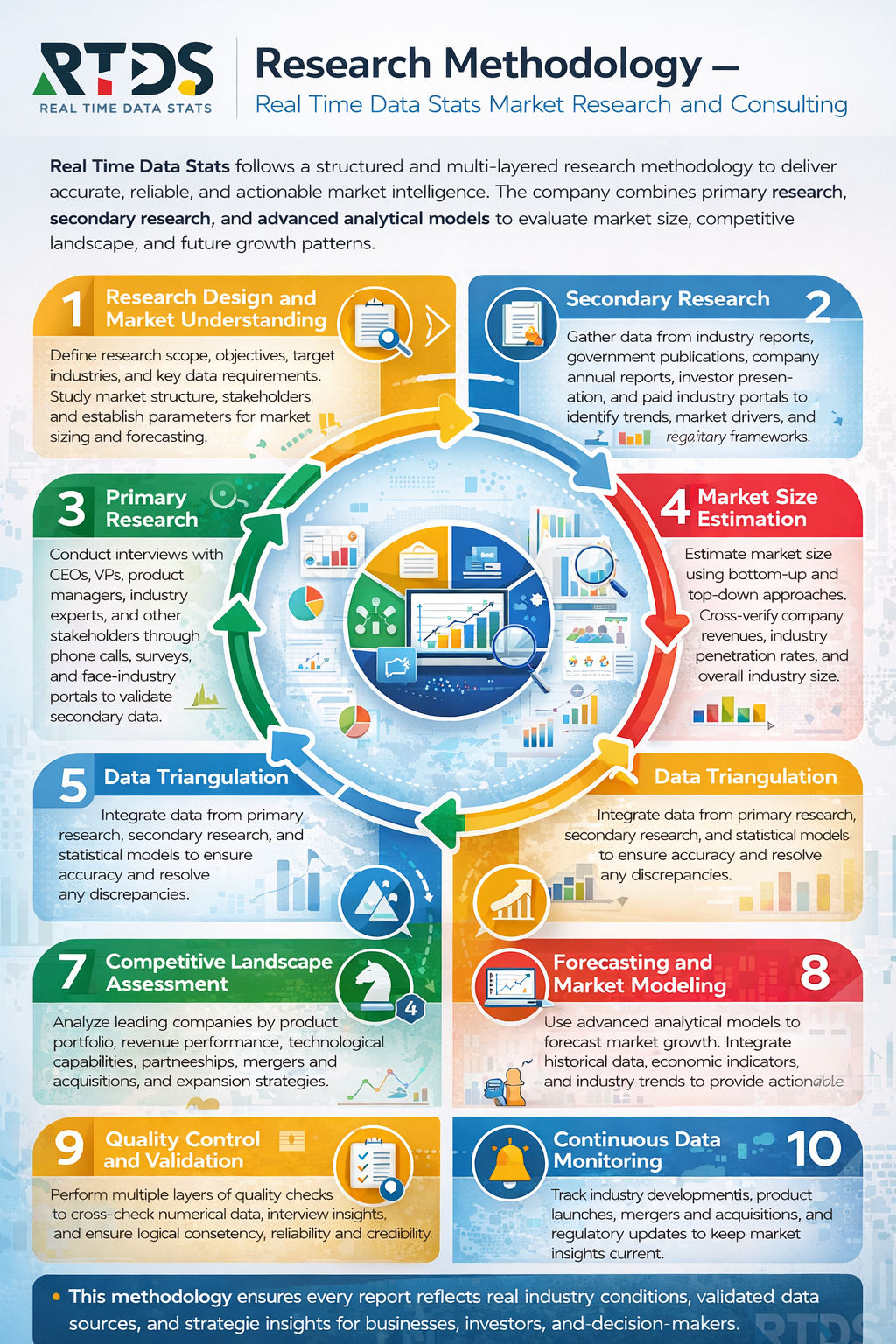
Research Methodology
- Data Collection Framework
- Primary Research Approach
- Secondary Research Sources
- Market Estimation Techniques
- Forecasting Assumptions
- Data Validation and Triangulation
Market Overview
- Global Market Snapshot
- Market Size and Growth Trends
- Market Dynamics Overview
- Pricing Analysis
- Technology Adoption Landscape
Market Dynamics
- Market Drivers
- Market Restraints
- Market Opportunities
- Market Challenges
- Regulatory and Compliance Landscape
- Technological Advancements Impact
Space Cryogenic Systems Market Segmentation
- By Type
- Liquid Oxygen (LOX) Systems
- Liquid Hydrogen (LH2) Systems
- Liquid Methane (LCH4) Systems
- Liquid Nitrogen (LN2) Systems
- Liquid Helium Systems
- Cryogenic Fuel Conditioning Systems
- By Component
- Cryogenic Storage Tanks
- Cryogenic Valves
- Cryogenic Pumps
- Heat Exchangers
- Insulation Systems
- Sensors and Control Units
- By Application
- Launch Vehicle Propulsion
- Spacecraft Propulsion
- Satellite Cooling
- Ground Support Equipment
- Space Exploration Missions
- Cryogenic Fuel Transfer
- By End Use
- Commercial Space Operators
- Government Space Agencies
- Defense Organizations
- Research Institutions
- Spaceports and Launch Facilities
- Aerospace OEMs
- By Technology
- Active Cryogenic Cooling
- Passive Cryogenic Cooling
- Regenerative Cooling
- Superfluid Cryogenics
- Cryocooler-Based Systems
- Advanced Thermal Management Systems
- By Fuel Type
- Cryogenic Oxidizers
- Cryogenic Propellants
- Cryogenic Coolants
- Cryogenic Hybrid Fuels
- Cryogenic Monopropellants
- Cryogenic Bipropellants
- By Platform
- Launch Vehicles
- Satellites
- Space Stations
- Deep Space Probes
- Reusable Spacecraft
- Lunar and Planetary Landers
- By Storage Method
- Pressurized Cryogenic Storage
- Non-Pressurized Cryogenic Storage
- Vacuum-Insulated Storage
- Multi-Layer Insulated Storage
- Zero-Boil-Off Storage
- Long-Duration Cryogenic Storage
- By System Function
- Propellant Storage Systems
- Propellant Feed Systems
- Thermal Control Systems
- Fuel Conditioning Systems
- Cryogenic Distribution Systems
- Safety and Monitoring Systems
Regional Analysis
- North America Market Analysis
- Europe Market Analysis
- Asia-Pacific Market Analysis
- Latin America Market Analysis
- Middle East Market Analysis
- Africa Market Analysis
Competitive Landscape
- Market Share Analysis
- Competitive Benchmarking
- Strategic Initiatives
- Mergers and Acquisitions
- Partnerships and Collaborations
- New Product Developments
Company Profiles
- Business Overview
- Product Portfolio
- Financial Performance
- Strategic Developments
- Regional Presence
Future Outlook
- Emerging Technologies
- Innovation Roadmap
- Investment Trends
- Long-Term Growth Opportunities
Conclusion
- Key Market Insights
- Strategic Takeaways
- Market Outlook Summary
Appendix
- Abbreviations and Acronyms
- Assumptions and Limitations
- Methodology Notes
- Disclaimer
List of Tables
- Table:1: Global Space Cryogenic Systems Market Size Overview
- Table:2: Market Segmentation by Type
- Table:3: Market Segmentation by Component
- Table:4: Market Segmentation by Application
- Table:5: Market Segmentation by End Use
- Table:6: Market Segmentation by Technology
- Table:7: Market Segmentation by Fuel Type
- Table:8: Market Segmentation by Platform
- Table:9: Market Segmentation by Storage Method
- Table:10: Market Segmentation by System Function
- Table:11: Regional Market Size Analysis
- Table:12: Competitive Market Share Analysis
- Table:13: Key Company Product Mapping
- Table:14: Recent Developments and Strategic Initiatives
- Table:15: Future Market Growth Forecast
List of Figures
- Figure:1: Space Cryogenic Systems Market Overview
- Figure:2: Market Research Methodology Flowchart
- Figure:3: Value Chain Analysis
- Figure:4: Market Dynamics Framework
- Figure:5: Market Segmentation Overview
- Figure:6: Market Share by Type
- Figure:7: Market Share by Component
- Figure:8: Market Share by Application
- Figure:9: Market Share by End Use
- Figure:10: Market Share by Technology
- Figure:11: Market Share by Platform
- Figure:12: Regional Market Distribution
- Figure:13: Competitive Landscape Mapping
- Figure:14: Strategic Developments Timeline
- Figure:15: Future Market Outlook Visualization
Space Cryogenic Systems Market Key Factors
Drivers:
- Increasing demand for liquid hydrogen fuel supports larger launch vehicles and deep space missions.
- Expanding satellite constellations require more efficient cooling for advanced sensors and electronics.
- Government agencies fund new technologies to improve cryogenic fluid storage and transfer in orbit.
Restraints:
- Extreme technical complexities escalate development costs and timelines for reliable systems.
- Stringent safety and performance standards limit potential suppliers and increase testing overhead.
- High energy consumption for cryogenic cooling challenges power budgets on spacecraft.
Opportunities:
- Developing in-orbit refueling infrastructure creates a new market for cryogenic depots.
- Commercial lunar and Mars missions propel demand for long-duration cryogenic storage solutions.
- Advancements in cryocoolers and insulation materials enable lighter and more efficient system designs.
Challenges:
- Managing cryogenic fluids in microgravity poses significant technical hurdles for liquid handling.
- Securing sustained, high-level investment deters new entrants into this specialized field.
- Achieving international compatibility and standards complicates collaborative missions and supply chains.
Space Cryogenic Systems Market Key Regional Trends
North America:
- NASA and the Department of Defense directly fund next-generation cryogenic propulsion and depot technologies.
- Private companies lead in developing reusable launch vehicles dependent on cryogenic fuels.
- Research focuses on solving liquid hydrogen management for sustained lunar operations.
Europe:
- ESA programs drive advancements in cryogenic upper stages and satellite cryocoolers.
- International collaborations prioritize standardized interfaces for future refueling missions.
- Investment grows in green hydrogen technologies, benefiting related cryogenic space applications.
Asia-Pacific:
- National space programs rapidly expand launch capabilities, increasing demand for cryogenic rocket stages.
- China and India actively pursue independent technologies for cryogenic propulsion and storage.
- Growing satellite manufacturing sector adopts more cryogenically cooled payloads for Earth observation.
Rest of the World:
- Emerging space nations seek international partnerships to access cryogenic launch vehicle technology.
- Focus remains primarily on leveraging existing systems rather than leading new development.
- Potential grows for niche contributions in materials science or component supply chains.
Frequently Asked Questions
Key Questions Answered
- What is the size and growth rate of the market industry?
- What are the main drivers influencing market growth trends?
- What are the key challenges and restraints faced by the market?
- What are the emerging trends and opportunities shaping the market?
- Who are the top players, and what strategies drive their success?
- What are the customer demographics and their buying behaviors?
- What are the key market segments, and what is their scope?
- What are the geographical dynamics, and which region dominates?
- What are the market forecasts and projections for the next decade?
- What regulatory factors are critical to consider for market growth?
Why Choose our Company?
- Major facts and stats backing every report we offer.
- Comprehensive analysis tailored to your business needs.
- Accurate insights backed by extensive market research.
- Expert support to address your queries promptly.
- Data-driven strategies for better decision-making.
- In-depth reports with actionable
recommendations. - Reliable statistics from trusted industry
sources. - Customizable reports to suit your specific goals.
- Unmatched quality and precision in market analysis.
- Competitive pricing with premium content delivery.
Share your experience!
We value you feedback. Please take a moment to review your experience with us.