
According to insights from Real Time Data Stats, the Snow Load Structural Engineering Market was valued at USD 2.93 billion in 2025. It is expected to grow from USD 3.17 billion in 2026 to USD 5.43 billion by 2033, registering a CAGR of 8% during the forecast period (2026–2033).
MARKET SIZE AND SHARE
The global snow load structural engineering market is driven by stricter building codes and the rising frequency of extreme weather events. Market share remains concentrated among established engineering firms and specialized consultancies operating in cold-climate regions. Increasing investment in resilient infrastructure design is expected to expand the sector. The commercial and industrial construction segments are projected to hold a dominant revenue share, as safety regulations require detailed snow load analysis for large-span structures.
Growth is further supported by the retrofitting of existing buildings in vulnerable areas and advancements in predictive modeling software. Market competition is intensifying as firms adopt digital tools such as BIM for accurate load simulation. North America and Europe currently account for the largest shares due to consistent snowfall patterns. However, emerging markets across mountainous regions in Asia-Pacific offer significant opportunities for expansion and market share gains.
INDUSTRY OVERVIEW AND STRATEGY
This niche engineering sector focuses on designing and assessing structures to withstand snow accumulation pressures. Key players include structural engineering firms, research institutions, and software developers providing analysis tools. The industry is inherently cyclical, tied to construction activity and climatic severity. Its core value proposition is risk mitigation, ensuring occupant safety and preventing catastrophic structural failures under heavy snow loads, which directly influences insurance and liability considerations.
Strategic differentiation hinges on technical expertise, regional experience, and technological integration. Leading firms are deploying advanced monitoring sensors and AI-driven load forecasting to offer proactive services. Partnerships with material scientists to develop stronger composites and with government bodies to shape building codes are critical. A key strategic focus is educating clients in newly affected regions about long-term cost savings from resilient, code-exceeding designs.
REGIONAL TRENDS AND GROWTH
North America and Europe remain mature markets, with growth driven by code updates and retrofit projects. The Asia-Pacific region shows the highest growth potential, particularly in Japan, China, and Himalayan nations, due to urbanization in alpine areas. A key trend is the southward migration of heavy snowfall events, creating demand in regions with historically lax standards. Cross-border knowledge transfer from established to emerging markets is accelerating regional market development.
Primary drivers include climate change-induced weather volatility and rising insurance premiums for vulnerable structures. Significant restraints are high initial costs and variable enforcement of codes. Opportunities lie in smart city integrations and green building synergies. The major challenge is the lack of standardized, hyper-local historical snow data for accurate modeling, complicating design in developing regions and requiring innovative data collection strategies.
SNOW LOAD STRUCTURAL ENGINEERING MARKET SEGMENTATION ANALYSIS
BY TYPE:
The segmentation by type is primarily driven by the growing complexity of modern structural designs and increasing climatic variability. Static snow load analysis dominates due to its widespread application in standard building design, ensuring safe structural performance under uniform snow conditions. Meanwhile, dynamic snow load analysis is gaining momentum, particularly in regions experiencing fluctuating temperatures and wind-induced snow redistribution. Advanced analytical models and simulation software are enhancing precision, enabling engineers to accurately predict stress distribution and minimize risks related to structural failure.
Roof, ground, drift, and ice load analysis collectively contribute to comprehensive safety planning across diverse structural forms. Roof snow load analysis holds major significance in commercial and industrial buildings, while ground snow load estimation supports infrastructure planning and foundation design. Drift snow load analysis is critical for complex roof geometries, where uneven accumulation can cause localized failures. Ice load analysis is expanding due to increasing freeze-thaw cycles, highlighting the importance of integrated, climate-responsive engineering solutions in modern construction.
BY APPLICATION:
Residential buildings represent a significant share due to rapid urbanization, rising housing demands, and increasing safety regulations. Enhanced awareness regarding structural safety in cold climates drives adoption of advanced snow load analysis techniques in residential construction. Commercial buildings, including offices, malls, and hospitality spaces, require stringent compliance with safety standards, resulting in higher investments in precise snow load calculations. Industrial facilities further contribute due to large-span roofs and operational safety requirements, emphasizing structural stability under heavy snow accumulation.
Infrastructure projects, such as bridges, tunnels, and transportation terminals, demonstrate growing reliance on snow load engineering due to public safety and operational continuity. Public facilities, including hospitals, schools, and government buildings, prioritize structural integrity under extreme weather conditions. Agricultural structures, especially greenhouses and storage facilities, increasingly incorporate snow load engineering to prevent collapse, protect crops, and maintain operational reliability. These diverse applications collectively strengthen market growth and technological advancement.
BY COMPONENT:
Structural design forms the foundation of snow load engineering, accounting for the largest share due to increasing architectural complexity and performance requirements. Load calculation software and simulation tools are gaining prominence as digitalization accelerates across the construction industry. Advanced modeling platforms allow engineers to evaluate multiple scenarios, optimize material usage, and enhance safety margins. Continuous software innovation improves accuracy, reduces design errors, and enables faster project turnaround, making digital tools indispensable in modern structural engineering.
Testing equipment and monitoring systems are expanding due to rising emphasis on real-time structural health assessment and predictive maintenance. These components allow continuous evaluation of snow accumulation, stress levels, and deformation patterns. Consulting services further support market expansion by offering specialized expertise, regulatory compliance assistance, and risk mitigation strategies. Integrated component ecosystems enhance operational efficiency, reduce long-term costs, and support sustainable infrastructure development, reinforcing the overall market landscape.
BY END USER:
Construction companies remain primary end users, driven by increasing infrastructure development and complex building requirements in snow-prone regions. Engineering firms play a crucial role by delivering specialized design, simulation, and safety analysis services. Architects contribute significantly by integrating snow load considerations into innovative and sustainable building designs. Together, these stakeholders promote advanced engineering solutions that ensure safety, compliance, and operational efficiency across construction projects.
Government agencies exert strong influence through regulatory enforcement, infrastructure investment, and public safety mandates. Real estate developers adopt snow load engineering to enhance property value, ensure structural reliability, and meet legal standards. Facility management firms increasingly implement monitoring systems and retrofitting solutions to maintain long-term structural integrity. The combined involvement of diverse end users fosters steady market expansion, technological progress, and enhanced engineering practices.
By Material:
Steel structures dominate the market due to high strength, flexibility, and suitability for long-span construction in snow-intensive regions. Concrete structures maintain a strong position owing to durability, load-bearing capacity, and widespread adoption in infrastructure projects. Timber structures are experiencing renewed interest driven by sustainability initiatives and advancements in engineered wood products. Composite and aluminum structures are gaining traction due to lightweight characteristics, corrosion resistance, and architectural versatility.
Hybrid structures represent a growing segment, combining material benefits to optimize performance, cost, and durability. These materials enable enhanced load distribution, improved thermal performance, and reduced structural mass. Innovation in material science further supports snow load resistance, increasing reliability under extreme conditions. As environmental regulations strengthen, demand for sustainable and high-performance materials continues to reshape market dynamics.
BY STRUCTURE TYPE:
Flat roof structures dominate commercial and industrial sectors due to ease of construction and cost efficiency, necessitating precise snow load calculations to prevent excessive accumulation. Sloped roof structures remain prevalent in residential and alpine regions, facilitating natural snow shedding and reducing structural stress. Dome, truss, and shell structures are increasingly used in public and infrastructure projects, where complex geometry demands advanced engineering analysis.
Frame structures continue to expand across urban developments due to modular construction advantages and design flexibility. Complex roof configurations elevate demand for drift and dynamic snow load assessment. Technological advancements in modeling and simulation allow accurate prediction of load behavior across varying geometries, supporting safer, more resilient building designs and reinforcing long-term structural reliability.
BY SERVICE:
Design and engineering services account for the largest market share, driven by demand for customized structural solutions and regulatory compliance. Inspection and assessment services are expanding due to aging infrastructure and increased focus on preventive maintenance. Testing and validation services ensure performance reliability, particularly in critical infrastructure projects, enhancing safety and operational continuity.
Retrofitting and strengthening services demonstrate strong growth as existing structures require upgrades to meet modern safety standards. Maintenance support services gain importance for long-term performance management, while advisory and consulting services provide strategic planning, risk analysis, and regulatory guidance. Collectively, these services enhance structural performance, reduce operational risks, and support sustainable infrastructure development.
BY LOAD RANGE:
Low and moderate snow load segments dominate due to widespread application across temperate climate zones. These segments primarily support residential and commercial building construction, ensuring baseline structural safety. High and extreme snow load categories are expanding rapidly in alpine and polar regions, driven by increased climate volatility and infrastructure expansion in harsh environments.
Variable and customized load solutions represent high-growth segments, offering tailored engineering models to address region-specific climatic challenges. These solutions integrate real-time monitoring, predictive analytics, and adaptive design frameworks, enabling proactive risk management. The increasing unpredictability of snowfall patterns significantly boosts demand for advanced load modeling and adaptive engineering strategies.
BY DESIGN STANDARD:
IS codes dominate the Indian and Asia-Pacific market, supporting regional compliance and standardized construction practices. Eurocodes and ASCE standards hold significant shares across Europe and North America, driven by rigorous safety requirements and engineering sophistication. British and Canadian standards further contribute through their emphasis on precision, reliability, and climate adaptability.
Customized standards are emerging due to project-specific needs, climate diversity, and technological integration. Advanced simulation capabilities enable tailored compliance frameworks, enhancing structural resilience and safety. Growing cross-border infrastructure development further drives harmonization and adaptation of international standards, strengthening global market integration.
RECENT DEVELOPMENTS
- In Jan 2024: Thornton Tomasetti acquired Weidlinger Associates, significantly expanding its expertise in extreme load engineering, including advanced snow and blast resistance design capabilities for complex structures.
- In Jun 2024: Bentley Systems launched an update to its STAAD.Pro software, integrating real-time climate data feeds for more dynamic and accurate snow load simulation and structural analysis in its digital twin solutions.
- In Sep 2024: The American Society of Civil Engineers (ASCE) published a significant update to Chapter 7 (Snow Loads) of ASCE 7-22, introducing new ground snow load maps and calculation methods for partial loading.
- In Nov 2024: Arup partnered with a major climate analytics firm to develop a proprietary AI tool that predicts site-specific future snow load extremes for infrastructure projects, accounting for climate change scenarios.
- In Feb 2025: SGS, a global testing firm, opened a new specialized structural testing laboratory in Canada focused on evaluating building material performance and system integrity under simulated extreme snow load conditions.
KEY PLAYERS ANALYSIS
- AECOM
- Arup
- ATS Engineering
- Bentley Systems
- Buro Happold
- CTLGroup
- EXP
- HOK
- Jacobs Solutions
- Magnusson Klemencic Associates
- Ramboll
- SGS (Société Générale de Surveillance)
- Simpson Gumpertz & Heger (SGH)
- Stantec
- Structural Engineering Solutions
- Thornton Tomasetti
- TRC Companies
- Wiss, Janney, Elstner Associates (WJE)
- Walter P Moore
- WSP Global
Snow Load Structural Engineering Market Segmentation
By Type:
- Static Snow Load Analysis
- Dynamic Snow Load Analysis
- Roof Snow Load Analysis
- Ground Snow Load Analysis
- Drift Snow Load Analysis
- Ice Load Analysis
By Application:
- Residential Buildings
- Commercial Buildings
- Industrial Buildings
- Infrastructure Projects
- Public Facilities
- Agricultural Structures
By Component:
- Structural Design
- Load Calculation Software
- Simulation Tools
- Testing Equipment
- Monitoring Systems
- Consulting Services
By End User:
- Construction Companies
- Engineering Firms
- Architects
- Government Agencies
- Real Estate Developers
- Facility Management Firms
By Material:
- Steel Structures
- Concrete Structures
- Timber Structures
- Composite Structures
- Aluminum Structures
- Hybrid Structures
By Structure Type:
- Flat Roof Structures
- Sloped Roof Structures
- Dome Structures
- Truss Structures
- Frame Structures
- Shell Structures
By Service:
- Design & Engineering
- Inspection & Assessment
- Testing & Validation
- Retrofitting & Strengthening
- Maintenance Support
- Advisory & Consulting
By Load Range:
- Low Snow Load
- Moderate Snow Load
- High Snow Load
- Extreme Snow Load
- Variable Snow Load
- Customized Load Solutions
By Design Standard:
- IS Codes
- Eurocodes
- ASCE Standards
- British Standards
- Canadian Standards
- Customized Standards
By Geography:
- North America (USA, Canada, Mexico)
- Europe (UK, Germany, France, Italy, Spain, Rest of Europe)
- Asia-Pacific (China, Japan, Australia, South Korea, India, Rest of Asia-Pacific)
- South America (Brazil, Argentina, Rest of South America)
- Middle East and Africa (GCC Countries, South Africa, Rest of MEA)
Snow Load Structural Engineering Market: Table of Contents
Introduction
- Market Definition and Scope
- Study Objectives
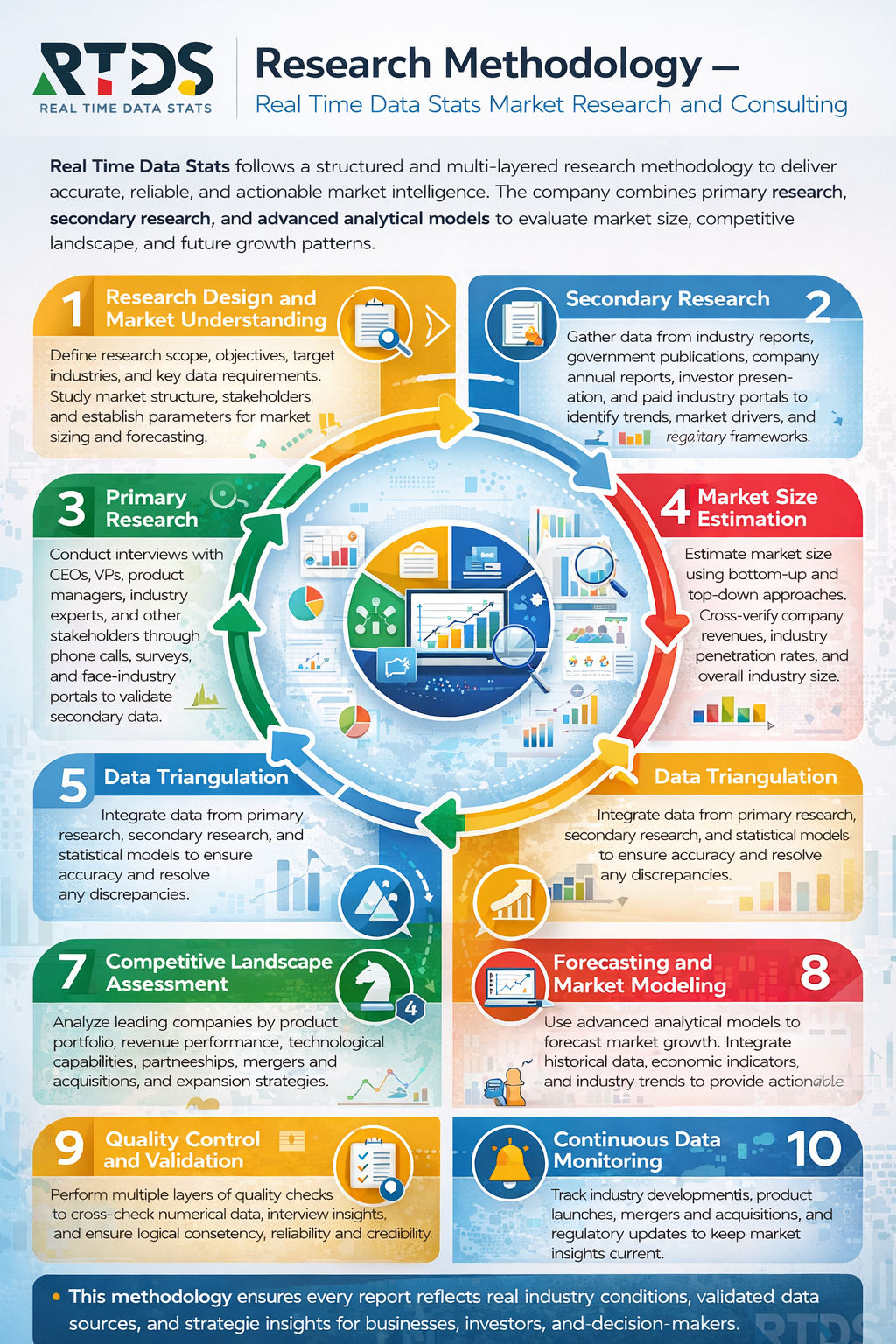
- Research Methodology
- Data Sources and Validation
- Market Assumptions and Limitations
Executive Summary
- Global Market Overview
- Key Market Highlights
- Major Trends and Insights
- Regional Performance Snapshot
- Competitive Landscape Summary
Market Dynamics
- Market Drivers
- Market Restraints
- Market Opportunities
- Market Challenges
- Industry Impact Analysis
- Market Trends and Developments
Technological Advancements
- Design Code Evolution
- Software Integration Trends
- Sustainable Engineering Practices
- Innovation and R&D Activities
Regulatory and Standards Framework
- International Design Codes
- Regional Regulatory Policies
- Compliance Requirements
- Safety Standards
- Certification and Accreditation
Snow Load Structural Engineering Market Segmentation
- By Type:
- Static Snow Load Analysis
- Dynamic Snow Load Analysis
- Roof Snow Load Analysis
- Ground Snow Load Analysis
- Drift Snow Load Analysis
- Ice Load Analysis
- By Application:
- Residential Buildings
- Commercial Buildings
- Industrial Buildings
- Infrastructure Projects
- Public Facilities
- Agricultural Structures
- By Component:
- Structural Design
- Load Calculation Software
- Simulation Tools
- Testing Equipment
- Monitoring Systems
- Consulting Services
- By End User:
- Construction Companies
- Engineering Firms
- Architects
- Government Agencies
- Real Estate Developers
- Facility Management Firms
- By Material:
- Steel Structures
- Concrete Structures
- Timber Structures
- Composite Structures
- Aluminum Structures
- Hybrid Structures
- By Structure Type:
- Flat Roof Structures
- Sloped Roof Structures
- Dome Structures
- Truss Structures
- Frame Structures
- Shell Structures
- By Service:
- Design & Engineering
- Inspection & Assessment
- Testing & Validation
- Retrofitting & Strengthening
- Maintenance Support
- Advisory & Consulting
- By Load Range:
- Low Snow Load
- Moderate Snow Load
- High Snow Load
- Extreme Snow Load
- Variable Snow Load
- Customized Load Solutions
- By Design Standard:
- IS Codes
- Eurocodes
- ASCE Standards
- British Standards
- Canadian Standards
- Customized Standards
Regional Market Analysis
- North America Market Overview
- Europe Market Overview
- Asia Pacific Market Overview
- Latin America Market Overview
- Middle East Market Overview
- Africa Market Overview
Competitive Landscape
- Market Share Analysis
- Company Profiles
- Strategic Developments
- Mergers and Acquisitions
- Partnerships and Collaborations
Technology Analysis
- Structural Simulation Tools
- Digital Twin Technology
- AI-Based Load Prediction
- Advanced Monitoring Systems
- BIM Integration
Market Forecast and Outlook
- Short-Term Forecast
- Medium-Term Forecast
- Long-Term Forecast
- Growth Opportunities
- Strategic Recommendations
Conclusion
- Summary of Market Trends
- Key Drivers and Restraints
- Growth Opportunities
- Technology & Innovation Outlook
- Future Market Forecast
Appendix
- Abbreviations and Acronyms
- Research Methodology Details
- Data Tables
- Assumptions and Notes
- Disclaimer
List of Tables
- Table:1: Global Market Size Overview
- Table:2: Market Growth Rate Analysis
- Table:3: Market Segmentation by Type
- Table:4: Market Segmentation by Application
- Table:5: Market Segmentation by Component
- Table:6: Market Segmentation by End User
- Table:7: Market Segmentation by Material
- Table:8: Market Segmentation by Structure Type
- Table:9: Market Segmentation by Service
- Table:10: Market Segmentation by Load Range
- Table:11: Market Segmentation by Design Standard
- Table:12: Regional Market Share Analysis
- Table:13: Competitive Landscape Overview
- Table:14: Technology Adoption Trends
- Table:15: Market Forecast Summary
List of Figures
- Figure:1: Global Market Overview Diagram
- Figure:2: Market Growth Trend Analysis
- Figure:3: Segmentation by Type Chart
- Figure:4: Segmentation by Application Chart
- Figure:5: Segmentation by Component Chart
- Figure:6: Segmentation by End User Chart
- Figure:7: Segmentation by Material Chart
- Figure:8: Segmentation by Structure Type Chart
- Figure:9: Segmentation by Service Chart
- Figure:10: Segmentation by Load Range Chart
- Figure:11: Segmentation by Design Standard Chart
- Figure:12: Regional Market Distribution Map
- Figure:13: Competitive Landscape Matrix
- Figure:14: Technology Integration Framework
- Figure:15: Market Forecast Projection Graph
Snow Load Structural Engineering Market Key Factors
Drivers:
- Stringent building codes now mandate higher safety standards.
- Extreme weather events increase demand for resilient structures.
- New materials and software enable more efficient and robust designs.
Restraints:
- High initial costs deter investment in advanced engineering solutions.
- A shortage of specialized professionals limits project capacity.
- Inconsistent regional regulations complicate standardization efforts.
Opportunities:
- Governments are investing heavily in upgrading public infrastructure.
- The retrofit market for existing buildings is expanding rapidly.
- Digital tools like BIM are creating new service models for engineers.
Challenges:
- Climate change creates uncertainty in historical load data.
- Balancing enhanced safety with economic feasibility pressures projects.
- Rapid urbanization sometimes outpaces proper planning and code enforcement.
Snow Load Structural Engineering Market Key Regional Trends
North America:
- Authorities are updating codes to reflect heavier snowfall in new zones.
- Insurance companies are pushing for fortified designs to reduce claims.
- Prefabricated solutions are gaining popularity for faster, resilient construction.
Europe:
- The EU is pushing for standardized cross-border building regulations.
- Green building trends are integrating snow load management with energy efficiency.
- Significant investment is flowing into renovating historical buildings for climate resilience.
Asia-Pacific:
- New mega-projects in alpine and urban areas are driving market growth.
- Governments are focusing on developing codes for previously under-regulated regions.
- The market is adopting advanced engineering software at a rapid pace.
Frequently Asked Questions
Key Questions Answered
- What is the size and growth rate of the market industry?
- What are the main drivers influencing market growth trends?
- What are the key challenges and restraints faced by the market?
- What are the emerging trends and opportunities shaping the market?
- Who are the top players, and what strategies drive their success?
- What are the customer demographics and their buying behaviors?
- What are the key market segments, and what is their scope?
- What are the geographical dynamics, and which region dominates?
- What are the market forecasts and projections for the next decade?
- What regulatory factors are critical to consider for market growth?
Why Choose our Company?
- Major facts and stats backing every report we offer.
- Comprehensive analysis tailored to your business needs.
- Accurate insights backed by extensive market research.
- Expert support to address your queries promptly.
- Data-driven strategies for better decision-making.
- In-depth reports with actionable
recommendations. - Reliable statistics from trusted industry
sources. - Customizable reports to suit your specific goals.
- Unmatched quality and precision in market analysis.
- Competitive pricing with premium content delivery.
Share your experience!
We value you feedback. Please take a moment to review your experience with us.