
The global Smart Rural Cold Storage Market size was valued at USD 8.7 billion in 2026 and is projected to expand at a compound annual growth rate (CAGR) of 12.2% during the forecast period, reaching a value of USD 19.0 billion by 2033.
MARKET SIZE AND SHARE
Smart Rural Cold Storage Market share analysis shows Asia-Pacific leads with over 40% share. North America and Europe follow. Key players include Cold Bear, Ecozen, and SunChill. The unorganized sector still holds a strong share, but organized firms are expanding fast through technology and partnerships.
Regionally, India and China drive growth in Asia-Pacific. Africa records the fastest growth due to climate needs and global funding. Latin America grows steadily, led by Brazil and Mexico. Europe focuses on sustainable solutions and premium segments. The market shows consolidation, with top firms holding around 35% share, while startups introduce IoT-based models. Fragmentation remains, but organized players may exceed 50% share by 2032.
INDUSTRY OVERVIEW AND STRATEGY
Smart Rural Cold Storage integrates Internet of Things, solar power, and remote monitoring to reduce post-harvest losses. Industry addresses critical infrastructure gaps in rural areas, preserving perishables directly at farm gates. Key applications include fruits, vegetables, dairy, and meat storage. Strategy focuses on decentralized, modular units rather than large centralized warehouses. Companies leverage pay-per-use models, reducing farmer capital expenditure. Government subsidies and public-private partnerships drive adoption. Competitive strategy emphasizes affordability, energy efficiency, and mobile-based control systems. Partnerships with farmer producer organizations are crucial for last-mile connectivity and user trust building.
Strategic priorities include developing robust cold chains linking farms to consumption centers. Industry players invest heavily in battery storage technology and AI-based inventory management. Expansion strategies target unserved and underserved agricultural regions. Collaborations with financial institutions enable innovative financing mechanisms for end-users. Marketing strategies highlight food waste reduction, income enhancement, and food security contributions. Mergers and acquisitions activity intensifies as larger firms acquire niche technology providers. Research focuses on phase-change materials and low-cost insulation. Long-term strategy aligns with sustainable development goals, positioning smart rural cold storage as essential agricultural infrastructure.
REGIONAL TRENDS AND GROWTH
Asia-Pacific leads regional trends with aggressive government policies and high food wastage levels. India’s PM-KUSUM scheme and China’s rural revitalization policies propel installations. Growth drivers include increasing perishable food production, rising farmer incomes, and mobile penetration enabling smart controls. Restraints include high initial investment, irregular power supply, and low digital literacy. Opportunities abound in small-capacity storage units and solar-powered solutions. Challenges encompass fragmented land holdings, maintenance access difficulties, and limited awareness among smallholders. Future growth hinges on customized solutions for diverse regional crops and climatic conditions.
African regional trends demonstrate exponential growth potential driven by development bank funding and climate resilience needs. Nigeria, Kenya, and South Africa lead installations. Drivers include export quality improvement requirements and urbanization accelerating demand for processed foods. Restraints involve inadequate road infrastructure and import dependence on cooling equipment. Opportunities emerge in mobile cold storage as service models and renewable energy integration. Challenges comprise political instability in certain regions, currency fluctuations, and skilled technician shortages. Future growth factors include international climate finance, south-south technology transfer, and regional trade agreements fostering cross-border cold chain infrastructure development.
SMART RURAL COLD STORAGE MARKET SEGMENTATION ANALYSIS
BY TYPE:
Smart rural cold storage by type is largely driven by the rising demand for energy-efficient and location-flexible solutions across agricultural belts. Solar-powered and hybrid cold storages dominate due to unreliable grid connectivity in rural areas and increasing government incentives for renewable infrastructure. Mobile and modular units are gaining momentum because they reduce initial capital expenditure and allow seasonal relocation based on crop cycles. Micro chambers are also expanding rapidly as small farmers prefer affordable, scalable units that match limited production volumes while ensuring minimal post-harvest loss.
Another dominant factor influencing type segmentation is technological adaptability and maintenance simplicity. Rural users often prioritize systems that are easy to operate, require low technical intervention, and offer remote monitoring capabilities. Containerized and plug-and-play models attract cooperatives and startups due to faster deployment and lower construction timelines. Additionally, climate variability and crop diversity push demand for specialized storage types with adjustable temperature and humidity controls, enabling multi-commodity storage and improving year-round utilization rates, which significantly enhances profitability and operational sustainability.
BY APPLICATION:
Application segmentation is strongly influenced by crop diversity and regional agricultural output patterns. Fruits and vegetables account for the largest share because of their high perishability and year-round consumption demand. Dairy, meat, and seafood segments are expanding steadily due to improvements in rural supply chains and increased protein consumption. Floriculture is emerging as a niche but high-value application, especially in export-oriented regions where maintaining freshness and visual quality directly affects pricing power and international competitiveness for growers and distributors.
Another key factor shaping application trends is the integration of smart monitoring systems that allow multi-product storage without cross-contamination risks. Cold storages designed with compartmentalized cooling zones enable farmers to store varied commodities simultaneously, improving utilization efficiency. Growing food processing industries and farm-to-retail logistics networks also strengthen application demand. Seasonal harvest surges further amplify the need for adaptable storage facilities, ensuring price stabilization, reducing wastage, and enhancing farmers’ income stability through extended shelf life and controlled supply release strategies.
BY CAPACITY:
Capacity segmentation is primarily driven by farm size distribution and cooperative participation in rural economies. Small capacity units up to 10 MT dominate markets with fragmented land holdings, where individual farmers require economical storage for limited yields. Mid-range capacities are expanding as farmer producer organizations pool resources to establish shared facilities. Large-scale capacities above 50 MT are gaining traction in agri-export clusters and food processing hubs, where bulk storage efficiency, transportation consolidation, and long-term preservation capabilities create measurable cost advantages and operational scalability.
A second dominant factor is financial accessibility and return on investment considerations. Smaller capacities offer faster payback periods and lower risk exposure, making them attractive for startups and government subsidy programs. Conversely, higher capacity storages benefit from economies of scale, automated systems, and integrated logistics partnerships that reduce per-unit storage costs. Climate resilience planning and disaster preparedness also influence capacity choices, as larger facilities are increasingly designed with backup power, advanced insulation, and smart inventory forecasting tools to maintain uninterrupted cold chains during peak demand or supply disruptions.
BY TECHNOLOGY:
Technology segmentation is shaped by the increasing penetration of IoT, AI, and cloud-based analytics in rural infrastructure. IoT-enabled sensors dominate due to their ability to provide real-time temperature, humidity, and inventory alerts, reducing manual supervision. AI-driven predictive maintenance and automated refrigeration controls are emerging as strong differentiators, enabling energy optimization and minimizing downtime. RFID and digital tracking systems also contribute significantly by improving traceability, reducing spoilage losses, and strengthening compliance with food safety regulations across domestic and export markets.
Another major factor is the affordability and user-friendliness of digital platforms. Rural operators prefer integrated dashboards accessible through smartphones, allowing remote management without advanced technical skills. Cloud connectivity ensures centralized data storage and performance benchmarking across multiple units. Government-supported digital agriculture initiatives and telecom expansion further accelerate adoption. Additionally, interoperability with logistics software and e-commerce supply chains enhances demand for technologically advanced cold storage solutions, positioning smart systems as long-term infrastructure investments rather than temporary agricultural utilities.
BY ENERGY SOURCE:
Energy source segmentation is heavily influenced by inconsistent electricity supply and rising fuel costs in rural regions. Solar energy leads due to abundant availability, declining panel prices, and favorable subsidy frameworks that reduce installation expenses. Hybrid renewable systems combining solar, wind, or biomass offer reliability during seasonal fluctuations, making them attractive for long-term sustainability planning. Diesel-powered systems still persist in remote areas, but their dominance is gradually declining due to environmental concerns, maintenance costs, and increasing carbon-reduction regulations.
A secondary dominant factor is operational cost efficiency and environmental compliance. Renewable energy solutions significantly lower recurring expenses and enhance brand value for agri-businesses targeting export markets with sustainability standards. Grid-connected systems remain relevant in semi-urban rural zones where stable electricity is accessible, enabling larger capacity installations. Technological improvements in battery storage and smart energy management systems further strengthen renewable adoption, ensuring uninterrupted cooling performance while supporting climate-friendly agricultural infrastructure and reducing dependency on fossil fuels over extended operational lifecycles.
BY END USER:
End-user segmentation is driven by the diversification of rural agribusiness structures and collective farming initiatives. Individual farmers represent a significant base due to growing awareness of post-harvest management benefits, while farmer producer organizations and cooperatives increasingly dominate shared storage ownership models. Agri-logistics firms and food processing units contribute to demand growth as they require integrated cold chains for efficient distribution. Retail chains are also emerging as influential users, especially in farm-to-store supply networks focused on freshness assurance and inventory predictability.
Another dominant factor is financial capability and infrastructure accessibility among user groups. Government grants, micro-financing, and cooperative funding models enable small farmers to access advanced storage solutions previously limited to large enterprises. Training programs and digital literacy initiatives further expand adoption among rural communities. Commercial end users prioritize scalability, automation, and data analytics integration to optimize supply chains, while community-based users emphasize affordability and shared maintenance. This diversity of user priorities significantly shapes product design, pricing structures, and service models across the smart rural cold storage ecosystem.
BY INSTALLATION TYPE:
Installation type segmentation is influenced by geographic conditions, land availability, and mobility requirements. Outdoor and portable installations are popular in remote farming zones where permanent infrastructure is limited. Indoor and semi-permanent setups dominate regions with established agri-warehousing ecosystems, offering better insulation and security. Plug-and-play units are expanding rapidly because they minimize construction time and allow seasonal deployment, enabling farmers to align storage capacity with harvest cycles and avoid long-term capital commitments in uncertain production environments.
A further key factor is climate resilience and operational flexibility. Portable and modular installations enable rapid relocation during extreme weather events or crop pattern shifts, ensuring continuous utilization. Permanent installations, however, provide higher durability and integration potential with processing facilities and logistics hubs. Advances in prefabricated construction and smart insulation materials also reduce setup costs and energy leakage. Decision-making often balances mobility against longevity, with stakeholders selecting installation types that optimize cost efficiency, climatic suitability, and long-term agricultural planning objectives.
BY OWNERSHIP MODEL:
Ownership model segmentation is shaped by funding availability and risk-sharing preferences among rural stakeholders. Private ownership remains significant in high-income farming clusters where individual investors seek full operational control. Cooperative and community-shared models are rapidly expanding because they distribute costs, maintenance responsibilities, and financial risks among multiple participants. Public-private partnerships are also gaining traction through government infrastructure programs that encourage technology deployment while leveraging private sector efficiency and innovation in cold chain management.
Another dominant factor is long-term sustainability and revenue optimization. Rental and leasing models attract startups and seasonal farmers who prefer operational flexibility without heavy capital investment. Government-owned facilities support underserved regions by ensuring equitable access and price regulation. Ownership decisions often correlate with crop volumes, financial literacy, and regional policy incentives. As digital monitoring and remote management tools reduce operational complexity, collaborative ownership structures continue to strengthen, enabling broader adoption and fostering inclusive rural economic growth through shared infrastructure utilization.
BY DISTRIBUTION CHANNEL:
Distribution channel segmentation is largely influenced by accessibility and technological penetration in rural commerce networks. Direct sales and dealer-based distribution dominate due to the need for physical demonstrations, technical consultations, and localized service support. Online platforms are steadily gaining momentum as internet penetration improves, enabling price comparisons and wider product reach. Government tenders and third-party integrators also play crucial roles in large-scale deployments, particularly in subsidy-driven projects and community infrastructure development programs across emerging agricultural economies.
A second major factor is after-sales service reliability and trust-based purchasing behavior. Rural buyers often prefer channels that provide installation assistance, maintenance contracts, and warranty assurances. Agri-equipment retailers serve as trusted intermediaries due to established relationships with farming communities. Integration partners offering bundled logistics, financing, and digital management solutions further strengthen multi-channel ecosystems. As digital literacy and e-commerce confidence grow, hybrid distribution strategies combining offline presence with online convenience increasingly define competitive advantage and customer acquisition efficiency in the smart rural cold storage market.
RECENT DEVELOPMENTS
- In Jan 2024: EcoZen Solutions launched 5,000 new ChiltiCold portable storage units across Maharashtra, directly benefiting over 25,000 smallholder farmers with solar-powered preservation technology.
- In Apr 2024: Cold Bear partnered with Government of Uttar Pradesh to deploy 200 smart cold storage hubs under public-private partnership model with IoT remote monitoring capabilities.
- In Jul 2024: SunChill raised USD 45 million Series C funding led by ABC World Asia for expanding rural cold storage network across Indonesia and Vietnam.
- In Oct 2024: Inficold introduced AI-driven predictive maintenance software for solar cold rooms reducing downtime by 40 percent across existing installations in India.
- In Jan 2025: Tata Trusts collaborated with Promethean Power Systems to install 50 rapid milk chillers in Bihar, serving 100,000 liters daily capacity.
- In Mar 2025: Indian Institute of Technology Delhi incubated startup EcoRakshak developed phase-change material-based cold room with zero electricity requirement for remote villages.
KEY PLAYERS ANALYSIS
- EcoZen Solutions
- Cold Bear
- SunChill
- Inficold
- Promethean Power Systems
- Barrel Energy
- EcoRakshak
- Tata Strategic Management Group
- Tan90
- Nuru Energy
- Anchanto
- Koolboks
- InspiraFarms
- ColdHubs
- Phiral
- S4S Technologies
- Zeco Aircon
- Clean Cold
- SureChill
- GrainPro
Smart Rural Cold Storage Market Segmentation Analysis
By Type:
- Solar-Powered Cold Storage
- Grid-Connected Cold Storage
- Hybrid Energy Cold Storage
- Mobile Cold Storage Units
- Modular/Container Cold Storage
- Micro Cold Storage Chambers
By Application:
- Fruits Storage
- Vegetables Storage
- Dairy Products Storage
- Meat & Poultry Storage
- Seafood Storage
- Floriculture Products Storage
By Capacity:
- Up to 5 MT
- 5–10 MT
- 10–20 MT
- 20–50 MT
- 50–100 MT
- Above 100 MT
By Technology:
- IoT-Enabled Monitoring
- AI-Based Temperature Control
- RFID Tracking Systems
- Cloud-Based Management
- Automated Refrigeration Systems
- Remote Sensing & Alerts
By Energy Source:
- Solar Energy
- Biomass Energy
- Diesel-Powered
- Electric Grid Power
- Wind Energy
- Hybrid Renewable Systems
By End User:
- Farmers/Individual Growers
- Farmer Producer Organizations
- Cooperatives
- Agri-Logistics Companies
- Food Processing Units
- Retail Chains
By Installation Type:
- Indoor Installation
- Outdoor Installation
- Portable Installation
- Semi-Permanent Installation
- Permanent Installation
- Plug-and-Play Units
By Ownership Model:
- Private Ownership
- Government Owned
- Public-Private Partnerships
- Cooperative Ownership
- Rental/Leasing Model
- Community Shared Model
By Distribution Channel:
- Direct Sales
- Distributors & Dealers
- Online Platforms
- Government Tenders
- Agri-Equipment Retailers
- Third-Party Integrators
By Geography:
- North America (USA, Canada, Mexico)
- Europe (UK, Germany, France, Italy, Spain, Rest of Europe)
- Asia-Pacific (China, Japan, Australia, South Korea, India, Rest of Asia-Pacific)
- South America (Brazil, Argentina, Rest of South America)
- Middle East and Africa (GCC Countries, South Africa, Rest of MEA)
Smart Rural Cold Storage Market: Table of Contents
Executive Summary
- Market Snapshot
- Key Insights
- Analyst Viewpoint
- Demand–Supply Highlights
- Opportunity Pockets
- Strategic Recommendations
Market Introduction
- Market Definition
- Market Scope
- Research Objectives
- Study Assumptions
- Limitations
- Currency & Pricing Standards
Research Methodology
- Data Collection Sources
- Primary Research
- Secondary Research
- Market Modeling Approach
- Forecasting Techniques
- Validation & Triangulation
Market Dynamics
- Drivers
- Restraints
- Opportunities
- Challenges
- Emerging Trends
Impact Analysis
- Value Chain Analysis
- Component Suppliers
- Technology Providers
- Integrators
- Distribution Channels
- End Users
- After-Sales Services
Pricing Analysis
- Regional Pricing Trends
- Technology-Wise Pricing
- Capacity-Wise Pricing
- Ownership Model Pricing
- Installation Cost Structure
Margin Analysis
- Regulatory & Policy Framework
- Government Incentives
- Subsidy Programs
- Environmental Regulations
- Energy Policies
- Rural Infrastructure Policies
- Compliance Standards
Smart Rural Cold Storage Market Segmentation
- By Type
- Solar-Powered Cold Storage
- Grid-Connected Cold Storage
- Hybrid Energy Cold Storage
- Mobile Cold Storage Units
- Modular/Container Cold Storage
- Micro Cold Storage Chambers
- By Application
- Fruits Storage
- Vegetables Storage
- Dairy Products Storage
- Meat & Poultry Storage
- Seafood Storage
- Floriculture Products Storage
- By Capacity
- Up to 5 MT
- 5–10 MT
- 10–20 MT
- 20–50 MT
- 50–100 MT
- Above 100 MT
- By Technology
- IoT-Enabled Monitoring
- AI-Based Temperature Control
- RFID Tracking Systems
- Cloud-Based Management
- Automated Refrigeration Systems
- Remote Sensing & Alerts
- By Energy Source
- Solar Energy
- Biomass Energy
- Diesel-Powered
- Electric Grid Power
- Wind Energy
- Hybrid Renewable Systems
- By End User
- Farmers/Individual Growers
- Farmer Producer Organizations
- Cooperatives
- Agri-Logistics Companies
- Food Processing Units
- Retail Chains
- By Installation Type
- Indoor Installation
- Outdoor Installation
- Portable Installation
- Semi-Permanent Installation
- Permanent Installation
- Plug-and-Play Units
- By Ownership Model
- Private Ownership
- Government Owned
- Public-Private Partnerships
- Cooperative Ownership
- Rental/Leasing Model
- Community Shared Model
- By Distribution Channel
- Direct Sales
- Distributors & Dealers
- Online Platforms
- Government Tenders
- Agri-Equipment Retailers
- Third-Party Integrators
Competitive Landscape
- Market Share Analysis
- Company Benchmarking
- Strategic Developments
- Partnerships & Collaborations
- Mergers & Acquisitions
- Innovation & R&D Focus
Company Profiles
- Business Overview
- Product Portfolio
- Financial Overview
- Regional Presence
- SWOT Analysis
- Recent Developments
Regional Analysis
- North America Market
- Europe Market
- Asia Pacific Market
- Latin America Market
- Middle East Market
- Africa Market
Investment & Funding Analysis
- Venture Capital Trends
- Government Funding
- Private Investments
- Infrastructure Grants
- ROI Analysis
- Risk Assessment
Future Outlook & Forecast
- Market Projections
- Technology Roadmap
- Demand Forecast
- Scenario Analysis
- Growth Opportunities
- Strategic Roadmap
Conclusion
- Market summary
- Key findings
- Strategic insights
Appendix
- Abbreviations
- Glossary of Terms
- Data Sources
- Research Contacts
- Disclaimer
- Method Notes
List of Tables
- Table:1: Global Market Snapshot
- Table:2: Demand–Supply Analysis
- Table:3: Pricing Trends by Region
- Table:4: Value Chain Structure
- Table:5: Regulatory Comparison
- Table:6: By Type Market Share
- Table:7: By Application Market Share
- Table:8: By Capacity Market Size
- Table:9: By Technology Adoption Rate
- Table:10: By Energy Source Distribution
- Table:11: By End User Statistics
- Table:12: By Installation Type Overview
- Table:13: By Ownership Model Analysis
- Table:14: By Distribution Channel Share
- Table:15: Regional Market Forecast
List of Figures
- Figure:1: Market Growth Overview
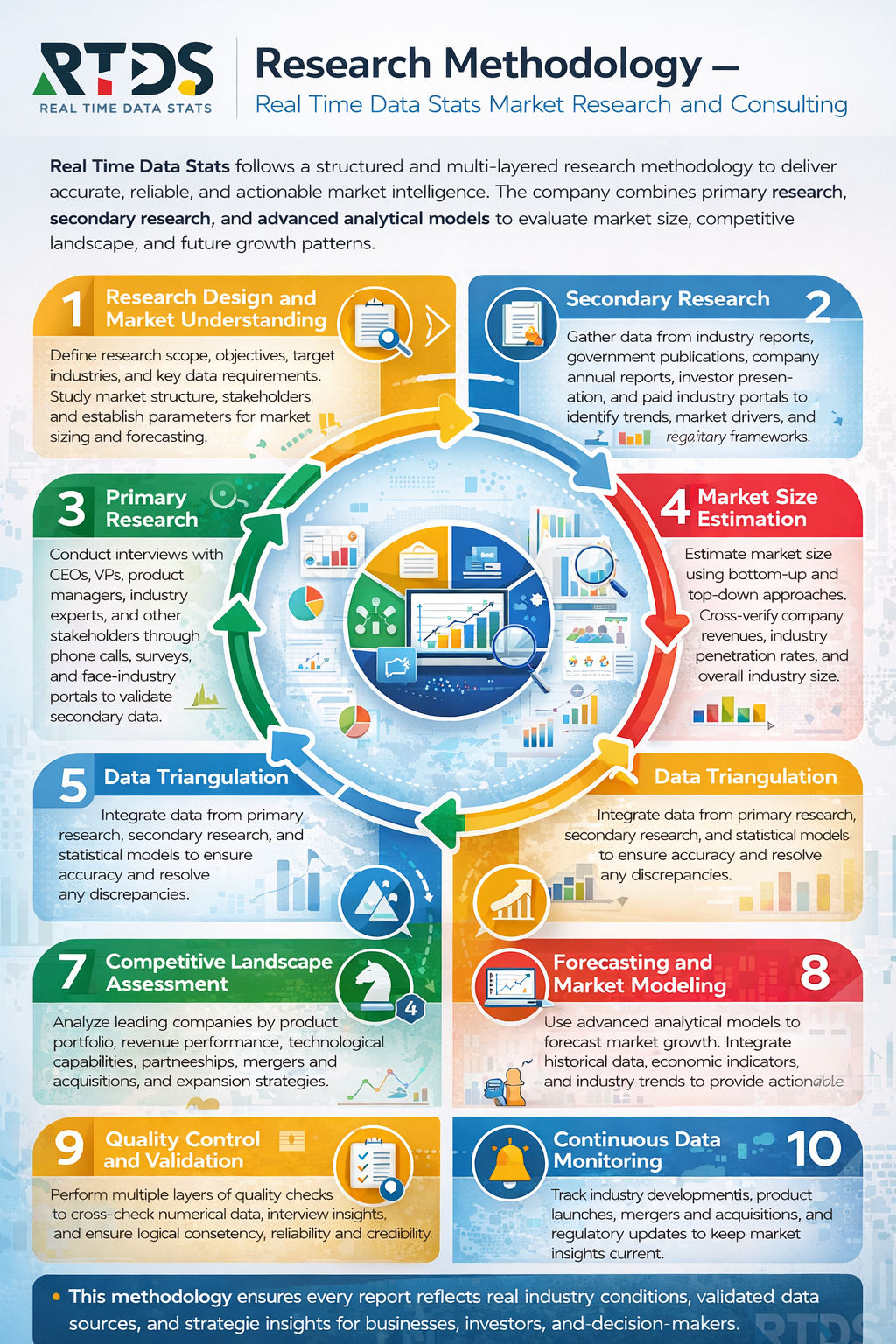
- Figure:2: Research Methodology Flow
- Figure:3: Value Chain Diagram
- Figure:4: Pricing Trend Graph
- Figure:5: Policy Impact Illustration
- Figure:6: By Type Distribution Chart
- Figure:7: By Application Distribution Chart
- Figure:8: Capacity Segmentation Graph
- Figure:9: Technology Adoption Curve
- Figure:10: Energy Source Mix Chart
- Figure:11: End User Share Pie Chart
- Figure:12: Installation Type Mapping
- Figure:13: Ownership Model Comparison
- Figure:14: Distribution Channel Flow
- Figure:15: Regional Growth Map
Smart Rural Cold Storage Market Key Factors
Drivers:
- Post-harvest losses force farmers to seek smart storage solutions urgently
- Government subsidies reduce upfront costs for rural cold storage installations
- Mobile app controls attract tech-savvy younger farmers to adopt systems
Restraints:
- High electricity costs discourage continuous operation in remote villages
- Limited internet connectivity blocks real-time monitoring features
- Small landholdings make individual storage investments unviable
Opportunities:
- Solar-powered units open off-grid rural markets completely
- Pay-per-use models bring storage access to small farmers affordably
- Cold chain integration links rural stores directly to urban retailers
Challenges:
- Skilled technicians remain absent in deep rural locations
- Maintenance spare parts take weeks to reach remote areas
- Farmers hesitate to shift from traditional preservation methods
Smart Rural Cold Storage Market Key Regional Trends
North America:
- Large farms install IoT-enabled storage for export crop quality
- Federal grants specifically fund indigenous community cold storage projects
- Private players bundle storage with crop insurance packages
Europe:
- EU Green Deal pushes solar-plus-storage units aggressively
- Cooperatives pool resources for shared smart storage facilities
- Strict food waste laws mandate cold chain compliance strictly
Asia Pacific:
- India and China lead with PPP models for village-level hubs
- Mobile cold rooms on tractors serve multiple scattered farms
- Affordable Chinese sensors drive down system costs regionally
Latin America:
- Brazil connects Amazon riverine communities with solar cold stores
- Colombia focuses on coffee and flower export cold chains
- Mexico ties storage access to US-bound produce export contracts
Middle East & Africa:
- UAE invests in off-grid desert agriculture cold storage pilot
- Kenya links cold storage to mobile money payment platforms
- Nigeria deploys modular units to reduce tomato supply chain losses
Frequently Asked Questions
Key Questions Answered
- What is the size and growth rate of the market industry?
- What are the main drivers influencing market growth trends?
- What are the key challenges and restraints faced by the market?
- What are the emerging trends and opportunities shaping the market?
- Who are the top players, and what strategies drive their success?
- What are the customer demographics and their buying behaviors?
- What are the key market segments, and what is their scope?
- What are the geographical dynamics, and which region dominates?
- What are the market forecasts and projections for the next decade?
- What regulatory factors are critical to consider for market growth?
Why Choose our Company?
- Major facts and stats backing every report we offer.
- Comprehensive analysis tailored to your business needs.
- Accurate insights backed by extensive market research.
- Expert support to address your queries promptly.
- Data-driven strategies for better decision-making.
- In-depth reports with actionable
recommendations. - Reliable statistics from trusted industry
sources. - Customizable reports to suit your specific goals.
- Unmatched quality and precision in market analysis.
- Competitive pricing with premium content delivery.
Share your experience!
We value you feedback. Please take a moment to review your experience with us.