
According to insights from Real Time Data Stats, the Smart Evacuation Management Platforms Market was valued at USD 8.40 billion in 2025. It is expected to grow from USD 9.49 billion in 2026 to USD 22.80 billion by 2033, registering a CAGR of 13% during the forecast period (2026–2033).
MARKET SIZE AND SHARE
The global Smart Evacuation Management Platforms market is transitioning from a niche solution to a mainstream necessity. Stringent safety regulations and rising urban infrastructure investments drive this growth. Adoption is increasing across commercial, industrial, and public sectors, as organizations prioritize occupant safety and operational resilience through intelligent, data-driven evacuation systems.
Market share dynamics are evolving, with established building automation and security providers competing alongside agile technology innovators. Leading players offer integrated IoT ecosystems, real-time analytics, and BIM compatibility. The landscape remains fragmented as regional and specialized vendors capture niche segments, though strategic partnerships and acquisitions are likely to drive consolidation among top-tier providers offering scalable platform solutions by 2032.
INDUSTRY OVERVIEW AND STRATEGY
The industry centers on software-centric platforms that leverage IoT sensors, AI, and real-time data to dynamically manage emergency evacuations, moving beyond static alarm systems. It serves a diverse clientele including smart cities, transportation hubs, large enterprises, and educational institutions. The core value proposition is transforming chaotic evacuations into coordinated, guided responses, ultimately saving lives and minimizing asset damage. This represents a critical evolution in safety technology, integrating deeply with broader smart building and city infrastructure.
Key strategic imperatives for vendors include relentless R&D in predictive analytics and AI-driven crowd simulation to offer proactive threat response. Success hinges on forging partnerships with construction firms, government bodies, and hardware manufacturers to ensure system interoperability and compliance. Strategies also focus on cloud-based subscription models for recurring revenue and demonstrating clear ROI through reduced insurance premiums and regulatory compliance, thereby accelerating market penetration and customer retention.
REGIONAL TRENDS AND GROWTH
North America and Europe lead adoption, propelled by advanced regulatory frameworks, high smart city investment, and robust insurance incentives. The Asia-Pacific region emerges as the fastest-growing market, driven by massive urban development, new construction in China and India, and increasing government mandates for public safety. Latin America and the Middle East show nascent growth, focused primarily on high-value infrastructure projects and oil & gas facilities requiring advanced safety protocols.
Primary growth drivers include escalating climate-related disaster frequency, stringent fire safety regulations globally, and technological convergence with 5G and BIM. Significant restraints are high initial integration costs and cybersecurity concerns for connected platforms. Opportunities lie in developing AI for predictive evacuation and leveraging IoT sensor proliferation. Major challenges involve achieving standardization across diverse legacy infrastructure and ensuring system reliability during widespread network or power failures.
SMART EVACUATION MANAGEMENT PLATFORMS MARKET SEGMENTATION ANALYSIS
BY TYPE:
Cloud-based platforms dominate due to ease of deployment, scalability, and reduced upfront costs. Organizations prefer cloud solutions for real-time data access during emergencies, seamless updates, and lower IT maintenance. On-premise and hybrid systems are adopted by enterprises requiring stricter data security and regulatory compliance. Mobile-based and web-based platforms ensure accessibility during field operations, while integrated platforms offer end-to-end evacuation management solutions, combining software, hardware, and analytics for faster decision-making in critical situations.
The choice of type also depends on organizational readiness and infrastructure. Cloud and mobile-based solutions are preferred in regions with high internet penetration, whereas on-premise systems are prevalent in government and defense sectors prioritizing control over sensitive data. Hybrid platforms are gaining traction for balancing security and flexibility. Rapid advancements in IoT integration, AI, and analytics within these platforms enhance predictive evacuation planning and monitoring, directly influencing market adoption across industries.
BY APPLICATION:
Emergency response management leads the market due to the increasing frequency of natural and man-made disasters. Platforms for real-time evacuation monitoring, crowd management, and incident command support are widely implemented to reduce casualties and ensure compliance with safety regulations. Disaster preparedness planning applications gain attention from public agencies and educational institutions, as predictive analytics and simulation tools improve readiness for sudden emergencies.
Public safety communication is increasingly critical, integrating mobile alerts, social media notifications, and digital signage to reach large populations simultaneously. Organizations are adopting smart platforms to streamline evacuation workflows, enhance situational awareness, and reduce response time during emergencies. Integration with GIS mapping and AI-driven analytics improves route planning and risk assessment, further driving the demand for application-specific platforms in both urban and industrial environments.
BY COMPONENT:
Software solutions dominate the market due to their ability to integrate multiple functions like data analytics, alerts, and simulation modeling. Hardware components, including sensors, IoT devices, and communication systems, provide real-time monitoring and connectivity during evacuations. Services, such as consulting, installation, and maintenance, ensure platforms are tailored to organizational needs and regulatory compliance.
Analytics tools are increasingly critical, enabling predictive insights and optimization of evacuation strategies. Integration of hardware with software platforms enhances accuracy in emergency response, while cloud connectivity ensures continuous monitoring. The combination of software, hardware, and services as an integrated ecosystem boosts operational efficiency, reduces risks, and allows authorities to manage evacuations effectively across complex environments, driving overall market growth.
BY DEPLOYMENT MODE:
Public cloud deployment dominates due to cost-effectiveness, scalability, and accessibility from multiple locations. Private cloud and hybrid solutions are preferred by large organizations and government agencies needing enhanced security and compliance. Edge deployment is emerging as a solution for latency-sensitive applications, providing real-time data processing closer to the source during evacuation scenarios.
Organizations select deployment modes based on risk sensitivity, infrastructure readiness, and budget. Multi-cloud approaches allow redundancy and resilience, minimizing downtime during critical emergencies. Cloud adoption is further accelerated by increasing mobility requirements and the need for integrated communication systems. Deployment flexibility directly impacts operational efficiency, making it a decisive factor in platform selection and overall market expansion.
BY ORGANIZATION SIZE:
Large enterprises dominate adoption due to higher budgets, advanced infrastructure, and regulatory obligations to ensure safety in multi-location facilities. Medium-sized organizations are gradually investing in scalable solutions to meet compliance standards, while small enterprises prefer cloud-based or mobile solutions for cost efficiency. Government agencies and public institutions prioritize large-scale deployment for urban management, emergency preparedness, and public safety communication.
NGOs and educational institutions are also increasingly investing in platforms to enhance evacuation preparedness and safety training. Organizational size influences platform selection, with larger entities adopting comprehensive solutions integrating hardware, software, and analytics, while smaller organizations rely on cost-effective, cloud-based platforms. Investment decisions are guided by operational complexity, regulatory requirements, and the need for rapid deployment.
BY END USER:
Government and public safety agencies dominate the market as they require comprehensive evacuation management solutions to ensure citizen safety during emergencies. Platforms are used for real-time monitoring, coordination among multiple departments, and public alert systems. Healthcare facilities increasingly implement these systems to manage patient evacuation efficiently during disasters, especially in high-risk zones. Transportation authorities use platforms to optimize evacuation routes and reduce congestion, while educational institutions and commercial buildings integrate these solutions for safety compliance and operational continuity.
Industrial facilities adopt smart evacuation platforms to protect employees and minimize operational losses during emergencies. Adoption is driven by regulatory mandates, insurance requirements, and risk management priorities. End users demand integration with existing IT and communication systems, real-time analytics, and mobile accessibility. Platforms tailored to end-user needs enhance operational efficiency, reduce response time, and enable predictive planning, making end-user-specific solutions a key driver of market growth across public and private sectors.
BY INDUSTRY VERTICAL:
Government and defense sectors lead due to the critical need for public safety, disaster management, and emergency preparedness. Transportation and logistics industries adopt platforms for managing passenger and cargo evacuation efficiently. Healthcare institutions leverage smart evacuation systems to ensure patient safety and compliance with emergency protocols, while energy and utility sectors focus on mitigating risks in high-hazard environments. BFSI and retail sectors implement solutions to protect employees, clients, and assets during emergencies.
Cross-industry adoption is fueled by increasing awareness of disaster preparedness and compliance with safety regulations. Integration with IoT, AI, and big data analytics enables vertical-specific evacuation planning and real-time monitoring. Industry-specific solutions provide tailored risk assessment, optimized routes, and automated communication systems. These capabilities drive market expansion, making the industry vertical segmentation critical in understanding adoption patterns, investment priorities, and technological requirements.
BY TECHNOLOGY:
Artificial intelligence (AI) dominates technological adoption due to its predictive analytics and decision-making capabilities in evacuation planning. Machine learning enables platforms to optimize evacuation routes and anticipate crowd behavior. IoT integration provides real-time tracking, environmental monitoring, and seamless data communication, while big data analytics enables detailed insights into risk assessment and emergency patterns. GIS and mapping technologies are crucial for route planning and visualization, and cloud computing ensures data accessibility and centralized control during emergencies.
Emerging technologies accelerate platform efficiency and effectiveness. AI and IoT integration enhances predictive accuracy, while GIS mapping enables dynamic routing under changing conditions. Cloud computing supports scalability and remote access, crucial for large-scale deployments. Technology adoption is influenced by regulatory compliance, operational requirements, and the demand for automated, real-time decision-making tools. Combined, these technologies improve evacuation success rates, reduce casualties, and drive the overall growth of the smart evacuation management market.
BY COMMUNICATION CHANNEL:
Mobile applications dominate due to their accessibility, real-time alerts, and integration with other emergency systems. SMS alerts provide widespread reach even in low-bandwidth areas, while email notifications support formal communication during planned drills and emergencies. Voice call systems enhance outreach to vulnerable populations, while digital signage provides on-site guidance during evacuation events. Social media alerts are increasingly used for public awareness, crowd management, and rapid dissemination of critical information during disasters.
The choice of communication channel depends on target audience, urgency, and reliability requirements. Organizations prioritize multi-channel strategies for redundancy and effectiveness. Integration of mobile, SMS, and digital signage ensures real-time situational updates and coordinated response. Platforms offering omnichannel communication improve response efficiency, reduce confusion, and enhance public safety. The adoption of intelligent communication channels is a dominant factor driving market growth across urban, industrial, and public safety contexts.
RECENT DEVELOPMENTS
- In Jan 2024: Siemens launched its next-gen Synco Building Manager with enhanced AI-powered evacuation routing, integrating real-time data from fire panels and occupancy sensors for dynamic exit guidance.
- In May 2024: Honeywell completed acquisition of Israeli startup Firedrill, a specialist in VR-based evacuation training software, aiming to integrate immersive simulation directly into its Forge performance platform.
- In Sep 2024: Johnson Controls unveiled OpenBlue Escape Manager, a cloud-native platform using digital twin technology to simulate and manage evacuations across global enterprise portfolios in real-time.
- In Nov 2024: Bosch Building Technologies partnered with HERE Technologies to integrate high-definition indoor/outdoor mapping into its Evacuation Control System, enabling precise location tracking and route optimization.
- In Feb 2025: ABB announced a strategic collaboration with Microsoft, leveraging Azure AI and IoT to enhance its Ability™ Smart Evacuation Suite with predictive analytics for crowd flow management and threat anticipation.
KEY PLAYERS ANALYSIS
- Siemens AG
- Honeywell International Inc.
- Johnson Controls
- Robert Bosch GmbH
- ABB Ltd.
- Schneider Electric
- Carrier Global Corporation
- Huawei Technologies Co., Ltd.
- Cisco Systems, Inc.
- NEC Corporation
- Hitachi, Ltd.
- Thales Group
- Mircom Group
- Hochiki Corporation
- Minimax Viking Group
- Fike Corporation
- Gentex Corporation
- Halma plc
- Ampac
- Zeta Alarms Ltd.
Smart Evacuation Management Platforms Market Segmentation Analysis
By Type:
- Cloud-Based Platforms
- On-Premise Platforms
- Hybrid Platforms
- Web-Based Platforms
- Mobile-Based Platforms
- Integrated Platforms
By Application:
- Emergency Response Management
- Disaster Preparedness Planning
- Real-Time Evacuation Monitoring
- Public Safety Communication
- Incident Command Support
- Crowd Management
By Component:
- Software
- Hardware
- Services
- Sensors & IoT Devices
- Communication Systems
- Analytics Tools
By Deployment Mode:
- Public Cloud
- Private Cloud
- Hybrid Cloud
- On-Premise Deployment
- Multi-Cloud Deployment
- Edge Deployment
By Organization Size:
- Large Enterprises
- Medium Enterprises
- Small Enterprises
- Government Agencies
- NGOs
- Public Institutions
By End User:
- Government & Public Safety Agencies
- Healthcare Facilities
- Transportation Authorities
- Educational Institutions
- Commercial Buildings
- Industrial Facilities
By Industry Vertical:
- Government & Defense
- Healthcare
- Transportation & Logistics
- Energy & Utilities
- BFSI
- Retail & Commercial
By Technology:
- Artificial Intelligence
- Machine Learning
- Internet of Things (IoT)
- Big Data Analytics
- GIS & Mapping
- Cloud Computing
By Communication Channel:
- Mobile Applications
- SMS Alerts
- Email Notifications
- Voice Call Systems
- Digital Signage
- Social Media Alerts
By Geography:
- North America (USA, Canada, Mexico)
- Europe (UK, Germany, France, Italy, Spain, Rest of Europe)
- Asia-Pacific (China, Japan, Australia, South Korea, India, Rest of Asia-Pacific)
- South America (Brazil, Argentina, Rest of South America)
- Middle East and Africa (GCC Countries, South Africa, Rest of MEA)
Smart Evacuation Management Platforms Market: Table of Contents
Executive Summary
- Market Overview
- Key Market Trends
- Market Drivers and Challenges
- Opportunities and Future Outlook
Market Introduction
- Definition of Smart Evacuation Management Platforms
- Market Scope
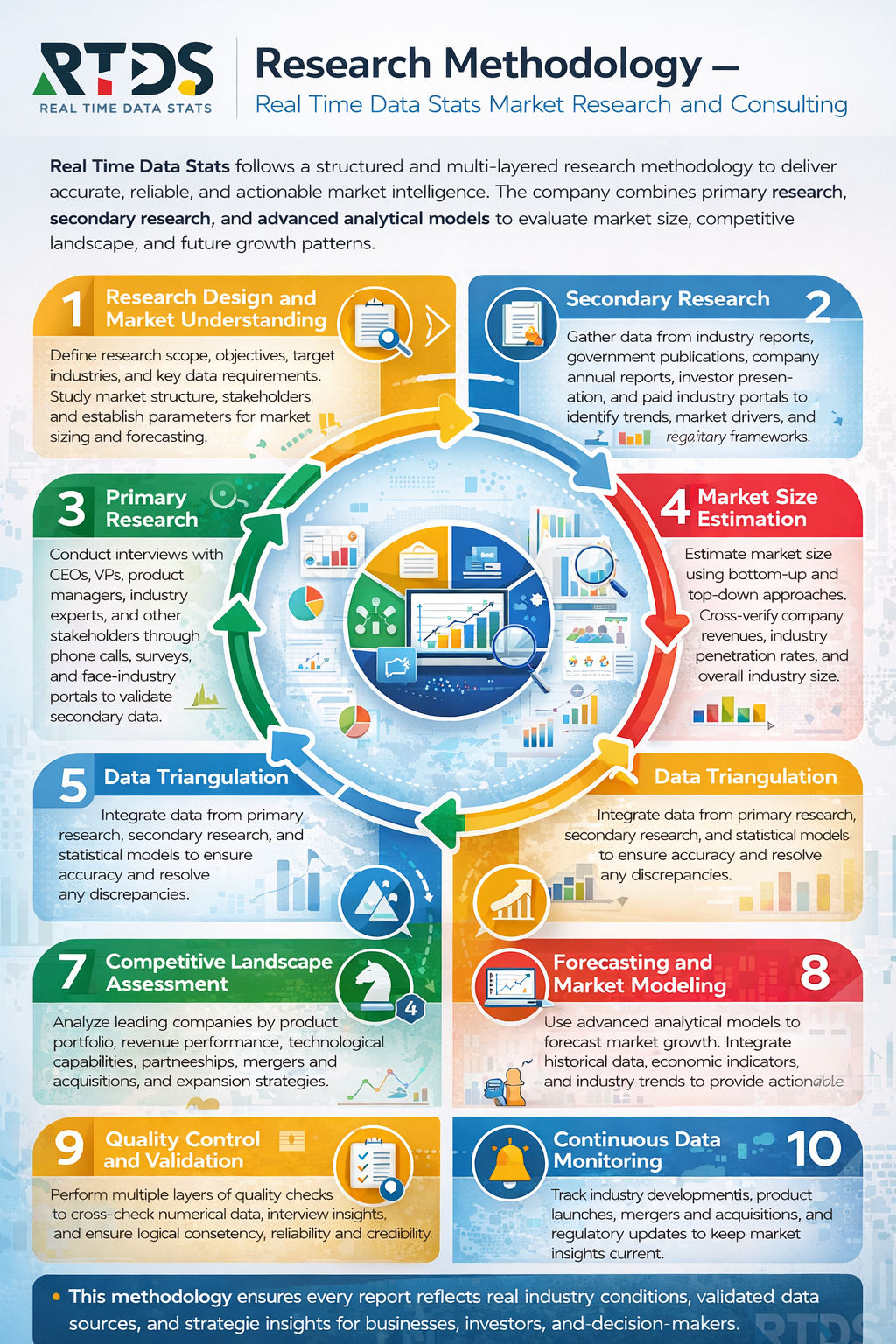
- Research Methodology
- Data Sources
- Market Segmentation Overview
Market Dynamics
- Market Drivers
- Market Restraints
- Market Opportunities
- Market Challenges
- Industry Trends
- Regulatory Framework
Smart Evacuation Management Platforms Market Segmentation Analysis
- By Type:
- Cloud-Based Platforms
- On-Premise Platforms
- Hybrid Platforms
- Web-Based Platforms
- Mobile-Based Platforms
- Integrated Platforms
- By Application:
- Emergency Response Management
- Disaster Preparedness Planning
- Real-Time Evacuation Monitoring
- Public Safety Communication
- Incident Command Support
- Crowd Management
- By Component:
- Software
- Hardware
- Services
- Sensors & IoT Devices
- Communication Systems
- Analytics Tools
- By Deployment Mode:
- Public Cloud
- Private Cloud
- Hybrid Cloud
- On-Premise Deployment
- Multi-Cloud Deployment
- Edge Deployment
- By Organization Size:
- Large Enterprises
- Medium Enterprises
- Small Enterprises
- Government Agencies
- NGOs
- Public Institutions
- By End User:
- Government & Public Safety Agencies
- Healthcare Facilities
- Transportation Authorities
- Educational Institutions
- Commercial Buildings
- Industrial Facilities
- By Industry Vertical:
- Government & Defense
- Healthcare
- Transportation & Logistics
- Energy & Utilities
- BFSI
- Retail & Commercial
- By Technology:
- Artificial Intelligence
- Machine Learning
- Internet of Things (IoT)
- Big Data Analytics
- GIS & Mapping
- Cloud Computing
- By Communication Channel:
- Mobile Applications
- SMS Alerts
- Email Notifications
- Voice Call Systems
- Digital Signage
- Social Media Alerts
Regional Analysis
- North America Market Analysis
- Europe Market Analysis
- Asia Pacific Market Analysis
- Latin America Market Analysis
- Middle East & Africa Market Analysis
Competitive Landscape
- Market Share Analysis
- Key Players and Profiles
- Strategic Initiatives
- Mergers & Acquisitions
- Partnerships and Collaborations
Future Outlook & Trends
- Emerging Technologies
- Investment Opportunities
- Market Forecast 2026-2035
Conclusion
- Market summary
- Key findings
- Strategic insights
Appendix
- Abbreviations
- Research Methodology
- Data Sources
List of Tables
- Table:1: Global Smart Evacuation Management Platforms Market Size 2025-2035
- Table:2: Market Segmentation by Type and Revenue Share
- Table:3: Market Segmentation by Application and Growth Rate
- Table:4: Market Segmentation by Component
- Table:5: Market Segmentation by Deployment Mode
- Table:6: Market Segmentation by Organization Size
- Table:7: Market Segmentation by End User
- Table:8: Market Segmentation by Industry Vertical
- Table:9: Market Segmentation by Technology
- Table:10: Market Segmentation by Communication Channel
- Table:11: Market Segmentation by Region
- Table:12: North America Market Revenue 2025-2035
- Table:13: Europe Market Revenue 2025-2035
- Table:14: Asia Pacific Market Revenue 2025-2035
- Table:15: Key Players Market Share
List of Figures
- Figure:1: Global Smart Evacuation Management Platforms Market Growth Trend
- Figure:2: Market Share by Type
- Figure:3: Market Share by Application
- Figure:4: Market Share by Component
- Figure:5: Market Share by Deployment Mode
- Figure:6: Market Share by Organization Size
- Figure:7: Market Share by End User
- Figure:8: Market Share by Industry Vertical
- Figure:9: Market Share by Technology
- Figure:10: Market Share by Communication Channel
- Figure:11: Regional Market Distribution
- Figure:12: North America Market Growth Trend
- Figure:13: Europe Market Growth Trend
- Figure:14: Asia Pacific Market Growth Trend
- Figure:15: Competitive Landscape Overview
Smart Evacuation Management Platforms Market Key Factors
Drivers:
- Stricter government regulations mandate advanced safety systems in buildings.
- Rising infrastructure investment incorporates smart building technologies.
- Increased public awareness pushes organizations to adopt proactive safety solutions.
Restraints:
- High initial costs deter adoption in budget-sensitive sectors.
- Legacy infrastructure creates compatibility challenges with new platforms.
- Concerns over data privacy and cybersecurity slow decision-making.
Opportunities:
- Integration with smart city initiatives creates large-scale deployment potential.
- Advancements in IoT and AI enable more predictive and intelligent system features.
- Growing retrofit market in older buildings and industrial facilities expands the customer base.
Challenges:
- Lack of standardized protocols hinders seamless integration across different vendors.
- Effective platform performance requires continuous staff training and system updates.
- Managing and interpreting large volumes of real-time data during emergencies poses operational difficulties.
Smart Evacuation Management Platforms Market Key Regional Trends
North America:
- Leading adoption driven by stringent fire safety codes and insurance requirements.
- Strong integration with existing smart building management systems.
- High focus on cybersecurity features within platform development.
Europe:
- EU directives promoting building safety and energy efficiency influence market growth.
- Emphasis on data privacy (GDPR) shapes platform design and data handling.
- Retrofitting historic buildings with compliant, discreet systems presents a key trend.
Asia-Pacific:
- Rapid urbanization and construction of high-rise buildings fuel demand.
- Governments investing in smart city projects are key drivers for adoption.
- Presence of cost-effective solution providers increases market competition.
Middle East & Africa:
- Mega projects and vision programs incorporate advanced safety technologies.
- Focus on protecting high-value infrastructure like airports and oil refineries.
- Market growth varies significantly between developed Gulf nations and other regions.
Latin America:
- Modern commercial and hospitality sectors lead the initial adoption.
- Increasing awareness following major incidents pushes for regulatory updates.
- Economic volatility prioritizes essential features over comprehensive solutions.
Frequently Asked Questions
Key Questions Answered
- What is the size and growth rate of the market industry?
- What are the main drivers influencing market growth trends?
- What are the key challenges and restraints faced by the market?
- What are the emerging trends and opportunities shaping the market?
- Who are the top players, and what strategies drive their success?
- What are the customer demographics and their buying behaviors?
- What are the key market segments, and what is their scope?
- What are the geographical dynamics, and which region dominates?
- What are the market forecasts and projections for the next decade?
- What regulatory factors are critical to consider for market growth?
Why Choose our Company?
- Major facts and stats backing every report we offer.
- Comprehensive analysis tailored to your business needs.
- Accurate insights backed by extensive market research.
- Expert support to address your queries promptly.
- Data-driven strategies for better decision-making.
- In-depth reports with actionable
recommendations. - Reliable statistics from trusted industry
sources. - Customizable reports to suit your specific goals.
- Unmatched quality and precision in market analysis.
- Competitive pricing with premium content delivery.
Share your experience!
We value you feedback. Please take a moment to review your experience with us.