
The global Smart Border Health Screening Market size was valued at USD 5.0 billion in 2026 and is projected to expand at a compound annual growth rate (CAGR) of 15% during the forecast period, reaching a value of USD 11.3 billion by 2033.
MARKET SIZE AND SHARE
The Smart Border Health Screening Market is driven by technological integration and rising post-pandemic health security needs. The global market is expected to grow at a strong compound annual growth rate, reflecting increasing adoption. North America holds the largest share, exceeding 35%, supported by advanced infrastructure. Europe follows with a significant share, while the Asia-Pacific region shows the fastest growth.
Leading companies such as Siemens Healthineers and Honeywell account for a major portion of the revenue share. Established firms maintain their position through continuous innovation and strategic partnerships. At the same time, emerging technology companies are gaining traction in niche segments with AI-based solutions and thermal scanning systems. The thermal camera segment leads with over 40% share, while software platforms are expanding quickly, with growth projected at around 15% annually. Public-private partnerships continue to shape market distribution, especially in developing regions where government procurement plays a key role.
INDUSTRY OVERVIEW AND STRATEGY
The Smart Border Health Screening industry encompasses advanced technological systems designed for detecting contagious diseases at entry points. These solutions integrate thermal imaging, biometrics, and artificial intelligence to enable rapid, non-invasive health assessments. The market structure includes hardware manufacturers, software developers, and integrated solution providers. Strategic priorities focus on enhancing accuracy and reducing false positives. Industry leaders are investing heavily in research and development to incorporate predictive analytics. Collaboration with international health organizations remains a cornerstone for establishing unified screening protocols and interoperability standards globally.
Strategy development within this sector emphasizes scalability and adaptability for diverse border environments. Companies are pursuing vertical integration to control component supply chains and reduce dependency on external vendors. Aggressive patent filing strategies protect proprietary algorithms and sensor technologies. Market entrants differentiate through cost-effective modular systems appealing to budget-constrained nations. Strategic alliances with airport authorities and immigration departments facilitate pilot projects and regulatory approvals. Long-term strategies include expanding into cargo screening applications and integrating health data with existing national security databases for comprehensive threat assessment.
REGIONAL TRENDS AND GROWTH
Regional trends indicate North America leads in Smart Border Health Screening adoption, driven by stringent security mandates and substantial funding. Europe demonstrates strong growth through unified Schengen area requirements for standardized health checks. The Asia-Pacific region presents the highest growth potential, propelled by high-volume international travel hubs and increasing pandemic preparedness investments. The Middle East invests significantly in smart city border projects. Current growth drivers include rising cross-border disease transmission fears and technological advancements. Immediate restraints involve high implementation costs and privacy concerns regarding biometric data collection.
Future growth opportunities lie in integrating Internet of Things sensors and blockchain for secure health credential verification. Emerging markets present untapped potential as infrastructure modernizes. Challenges include maintaining screening accuracy across diverse climatic conditions and ensuring algorithmic fairness across ethnicities. Evolving pathogen threats necessitate continuous system updates, creating sustained demand. Regulatory harmonization remains a persistent challenge but also presents opportunity for standardization leadership. Demographic shifts and increasing global mobility will fundamentally sustain long-term market expansion despite short-term economic fluctuations affecting procurement cycles.
SMART BORDER HEALTH SCREENING MARKET SEGMENTATION ANALYSIS
BY TYPE:
Thermal scanners, biometric screening systems, AI-based monitoring systems, mobile health screening units, automated kiosks, and wearable health sensors form the backbone of this segment. Growing concerns over infectious disease transmission, rising cross-border travel, and increasing investments in smart surveillance infrastructure are dominant factors driving demand. Governments and border agencies prioritize rapid, contactless, and accurate screening solutions to minimize delays and reduce human dependency. Technological improvements in thermal accuracy, facial recognition, and wearable diagnostics significantly enhance system efficiency and reliability.
The integration of artificial intelligence and automation has further strengthened this segment by enabling real-time monitoring, predictive analytics, and centralized data management. High deployment across international airports and land borders accelerates adoption. Demand for portable and mobile screening systems has increased, particularly for emergency situations and temporary border checkpoints. Continuous innovations in sensor technologies and miniaturization are driving market expansion, offering compact, efficient, and cost-effective solutions to border authorities worldwide.
BY APPLICATION:
Airports, seaports, land border crossings, railway stations, immigration centers, and public event checkpoints represent key application areas. The steady growth in global passenger traffic and migration has intensified the need for efficient health screening at transit hubs. Airports dominate this segment due to high international travel volume, strict regulatory compliance, and public safety mandates. Seaports and land borders follow closely as cross-border trade and tourism rise, demanding faster clearance systems with improved accuracy and reliability.
Public events and immigration centers increasingly deploy smart screening technologies to manage crowd movement and reduce health risks. Railway stations, particularly in densely populated countries, benefit from automated kiosks and thermal screening systems to ensure public safety. Government initiatives focusing on pandemic preparedness and disease containment strategies continue to boost large-scale implementation across all application areas. This growing emphasis on automation and operational efficiency sustains long-term market expansion.
BY COMPONENT:
Hardware, software, services, sensors, cameras, and communication modules constitute the major components of smart border health screening systems. Hardware dominates due to high demand for thermal cameras, biometric scanners, and sensor-based devices. Software platforms enable system integration, data processing, and predictive analysis, making them critical for efficient operations. Services including installation, maintenance, upgrades, and training enhance system longevity and performance, contributing significantly to overall market value.
Sensors and cameras experience rising adoption due to advancements in infrared imaging, facial recognition, and multi-spectral scanning technologies. Communication modules support real-time data transmission and cloud connectivity, enabling centralized monitoring. Continuous improvements in component efficiency, durability, and interoperability reduce operational costs and increase deployment flexibility. Growing investments in research and development drive innovation, ensuring long-term sustainability and technological leadership within the component segment.
BY TECHNOLOGY:
Artificial intelligence, machine learning, Internet of Things, computer vision, cloud computing, and big data analytics are key technologies shaping this market. AI and machine learning drive automated decision-making, pattern recognition, and predictive health risk assessment, significantly improving screening accuracy. IoT enables seamless connectivity between devices, enhancing system coordination and operational efficiency. Computer vision enhances biometric authentication and symptom detection, strengthening overall system reliability and responsiveness.
Cloud computing and big data analytics facilitate centralized data storage, real-time processing, and large-scale health surveillance. These technologies support rapid response strategies, policy planning, and predictive modeling. Integration of multiple advanced technologies improves interoperability and system scalability. As border security agencies adopt digital transformation initiatives, technological advancements continue to drive widespread implementation, operational optimization, and long-term market growth across global border control infrastructures.
BY DEPLOYMENT MODE:
On-premise, cloud-based, hybrid, mobile-based, edge-based, and web-based deployment modes offer flexible implementation models. On-premise deployment remains dominant due to data security concerns and regulatory requirements. However, cloud-based and hybrid models are rapidly gaining traction because of scalability, cost-efficiency, and real-time accessibility. Mobile-based and edge-based deployments are particularly suitable for remote border locations and temporary checkpoints, ensuring uninterrupted health screening operations.
Web-based solutions enable centralized system control, analytics dashboards, and remote management. Hybrid models combine security with scalability, offering optimal performance for large border networks. Demand for flexible deployment structures continues to grow as governments seek adaptable systems that accommodate evolving operational needs. Continuous improvements in cybersecurity, network connectivity, and data encryption enhance trust in cloud and hybrid deployments, accelerating widespread adoption.
BY END USER:
Government agencies, border security forces, immigration authorities, healthcare organizations, transportation authorities, and defense organizations are major end users. Government agencies lead adoption due to national security and public health mandates. Border security forces depend heavily on real-time surveillance and automated screening tools to enhance border integrity. Immigration authorities utilize these systems to improve traveler flow management and reduce processing delays while maintaining health safety protocols.
Healthcare organizations contribute by integrating diagnostic analytics and disease monitoring capabilities. Transportation authorities implement screening technologies to safeguard passengers and staff across transit hubs. Defense organizations utilize advanced biometric and surveillance systems for strategic border protection. Growing inter-agency collaboration and national digital infrastructure initiatives further strengthen adoption, supporting a coordinated approach to health surveillance and border security across public and private sectors.
BY SCREENING TYPE:
Temperature screening, symptom screening, biometric screening, document verification, health data analysis, and risk assessment define this segment. Temperature screening remains widely adopted due to its speed and simplicity. Biometric screening and document verification ensure accurate traveler identification and compliance. Symptom screening and health data analysis enable early detection of infectious diseases, supporting preventive intervention strategies and risk mitigation.
Risk assessment systems integrate data analytics and AI algorithms to predict potential health threats. The combination of multiple screening techniques enhances detection accuracy and operational efficiency. Increasing demand for multi-layered screening frameworks is driven by heightened public safety awareness and regulatory mandates. Continuous improvements in data accuracy, automation, and analytical capabilities sustain the long-term growth of this highly critical market segment.
BY SOLUTION:
Integrated screening systems, standalone devices, automated gates, surveillance platforms, health monitoring platforms, and data management systems form key solution categories. Integrated solutions dominate due to seamless interoperability, centralized monitoring, and automation benefits. Automated gates reduce processing time, minimize human contact, and enhance passenger flow. Surveillance and health monitoring platforms provide continuous screening and early warning capabilities, strengthening border health security measures.
Standalone screening devices remain vital in remote and low-traffic border areas. Data management systems play a crucial role in storage, analytics, compliance, and reporting. Rising focus on operational efficiency, data-driven policymaking, and centralized control drives demand for integrated solutions. Continuous innovation and system customization enhance adaptability, supporting diverse operational requirements across international border networks.
BY MODE OF OPERATION:
Automated, semi-automated, manual, remote monitoring, continuous monitoring, and real-time monitoring define operational frameworks. Automated systems lead the market due to speed, accuracy, and reduced labor dependency. Real-time and continuous monitoring enable proactive threat detection and rapid response. Semi-automated systems balance automation with human supervision, offering operational flexibility in complex border environments.
Remote monitoring allows centralized surveillance across multiple locations, optimizing resource utilization. Manual systems, though declining, remain essential in low-tech or rural border areas. Growing investments in automation and digital infrastructure are shifting operational models toward fully automated, intelligent screening systems. This evolution improves efficiency, enhances security, and supports scalable implementation across international border management networks.
RECENT DEVELOPMENTS
- In Jan 2024: Siemens Healthineers launched AI-enhanced thermal screening kiosks with facial recognition integration at Frankfurt Airport for real-time fever detection and health credential verification.
- In Mar 2024: Honeywell partnered with Singapore's Changi Airport to deploy integrated biometric health screening tunnels featuring multi-pathogen sensors and contactless temperature monitoring.
- In Jun 2024: Thales Group introduced blockchain-secured digital health pass verification system for European border crossings, enabling instant credential authentication across twenty member states.
- In Sep 2024: Teledyne FLIR unveiled the next-generation thermal camera core specifically designed for border health screening with 0.2°C accuracy and machine learning false alert reduction.
- In Nov 2024: China's Shenzhen Insty detected thirty-seven COVID-19 cases at entry points using newly deployed millimeter-wave radar and thermal fusion screening technology.
- In Feb 2025: Smiths Detection secured contract with US Customs for advanced fever detection portals at ten major international airports, incorporating ambient temperature compensation algorithms.
- In Apr 2025: NEC Corporation demonstrated quantum-resistant encryption for cross-border health data transmission at the World Border Security Summit in Geneva.
KEY PLAYERS ANALYSIS
- Siemens Healthineers
- Honeywell International Inc.
- Thales Group
- Teledyne FLIR LLC
- Smiths Detection Inc.
- NEC Corporation
- Shenzhen Insty Technology Co. Ltd.
- L3Harris Technologies Inc.
- Leidos Holdings Inc.
- Rapiscan Systems
- Thermoteknix Systems Ltd.
- Hikvision Digital Technology Co. Ltd.
- Dahua Technology Co. Ltd.
- Beijing SDL Technology Co. Ltd.
- Axis Communications AB
- Bosch Security Systems
- Raytheon Technologies Corporation
- Elbit Systems Ltd.
- QinetiQ Group plc
- Kromek Group plc
Smart Border Health Screening Market Segmentation Analysis
By Type:
- Thermal Scanners
- Biometric Screening Systems
- AI-Based Monitoring Systems
- Mobile Health Screening Units
- Automated Kiosks
- Wearable Health Sensors
By Application:
- Airports
- Seaports
- Land Border Crossings
- Railway Stations
- Immigration Centers
- Public Event Checkpoints
By Component:
- Hardware
- Software
- Services
- Sensors
- Cameras
- Communication Modules
By Technology:
- Artificial Intelligence
- Machine Learning
- Internet of Things
- Computer Vision
- Cloud Computing
- Big Data Analytics
By Deployment Mode:
- On-Premise
- Cloud-Based
- Hybrid
- Mobile-Based
- Edge-Based
- Web-Based
By End User:
- Government Agencies
- Border Security Forces
- Immigration Authorities
- Healthcare Organizations
- Transportation Authorities
- Defense Organizations
By Screening Type:
- Temperature Screening
- Symptom Screening
- Biometric Screening
- Document Verification
- Health Data Analysis
- Risk Assessment
By Solution:
- Integrated Screening Systems
- Standalone Screening Devices
- Automated Gates
- Surveillance Platforms
- Health Monitoring Platforms
- Data Management Systems
By Mode of Operation:
- Automated
- Semi-Automated
- Manual
- Remote Monitoring
- Continuous Monitoring
- Real-Time Monitoring
By Geography:
- North America (USA, Canada, Mexico)
- Europe (UK, Germany, France, Italy, Spain, Rest of Europe)
- Asia-Pacific (China, Japan, Australia, South Korea, India, Rest of Asia-Pacific)
- South America (Brazil, Argentina, Rest of South America)
- Middle East and Africa (GCC Countries, South Africa, Rest of MEA)
Smart Border Health Screening Market:Table of Contents
Executive Summary
Market Introduction
- Market Definition and Scope
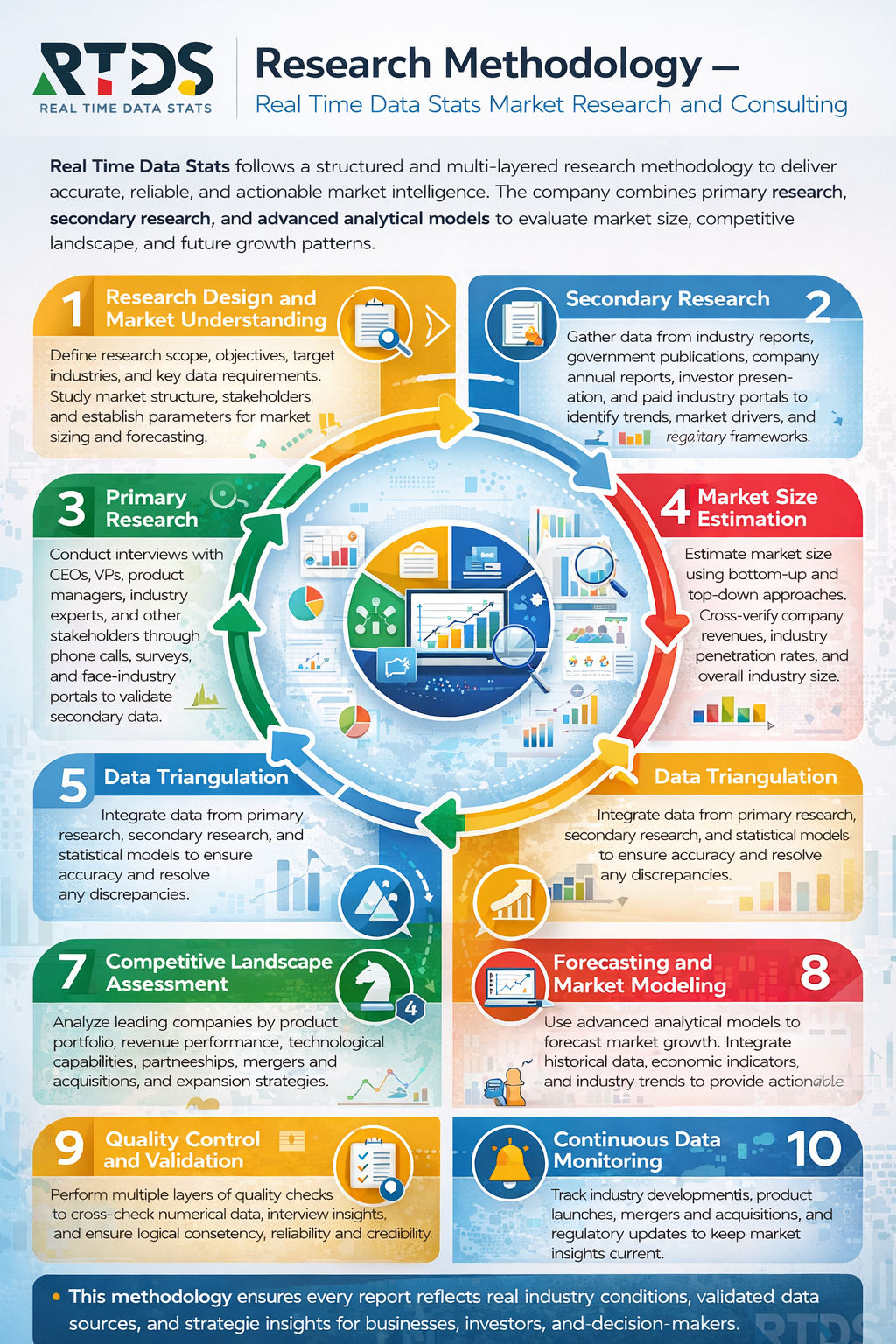
- Research Methodology
- Assumptions and Limitations
- Market Taxonomy
- Industry Value Chain Analysis
- Ecosystem Analysis
- Regulatory Framework and Compliance Landscape
- Industry Standards and Certifications
Market Dynamics
- Market Drivers
- Market Restraints
- Market Opportunities
- Market Challenges
Macro-Economic Impact Analysis
- Global Economic Outlook Impact
- Technological Advancements Impact
- Policy and Regulatory Impact
- Market Trends
Emerging Technologies
- Innovation and Product Development Trends
- Digital Transformation Trends
- Adoption Trends
- Pricing and Cost Structure Analysis
- Market Attractiveness Analysis
- Porter’s Five Forces Analysis
- PESTLE Analysis
- SWOT Analysis
Competitive Landscape Overview
- Market Share Analysis
- Strategic Developments
- Mergers and Acquisitions
- Partnerships and Collaborations
- Product Launches and Innovations
- Business Expansion Strategies
Smart Border Health Screening Market Segmentation Analysis
- By Type:
- Thermal Scanners
- Biometric Screening Systems
- AI-Based Monitoring Systems
- Mobile Health Screening Units
- Automated Kiosks
- Wearable Health Sensors
- By Application:
- Airports
- Seaports
- Land Border Crossings
- Railway Stations
- Immigration Centers
- Public Event Checkpoints
- By Component:
- Hardware
- Software
- Services
- Sensors
- Cameras
- Communication Modules
- By Technology:
- Artificial Intelligence
- Machine Learning
- Internet of Things
- Computer Vision
- Cloud Computing
- Big Data Analytics
- By Deployment Mode:
- On-Premise
- Cloud-Based
- Hybrid
- Mobile-Based
- Edge-Based
- Web-Based
- By End User:
- Government Agencies
- Border Security Forces
- Immigration Authorities
- Healthcare Organizations
- Transportation Authorities
- Defense Organizations
- By Screening Type:
- Temperature Screening
- Symptom Screening
- Biometric Screening
- Document Verification
- Health Data Analysis
- Risk Assessment
- By Solution:
- Integrated Screening Systems
- Standalone Screening Devices
- Automated Gates
- Surveillance Platforms
- Health Monitoring Platforms
- Data Management Systems
- By Mode of Operation:
- Automated
- Semi-Automated
- Manual
- Remote Monitoring
- Continuous Monitoring
- Real-Time Monitoring
Regional Market Analysis
- North America Market Overview
- Europe Market Overview
- Asia Pacific Market Overview
- Latin America Market Overview
- Middle East Market Overview
- Africa Market Overview
Country-Level Market Analysis
- United States
- Canada
- Germany
- United Kingdom
- France
- China
- Japan
- India
- South Korea
- Brazil
- Mexico
- Saudi Arabia
- UAE
- South Africa
Company Profiles
- Company Overview
- Product Portfolio
- Financial Overview
- Strategic Developments
- SWOT Analysis
Investment Analysis and Opportunities
- Market Entry Strategies
- Funding and Venture Capital Trends
- Public and Private Investments
- Strategic Partnerships
- Expansion Opportunities
- High-Growth Regions
Future Outlook and Market Forecast
- Short-Term Forecast
- Mid-Term Forecast
- Long-Term Forecast
- Emerging Market Trends
- Technology Roadmap
- Growth Drivers Impact
Conclusion
- Key Findings
- Strategic Insights
- Market Implications
- Final Observations
- Industry Recommendations
- Summary Outlook
Appendix
- Research Methodology Details
- Data Sources
- Abbreviations and Acronyms
- Assumptions
- Limitations
- Disclaimer
List of Tables
- Table:1: Global Smart Border Health Screening Market Overview
- Table:2: Market Segmentation by Type
- Table:3: Market Segmentation by Application
- Table:4: Market Segmentation by Component
- Table:5: Market Segmentation by Technology
- Table:6: Market Segmentation by Deployment Mode
- Table:7: Market Segmentation by End User
- Table:8: Market Segmentation by Screening Type
- Table:9: Market Segmentation by Solution
- Table:10: Market Segmentation by Mode of Operation
- Table:11: Regional Market Size Analysis
- Table:12: Country-Level Market Forecast
- Table:13: Competitive Landscape Analysis
- Table:14: Key Strategic Developments
- Table:15: Investment Opportunity Matrix
List of Figures
- Figure:1: Global Smart Border Health Screening Market Structure
- Figure:2: Market Segmentation Framework
- Figure:3: Value Chain Analysis
- Figure:4: Ecosystem Mapping
- Figure:5: Market Dynamics Framework
- Figure:6: Porter’s Five Forces Analysis
- Figure:7: PESTLE Analysis
- Figure:8: SWOT Analysis
- Figure:9: Market Share Distribution
- Figure:10: Regional Market Contribution
- Figure:11: Technology Adoption Curve
- Figure:12: Competitive Benchmarking
- Figure:13: Investment Opportunity Mapping
- Figure:14: Future Market Outlook
- Figure:15: Strategic Roadmap and Growth Framework
Smart Border Health Screening Market Key Factors
Drivers:
- Governments deploy thermal cameras to detect fever in arriving travelers instantly.
- Airports adopt automated health kiosks to reduce congestion at immigration counters.
- Health authorities mandate digital vaccine verification to speed up cross-border entry.
Restraints:
- High installation costs discourage smaller ports from upgrading screening infrastructure.
- Frequent false alerts from legacy sensors reduce operator trust in the technology.
- Lack of interoperability between different countries’ screening systems delays data sharing.
Opportunities:
- Developers create multimodal sensors to screen for multiple diseases simultaneously.
- AI startups offer predictive analytics to forecast outbreak risks at entry points.
- Public-private partnerships fund smart screening projects in developing nations.
Challenges:
- Hackers target centralized health databases to steal sensitive biometric data.
- Privacy advocates oppose continuous facial recognition at border checkpoints.
- Extreme weather conditions outdoors degrade the accuracy of infrared scanners.
Smart Border Health Screening Market Key Regional Trends
North America:
- Canada tests contactless kiosks at major airports to expedite passenger clearance.
- S. Customs pilots biometric exit matching to verify traveler identities.
- Mexico installs thermal screening gates at busy land border crossings.
Europe:
- EU member states integrate digital COVID certificates into automated border control gates.
- Airports in France use AI video analytics to spot symptomatic passengers in queues.
- Germany rolls out mobile screening units at train stations for land border checks.
Asia Pacific:
- Singapore deploys multi-modal sensors at Changi Airport for end-to-end health screening.
- Japan utilizes smart helmets with thermal vision at arrival halls for rapid checks.
- India implements centralized health pass platforms linked to international flight bookings.
Middle East & Africa:
- UAE operates AI-driven control rooms to monitor traveler health data in real time.
- Saudi Arabia mandates pre-boarding health verification through unified apps for pilgrims.
- South Africa trials drone-based temperature screening at remote border posts.
South America:
- Brazil automates health declaration forms using QR codes at key airports.
- Chile installs walk-through sanitizing gates combined with fever detection.
- Argentina shares real-time traveler health data with neighboring countries via digital platforms.
Frequently Asked Questions
Key Questions Answered
- What is the size and growth rate of the market industry?
- What are the main drivers influencing market growth trends?
- What are the key challenges and restraints faced by the market?
- What are the emerging trends and opportunities shaping the market?
- Who are the top players, and what strategies drive their success?
- What are the customer demographics and their buying behaviors?
- What are the key market segments, and what is their scope?
- What are the geographical dynamics, and which region dominates?
- What are the market forecasts and projections for the next decade?
- What regulatory factors are critical to consider for market growth?
Why Choose our Company?
- Major facts and stats backing every report we offer.
- Comprehensive analysis tailored to your business needs.
- Accurate insights backed by extensive market research.
- Expert support to address your queries promptly.
- Data-driven strategies for better decision-making.
- In-depth reports with actionable
recommendations. - Reliable statistics from trusted industry
sources. - Customizable reports to suit your specific goals.
- Unmatched quality and precision in market analysis.
- Competitive pricing with premium content delivery.
Share your experience!
We value you feedback. Please take a moment to review your experience with us.