
The global Seismic Data Interpretation Software Market size was valued at USD 0.88 billion in 2025 and is projected to expand at a compound annual growth rate (CAGR) of 25.3% during the forecast period, reaching a value of USD 4.25 billion by 2033.
MARKET SIZE AND SHARE
The global seismic data interpretation software sector is expanding due to rising energy demand and continuous technological progress. Leading companies provide integrated subsurface analysis platforms, while competition grows as cloud-based solutions improve accessibility and scalability across the industry.
North America holds a significant share because of strong shale exploration and early technology adoption. This position is likely to continue, while Asia-Pacific records faster growth as exploration activities expand. The competitive landscape will evolve as AI-driven software providers challenge established geophysical service firms by delivering specialized tools and improving reservoir analysis for better hydrocarbon recovery.
INDUSTRY OVERVIEW AND STRATEGY
The seismic data interpretation software industry facilitates the transformation of raw seismic data into actionable geological insights for oil and gas exploration, carbon capture site screening, and geothermal prospecting. This sector is characterized by rapid digitalization, where traditional interpretation workflows are being augmented by artificial intelligence and machine learning algorithms to automate tasks, reduce project timelines, and improve subsurface model reliability for critical investment decisions in energy projects.
Core market strategies revolve around the development of integrated, user-centric platforms that combine seismic interpretation with petrophysical and geological modeling. Key players are strategically investing in cloud-native deployments and collaborative software-as-a-service models to enhance scalability and global team integration. Partnerships with energy companies for tailored solutions and a focus on expanding software applicability beyond traditional hydrocarbons into energy transition sectors are pivotal strategic directions for sustainable growth.
REGIONAL TRENDS AND GROWTH
Regional trends highlight North America's leadership, fueled by ongoing offshore projects and shale plays requiring advanced interpretation. Europe shows steady growth centered on the North Sea and energy security initiatives. The Asia-Pacific region emerges as the fastest-growing market, driven by exploration in South Asia and national energy expansion programs. Latin America and the Middle East maintain strong activity focused on deepwater and carbonate reservoirs, respectively, demanding sophisticated software solutions.
Primary growth drivers include rising exploration in complex terrains, the integration of AI for precision, and the software's role in energy transition projects. Key restraints are high software costs and a shortage of skilled interpreters. Significant opportunities lie in cloud-based analytics and software for CCS site characterization. Major challenges encompass market volatility from shifting energy policies and the need for continuous high R&D investment to keep pace with computational advancements and data volumes.
SEISMIC DATA INTERPRETATION SOFTWARE MARKET SEGMENTATION ANALYSIS
BY TYPE:
The segmentation by type is driven by increasing demand for advanced seismic imaging accuracy, higher data resolution, and enhanced subsurface visualization. 3D and 4D seismic interpretation software dominate due to their ability to deliver detailed geological insights, reservoir monitoring, and dynamic field development planning. Structural and stratigraphic interpretation solutions further enhance exploration efficiency by enabling precise fault detection and layer analysis. Rising offshore exploration activities, deepwater drilling, and unconventional reservoir development significantly contribute to expanding adoption across diverse seismic software types.
Additionally, reservoir characterization software is witnessing strong growth due to increasing investments in mature field optimization and enhanced oil recovery projects. Energy companies are focusing on integrated seismic solutions that combine structural, stratigraphic, and reservoir modeling capabilities. Continuous advancements in seismic algorithms, real-time data processing, and visualization platforms are strengthening market penetration. Moreover, cloud integration and high-performance computing capabilities further improve processing speed, cost efficiency, and accessibility, accelerating market adoption across both upstream and midstream energy sectors.
BY APPLICATION:
Application-based segmentation is largely influenced by the dominance of oil and gas exploration, where seismic interpretation plays a critical role in identifying hydrocarbon-bearing formations. Increased exploration spending, especially in offshore and unconventional plays, has significantly boosted software adoption. Mining exploration and geothermal energy applications are also expanding, driven by rising mineral demand and renewable energy development. Carbon capture and storage initiatives further support market expansion, as precise subsurface modeling is essential for safe long-term carbon sequestration.
Academic research and geological studies also contribute notably to market demand, particularly in emerging economies. Research institutions increasingly rely on advanced seismic software for basin modeling, tectonic studies, and seismic hazard analysis. Growing focus on sustainable energy solutions, environmental monitoring, and subsurface mapping for infrastructure development further strengthens adoption. These combined application areas are shaping long-term demand patterns, encouraging software developers to deliver versatile, multi-functional seismic interpretation platforms.
BY DEPLOYMENT MODE:
Deployment mode segmentation is dominated by on-premise installations due to high data security requirements, complex computational workloads, and regulatory compliance concerns within oil and gas organizations. Large enterprises prefer on-premise systems to maintain full operational control, ensure cybersecurity, and handle massive seismic datasets efficiently. However, the rapid evolution of cloud-based platforms is reshaping deployment preferences by offering scalability, remote accessibility, reduced infrastructure costs, and improved collaboration across global exploration teams.
Hybrid deployment models are gaining traction as they combine data security with cloud scalability. Organizations increasingly adopt hybrid systems to manage large seismic workloads while ensuring regulatory compliance. Public and private cloud deployments provide operational flexibility, faster project turnaround, and reduced capital expenditures. Virtualized environments further support workflow automation, high-performance computing integration, and cross-platform accessibility, significantly driving market growth and expanding user adoption across small and medium-sized enterprises.
BY END USER:
Oil and gas companies remain the dominant end users, driven by their continuous need for exploration efficiency, reservoir optimization, and risk reduction. Increasing drilling complexity, deeper exploration targets, and rising development costs push companies toward advanced interpretation software solutions. Mining companies also represent a growing segment as they adopt seismic tools for mineral exploration, underground mapping, and risk assessment. Geophysical service providers further strengthen market demand by delivering specialized interpretation services globally.
Research institutions and government agencies increasingly utilize seismic software for geological surveys, disaster risk assessment, and infrastructure planning. Energy and utility companies apply seismic interpretation tools for geothermal exploration, underground storage projects, and pipeline route assessments. Rising investments in renewable energy and environmental protection programs are driving new adoption avenues. These diverse end-user requirements are encouraging software vendors to deliver customizable, scalable, and multi-domain interpretation platforms.
BY COMPONENT:
Software platforms constitute the largest component segment, driven by increasing reliance on integrated seismic interpretation ecosystems. These platforms combine processing, modeling, visualization, and analytics tools, enabling efficient workflow management. Data processing modules and visualization tools significantly enhance interpretation accuracy and operational efficiency. Interpretation and modeling tools further enable geological and reservoir characterization, supporting strategic drilling decisions. Continuous innovations in processing algorithms and visualization technologies significantly influence component-based market growth.
Analytics tools are gaining prominence due to their ability to provide predictive insights, automated pattern recognition, and real-time data interpretation. Advanced analytics enhance decision-making accuracy, reduce exploration risks, and optimize drilling strategies. The integration of machine learning and artificial intelligence into component solutions further strengthens analytical capabilities. These advancements are enabling software vendors to deliver comprehensive, high-performance platforms that meet evolving exploration challenges, driving consistent component-level market expansion.
BY TECHNOLOGY:
Artificial intelligence and machine learning technologies are transforming seismic data interpretation by enabling automated fault detection, horizon picking, and pattern recognition. These technologies significantly reduce manual workloads, improve interpretation accuracy, and accelerate exploration cycles. Big data analytics and high-performance computing further enhance the processing of massive seismic datasets. Cloud computing enables scalable resource utilization, improved collaboration, and reduced infrastructure costs, driving widespread technology adoption across exploration and production operations.
Automation technology enhances workflow efficiency by streamlining repetitive processes and reducing human error. AI-driven algorithms enable predictive modeling, reservoir simulation, and uncertainty analysis. The convergence of these advanced technologies significantly improves exploration success rates and operational efficiency. As exploration environments become increasingly complex, technology-driven seismic software solutions are becoming indispensable, driving sustained investment, innovation, and long-term market growth across global energy industries.
BY FUNCTIONALITY:
Data acquisition and processing functionalities dominate market demand due to their foundational role in seismic workflows. High-quality data acquisition ensures reliable subsurface imaging, while advanced processing algorithms enhance resolution and noise reduction. Data interpretation and visualization functionalities support accurate geological modeling, fault mapping, and reservoir delineation. These core functions are critical for risk mitigation, drilling optimization, and exploration success, making them essential components of modern seismic software platforms.
Modeling and simulation tools enable predictive analysis, reservoir forecasting, and development planning. Reporting and documentation functionalities support regulatory compliance, project transparency, and decision validation. Continuous enhancements in functional integration, workflow automation, and real-time visualization significantly strengthen market demand. These functionalities collectively provide comprehensive exploration solutions, enabling energy companies to improve operational efficiency, minimize uncertainties, and maximize asset productivity across exploration and production lifecycles.
BY DATA TYPE:
Land seismic data represents a significant share due to extensive onshore exploration activities, particularly in emerging energy markets. Marine and offshore seismic data demand is rising rapidly, driven by deepwater and ultra-deepwater exploration projects. Transition zone and multicomponent seismic data further support accurate subsurface imaging in complex geological environments. Time-lapse seismic data is increasingly adopted for reservoir monitoring, production optimization, and enhanced oil recovery operations.
Passive seismic data plays a critical role in earthquake monitoring, geothermal exploration, and environmental assessment. Growing investments in offshore energy exploration, renewable energy development, and subsurface infrastructure planning significantly drive data-type-based adoption. Continuous improvements in seismic acquisition technologies, sensor networks, and data analytics platforms further enhance data interpretation accuracy, enabling companies to extract deeper insights from increasingly complex seismic datasets.
BY INDUSTRY VERTICAL:
The oil and gas sector dominates market demand due to its heavy reliance on seismic interpretation for exploration success, reservoir optimization, and operational risk reduction. Mining is emerging as a high-growth vertical as seismic tools enhance mineral exploration accuracy and underground safety. Energy and power sectors utilize seismic software for geothermal resource development, underground energy storage, and infrastructure planning. Environmental studies increasingly adopt seismic interpretation for groundwater assessment and seismic hazard evaluation.
Construction and infrastructure sectors leverage seismic data for foundation analysis, tunnel planning, and urban development. Marine and offshore industries depend on seismic software for seabed mapping, offshore wind farm planning, and subsea pipeline routing. Expanding cross-industry applications highlight the growing versatility of seismic software, encouraging vendors to develop adaptable platforms capable of supporting multiple industry verticals and evolving operational requirements.
RECENT DEVELOPMENTS
- In Jan 2024: Schlumberger (SLB) launched the Delfi™ Seismic Interpretation solution, powered by its AI platform, to accelerate subsurface characterization and reduce interpretation time from months to weeks.
- In Mar 2024: CGG released the latest edition of its GeoSoftware, featuring advanced machine learning tools for seismic reservoir characterization, enhancing the prediction of rock and fluid properties.
- In Jun 2024: Baker Hughes announced the integration of AI-driven seismic interpretation features into its JewelEarth™ subsurface suite, focusing on improving accuracy in complex salt and basalt regions.
- In Nov 2024: Halliburton expanded its Landmark iEnergy® cloud platform with new collaborative seismic interpretation modules, enabling real-time multi-user, multi-disciplinary subsurface team workflows.
- In Feb 2025: Paradigm (Emerson) unveiled its Skua™ 2025 update, introducing a breakthrough in automated fault and fracture detection using deep neural networks, significantly improving geologic model reliability.
KEY PLAYERS ANALYSIS
- Schlumberger (SLB)
- Halliburton
- Baker Hughes
- CGG
- Paradigm (Emerson)
- ION Geophysical
- PGS
- TGS
- Shearwater GeoServices
- DownUnder GeoSolutions (DUG)
- GeoTeric
- Petrel (Schlumberger)
- EarthSci (AIQU)
- Hexagon (Intergraph)
- ESRI
- Peloton
- Geokinetics
- Terraspark
- dGB Earth Sciences
- ARGAS (Arabian Geophysical)
Seismic Data Interpretation Software Market Segmentation Analysis
By Type:
- 2D Seismic Interpretation Software
- 3D Seismic Interpretation Software
- 4D Time-Lapse Seismic Software
- Structural Interpretation Software
- Stratigraphic Interpretation Software
- Reservoir Characterization Software
By Application:
- Oil & Gas Exploration
- Hydrocarbon Reservoir Analysis
- Mining Exploration
- Geothermal Energy Exploration
- Carbon Capture & Storage
- Academic & Research Studies
By Deployment Mode:
- On-Premise
- Cloud-Based
- Hybrid Deployment
- Private Cloud
- Public Cloud
- Virtualized Environment
By End User:
- Oil & Gas Companies
- Mining Companies
- Geophysical Service Providers
- Research Institutions
- Government Agencies
- Energy & Utility Companies
By Component:
- Software Platform
- Data Processing Modules
- Visualization Tools
- Interpretation Tools
- Modeling Tools
- Analytics Tools
By Technology:
- Artificial Intelligence
- Machine Learning
- Big Data Analytics
- High-Performance Computing
- Cloud Computing
- Automation Technology
By Functionality:
- Data Acquisition
- Data Processing
- Data Interpretation
- Visualization & Imaging
- Modeling & Simulation
- Reporting & Documentation
By Data Type:
- Land Seismic Data
- Marine Seismic Data
- Transition Zone Data
- Multicomponent Data
- Time-Lapse Data
- Passive Seismic Data
By Industry Vertical:
- Oil & Gas
- Mining
- Energy & Power
- Environmental Studies
- Construction & Infrastructure
- Marine & Offshore
By Geography:
- North America (USA, Canada, Mexico)
- Europe (UK, Germany, France, Italy, Spain, Rest of Europe)
- Asia-Pacific (China, Japan, Australia, South Korea, India, Rest of Asia-Pacific)
- South America (Brazil, Argentina, Rest of South America)
- Middle East and Africa (GCC Countries, South Africa, Rest of MEA)
Seismic Data Interpretation Software Market: Table of Contents
Introduction
- Market Definition
- Scope of the Study
- Market Segmentation Framework
- Study Objectives
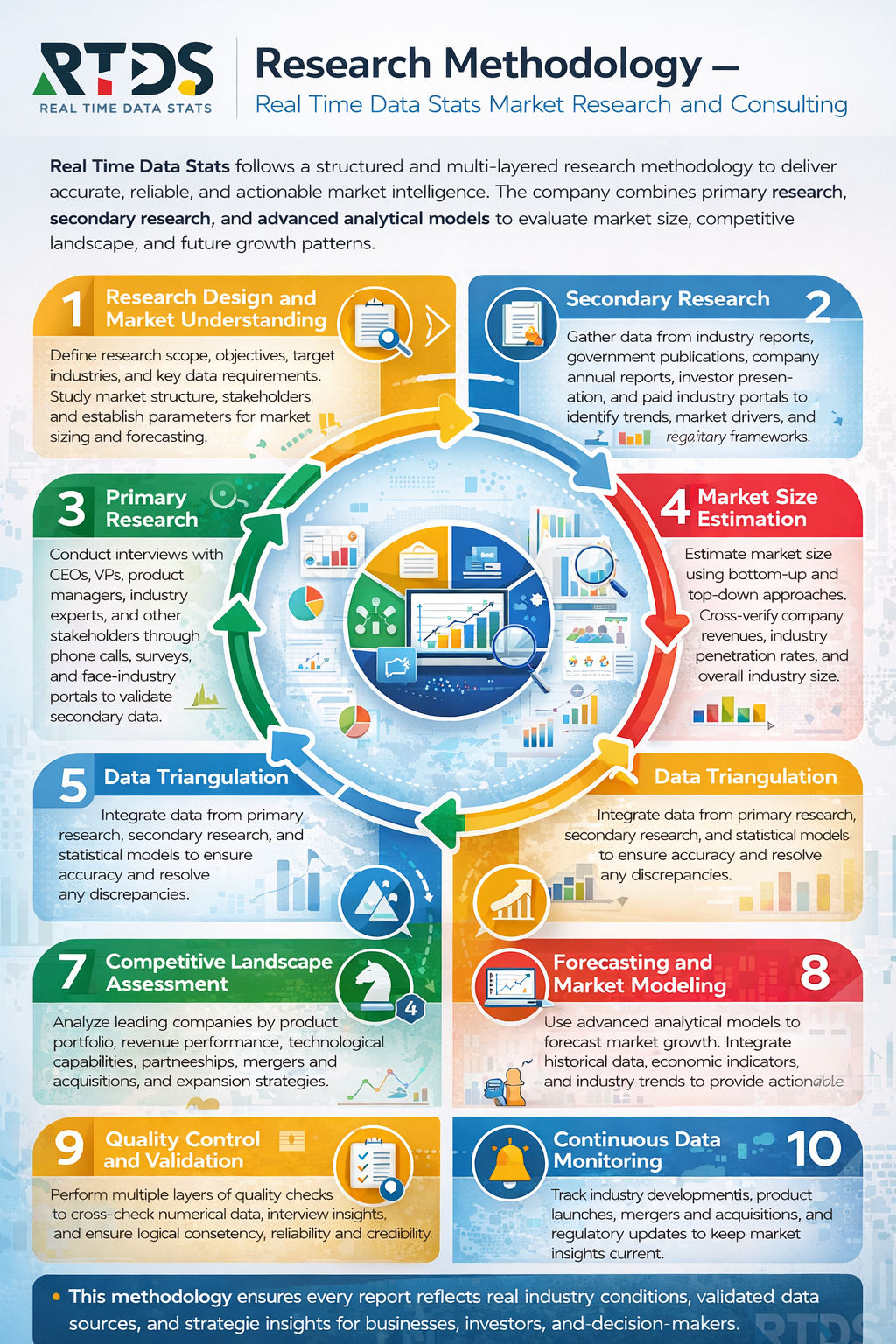
- Research Methodology Overview
- Data Sources
- Assumptions & Limitations
Executive Summary
- Market Overview
- Key Market Highlights
- Major Growth Trends
- Key Challenges
- Strategic Recommendations
Market Dynamics
- Growth Drivers
- Market Restraints
- Market Opportunities
- Market Challenges
- Industry Trends
- Regulatory Framework
- Technological Advancements
Market Overview
- Industry Value Chain Analysis
- Ecosystem Analysis
- Market Sizing & Forecast Methodology
- Market Growth Rate Analysis
- Pricing Analysis
- Competitive Landscape Overview
Seismic Data Interpretation Software Market Segmentation
- By Type
- 2D Seismic Interpretation Software
- 3D Seismic Interpretation Software
- 4D Time-Lapse Seismic Software
- Structural Interpretation Software
- Stratigraphic Interpretation Software
- Reservoir Characterization Software
- By Application
- Oil & Gas Exploration
- Hydrocarbon Reservoir Analysis
- Mining Exploration
- Geothermal Energy Exploration
- Carbon Capture & Storage
- Academic & Research Studies
- By Deployment Mode
- On-Premise
- Cloud-Based
- Hybrid Deployment
- Private Cloud
- Public Cloud
- Virtualized Environment
- By End User
- Oil & Gas Companies
- Mining Companies
- Geophysical Service Providers
- Research Institutions
- Government Agencies
- Energy & Utility Companies
- By Component
- Software Platform
- Data Processing Modules
- Visualization Tools
- Interpretation Tools
- Modeling Tools
- Analytics Tools
- By Technology
- Artificial Intelligence
- Machine Learning
- Big Data Analytics
- High-Performance Computing
- Cloud Computing
- Automation Technology
- By Functionality
- Data Acquisition
- Data Processing
- Data Interpretation
- Visualization & Imaging
- Modeling & Simulation
- Reporting & Documentation
- By Data Type
- Land Seismic Data
- Marine Seismic Data
- Transition Zone Data
- Multicomponent Data
- Time-Lapse Data
- Passive Seismic Data
- By Industry Vertical
- Oil & Gas
- Mining
- Energy & Power
- Environmental Studies
- Construction & Infrastructure
- Marine & Offshore
Regional Market Analysis
- North America Market Overview
- Europe Market Overview
- Asia Pacific Market Overview
- Latin America Market Overview
- Middle East Market Overview
- Africa Market Overview
Competitive Landscape
- Market Share Analysis
- Competitive Benchmarking
- Strategic Developments
- Mergers & Acquisitions
- Product Launches
- Partnerships & Collaborations
Company Profiles
- Company Overview
- Product Portfolio
- Financial Performance
- Strategic Initiatives
- SWOT Analysis
Future Outlook
- Market Forecast
- Growth Opportunities
- Emerging Trends
- Investment Analysis
Conclusion
- Market summary
- Key findings
- Strategic insights
Appendix
- Abbreviations
- Glossary of Terms
- Research Methodology Details
- Data Validation Process
- Disclaimer
List of Tables
- Table:1: Global Market Size by Type
- Table:2: Global Market Size by Application
- Table:3: Global Market Size by Deployment Mode
- Table:4: Global Market Size by End User
- Table:5: Global Market Size by Component
- Table:6: Global Market Size by Technology
- Table:7: Global Market Size by Functionality
- Table:8: Global Market Size by Data Type
- Table:9: Global Market Size by Industry Vertical
- Table:10: Global Market Size by Region
- Table:11: Competitive Market Share Analysis
- Table:12: Key Company Financial Comparison
- Table:13: Regional Growth Rate Comparison
- Table:14: Investment & Funding Trends
- Table:15: Strategic Developments Overview
List of Figures
- Figure:1: Global Market Overview Diagram
- Figure:2: Market Segmentation Framework
- Figure:3: Value Chain Analysis
- Figure:4: Ecosystem Mapping
- Figure:5: Market Dynamics Model
- Figure:6: Regional Market Distribution
- Figure:7: Technology Adoption Trends
- Figure:8: Deployment Mode Comparison
- Figure:9: End User Distribution
- Figure:10: Competitive Landscape Mapping
- Figure:11: Market Growth Forecast
- Figure:12: Regional Growth Trends
- Figure:13: Investment Flow Diagram
- Figure:14: Strategic Development Timeline
- Figure:15: Future Market Outlook Visualization
Seismic Data Interpretation Software Market Key Factors
Drivers:
- Rising global energy demand expands exploration activities.
- New software integrates advanced analytics and machine learning.
- Companies seek to improve recovery from mature fields.
Restraints:
- High software costs and complex implementations limit small players.
- Skilled interpreter shortages create a capability gap.
- Data security and ownership concerns delay cloud adoption.
Opportunities:
- Cloud-based solutions lower entry barriers for new users.
- AI automates routine tasks, boosting interpreter productivity.
- Carbon capture and geothermal projects create new application areas.
Challenges:
- Managing and processing massive new seismic datasets strains infrastructure.
- Industry volatility from energy transitions affects investment cycles.
- Integrating multidisciplinary data into a single platform remains difficult.
Seismic Data Interpretation Software Market Key Regional Trends
North America:
- Focus shifts to offshore and unconventional resource development.
- Accelerated adoption of AI and cloud-based platforms.
- Major players invest in integrated subsurface characterization suites.
Europe:
- Regulatory push for energy security drives new exploration.
- Software development prioritizes carbon storage site screening.
- Companies form consortia to standardize digital subsurface workflows.
Asia Pacific:
- National oil companies lead in adopting advanced interpretation technologies.
- High demand for cost-effective, scalable software solutions.
- Growth concentrates on major offshore basins and production enhancement.
Middle East & Africa:
- NOCs modernize workflows to maximize field recovery.
- Increased investment in integrated geoscience and engineering software.
- New exploration campaigns in frontier regions boost software demand.
Latin America:
- Deepwater and pre-salt exploration requires advanced interpretation tools.
- Governments offer favorable terms to attract exploration investment.
- Market growth hinges on political stability and regulatory clarity.
Frequently Asked Questions
Key Questions Answered
- What is the size and growth rate of the market industry?
- What are the main drivers influencing market growth trends?
- What are the key challenges and restraints faced by the market?
- What are the emerging trends and opportunities shaping the market?
- Who are the top players, and what strategies drive their success?
- What are the customer demographics and their buying behaviors?
- What are the key market segments, and what is their scope?
- What are the geographical dynamics, and which region dominates?
- What are the market forecasts and projections for the next decade?
- What regulatory factors are critical to consider for market growth?
Why Choose our Company?
- Major facts and stats backing every report we offer.
- Comprehensive analysis tailored to your business needs.
- Accurate insights backed by extensive market research.
- Expert support to address your queries promptly.
- Data-driven strategies for better decision-making.
- In-depth reports with actionable
recommendations. - Reliable statistics from trusted industry
sources. - Customizable reports to suit your specific goals.
- Unmatched quality and precision in market analysis.
- Competitive pricing with premium content delivery.
Share your experience!
We value you feedback. Please take a moment to review your experience with us.