
According to insights from Real Time Data Stats, the Rural Electrification Battery Market was valued at USD 0.73 billion in 2025. It is expected to grow from USD 0.95 billion in 2026 to USD 5.96 billion by 2033, registering a CAGR of 30% during the forecast period (2026–2033).
MARKET SIZE AND SHARE
The rural electrification battery market is driven by global off-grid energy access initiatives. This expansion reflects the critical need for reliable energy storage in underserved regions lacking grid infrastructure, where batteries enable solar home systems and mini-grids.
Market share is expected to be highly competitive among leading battery chemistry providers. Lithium-ion is projected to dominate due to its declining costs and superior performance, although lead-acid batteries will continue to hold a notable share. Additionally, regional players and new entrants focusing on affordable and durable solutions for harsh environments are anticipated to capture meaningful market segments, shaping the competitive landscape throughout the forecast period.
INDUSTRY OVERVIEW AND STRATEGY
The industry centers on providing energy storage solutions to power off-grid and weak-grid rural communities globally. It is a vital enabler for decentralized renewable energy systems, primarily solar photovoltaic. The market is characterized by collaboration between battery manufacturers, renewable energy developers, NGOs, and financing institutions to create sustainable business models that overcome the high upfront cost barrier for end-users in low-income regions.
Key strategies involve developing batteries with longer lifespans, enhanced cycle life, and better performance in extreme temperatures. Companies are pursuing partnerships with pay-as-you-go technology providers and microfinance institutions to facilitate affordable consumer financing. Success hinges on offering total system solutions, combining hardware with digital management and servicing, thereby ensuring reliability and building customer trust in remote areas.
REGIONAL TRENDS AND GROWTH
Asia-Pacific leads the market, fueled by ambitious national electrification programs in India, Bangladesh, and Southeast Asian nations. Africa follows as a high-growth region, with immense demand driven by low grid connectivity rates across Sub-Saharan Africa. Latin America shows steady growth, focusing on powering remote communities. Regional trends emphasize solar-battery hybrid mini-grids and the proliferation of solar home system kits with integrated battery storage.
Primary drivers are government targets for universal electricity access, falling renewable technology costs, and innovative financing. Restraints include low consumer purchasing power and logistical challenges. Opportunities lie in battery recycling and second-life applications. The major challenge is ensuring long-term system affordability and maintenance to achieve sustainable impact beyond initial deployment, avoiding product abandonment.
RURAL ELECTRIFICATION BATTERY MARKET SEGMENTATION ANALYSIS
BY TYPE:
Lithium-ion batteries dominate the rural electrification battery market due to their high energy density, longer lifecycle, and declining manufacturing costs. Their ability to operate efficiently under partial state-of-charge conditions makes them ideal for intermittent renewable energy sources such as solar and wind. Lithium Iron Phosphate (LFP) batteries are gaining significant traction because of enhanced thermal stability, longer cycle life, and improved safety features, particularly in remote areas where maintenance access is limited. Sodium-ion batteries are emerging as a cost-effective alternative, supported by abundant raw material availability and improved safety profiles.
Lead-acid batteries continue to maintain a presence due to their affordability and well-established recycling ecosystem, especially in cost-sensitive rural regions. However, performance limitations and shorter lifespan restrict their long-term dominance. Nickel-based batteries serve niche applications requiring durability in extreme temperature conditions. Flow batteries are gaining interest in community-scale storage projects due to their scalability and long discharge duration, particularly where consistent power supply for microgrids is required.
BY APPLICATION:
Residential electrification remains the dominant application segment as rural electrification programs prioritize household access to reliable lighting, refrigeration, and communication devices. Government initiatives aimed at universal electricity access significantly boost battery deployment in off-grid and semi-grid homes. Agricultural operations represent another major growth driver, as farmers increasingly adopt battery-backed irrigation systems, cold storage units, and agro-processing equipment to enhance productivity and reduce diesel dependency.
Community microgrids are expanding rapidly, driven by the need to serve clustered rural populations efficiently. Telecom towers in remote areas depend heavily on reliable battery storage to maintain uninterrupted connectivity, especially where grid power is unstable. Healthcare facilities and primary health centers increasingly deploy battery systems to ensure reliable operation of refrigeration units, diagnostic equipment, and emergency lighting, reinforcing the segment’s importance in rural infrastructure development.
BY CAPACITY:
The below 5 kWh and 5–10 kWh segments dominate residential electrification due to affordability and suitability for essential household loads such as lighting and mobile charging. These lower-capacity systems appeal strongly in pay-as-you-go models where affordability and scalability are critical. The 10–20 kWh and 20–50 kWh segments experience growing demand from small businesses, schools, and agricultural facilities requiring higher load management and extended backup duration.
The 50–100 kWh and above 100 kWh segments are primarily driven by community microgrids, telecom towers, and rural industries. These larger-capacity systems support centralized electrification projects and multi-user facilities. Growth in these categories is strongly influenced by government-funded rural grid expansion programs and international development financing supporting large-scale storage integration with renewable energy systems.
BY INSTALLATION TYPE:
Standalone systems dominate remote and geographically isolated regions where grid extension remains economically unfeasible. Solar-integrated systems represent the fastest-growing installation type, supported by declining photovoltaic costs and abundant solar resources in rural areas. These systems offer energy independence and predictable performance, making them attractive for both residential and community applications.
Hybrid renewable systems combining solar, wind, and battery storage gain traction in areas with seasonal energy variability. Off-grid systems continue to expand in underdeveloped rural zones, while grid-connected backup systems are increasingly adopted in semi-urban and peri-rural regions where grid supply exists but remains unreliable. Wind-integrated systems occupy niche markets in regions with favorable wind patterns.
BY OWNERSHIP MODEL:
Government-owned projects dominate large-scale rural electrification initiatives due to public funding and policy mandates aimed at universal access. Public-private partnerships accelerate deployment by combining public funding support with private sector efficiency and technological expertise. Utility-owned installations are expanding as utilities modernize rural infrastructure with distributed storage integration.
Private ownership models are growing steadily as declining battery costs enable households and businesses to invest directly in energy independence. Community-owned systems foster collective financing and shared maintenance responsibility, particularly in village-level microgrids. Pay-as-you-go models are transforming affordability by lowering upfront costs, allowing gradual payments, and increasing adoption among low-income rural populations.
BY END-USER:
Individual households form the largest end-user segment as rural electrification primarily targets domestic energy access. Small businesses follow closely, driven by the need for reliable power to operate equipment, refrigeration, and digital payment systems. Rural industries increasingly rely on battery systems to reduce operational disruptions caused by unstable grid supply.
Schools and educational institutions deploy battery storage to ensure uninterrupted learning environments and digital education initiatives. Primary health centers depend heavily on reliable storage for life-saving medical equipment and vaccine refrigeration. Local administrative buildings and community centers adopt battery systems to maintain governance operations and communication services during power outages.
BY TECHNOLOGY:
Advanced energy storage systems dominate the market as efficiency, longer lifecycle, and improved energy density become critical in rural deployments. Modular battery systems are increasingly preferred due to scalability, allowing users to expand capacity as demand grows. Smart battery systems improve monitoring and fault detection, reducing maintenance requirements in remote areas.
AI-enabled battery management systems enhance performance optimization, predictive maintenance, and lifecycle management, which is particularly valuable in geographically dispersed installations. IoT-integrated storage systems allow remote monitoring and centralized control, improving operational efficiency. Rapid charging technology supports quicker energy replenishment during limited solar generation windows or backup charging cycles.
BY DISTRIBUTION CHANNEL:
Direct sales dominate large government and institutional projects, enabling manufacturers to secure bulk contracts and customized deployments. Government procurement channels significantly influence overall market dynamics, especially in developing economies implementing national electrification programs. EPC contractors play a central role in designing and installing integrated renewable-battery systems.
Distributors and dealers drive penetration in semi-urban and accessible rural markets by providing localized service networks. Energy service companies (ESCOs) expand market reach through performance-based contracts and managed energy solutions. Online platforms are gradually gaining importance for smaller battery systems, particularly in regions with expanding digital commerce infrastructure.
BY VOLTAGE TYPE:
Low voltage batteries dominate household and small business applications due to safety, ease of installation, and compatibility with small-scale solar systems. DC systems are widely used in rural electrification because they reduce conversion losses and integrate efficiently with solar panels and battery storage setups.
Medium and high voltage batteries primarily serve community microgrids and rural industries requiring higher load capacity. AC-coupled systems are expanding where integration with existing grid infrastructure is necessary. Hybrid voltage systems offer operational flexibility, allowing seamless switching between DC and AC loads, thereby supporting diversified rural energy demands and improving system reliability.
RECENT DEVELOPMENTS
- In Jan 2024: Nexeon raised $170 million to scale its silicon-anode battery materials, targeting higher energy density for off-grid storage, enhancing rural system performance and longevity.
- In Apr 2024: BASF and NGK Insulators expanded their NAS® (sodium-sulfur) battery supply agreement, boosting production of long-duration storage systems suited for rural microgrids and industrial applications.
- In Jul 2024: Amara Raja launched its new giga-scale lithium-ion cell manufacturing facility in India, focusing on cells for energy storage and electric vehicles to support regional electrification projects.
- In Nov 2024: The Global Energy Alliance for People and Planet (GEAPP) announced a $50 million initiative with several battery manufacturers to deploy affordable, standardized battery systems across Africa and Asia.
- In Feb 2025: BYD unveiled its new Blade Battery-based energy storage system (ESS) specifically engineered for harsh, off-grid environments, promising superior thermal safety and a 20-year lifespan.
KEY PLAYERS ANALYSIS
- BYD Company Ltd.
- LG Energy Solution
- Samsung SDI
- Panasonic Holdings Corporation
- CATL (Contemporary Amperex Technology Co. Ltd.)
- Fluence Energy, Inc.
- Tesla, Inc.
- ENERSYS
- Exide Industries Ltd.
- Amara Raja Batteries Ltd.
- Leclanché SA
- Kokam Co., Ltd.
- Narada Power Source Co., Ltd.
- Rolls-Royce Solutions AG (mtu)
- Saft Groupe S.A. (TotalEnergies)
- Sonnen GmbH
- Alpha-ESS Co., Ltd.
- Hithium Energy Storage Technology Co., Ltd.
- NGK Insulators Ltd.
- NEC Corporation
Rural Electrification Battery Market Segmentation Analysis
By Type:
- Lithium-Ion Batteries
- Lead-Acid Batteries
- Lithium Iron Phosphate (LFP) Batteries
- Nickel-Based Batteries
- Sodium-Ion Batteries
- Flow Batteries
By Application:
- Residential Electrification
- Commercial Establishments
- Agricultural Operations
- Community Microgrids
- Telecom Towers
- Healthcare Facilities
By Capacity:
- Below 5 kWh
- 5–10 kWh
- 10–20 kWh
- 20–50 kWh
- 50–100 kWh
- Above 100 kWh
By Installation Type:
- Standalone Systems
- Solar-Integrated Systems
- Wind-Integrated Systems
- Hybrid Renewable Systems
- Grid-Connected Backup Systems
- Off-Grid Systems
By Ownership Model:
- Government-Owned Projects
- Private Ownership
- Public-Private Partnerships
- Community-Owned Systems
- Utility-Owned Installations
- Pay-As-You-Go Models
By End-User:
- Individual Households
- Small Businesses
- Schools and Educational Institutions
- Primary Health Centers
- Rural Industries
- Local Administrative Buildings
By Technology:
- Advanced Energy Storage Systems
- Smart Battery Systems
- Modular Battery Systems
- AI-Enabled Battery Management Systems
- IoT-Integrated Storage Systems
- Rapid Charging Technology
By Distribution Channel:
- Direct Sales
- Distributors and Dealers
- Online Platforms
- Government Procurement
- EPC Contractors
- Energy Service Companies
By Voltage Type:
- Low Voltage Batteries
- Medium Voltage Batteries
- High Voltage Batteries
- DC Systems
- AC-Coupled Systems
- Hybrid Voltage Systems
By Geography:
- North America (USA, Canada, Mexico)
- Europe (UK, Germany, France, Italy, Spain, Rest of Europe)
- Asia-Pacific (China, Japan, Australia, South Korea, India, Rest of Asia-Pacific)
- South America (Brazil, Argentina, Rest of South America)
- Middle East and Africa (GCC Countries, South Africa, Rest of MEA)
Rural Electrification Battery Market: Table of Contents
Executive Summary
- Market Snapshot
- Key Findings
- Analyst Insights
- Market Attractiveness Overview
Market Introduction
- Market Definition
- Scope of the Study
- Market Structure
- Stakeholder Mapping
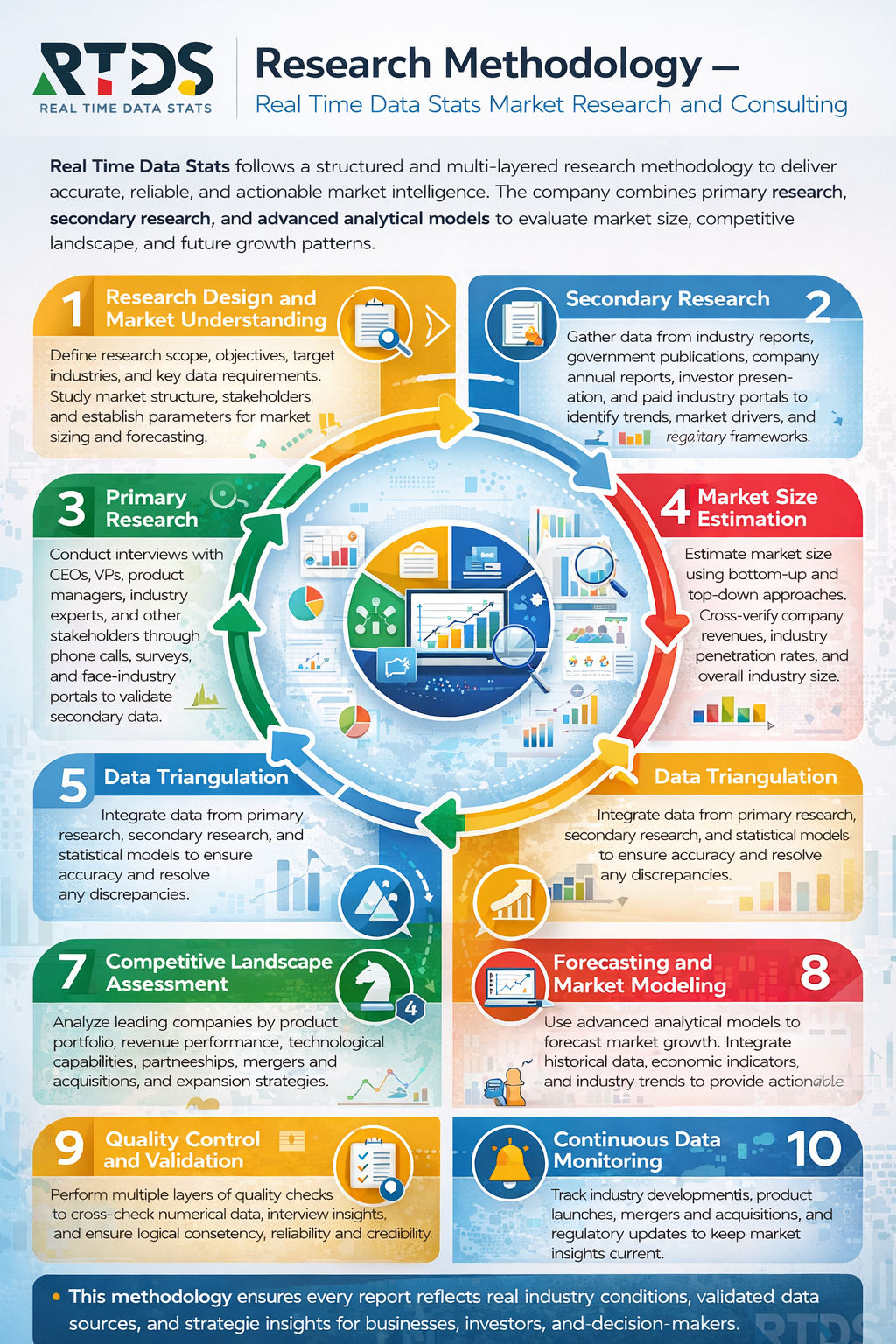
Research Methodology
- Data Collection Approach
- Primary Research
- Secondary Research
- Market Estimation Techniques
- Forecasting Model
- Assumptions and Limitations
Market Dynamics
- Drivers
- Restraints
- Opportunities
- Challenges
Regulatory and Policy Framework
- Government Electrification Programs
- Renewable Energy Incentives
- Rural Development Policies
- Environmental Regulations
- Industry Analysis
- Value Chain Analysis
- Supply Chain Analysis
Pricing Analysis
- Technology Landscape
- Innovation Trends
- Investment and Funding Trends
- Trade Analysis
Competitive Landscape
- Market Share Analysis
- Competitive Benchmarking
- Strategic Developments
- Mergers and Acquisitions
- Partnerships and Collaborations
- Product Launches
Rural Electrification Battery Market Segmentation Analysis
- By Type
- Lithium-Ion Batteries
- Lead-Acid Batteries
- Lithium Iron Phosphate (LFP) Batteries
- Nickel-Based Batteries
- Sodium-Ion Batteries
- Flow Batteries
- By Application
- Residential Electrification
- Commercial Establishments
- Agricultural Operations
- Community Microgrids
- Telecom Towers
- Healthcare Facilities
- By Capacity
- Below 5 kWh
- 5–10 kWh
- 10–20 kWh
- 20–50 kWh
- 50–100 kWh
- Above 100 kWh
- By Installation Type
- Standalone Systems
- Solar-Integrated Systems
- Wind-Integrated Systems
- Hybrid Renewable Systems
- Grid-Connected Backup Systems
- Off-Grid Systems
- By Ownership Model
- Government-Owned Projects
- Private Ownership
- Public-Private Partnerships
- Community-Owned Systems
- Utility-Owned Installations
- Pay-As-You-Go Models
- By End-User
- Individual Households
- Small Businesses
- Schools and Educational Institutions
- Primary Health Centers
- Rural Industries
- Local Administrative Buildings
- By Technology
- Advanced Energy Storage Systems
- Smart Battery Systems
- Modular Battery Systems
- AI-Enabled Battery Management Systems
- IoT-Integrated Storage Systems
- Rapid Charging Technology
- By Distribution Channel
- Direct Sales
- Distributors and Dealers
- Online Platforms
- Government Procurement
- EPC Contractors
- Energy Service Companies
- By Voltage Type
- Low Voltage Batteries
- Medium Voltage Batteries
- High Voltage Batteries
- DC Systems
- AC-Coupled Systems
- Hybrid Voltage Systems
Regional Analysis
- North America
- Europe
- Asia Pacific
- Latin America
- Middle East & Africa
Regional Market Trends
- Country-Level Revenue Analysis
- Impact of Electrification Initiatives
- Sustainability and Environmental Impact
- Carbon Emission Reduction Analysis
- Battery Recycling and Disposal Trends
- Future Market Outlook and Forecast
- Strategic Recommendations
Conclusion
- Key Market Insights
- Segment-Wise Summary
- Regional Highlights
- Competitive Overview
- Future Growth Potential
- Strategic Outlook
Appendix
- Abbreviations
- Glossary of Terms
- List of Tables
- List of Figures
- References
List of Tables
- Table:1: Global Rural Electrification Battery Market Size Overview
- Table:2: Market Dynamics Summary
- Table:3: Regulatory Framework by Region
- Table:4: Value Chain Analysis
- Table:5: Pricing Analysis by Battery Type
- Table:6: Investment and Funding Landscape
- Table:7: Market Share by Key Players
- Table:8: Market Size by Type
- Table:9: Market Size by Application
- Table:10: Market Size by Capacity
- Table:11: Market Size by Installation Type
- Table:12: Market Size by Ownership Model
- Table:13: Market Size by End-User
- Table:14: Market Size by Technology
- Table:15: Market Size by Region
List of Figures
- Figure:1: Rural Electrification Battery Market Research Framework
- Figure:2: Market Dynamics Overview
- Figure:3: Value Chain Structure
- Figure:4: Supply Chain Flow
- Figure:5: Technology Evolution Timeline
- Figure:6: Competitive Landscape Mapping
- Figure:7: Market Share Distribution
- Figure:8: Market Segmentation by Type
- Figure:9: Market Segmentation by Application
- Figure:10: Market Segmentation by Capacity
- Figure:11: Installation Type Distribution
- Figure:12: Ownership Model Breakdown
- Figure:13: End-User Analysis
- Figure:14: Regional Market Share Analysis
- Figure:15: Forecast Growth Trend Analysis
Rural Electrification Battery Market Key Factors
Drivers:
- Governments globally prioritize expanding off-grid renewable energy access.
- Declining costs of lithium-ion technology improve project affordability.
- Mini-grid developers increasingly adopt batteries for reliable solar power storage.
Restraints:
- High upfront capital investments limit deployment in low-income communities.
- Complex supply chains and logistics raise costs in remote areas.
- Lack of local technical expertise hinders installation and maintenance.
Opportunities:
- Hybrid energy systems integrate solar, wind, and batteries for resilience.
- Pay-as-you-go and battery leasing models expand consumer financing options.
- Innovations in second-life EV batteries create lower-cost storage solutions.
Challenges:
- Extreme environmental conditions degrade battery performance and lifespan.
- Standardizing and recycling diverse battery chemistries remains difficult.
- Inconsistent policy frameworks create uncertainty for long-term investments.
Rural Electrification Battery Market Key Regional Trends
North America:
- Governments fund resilient micro-grids for remote and indigenous communities.
- Community solar-plus-storage projects reduce reliance on long-distance transmission.
- Utilities deploy batteries to enhance grid reliability in isolated rural networks.
Europe:
- Policy focus links rural electrification with broader carbon neutrality goals.
- Projects integrate batteries with existing agricultural renewable systems.
- Strong circular economy regulations drive research into sustainable battery recycling.
Asia-Pacific:
- Rapid mini-grid deployment uses batteries for 24/7 solar power in underserved villages.
- Mobile-based energy management platforms optimize distributed battery systems.
- Local manufacturing growth reduces battery costs for regional projects.
Africa:
- Solar home system companies dominate, driving demand for small-scale battery storage.
- Mini-grids increasingly combine generation and storage for commercial hubs.
- International partnerships focus on building local capacity for battery maintenance.
Latin America:
- Projects focus on connecting remote agro-industrial operations with reliable power.
- Policies incentivize renewables-plus-storage for rural schools and clinics.
- Communities develop energy cooperatives that incorporate battery storage.
Frequently Asked Questions
Key Questions Answered
- What is the size and growth rate of the market industry?
- What are the main drivers influencing market growth trends?
- What are the key challenges and restraints faced by the market?
- What are the emerging trends and opportunities shaping the market?
- Who are the top players, and what strategies drive their success?
- What are the customer demographics and their buying behaviors?
- What are the key market segments, and what is their scope?
- What are the geographical dynamics, and which region dominates?
- What are the market forecasts and projections for the next decade?
- What regulatory factors are critical to consider for market growth?
Why Choose our Company?
- Major facts and stats backing every report we offer.
- Comprehensive analysis tailored to your business needs.
- Accurate insights backed by extensive market research.
- Expert support to address your queries promptly.
- Data-driven strategies for better decision-making.
- In-depth reports with actionable
recommendations. - Reliable statistics from trusted industry
sources. - Customizable reports to suit your specific goals.
- Unmatched quality and precision in market analysis.
- Competitive pricing with premium content delivery.
Share your experience!
We value you feedback. Please take a moment to review your experience with us.