
According to insights from Real Time Data Stats, the Remote Area Construction Machinery Market was valued at USD 13.0 billion in 2025. It is expected to grow from USD 13.6 billion in 2026 to USD 24.7 billion by 2033, registering a CAGR of 8.8% during the forecast period (2026–2033).
MARKET SIZE AND SHARE
The Remote Area Construction Machinery Market grows with rising infrastructure activity in isolated and hard-to-access regions. Demand increases for rugged, fuel-efficient, and low-maintenance equipment that performs in extreme weather and uneven terrain. Manufacturers focus on durability, mobility, and easy servicing to meet project needs in mining sites, border zones, deserts, and high-altitude locations. Governments continue to fund roads, bridges, power lines, and communication networks, which directly supports equipment demand in remote zones. Share analysis shows that leading multinational companies hold a strong portion of the market due to established distribution networks, advanced engineering, and reliable after-sales support. These players invest in innovation such as telematics, automation, and hybrid machinery to improve efficiency and reduce downtime. At the same time, emerging and regional manufacturers capture niche segments by offering cost-effective, customized machines designed for specific terrains and operational challenges.
Market share distribution reflects a competitive and evolving landscape. Large companies dominate high-value contracts, especially in large-scale mining and energy projects. Meanwhile, local manufacturers expand their presence by targeting small and mid-scale projects with flexible pricing and faster delivery. Strategic partnerships, equipment leasing models, and service contracts further influence competitive positioning across regions. Overall market growth remains stable and opportunity-driven. Government investments in rural connectivity, defense infrastructure, and energy exploration continue to create consistent demand. Private sector participation in mining, oil and gas, and renewable energy projects also strengthens market expansion. However, logistical challenges, high transportation costs, and maintenance constraints in remote locations require continuous innovation, making efficiency and reliability key factors for long-term success.
INDUSTRY OVERVIEW AND STRATEGY
Remote Area Construction Machinery MarketOverview encompasses specialized heavy equipment engineered for extreme, inaccessible terrains. This sector serves industries including mining, defense, and cross-border infrastructure. Machinery features enhanced durability, modular designs, and advanced telematics. Strategic focus centers on electrification, automation, and lightweight materials. Key players prioritize aftermarket services and localized production to overcome logistical complexities inherent in remote operational environments.
Strategy emphasizes collaborative partnerships with governments and project developers for long-term contracts. Companies are investing in research and development for hybrid power systems and autonomous operation capabilities. Distribution strategies include direct sales and specialized dealer networks. Manufacturers are adopting circular economy models for parts recycling. MarketOverview trends indicate a shift towards equipment-as-a-service offerings, reducing upfront capital expenditure for clients operating in remote areas.
Analyst Key Takeaways:
The Remote Area Construction Machinery market is emerging as a high-value niche within the broader construction equipment landscape, driven by increasing infrastructure activity in hard-to-reach and extreme environments. Growth is supported by rising investments in mining, renewable energy projects, border infrastructure, and rural connectivity, where conventional machinery often falls short. Demand is shifting toward rugged, high-durability equipment capable of operating in low-access regions with minimal support infrastructure.
A key trend shaping this market is the adoption of advanced technologies such as telematics, automation, and fuel-efficient systems, which enhance operational reliability and reduce downtime in remote conditions. Compared to the broader construction equipment sector, this niche is expanding at a faster pace due to its critical role in enabling projects in previously inaccessible areas. Manufacturers are increasingly focusing on specialized designs and hybrid solutions to meet evolving performance requirements and environmental considerations.
REGIONAL TRENDS AND GROWTH
Regional trends indicate Asia Pacific dominating Remote Area Construction Machinery Market growth, driven by massive infrastructure corridors. Current growth factors include government-backed connectivity projects. Future drivers encompass renewable energy installations in arid zones. Restraints involve logistical bottlenecks and skilled labor shortages. Opportunities arise from micro-grid construction and disaster-resilient infrastructure. Challenges include volatile raw material prices and stringent emission norms necessitating costly technological upgrades.
North America and Europe exhibit steady growth through military infrastructure and Arctic resource extraction. Drivers include replacement cycles and automation adoption. Restraints are high operational costs. Middle East and Africa offer future opportunities via desert urbanization and transcontinental railways. Latin America growth factors include remote mining expansions. Challenges across regions involve political instability, supply chain disruptions, and adapting machinery for extreme temperatures and altitudes.
REMOTE AREA CONSTRUCTION MACHINERY MARKET SEGMENTATION ANALYSIS
BY TYPE:
The excavators and bulldozers segment dominates the remote area construction machinery market due to their versatility, heavy-duty digging strength, and ability to operate in uneven and inaccessible terrains. These machines support mining, road cutting, and foundation work where manual labor is inefficient. Loaders and dump trucks also gain traction as logistics demand increases in distant project zones. Their high load capacity and durability reduce downtime and fuel wastage, making them essential for long-term remote operations.
Cranes and backhoe loaders show strong growth because infrastructure expansion in isolated regions requires lifting precision and multi-function equipment. Backhoe loaders appeal to contractors seeking cost efficiency, while cranes support bridge and energy projects. Dominant factors include adaptability, multi-utility features, and reduced transportation costs. Manufacturers focus on compact yet powerful designs that balance mobility and strength, ensuring machinery remains reliable despite limited repair facilities and harsh environmental exposure.
BY APPLICATION:
Mining remains the leading application as remote mineral exploration drives demand for durable, high-capacity machinery capable of continuous performance. Forestry and oil & gas projects also significantly contribute, as these industries operate far from urban centers and require specialized excavation and hauling equipment. Demand increases where terrain difficulty and resource extraction intensity require machines with superior endurance, fuel efficiency, and automation support to maintain productivity while minimizing workforce risk.
Infrastructure, hydropower, and road construction projects expand this segment due to government investment in rural connectivity and renewable energy. These applications prioritize machinery that handles variable workloads and weather extremes. Dominant factors include project scale, government funding, and energy security goals. Equipment capable of multifunctional performance, lower emissions, and simplified maintenance becomes critical, enabling contractors to manage long project timelines without frequent mechanical interruptions or excessive operational costs.
BY MOBILITY:
Tracked machinery leads due to superior traction, weight distribution, and stability on soft or rugged terrain. Wheeled machinery follows with advantages in speed and easier relocation across distant sites. All-terrain vehicles grow rapidly as they offer hybrid mobility solutions suitable for snow, sand, and rocky surfaces. Mobility becomes a decisive factor where transportation infrastructure is poor, making machines with flexible movement systems highly valuable for uninterrupted project execution.
Amphibious, modular, and portable machinery gain momentum as remote construction increasingly involves wetlands, flood-prone areas, and temporary installations. Modular designs allow easy disassembly and shipping, reducing logistics expenses. Dominant factors include terrain unpredictability, transport limitations, and emergency deployment needs. Lightweight yet durable construction improves fuel efficiency and reduces wear. Companies invest in adaptable mobility platforms to ensure machinery performs efficiently despite geographical isolation and unpredictable environmental conditions.
BY ENGINE TYPE:
Diesel engines dominate due to high torque, long operational hours, and fuel availability in remote regions. Hybrid engines are steadily rising as companies seek reduced emissions and better fuel savings without sacrificing power. Electric engines grow where renewable energy sources and charging infrastructure exist, especially in environmentally sensitive zones. Reliability, fuel accessibility, and maintenance simplicity remain the strongest determinants influencing purchasing decisions in distant construction operations.
Gasoline, CNG, and hydrogen engines represent emerging alternatives driven by sustainability regulations and innovation incentives. Hydrogen and CNG engines gain attention for cleaner combustion and long-term cost benefits. Dominant factors include emission norms, fuel transport feasibility, and technological maturity. Manufacturers focus on energy-efficient powertrains that balance performance with environmental responsibility, ensuring equipment can operate for extended periods without frequent refueling challenges or performance degradation under demanding workloads.
BY OPERATION TYPE:
Manual and semi-automatic operations remain widely used because they offer cost advantages and require limited technological infrastructure. However, GPS-guided and remote-controlled systems grow rapidly as safety concerns and labor shortages increase. Automation enhances accuracy and reduces human risk in hazardous locations. Construction firms favor machines that combine manual control flexibility with automated precision to optimize efficiency without completely eliminating skilled operator involvement.
Fully automatic and AI-powered operations represent the future trajectory, driven by digital transformation and predictive maintenance capabilities. These technologies enable real-time monitoring, route optimization, and reduced operational errors. Dominant factors include labor cost reduction, safety improvement, and productivity maximization. Companies increasingly adopt intelligent control systems to manage machinery fleets remotely, ensuring smoother coordination, lower downtime, and improved output consistency even when physical supervision is limited or impractical.
BY END USER:
Construction and infrastructure developers dominate demand as governments and private investors expand transportation networks and energy facilities in remote zones. Mining and oil & gas companies also play a major role due to continuous exploration activities requiring heavy machinery. Dominant factors include capital investment levels, project timelines, and regulatory compliance. End users prioritize machinery durability, service accessibility, and fuel efficiency to sustain operations without frequent logistical disruptions.
Forestry operators and public sector agencies show increasing adoption driven by environmental management, disaster response, and rural development programs. Government funding significantly influences purchasing trends. Dominant factors involve long-term asset value, operational safety, and environmental adaptability. Equipment that supports multi-industry use and easy maintenance becomes highly attractive, enabling organizations to maximize return on investment while ensuring consistent performance across varied project requirements.
BY COMPONENT:
Engine & powertrain and hydraulic systems form the most critical components as they determine performance strength, lifting capacity, and operational endurance. Control systems also gain prominence due to rising automation integration. Dominant factors include energy efficiency, load handling precision, and mechanical durability. Manufacturers invest in advanced materials and sensor-based technologies to enhance reliability while minimizing maintenance frequency in remote operational settings.
Undercarriage, attachment tools, and operator cabins show strong growth as customization and operator comfort gain importance. Durable undercarriages extend machine lifespan on rough terrain, while ergonomic cabins reduce fatigue and increase productivity. Dominant factors involve safety standards, modular compatibility, and weather resistance. Component innovation focuses on lightweight yet robust designs that allow flexible machine adaptation without compromising structural strength or operational safety.
BY TERRAIN TYPE:
Rocky and mountainous terrains lead this segment as mining, tunneling, and road carving projects expand globally. Machinery designed for these terrains requires reinforced structures and enhanced suspension systems. Snow and sandy terrains also drive demand for specialized traction and temperature-resistant engines. Dominant factors include terrain harshness, climatic extremes, and project complexity, all of which influence machinery design priorities and equipment investment strategies.
Swampy, marshy, and forested terrains gain momentum as infrastructure development reaches environmentally sensitive zones. Amphibious capabilities and low-ground-pressure designs become essential. Dominant factors include environmental regulations, ecological preservation needs, and accessibility challenges. Equipment manufacturers emphasize adaptive engineering, corrosion resistance, and lightweight builds to ensure machines operate efficiently without causing excessive ground disturbance or ecological damage in fragile landscapes.
BY FUEL EFFICIENCY:
High fuel efficiency and hybrid efficiency dominate due to rising fuel costs and sustainability targets. Companies seek machinery that lowers operating expenses while extending working hours. Electric efficiency grows in renewable energy-supported locations where charging solutions are feasible. Dominant factors include fuel price volatility, emission regulations, and project duration. Efficient machinery reduces logistical fuel supply challenges, making it especially valuable in isolated construction environments.
Moderate and low fuel efficiency segments persist due to affordability and legacy fleet usage, particularly among small contractors. Renewable fuel compatibility emerges as a strategic growth factor, enabling future-proof investments. Dominant factors include budget constraints, technological accessibility, and regulatory incentives. Manufacturers increasingly integrate eco-friendly engines and smart fuel management systems to balance cost considerations with environmental responsibility and long-term operational sustainability.
RECENT DEVELOPMENTS
- In Jan 2024: Caterpillar unveiled autonomous dozers for Arctic mining, enhancing safety and productivity in extreme remote climates with zero-emission goals.
- In Mar 2024: Komatsu launched hybrid excavators in Australian outback, reducing fuel consumption by 40% for sustainable operations.
- In Jun 2024: Volvo CE partnered with Amazon to electrify fleet in Amazon rainforest, deploying electric compact loaders.
- In Sep 2024: Liebherr deployed mobile harbor cranes in sub-Saharan Africa, enabling river-based construction material logistics.
- In Nov 2024: Hitachi introduced teleoperated excavators for Chilean Andes, enabling precision work from urban centers.
- In Jan 2025: Deere & Company tested ethanol-powered prototypes in Alaskan tundra for low-carbon remote infrastructure.
- In Mar 2025: SANY delivered heavy-lift cranes to Central Asian mountains, accelerating Belt and Road remote projects.
KEY PLAYERS ANALYSIS
- Caterpillar Inc.
- Komatsu Ltd.
- Volvo Construction Equipment
- Liebherr Group
- Hitachi Construction Machinery
- Deere & Company
- SANY Group
- XCMG Group
- Zoomlion Heavy Industry
- Doosan Infracore
- JCB
- Kobelco Construction Machinery
- Hyundai Construction Equipment
- CNH Industrial
- Sumitomo Heavy Industries
- Terex Corporation
- Manitowoc Company
- LiuGong Machinery
- Atlas Copco
- Sandvik AB
Remote Area Construction Machinery Market Segmentation Analysis
By Type:
- Excavators
- Bulldozers
- Loaders
- Cranes
- Backhoe Loaders
- Dump Trucks
By Application:
- Mining
- Forestry
- Road Construction
- Infrastructure Projects
- Oil & Gas Projects
- Hydropower Projects
By Mobility:
- Wheeled Machinery
- Tracked Machinery
- All-Terrain Vehicles
- Amphibious Machinery
- Modular Machinery
- Portable Equipment
By Engine Type:
- Diesel Engine
- Electric Engine
- Hybrid Engine
- Gasoline Engine
- CNG Engine
- Hydrogen Engine
By Operation Type:
- Manual Operation
- Semi-Automatic Operation
- Fully Automatic Operation
- Remote-Controlled Operation
- GPS-Guided Operation
- AI-Powered Operation
By End User:
- Construction Companies
- Mining Companies
- Oil & Gas Companies
- Forestry Operators
- Government & Public Sector
- Infrastructure Developers
By Component:
- Engine & Powertrain
- Hydraulic System
- Undercarriage
- Control System
- Attachment Tools
- Operator Cabin
By Terrain Type:
- Rocky Terrain
- Sandy Terrain
- Snow/Ice Terrain
- Mountainous Terrain
- Swampy/Marshy Terrain
- Forested Terrain
By Fuel Efficiency:
- High Fuel Efficiency
- Moderate Fuel Efficiency
- Low Fuel Efficiency
- Hybrid Efficiency
- Electric Efficiency
- Renewable Fuel Compatible
By Geography:
- North America (USA, Canada, Mexico)
- Europe (UK, Germany, France, Italy, Spain, Rest of Europe)
- Asia-Pacific (China, Japan, Australia, South Korea, India, Rest of Asia-Pacific)
- South America (Brazil, Argentina, Rest of South America)
- Middle East and Africa (GCC Countries, South Africa, Rest of MEA)
Remote Area Construction Machinery Market: Table of Contents
Executive Summary
- Market Overview
- Key Findings
- Market Outlook
Market Introduction
- Definition of Remote Area Construction Machinery
- Market Scope
- Market Segmentation Overview
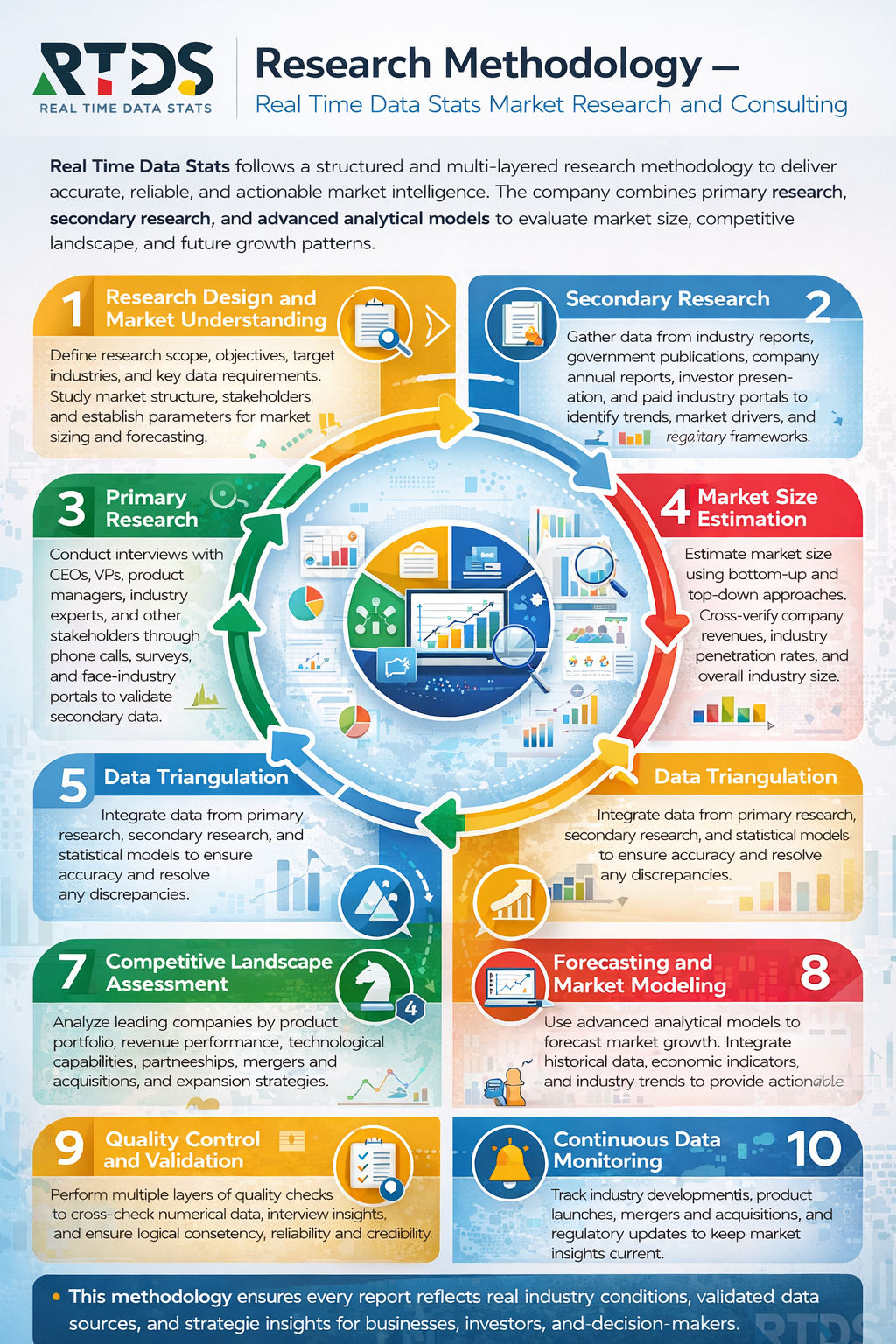
Research Methodology
- Data Collection Approach
- Primary Research
- Secondary Research
- Market Estimation Method
- Forecasting Approach
Market Dynamics
- Drivers
- Restraints
- Opportunities
- Challenges
- Trends
Remote Area Construction Machinery Market Segmentation Analysis
- By Type
- Excavators
- Bulldozers
- Loaders
- Cranes
- Backhoe Loaders
- Dump Trucks
- By Application
- Mining
- Forestry
- Road Construction
- Infrastructure Projects
- Oil & Gas Projects
- Hydropower Projects
- By Mobility
- Wheeled Machinery
- Tracked Machinery
- All-Terrain Vehicles
- Amphibious Machinery
- Modular Machinery
- Portable Equipment
- By Engine Type
- Diesel Engine
- Electric Engine
- Hybrid Engine
- Gasoline Engine
- CNG Engine
- Hydrogen Engine
- By Operation Type
- Manual Operation
- Semi-Automatic Operation
- Fully Automatic Operation
- Remote-Controlled Operation
- GPS-Guided Operation
- AI-Powered Operation
- By End User
- Construction Companies
- Mining Companies
- Oil & Gas Companies
- Forestry Operators
- Government & Public Sector
- Infrastructure Developers
- By Component
- Engine & Powertrain
- Hydraulic System
- Undercarriage
- Control System
- Attachment Tools
- Operator Cabin
- By Terrain Type
- Rocky Terrain
- Sandy Terrain
- Snow/Ice Terrain
- Mountainous Terrain
- Swampy/Marshy Terrain
- Forested Terrain
- By Fuel Efficiency
- High Fuel Efficiency
- Moderate Fuel Efficiency
- Low Fuel Efficiency
- Hybrid Efficiency
- Electric Efficiency
- Renewable Fuel Compatible
Regional Analysis
- North America
- Europe
- Asia Pacific
- Latin America
- Middle East & Africa
Competitive Landscape
- Company Profiles
- Product Offerings
- Revenue Analysis
- Key Strategies
- Market Share Analysis
- Strategic Initiatives
Conclusion
- Market Summary
- Future Outlook
- Key Recommendations
Appendix
- Abbreviations
- Research Sources
- Methodology Notes
- Disclaimer
List of Tables
- Table:1: Remote Area Construction Machinery Market Segmentation by Type
- Table:2: Remote Area Construction Machinery Market Segmentation by Application
- Table:3: Remote Area Construction Machinery Market Segmentation by Mobility
- Table:4: Remote Area Construction Machinery Market Segmentation by Engine Type
- Table:5: Remote Area Construction Machinery Market Segmentation by Operation Type
- Table:6: Remote Area Construction Machinery Market Segmentation by End User
- Table:7: Remote Area Construction Machinery Market Segmentation by Region
- Table:8: Remote Area Construction Machinery Market Segmentation by Component
- Table:9: Remote Area Construction Machinery Market Segmentation by Terrain Type
- Table:10: Remote Area Construction Machinery Market Segmentation by Fuel Efficiency
- Table:11: Market Share of Key Players by Revenue
- Table:12: Revenue Forecast by Type
- Table:13: Revenue Forecast by Application
- Table:14: Regional Market Size and Growth Rate
- Table:15: Competitive Landscape and Strategic Initiatives
List of Figures
- Figure:1: Remote Area Construction Machinery Market Value Chain
- Figure:2: Market Growth Drivers and Restraints
- Figure:3: Global Market Size Trend (Value, USD Million)
- Figure:4: Market Share by Type
- Figure:5: Market Share by Application
- Figure:6: Market Share by Mobility
- Figure:7: Market Share by Engine Type
- Figure:8: Market Share by Operation Type
- Figure:9: Market Share by End User
- Figure:10: Regional Market Distribution
- Figure:11: Component-wise Market Contribution
- Figure:12: Terrain Type-wise Market Share
- Figure:13: Fuel Efficiency-wise Market Growth
- Figure:14: Competitive Positioning of Key Players
- Figure:15: Market Opportunity Analysis
Remote Area Construction Machinery Market Key Factors
Drivers:
- Mining companies expand operations into untapped Arctic and desert regions
- Governments fund remote infrastructure projects to connect isolated communities
- Contractors demand machinery capable of operating in extreme temperatures and altitudes
Restraints:
- Transporting heavy equipment to inaccessible sites incurs high logistics costs
- Skilled operators refuse long-term assignments in remote, harsh environments
- Limited fuel and parts supply chains disrupt project timelines
Opportunities:
- Autonomous machinery reduces need for on-site human workforce
- Solar and hybrid systems enable off-grid equipment operation
- Lightweight composite materials simplify airlift to remote locations
Challenges:
- Unpredictable weather patterns halt construction for weeks at a time
- Local communities oppose large-scale land disturbance projects
- Repair teams require days to reach broken-down machinery onsite
Remote Area Construction Machinery Market Key Regional Trends
North America:
- Canadian oil sands operators switch to electric dozers for emission compliance
- Alaskan military bases upgrade fleets with cold-start hydraulic systems
- US remote mining contractors adopt drone fleet monitoring
Europe:
- Scandinavian mines trial battery-powered loaders in underground operations
- Norwegian road builders use autonomous compactors in fjord tunnels
- Russian Far East projects import cold-weather excavator variants
Asia Pacific:
- Australian iron ore sites operate the world’s largest autonomous haul truck fleet
- Himalayan hydro projects use helicopter-lifted mini excavators
- Indonesian remote palm plantations mechanize with swamp-track carriers
Middle East & Africa:
- Saudi giga-projects deploy dust-sealed machinery in empty quarter desert
- Congolese cobalt mines install teleoperation centers for safety
- Sahara solar farms use self-cleaning PV-powered construction robots
Latin America:
- Chilean copper mines operate tele-remote loaders from Santiago
- Amazon road builders use amphibious excavators for wetland crossings
- Peruvian Andes projects utilize altitude-compensated engine technology
Frequently Asked Questions
Key Questions Answered
- What is the size and growth rate of the market industry?
- What are the main drivers influencing market growth trends?
- What are the key challenges and restraints faced by the market?
- What are the emerging trends and opportunities shaping the market?
- Who are the top players, and what strategies drive their success?
- What are the customer demographics and their buying behaviors?
- What are the key market segments, and what is their scope?
- What are the geographical dynamics, and which region dominates?
- What are the market forecasts and projections for the next decade?
- What regulatory factors are critical to consider for market growth?
Why Choose our Company?
- Major facts and stats backing every report we offer.
- Comprehensive analysis tailored to your business needs.
- Accurate insights backed by extensive market research.
- Expert support to address your queries promptly.
- Data-driven strategies for better decision-making.
- In-depth reports with actionable
recommendations. - Reliable statistics from trusted industry
sources. - Customizable reports to suit your specific goals.
- Unmatched quality and precision in market analysis.
- Competitive pricing with premium content delivery.
Share your experience!
We value you feedback. Please take a moment to review your experience with us.