
According to insights from Real Time Data Stats, the Quantum Protein Dynamics Market was valued at USD 35 million in 2025. It is expected to grow from USD 43 million in 2026 to USD 170 million by 2033, registering a CAGR of 21.7% during the forecast period (2026–2033).
MARKET SIZE AND SHARE
The Quantum Protein Dynamics market is expanding due to rising demand for advanced drug discovery, precision therapeutics, and personalized medicine solutions. Market share is currently concentrated among leading biotechnology companies and specialized quantum computing developers that leverage proprietary simulation platforms to gain early-mover advantages in pharmaceutical research and development. Growing investments in computational biology and quantum-enabled molecular modeling are further strengthening market growth prospects.
Market share distribution is expected to evolve as new entrants, research collaborations, and strategic partnerships accelerate technology adoption. While the competitive landscape may become more fragmented over time, technological pioneers are likely to retain leadership in high-value applications. Key players are expected to strengthen their positions through continuous algorithmic innovation, platform enhancements, and targeted acquisitions, enabling them to capture a larger share of the expanding computational biology and therapeutic design market.
INDUSTRY OVERVIEW AND STRATEGY
The Quantum Protein Dynamics industry integrates quantum computing with molecular biology to simulate and analyze protein behavior at unprecedented scales. This paradigm shift addresses critical bottlenecks in traditional computational methods, enabling researchers to model complex biological processes and accelerate therapeutic development. The industry is characterized by high R&D intensity and cross-disciplinary collaboration between quantum hardware firms, software developers, and life sciences enterprises, all targeting transformative breakthroughs in medicine and material science.
Core strategies for market participants involve forging synergistic alliances to combine domain expertise with computational power. Companies are prioritizing the development of user-friendly, cloud-accessible simulation platforms to broaden adoption. A focus on proprietary algorithm development and securing intellectual property around specific protein targets or simulation methodologies is crucial for creating sustainable competitive moats and demonstrating tangible value to pharmaceutical partners.
Analyst Key Takeaways:
The Quantum Protein Dynamics market is emerging as a highly specialized segment at the convergence of quantum computing, computational biology, and molecular life sciences. Growing demand for advanced protein modeling, molecular interaction analysis, and precision drug discovery is driving interest in quantum-enabled approaches that can overcome the limitations of conventional computational methods. Increasing collaboration between biotechnology firms, research institutions, and quantum technology providers is accelerating innovation across the ecosystem.
Advancements in quantum algorithms, high-performance computing infrastructure, and AI-assisted molecular simulations are expanding the practical applications of quantum protein dynamics. The market is expected to benefit from rising investments in next-generation drug development, protein engineering, and biomolecular research. As quantum technologies mature and become more accessible, their integration into life science workflows is anticipated to unlock new opportunities for scientific discovery and therapeutic innovation.
REGIONAL TRENDS AND GROWTH
North America commands the largest market share, driven by substantial venture capital, leading quantum computing initiatives, and a dense concentration of pharmaceutical giants. Europe follows closely, supported by strong public funding for quantum technologies and collaborative research consortia. The Asia-Pacific region is identified as the fastest-growing market, with governments in China, Japan, and Australia making strategic investments to build quantum capabilities and bolster domestic biopharmaceutical innovation.
Primary growth drivers include the rising prevalence of complex diseases, drug discovery cost pressures, and government quantum initiatives. Key restraints involve high computational costs, a scarcity of skilled professionals, and nascent hardware maturity. Significant opportunities lie in cloud-based service models and AI integration. Major challenges encompass achieving experimental validation of simulations and navigating the complex, evolving regulatory landscape for computationally derived therapeutics.
QUANTUM PROTEIN DYNAMICS MARKET SEGMENTATION ANALYSIS
BY TYPE:
The segmentation by type in the Quantum Protein Dynamics Market is primarily driven by the increasing demand for highly precise computational and analytical tools that can model complex protein movements at atomic and sub-atomic levels. Simulation software and modeling platforms dominate this segment due to their ability to reduce laboratory experimentation time and cost while improving predictive accuracy. imaging systems and analytical instruments also hold strong positions as research institutions and pharmaceutical companies continue to invest in visualization technologies that allow real-time observation of protein folding, binding interactions, and structural changes. The rise of quantum sensors and cloud-based tools further strengthens this segment, as they enable faster data processing and scalable research environments.
Dominant factors influencing this segment include rapid advancements in quantum computing capabilities, integration of artificial intelligence, and the growing need for high-throughput research solutions. Organizations are increasingly prioritizing flexible and interoperable systems that can work across multiple platforms, which pushes demand for hybrid and software-driven solutions. Additionally, funding from government research bodies and private biotechnology investors significantly accelerates innovation within this type category, making it one of the most technologically dynamic areas of the overall market.
BY APPLICATION:
Application-based segmentation is heavily shaped by the expanding use of quantum protein dynamics in drug discovery and disease diagnostics. Pharmaceutical and biotech industries rely on protein behavior simulations to accelerate drug molecule identification and reduce clinical trial failures. Protein engineering and biotechnology development also contribute strongly, as advanced computational methods allow scientists to design custom proteins for therapeutic, agricultural, and industrial purposes. Academic research remains a consistent driver, supported by university grants and collaborative scientific programs worldwide.
Key dominant factors include the global rise in chronic diseases, increasing demand for personalized medicine, and the need for faster therapeutic development cycles. The application segment benefits from cross-disciplinary adoption, where healthcare, life sciences, and chemical industries converge to utilize quantum-driven analytics. Continuous innovation in molecular modeling accuracy and reduced simulation time also strengthens this segment’s growth, making applications one of the most commercially influential categories in the market.
BY END USER:
End-user segmentation reflects the diversity of institutions leveraging quantum protein dynamics technologies. Pharmaceutical companies and biotechnology firms dominate due to their large R&D budgets and need for continuous innovation in drug pipelines. Research laboratories and academic institutes also play a significant role, contributing foundational discoveries and experimental validation that later translate into commercial applications. Healthcare organizations and government agencies add further stability through public health initiatives and funded research projects.
Dominant growth factors include increasing public-private partnerships, expansion of research grants, and the globalization of biotech innovation hubs. The competitive pressure on pharmaceutical firms to shorten product development timelines pushes them to adopt advanced protein simulation tools more aggressively. Additionally, academic collaborations with private enterprises accelerate technology transfer, ensuring that cutting-edge research quickly enters practical industrial use, thereby strengthening the end-user ecosystem.
BY DEPLOYMENT MODE:
Deployment mode segmentation is influenced by the transition from traditional on-premise systems toward cloud-based and hybrid infrastructures. Cloud deployment is gaining dominance due to scalability, remote accessibility, and lower upfront investment requirements. Hybrid systems are also emerging as a preferred option for organizations seeking both security and flexibility. On-premise solutions remain relevant in high-security research environments where data sensitivity and regulatory compliance are critical.
The main dominant factors include data security requirements, cost efficiency, computational scalability, and global collaboration needs. As research teams become more geographically distributed, cloud infrastructure enables seamless data sharing and collaborative modeling. However, concerns regarding intellectual property protection and sensitive biomedical data continue to support private cloud and on-premise adoption, creating a balanced growth pattern across deployment modes.
BY TECHNOLOGY:
Technology segmentation is largely driven by the evolution of quantum computing and its integration with artificial intelligence and machine learning algorithms. Quantum computing technologies provide unprecedented processing speed for complex protein calculations, while AI and ML enhance predictive accuracy and automation. Complementary technologies such as cryo-electron microscopy and spectroscopy techniques contribute to improved validation and visualization capabilities.
Dominant factors include continuous improvements in quantum hardware stability, algorithm efficiency, and cross-technology compatibility. Investment in AI-driven analytics and automation tools further boosts the adoption of advanced technological frameworks. The synergy between classical computational biology and emerging quantum systems ensures steady expansion, making technology one of the strongest innovation pillars within the market.
BY COMPONENT:
Component segmentation covers hardware, software, services, platforms, databases, and maintenance solutions, with software and platforms taking the lead due to their recurring revenue models and high customization potential. Hardware remains essential for computational infrastructure, but its growth is often tied to institutional investments rather than widespread adoption. Services and maintenance are increasingly significant as organizations seek expert support and system optimization.
Key dominant factors include the shift toward subscription-based software models, increasing reliance on managed services, and the need for integrated data ecosystems. Organizations prefer comprehensive platforms that combine databases, analytics, and visualization tools, reducing operational complexity. Continuous updates, technical support, and scalability needs ensure that service components maintain a strong and stable contribution to overall market growth.
BY PROTEIN TYPE:
Protein type segmentation is shaped by the scientific and commercial importance of various protein categories such as enzymes, antibodies, structural proteins, and signaling proteins. Enzymes and antibodies dominate due to their direct application in drug development and immunotherapy. Structural and transport proteins also receive attention as researchers explore disease mechanisms and cellular functionality at deeper molecular levels.
Dominant factors include the growing demand for biologics, vaccine development, and personalized therapeutic solutions. Increased research into rare diseases and genetic disorders further drives interest in specialized protein categories. As biotechnology advances, the need to simulate and manipulate diverse protein types expands, reinforcing the importance of this segmentation in both academic and commercial contexts.
BY ORGANIZATION SIZE:
Organization size segmentation highlights the varying adoption levels among large enterprises, medium enterprises, small enterprises, startups, research consortia, and independent laboratories. Large enterprises dominate due to their financial strength and ability to invest in high-cost computational infrastructure. Startups and small enterprises, however, contribute significant innovation through niche solutions and agile development strategies.
Dominant growth factors include venture capital funding, innovation incentives, and collaborative research ecosystems. Smaller organizations often rely on cloud-based tools to offset infrastructure costs, while large enterprises prioritize proprietary systems and long-term scalability. The balance between innovation agility and financial capability ensures that all organization sizes play a crucial role in market expansion.
BY INDUSTRY VERTICAL:
Industry vertical segmentation demonstrates the cross-industry adoption of quantum protein dynamics technologies. Healthcare, pharmaceuticals, and biotechnology sectors lead due to direct applicability in medical and biological research. Chemical, agriculture, and food industries are also emerging adopters as protein analysis becomes valuable for crop improvement, food safety, and industrial enzyme development.
Dominant factors include interdisciplinary research demand, increased focus on sustainable solutions, and rising investments in bio-innovation. The expansion of biotechnology into non-medical sectors significantly widens the market’s commercial scope. As industries recognize the efficiency and predictive power of quantum-based protein modeling, vertical diversification continues to strengthen overall market resilience.
RECENT DEVELOPMENTS
- In Jan 2024: IBM and Schrödinger expanded their collaboration, integrating quantum-powered simulations into the latter's drug discovery platform to model complex protein-ligand interactions with greater accuracy.
- In Apr 2024: Google Quantum AI and Isomorphic Labs published a seminal paper demonstrating a quantum algorithm that significantly sped up the simulation of a key enzyme mechanism, showcasing practical pharmaceutical application.
- In Aug 2024: D-Wave Systems partnered with a major biopharma company to launch a commercial quantum-hybrid service specifically for protein folding and dynamics, targeting oncology and neurology drug pipelines.
- In Nov 2024: QC Ware announced a breakthrough in its cloud platform, Promethium, achieving a 10x speed-up in simulating large protein conformational changes using fault-tolerant quantum algorithm emulation on classical hardware.
- In Feb 2025: A consortium including Pasqal, AstraZeneca, and Qu&Co launched a two-year project funded by the European Innovation Council to develop dedicated quantum processors optimized for real-time molecular dynamics simulations.
KEY PLAYERS ANALYSIS
- IBM
- Google Quantum AI
- Microsoft (Azure Quantum)
- Amazon Braket
- D-Wave Systems
- Quantinuum
- Pasqal
- Atom Computing
- Rigetti Computing
- IonQ
- Schrödinger
- QC Ware
- ProteinQure
- Aqemia
- Isomorphic Labs (Alphabet)
- AstraZeneca (R&D Division)
- Roche (pRED)
- Novartis Institutes for BioMedical Research
- Bayer (Pharmaceuticals Division)
- Bristol Myers Squibb
Quantum Protein Dynamics Market Segmentation Analysis
By Type:
- Simulation Software
- Analytical Instruments
- Quantum Sensors
- Imaging Systems
- Modeling Platforms
- Cloud-Based Tools
By Application:
- Drug Discovery
- Disease Diagnostics
- Protein Engineering
- Academic Research
- Biotechnology Development
- Pharmaceutical Testing
By End User:
- Pharmaceutical Companies
- Biotechnology Firms
- Research Laboratories
- Academic Institutes
- Healthcare Organizations
- Government Agencies
By Deployment Mode:
- On-Premise
- Cloud-Based
- Hybrid Systems
- Private Cloud
- Public Cloud
- Edge Computing
By Technology:
- Quantum Computing
- Artificial Intelligence Integration
- Machine Learning Algorithms
- Molecular Dynamics Engines
- Cryo-Electron Microscopy
- Spectroscopy Techniques
By Component:
- Hardware
- Software
- Services
- Platforms
- Databases
- Support & Maintenance
By Protein Type:
- Enzymes
- Antibodies
- Structural Proteins
- Transport Proteins
- Signaling Proteins
- Regulatory Proteins
By Organization Size:
- Large Enterprises
- Medium Enterprises
- Small Enterprises
- Startups
- Research Consortia
- Independent Labs
By Industry Vertical:
- Healthcare
- Pharmaceuticals
- Biotechnology
- Chemicals
- Agriculture
- Food & Nutrition
By Geography:
- North America (USA, Canada, Mexico)
- Europe (UK, Germany, France, Italy, Spain, Rest of Europe)
- Asia-Pacific (China, Japan, Australia, South Korea, India, Rest of Asia-Pacific)
- South America (Brazil, Argentina, Rest of South America)
- Middle East and Africa (GCC Countries, South Africa, Rest of MEA)
Quantum Protein Dynamics Market: Table of Contents
Executive Summary
- Market Introduction
- Market Definition
- Scope of Study
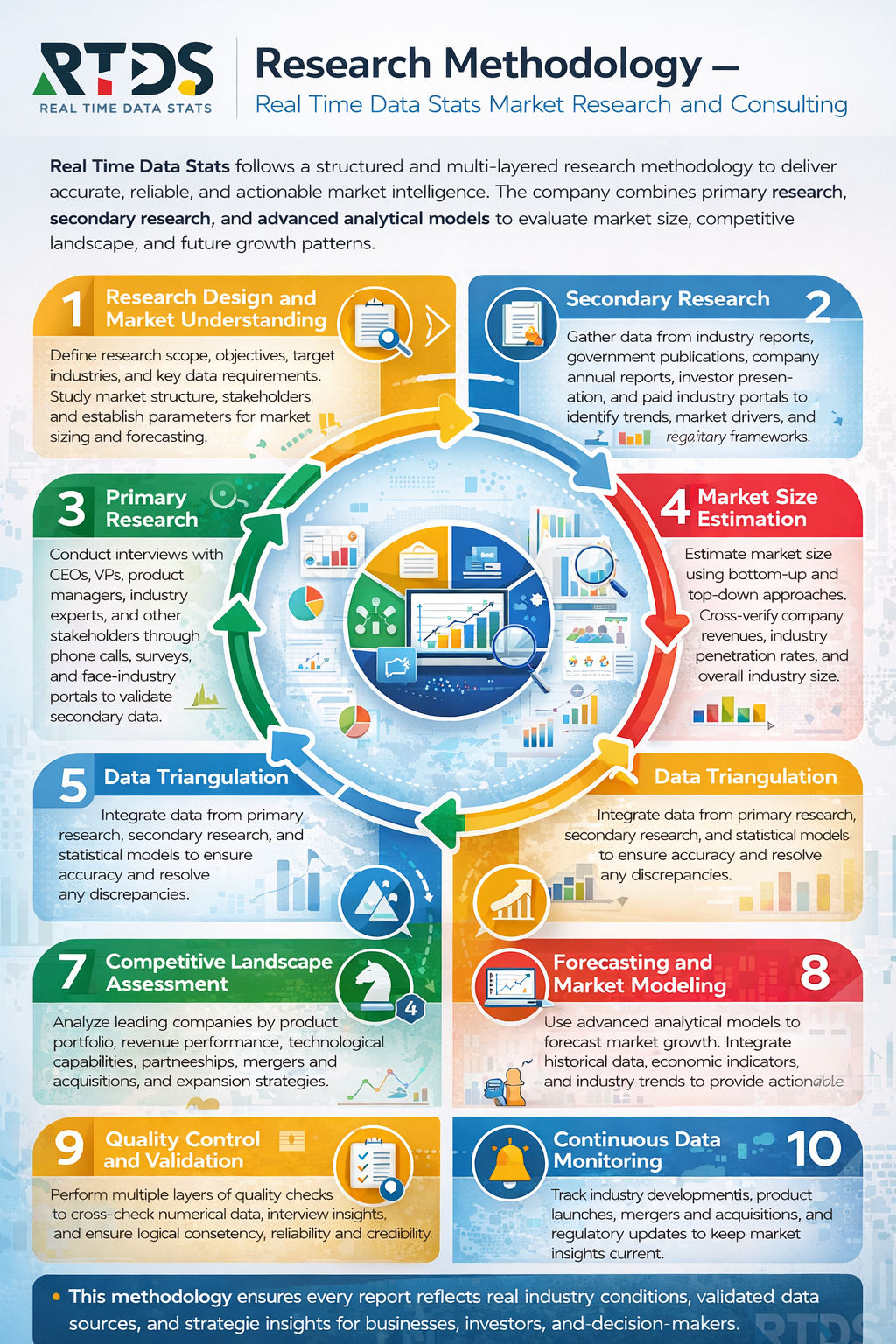
Research Methodology
- Assumptions and Limitations
- Key Insights
- Analyst Viewpoint
Market Overview
- Market Dynamics
- Drivers
- Restraints
- Opportunities
- Challenges
- Emerging Trends
- Innovation Landscape
- Regulatory Framework
- Technological Advancements
Global Quantum Protein Dynamics Market Size & Forecast
- Historical Data Analysis
- Current Market Estimation
- Future Projections
- Growth Rate Analysis
Quantum Protein Dynamics Market Segmentation Analysis
- By Type
- Simulation Software
- Analytical Instruments
- Quantum Sensors
- Imaging Systems
- Modeling Platforms
- Cloud-Based Tools
- By Application
- Drug Discovery
- Disease Diagnostics
- Protein Engineering
- Academic Research
- Biotechnology Development
- Pharmaceutical Testing
- By End User
- Pharmaceutical Companies
- Biotechnology Firms
- Research Laboratories
- Academic Institutes
- Healthcare Organizations
- Government Agencies
- By Deployment Mode
- On-Premise
- Cloud-Based
- Hybrid Systems
- Private Cloud
- Public Cloud
- Edge Computing
- By Technology
- Quantum Computing
- Artificial Intelligence Integration
- Machine Learning Algorithms
- Molecular Dynamics Engines
- Cryo-Electron Microscopy
- Spectroscopy Techniques
- By Component
- Hardware
- Software
- Services
- Platforms
- Databases
- Support & Maintenance
- By Protein Type
- Enzymes
- Antibodies
- Structural Proteins
- Transport Proteins
- Signaling Proteins
- Regulatory Proteins
- By Organization Size
- Large Enterprises
- Medium Enterprises
- Small Enterprises
- Startups
- Research Consortia
- Independent Labs
- By Industry Vertical
- Healthcare
- Pharmaceuticals
- Biotechnology
- Chemicals
- Agriculture
- Food & Nutrition
Regional Analysis
- North America
- Europe
- Asia Pacific
- Latin America
- Middle East & Africa
Competitive Landscape
- Company Market Share Analysis
- Strategic Developments
- Mergers & Acquisitions
- Partnerships & Collaborations
- Product Launches
Investment Analysis
- Company Profiles
- Business Overview
- Product Portfolio
- Financial Overview
Recent Developments
- SWOT Analysis
- Supply Chain Analysis
- Value Chain Analysis
- Pricing Analysis
- Patent Analysis
- Trade Analysis
- Market Attractiveness Analysis
- Opportunity Mapping
- Risk Assessment
Conclusion
- Summary of Market Trends
- Key Drivers and Restraints
- Growth Opportunities
- Technology & Innovation Outlook
- Future Market Forecast
Appendix
- Abbreviations
- Data Sources
- Research Method Notes
- Disclaimer
List of Tables
- Table:1: Global Market Size Overview
- Table:2: Market Growth Rate Comparison
- Table:3: Segmentation by Type Data
- Table:4: Segmentation by Application Data
- Table:5: Segmentation by End User Data
- Table:6: Segmentation by Deployment Mode
- Table:7: Segmentation by Technology
- Table:8: Segmentation by Component
- Table:9: Segmentation by Protein Type
- Table:10: Segmentation by Organization Size
- Table:11: Segmentation by Industry Vertical
- Table:12: Regional Market Share
- Table:13: Competitive Market Share
- Table:14: Investment & Funding Analysis
- Table:15: Forecast Summary
List of Figures
- Figure:1: Market Overview Diagram
- Figure:2: Market Growth Trend
- Figure:3: Type Segmentation Chart
- Figure:4: Application Segmentation Chart
- Figure:5: End User Distribution
- Figure:6: Deployment Mode Illustration
- Figure:7: Technology Adoption Curve
- Figure:8: Component Share Graph
- Figure:9: Protein Type Distribution
- Figure:10: Organization Size Share
- Figure:11: Industry Vertical Split
- Figure:12: Regional Market Map
- Figure:13: Competitive Landscape Matrix
- Figure:14: Opportunity Mapping Graph
- Figure:15: Forecast Projection Chart
Quantum Protein Dynamics Market Key Factors
Drivers:
- Expanding computational power accelerates complex molecular simulations.
- Pharmaceutical R&D increasingly adopts these methods for drug discovery.
- Rising investments from both public and private entities fuel market growth.
Restraints:
- High computational costs and infrastructure requirements limit accessibility.
- A significant scarcity of skilled quantum-computational biologists persists.
- Immature technology integration creates interoperability challenges with classical systems.
Opportunities:
- Cloud-based quantum computing platforms lower the barrier to entry for researchers.
- AI and machine learning integration enhances simulation accuracy and speed.
- Expanding applications into material science and agricultural biotechnology open new markets.
Challenges:
- Achieving and validating sufficient simulation accuracy for real-world predictions remains difficult.
- Rapid technological obsolescence risks investments in hardware and software.
- The lack of standardized protocols and benchmarks hinders industry-wide adoption.
Quantum Protein Dynamics Market Key Regional Trends
North America:
- Strong venture capital and government funding propel advanced research initiatives.
- Strategic collaborations between tech giants, biopharma firms, and academic institutions accelerate.
- Early regulatory acceptance and adoption in pharmaceutical R&D sets a regional precedent.
Europe:
- Public consortiums and EU-funded projects prioritize collaborative quantum-biology research.
- Focus intensifies on developing ethical frameworks and standardized data protocols.
- Growing activity leverages quantum simulation for precision medicine and climate-resilient agriculture.
Asia-Pacific:
- National quantum technology initiatives aggressively include life sciences applications.
- Market growth is driven by rising pharmaceutical outsourcing and contract research.
- Increased academic investments produce a rapidly expanding talent pool in quantum biochemistry.
Frequently Asked Questions
Key Questions Answered
- What is the size and growth rate of the market industry?
- What are the main drivers influencing market growth trends?
- What are the key challenges and restraints faced by the market?
- What are the emerging trends and opportunities shaping the market?
- Who are the top players, and what strategies drive their success?
- What are the customer demographics and their buying behaviors?
- What are the key market segments, and what is their scope?
- What are the geographical dynamics, and which region dominates?
- What are the market forecasts and projections for the next decade?
- What regulatory factors are critical to consider for market growth?
Why Choose our Company?
- Major facts and stats backing every report we offer.
- Comprehensive analysis tailored to your business needs.
- Accurate insights backed by extensive market research.
- Expert support to address your queries promptly.
- Data-driven strategies for better decision-making.
- In-depth reports with actionable
recommendations. - Reliable statistics from trusted industry
sources. - Customizable reports to suit your specific goals.
- Unmatched quality and precision in market analysis.
- Competitive pricing with premium content delivery.
Share your experience!
We value you feedback. Please take a moment to review your experience with us.