
According to insights from Real Time Data Stats, the Precision Irrigation for Arid Farmlands Market was valued at USD 1.45 billion in 2025. It is expected to grow from USD 1.57 billion in 2026 to USD 2.74 billion by 2033, registering a CAGR of 9.2% during the forecast period (2026–2033).
MARKET SIZE AND SHARE
Precision irrigation for arid farmlands is expanding fast due to severe water scarcity and the need to boost crop yield per drop. Drip and sprinkler systems lead adoption as they cut water loss and improve efficiency across dry farming regions.
Drip irrigation holds the largest share as it delivers water directly to roots with high precision. Companies strengthen their position through smart tech and wider distribution in arid zones. North America and the Middle East & Africa lead demand, driven by strong subsidies and efforts to fight desertification and protect food supply.
INDUSTRY OVERVIEW AND STRATEGY
The precision irrigation industry for arid lands focuses on advanced systems like drip, sprinkler, and smart controllers with sensors to optimize water use. It is a critical response to climate change, directly addressing soil salinity and groundwater depletion. The competitive landscape includes established agricultural giants and specialized technology firms, all vying to provide cost-effective, durable solutions for harsh farming environments where resource conservation is paramount to operational survival and profitability.
Core strategies involve relentless innovation in IoT, AI, and remote sensing to create autonomous, data-driven irrigation platforms. Companies are pursuing partnerships with governments and large-scale farm cooperatives to deploy integrated solutions. Market expansion relies on demonstrating clear ROI through water savings and yield increases, while strategic acquisitions of tech startups allow incumbents to rapidly enhance their product intelligence and data analytics capabilities for predictive irrigation management.
REGIONAL TRENDS AND GROWTH
In North America, particularly the southwestern US, growth is driven by severe droughts and supportive federal policies promoting water-efficient agriculture. The Middle East & Africa region leads adoption due to inherent aridity and major government investments in food security initiatives. Europe shows steady growth focused on sustainability regulations, while the Asia-Pacific region presents high future potential with large arid tracts in India and Australia seeking technological modernization.
Primary drivers include escalating water stress, climate change impacts, and supportive subsidies. Key restraints are high initial investment costs and technical complexity for farmers. Significant opportunities lie in integrating renewable energy with irrigation systems and expanding into emerging economies. Major challenges involve the need for farmer education, reliable connectivity in remote areas, and managing the high maintenance requirements of sophisticated systems in rugged, dusty environments.
PRECISION IRRIGATION FOR ARID FARMLANDS MARKET SEGMENTATION ANALYSIS
BY TYPE:
The drip irrigation systems segment holds a dominant position due to its exceptional water-use efficiency and ability to deliver moisture directly to plant roots, minimizing evaporation losses in arid climates. Micro-irrigation systems and subsurface irrigation are also major growth drivers because they conserve water while improving nutrient absorption and crop yield consistency. Farmers increasingly prefer these solutions as water scarcity intensifies and government subsidies promote efficient irrigation equipment adoption across dry agricultural regions worldwide.
Sprinkler irrigation systems and center pivot irrigation remain influential due to their scalability for large farmland coverage and relatively lower installation complexity compared to underground systems. Meanwhile, smart irrigation controllers are rapidly becoming dominant factors as they enable automated scheduling, real-time soil monitoring, and weather-based adjustments. Integration of digital control technologies is pushing traditional irrigation toward intelligent, data-driven precision agriculture, enhancing operational efficiency and long-term sustainability in desert and semi-arid farming environments.
BY APPLICATION:
The fruits & vegetables segment dominates this category because high-value crops demand precise water management to maintain quality, size, and nutritional value. Vineyards & orchards also represent strong dominant factors since perennial crops require consistent moisture control across seasons. Precision irrigation ensures optimized water distribution, reduces plant stress, and supports export-oriented agriculture where uniformity and premium yield standards significantly influence profitability and long-term cultivation strategies in arid landscapes.
Cereals & grains and oilseeds & pulses contribute substantial market share due to their extensive cultivation areas and rising food security concerns in drought-prone countries. Cotton & fibers and greenhouses & nurseries are growing rapidly as water-efficient irrigation enables improved fiber quality and year-round plant production. Controlled irrigation technologies help stabilize production volumes, reduce climate dependency, and support intensive farming methods where efficient water allocation is a crucial economic and environmental determinant.
BY COMPONENT:
Sensors and controllers & software act as dominant factors because they form the intelligence backbone of precision irrigation systems. Soil moisture sensors, temperature detectors, and humidity monitors enable data-driven irrigation scheduling, while advanced software platforms analyze environmental variables to optimize water delivery. This combination significantly reduces wastage and improves crop health, making digital components central to modern irrigation infrastructure expansion across arid agricultural economies.
Valves & actuators, flow meters, and fertigation units also maintain strong influence due to their mechanical and nutrient-delivery roles. Pumps & pipes remain foundational components ensuring efficient water transport across fields. Fertigation technology, in particular, is gaining dominance as it combines irrigation with nutrient distribution, increasing yield efficiency and lowering fertilizer losses. These hardware elements collectively determine system reliability, precision, and long-term operational cost efficiency for farmers operating in water-limited zones.
BY TECHNOLOGY:
IoT-enabled irrigation stands out as a dominant factor due to its capacity for real-time monitoring, automated control, and predictive analytics. Connected devices allow farmers to remotely manage water flow and detect inefficiencies instantly. AI-based irrigation management further strengthens this segment by analyzing historical weather data, crop patterns, and soil conditions to generate optimized irrigation schedules, significantly improving resource allocation and reducing operational risks in arid climates.
Remote sensing & GIS technologies and soil moisture monitoring systems play equally critical roles by offering spatial and environmental insights across vast farmlands. Cloud-based irrigation platforms and weather-adaptive systems are expanding rapidly as they centralize data management and enhance decision accuracy. These technologies collectively serve as dominant innovation drivers, enabling scalable, precise, and sustainable irrigation strategies aligned with climate variability and digital agricultural transformation.
BY END-USER:
Large-scale farms represent the most dominant end-user segment due to their financial capability to invest in advanced irrigation infrastructure and automation tools. These farms prioritize water optimization to maximize productivity across extensive acreage. Government & public sector farms also act as dominant factors, as public irrigation projects and agricultural modernization programs frequently deploy precision irrigation to address food security challenges and environmental sustainability goals in drought-affected regions.
Smallholder farms and commercial horticulture segments are witnessing rapid adoption driven by affordable micro-irrigation kits and cooperative funding initiatives. Greenhouse operators and agricultural research institutes further strengthen market expansion by experimenting with innovative irrigation models and high-efficiency water systems. These user groups contribute to technology validation, awareness generation, and localized innovation, which collectively accelerate adoption across diverse agricultural scales.
BY CROP TYPE:
Vegetables and fruits dominate this segment because their cultivation requires consistent moisture control and precise nutrient delivery for premium market value. Precision irrigation ensures uniform growth, enhances visual appeal, and reduces spoilage rates, making it indispensable for high-value horticultural production. These crops benefit most from water-efficient technologies, driving widespread adoption in arid farming zones where every drop of water directly impacts economic returns.
Wheat, maize, and rice also contribute significantly as staple food crops cultivated on vast land areas. Cotton emerges as another dominant factor because fiber quality and yield are highly sensitive to water distribution. Efficient irrigation minimizes drought stress and enhances productivity across large-scale farming operations, reinforcing the strategic importance of precision irrigation for both subsistence and commercial crop categories.
BY WATER SOURCE:
Groundwater remains the most dominant water source due to its accessibility and year-round availability in many arid regions. Farmers rely heavily on borewells and underground aquifers supported by precision irrigation to prevent over-extraction. Mixed source systems are also growing as dominant factors, combining multiple water supplies to ensure reliability and mitigate seasonal shortages, thereby enhancing irrigation resilience and long-term water management sustainability.
Surface water and rainwater harvesting play critical roles in reducing dependency on groundwater and promoting eco-friendly practices. Recycled water and desalinated water are expanding rapidly in technologically advanced regions where water scarcity is severe. These alternative sources support sustainable agriculture by diversifying supply channels, lowering environmental impact, and enabling continuous irrigation even during prolonged drought periods.
BY OPERATION MODE:
Fully automated systems are dominant because they eliminate manual intervention, optimize scheduling accuracy, and reduce labor costs. Sensor-based systems also serve as key growth drivers by enabling real-time environmental feedback and precise water distribution. Automation ensures consistent irrigation performance, which is crucial in arid regions where unpredictable weather and limited water supplies demand highly efficient and responsive agricultural management techniques.
Remote-controlled systems and AI-driven decision systems are rapidly emerging as transformative dominant factors due to smartphone integration and predictive analytics capabilities. Manual and semi-automated systems still hold relevance among small farmers because of affordability and simplicity. However, the transition toward intelligent automation is accelerating as technology costs decline and awareness of water conservation benefits increases globally.
BY INSTALLATION TYPE:
New installations dominate the segment as governments and private investors increasingly develop modern irrigation infrastructure in newly cultivated arid lands. These systems incorporate advanced technologies from the outset, ensuring higher efficiency and reduced retrofitting expenses. Modular systems are also strong dominant factors because they allow scalable expansion, enabling farmers to gradually upgrade irrigation capacity according to financial and operational needs.
Retrofitting existing systems and portable irrigation units contribute significantly by offering cost-effective modernization solutions. Fixed systems provide long-term reliability, while mobile & tractor-mounted systems deliver flexibility for multi-field operations. These installation options collectively support diverse farming requirements, balancing affordability, adaptability, and technological advancement in water-scarce agricultural environments.
RECENT DEVELOPMENTS
- In Jan 2024: Netafim launched the 'Oracle' autonomous irrigation management platform, integrating real-time soil sensor data with AI for fully automated decision-making in arid region vineyards and orchards.
- In Mar 2024: Jain Irrigation and Microsoft announced a strategic partnership to develop an AI-powered cloud analytics platform for predictive irrigation scheduling, specifically for water-stressed farms in India and the Middle East.
- In Jul 2024: Valmont Industries acquired a majority stake in a specialized drone-based thermal imaging startup to enhance its center pivot system analytics for detecting early-stage crop stress in arid climates.
- In Nov 2024: The Toro Company introduced its new 'Micro-Sprinkler 2.0' series, featuring ultra-low flow rates and pressure compensation specifically designed for saline water commonly used in arid and semi-arid farmland irrigation.
- In Feb 2025: Lindsay Corporation secured a landmark contract with the Saudi Arabian government to deploy its flagship 'FieldNET Advisor' precision irrigation system across 50,000 hectares of new agricultural projects.
KEY PLAYERS ANALYSIS
- Netafim
- Jain Irrigation Systems Ltd.
- Lindsay Corporation
- Valmont Industries, Inc.
- The Toro Company
- Rivulis Irrigation Ltd.
- Rain Bird Corporation
- Hunter Industries
- Reinke Manufacturing Company, Inc.
- Nelson Irrigation Corporation
- T-L Irrigation Co.
- Mahindra EPC Irrigation
- Elgo Irrigation Ltd.
- Alkhorayef Group
- Grodan (Part of Rockwool)
- Aquaspy
- Hortau
- CropX Technologies
- Senninger Irrigation Inc.
- Trimble Inc.
Precision Irrigation for Arid Farmlands Market Segmentation Analysis
By Type:
- Drip Irrigation Systems
- Sprinkler Irrigation Systems
- Center Pivot Irrigation
- Subsurface Irrigation Systems
- Micro-Irrigation Systems
- Smart Irrigation Controllers
By Application:
- Cereals & Grains
- Fruits & Vegetables
- Oilseeds & Pulses
- Cotton & Fibers
- Vineyards & Orchards
- Greenhouses & Nurseries
By Component:
- Sensors
- Valves & Actuators
- Controllers & Software
- Flow Meters
- Pumps & Pipes
- Fertigation Units
By Technology:
- IoT-Enabled Irrigation
- Remote Sensing & GIS
- AI-Based Irrigation Management
- Cloud-Based Irrigation Platforms
- Soil Moisture Monitoring Systems
- Weather-Adaptive Irrigation Systems
By End-User:
- Large-Scale Farms
- Smallholder Farms
- Commercial Horticulture
- Greenhouse Operators
- Agricultural Research Institutes
- Government & Public Sector Farms
By Crop Type:
- Wheat
- Maize
- Rice
- Vegetables
- Fruits
- Cotton
By Water Source:
- Groundwater
- Surface Water
- Rainwater Harvesting
- Recycled Water
- Desalinated Water
- Mixed Source Systems
By Operation Mode:
- Manual Irrigation Systems
- Semi-Automated Systems
- Fully Automated Systems
- Remote-Controlled Systems
- Sensor-Based Systems
- AI-Driven Decision Systems
By Installation Type:
- New Installations
- Retrofitting Existing Systems
- Modular Systems
- Fixed Systems
- Portable Irrigation Units
- Mobile & Tractor-Mounted Systems
By Geography:
- North America (USA, Canada, Mexico)
- Europe (UK, Germany, France, Italy, Spain, Rest of Europe)
- Asia-Pacific (China, Japan, Australia, South Korea, India, Rest of Asia-Pacific)
- South America (Brazil, Argentina, Rest of South America)
- Middle East and Africa (GCC Countries, South Africa, Rest of MEA)
Precision Irrigation for Arid Farmlands Market: Table of Contents
Executive Summary
- Market Overview
- Key Findings
- Market Snapshot
- Growth Opportunities
- Future Outlook
Introduction
- Definition of Precision Irrigation
- Importance in Arid Farmlands
- Market Scope
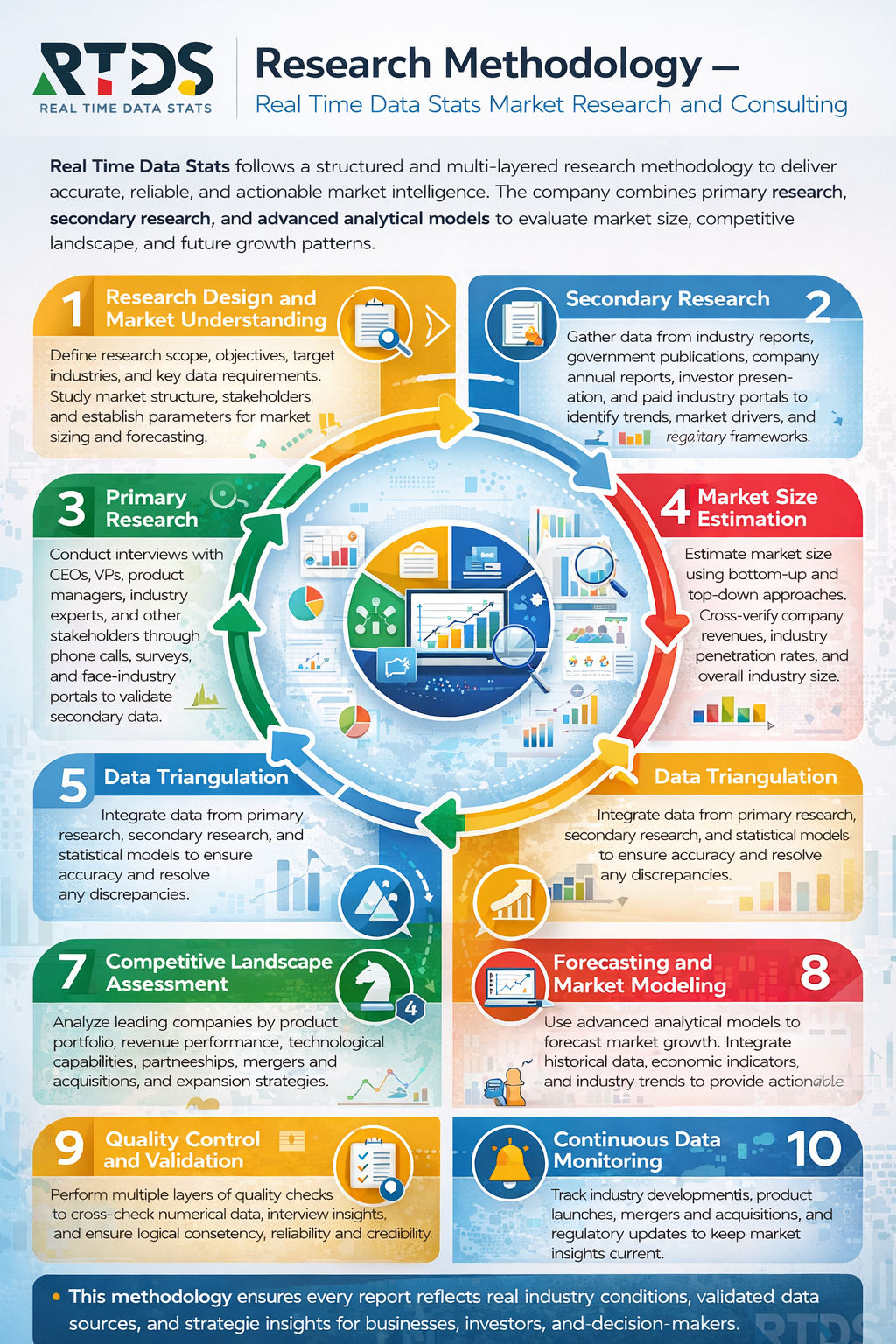
- Research Methodology
- Data Sources
Market Dynamics
- Drivers
- Restraints
- Opportunities
- Challenges
Precision Irrigation for Arid Farmlands Market Segmentation Analysis
- By Type:
- Drip Irrigation Systems
- Sprinkler Irrigation Systems
- Center Pivot Irrigation
- Subsurface Irrigation Systems
- Micro-Irrigation Systems
- Smart Irrigation Controllers
- By Application:
- Cereals & Grains
- Fruits & Vegetables
- Oilseeds & Pulses
- Cotton & Fibers
- Vineyards & Orchards
- Greenhouses & Nurseries
- By Component:
- Sensors
- Valves & Actuators
- Controllers & Software
- Flow Meters
- Pumps & Pipes
- Fertigation Units
- By Technology:
- IoT-Enabled Irrigation
- Remote Sensing & GIS
- AI-Based Irrigation Management
- Cloud-Based Irrigation Platforms
- Soil Moisture Monitoring Systems
- Weather-Adaptive Irrigation Systems
- By End-User:
- Large-Scale Farms
- Smallholder Farms
- Commercial Horticulture
- Greenhouse Operators
- Agricultural Research Institutes
- Government & Public Sector Farms
- By Crop Type:
- Wheat
- Maize
- Rice
- Vegetables
- Fruits
- Cotton
- By Water Source:
- Groundwater
- Surface Water
- Rainwater Harvesting
- Recycled Water
- Desalinated Water
- Mixed Source Systems
- By Operation Mode:
- Manual Irrigation Systems
- Semi-Automated Systems
- Fully Automated Systems
- Remote-Controlled Systems
- Sensor-Based Systems
- AI-Driven Decision Systems
- By Installation Type:
- New Installations
- Retrofitting Existing Systems
- Modular Systems
- Fixed Systems
- Portable Irrigation Units
- Mobile & Tractor-Mounted Systems
Competitive Landscape
- Company Profiles
- Market Share Analysis
- Product Portfolio Analysis
- Strategic Initiatives
- Mergers & Acquisitions
- Partnership & Collaborations
Market Forecast and Trends
- Market Size and Forecast (2026–2036)
- Technology Adoption Trends
- Regional Market Forecast
- Crop-Specific Market Forecast
- Water Source-Specific Forecast
- Installation Type Forecast
Conclusion
- Key Insights
- Market Opportunities
- Future Outlook
Appendix
- Research Methodology
- Data Sources
- Abbreviations
- Glossary
- Contact Information
List of Tables
- Table:1: Global Precision Irrigation Market by Type
- Table:2: Drip Irrigation Market Sub-Segmentation
- Table:3: Sprinkler Irrigation Market Sub-Segmentation
- Table:4: Center Pivot Irrigation Sub-Segmentation
- Table:5: Subsurface Irrigation Sub-Segmentation
- Table:6: Micro-Irrigation Systems Market Share
- Table:7: Smart Irrigation Controllers Adoption
- Table:8: Market by Application Segment
- Table:9: Component-Wise Market Analysis
- Table:10: Technology Adoption Trends
- Table:11: End-User Segment Market Share
- Table:12: Crop Type Distribution
- Table:13: Water Source Contribution
- Table:14: Regional Market Size
- Table:15: Installation Type Distribution
List of Figures
- Figure:1: Market Overview of Precision Irrigation
- Figure:2: Market Dynamics – Drivers, Restraints, Opportunities, Challenges
- Figure:3: Type-Wise Market Share
- Figure:4: Application-Wise Market Segmentation
- Figure:5: Component Contribution to Market Size
- Figure:6: Technology Adoption Trend
- Figure:7: End-User Segment Analysis
- Figure:8: Crop Type Distribution
- Figure:9: Water Source Contribution
- Figure:10: Operation Mode Market Overview
- Figure:11: Regional Market Distribution
- Figure:12: Installation Type Trend
- Figure:13: Competitive Landscape Analysis
- Figure:14: Strategic Initiatives Mapping
- Figure:15: Market Forecast Trend (2026–2036)
Precision Irrigation for Arid Farmlands Market Dynamic Factors
Drivers:
- Farmers adopt water-saving systems to manage scarce resources
- Governments support micro-irrigation with subsidies and policies
- Sensors and automation improve yield with less water use
Restraints:
- High setup costs limit adoption among small farmers
- Lack of technical skills slows system usage and maintenance
- Irregular power and connectivity disrupt smart irrigation
Opportunities:
- Rising demand for climate-smart farming boosts adoption
- Expansion in drought-prone regions opens new markets
- Integration with AI and IoT improves farm efficiency
Challenges:
- Water source variability affects system performance
- Data accuracy issues reduce decision-making efficiency
- Supply chain gaps delay equipment delivery and service
Precision Irrigation for Arid Farmlands Market Regional Key Trends
North America:
- Farmers deploy AI-driven irrigation systems to optimize water use in drought-prone zones
- Governments support smart irrigation adoption through subsidies and conservation programs
- Agritech firms integrate IoT sensors with precision irrigation platforms
Europe:
- Growers adopt climate-resilient irrigation technologies to meet sustainability regulations
- Authorities promote water-efficient farming under strict environmental policies
- Companies invest in data analytics to improve irrigation scheduling accuracy
Asia Pacific:
- Farmers expand micro-irrigation systems across water-scarce agricultural regions
- Governments launch large-scale irrigation modernization initiatives
- Startups introduce low-cost precision irrigation tools for smallholder farms
Latin America:
- Agribusinesses implement drip irrigation to improve crop yield in dry zones
- Farmers adopt remote monitoring tools to manage irrigation efficiently
- Governments encourage efficient water use through agricultural policies
Middle East & Africa:
- Farmers rely on desalination-integrated irrigation systems in extreme arid areas
- Governments invest in smart irrigation infrastructure for food security
- Companies deploy solar-powered irrigation solutions to reduce energy costs
Frequently Asked Questions
Key Questions Answered
- What is the size and growth rate of the market industry?
- What are the main drivers influencing market growth trends?
- What are the key challenges and restraints faced by the market?
- What are the emerging trends and opportunities shaping the market?
- Who are the top players, and what strategies drive their success?
- What are the customer demographics and their buying behaviors?
- What are the key market segments, and what is their scope?
- What are the geographical dynamics, and which region dominates?
- What are the market forecasts and projections for the next decade?
- What regulatory factors are critical to consider for market growth?
Why Choose our Company?
- Major facts and stats backing every report we offer.
- Comprehensive analysis tailored to your business needs.
- Accurate insights backed by extensive market research.
- Expert support to address your queries promptly.
- Data-driven strategies for better decision-making.
- In-depth reports with actionable
recommendations. - Reliable statistics from trusted industry
sources. - Customizable reports to suit your specific goals.
- Unmatched quality and precision in market analysis.
- Competitive pricing with premium content delivery.
Share your experience!
We value you feedback. Please take a moment to review your experience with us.