
According to insights from Real Time Data Stats, the Neural Photostimulation Market was valued at USD 272 million in 2025. It is expected to grow from USD 315 million in 2026 to USD 835 million by 2033, registering a CAGR of 14.9% during the forecast period (2026–2033).
MARKET SIZE AND SHARE
The neural photostimulation market is driven by the rising prevalence of neurological disorders and continuous advancements in optogenetics research. Market share is largely concentrated among leading biotechnology and medical device companies, while innovative startups secure specialized positions through proprietary technologies and strategic research collaborations. Growing investments in neuroscience studies and the development of advanced photostimulation systems are expected to support market expansion. Increasing adoption across research institutions and clinical settings will further strengthen the competitive position of major industry participants.
Market share distribution is increasingly shaped by partnerships between academic institutions and commercial organizations. North America accounts for the largest revenue share due to substantial research funding and a strong concentration of neuroscience laboratories. Meanwhile, the Asia-Pacific region is projected to experience the fastest growth, gradually influencing global market dynamics. Research-focused applications currently represent the leading share; however, therapeutic applications are gaining momentum as technological advancements and clinical validation continue to expand the scope of neural photostimulation solutions.
INDUSTRY OVERVIEW AND STRATEGY
The neural photostimulation industry focuses on using light to precisely modulate neuronal activity, primarily for research and emerging therapeutic interventions. It is a interdisciplinary field integrating neuroscience, optical engineering, and biotechnology. The competitive landscape features established medical device manufacturers and agile biotech startups. The industry's trajectory is heavily dependent on continuous technological innovation in light sources, delivery systems, and genetically encoded actuators, pushing the boundaries of neuromodulation.
Core strategies for market players involve intensive investment in R&D to enhance precision, depth penetration, and miniaturization of devices. Forming collaborative alliances with top-tier universities and research hospitals is critical for technology validation and clinical translation. Companies are also aggressively pursuing intellectual property protection for novel optogenetic tools and closed-loop systems. A key strategic focus is navigating regulatory pathways to transition from research tools to approved neuromodulation therapies for conditions like epilepsy and Parkinson's.
Analyst Key Takeaways:
Neural photostimulation is emerging as a highly specialized segment within the broader neuromodulation and optogenetics landscape, driven by growing demand for precise, non-invasive methods of studying and influencing neural activity. Advances in light-delivery systems, genetically targeted neural modulation techniques, and neuroengineering research are expanding the technology’s applications across neuroscience laboratories, brain-mapping initiatives, and preclinical therapeutic development. Increasing collaboration between academic institutions, biotechnology companies, and medical device developers is further accelerating innovation in the field.
The market is expected to benefit from the rising adoption of next-generation neurotechnologies aimed at improving the understanding and treatment of neurological disorders. Growing investments in brain research programs, expanding use of optogenetic tools, and continued advancements in photonic stimulation platforms are strengthening the commercial outlook for neural photostimulation solutions. As researchers seek higher precision and greater control over neural circuits, the technology is positioned to play an increasingly important role in both neuroscience discovery and future neuromodulation therapies.
REGIONAL TRENDS AND GROWTH
Regionally, North America leads, fueled by strong NIH grants, a mature biotech ecosystem, and high adoption of advanced research tools. Europe follows, with significant collaborative projects under the EU framework and a strong academic foundation. The most dynamic growth is centered in Asia-Pacific, where countries like China and Japan are making substantial public and private investments in brain initiative projects, aiming to become major contributors to the field's technological base.
Primary growth drivers include increasing neurological disease burden and government-funded brain research initiatives globally. Key restraints are high technology costs, complex regulatory hurdles for clinical devices, and ethical debates. Significant opportunities lie in developing non-invasive therapeutic devices and integrating photostimulation with AI for adaptive neuromodulation. Major challenges involve achieving safe, targeted delivery in deep brain regions without surgery and securing long-term funding for translational clinical trials to prove therapeutic efficacy.
NEURAL PHOTOSTIMULATION MARKET SEGMENTATION ANALYSIS
BY TYPE:
Laser-based photostimulation systems dominate high-precision neurological research and advanced clinical trials because they deliver focused, high-intensity light with precise spatial targeting. Their adoption grows in laboratories working on deep-brain circuit mapping and optogenetics, where accuracy and controlled penetration depth matter most. Meanwhile, LED-based photostimulation systems gain traction in non-invasive and wearable formats due to their lower heat output, compact size, and energy efficiency. These advantages make LEDs ideal for portable therapeutic devices and long-duration stimulation protocols, especially in psychiatric and pain management applications where patient comfort is critical.
Fiber-optic light delivery systems and implantable photostimulation devices drive growth in invasive neuromodulation, as they enable targeted stimulation of deep neural structures. Wireless optogenetic stimulation systems are emerging as a transformative segment because they eliminate tethering constraints, allowing more natural subject movement in both preclinical and clinical settings. Wearable photostimulation devices, on the other hand, are expanding rapidly with the rise of home-based neurotherapy and consumer neurotechnology, supported by advances in miniaturization and battery performance.
BY LIGHT SOURCE TECHNOLOGY:
Blue light systems remain central to optogenetics research because many light-sensitive ion channels respond most efficiently to blue wavelengths. This keeps blue light platforms in strong demand within neuroscience laboratories and gene-therapy-linked neural modulation studies. Red and infrared light systems are gaining dominance in therapeutic markets due to their deeper tissue penetration and lower scattering, making them suitable for transcranial and non-invasive neuromodulation approaches targeting mood disorders, neurodegeneration, and chronic pain.
Multi-wavelength systems are increasingly preferred in advanced research and clinical development since they allow selective activation of multiple opsins or photoreceptors within the same neural network. Pulsed light systems dominate protocols requiring temporal precision, such as spike-timing dependent plasticity experiments, while continuous wave systems maintain relevance in photobiomodulation therapies where sustained exposure produces metabolic and anti-inflammatory effects. Flexibility in wavelength delivery is becoming a decisive purchasing factor across both research and clinical environments.
BY APPLICATION:
Neurological disorder treatment represents a major driver for market expansion as researchers and clinicians explore photostimulation for epilepsy, Parkinson’s disease, and neurodegenerative disorders. The push toward circuit-specific neuromodulation rather than broad electrical stimulation supports demand for optical techniques that can precisely influence defined neuron populations. Psychiatric disorder management, including depression and anxiety, is also a fast-growing application as non-invasive light-based brain stimulation gains clinical validation and public acceptance.
Pain management therapy contributes significantly to market demand, particularly through photobiomodulation approaches that reduce inflammation and modulate peripheral nerve activity. Cognitive enhancement research and motor function restoration studies are expanding in both academic and defense research programs, while sensory function studies—especially vision and auditory pathway research—benefit from optical precision that traditional stimulation methods cannot achieve. The breadth of applications ensures diversified revenue streams and sustained innovation.
BY END USER:
Research institutes and academic laboratories form the backbone of early adoption because they lead innovation in optogenetics, neural circuitry mapping, and experimental photomedicine. Strong grant funding, interdisciplinary neuroscience programs, and partnerships with technology developers reinforce their role as primary purchasers of advanced photostimulation platforms. Pharmaceutical and biotechnology companies are also key end users, using neural photostimulation tools in drug discovery, target validation, and neurotherapeutic development pipelines.
Hospitals and neurology clinics are gradually increasing adoption as clinical evidence grows for photobiomodulation and non-invasive neuromodulation therapies. Their purchasing decisions are strongly influenced by regulatory approvals, reimbursement pathways, and ease of integration with existing neurodiagnostic systems. The transition from research-centric use to routine clinical application is a dominant long-term growth factor for this segment.
BY TECHNOLOGY INTEGRATION:
Optogenetics-based systems dominate cutting-edge neuroscience research due to their unmatched cell-type specificity and compatibility with genetic engineering techniques. Integration with imaging-guided photostimulation further strengthens this segment, allowing real-time visualization and targeted activation of neural circuits. Closed-loop neural stimulation systems are gaining attention because they combine sensing and stimulation, enabling adaptive therapy based on neural feedback signals.
AI-integrated photostimulation platforms are emerging as a major innovation driver, using machine learning to optimize stimulation parameters and personalize treatment protocols. Brain-computer interface linked systems represent another high-growth area, particularly in neuroprosthetics and motor rehabilitation, where optical stimulation enhances communication between neural tissue and external devices. The convergence of digital intelligence with optical neuromodulation is reshaping competitive differentiation in the market.
BY MODALITY:
Invasive photostimulation leads in applications requiring direct access to deep brain regions, especially in advanced research and severe neurological conditions. Implantable and minimally invasive systems benefit from ongoing improvements in biocompatible materials and micro-optics, which reduce surgical risks and extend device longevity. These modalities are strongly supported by progress in neurosurgical navigation and precision implantation techniques.
Non-invasive transcranial photostimulation is expanding more rapidly in commercial and clinical wellness markets due to its safety profile and ease of use. Peripheral nerve and spinal cord photostimulation are also gaining attention for pain therapy and motor rehabilitation, where localized optical delivery offers advantages over electrical stimulation. Modality selection increasingly depends on balancing therapeutic depth, risk tolerance, and treatment setting.
BY WAVELENGTH RANGE:
Visible spectrum systems remain central in laboratory research, particularly in optogenetics where specific opsins respond to blue and green light. Near-infrared systems dominate therapeutic applications because they penetrate deeper into tissue and support photobiomodulation mechanisms that enhance cellular metabolism and reduce oxidative stress. Their non-thermal nature strengthens their appeal for chronic therapy use.
Far-red and tunable wavelength systems are emerging as versatile platforms capable of activating next-generation light-sensitive proteins. Broadband spectrum systems are useful in exploratory research where multiple pathways are studied simultaneously, while ultraviolet experimental systems remain niche due to safety limitations but contribute to specialized molecular neuroscience investigations. The shift toward tunability reflects the demand for adaptable and future-proof technologies.
BY THERAPEUTIC AREA:
Epilepsy and Parkinson’s disease management drive substantial research funding due to the need for more precise neuromodulation strategies that avoid side effects of conventional electrical stimulation. Depression therapy is a leading clinical growth area, with increasing interest in light-based brain stimulation as an alternative or adjunct to pharmacological treatments. Stroke rehabilitation also benefits from photostimulation techniques aimed at promoting neuroplasticity and functional recovery.
Chronic pain disorders represent a commercially attractive therapeutic area because of the large patient population and limitations of opioid-based treatments. Alzheimer’s disease research is another important segment, as scientists investigate whether optical stimulation can influence neural oscillations and slow cognitive decline. The diversity of therapeutic targets ensures continuous pipeline expansion.
BY DEVICE COMPONENT:
Light sources form the technological core of the market, with innovation focused on efficiency, miniaturization, and wavelength precision. Optical fibers and implantable probes are equally critical, as improvements in flexibility and durability expand the feasibility of long-term implantation. Control units are becoming more sophisticated, integrating programmable stimulation patterns and wireless connectivity.
Power supply modules and battery technologies influence portability and treatment duration, particularly for wearable and home-use systems. Software and control interfaces are increasingly decisive in purchasing decisions, as clinicians and researchers require intuitive platforms with data analytics and integration capabilities. Component-level innovation directly shapes overall system performance and differentiation.
RECENT DEVELOPMENTS
- In Jan 2024: Inscopix announced a collaboration with Harvard University to develop next-generation miniaturized microscopes for deep-brain photostimulation and imaging in freely behaving subjects, pushing the limits of neuroscience research tools.
- In May 2024: Thorlabs Inc. launched the ""OptoPatch"" system, an integrated platform combining patch-clamp electrophysiology with precise optical stimulation, aimed at streamlining in vitro neuronal circuit analysis for academic and industrial labs.
- In Sep 2024: Blackrock Neurotech acquired a startup specializing in biodegradable optical waveguides, aiming to integrate long-term, chronic photostimulation capabilities into their established neural interface systems for therapeutic applications.
- In Feb 2025: PARC, a Xerox company, published a breakthrough in Nature on a novel, non-invasive photostimulation technique using ultrasound-gated light delivery, potentially enabling deep-brain modulation without surgical implants.
- In Apr 2025: Kernel, a neurotechnology company, received FDA Breakthrough Device designation for its non-invasive, wearable photostimulation system designed for treating cognitive decline and mild Alzheimer's disease symptoms in clinical settings.
KEY PLAYERS ANALYSIS
- Inscopix, Inc.
- Thorlabs Inc.
- Blackrock Neurotech
- Prizmatix Ltd.
- Coherent Corp. (formerly II-VI)
- Laserglow Technologies
- NeuroLight Technologies
- Kernel
- GenSight Biologics
- Circuit Therapeutics (a Cala Health company)
- Niraxx Light Therapeutics
- Mightex Systems
- Doric Lenses Inc.
- PARC (A Xerox Company)
- Boston Scientific Corporation (through neuromodulation R&D)
- Medtronic plc (through neuromodulation R&D)
- Shanghai Laser & Optics Century Co., Ltd.
- Biolitec AG
- Lumenis Be Ltd.
- IRIDEX Corporation
Neural Photostimulation Market Segmentation Analysis
By Type:
- Laser-Based Photostimulation
- LED-Based Photostimulation
- Fiber-Optic Light Delivery Systems
- Implantable Photostimulation Devices
- Wearable Photostimulation Devices
- Wireless Optogenetic Stimulation Systems
By Light Source Technology:
- Blue Light Systems
- Red Light Systems
- Infrared Light Systems
- Multi-Wavelength Systems
- Pulsed Light Systems
- Continuous Wave Light Systems
By Application:
- Neurological Disorder Treatment
- Psychiatric Disorder Management
- Pain Management Therapy
- Cognitive Enhancement Research
- Motor Function Restoration
- Sensory Function Studies
By End User:
- Hospitals
- Neurology Clinics
- Research Institutes
- Academic Laboratories
- Pharmaceutical Companies
- Biotechnology Companies
By Technology Integration:
- Optogenetics-Based Systems
- Photobiomodulation Systems
- Closed-Loop Neural Stimulation
- AI-Integrated Photostimulation
- Brain-Computer Interface Linked Systems
- Imaging-Guided Photostimulation
By Modality:
- Invasive Photostimulation
- Minimally Invasive Photostimulation
- Non-Invasive Transcranial Photostimulation
- Deep Brain Photostimulation
- Peripheral Nerve Photostimulation
- Spinal Cord Photostimulation
By Wavelength Range:
- Visible Spectrum Systems
- Near-Infrared Systems
- Far-Red Spectrum Systems
- Ultraviolet Experimental Systems
- Broadband Spectrum Systems
- Tunable Wavelength Systems
By Therapeutic Area:
- Epilepsy Treatment
- Parkinson’s Disease Management
- Depression Therapy
- Chronic Pain Disorders
- Stroke Rehabilitation
- Alzheimer’s Disease Research
By Device Component:
- Light Sources
- Optical Fibers
- Control Units
- Power Supply Modules
- Implantable Probes
- Software & Control Interfaces
By Geography:
- North America (USA, Canada, Mexico)
- Europe (UK, Germany, France, Italy, Spain, Rest of Europe)
- Asia-Pacific (China, Japan, Australia, South Korea, India, Rest of Asia-Pacific)
- South America (Brazil, Argentina, Rest of South America)
- Middle East and Africa (GCC Countries, South Africa, Rest of MEA)
Neural Photostimulation Market: Table of Contents
Executive Summary
- Market Introduction
- Market Definition
- Market Scope
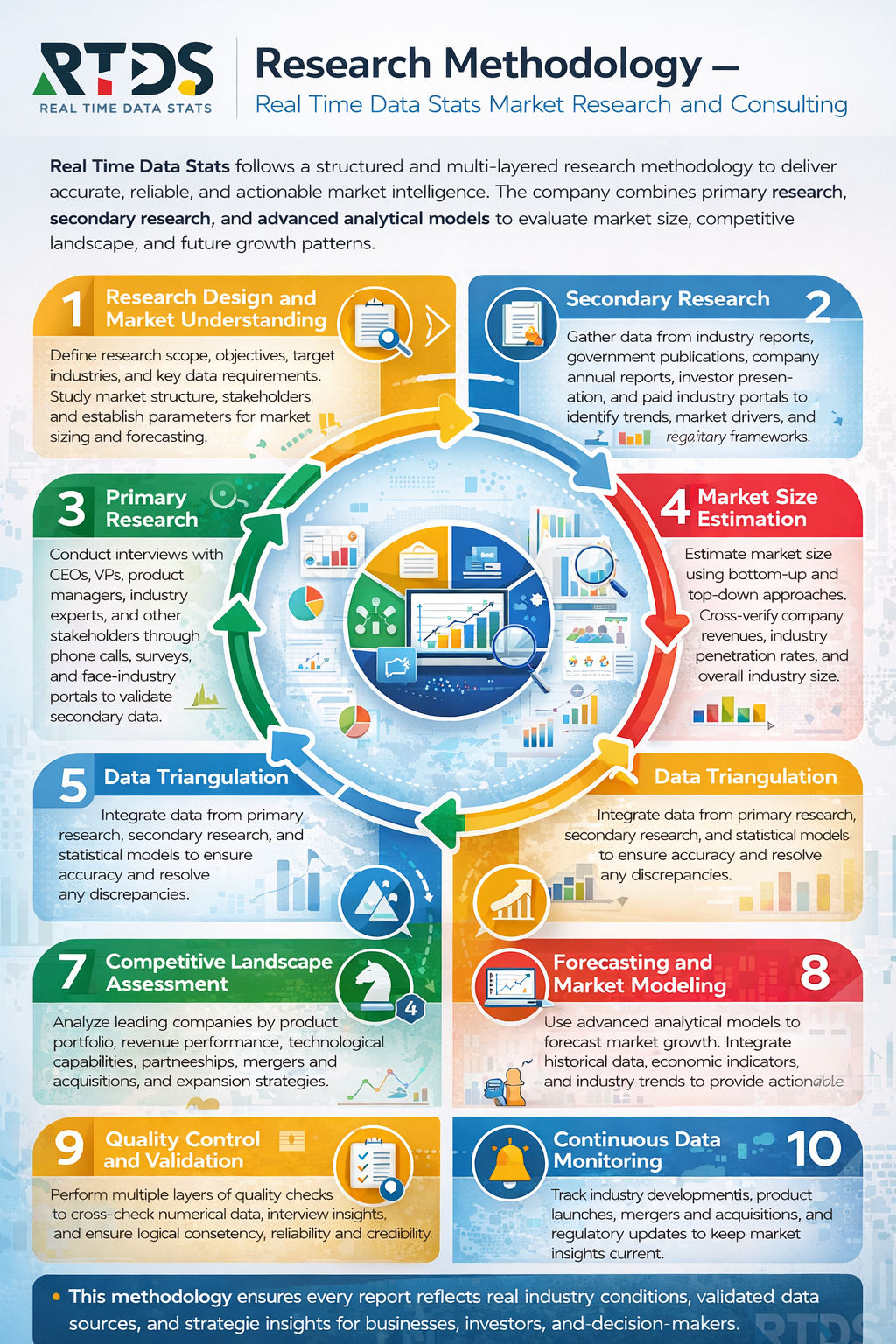
- Research Methodology
- Data Sources
- Market Assumptions
- Limitations of the Study
Market Dynamics
- Market Drivers
- Market Restraints
- Market Opportunities
- Market Challenges
- Emerging Trends
- Technological Advancements
Regulatory Landscape
- Reimbursement Scenario
- Industry Value Chain Analysis
- Supply Chain Analysis
- Ecosystem Overview
- Pricing Analysis
- Patent Analysis
Investment & Funding Trends
- Mergers & Acquisitions
- Strategic Partnerships
- Startup Landscape
Market Size & Forecast Overview
- Historical Market Analysis
- Current Market Size Estimation
- Future Market Projections
Neural Photostimulation Market Segmentation Analysis
- By Type
- Laser-Based Photostimulation
- LED-Based Photostimulation
- Fiber-Optic Light Delivery Systems
- Implantable Photostimulation Devices
- Wearable Photostimulation Devices
- Wireless Optogenetic Stimulation Systems
- By Light Source Technology
- Blue Light Systems
- Red Light Systems
- Infrared Light Systems
- Multi-Wavelength Systems
- Pulsed Light Systems
- Continuous Wave Light Systems
- By Application
- Neurological Disorder Treatment
- Psychiatric Disorder Management
- Pain Management Therapy
- Cognitive Enhancement Research
- Motor Function Restoration
- Sensory Function Studies
- By End User
- Hospitals
- Neurology Clinics
- Research Institutes
- Academic Laboratories
- Pharmaceutical Companies
- Biotechnology Companies
- By Technology Integration
- Optogenetics-Based Systems
- Photobiomodulation Systems
- Closed-Loop Neural Stimulation
- AI-Integrated Photostimulation
- Brain-Computer Interface Linked Systems
- Imaging-Guided Photostimulation
- By Modality
- Invasive Photostimulation
- Minimally Invasive Photostimulation
- Non-Invasive Transcranial Photostimulation
- Deep Brain Photostimulation
- Peripheral Nerve Photostimulation
- Spinal Cord Photostimulation
- By Wavelength Range
- Visible Spectrum Systems
- Near-Infrared Systems
- Far-Red Spectrum Systems
- Ultraviolet Experimental Systems
- Broadband Spectrum Systems
- Tunable Wavelength Systems
- By Therapeutic Area
- Epilepsy Treatment
- Parkinson’s Disease Management
- Depression Therapy
- Chronic Pain Disorders
- Stroke Rehabilitation
- Alzheimer’s Disease Research
- By Device Component
- Light Sources
- Optical Fibers
- Control Units
- Power Supply Modules
- Implantable Probes
- Software & Control Interfaces
Regional Analysis
- North America
- Europe
- Asia Pacific
- Latin America
- Middle East & Africa
Competitive Landscape
- Market Share Analysis
- Company Positioning Matrix
- Competitive Benchmarking
- Key Strategies Adopted
- Product Portfolio Analysis
Company Profiles
- Overview
- Financial Performance
- Product Offerings
Recent Developments
- Strategic Initiatives
- Innovation & R&D Landscape
- Clinical Trials Overview
- Pipeline Analysis
- Future Technology Roadmap
Conclusion
- Summary of Market Trends
- Key Drivers and Restraints
- Growth Opportunities
- Technology & Innovation Outlook
- Future Market Forecast
Appendix
- Abbreviations
- Glossary of Terms
- Research Methodology Details
- Contact Information
List of Tables
- Table: 1: Global Neural Photostimulation Market Size Overview
- Table: 2: Market Drivers Impact Analysis
- Table: 3: Market Restraints Impact Analysis
- Table: 4: Market Opportunity Assessment
- Table: 5: Value Chain Analysis Breakdown
- Table: 6: Pricing Analysis by Device Type
- Table: 7: Patent Filing Trends
- Table: 8: Investment and Funding Overview
- Table: 9: Market Size by Type
- Table: 10: Market Size by Application
- Table: 11: Market Size by End User
- Table: 12: Market Size by Modality
- Table: 13: Market Size by Therapeutic Area
- Table: 14: Regional Market Size Analysis
- Table: 15: Competitive Benchmarking of Key Players
List of Figures
- Figure: 1: Neural Photostimulation Market Research Framework
- Figure: 2: Market Dynamics Overview
- Figure: 3: Industry Value Chain Model
- Figure: 4: Supply Chain Structure
- Figure: 5: Technology Evolution Timeline
- Figure: 6: Market Size Forecast Graph
- Figure: 7: Segmentation by Type
- Figure: 8: Segmentation by Application
- Figure: 9: Segmentation by End User
- Figure: 10: Segmentation by Modality
- Figure: 11: Segmentation by Wavelength Range
- Figure: 12: Segmentation by Therapeutic Area
- Figure: 13: Regional Market Distribution
- Figure: 14: Competitive Landscape Matrix
- Figure: 15: Innovation & R&D Pipeline Overview
Neural Photostimulation Market Key Factors
Drivers:
- Rising neurological disorder prevalence expands the addressable patient population.
- Advancements in laser and optogenetics technology improve treatment precision and efficacy.
- Growing research funding accelerates clinical development and therapeutic validation.
Restraints:
- High device and treatment costs limit widespread clinical and research adoption.
- Stringent regulatory pathways delay product commercialization and market entry.
- Unclear long-term effects and potential tissue heating concerns hinder immediate trust.
Opportunities:
- Expanding applications into psychiatry and pain management create new revenue streams.
- Miniaturization of devices enables development of wearable and implantable systems.
- Emerging markets present untapped potential for growth and clinical trials.
Challenges:
- Technical complexity requires specialized operator skills, creating a training barrier.
- Competition from established neuromodulation methods pressures market share.
- Ethical debates on neuroenhancement could influence public perception and regulation.
Neural Photostimulation Market Key Regional Trends
North America:
- Strong venture capital investment fuels startup innovation and research initiatives.
- Leading academic institutions drive pioneering clinical trials for novel indications.
- Consolidation increases as major medical device firms acquire specialized technology players.
Europe:
- Stringent EU medical device regulations (MDR) shape robust product development protocols.
- Public healthcare systems focus on demonstrating cost-effectiveness for reimbursement.
- Collaborative cross-border research consortia strengthen translational research efforts.
Asia-Pacific:
- Governments increase national neuroscience funding, boosting regional research capabilities.
- Rising healthcare expenditure expands access to advanced treatment facilities.
- Local manufacturers focus on developing cost-competitive systems for volume markets.
Frequently Asked Questions
Key Questions Answered
- What is the size and growth rate of the market industry?
- What are the main drivers influencing market growth trends?
- What are the key challenges and restraints faced by the market?
- What are the emerging trends and opportunities shaping the market?
- Who are the top players, and what strategies drive their success?
- What are the customer demographics and their buying behaviors?
- What are the key market segments, and what is their scope?
- What are the geographical dynamics, and which region dominates?
- What are the market forecasts and projections for the next decade?
- What regulatory factors are critical to consider for market growth?
Why Choose our Company?
- Major facts and stats backing every report we offer.
- Comprehensive analysis tailored to your business needs.
- Accurate insights backed by extensive market research.
- Expert support to address your queries promptly.
- Data-driven strategies for better decision-making.
- In-depth reports with actionable
recommendations. - Reliable statistics from trusted industry
sources. - Customizable reports to suit your specific goals.
- Unmatched quality and precision in market analysis.
- Competitive pricing with premium content delivery.
Share your experience!
We value you feedback. Please take a moment to review your experience with us.