
According to insights from Real Time Data Stats, the Neural Neurovascular Market was valued at USD 2.49 billion in 2025. It is expected to grow from USD 2.64 billion in 2026 to USD 3.81 billion by 2033, registering a CAGR of 6.4% during the forecast period (2026–2033).
MARKET SIZE AND SHARE
The Neural Neurovascular Market is expanding steadily due to the rising incidence of neurovascular disorders such as ischemic stroke, cerebral aneurysms, and arteriovenous malformations. Growing awareness of early diagnosis, increasing demand for minimally invasive treatment procedures, and improved access to advanced neurointerventional care are supporting market growth. Market share remains concentrated among leading multinational companies, including Medtronic, Stryker, and Johnson & Johnson, which benefit from broad product portfolios, strong clinical evidence, and extensive global distribution networks.
Continuous technological innovation is expected to strengthen market expansion and reshape competitive positioning over the coming years. The introduction of advanced flow diverters, stent retrievers, aspiration catheters, and embolization systems is improving treatment outcomes and procedural efficiency. Emerging manufacturers are increasingly targeting specialized segments with innovative minimally invasive solutions, creating new growth opportunities across the market. The thrombectomy devices segment is projected to retain a dominant share due to strong clinical adoption in acute stroke management, while aneurysm coiling, flow diversion, and embolization products will continue to contribute significantly to overall market revenue and long-term industry growth.
INDUSTRY OVERVIEW AND STRATEGY
The neurovascular industry addresses the diagnosis and treatment of disorders affecting blood vessels in the brain and spinal cord, including ischemic and hemorrhagic strokes. It is a high-growth, technology-driven sector characterized by rigorous regulatory pathways and a strong emphasis on clinical evidence. The competitive landscape is intense, with innovation being the primary differentiator, as companies strive to develop devices that improve patient outcomes, enhance procedural safety, and reduce recovery times for complex interventions.
Core strategies for market leaders involve continuous investment in R&D for innovative products like biocompatible flow diverters and advanced aspiration catheters. Companies are aggressively pursuing strategic mergers, acquisitions, and partnerships to broaden their technological capabilities and geographic reach. Additionally, a key strategic focus is on physician training programs and demonstrating long-term cost-effectiveness to healthcare systems, thereby ensuring product adoption and securing sustainable market leadership in a dynamic environment.
Analyst Key Takeaways:
The Neural Neurovascular Market is witnessing steady expansion due to the increasing global burden of stroke, cerebral aneurysms, and other neurovascular disorders that require advanced minimally invasive interventions. Rising adoption of thrombectomy procedures, neurovascular stents, embolization technologies, and AI-assisted surgical navigation systems is accelerating innovation across hospitals and specialty neuroscience centers. Growing preference for precision-based neurointerventional procedures is also supporting demand for next-generation neural neurovascular solutions.
Technological advancements in catheter-based interventions, real-time neurovascular imaging, robotic-assisted procedures, and integrated diagnostic platforms are reshaping the competitive landscape. North America continues to lead adoption due to strong healthcare infrastructure and early integration of advanced neurovascular technologies, while Asia-Pacific is emerging as a high-growth region driven by expanding neurological care access, increasing healthcare investments, and rising awareness regarding early stroke treatment and neurovascular disease management.
REGIONAL TRENDS AND GROWTH
North America holds the dominant market share, driven by high healthcare expenditure, advanced medical infrastructure, and rapid adoption of innovative neurovascular technologies. Europe follows closely, with growth supported by rising aging populations and increasing awareness of stroke management. The Asia-Pacific region is identified as the fastest-growing market, fueled by improving healthcare access, expanding target patient pools, and growing investments in modern medical facilities across countries like China, India, and Japan.
Primary growth drivers include the rising global incidence of stroke, an aging population, and technological advancements in minimally invasive procedures. Significant opportunities exist in emerging markets and the development of novel neurothrombectomy devices. Key restraints are the high cost of devices and procedures, along with stringent regulatory approvals. Major challenges include reimbursement uncertainties and the need for specialized clinical training, which can hinder the pace of adoption in certain regions.
NEURAL NEUROVASCULAR MARKET SEGMENTATION ANALYSIS
BY TYPE:
The Neural Neurovascular market is segmented based on device types, each addressing specific clinical needs in neurovascular interventions. Embolization devices dominate due to their widespread use in treating cerebral aneurysms and arteriovenous malformations (AVMs), providing effective vessel occlusion with minimally invasive approaches. Stent systems are another key segment, supporting vessel patency and preventing re-occlusion, particularly in ischemic stroke management. Neurovascular coils and flow diverters are increasingly preferred in aneurysm treatment, with coils being a standard choice for small to medium aneurysms, while flow diverters are critical for complex or wide-neck aneurysms. Clot retrieval devices are highly influential due to their life-saving role in acute ischemic stroke, where rapid recanalization is essential. Support catheters, though smaller in market share, are crucial for procedural precision and safety, supporting the deployment of other devices effectively.
Market growth in this segment is heavily influenced by technological innovation and regulatory approvals. Advances in coil materials and stent designs, combined with enhanced imaging compatibility, have expanded clinical adoption. Additionally, increasing stroke prevalence and rising incidence of cerebral aneurysms are driving demand for embolization devices and clot retrieval systems. The segment is also shaped by cost-effectiveness and procedural efficiency, as hospitals seek devices that reduce operative time, improve patient outcomes, and minimize complications. Emerging hybrid and bioabsorbable devices are expected to create new opportunities in the long term.
BY APPLICATION:
In terms of applications, ischemic stroke remains the dominant factor driving market growth, fueled by a rising global prevalence and the critical need for timely intervention using clot retrieval devices and stenting systems. Hemorrhagic stroke treatment is also significant, with embolization devices and coils being the preferred solution for intracranial hemorrhages and aneurysm management. Cerebral aneurysms constitute a substantial portion of the market, as early diagnosis and minimally invasive treatment options like flow diversion or coil embolization are gaining traction. Arteriovenous malformations (AVMs), although less common, require highly specialized devices, increasing the demand for targeted solutions. Carotid artery stenosis interventions leverage stents and support catheters to restore blood flow and prevent recurrent strokes, reflecting the integration of neurovascular devices in preventive care strategies.
The market is also shaped by the increasing prevalence of chronic cerebrovascular conditions and a growing geriatric population susceptible to stroke and aneurysm risks. Hospitals and specialty clinics are prioritizing advanced intervention devices for these applications to reduce mortality and long-term disability. Technological integration, such as AI-assisted imaging and minimally invasive procedures, further enhances the adoption across applications by improving precision and patient outcomes. The demand is reinforced by increasing awareness campaigns and government initiatives targeting stroke and aneurysm prevention.
BY END USER:
Hospitals remain the largest end-users of neurovascular devices, owing to their capacity to manage complex stroke interventions and cerebral aneurysm treatments. High patient volumes, specialized neurovascular departments, and access to advanced imaging systems make hospitals the primary growth driver. Ambulatory surgical centers and specialty clinics are increasingly adopting minimally invasive procedures due to shorter recovery times and lower operational costs, fueling demand for portable and efficient devices. Neurosurgery centers are critical for handling complicated cases requiring stent systems, coils, and flow diverters, while academic and research institutes focus on R&D and clinical trials, influencing device innovation and adoption trends. Diagnostic centers contribute by identifying candidates for intervention through advanced imaging and early detection of vascular abnormalities.
The distribution of neurovascular devices across these end users is influenced by procedure volume, technological adoption, and reimbursement policies. Hospitals and large centers prioritize high-cost, technologically advanced devices like flow diverters and AI-integrated systems. Conversely, specialty clinics and ambulatory centers focus on cost-effective, minimally invasive solutions. Training and expertise of healthcare professionals also determine adoption rates, as complex procedures require skilled operators. Increasing collaborations between device manufacturers and healthcare institutions further accelerate market penetration in this segment.
BY TECHNOLOGY:
The technology segment is primarily driven by minimally invasive surgery (MIS), which dominates due to its advantages in reducing patient recovery time, minimizing complications, and enabling quicker hospital discharge. Image-guided systems are integral for precise navigation during neurovascular procedures, improving safety and efficacy, particularly in aneurysm coiling and thrombectomy. Robotic-assisted systems are emerging as a high-growth segment, providing enhanced dexterity, stability, and procedural accuracy in delicate neurovascular interventions. Laser-based and ultrasound-based systems support specific niche procedures, offering alternatives for vessel visualization, ablation, or plaque removal. AI-integrated platforms are increasingly influential, facilitating pre-operative planning, predictive modeling, and real-time guidance to improve procedural success rates.
Technological advancements significantly impact the market, with hospitals and specialty centers prioritizing systems that reduce intraoperative risks and enhance outcomes. Integration of AI with imaging and robotic systems is shaping future adoption, enabling personalized, patient-centric interventions. The rise in complex cerebrovascular cases, coupled with regulatory approvals and reimbursement support, reinforces demand for advanced technologies. Additionally, competitive differentiation among manufacturers drives innovation, with platforms focusing on multi-modality compatibility, interoperability, and user-friendly interfaces.
BY MATERIAL:
Material selection significantly influences device performance, biocompatibility, and procedural outcomes. Nitinol dominates due to its flexibility, shape memory, and durability, making it ideal for stents, coils, and catheters that navigate tortuous vessels. Platinum is preferred in neurovascular coils for its radiopacity, allowing accurate visualization during procedures. Stainless steel remains a cost-effective material for stents and catheters, providing strength and corrosion resistance. Polymers and hybrid materials are increasingly used for coating and support structures, enhancing device flexibility, biocompatibility, and drug-eluting capabilities. Bioabsorbable materials are gaining attention for reducing long-term complications and eliminating the need for device removal, though adoption is still emerging.
Material trends are heavily dictated by clinical outcomes, safety profiles, and regulatory approvals. Devices made from nitinol and platinum remain highly preferred due to their proven efficacy in aneurysm treatment and stroke interventions. Meanwhile, hybrid and polymeric solutions are being explored for next-generation devices, offering enhanced flexibility, reduced thrombogenicity, and targeted drug delivery. Cost and manufacturing scalability also influence market dynamics, with premium materials commanding higher adoption in developed markets while emerging markets prefer more affordable alternatives.
BY PROCEDURE:
Endovascular surgery dominates the procedural segment due to its minimally invasive nature, lower complication rates, and faster patient recovery compared to open surgery. This procedure is extensively used in ischemic and hemorrhagic stroke interventions, cerebral aneurysm treatment, and AVM management. Open surgery, although declining in share, remains essential for complex or ruptured aneurysms and cases unsuitable for endovascular approaches. Coil embolization is a widely adopted procedure for treating cerebral aneurysms and AVMs, benefiting from enhanced coil designs, imaging guidance, and bioactive coatings that improve occlusion rates. Stenting procedures are critical for carotid artery stenosis and ischemic stroke, providing vessel support and preventing recurrence. Thrombectomy is pivotal in acute ischemic stroke, where rapid clot removal can significantly improve outcomes. Flow diversion, a specialized procedure, is increasingly favored for large or complex aneurysms due to its effectiveness in reconstructing parent vessels and reducing recurrence risk.
The procedural segment is heavily influenced by technological innovation, surgeon expertise, and hospital infrastructure. Endovascular approaches continue to grow due to advances in microcatheters, imaging, and navigation systems, which make complex interventions safer and more precise. Meanwhile, procedural adoption is also impacted by patient demographics, with geriatric and high-risk patients favoring minimally invasive methods to reduce surgical trauma. Reimbursement policies and government initiatives for stroke management further incentivize hospitals to expand endovascular services. As new flow diverters and thrombectomy devices receive regulatory approvals, procedural volumes are expected to rise, particularly in developed regions.
BY PATIENT TYPE:
Adults represent the largest patient segment in the neurovascular market, given the high prevalence of stroke, aneurysms, and vascular disorders in this age group. Geriatric patients are increasingly influential due to age-related vascular degeneration and higher stroke susceptibility, driving demand for minimally invasive devices that reduce procedural risks. Pediatric patients, although a smaller share, require specialized devices designed for smaller vessels and delicate anatomy, emphasizing safety and biocompatibility. High-risk patients, including those with comorbidities like hypertension and diabetes, rely heavily on neurovascular interventions for preventive and emergency care. Chronic patients, particularly those with recurrent aneurysms or stenosis, create sustained demand for long-term treatment solutions. Emergency cases, especially acute ischemic strokes, highlight the need for rapid, reliable devices like clot retrieval systems and support catheters.
Market growth in this segment is strongly influenced by demographic trends, increasing life expectancy, and rising awareness of cerebrovascular conditions. Adoption rates vary with patient type, as adults and geriatrics prioritize minimally invasive and AI-assisted interventions to reduce recovery time and mortality risk. Pediatric and high-risk patients drive innovation in device miniaturization and bioabsorbable materials, ensuring compatibility with sensitive vasculature. Emergency cases emphasize the importance of device availability, procedural efficiency, and hospital readiness, making rapid-response solutions a key growth factor. Overall, patient-centric considerations are shaping both device design and clinical adoption.
BY DISTRIBUTION CHANNEL:
Direct sales dominate the neurovascular market as manufacturers work closely with hospitals, neurosurgery centers, and academic institutes to provide specialized training, technical support, and tailored device solutions. Distributors are critical for expanding market reach in regions with limited direct access or infrastructure, helping bridge the gap between manufacturers and smaller clinics. Online sales, although emerging, are gradually gaining traction for lower-cost devices, procedural accessories, and components that do not require in-person training. Hospital procurement represents a major channel for large-volume purchases of advanced systems such as flow diverters, image-guided platforms, and robotic-assisted devices. Retail medical stores and third-party vendors play a smaller but supportive role, particularly in supplying disposable or auxiliary equipment.
Channel dominance is determined by factors such as device complexity, regulatory requirements, and post-sale support needs. High-end devices like robotic systems and AI-integrated platforms favor direct sales for personalized service, training, and maintenance. Distributors and online channels increase accessibility in emerging markets or smaller cities, where hospitals and clinics may not have direct manufacturer relationships. Procurement decisions are influenced by hospital budgets, regional policies, and supply chain reliability, making strategic partnerships between manufacturers and distributors a critical factor for market penetration.
BY DISEASE INDICATION:
Brain aneurysms are the most significant disease indication, driving demand for embolization devices, coils, and flow diverters due to their high risk of rupture and associated morbidity. Stroke disorders, particularly ischemic and hemorrhagic strokes, dominate the market because of the urgent need for clot retrieval systems, stents, and thrombectomy devices. Vascular malformations, such as AVMs, require specialized coils and embolization systems, contributing to a niche yet high-value market segment. Tumor-related vascular issues also create demand for neurovascular devices to manage tumor angiogenesis and bleeding risks. Traumatic brain injury (TBI) interventions increasingly rely on stents, support catheters, and embolization devices to control hemorrhage and restore cerebral perfusion. Neurovascular infections, although rare, require targeted interventions, influencing adoption of specific minimally invasive procedures and biocompatible materials.
Market dynamics in disease indications are shaped by prevalence rates, disease severity, and clinical outcomes. The rising incidence of strokes and cerebral aneurysms globally, along with aging populations and lifestyle-related vascular risk factors, ensures sustained growth in these segments. Early diagnosis, enhanced imaging, and interventional innovations increase procedural success rates and expand treatment adoption. Furthermore, awareness campaigns, government funding, and insurance coverage influence accessibility and affordability, particularly in emerging markets. High-risk or chronic cases drive repeat interventions, reinforcing consistent demand for advanced neurovascular devices.
RECENT DEVELOPMENTS
- In Jan 2024: Medtronic received FDA approval for its next-generation Pipeline Vantage Flow Diverter with Shield Technology, designed for improved aneurysm treatment and reduced dual antiplatelet therapy.
- In Apr 2024: Stryker launched the SR Tenecteplase (TNK) trial globally, investigating the use of its neuro thrombectomy devices combined with a thrombolytic for large vessel occlusion stroke.
- In Jul 2024: Johnson & Johnson's Cerenovus announced the first patient enrollment in its ELEVATE PMCF study in Europe, collecting real-world data on its next-generation embolization device portfolio.
- In Nov 2024: Penumbra announced FDA clearance for its RED 62 Reperfusion Catheter, featuring an enlarged distal inner diameter designed for more efficient clot removal in stroke patients.
- In Feb 2025: MicroVention, part of Terumo, published positive 12-month clinical results for its Woven EndoBridge (WEB) 17 device, demonstrating high efficacy and safety for wide-neck bifurcation aneurysms.
KEY PLAYERS ANALYSIS
- Medtronic
- Stryker
- Johnson & Johnson (Cerenovus)
- Penumbra, Inc.
- Terumo Corporation (MicroVention)
- Balt
- Acandis GmbH
- Rapid Medical
- phenox GmbH
- Cerus Endovascular
- Kaneka Corporation
- Braun (Aesculap)
- Integer Holdings Corporation
- Cook Medical
- Merit Medical Systems
- Shape Memory Medical
- Perflow Medical
- Arkis Biosciences
- Vesalio
- Artio Medical
Neural Neurovascular Market Segmentation Analysis
By Type:
- Embolization Devices
- Stent Systems
- Neurovascular Coils
- Flow Diverters
- Clot Retrieval Devices
- Support Catheters
By Application:
- Ischemic Stroke
- Hemorrhagic Stroke
- Cerebral Aneurysm
- Arteriovenous Malformations
- Carotid Artery Stenosis
- Others
By End User:
- Hospitals
- Ambulatory Surgical Centers
- Specialty Clinics
- Neurosurgery Centers
- Academic & Research Institutes
- Diagnostic Centers
By Technology:
- Minimally Invasive Surgery
- Image-Guided Systems
- Robotic-Assisted Systems
- Laser-Based Systems
- Ultrasound-Based Systems
- AI-Integrated Platforms
By Material:
- Nitinol
- Platinum
- Stainless Steel
- Polymer
- Hybrid Materials
- Bioabsorbable Materials
By Procedure:
- Endovascular Surgery
- Open Surgery
- Coil Embolization
- Stenting Procedures
- Thrombectomy
- Flow Diversion
By Patient Type:
- Adult
- Pediatric
- Geriatric
- High-Risk Patients
- Chronic Patients
- Emergency Cases
By Distribution Channel:
- Direct Sales
- Distributors
- Online Sales
- Hospital Procurement
- Retail Medical Stores
- Third-Party Vendors
By Disease Indication:
- Brain Aneurysm
- Stroke Disorders
- Vascular Malformations
- Tumor-Related Vascular Issues
- Traumatic Brain Injury
- Neurovascular Infections
By Geography:
- North America (USA, Canada, Mexico)
- Europe (UK, Germany, France, Italy, Spain, Rest of Europe)
- Asia-Pacific (China, Japan, Australia, South Korea, India, Rest of Asia-Pacific)
- South America (Brazil, Argentina, Rest of South America)
- Middle East and Africa (GCC Countries, South Africa, Rest of MEA
Neural Neurovascular Market: Table of Contents
Executive Summary
- Market Snapshot
- Key Insights
- Analyst Viewpoint
- Winning Strategies
- Future Outlook
- Opportunity Mapping
Market Introduction
- Market Definition
- Scope of Study
- Market Structure
- Inclusion & Exclusion Criteria
Research Assumptions
- Currency & Units
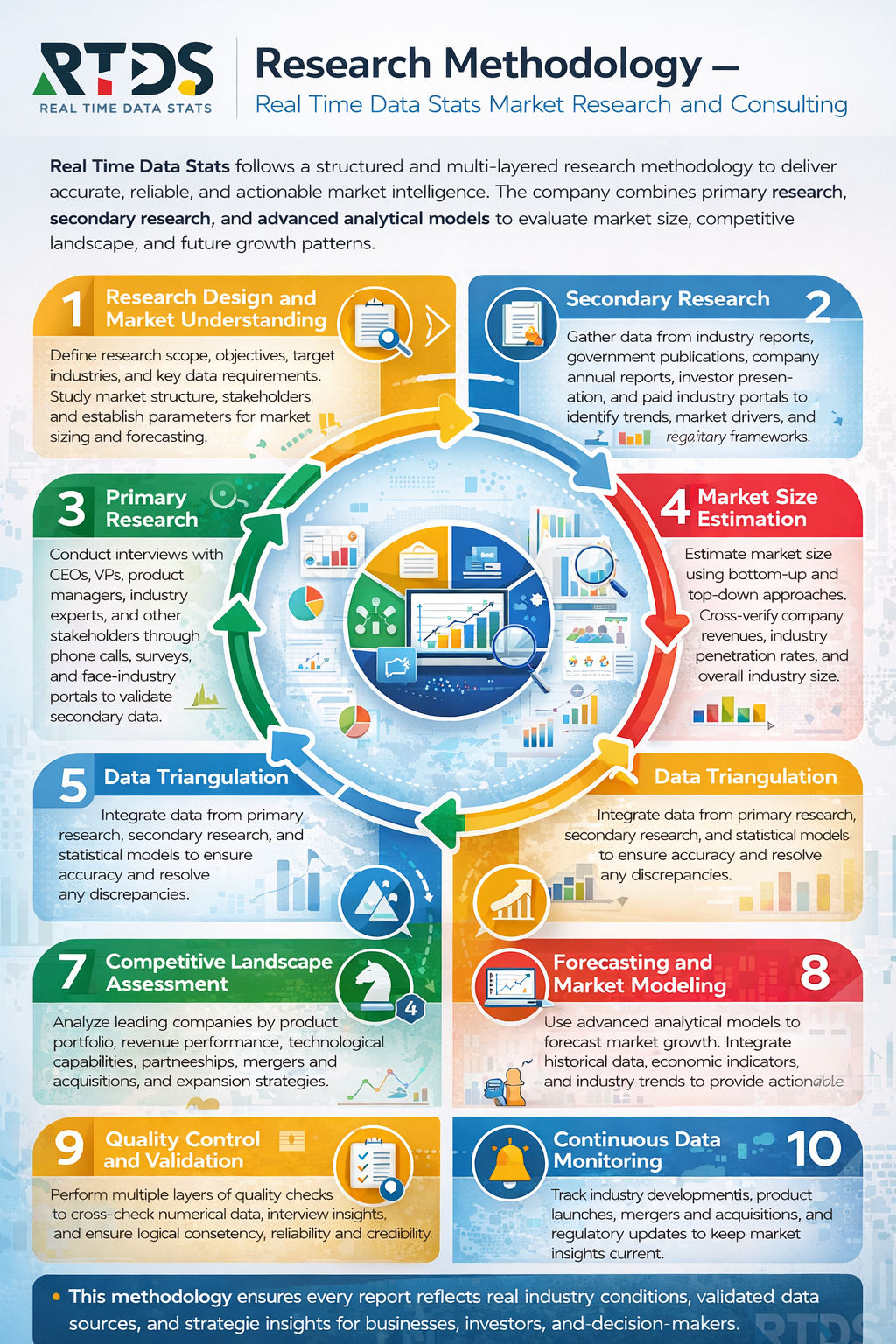
- Research Methodology
- Primary Research
- Secondary Research
- Data Triangulation
- Market Size Estimation
- Forecasting Model
- Validation Framework
Market Dynamics
- Drivers
- Restraints
- Opportunities
- Challenges
- Emerging Trends
Regulatory Impact
- Industry Value Chain Analysis
- Raw Material Suppliers
- Manufacturers
- Distributors
- Service Providers
- End Users
- After-Sales Ecosystem
Pricing Analysis
- Regional Pricing Trends
- Product Pricing Benchmarks
- Cost Structure
- Margin Analysis
- Reimbursement Scenario
- Procurement Models
Technology Landscape
- Minimally Invasive Technologies
- Image-Guided Systems
- Robotic-Assisted Platforms
- AI-Integrated Solutions
- Laser-Based Technologies
- Ultrasound-Based Innovations
Neural Neurovascular Market Segmentation
- By Type
- Embolization Devices
- Stent Systems
- Neurovascular Coils
- Flow Diverters
- Clot Retrieval Devices
- Support Catheters
- By Application
- Ischemic Stroke
- Hemorrhagic Stroke
- Cerebral Aneurysm
- Arteriovenous Malformations
- Carotid Artery Stenosis
- Others
- By End User
- Hospitals
- Ambulatory Surgical Centers
- Specialty Clinics
- Neurosurgery Centers
- Academic & Research Institutes
- Diagnostic Centers
- By Technology
- Minimally Invasive Surgery
- Image-Guided Systems
- Robotic-Assisted Systems
- Laser-Based Systems
- Ultrasound-Based Systems
- AI-Integrated Platforms
- By Material
- Nitinol
- Platinum
- Stainless Steel
- Polymer
- Hybrid Materials
- Bioabsorbable Materials
- By Procedure
- Endovascular Surgery
- Open Surgery
- Coil Embolization
- Stenting Procedures
- Thrombectomy
- Flow Diversion
- By Patient Type
- Adult
- Pediatric
- Geriatric
- High-Risk Patients
- Chronic Patients
- Emergency Cases
- By Distribution Channel
- Direct Sales
- Distributors
- Online Sales
- Hospital Procurement
- Retail Medical Stores
- Third-Party Vendors
- By Disease Indication
- Brain Aneurysm
- Stroke Disorders
- Vascular Malformations
- Tumor-Related Vascular Issues
- Traumatic Brain Injury
- Neurovascular Infections
Regional Market Analysis
- North America Overview
- Europe Overview
- Asia Pacific Overview
- Latin America Overview
- Middle East Overview
- Africa Overview
Competitive Landscape
- Market Share Analysis
- Company Benchmarking
- Strategic Initiatives
- Mergers & Acquisitions
- Product Launches
- Partnerships & Collaborations
Company Profiles
- Business Overview
- Product Portfolio
- Financial Performance
- Geographic Presence
- Recent Developments
- SWOT Analysis
Investment & Opportunity Analysis
- Growth Hotspots
- Investment Trends
- Startup Ecosystem
- Funding Analysis
- Innovation Pipeline
- Risk Assessment
Forecast Analysis
- Revenue Forecast
- Volume Forecast
- Segment Forecast
- Regional Forecast
- Technology Forecast
- Scenario Analysis
Conclusion
- Summary of Market Trends
- Key Drivers and Restraints
- Growth Opportunities
- Technology & Innovation Outlook
- Future Market Forecast
Appendix
- Abbreviations
- Data Sources
- Methodology Notes
- Disclaimer
- Contact Information
- Customization Options
List of Tables
- Table:1: Global Market Size Overview
- Table:2: Market Growth Rate Comparison
- Table:3: Pricing Benchmark by Region
- Table:4: Value Chain Breakdown
- Table:5: Technology Adoption Rates
- Table:6: By Type Revenue Share
- Table:7: By Application Revenue Share
- Table:8: By End User Statistics
- Table:9: By Technology Penetration
- Table:10: By Material Usage Trends
- Table:11: By Procedure Volume Analysis
- Table:12: By Patient Type Distribution
- Table:13: By Distribution Channel Share
- Table:14: By Disease Indication Data
- Table:15: Regional Market Forecast
List of Figures
- Figure:1: Market Overview Diagram
- Figure:2: Growth Trend Graph
- Figure:3: Value Chain Illustration
- Figure:4: Technology Evolution Chart
- Figure:5: Pricing Curve Visualization
- Figure:6: By Type Pie Chart
- Figure:7: By Application Bar Graph
- Figure:8: End User Distribution Map
- Figure:9: Technology Adoption Curve
- Figure:10: Material Composition Chart
- Figure:11: Procedure Flow Diagram
- Figure:12: Patient Demographic Graph
- Figure:13: Distribution Channel Network
- Figure:14: Disease Indication Matrix
- Figure:15: Regional Market Map
Neural Neurovascular Market Key Factors
Drivers:
- The aging global population increases the prevalence of neurovascular diseases.
- Technological advancements continuously improve the safety and efficacy of devices.
- Rising public awareness encourages earlier diagnosis and treatment.
Restraints:
- Stringent regulatory approvals delay product commercialization.
- High procedural and device costs limit market access in developing regions.
- Complications and risks associated with treatments hinder adoption.
Opportunities:
- Emerging economies present significant growth potential for market expansion.
- Development of novel bio-materials creates next-generation devices.
- Growing healthcare investments strengthen treatment infrastructure.
Challenges:
- A shortage of trained neuro-interventionalists restricts procedure volumes.
- Product recalls and liability issues impact market stability.
- Strong competition pressures companies to innovate continuously.
Neural Neurovascular Market Key Regional Trends
North America:
- Surgeons rapidly adopt minimally invasive neurovascular procedures.
- High healthcare expenditure supports advanced therapeutic adoption.
- Consolidation among providers and payers influences market dynamics.
Europe:
- Stringent EU regulations shape device approval and market entry.
- Governments focus on cost-containment measures.
- Aging demographics drive steady demand for neurovascular interventions.
Asia-Pacific:
- Countries like India and China experience rapidly improving healthcare access.
- Medical tourism grows for complex neurological treatments.
- Local manufacturers increase competition with cost-effective products.
Frequently Asked Questions
Key Questions Answered
- What is the size and growth rate of the market industry?
- What are the main drivers influencing market growth trends?
- What are the key challenges and restraints faced by the market?
- What are the emerging trends and opportunities shaping the market?
- Who are the top players, and what strategies drive their success?
- What are the customer demographics and their buying behaviors?
- What are the key market segments, and what is their scope?
- What are the geographical dynamics, and which region dominates?
- What are the market forecasts and projections for the next decade?
- What regulatory factors are critical to consider for market growth?
Why Choose our Company?
- Major facts and stats backing every report we offer.
- Comprehensive analysis tailored to your business needs.
- Accurate insights backed by extensive market research.
- Expert support to address your queries promptly.
- Data-driven strategies for better decision-making.
- In-depth reports with actionable
recommendations. - Reliable statistics from trusted industry
sources. - Customizable reports to suit your specific goals.
- Unmatched quality and precision in market analysis.
- Competitive pricing with premium content delivery.
Share your experience!
We value you feedback. Please take a moment to review your experience with us.