
According to insights from Real Time Data Stats, the Neural Nanorobots Market was valued at USD 128 million in 2025. It is expected to grow from USD 159 million in 2026 to USD 742 million by 2033, registering a CAGR of 24.0% during the forecast period (2026–2033).
MARKET SIZE AND SHARE
The global Neural Nanorobots Market is expanding due to increasing investments in neurological research, targeted drug delivery systems, and advanced nanomedicine technologies. North America currently holds a significant share, supported by strong healthcare infrastructure and ongoing research activities, while Asia-Pacific is expected to gain momentum as innovation and funding for neuroscience projects continue to rise.
Market share remains fragmented, with biotechnology firms, research institutions, and emerging nanotechnology companies actively developing new solutions. The market is expected to become more consolidated as leading players achieve clinical and regulatory milestones. Companies with strong intellectual property portfolios and successful commercialization strategies are likely to secure larger market shares during the forecast period.
INDUSTRY OVERVIEW AND STRATEGY
The neural nanorobots industry represents the convergence of nanotechnology, robotics, and neuroscience, aiming to develop microscopic devices for direct brain interaction. Primary applications include targeted drug delivery for Alzheimer's and Parkinson's, neural repair, and brain-computer interfaces. The industry is in a pre-clinical, research-intensive phase, characterized by high risk but revolutionary potential. Key participants include specialized biotech firms, academic research consortia, and large technology corporations exploring next-generation computing.
Core strategy for market entrants revolves around securing interdisciplinary talent and forming strategic alliances with research institutions. Long-term strategy focuses on navigating complex regulatory pathways for novel neurotherapeutics. Companies are aggressively patenting biomaterials, propulsion mechanisms, and control systems. Success depends on transitioning from proof-of-concept to demonstrated safety and efficacy in human trials, requiring significant, sustained capital investment and a phased approach to commercialization, initially targeting unmet medical needs.
Analyst Key Takeaways:
The Neural Nanorobots Market is emerging as one of the most innovative segments within nanorobotics and neurotechnology, driven by increasing research into brain-computer interfaces, targeted neurological therapies, and advanced neural monitoring systems. Growing interest in precision medicine and the need for more effective treatment approaches for neurodegenerative and central nervous system disorders are accelerating investment and technological development across the sector.
The market is expected to benefit from rapid advancements in nanomaterials, artificial intelligence, and biomedical engineering, enabling greater functionality and accuracy of neural nanorobots. Strategic collaborations among healthcare institutions, research organizations, and technology developers are supporting commercialization efforts, while expanding applications in diagnostics, drug delivery, and neural signal modulation are expected to create significant long-term growth opportunities.
REGIONAL TRENDS AND GROWTH
Regionally, North America leads in research funding and technology patents, driven by strong governmental support from agencies like NIH and DARPA. Europe follows with collaborative frameworks like the Graphene Flagship, emphasizing ethical guidelines. The Asia-Pacific region, particularly Japan and China, is the fastest-growing, investing heavily in national nanotechnology programs. Latin America and MEA show nascent but increasing research activity, focusing on international partnerships to build foundational capabilities.
Primary growth drivers are the rising prevalence of neurological diseases and demand for minimally invasive treatments. Key restraints include immense technical hurdles, lengthy regulatory timelines, and profound ethical concerns. Opportunities lie in leveraging AI for nanorobot control and exploring neuroprosthetic applications. Future challenges are paramount: ensuring absolute biocompatibility, addressing cybersecurity risks for connected neural devices, and establishing global standards for safety and human augmentation ethics, which will crucially influence adoption rates.
NEURAL NANOROBOTS MARKET SEGMENTATION ANALYSIS
BY TYPE:
The neural nanorobots market segmented by type primarily includes diagnostic, therapeutic, surgical, targeted drug delivery, imaging, and biosensing nanorobots. Among these, therapeutic and targeted drug delivery nanorobots are witnessing significant adoption, driven by their precision in delivering drugs directly to affected neural tissues while minimizing systemic side effects. Diagnostic nanorobots are gaining traction due to the increasing demand for early detection of neurodegenerative diseases like Alzheimer’s and Parkinson’s. Surgical nanorobots are increasingly explored for minimally invasive procedures in neurosurgery, where precision and reduced recovery time are crucial. imaging and biosensing nanorobots are also growing in importance as they provide real-time monitoring and high-resolution imaging, enabling better clinical decision-making and personalized treatment plans.
Dominant factors driving growth in this segment include technological advancements in nanoscale engineering, growing investments in R&D, and rising prevalence of neurological disorders globally. Additionally, the increasing integration of artificial intelligence and machine learning in nanorobotics is enhancing the accuracy, adaptability, and autonomous functionality of these devices. Regulatory approvals and clinical trials are acting as both enablers and barriers, with stringent safety requirements shaping the development and adoption pace. The combination of precision, reduced invasiveness, and therapeutic efficiency positions this segment as a key growth driver for the overall neural nanorobots market.
BY APPLICATION:
In terms of application, neural nanorobots are primarily used for cancer treatment, neurodegenerative diseases, cardiovascular disorders, infectious diseases, drug delivery & therapy, and diagnostics & imaging. Cancer treatment and neurodegenerative disorders remain the most prominent applications, as nanorobots offer targeted approaches to complex diseases that conventional therapies struggle to address. Drug delivery applications continue to grow due to their ability to transport therapeutic agents across the blood-brain barrier, a longstanding challenge in neurological therapy. Diagnostic and imaging applications are also expanding rapidly, as real-time monitoring and early detection capabilities are critical for effective treatment of neurological and cardiovascular disorders.
The dominant factors driving this segment include the rising incidence of neurological and chronic diseases worldwide, the unmet need for precise and personalized therapies, and government support for nanotechnology-based medical innovations. Collaborative initiatives between pharmaceutical companies and technology providers are accelerating the adoption of nanorobotics for therapeutic applications. Moreover, advances in molecular engineering, sensor integration, and nano-biocompatible materials are enhancing the efficiency and reliability of neural nanorobots across various medical applications. These factors are collectively fueling the application segment's robust growth in the neural nanorobots market.
BY MATERIAL TYPE:
Material type segmentation encompasses carbon-based, metal-based, polymer-based, lipid-based, hybrid, and biodegradable nanorobots. Carbon-based and polymer-based nanorobots dominate the market due to their high biocompatibility, stability, and functionalization flexibility. Metal-based nanorobots are extensively used for magnetic and imaging applications, benefiting from precise external control and high contrast in diagnostic imaging. Lipid-based and biodegradable nanorobots are gaining attention for drug delivery applications, particularly where safety and minimal cytotoxicity are critical. Hybrid nanorobots, which combine multiple materials to leverage complementary properties, are increasingly favored for multifunctional applications, such as simultaneous imaging and therapy.
Key growth drivers for this segment include material innovation, biocompatibility requirements, and regulatory compliance for safe clinical use. Research on nano-coatings, surface modification, and functionalization techniques is further enhancing the efficiency and selectivity of nanorobots. Moreover, the push for sustainable and biodegradable materials is influencing product design, particularly for drug delivery systems. The choice of material significantly impacts robot stability, payload capacity, and targeting precision, making this segmentation highly critical for market growth and technological differentiation.
BY TECHNOLOGY:
The neural nanorobots market by technology includes DNA/RNA-based, protein-based, magnetic, ultrasound-responsive, light-driven, and chemically-powered nanorobots. DNA/RNA-based and protein-based nanorobots are leading the market due to their programmability and high specificity in targeting cellular structures. Magnetic and ultrasound-responsive nanorobots are gaining traction in non-invasive medical procedures, allowing precise external control and minimal disruption to surrounding tissues. Light-driven nanorobots offer remote activation for targeted therapy, while chemically-powered nanorobots provide autonomous navigation in physiological environments.
Dominant factors include advancements in synthetic biology, nanomaterials, and control mechanisms, which are making these technologies more feasible for clinical applications. Integration with AI for real-time decision-making and navigation further enhances their therapeutic and diagnostic potential. Additionally, funding for innovative nanorobotic technologies, supportive government policies, and increasing patents are driving competition and technology adoption. The diversity of technologies allows for customization across treatment modalities, positioning this segment as a core enabler for market expansion.
BY MECHANISM OF ACTION:
Neural nanorobots operate through targeted drug delivery, molecular surgery, neural signal modulation, biosensing & monitoring, imaging & diagnostics, and regenerative therapy. Targeted drug delivery and neural signal modulation are among the fastest-growing mechanisms, particularly in treating neurodegenerative disorders and brain tumors. Molecular surgery nanorobots are enabling precision operations at the cellular level, minimizing risks and improving outcomes. Biosensing and imaging nanorobots are critical for early diagnosis, treatment monitoring, and personalized therapy, while regenerative therapy applications are exploring the repair of neural tissue using nanorobotic interventions.
Growth in this segment is driven by the demand for minimally invasive, high-precision interventions, advances in neuroengineering, and integration with real-time monitoring technologies. Continuous improvements in robotic control, sensor accuracy, and autonomous navigation enhance the efficacy and safety of these mechanisms. Additionally, increasing clinical studies and positive trial outcomes are reinforcing the market’s confidence in adopting nanorobots for diverse therapeutic mechanisms, establishing this as a pivotal segment for the neural nanorobots market.
BY END USER:
The neural nanorobots market segmented by end user includes hospitals, diagnostic centers, research laboratories, pharmaceutical companies, academic & research institutes, and clinics & specialty care centers. Hospitals and research laboratories currently dominate the adoption due to their need for advanced treatment modalities and clinical trial capabilities. Diagnostic centers are increasingly leveraging nanorobots for early disease detection, particularly in neurodegenerative and cardiovascular disorders. Pharmaceutical companies are integrating nanorobotics into drug development pipelines, focusing on precision drug delivery and therapy monitoring. Academic and research institutes continue to play a pivotal role in technology innovation, material testing, and proof-of-concept studies, fueling advancements that eventually reach clinical settings.
Dominant growth factors include rising healthcare expenditure, technological readiness in advanced care centers, and collaborative partnerships between academia and industry. The increasing prevalence of neurological disorders and demand for personalized treatment is encouraging end users to adopt nanorobotics solutions. Additionally, the regulatory approvals and clinical adoption by leading hospitals are creating a cascading effect that influences other end-user segments. The combination of innovation-driven research and practical clinical application is positioning this segment as a critical market enabler for scaling neural nanorobot deployment globally.
BY FUNCTION:
The market by function includes detection & monitoring, treatment & therapy, drug delivery, surgical assistance, regeneration & repair, and imaging enhancement. Drug delivery and treatment & therapy functions are dominating due to their ability to deliver precise and personalized interventions for complex neurological conditions. Detection & monitoring functions are gaining momentum with the growing demand for early disease diagnosis and continuous health monitoring, while surgical assistance nanorobots are increasingly used in minimally invasive neurosurgeries. Regeneration & repair functions, although nascent, are being explored for neurodegenerative disease management and post-trauma neural tissue recovery. Imaging enhancement nanorobots continue to improve diagnostic accuracy and real-time visualization during treatments.
Dominant factors driving this segment include clinical demand for precision therapy, advancements in robotic design, and integration with biosensors and imaging technologies. The efficiency, accuracy, and minimally invasive nature of functional nanorobots are encouraging healthcare providers to adopt these solutions. Moreover, ongoing research in multifunctional nanorobots, which combine drug delivery, imaging, and monitoring, is expanding the market potential across therapeutic and diagnostic applications. The functional versatility of neural nanorobots is therefore a core factor contributing to the overall market growth.
BY MODE OF ADMINISTRATION:
Segmentation by mode of administration includes intravenous, oral, implantable, topical, inhalation, and intranasal methods. Intravenous administration remains the dominant mode, as it allows direct delivery of nanorobots into the bloodstream for targeted action within neural tissues, especially in treating tumors and neurodegenerative conditions. Implantable and intranasal modes are emerging due to their potential for localized treatment and long-term therapeutic effects. Oral and topical delivery methods are more limited but are being explored for specific drug delivery applications where non-invasive approaches are preferred. Inhalation administration is gaining interest for delivering nanorobots to the central nervous system via the olfactory pathway, bypassing the blood-brain barrier.
The growth of this segment is largely driven by clinical feasibility, patient compliance, and precision delivery requirements. Intravenous and implantable modes benefit from technological innovations in nanorobot mobility, targeting accuracy, and biocompatibility. Regulatory standards for safe administration and rising demand for minimally invasive procedures also influence adoption patterns. The development of new administration technologies ensures broader applicability of neural nanorobots across multiple therapeutic areas, reinforcing this segment’s significance in market expansion.
BY DESIGN:
The market by design includes swarm nanorobots, autonomous nanorobots, semi-autonomous nanorobots, single-cell-targeting nanorobots, multi-targeting nanorobots, and programmable nanorobots. Autonomous and programmable designs dominate the market, offering high precision and flexibility in targeting complex neural structures. Swarm nanorobots are particularly useful in collective therapies and large-scale monitoring, while single-cell-targeting designs provide unparalleled accuracy for cellular-level interventions. Multi-targeting nanorobots expand therapeutic applications by simultaneously addressing multiple affected regions, and semi-autonomous designs offer a balance between human control and automated operation.
Dominant factors include advances in AI and machine learning for autonomous navigation, real-time decision-making, and multi-functional task execution. Programmable nanorobots are attracting significant attention for their ability to adapt to dynamic physiological conditions. Research investments, patent developments, and collaborations between tech and healthcare sectors are driving innovation in design. The continuous evolution of nanorobot architectures ensures enhanced therapeutic outcomes, precision, and safety, making design innovation a major competitive differentiator in the neural nanorobots market.
RECENT DEVELOPMENTS
- In Jan 2024: Bionaut Labs announced a strategic research collaboration with a leading pharmaceutical company to advance its remote-controlled micro-robots for targeted CNS drug delivery, moving beyond preclinical studies.
- In May 2024: Researchers at Max Planck Institute published a breakthrough in Science on magnetically guided nanorobots capable of crossing the blood-brain barrier in animal models, demonstrating precise delivery.
- In Sep 2024: Synchron Inc. received an FDA approval for an expanded clinical trial of its Stentrode neural interface, a step towards more advanced bidirectional neural nanorobot communication systems.
- In Nov 2024: The EU Commission funded the ""NEUROBOTS"" consortium with €25 million to develop ethical frameworks and safety protocols for in vivo medical nanorobots, involving multiple academic and industry partners.
- In Feb 2025: A team from MIT and Harvard unveiled a new DNA-based nanorobot design in Nature Nanotechnology that can logically identify and respond to specific cellular signals in neuronal cultures.
KEY PLAYERS ANALYSIS
- Bionaut Labs
- Synchron Inc.
- Max Planck Institute (Research)
- Massachusetts Institute of Technology (MIT) Research
- Harvard University Wyss Institute
- DNA Script
- Nanobiotix
- Ginkgo Bioworks
- Intel Corporation (Neuromorphic Computing)
- Neuralink (Precision Neuroscience)
- Science Corporation
- Medtronic
- Abbott Laboratories
- Boston Scientific
- Samsung Electronics (Advanced Institute of Technology)
- Sony Corporation
- Google LLC (Alphabet - Verily/DeeMind)
- IBM Research
- Paradromics, Inc.
- Kernel
Neural Nanorobots Market Segmentation Analysis
By Type:
- Diagnostic Nanorobots
- Therapeutic Nanorobots
- Surgical Nanorobots
- Targeted Drug Delivery Nanorobots
- Imaging Nanorobots
- Biosensing Nanorobots
By Application:
- Cancer Treatment
- Neurodegenerative Diseases
- Cardiovascular Disorders
- Infectious Diseases
- Drug Delivery & Therapy
- Diagnostics & Imaging
By Material Type:
- Carbon-based Nanorobots
- Metal-based Nanorobots
- Polymer-based Nanorobots
- Lipid-based Nanorobots
- Hybrid Nanorobots
- Biodegradable Nanorobots
By Technology:
- DNA/RNA-based Nanorobots
- Protein-based Nanorobots
- Magnetic Nanorobots
- Ultrasound-responsive Nanorobots
- Light-driven Nanorobots
- Chemically-powered Nanorobots
By Mechanism of Action:
- Targeted Drug Delivery
- Molecular Surgery
- Neural Signal Modulation
- Biosensing & Monitoring
- Imaging & Diagnostics
- Regenerative Therapy
By End User:
- Hospitals
- Diagnostic Centers
- Research Laboratories
- Pharmaceutical Companies
- Academic & Research Institutes
- Clinics & Specialty Care Centers
By Function:
- Detection & Monitoring
- Treatment & Therapy
- Drug Delivery
- Surgical Assistance
- Regeneration & Repair
- Imaging Enhancement
By Mode of Administration:
- Intravenous
- Oral
- Implantable
- Topical
- Inhalation
- Intranasal
By Design:
- Swarm Nanorobots
- Autonomous Nanorobots
- Semi-autonomous Nanorobots
- Single-cell-targeting Nanorobots
- Multi-targeting Nanorobots
- Programmable Nanorobots
By Geography:
- North America (USA, Canada, Mexico)
- Europe (UK, Germany, France, Italy, Spain, Rest of Europe)
- Asia-Pacific (China, Japan, Australia, South Korea, India, Rest of Asia-Pacific)
- South America (Brazil, Argentina, Rest of South America)
- Middle East and Africa (GCC Countries, South Africa, Rest of MEA)
Neural Nanorobots Market: Table of Contents
Executive Summary
- Market Snapshot
- Key Insights
- Analyst Perspective
- Opportunity Highlights
- Strategic Recommendations
Market Introduction
- Definition and Scope of Neural Nanorobots
- Evolution of Nanorobotics in Neuroscience
- Market Boundaries and Inclusions
- Exclusions and Limitations
- Terminology and Abbreviations
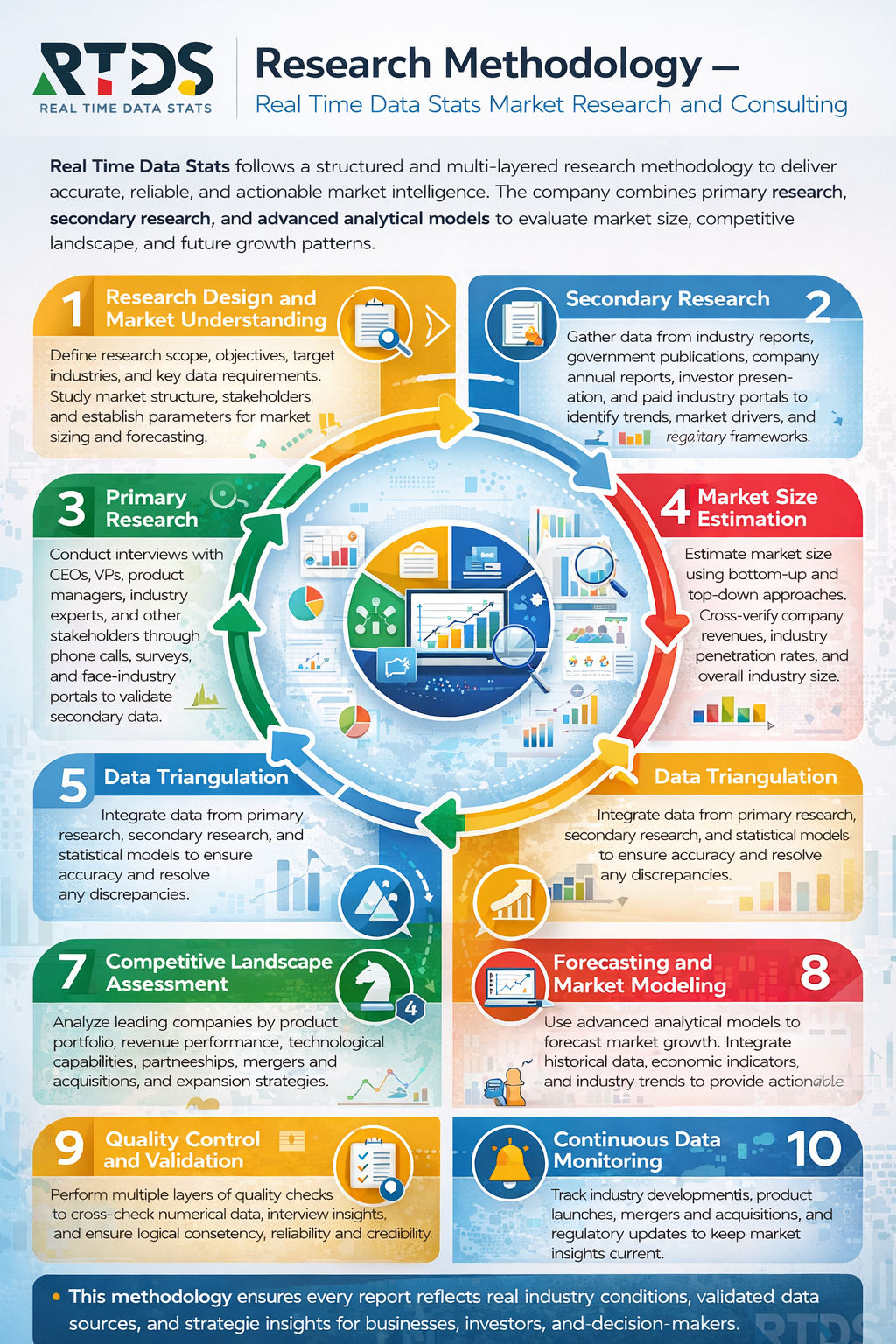
Research Methodology
- Primary Research Approach
- Secondary Research Sources
- Data Validation Techniques
- Forecast Modeling Methods
- Assumptions and Limitations
Market Dynamics
- Market Drivers
- Market Restraints
- Market Opportunities
- Market Challenges
Industry Value Chain Analysis
- Raw Material Suppliers
- Nanotechnology Developers
- Component Manufacturers
- Software & AI Integration Providers
- Healthcare & Research Institutions
Distribution Channels
- End-User Ecosystem
- Regulatory & Compliance Landscape
International Regulations
- Medical Device Approvals
- Nanotechnology Safety Guidelines
- Clinical Trial Standards
- Data Privacy Regulations
- Ethical Governance Frameworks
Neural Nanorobots Market Segmentation Analysis
- By Type:
- Diagnostic Nanorobots
- Therapeutic Nanorobots
- Surgical Nanorobots
- Targeted Drug Delivery Nanorobots
- Imaging Nanorobots
- Biosensing Nanorobots
- By Application:
- Cancer Treatment
- Neurodegenerative Diseases
- Cardiovascular Disorders
- Infectious Diseases
- Drug Delivery & Therapy
- Diagnostics & Imaging
- By Material Type:
- Carbon-based Nanorobots
- Metal-based Nanorobots
- Polymer-based Nanorobots
- Lipid-based Nanorobots
- Hybrid Nanorobots
- Biodegradable Nanorobots
- By Technology:
- DNA/RNA-based Nanorobots
- Protein-based Nanorobots
- Magnetic Nanorobots
- Ultrasound-responsive Nanorobots
- Light-driven Nanorobots
- Chemically-powered Nanorobots
- By Mechanism of Action:
- Targeted Drug Delivery
- Molecular Surgery
- Neural Signal Modulation
- Biosensing & Monitoring
- Imaging & Diagnostics
- Regenerative Therapy
- By End User:
- Hospitals
- Diagnostic Centers
- Research Laboratories
- Pharmaceutical Companies
- Academic & Research Institutes
- Clinics & Specialty Care Centers
- By Function:
- Detection & Monitoring
- Treatment & Therapy
- Drug Delivery
- Surgical Assistance
- Regeneration & Repair
- Imaging Enhancement
- By Mode of Administration:
- Intravenous
- Oral
- Implantable
- Topical
- Inhalation
- Intranasal
- By Design:
- Swarm Nanorobots
- Autonomous Nanorobots
- Semi-autonomous Nanorobots
- Single-cell-targeting Nanorobots
- Multi-targeting Nanorobots
- Programmable Nanorobots
Regional Market Analysis
- North America
- Europe
- Asia Pacific
- Latin America
- Middle East & Africa
Country-Level Insights
- United States
- Canada
- Germany
- United Kingdom
- France
- China
- Japan
- India
- South Korea
- Brazil
- UAE
- South Africa
Competitive Landscape
- Market Share Analysis
- Company Benchmarking
- Strategic Initiatives
- Mergers & Acquisitions
- Partnerships & Collaborations
- Product Launches
- R&D Investments
- Patent Analysis
Company Profiles
- Company Overview
- Financial Performance
- Product Portfolio
- Strategic Developments
- SWOT Analysis
- Regional Presence
Technology Landscape
- AI Integration
- Machine Learning Algorithms
- Bio-Nano Interfaces
- Quantum Nano Computing
- Wireless Nano Communication
- Nano Energy Harvesting
Investment & Funding Analysis
- Venture Capital Trends
- Government Grants
- Private Investments
- Research Funding Programs
- Startup Ecosystem Overview
Future Outlook & Forecast
- Short-Term Outlook
- Mid-Term Forecast
- Long-Term Projections
- Emerging Trends
- Innovation Roadmap
Use Case Scenarios
- Clinical Use Cases
- Military & Defense Use
- Academic Research Simulations
- Personalized Medicine Applications
- Risk Analysis
Technological Risks
- Regulatory Risks
- Financial Risks
- Operational Risks
- Ethical Risks
Conclusion
- Summary of Market Trends
- Key Drivers and Restraints
- Growth Opportunities
- Technology & Innovation Outlook
- Future Market Forecast
Appendix
- Glossary of Terms
- List of Abbreviations
- Research References
- Data Sources
- Methodological Notes
List of Tables
- Table: 1: Global Market Size Overview
- Table: 2: Market Growth Rate Comparison by Region
- Table: 3: Component Segment Revenue Share
- Table: 4: Application Segment Performance
- Table: 5: End-User Adoption Rates
- Table: 6: Regulatory Framework Comparison
- Table: 7: Company Market Share Analysis
- Table: 8: Investment Trends by Year
- Table: 9: R&D Spending by Key Players
- Table: 10: Country-Level Demand Forecast
- Table: 11: Technology Adoption Matrix
- Table: 12: Pricing Structure Analysis
- Table: 13: Patent Filing Statistics
- Table: 14: Risk Assessment Matrix
- Table: 15: Forecast Revenue by Segment
List of Figures
- Figure: 1: Neural Nanorobots Market Overview Diagram
- Figure: 2: Market Growth Trend Graph
- Figure: 3: Value Chain Illustration
- Figure: 4: Regulatory Landscape Map
- Figure: 5: Component Architecture Diagram
- Figure: 6: Application Use-Case Flowchart
- Figure: 7: Regional Market Share Pie Chart
- Figure: 8: Competitive Positioning Matrix
- Figure: 9: Technology Integration Framework
- Figure: 10: Investment Trend Line Graph
- Figure: 11: Innovation Pipeline Illustration
- Figure: 12: Risk Impact Chart
- Figure: 13: Adoption Lifecycle Curve
- Figure: 14: Forecast Projection Graph
- Figure: 15: Ecosystem Interaction Model
Neural Nanorobots Market Key Factors
Drivers:
- Rising neurological disorder prevalence increases demand for advanced treatments.
- Governments and private investors are funding significant research initiatives.
- Breakthroughs in nanotechnology and AI enable more precise neural interfaces.
Restraints:
- Extremely high development costs limit widespread R&D participation.
- Unclear regulatory pathways delay clinical testing and commercialization.
- Public concerns over ethics and safety hinder social acceptance.
Opportunities:
- Expanding applications into neuroprosthetics and cognitive enhancement create new markets.
- Collaborative partnerships between tech firms and biotech companies accelerate innovation.
- Emerging economies with large patient pools offer untapped growth potential.
Challenges:
- Technical hurdles in biocompatibility and precision control within the brain persist.
- A severe shortage of skilled professionals slows project progress.
- Long-term data on efficacy and side effects remains largely unknown.
Neural Nanorobots Market Key Regional Trends
North America:
- Leading in clinical trials due to robust FDA frameworks and high R&D investment.
- Major tech and pharmaceutical companies are forming strategic alliances.
- Ethical debates intensify, focusing on regulation and patient privacy.
Europe:
- Strong public funding supports academic and institutional research consortia.
- Emphasis grows on establishing clear ethical guidelines and GDPR-compliant data handling.
- Focus increases on targeting neurodegenerative diseases like Alzheimer's.
Asia-Pacific:
- Governments actively launch national nanotechnology and brain research initiatives.
- Rising healthcare investments and a large addressable patient base attract market players.
- Manufacturing advancements strengthen the supply chain for nano-components.
Rest of the World:
- Regions are exploring niche research applications through international collaborations.
- High costs primarily limit activities to specialized academic research centers.
- Markets show potential for long-term growth as technology becomes more accessible.
Frequently Asked Questions
Key Questions Answered
- What is the size and growth rate of the market industry?
- What are the main drivers influencing market growth trends?
- What are the key challenges and restraints faced by the market?
- What are the emerging trends and opportunities shaping the market?
- Who are the top players, and what strategies drive their success?
- What are the customer demographics and their buying behaviors?
- What are the key market segments, and what is their scope?
- What are the geographical dynamics, and which region dominates?
- What are the market forecasts and projections for the next decade?
- What regulatory factors are critical to consider for market growth?
Why Choose our Company?
- Major facts and stats backing every report we offer.
- Comprehensive analysis tailored to your business needs.
- Accurate insights backed by extensive market research.
- Expert support to address your queries promptly.
- Data-driven strategies for better decision-making.
- In-depth reports with actionable
recommendations. - Reliable statistics from trusted industry
sources. - Customizable reports to suit your specific goals.
- Unmatched quality and precision in market analysis.
- Competitive pricing with premium content delivery.
Share your experience!
We value you feedback. Please take a moment to review your experience with us.