
According to insights from Real Time Data Stats, the Neural Motor Interfaces Market was valued at USD 0.69 billion in 2025. It is expected to grow from USD 0.80 billion in 2026 to USD 2.34 billion by 2033, registering a CAGR of 16.5% during the forecast period (2026–2033).
MARKET SIZE AND SHARE
The global neural motor interfaces market is experiencing strong growth, driven by the rising prevalence of neurological disorders and continuous technological advancements. Market share is currently dominated by North American companies, while the Asia-Pacific region is expected to gain significant momentum through 2032 due to increasing healthcare investments, expanding research activities, and a large target patient population seeking advanced neurotechnology solutions.
Leading companies are competing aggressively for market share through innovations in both invasive and non-invasive neural interface systems. Invasive brain-computer interfaces currently account for a substantial revenue share because of their high precision in clinical applications such as paralysis treatment and rehabilitation. At the same time, the non-invasive segment, particularly EEG-based devices, is expanding rapidly across consumer, wellness, and gaming applications, influencing future market share distribution across multiple product categories and end-use sectors.
INDUSTRY OVERVIEW AND STRATEGY
The neural motor interfaces industry integrates neuroscience, engineering, and software to create direct communication pathways between the brain and external devices. It serves critical applications in medical therapeutics for restoring motor function, alongside emerging uses in gaming, aerospace, and automotive. The competitive landscape features established medical device firms, dynamic startups, and significant cross-sector investment from technology giants, all driving rapid iteration from research to commercialization.
Core strategies for market leaders involve heavy investment in R&D to enhance system accuracy, miniaturization, and biocompatibility. Strategic partnerships between neurotech companies, academic institutions, and healthcare providers are essential for clinical validation and market access. A dual-focused strategy targeting both high-value clinical applications and scalable consumer neurotechnology is prevalent, aiming to solidify brand authority while exploring vast, untapped commercial markets beyond healthcare.
Analyst Key Takeaways:
The Neural Motor Interfaces market is emerging as one of the most dynamic segments within the broader brain-computer interface ecosystem, driven by growing demand for technologies that enable direct communication between neural signals and external devices. Advances in AI-powered signal decoding, neuroprosthetics, and implantable interface technologies are improving the accuracy and functionality of motor-control applications, expanding their use across healthcare, rehabilitation, and assistive mobility solutions.
Long-term growth is supported by increasing research investments, clinical trials, and collaborations between neurotechnology developers, healthcare providers, and academic institutions. The market is expected to benefit from rising adoption of solutions designed to restore movement and independence for individuals affected by paralysis, spinal cord injuries, stroke, and other neurological disorders, while ongoing technological innovation continues to broaden commercial and therapeutic opportunities.
REGIONAL TRENDS AND GROWTH
North America leads in market revenue, driven by advanced healthcare infrastructure, significant funding for neurotechnology research, and high adoption of novel medical devices. Europe follows, with strong regulatory frameworks and collaborative EU brain research projects. The Asia-Pacific region is the fastest-growing, fueled by increasing healthcare expenditure, a large patient base, and government initiatives supporting technological innovation in countries like China, Japan, and South Korea.
Primary growth drivers include the rising burden of neurological diseases, aging populations, and successful commercial product launches. Key restraints are high device costs, stringent regulatory pathways, and ethical concerns. Opportunities lie in expanding non-medical applications and AI integration. Major challenges involve achieving long-term stability and safety of invasive implants, addressing data privacy issues, and securing widespread reimbursement to ensure patient access across all regions.
NEURAL MOTOR INTERFACES MARKET SEGMENTATION ANALYSIS
BY TYPE:
The Invasive Neural Motor Interfaces segment dominates due to its ability to provide high-resolution neural signals, offering precise control for prosthetics and neurorehabilitation applications. These interfaces are increasingly adopted in advanced healthcare settings, particularly for patients with severe motor impairments, as they enable direct cortical communication. Semi-invasive interfaces are gaining traction due to a lower risk profile compared to fully invasive systems, balancing signal fidelity and safety. Non-invasive neural interfaces hold a significant share due to their ease of use, affordability, and broad acceptance in consumer applications, rehabilitation, and experimental research.
Wearable and implantable neural interfaces are witnessing strong growth driven by technological innovations in miniaturization, biocompatible materials, and real-time signal processing. Hybrid neural interface systems, combining invasive and non-invasive technologies, are emerging as a dominant factor by offering flexible solutions that cater to both high-precision clinical requirements and low-risk, home-based applications. The demand for personalized neurorehabilitation solutions and integration with AI-based signal decoding algorithms further strengthens the adoption of these interface types across medical and research domains.
BY TECHNOLOGY:
Brain-Computer Interfaces (BCI) are leading the market due to their application in neurorehabilitation, prosthetic control, and assistive communication, benefiting from advances in machine learning for real-time signal interpretation. Brain-Machine Interfaces (BMI) are also growing strongly, particularly in clinical settings, as they offer seamless integration with robotic exoskeletons and neuroprosthetic devices. Electromyography-based interfaces dominate in applications involving muscle signal decoding for prosthetics and mobility assistance, leveraging robust sensor networks and low latency.
Electroencephalography-based interfaces benefit from cost-effective, non-invasive adoption, driving growth in home care and research applications. Neural signal decoding systems are becoming central to the market as AI-enabled algorithms improve signal accuracy and responsiveness, directly impacting device efficiency. Neurofeedback-based interfaces are witnessing increased adoption in therapeutic applications, particularly for movement disorders, cognitive rehabilitation, and pain management, where patient engagement and adaptability are critical market drivers.
BY SIGNAL ACQUISITION METHOD:
Intracortical signal acquisition remains dominant in clinical and high-precision applications due to its unparalleled signal fidelity and ability to capture detailed neural activity, particularly in advanced prosthetic control. Electrocorticography (ECoG) is increasingly adopted for semi-invasive interventions, providing a balance of safety and signal quality, making it favorable for neurorehabilitation therapies and research initiatives. Surface EEG acquisition is widely used in consumer-grade and non-clinical applications, owing to affordability, ease of setup, and non-invasiveness.
Peripheral nerve signal acquisition is a critical factor driving prosthetic and exoskeleton integration, enabling naturalistic limb movements. Muscle signal acquisition supports rehabilitation and assistive device control, particularly in stroke and spinal cord injury patients, benefiting from improved electrode technology and wearable form factors. Multimodal signal acquisition, which combines multiple signal sources, is gaining momentum as it enhances accuracy, adaptability, and robustness in complex motor interface applications, making it a key market driver.
BY COMPONENT:
Sensors and electrodes are the backbone of neural motor interfaces, with innovations in biocompatibility, sensitivity, and miniaturization driving market growth. Signal processing units are crucial for decoding neural patterns efficiently, and advancements in real-time computation and low-power designs are reinforcing their dominance. Amplifiers continue to be a major component, enhancing weak neural signals while maintaining fidelity, which is essential for both invasive and non-invasive systems.
Data transmission modules are gaining importance due to the rise of wireless and cloud-connected systems, allowing seamless device integration and remote monitoring. Software and algorithms, particularly AI-powered decoding software, are a significant market driver, improving accuracy, responsiveness, and adaptability across diverse patient needs. Power supply units, optimized for long-term implantable and wearable devices, also play a key role in expanding device usability, reliability, and market adoption.
BY APPLICATION:
Neurorehabilitation dominates the application segment, driven by the growing prevalence of stroke, spinal cord injuries, and neurodegenerative disorders, coupled with increased investment in rehabilitation centers. Prosthetic control remains a major factor due to rising demand for functional restoration in amputees, with advanced neural interfaces enabling more natural movement and feedback. Assistive communication applications, particularly for ALS and paralysis patients, benefit from improved non-invasive interfaces and AI-based decoding solutions.
Motor function restoration is gaining traction as more hospitals and research centers adopt personalized rehabilitation protocols integrating neural motor interfaces. Human-machine interaction applications are expanding in both clinical and industrial settings, enhancing ergonomics, cognitive support, and remote control capabilities. Pain and movement disorder management is another dominant factor, with neurofeedback and neural stimulation technologies helping patients regain motor control and reduce symptoms effectively.
BY END USER:
Hospitals are the primary end users due to high adoption of neural motor interfaces for surgical rehabilitation, prosthetic training, and advanced therapeutic interventions. Rehabilitation centers dominate secondary adoption, focusing on personalized therapy, outpatient care, and long-term patient management. Research institutes and academic institutions are driving innovation, supporting new interface technologies, AI integration, and clinical trials, thereby influencing market trends.
Home care settings are emerging as an important end user segment due to non-invasive devices that enable remote rehabilitation, monitoring, and patient independence. Military and defense organizations contribute to market growth by investing in neuroprosthetics, exoskeletons, and advanced human-machine interaction systems for enhanced soldier performance and recovery. Increasing awareness, government support, and collaborations among healthcare and research organizations further amplify market penetration across these end users.
BY INDICATION:
Spinal cord injury remains the largest driver, as neural motor interfaces provide critical solutions for mobility restoration and neurorehabilitation. Stroke rehabilitation follows closely, with growing demand for brain-computer and peripheral nerve interfaces enabling patient recovery. Parkinson’s disease management is supported by interfaces that monitor and regulate motor symptoms, aiding both patients and clinicians in therapy optimization.
Amyotrophic Lateral Sclerosis (ALS) adoption is growing due to the use of assistive communication devices, improving patient quality of life. Traumatic brain injury patients benefit from neural motor interfaces for cognitive and motor rehabilitation, with research-backed interventions driving adoption. Cerebral palsy applications are expanding, particularly in pediatric care, due to wearable and non-invasive solutions facilitating daily life improvements and motor skill development.
BY INTERFACE OUTPUT:
Robotic limb control leads the segment due to its integration with advanced prosthetics, offering precise movement, sensory feedback, and high patient satisfaction. Exoskeleton control is expanding rapidly in rehabilitation and industrial applications, supported by AI-driven motion decoding. Computer and cursor control applications are gaining prominence in assistive communication and accessibility technologies, particularly for patients with severe motor impairments.
Wheelchair control is a growing factor, enhancing patient mobility with intuitive neural input. Speech and text output are becoming critical in ALS and paralysis management, enabling functional communication through neural decoding. Virtual reality control is an emerging output application, combining neurorehabilitation, human-machine interaction, and gaming therapy, leveraging immersive environments to enhance neural plasticity and motor recovery.
BY CONNECTIVITY:
Wired interfaces dominate clinical adoption due to reliability, high signal integrity, and compatibility with invasive devices. Wireless interfaces are growing rapidly, driven by patient comfort, mobility, and remote monitoring capabilities. Bluetooth-enabled systems are widely adopted in consumer-grade rehabilitation and assistive devices, supporting low-power, short-range communication.
Cloud-connected systems are increasingly important for data storage, analysis, and integration with AI algorithms, enabling predictive therapy adjustments. Edge computing-based systems are emerging to process neural data in real-time, enhancing responsiveness and reducing latency in critical applications. IoT-enabled neural interfaces are gaining traction as healthcare and rehabilitation systems adopt connected ecosystems for patient monitoring, data collection, and device interoperability.
RECENT DEVELOPMENTS
- In Jan 2024: Neuralink successfully implanted its ""Telepathy"" N1 device in a human patient, aiming to enable control of digital devices through thought, marking a major milestone for the invasive BMI field.
- In Mar 2024: Synchron received FDA approval to enroll in its COMMAND study pivotal trial, expanding patient access to its Stentrode™, a minimally invasive BCI implanted via blood vessels.
- In Jul 2024: Blackrock Neurotech partnered with a major university hospital to launch Next-Gen NeuroPort system clinical trials, focusing on restoring mobility and communication for paralyzed patients.
- In Nov 2024: Precision Neuroscience set a record by testing its Layer 7 Cortical Interface, featuring over 1,000 microelectrodes, during brain surgery, demonstrating high-resolution neural data collection.
- In Feb 2025: Paradromics commenced first-in-human trials of its Connexus Direct Data Interface, designed for ultra-high-bandwidth neural data transmission, targeting applications in speech and motor restoration.
KEY PLAYERS ANALYSIS
- Neuralink (Part of Elon Musk's Portfolio)
- Synchron Inc.
- Blackrock Neurotech
- Precision Neuroscience
- Paradromics
- Meta Platforms Inc. (Reality Labs Research)
- Kernel
- Cognixion
- CTRL-Labs (Reality Labs at Meta)
- Neurable
- BrainCo
- EMOTIV
- NeuroSky
- Medtronic plc
- Abbott Laboratories
- Boston Scientific Corporation
- Cochlear Limited
- MindMaze
- NeuroPace
- CorTec GmbH
Neural Motor Interfaces Market Segmentation Analysis
By Type:
- Invasive Neural Motor Interfaces
- Semi-Invasive Neural Motor Interfaces
- Non-Invasive Neural Motor Interfaces
- Wearable Neural Interfaces
- Implantable Neural Interfaces
- Hybrid Neural Interface Systems
By Technology:
- Brain-Computer Interface (BCI)
- Brain-Machine Interface (BMI)
- Electromyography-Based Interfaces
- Electroencephalography-Based Interfaces
- Neural Signal Decoding Systems
- Neurofeedback-Based Interfaces
By Signal Acquisition Method:
- Intracortical Signal Acquisition
- Electrocorticography (ECoG)
- Surface EEG Acquisition
- Peripheral Nerve Signal Acquisition
- Muscle Signal Acquisition
- Multimodal Signal Acquisition
By Component:
- Sensors and Electrodes
- Signal Processing Units
- Amplifiers
- Data Transmission Modules
- Software and Algorithms
- Power Supply Units
By Application:
- Neurorehabilitation
- Prosthetic Control
- Assistive Communication
- Motor Function Restoration
- Human-Machine Interaction
- Pain and Movement Disorder Management
By End User:
- Hospitals
- Rehabilitation Centers
- Research Institutes
- Academic Institutions
- Home Care Settings
- Military and Defense Organizations
By Indication:
- Spinal Cord Injury
- Stroke
- Parkinson’s Disease
- Amyotrophic Lateral Sclerosis (ALS)
- Traumatic Brain Injury
- Cerebral Palsy
By Interface Output:
- Robotic Limb Control
- Exoskeleton Control
- Computer and Cursor Control
- Wheelchair Control
- Speech and Text Output
- Virtual Reality Control
By Connectivity:
- Wired Interfaces
- Wireless Interfaces
- Bluetooth-Enabled Systems
- Cloud-Connected Systems
- Edge Computing-Based Systems
- IoT-Enabled Neural Interfaces
By Geography:
- North America (USA, Canada, Mexico)
- Europe (UK, Germany, France, Italy, Spain, Rest of Europe)
- Asia-Pacific (China, Japan, Australia, South Korea, India, Rest of Asia-Pacific)
- South America (Brazil, Argentina, Rest of South America)
- Middle East and Africa (GCC Countries, South Africa, Rest of MEA)
Neural Motor Interfaces Market: Table of Contents
Executive Summary
- Market Introduction
- Market Definition
- Market Scope
- Research Methodology
- Assumptions and Limitations
Market Dynamics
- Drivers
- Restraints
- Opportunities
- Challenges
- Market Trends Analysis
- Industry Value Chain Analysis
- Ecosystem Analysis
Regulatory Landscape
- Technology Landscape
- Pricing Analysis
- Patent Analysis
- Investment & Funding Analysis
Competitive Landscape
- Market Share Analysis
- Company Benchmarking
- Strategic Developments
- Mergers & Acquisitions
- Partnerships & Collaborations
- Product Launches
Neural Motor Interfaces Market Segmentation
- By Type:
- Invasive Neural Motor Interfaces
- Semi-Invasive Neural Motor Interfaces
- Non-Invasive Neural Motor Interfaces
- Wearable Neural Interfaces
- Implantable Neural Interfaces
- Hybrid Neural Interface Systems
- By Technology:
- Brain-Computer Interface (BCI)
- Brain-Machine Interface (BMI)
- Electromyography-Based Interfaces
- Electroencephalography-Based Interfaces
- Neural Signal Decoding Systems
- Neurofeedback-Based Interfaces
- By Signal Acquisition Method:
- Intracortical Signal Acquisition
- Electrocorticography (ECoG)
- Surface EEG Acquisition
- Peripheral Nerve Signal Acquisition
- Muscle Signal Acquisition
- Multimodal Signal Acquisition
- By Component:
- Sensors and Electrodes
- Signal Processing Units
- Amplifiers
- Data Transmission Modules
- Software and Algorithms
- Power Supply Units
- By Application:
- Neurorehabilitation
- Prosthetic Control
- Assistive Communication
- Motor Function Restoration
- Human-Machine Interaction
- Pain and Movement Disorder Management
- By End User:
- Hospitals
- Rehabilitation Centers
- Research Institutes
- Academic Institutions
- Home Care Settings
- Military and Defense Organizations
- By Indication:
- Spinal Cord Injury
- Stroke
- Parkinson’s Disease
- Amyotrophic Lateral Sclerosis (ALS)
- Traumatic Brain Injury
- Cerebral Palsy
- By Interface Output:
- Robotic Limb Control
- Exoskeleton Control
- Computer and Cursor Control
- Wheelchair Control
- Speech and Text Output
- Virtual Reality Control
- By Connectivity:
- Wired Interfaces
- Wireless Interfaces
- Bluetooth-Enabled Systems
- Cloud-Connected Systems
- Edge Computing-Based Systems
- IoT-Enabled Neural Interfaces
Regional Analysis
- North America
- Europe
- Asia Pacific
- Latin America
- Middle East & Africa
- Country-Level Analysis
- Market Forecast Analysis
- Future Outlook
Conclusion
- Summary of Market Trends
- Key Drivers and Restraints
- Growth Opportunities
- Technology & Innovation Outlook
- Future Market Forecast
Appendix
- Abbreviations
- Sources & References
- Methodology Notes
- Disclaimer
List of Tables
- Table:1: Global Market Size Overview
- Table:2: Market Dynamics Summary
- Table:3: Technology Comparison Matrix
- Table:4: Regulatory Framework by Region
- Table:5: Pricing Trend Analysis
- Table:6: Value Chain Breakdown
- Table:7: Ecosystem Participants
- Table:8: Investment Flow Analysis
- Table:9: Competitive Benchmarking
- Table:10: Market Share by Company
- Table:11: Segmentation by Type Revenue
- Table:12: Segmentation by Application Revenue
- Table:13: Regional Market Forecast
- Table:14: Country-Level Forecast
- Table:15: Future Opportunity Mapping
List of Figures
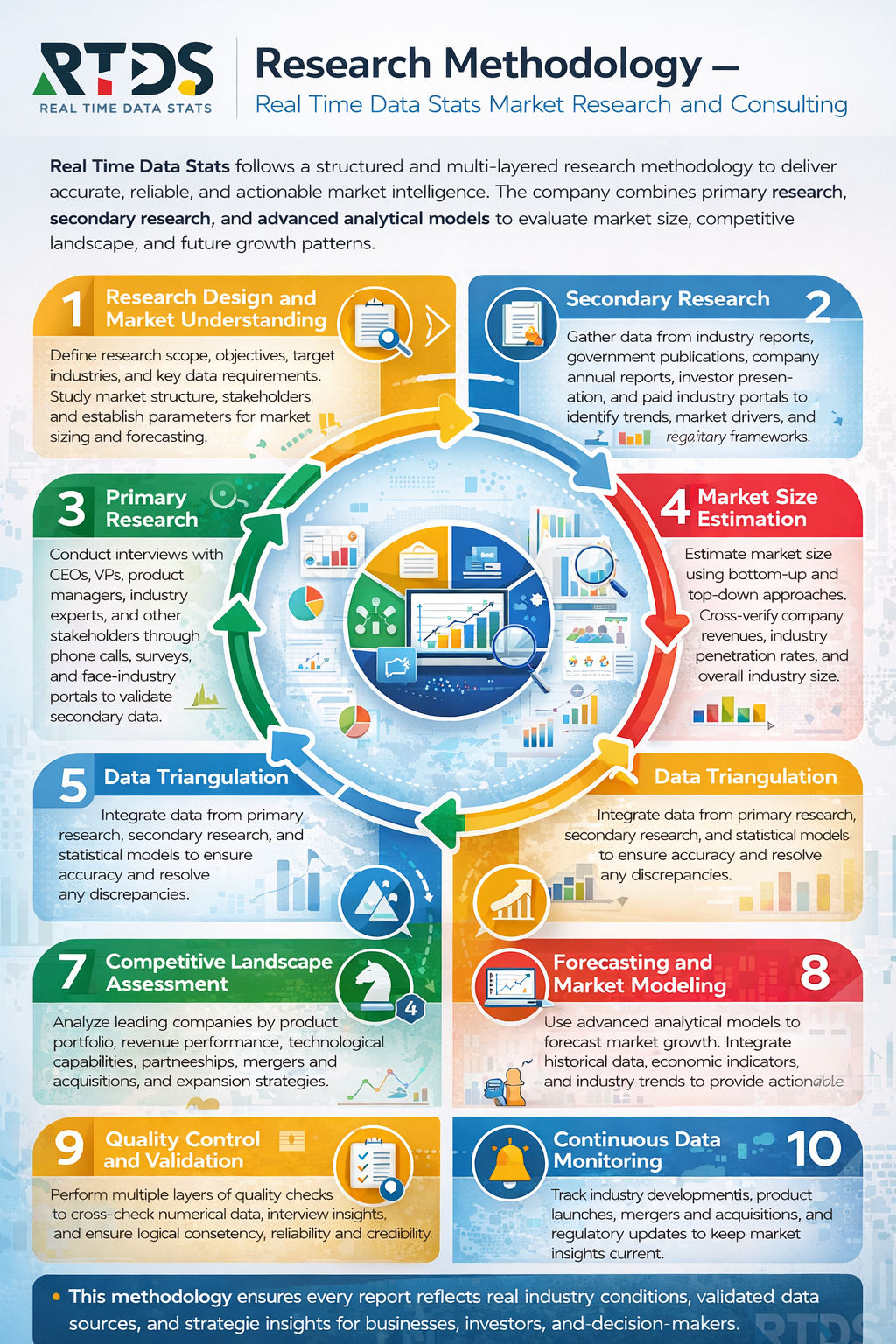
- Figure:1: Market Research Framework
- Figure:2: Market Growth Trend
- Figure:3: Industry Value Chain Diagram
- Figure:4: Technology Evolution Map
- Figure:5: Competitive Landscape Grid
- Figure:6: Segmentation Overview Chart
- Figure:7: Type Segment Share
- Figure:8: Application Segment Share
- Figure:9: Regional Market Distribution
- Figure:10: Investment Trend Graph
- Figure:11: Patent Filing Trend
- Figure:12: Innovation Pipeline
- Figure:13: Adoption Curve
- Figure:14: Forecast Projection Graph
- Figure:15: Opportunity Heat Map
Neural Motor Interfaces Market Key Factors
Drivers:
- Increasing adoption assists patients with paralysis and neurodegenerative diseases.
- Rising investment from defense agencies accelerates neurotechnology research.
- Expanding non-invasive applications in gaming and VR broaden the consumer market.
Restraints:
- High device and surgical costs limit widespread clinical adoption.
- Stringent regulatory approval processes lengthen time-to-market.
- Potential long-term biocompatibility issues raise safety concerns.
Opportunities:
- Emerging brain-computer interface (BCI) applications create new rehabilitation paradigms.
- Advancements in AI and machine learning enhance neural data interpretation.
- Miniaturization of implantable devices enables less invasive procedures.
Challenges:
- Achieving high-fidelity, long-term signal stability remains technically difficult.
- Addressing ethical concerns and data privacy requires robust frameworks.
- Shortage of specialized multidisciplinary talent slows development cycles.
Neural Motor Interfaces Market Key Regional Trends
North America:
- Strong venture capital funding fuels startup innovation and R&D.
- Collaborative projects between tech giants and research institutes are increasing.
- Regulatory agencies are actively developing adaptive approval pathways.
Europe:
- Stringent GDPR rules are shaping data privacy and ethics standards.
- Public grants are focusing heavily on restorative healthcare applications.
- Cross-border academic consortia are driving collaborative clinical trials.
Asia-Pacific:
- Governments are prioritizing neurotechnology in national research initiatives.
- Local manufacturers are rapidly reducing costs for non-invasive systems.
- Growing medical patient pools are driving demand for rehabilitation solutions.
Frequently Asked Questions
Key Questions Answered
- What is the size and growth rate of the market industry?
- What are the main drivers influencing market growth trends?
- What are the key challenges and restraints faced by the market?
- What are the emerging trends and opportunities shaping the market?
- Who are the top players, and what strategies drive their success?
- What are the customer demographics and their buying behaviors?
- What are the key market segments, and what is their scope?
- What are the geographical dynamics, and which region dominates?
- What are the market forecasts and projections for the next decade?
- What regulatory factors are critical to consider for market growth?
Why Choose our Company?
- Major facts and stats backing every report we offer.
- Comprehensive analysis tailored to your business needs.
- Accurate insights backed by extensive market research.
- Expert support to address your queries promptly.
- Data-driven strategies for better decision-making.
- In-depth reports with actionable
recommendations. - Reliable statistics from trusted industry
sources. - Customizable reports to suit your specific goals.
- Unmatched quality and precision in market analysis.
- Competitive pricing with premium content delivery.
Share your experience!
We value you feedback. Please take a moment to review your experience with us.