
According to insights from Real Time Data Stats, The Global Neural Memory Engineering Market was valued at USD 4.15 billion in 2025. It is expected to grow from USD 4.95 billion in 2026 to USD 15.62 billion by 2033, registering a CAGR of 17.8% during the forecast period (2026–2033).
MARKET SIZE AND SHARE
The global Neural Memory Engineering Market is expected to witness rapid growth, driven by increasing investments in neurotechnology research, advancements in brain-computer interfaces, and the rising prevalence of neurological disorders. Companies developing non-invasive neural technologies, memory enhancement systems, and cognitive augmentation solutions are expected to capture a significant share of the evolving market.
Market share is likely to remain concentrated among leading biotechnology companies and innovative startups with strong intellectual property portfolios in memory encoding and neural interface technologies. Competition will intensify as organizations expand therapeutic applications for Alzheimer's disease, PTSD, and other cognitive disorders, while strategic partnerships, acquisitions, and continuous innovation reshape the competitive landscape throughout the forecast period.
INDUSTRY OVERVIEW AND STRATEGY
The Neural Memory Engineering industry represents a revolutionary convergence of neuroscience, artificial intelligence, and bioengineering, aimed at directly interfacing with and enhancing human memory circuits. Core activities include developing implants, neuroprosthetics, and stimulation protocols to treat memory impairments and potentially augment cognitive capacity. The industry is driven by profound unmet medical needs and a vision for next-generation human-computer symbiosis, though it navigates complex ethical and regulatory landscapes.
Primary competitive strategies involve heavy investment in proprietary neuro-modulation techniques and collaborative research with academic institutions. Key players are pursuing dual-path approaches: securing regulatory approval for medical devices while exploring consumer neurotechnology applications. Success hinges on robust clinical validation, strategic patent portfolios, and building public trust. The overarching strategy is to establish technological standards and dominate specific application verticals early.
Analyst Key Takeaways:
Neural memory engineering is emerging as a strategic technology area driven by rapid advances in neuromorphic computing, AI accelerators, in-memory computing, and next-generation memory architectures. Growing demand for low-latency processing, energy-efficient computing, and brain-inspired intelligence is accelerating research and commercial development across semiconductor, cloud, and edge AI applications.
The market is expected to benefit from increasing investments in cognitive computing, advanced semiconductor fabrication, and AI hardware innovation. Collaboration between chip manufacturers, research institutions, and technology companies is supporting the development of scalable neural memory solutions, while expanding adoption in autonomous systems, robotics, healthcare, and high-performance computing continues to strengthen long-term growth prospects.
REGIONAL TRENDS AND GROWTH
North America holds the largest market share, driven by substantial government and private funding, a concentration of leading tech firms, and a progressive regulatory framework for breakthrough devices. Europe follows, with strong biomedical research initiatives and ethical guidelines shaping development. The Asia-Pacific region is anticipated to be the fastest-growing, fueled by significant healthcare investments, rising neurological disease burden, and accelerating biotechnology sectors in China, Japan, and South Korea.
Key growth drivers include aging populations, increasing acceptance of bioelectronics, and AI advancements. Major restraints are high costs, stringent regulations, and ethical concerns over cognitive enhancement. Opportunities lie in minimally invasive technologies and personalized neurotherapy. Significant challenges involve long development cycles, securing durable clinical evidence, and addressing profound ethical questions regarding memory privacy and identity, which could impact public adoption and regulatory pathways globally.
NEURAL MEMORY ENGINEERING MARKET SEGMENTATION ANALYSIS
BY TYPE:
Biological neural memory engineering leads due to its direct interaction with living neural tissue, enabling precise modulation of natural memory pathways. Artificial neural memory systems grow rapidly as AI-driven architectures mimic cognitive storage and recall processes with scalability and computational speed. Hybrid bio-digital memory systems gain momentum because they combine biological adaptability with digital processing power, improving accuracy and long-term stability. Molecular memory engineering advances through protein-level and synaptic receptor manipulation, driven by breakthroughs in cellular neuroscience. Synaptic plasticity engineering remains central as long-term potentiation and depression mechanisms form the biological foundation of memory modification. Neuroprosthetic memory systems expand strongly due to clinical demand for implantable devices restoring lost cognitive function.
Investment flows primarily toward technologies that balance biological compatibility with computational precision. Systems capable of long-term neural integration attract funding because they promise durable therapeutic outcomes. Demand also rises for minimally invasive approaches that can modify memory pathways without major surgery. Cross-disciplinary convergence between neuroscience, bioengineering, and AI accelerates innovation cycles. Regulatory interest focuses heavily on safety and reversibility, influencing which memory engineering types move fastest toward clinical adoption.
BY COMPONENT:
Memory encoding modules dominate because accurate input of neural information determines overall system effectiveness. Memory storage interfaces grow in importance as long-term retention and stability become key for therapeutic and enhancement use cases. neural signal processors are critical due to their role in translating biological signals into interpretable digital patterns. Brain–computer interface units expand rapidly with improvements in signal fidelity and wireless communication. Neurostimulation devices hold a large share since electrical and optical stimulation remain primary tools for altering neural circuits. Memory retrieval algorithms gain traction as decoding stored neural data becomes essential for practical application.
Component development centers on precision, latency reduction, and biocompatibility. Hardware miniaturization drives adoption of implantable and wearable formats. Software layers, especially AI-based decoding systems, differentiate competitive offerings. Integration capability between components influences system performance more than individual hardware advances. Companies prioritizing closed-loop systems with real-time feedback gain technological advantage. Safety monitoring components also emerge as key due to strict neuroethical oversight.
BY TECHNOLOGY:
Optogenetics stands out because it allows cell-specific control of memory circuits using light-sensitive proteins. Neuropharmacology engineering remains dominant in therapeutic contexts where chemical modulation supports memory enhancement or suppression. AI-driven neural modeling accelerates development by predicting neural behavior and optimizing intervention strategies. Electrophysiological stimulation continues to lead clinically due to established use in neuromodulation therapies. Nanoneural interfaces expand because nanoscale electrodes and sensors improve signal resolution while reducing tissue damage. CRISPR-based neural editing grows steadily with advances in gene-level memory pathway modification.
Technological dominance depends on precision, reversibility, and scalability. Non-invasive or minimally invasive technologies attract greater funding and faster regulatory pathways. AI integration enhances all other technologies by improving targeting accuracy and personalization. Hybrid approaches combining stimulation, genetic tools, and computational modeling show the strongest performance gains. Research institutions drive early-stage innovation, while medical device firms focus on commercialization of mature platforms.
BY APPLICATION:
Neurodegenerative disease treatment leads the market due to urgent unmet medical needs in Alzheimer’s and related disorders. Cognitive enhancement grows rapidly in both clinical and consumer-driven research segments. Trauma memory modulation gains attention for PTSD and anxiety disorder management. Learning acceleration applications expand through defense and advanced education research programs. Memory restoration therapies remain central for patients with injury-related cognitive loss. Brain injury rehabilitation drives demand for neuroprosthetic and stimulation-based solutions.
Applications with clear therapeutic outcomes attract faster approvals and funding. Enhancement-focused uses grow in private research but face regulatory and ethical constraints. Personalized treatment models increase adoption across clinical applications. Long-term efficacy and safety data heavily influence market penetration. Collaborations between hospitals and technology developers speed translational progress. insurance coverage potential also shapes which applications scale commercially.
BY END USER:
Hospitals dominate due to their role in clinical trials, neurosurgical procedures, and therapeutic deployment. Neuroscience research institutes lead in early innovation and experimental validation. Biotechnology companies focus on molecular and genetic engineering solutions. Pharmaceutical companies invest in neurochemical memory modulation platforms. Defense research organizations fund cognitive resilience and enhancement technologies. Academic institutions support foundational discoveries and workforce development.
End-user dominance depends on funding capacity, infrastructure, and regulatory clearance. Clinical environments drive adoption of implantable and stimulation technologies. Commercial entities focus on scalable, patentable innovations. Defense and government bodies often fund high-risk, high-reward research. Cross-institutional partnerships accelerate commercialization timelines. Training and expertise availability also determine technology deployment success.
BY DEPLOYMENT MODE:
Implantable systems lead because they provide continuous and precise neural interaction. Wearable neuro devices expand with non-invasive stimulation and monitoring capabilities. External neural interface systems grow due to ease of testing and temporary therapeutic use. Cloud-connected neural platforms gain relevance as data analytics and AI optimization require remote processing. Portable memory modulation units support field and home-based therapy models. Lab-based engineering systems remain essential for research and customization.
Deployment trends favor minimally invasive and user-friendly formats. Remote connectivity enhances performance monitoring and algorithm updates. Implantable devices face stricter regulation but deliver superior therapeutic outcomes. Wearables benefit from consumer tech miniaturization trends. Data security becomes a major factor for connected systems. Hybrid deployment combining implantables with cloud analytics shows strongest long-term growth.
BY MEMORY TYPE TARGETED:
Long-term memory dominates because it is most affected in neurodegenerative diseases. Working memory gains importance in cognitive enhancement and learning optimization. Episodic memory targeting grows in trauma and PTSD treatments. Semantic memory engineering supports language and knowledge retention therapies. Procedural memory applications expand in motor rehabilitation. Short-term memory research supports attention disorder treatments.
Dominant factors include clinical relevance and measurability of improvement. Long-term memory interventions attract more funding due to aging populations. Cognitive performance markets push demand for working and procedural memory solutions. Ethical considerations influence research on episodic memory modification. Personalized mapping of memory types enhances treatment effectiveness. Multi-memory-target systems become more common.
BY AGE GROUP:
Geriatric populations dominate due to high prevalence of memory-related disorders. Adults form a major segment in both therapeutic and enhancement applications. Pediatric applications grow cautiously with strict ethical oversight. Adolescents represent a research-focused segment in learning and trauma studies. Middle-aged users drive early intervention and preventive therapies. Patients with age-related cognitive decline remain a primary clinical focus.
Aging demographics are the strongest growth driver across regions. Preventive cognitive health solutions increase interest among middle-aged groups. Pediatric and adolescent use faces tighter regulation and slower adoption. Clinical validation requirements vary by age group. Insurance and healthcare policy influence adoption rates. Demographic shifts ensure long-term market expansion.
BY THERAPEUTIC AREA:
Alzheimer’s disease leads due to large patient populations and urgent treatment gaps. Parkinson’s disease memory interventions grow with advances in neuromodulation. PTSD applications expand through trauma memory modulation research. Stroke recovery drives demand for memory restoration technologies. Epilepsy-related memory loss creates opportunities for targeted neural stabilization. Traumatic brain injury treatments support neuroprosthetic system adoption.
Therapeutic dominance depends on disease prevalence and treatment effectiveness. Neurodegenerative conditions receive the highest funding and research attention. Trauma-related therapies benefit from defense and veteran healthcare programs. Rehabilitation-focused treatments gain support from public health systems. Regulatory pathways are clearer for medical therapies than enhancement uses. Long-term clinical data remains the key factor shaping market leadership.
RECENT DEVELOPMENTS
- In Jan 2024: Synchron Inc. commenced first-in-human trial for its Stentrode™ device, exploring real-time neural data recording to decode memory-related signals, marking a significant step toward memory prosthetics.
- In Jun 2024: Kernel and UCSF published breakthrough research on using non-invasive brain flow data to predict memory performance, enhancing the pathway for non-implantable memory technology development.
- In Sep 2024: Blackrock Neurotech unveiled its next-generation neural interface, ""NeuroPort,"" with increased electrode density specifically designed for higher-fidelity recording of hippocampal memory formations.
- In Feb 2025: The BCI company Precision Neuroscience reported successful early-stage results from its Layer 7 Cortical Interface in mapping episodic memory patterns, aiming for future restoration applications.
- In Apr 2025: Neuralink received conditional FDA approval to initiate a new clinical study focusing on its N1 implant's potential to mitigate severe memory deficits in patients with traumatic brain injury.
KEY PLAYERS ANALYSIS
- Neuralink
- Synchron Inc.
- Blackrock Neurotech
- Kernel
- Precision Neuroscience
- Paradromics
- MindMaze
- NeuroPace
- BrainCo
- Cognixion
- NextMind (Acquired by Snap Inc.)
- Emotiv
- CTRL-Labs (Meta)
- NeuroOne Medical Technologies
- Medtronic (Neuromodulation)
- Boston Scientific (Neuromodulation)
- Abbott Laboratories (Neuromodulation)
- DARPA (Biological Technologies Office)
- Facebook Reality Labs (Meta)
- Google DeepMind
Neural Memory Engineering Market Segmentation Analysis
By Type:
- Biological Neural Memory Engineering
- Artificial Neural Memory Systems
- Hybrid Bio-Digital Memory Systems
- Molecular Memory Engineering
- Synaptic Plasticity Engineering
- Neuroprosthetic Memory Systems
By Component:
- Memory Encoding Modules
- Memory Storage Interfaces
- Neural Signal Processors
- Brain–Computer Interface Units
- Neurostimulation Devices
- Memory Retrieval Algorithms
By Technology:
- Optogenetics
- Neuropharmacology Engineering
- AI-Driven Neural Modeling
- Electrophysiological Stimulation
- Nanoneural Interfaces
- CRISPR-Based Neural Editing
By Application:
- Neurodegenerative Disease Treatment
- Cognitive Enhancement
- Trauma Memory Modulation
- Learning Acceleration
- Memory Restoration Therapies
- Brain Injury Rehabilitation
By End User:
- Hospitals
- Neuroscience Research Institutes
- Biotechnology Companies
- Pharmaceutical Companies
- Defense Research Organizations
- Academic Institutions
By Deployment Mode:
- Implantable Systems
- Wearable Neuro Devices
- External Neural Interface Systems
- Cloud-Connected Neural Platforms
- Portable Memory Modulation Units
- Lab-Based Engineering Systems
By Memory Type Targeted:
- Short-Term Memory
- Long-Term Memory
- Episodic Memory
- Semantic Memory
- Procedural Memory
- Working Memory
By Age Group:
- Pediatric
- Adult
- Geriatric
- Adolescent
- Middle-Aged
- Age-Related Cognitive Decline Patients
By Therapeutic Area:
- Alzheimer’s Disease
- Parkinson’s Disease
- PTSD
- Stroke Recovery
- Epilepsy-Related Memory Loss
- Traumatic Brain Injury
By Geography:
- North America (USA, Canada, Mexico)
- Europe (UK, Germany, France, Italy, Spain, Rest of Europe)
- Asia-Pacific (China, Japan, Australia, South Korea, India, Rest of Asia-Pacific)
- South America (Brazil, Argentina, Rest of South America)
- Middle East and Africa (GCC Countries, South Africa, Rest of MEA)
Neural Memory Engineering Market: Table of Contents
Executive Summary
- Market Snapshot
- Key Findings
- Strategic Highlights
- Emerging Opportunities
- Risk Factors
Introduction
- Study Objectives
- Market Definition
- Scope of the Study
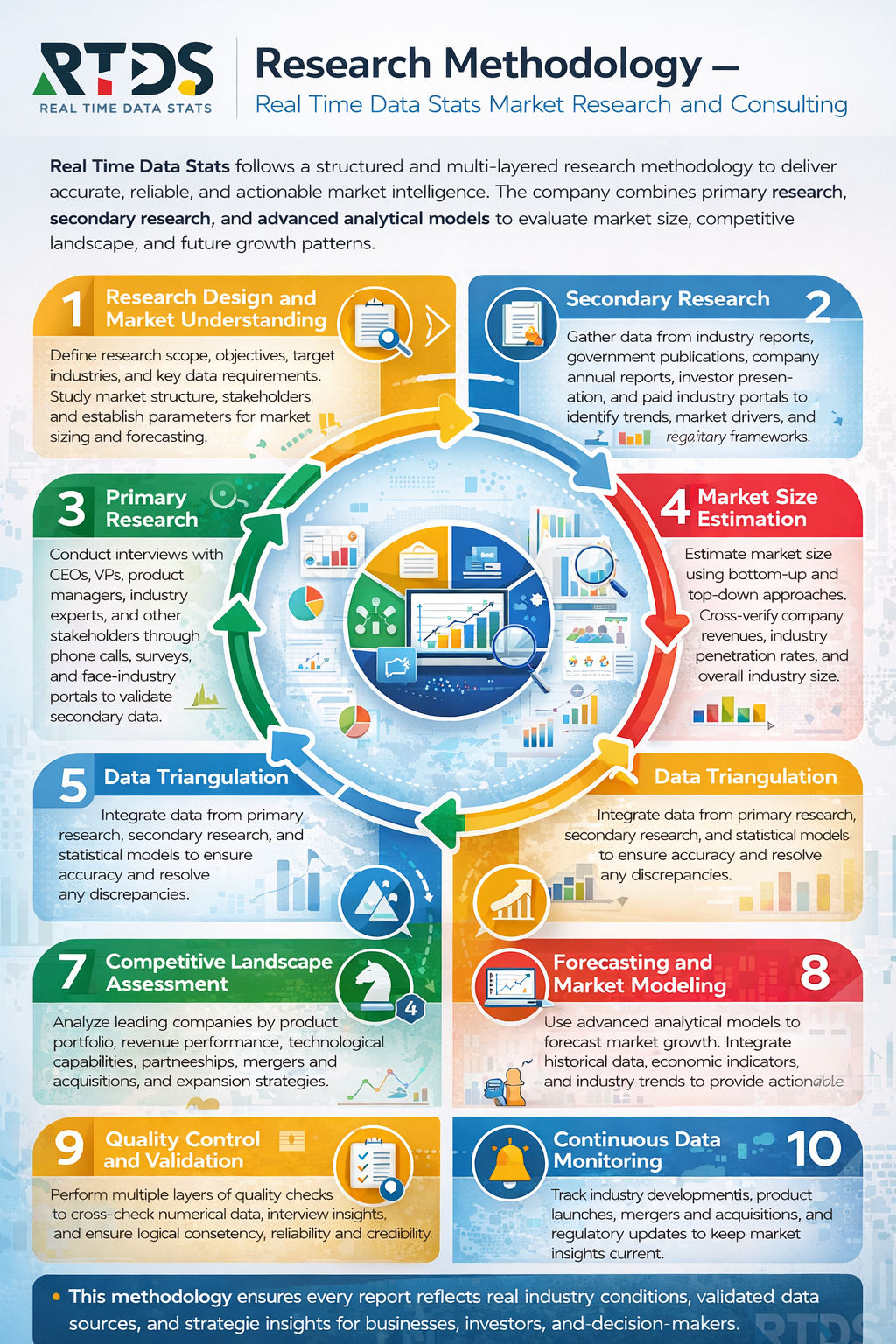
Research Methodology
- Data Sources
- Assumptions and Limitations
- Market Overview
- Evolution of Neural Memory Engineering
- Industry Value Chain
- Ecosystem Analysis
Technology Landscape
- Regulatory Landscape
- Ethical Considerations
- Investment Trends
- Market Dynamics
- Market Drivers
- Market Restraints
- Market Opportunities
- Market Challenges
- Innovation Trends
- Patent Landscape
- Neural Memory Engineering Market Size & Forecast
Neural Memory Engineering Market Segmentation Analysis
- By Type:
- Biological Neural Memory Engineering
- Artificial Neural Memory Systems
- Hybrid Bio-Digital Memory Systems
- Molecular Memory Engineering
- Synaptic Plasticity Engineering
- Neuroprosthetic Memory Systems
- By Component:
- Memory Encoding Modules
- Memory Storage Interfaces
- Neural Signal Processors
- Brain–Computer Interface Units
- Neurostimulation Devices
- Memory Retrieval Algorithms
- By Technology:
- Optogenetics
- Neuropharmacology Engineering
- AI-Driven Neural Modeling
- Electrophysiological Stimulation
- Nanoneural Interfaces
- CRISPR-Based Neural Editing
- By Application:
- Neurodegenerative Disease Treatment
- Cognitive Enhancement
- Trauma Memory Modulation
- Learning Acceleration
- Memory Restoration Therapies
- Brain Injury Rehabilitation
- By End User:
- Hospitals
- Neuroscience Research Institutes
- Biotechnology Companies
- Pharmaceutical Companies
- Defense Research Organizations
- Academic Institutions
- By Deployment Mode:
- Implantable Systems
- Wearable Neuro Devices
- External Neural Interface Systems
- Cloud-Connected Neural Platforms
- Portable Memory Modulation Units
- Lab-Based Engineering Systems
- By Memory Type Targeted:
- Short-Term Memory
- Long-Term Memory
- Episodic Memory
- Semantic Memory
- Procedural Memory
- Working Memory
- By Age Group:
- Pediatric
- Adult
- Geriatric
- Adolescent
- Middle-Aged
- Age-Related Cognitive Decline Patients
- By Therapeutic Area:
- Alzheimer’s Disease
- Parkinson’s Disease
- PTSD
- Stroke Recovery
- Epilepsy-Related Memory Loss
- Traumatic Brain Injury
Regional Analysis
- North America
- Europe
- Asia Pacific
- Latin America
- Middle East & Africa
Competitive Landscape
- Market Share Analysis
- Competitive Positioning
- Strategic Developments
- Mergers & Acquisitions
- Partnerships & Collaborations
- Product Launches
- R&D Focus Areas
Company Profiles
- Overview
- Product Portfolio
- Financial Overview
- Strategic Initiatives
- Recent Developments
Future Outlook
- Disruptive Innovation Trends
- Long-Term Market Projections
- Investment Hotspots
- Technology Roadmap
Conclusion
- Rapid advancement
- Clinical expansion
- AI integration
- Ethical frameworks
- Strategic partnerships
Appendix
- Abbreviations
- Glossary
- Research Methodology Details
- Contact Information
List of Tables
- Table: 1: Global Neural Memory Engineering Market Size Overview
- Table: 2: Market Size by Type
- Table: 3: Market Size by Component
- Table: 4: Market Size by Technology
- Table: 5: Market Size by Application
- Table: 6: Market Size by End User
- Table: 7: Market Size by Deployment Mode
- Table: 8: Market Size by Memory Type
- Table: 9: Market Size by Age Group
- Table: 10: Market Size by Therapeutic Area
- Table: 11: Market Size by Region
- Table: 12: Competitive Benchmarking Matrix
- Table: 13: Regulatory Framework Comparison
- Table: 14: Investment & Funding Analysis
- Table: 15: Key Company Product Portfolio Comparison
List of Figures
- Figure: 1: Neural Memory Engineering Market Growth Trend
- Figure: 2: Industry Value Chain
- Figure: 3: Technology Evolution Timeline
- Figure: 4: Market Dynamics Impact Analysis
- Figure: 5: Segmentation by Type
- Figure: 6: Segmentation by Component
- Figure: 7: Segmentation by Technology
- Figure: 8: Segmentation by Application
- Figure: 9: Segmentation by End User
- Figure: 10: Segmentation by Deployment Mode
- Figure: 11: Segmentation by Memory Type
- Figure: 12: Segmentation by Therapeutic Area
- Figure: 13: Regional Market Distribution
- Figure: 14: Competitive Landscape Positioning Map
- Figure: 15: Future Technology Roadmap
Neural Memory Engineering Market Key Factors
Drivers:
- Increasing prevalence of neurological disorders expands the addressable patient population.
- Advancements in neuroimaging and brain-computer interface technologies enable more precise interventions.
- Rising investment from both public agencies and private ventures accelerates research and clinical translation.
Restraints:
- Stringent regulatory frameworks and lengthy approval processes delay product commercialization.
- High treatment costs and complex procedures limit widespread patient access.
- Ethical concerns and societal debates regarding cognitive enhancement create adoption barriers.
Opportunities:
- Integrating artificial intelligence with neural data analysis unlocks new diagnostic and therapeutic potential.
- Developing minimally invasive and non-invasive techniques improves safety and patient acceptance.
- Expanding applications into cognitive augmentation and neuroprosthetics opens new market segments.
Challenges:
- The extreme biological complexity of human neural circuits hinders consistent, predictable outcomes.
- Data privacy and security risks associated with sensitive neural data require robust solutions.
- A significant shortage of interdisciplinary expertise slows down technological and clinical progress.
Neural Memory Engineering Market Key Regional Trends
North America:
- Dominant R&D activity, fueled by leading academic institutions and technology companies.
- High concentration of venture capital and strategic investments in neurotech startups.
- Active public debate shaping early regulatory and ethical guidelines for the field.
Europe:
- Strong collaborative research networks supported by large-scale EU funding initiatives.
- Emphasis on patient privacy and data governance, influencing technology development paths.
- Growing focus on ethical frameworks and public engagement for responsible innovation.
Asia-Pacific:
- Rapidly expanding research capabilities and increasing government funding for neuroscience.
- Growing healthcare burden of aging populations driving demand for neurological solutions.
- Emergence of local startups and increasing strategic partnerships with global firms.
Frequently Asked Questions
Key Questions Answered
- What is the size and growth rate of the market industry?
- What are the main drivers influencing market growth trends?
- What are the key challenges and restraints faced by the market?
- What are the emerging trends and opportunities shaping the market?
- Who are the top players, and what strategies drive their success?
- What are the customer demographics and their buying behaviors?
- What are the key market segments, and what is their scope?
- What are the geographical dynamics, and which region dominates?
- What are the market forecasts and projections for the next decade?
- What regulatory factors are critical to consider for market growth?
Why Choose our Company?
- Major facts and stats backing every report we offer.
- Comprehensive analysis tailored to your business needs.
- Accurate insights backed by extensive market research.
- Expert support to address your queries promptly.
- Data-driven strategies for better decision-making.
- In-depth reports with actionable
recommendations. - Reliable statistics from trusted industry
sources. - Customizable reports to suit your specific goals.
- Unmatched quality and precision in market analysis.
- Competitive pricing with premium content delivery.
Share your experience!
We value you feedback. Please take a moment to review your experience with us.