
According to insights from Real Time Data Stats, the Neural Ion Channels Market was valued at USD 40.7 million in 2025. It is expected to grow from USD 45.6 million in 2026 to USD 101 million by 2033, registering a CAGR of 12% during the forecast period (2026–2033).
MARKET SIZE AND SHARE
The global neural ion channels market is driven by rising neurological disorder prevalence and continuous advancements in drug discovery. Market share is concentrated among leading pharmaceutical and biotechnology companies investing heavily in R&D activities. North America holds the largest share, supported by strong research funding and advanced healthcare infrastructure, enabling sustained market expansion. Growing focus on targeted therapies for neurological conditions is further strengthening industry growth across developed and emerging regions during the forecast period.
Technological progress in screening platforms and improved understanding of channelopathies are key growth drivers of the market. Therapeutic agents account for the largest revenue share, while research tools represent the fastest-growing segment. The competitive landscape includes established life sciences companies and emerging specialists. Market share is increasingly shifting toward firms with strong pipelines targeting pain, epilepsy, and psychiatric disorders, supported by high-throughput electrophysiology and computational modeling capabilities to accelerate drug development and improve success rates.
INDUSTRY OVERVIEW AND STRATEGY
The neural ion channels industry is a critical frontier in neuroscience, focusing on transmembrane proteins governing neuronal excitability. It encompasses drug discovery, research tools, and diagnostic assays. The sector is characterized by high R&D intensity and strategic collaborations between academia, biotech, and large pharma. Its core mission is to develop novel therapeutics for channelopathies and complex neurological diseases, representing a high-potential but challenging avenue for central nervous system treatment innovation.
Corporate strategy centers on leveraging advanced patch-clamp systems and automated screening platforms to de-risk pipeline candidates. Key strategic pillars include forming alliances to access novel targets, securing intellectual property around specific channel modulators, and diversifying into rare neurological disorders with high unmet need. Success hinges on integrating AI for target validation and adopting patient-centric drug development models to improve clinical trial outcomes and achieve differentiation in a competitive therapeutic landscape.
Analyst Key Takeaways:
The neural ion channels market is positioned at the intersection of neuroscience, CNS drug discovery, and ion channel modulation, making it a highly specialized but strategically important segment within the broader life sciences R&D ecosystem. Demand is primarily driven by the growing need for precision-targeted therapeutics in neurological disorders such as epilepsy, chronic pain, migraine, and neurodegenerative diseases, where ion channels remain critical biological control points. Increasing integration of AI-based drug discovery platforms and electrophysiology screening technologies is accelerating target identification and compound optimization across early-stage pipelines.
From a competitive and structural perspective, the market benefits from strong upstream support from neuroscience research and CNS-focused drug discovery programs, which continue to expand as pharmaceutical pipelines shift toward complex brain disorders. However, the segment remains constrained by high biological complexity, long validation cycles, and limited translational success rates. Despite these challenges, sustained innovation in ion channel profiling technologies and growing pharmaceutical interest in non-traditional CNS targets are expected to reinforce long-term expansion and scientific relevance.
REGIONAL TRENDS AND GROWTH
North America leads, propelled by strong biotechnology investment, leading research institutions, and favorable reimbursement frameworks. Europe follows, with cohesive research initiatives and increasing focus on neurodegenerative diseases. The Asia-Pacific region is the fastest-growing market, driven by expanding healthcare access, rising research funding, and growing CRO capabilities. Localized manufacturing and government-led neuroscience initiatives are key regional trends shaping investment and infrastructure development across these geographies.
Primary growth drivers include the escalating global burden of neurological disorders and technological advancements in electrophysiology. Significant restraints are high drug development costs, clinical trial complexities, and stringent regulatory pathways. Key opportunities lie in unexplored channel targets, personalized medicine approaches, and expansion in emerging markets. Major challenges involve target validation, achieving CNS drug delivery, and navigating the competitive intensity for first-in-class therapeutics, requiring sustained innovation and capital investment.
NEURAL ION CHANNELS MARKET SEGMENTATION ANALYSIS
BY TYPE:
Voltage-gated ion channels dominate this segment because they play a central role in generating and propagating electrical signals across neurons. Pharmaceutical research heavily targets sodium, potassium, and calcium voltage-gated channels due to their direct involvement in epilepsy, chronic pain, cardiac arrhythmias, and neurodegenerative diseases. The rising global burden of neurological disorders continues to drive demand for precision drugs that modulate these channels. Advancements in electrophysiology and molecular biology have also made subtype-specific targeting more feasible, which significantly boosts innovation in this segment.
Ligand-gated, mechanically gated, temperature-gated, leak, and light-gated ion channels collectively show strong growth potential due to their role in synaptic signaling and sensory transduction. Ligand-gated channels remain especially important in psychiatric and neurodegenerative drug discovery because they regulate neurotransmitter activity. Meanwhile, light-gated channels are expanding rapidly through optogenetics research, which is transforming neuroscience by enabling precise control of neuronal activity. The diversification of research applications and increasing adoption of advanced lab techniques are key dominant forces pushing this segment forward.
BY ION SELECTIVITY:
Sodium and calcium channels hold the largest market share because they directly influence action potential initiation and neurotransmitter release. These channels are prime therapeutic targets for epilepsy, neuropathic pain, and cardiovascular-related neurological complications. Drug developers prioritize these channel types due to their well-established physiological importance and strong clinical validation. Increasing investments in selective sodium and calcium channel modulators are accelerating pipeline growth and regulatory approvals, reinforcing their market dominance.
Potassium, chloride, proton, and non-selective cation channels contribute significantly through their regulatory roles in membrane potential stabilization and inhibitory signaling. Potassium channels are gaining attention in neuroprotection and psychiatric treatment research, while chloride channels are central to inhibitory neurotransmission and seizure control. The broadening scope of ion selectivity research, combined with improved structural biology tools, is enabling more precise drug design, which serves as the major growth catalyst for this segment.
BY CHANNEL STRUCTURE:
Tetrameric and pentameric channel structures dominate because they represent the most common architectures in voltage-gated and ligand-gated ion channels. Their structural predictability allows for more effective drug binding studies, making them attractive targets for pharmaceutical companies. Structural biology breakthroughs, including cryo-electron microscopy, have accelerated understanding of these channel conformations, enabling structure-based drug design. This technological progress is a primary factor driving dominance in this structural category.
Monomeric, hexameric, heteromeric, and homomeric channels are gaining importance as research uncovers their specialized roles in fine-tuning neuronal signaling. Heteromeric channels, in particular, are crucial because they allow diverse subunit combinations that influence drug response and disease susceptibility. Growing recognition of structural variability as a determinant of therapeutic efficacy is fueling deeper research, making this a rapidly evolving segment with strong future growth drivers.
BY FUNCTION:
Excitatory and inhibitory channels lead this segment because they directly control neuronal firing and synaptic balance. Disorders such as epilepsy, anxiety, depression, and schizophrenia arise from imbalances in these signaling mechanisms, which makes functional channel targeting a primary therapeutic strategy. Drug developers focus on restoring excitation-inhibition balance, driving continuous innovation and clinical trials in this area. The clear link between channel function and disease pathology remains the dominant growth factor.
Modulatory, pacemaker, sensory transduction, and synaptic transmission channels also show strong expansion due to their involvement in specialized neural activities. Sensory transduction channels, for example, are central to pain and temperature perception, making them vital targets for analgesic drug development. As neuroscience moves toward precision medicine, understanding these nuanced channel roles becomes increasingly important, fueling demand for advanced functional research.
BY APPLICATION:
Neurological disorder treatment commands the largest share because ion channel dysfunction lies at the core of epilepsy, Alzheimer’s disease, Parkinson’s disease, and multiple sclerosis. The rising aging population and increasing neurological disease prevalence globally are the strongest demand drivers. Governments and private institutions continue investing heavily in neurotherapeutics, accelerating drug development focused on ion channel modulation.
Pain management, psychiatric disorder treatment, neurodegenerative research, and cognitive enhancement research also drive substantial growth. Chronic pain conditions and mental health disorders are increasing worldwide, creating urgent demand for safer, more targeted therapies. Ion channel-based interventions offer high specificity compared to traditional drugs, making them attractive in both clinical and experimental therapeutic areas.
BY END USER:
Pharmaceutical and biotechnology companies dominate this segment because they drive large-scale drug discovery and commercialization efforts. Their substantial R&D budgets, access to advanced screening technologies, and strong regulatory expertise allow them to lead ion channel–targeted therapeutic development. Strategic collaborations with academic institutions further strengthen innovation pipelines.
Academic research institutes and contract research organizations (CROs) play a crucial supporting role by conducting early-stage discovery and preclinical testing. Hospitals and diagnostic laboratories contribute through clinical trials and electrophysiological diagnostics. Expanding translational research initiatives are the key factor integrating all end users into a cohesive innovation ecosystem.
BY DRUG CLASS TARGETING ION CHANNELS:
Channel blockers represent the dominant drug class because they effectively suppress abnormal neuronal firing in epilepsy, arrhythmias, and chronic pain. Their well-documented mechanisms and established clinical success make them a preferred therapeutic approach. Continued refinement toward subtype-specific blockers is enhancing safety and efficacy profiles.
Channel openers, activators, inhibitors, modulators, and allosteric modulators are expanding rapidly due to their ability to fine-tune channel activity rather than fully suppress it. This precision approach reduces side effects and supports personalized medicine strategies. Advances in allosteric drug design are particularly influential in driving next-generation therapeutics.
BY TECHNOLOGY:
Patch-clamp techniques remain the gold standard for ion channel research, dominating due to their precision in measuring electrical activity. However, automated electrophysiology systems are rapidly gaining ground by increasing throughput and reducing manual variability. These technologies are essential in accelerating drug screening pipelines.
Optogenetics, fluorescence-based assays, ion flux assays, and high-throughput screening platforms are expanding due to their scalability and compatibility with large drug libraries. The push for faster discovery timelines and cost-efficient screening is the primary force driving technological innovation in this segment.
BY THERAPEUTIC AREA:
Central nervous system disorders dominate because most neural ion channel research targets brain and spinal cord conditions. The growing burden of neurodegenerative and psychiatric diseases continues to push investment into CNS-focused drug development. Ion channel modulation offers a direct pathway to influence neural circuitry, reinforcing its importance.
Peripheral nervous system, cardiovascular, muscular, metabolic, and sensory disorders also rely on ion channel research due to their role in nerve conduction and muscle contraction. Expanding awareness of ion channel involvement beyond traditional neurology is opening new therapeutic frontiers and broadening market scope.
BY DISTRIBUTION CHANNEL:
Direct sales dominate due to the specialized nature of ion channel research tools and therapeutics, which often require technical consultation and customized supply agreements. Pharmaceutical and research institutions prefer direct procurement to ensure product quality and technical support.
Online suppliers, research distributors, pharmaceutical distributors, laboratory equipment suppliers, and specialized biotech vendors contribute significantly by expanding global accessibility. Growth in digital procurement platforms and international research collaborations is the main factor strengthening this distribution segment.
RECENT DEVELOPMENTS
- In Jan 2024: Pfizer advanced a novel, selective NaV1.8 inhibitor into Phase II trials for somatic pain, highlighting continued big pharma investment in channel-targeted analgesics.
- In Mar 2024: Neurocrine Biosciences announced positive Phase II results for its SK channel potentiator NBI-1065846 in treating cognitive impairment associated with schizophrenia.
- In Sep 2024: Metrion Biosciences secured significant funding to expand its ion channel-focused CRO services and high-throughput screening platforms for client drug discovery programs.
- In Nov 2024: Praxis Precision Medicines reported promising Phase II/III data for PRAX-628, a next-generation NaV1.6 channel modulator, in developmental and epileptic encephalopathies.
- In Feb 2025: Sosei Heptares and Genentech entered a strategic collaboration to discover novel GPR52-targeting small molecules, expanding into neuromodulation via G protein-coupled ion channels.
KEY PLAYERS ANALYSIS
- Pfizer Inc.
- Merck & Co., Inc.
- Johnson & Johnson
- GlaxoSmithKline plc
- Eli Lilly and Company
- AstraZeneca
- Teva Pharmaceutical Industries Ltd.
- Biogen Inc.
- Amgen Inc.
- Neurocrine Biosciences, Inc.
- Praxis Precision Medicines, Inc.
- Xenon Pharmaceuticals Inc.
- Cerevel Therapeutics (AbbVie)
- Vertex Pharmaceuticals
- Jazz Pharmaceuticals plc
- Lundbeck A/S
- Ionis Pharmaceuticals, Inc.
- Sosei Group Corporation
- Metrion Biosciences Ltd.
- Charles River Laboratories International, Inc.
Neural Ion Channels Market Segmentation Analysis
By Type:
- Voltage-Gated Ion Channels
- Ligand-Gated Ion Channels
- Mechanically Gated Ion Channels
- Temperature-Gated Ion Channels
- Leak Channels
- Light-Gated Ion Channels
By Ion Selectivity:
- Sodium (Na⁺) Channels
- Potassium (K⁺) Channels
- Calcium (Ca²⁺) Channels
- Chloride (Cl⁻) Channels
- Proton (H⁺) Channels
- Non-Selective Cation Channels
By Channel Structure:
- Tetrameric Channels
- Pentameric Channels
- Hexameric Channels
- Monomeric Channels
- Heteromeric Channels
- Homomeric Channels
By Function:
- Excitatory Channels
- Inhibitory Channels
- Modulatory Channels
- Pacemaker Channels
- Sensory Transduction Channels
- Synaptic Transmission Channels
By Application:
- Neurological Disorder Treatment
- Pain Management
- Epilepsy Treatment
- Psychiatric Disorder Treatment
- Neurodegenerative Disease Research
- Cognitive Enhancement Research
By End User:
- Pharmaceutical Companies
- Biotechnology Companies
- Academic Research Institutes
- Contract Research Organizations
- Hospitals
- Diagnostic Laboratories
By Drug Class Targeting Ion Channels:
- Channel Blockers
- Channel Openers
- Channel Modulators
- Channel Activators
- Channel Inhibitors
- Allosteric Modulators
By Technology:
- Patch-Clamp Techniques
- Automated Electrophysiology
- Optogenetics
- Fluorescence-Based Assays
- Ion Flux Assays
- High-Throughput Screening
By Therapeutic Area:
- Central Nervous System Disorders
- Peripheral Nervous System Disorders
- Cardiovascular Disorders
- Muscular Disorders
- Metabolic Disorders
- Sensory Disorders
By Distribution Channel:
- Direct Sales
- Online Suppliers
- Research Distributors
- Pharmaceutical Distributors
- Laboratory Equipment Suppliers
- Specialized Biotech Vendors
By Geography:
- North America (USA, Canada, Mexico)
- Europe (UK, Germany, France, Italy, Spain, Rest of Europe)
- Asia-Pacific (China, Japan, Australia, South Korea, India, Rest of Asia-Pacific)
- South America (Brazil, Argentina, Rest of South America)
- Middle East and Africa (GCC Countries, South Africa, Rest of MEA)
Neural Ion Channels Market: Table of Contents
Market Introduction
- Definition of Neural Ion Channels
- Scope of the Study
- Research Objectives
- Market Structure Overview
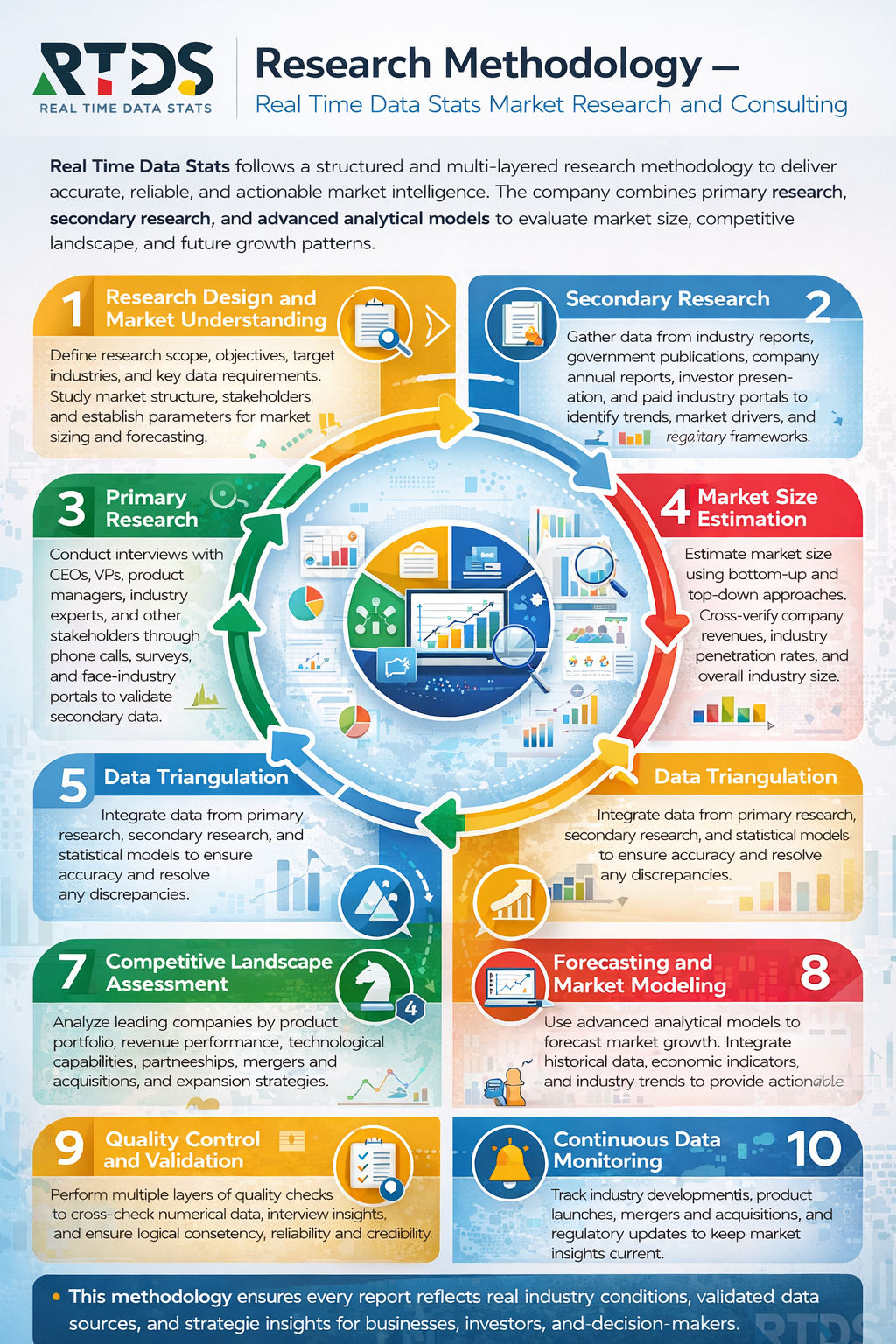
Research Methodology
- Data Collection Methods
- Primary Research
- Secondary Research
- Market Size Estimation Model
- Forecasting Assumptions
- Data Validation Approach
Executive Summary
- Market Snapshot
- Key Findings
- Major Growth Drivers
- Key Restraints
- Emerging Opportunities
- Industry Trends Overview
Market Dynamics
- Drivers
- Restraints
- Opportunities
- Challenges
Regulatory Landscape
- Technological Advancements
Neural Ion Channels Market Segmentation Analysis
- By Type
- Voltage-Gated Ion Channels
- Ligand-Gated Ion Channels
- Mechanically Gated Ion Channels
- Temperature-Gated Ion Channels
- Leak Channels
- Light-Gated Ion Channels
- By Ion Selectivity
- Sodium (Na⁺) Channels
- Potassium (K⁺) Channels
- Calcium (Ca²⁺) Channels
- Chloride (Cl⁻) Channels
- Proton (H⁺) Channels
- Non-Selective Cation Channels
- By Channel Structure
- Tetrameric Channels
- Pentameric Channels
- Hexameric Channels
- Monomeric Channels
- Heteromeric Channels
- Homomeric Channels
- By Function
- Excitatory Channels
- Inhibitory Channels
- Modulatory Channels
- Pacemaker Channels
- Sensory Transduction Channels
- Synaptic Transmission Channels
- By Application
- Neurological Disorder Treatment
- Pain Management
- Epilepsy Treatment
- Psychiatric Disorder Treatment
- Neurodegenerative Disease Research
- Cognitive Enhancement Research
- By End User
- Pharmaceutical Companies
- Biotechnology Companies
- Academic Research Institutes
- Contract Research Organizations
- Hospitals
- Diagnostic Laboratories
- By Drug Class Targeting Ion Channels
- Channel Blockers
- Channel Openers
- Channel Modulators
- Channel Activators
- Channel Inhibitors
- Allosteric Modulators
- By Technology
- Patch-Clamp Techniques
- Automated Electrophysiology
- Optogenetics
- Fluorescence-Based Assays
- Ion Flux Assays
- High-Throughput Screening
- By Therapeutic Area
- Central Nervous System Disorders
- Peripheral Nervous System Disorders
- Cardiovascular Disorders
- Muscular Disorders
- Metabolic Disorders
- Sensory Disorders
- By Distribution Channel
- Direct Sales
- Online Suppliers
- Research Distributors
- Pharmaceutical Distributors
- Laboratory Equipment Suppliers
- Specialized Biotech Vendors
Regional Market Analysis
- North America
- Europe
- Asia-Pacific
- Latin America
- Middle East & Africa
Competitive Landscape
- Market Share Analysis
- Company Profiling Overview
- Strategic Developments
- Mergers and Acquisitions
- Partnerships and Collaborations
- Product Launches
Innovation and Pipeline Analysis
- Emerging Ion Channel Targets
- Drug Development Pipeline
- Research Funding Trends
- Patent Landscape
Pricing Analysis
- Drug Pricing Trends
- Technology Cost Structure
- Regional Pricing Variations
- Supply Chain Analysis
- Raw Material Suppliers
- Manufacturers
- Distributors
- End Users
Conclusion
- Summary of Market Trends
- Key Drivers and Restraints
- Growth Opportunities
- Technology & Innovation Outlook
- Future Market Forecast
Appendix
- Abbreviations
- List of Data Sources
- Disclaimer
List of Tables
- Table:1: Global Neural Ion Channels Market Size Overview
- Table:2: Key Market Drivers and Impact Analysis
- Table:3: Regulatory Framework by Region
- Table:4: Market Segmentation by Type
- Table:5: Market Segmentation by Ion Selectivity
- Table:6: Market Segmentation by Channel Structure
- Table:7: Market Segmentation by Function
- Table:8: Market Segmentation by Application
- Table:9: Market Segmentation by End User
- Table:10: Market Segmentation by Drug Class
- Table:11: Market Segmentation by Technology
- Table:12: Market Segmentation by Therapeutic Area
- Table:13: Market Segmentation by Distribution Channel
- Table:14: Regional Market Size Comparison
- Table:15: Competitive Landscape Summary
List of Figures
- Figure:1: Neural Ion Channels Market Overview Diagram
- Figure:2: Research Methodology Flowchart
- Figure:3: Market Dynamics Impact Analysis
- Figure:4: Market Share by Type
- Figure:5: Market Share by Ion Selectivity
- Figure:6: Market Share by Channel Structure
- Figure:7: Market Share by Function
- Figure:8: Market Share by Application
- Figure:9: Market Share by End User
- Figure:10: Market Share by Drug Class
- Figure:11: Market Share by Technology
- Figure:12: Market Share by Therapeutic Area
- Figure:13: Market Share by Distribution Channel
- Figure:14: Regional Market Distribution
- Figure:15: Competitive Positioning Matrix
Neural Ion Channels Market Key Factors
Drivers:
- Rising neurological disorder prevalence increases demand for targeted therapies.
- Expanding drug discovery programs invest heavily in channel-focused research.
- Advancements in high-throughput screening technologies accelerate compound identification.
Restraints:
- Complex channel biology and selectivity issues delay drug development.
- Stringent regulatory frameworks prolong approval timelines for novel therapeutics.
- High research costs and clinical trial risks limit smaller biotech participation.
Opportunities:
- Unraveling channel structures with cryo-EM creates new drug design possibilities.
- Growing research into channelopathies opens untapped therapeutic areas.
- AI and computational modeling enhance target prediction and molecule discovery.
Challenges:
- Achieving sufficient CNS penetration and specificity remains a major hurdle.
- Potential side effects and toxicity profiles complicate clinical development.
- Intellectual property disputes over target mechanisms can create barriers.
Neural Ion Channels Market Key Regional Trends
North America:
- Strong venture capital funding fuels innovative biotech startups.
- Leading academic institutes collaborate closely with pharmaceutical companies.
- Regulatory agencies show growing receptiveness to novel neurological targets.
Europe:
- Public-private partnerships prioritize research on rare channelopathies.
- Stringent data protection laws influence clinical trial design and data sharing.
- Focus increases on cost-effective therapeutics within universal healthcare systems.
Asia-Pacific:
- Governments increase investment in neuroscience and precision medicine research.
- Contract research organizations expand capabilities in ion channel screening.
- Rising healthcare expenditure broadens access to advanced neurological treatments.
Rest of the World:
- Epidemiological studies grow to understand regional disorder prevalence.
- Efforts focus on improving diagnostic capabilities for channel-related diseases.
- Market penetration relies on affordable pricing and partnership models.
Frequently Asked Questions
Key Questions Answered
- What is the size and growth rate of the market industry?
- What are the main drivers influencing market growth trends?
- What are the key challenges and restraints faced by the market?
- What are the emerging trends and opportunities shaping the market?
- Who are the top players, and what strategies drive their success?
- What are the customer demographics and their buying behaviors?
- What are the key market segments, and what is their scope?
- What are the geographical dynamics, and which region dominates?
- What are the market forecasts and projections for the next decade?
- What regulatory factors are critical to consider for market growth?
Why Choose our Company?
- Major facts and stats backing every report we offer.
- Comprehensive analysis tailored to your business needs.
- Accurate insights backed by extensive market research.
- Expert support to address your queries promptly.
- Data-driven strategies for better decision-making.
- In-depth reports with actionable
recommendations. - Reliable statistics from trusted industry
sources. - Customizable reports to suit your specific goals.
- Unmatched quality and precision in market analysis.
- Competitive pricing with premium content delivery.
Share your experience!
We value you feedback. Please take a moment to review your experience with us.