
According to insights from Real Time Data Stats, the Neural Cognitive Prosthetics Market was valued at USD 682.4 million in 2025. It is expected to grow from USD 788.8 million in 2026 to USD 2,130 million by 2033, registering a CAGR of 15.2% during the forecast period (2026–2033).
MARKET SIZE AND SHARE
The global neural cognitive prosthetics market is witnessing strong growth, driven by rapid advancements in brain–computer interface technologies and the rising prevalence of neurodegenerative disorders. Increasing demand for solutions that restore or enhance cognitive functions, such as memory, attention, and decision-making, is encouraging deeper investment in neuroscience innovation. Leading medical device companies and research institutions are actively developing next-generation neural implants, combining neurostimulation with sophisticated signal decoding algorithms. These efforts are supported by growing clinical research initiatives and funding, positioning the market as a critical frontier in modern healthcare. As a result, early market share remains concentrated among technologically advanced players with strong intellectual property and clinical expertise.
Market share dynamics are expected to evolve as emerging companies and academic spin-offs introduce innovative, non-invasive and hybrid interface solutions. New entrants are challenging established leaders by focusing on safer, scalable, and more accessible cognitive enhancement technologies. Future growth will depend heavily on successful clinical validation, regulatory approvals, and commercialization of applications such as memory restoration and cognitive augmentation. Strategic partnerships between biotechnology firms, universities, and established neural implant manufacturers are further accelerating product development and market penetration. Over time, revenue distribution will shift toward organizations that can deliver reliable, patient-centric solutions while maintaining technological superiority and regulatory compliance.
INDUSTRY OVERVIEW AND STRATEGY
The neural cognitive prosthetics industry integrates neuroscience, engineering, and clinical medicine to develop devices that restore or augment cognitive functions. Core applications target conditions like Alzheimer's disease, traumatic brain injury, and stroke rehabilitation. The strategic focus is on creating closed-loop systems that interpret neural signals and deliver tailored stimulation. Companies prioritize collaborations with academic research labs and securing patents for novel electrode designs and machine learning algorithms to process complex neural data, forming the foundation for next-generation products.
Key competitive strategies involve navigating stringent regulatory pathways for Class III medical devices and demonstrating long-term safety and efficacy. Firms are pursuing targeted mergers to acquire complementary technologies and forming partnerships with healthcare providers for clinical validation. A central strategic pillar is the ethical development and public communication of cognitive augmentation devices, ensuring societal acceptance while building a sustainable commercial model around both therapeutic and enhancement applications.
Analyst Key Takeaways:
The Neural Cognitive Prosthetics market is positioned within a high-growth segment of the neuroprosthetics ecosystem, driven by rapid advancements in brain–computer interfaces, neuromodulation technologies, and AI-integrated neural systems. Increasing prevalence of neurological disorders, coupled with rising demand for cognitive restoration solutions, is accelerating innovation in implantable and non-invasive prosthetic technologies. The market is also benefiting from strong research momentum across academic institutions and medtech firms, particularly in areas such as memory enhancement, cognitive rehabilitation, and adaptive neural interfaces.
From a strategic standpoint, the market remains in an early commercialization phase, with growth highly dependent on clinical validation, regulatory approvals, and long-term efficacy outcomes. While neuroprosthetics provides a strong foundational base, integration with broader neurotechnology platforms is shaping future scalability and application diversity. However, challenges such as ethical considerations, high development costs, and limited large-scale deployment may temper near-term adoption. Overall, the market is expected to evolve steadily, supported by interdisciplinary innovation and expanding healthcare digitization trends.
REGIONAL TRENDS AND GROWTH
North America dominates the market, propelled by substantial NIH funding, advanced healthcare infrastructure, and a concentration of leading technology firms and research universities. Europe follows, with strong academic consortia and supportive regulatory frameworks for medical device innovation. The Asia-Pacific region emerges as the fastest-growing market, driven by increasing healthcare investment, rising neurological disorder prevalence, and government initiatives in neuroscience research, particularly in China, Japan, and South Korea, which are accelerating regional development and adoption.
Primary growth drivers include the aging global population, increasing incidence of neurological disorders, and technological advancements in AI and microfabrication. Significant restraints are high device costs, surgical risks, and lengthy regulatory approvals. Future opportunities lie in minimally invasive interfaces and expanding indications beyond medical treatment into cognitive enhancement. Major challenges involve addressing complex ethical concerns, ensuring data privacy and security, and achieving seamless, long-term biocompatibility between neural tissue and implanted hardware.
NEURAL COGNITIVE PROSTHETICS MARKET SEGMENTATION ANALYSIS
BY TYPE:
The market segmentation by type is strongly influenced by rapid advancements in neuroscience, biomedical engineering, and miniaturized implant technologies. Implantable neural prosthetics dominate due to their superior signal accuracy, long-term stability, and direct neural interface capabilities. Invasive and semi-invasive systems benefit from rising clinical acceptance and improved surgical safety. Growing demand for precise neurological interventions, increasing prevalence of cognitive disorders, and expanding reimbursement frameworks are key drivers supporting technological adoption across developed healthcare systems.
Non-implantable, non-invasive, and hybrid systems are witnessing accelerated growth due to lower procedural risks, affordability, and rising patient preference for minimally invasive solutions. These systems benefit from advancements in wearable electronics, wireless signal transmission, and portable monitoring platforms. Increasing adoption in outpatient settings, rehabilitation centers, and home-based therapies is significantly boosting demand. Additionally, regulatory approvals, favorable safety profiles, and continuous product innovation are enhancing adoption across emerging economies and expanding the total addressable market.
By Application
Memory enhancement and cognitive rehabilitation segments are driven by rising neurological disorders, increasing aging population, and heightened focus on improving quality of life. Neurodegenerative disease management and brain injury recovery represent major growth drivers due to the growing incidence of Alzheimer’s disease, stroke, and traumatic brain injuries worldwide. Advancements in brain-computer interface technologies and neural stimulation techniques are significantly improving treatment outcomes, making these applications central to future market expansion strategies.
Sensory restoration and motor function enhancement segments benefit from rising demand for advanced assistive technologies, particularly among physically impaired and neurologically affected patients. Innovations in artificial intelligence integration, sensor-based feedback systems, and real-time neural decoding are enhancing functional recovery. Increasing government healthcare investments, rehabilitation program funding, and favorable insurance coverage policies are accelerating adoption. Continuous research into neural plasticity and adaptive learning systems further strengthens application-based market growth across both clinical and non-clinical domains.
BY TECHNOLOGY:
Brain-computer interfaces and neural stimulation technologies are the backbone of market expansion, driven by rapid innovation in microelectronics, AI-driven signal decoding, and neural mapping capabilities. Neurofeedback systems are gaining traction due to their effectiveness in treating mental health disorders and cognitive dysfunction. The integration of artificial intelligence enables adaptive learning, predictive analytics, and personalized therapy solutions, which significantly improve clinical accuracy, treatment outcomes, and device efficiency.
Signal processing and machine learning algorithms play a vital role in enhancing real-time data interpretation, noise reduction, and neural pattern recognition. Continuous technological upgrades are supporting miniaturization, energy efficiency, and wireless integration. Increasing investments in computational neuroscience and cross-disciplinary research are accelerating product development. Strong collaboration between academic institutions, technology firms, and healthcare providers is further fostering technological innovation, creating a strong foundation for sustainable market growth.
BY COMPONENT:
Electrodes, processors, and sensors represent core functional components, driving overall system performance, reliability, and signal accuracy. Advancements in biocompatible materials, microfabrication techniques, and nanotechnology are enhancing electrode longevity and sensitivity. Processors and sensors benefit from improvements in computing speed, miniaturization, and energy efficiency. Rising demand for precise real-time monitoring and neural feedback is fueling innovation and market expansion across clinical and research-based applications.
Power supply units, software platforms, and connectors play a critical role in ensuring system durability, operational stability, and seamless data transmission. Development of rechargeable power solutions, cloud-based software analytics, and secure connectivity protocols enhances long-term usability. Growing emphasis on device interoperability, cybersecurity, and real-time diagnostics is boosting component-level innovation. Continuous product optimization and regulatory compliance improvements further strengthen adoption across both hospital and home healthcare environments.
BY END USER:
Hospitals and specialty clinics dominate market adoption due to high patient inflow, advanced infrastructure, and skilled medical professionals. Rehabilitation centers contribute significantly, supported by growing post-injury therapy programs and neurological recovery initiatives. Increasing government healthcare investments and rising adoption of precision medicine approaches further boost institutional demand. Growing awareness of cognitive health and technological trust among physicians is accelerating integration across diverse clinical treatment pathways.
Research institutes, academic institutions, and home care settings represent high-growth segments due to increasing neuroscience research funding and technological democratization. Home-based neural prosthetics adoption is increasing with improvements in wearable technology, wireless connectivity, and patient-friendly device designs. Academic institutions drive innovation through collaborative research and clinical trials. Expanding telehealth platforms and personalized therapy models are reshaping treatment delivery, strengthening long-term end-user demand across global healthcare ecosystems.
BY INDICATION:
Alzheimer’s disease, Parkinson’s disease, and epilepsy form the primary demand base due to rising global prevalence and lack of permanent therapeutic solutions. Increasing life expectancy, early diagnosis, and neurodegenerative disease burden significantly fuel adoption. Advancements in targeted neural stimulation, deep brain modulation, and AI-guided therapies enhance symptom management. Strong clinical evidence supporting improved cognitive outcomes is reinforcing healthcare adoption and reimbursement acceptance.
Stroke, traumatic brain injury, and spinal cord injury segments are expanding due to increasing accident rates, aging populations, and improved emergency care survival rates. Demand for advanced rehabilitation and neuro-restorative solutions is rapidly increasing. Technological breakthroughs in neural regeneration, adaptive prosthetic control, and rehabilitation robotics are improving functional recovery. Government rehabilitation programs, insurance support, and expanding trauma care infrastructure further accelerate segment-level growth.
BY IMPLANT TYPE:
Deep brain stimulators and cortical implants dominate due to high therapeutic efficiency and established clinical validation. Hippocampal and thalamic implants benefit from growing demand for memory restoration and cognitive disorder management. Advancements in electrode placement accuracy, surgical robotics, and real-time neural imaging significantly enhance implant safety and performance. Strong research pipelines and continuous clinical trials drive innovation and market adoption across neurological therapeutic applications.
Retinal and auditory brainstem implants experience rising demand due to increasing sensory impairment prevalence. Improvements in microelectronic circuitry, optical signal processing, and AI-powered decoding algorithms enhance sensory perception restoration. Growing awareness, favorable reimbursement policies, and expanding geriatric populations are key drivers. Continuous technological improvements in biocompatibility and long-term implant stability further strengthen market confidence and long-term adoption trends.
BY CONNECTIVITY:
Wired and wireless systems form the foundational connectivity infrastructure, with wireless solutions gaining rapid traction due to enhanced patient comfort and mobility. Bluetooth-enabled and cloud-connected platforms support real-time data monitoring, predictive diagnostics, and remote therapy optimization. Increasing adoption of telemedicine and digital health platforms significantly boosts demand for secure and reliable connectivity solutions within neural prosthetics ecosystems.
IoT-based and standalone systems are witnessing strong growth driven by smart healthcare infrastructure and integrated monitoring platforms. IoT connectivity enables seamless data flow, predictive maintenance, and real-time clinical feedback. Increasing cybersecurity investments and data privacy frameworks enhance adoption confidence. Growing emphasis on personalized treatment delivery, remote monitoring, and patient-centric device functionality is shaping future connectivity innovations across global healthcare systems.
BY DISTRIBUTION CHANNEL:
Direct sales and hospital procurement dominate due to high-value capital equipment purchasing, strong supplier relationships, and clinical training support. Medical device distributors play a critical role in expanding regional reach, especially across emerging markets. Strong logistics networks, regulatory support, and localized service infrastructure improve market penetration. Strategic partnerships between manufacturers and healthcare institutions further strengthen procurement efficiency and long-term customer relationships.
Online platforms, specialty medical stores, and research collaborations represent high-growth channels. Digital procurement platforms enhance product accessibility, pricing transparency, and order efficiency. Specialty medical stores support niche clinical requirements and patient customization. Research collaborations accelerate innovation, clinical trials, and early adoption of next-generation technologies. Increasing digital transformation, cross-border trade facilitation, and academic-industry partnerships are reshaping global distribution strategies.
RECENT DEVELOPMENTS
- In Jan 2024: Synchron completed first-in-human trial of its Stentrode BCI for cognitive command control, demonstrating safety and enabling basic digital tasks for paralyzed patients.
- In Jul 2024: Neuralink received FDA approval for its second patient implant of the N1 device, shifting focus to precise motor control and early cortical neural signal mapping for cognitive applications.
- In Nov 2024: Blackrock Neurotech partnered with a major university to launch a new research initiative focused on developing a closed-loop system for memory encoding and recall using its NeuroPort Array.
- In Feb 2025: Paradromics commenced its first clinical trial for the Connexus BCI system, targeting high-data-rate neural recording to decode speech and cognitive intention with unprecedented channel count.
- In Apr 2025: Precision Neuroscience reported successful testing of its minimally invasive Layer 7 Cortical Interface, achieving high-resolution cortical mapping critical for future cognitive prosthetics applications.
KEY PLAYERS ANALYSIS
- Neuralink
- Synchron
- Blackrock Neurotech
- Paradromics
- Precision Neuroscience
- Kernel
- MindMaze
- NeuroPace
- Medtronic
- Boston Scientific
- Abbott Laboratories
- CorTec GmbH
- BrainGate
- Cognixion
- Neurable
- CTRL-Labs (Meta)
- NeuroOne Medical Technologies
- BIOTRONIK
- Nevro Corp.
- Second Sight Medical Products
Neural Cognitive Prosthetics Market Segmentation Analysis
By Type:
- Implantable Neural Prosthetics
- Non-Implantable Neural Prosthetics
- Invasive Systems
- Semi-Invasive Systems
- Non-Invasive Systems
- Hybrid Systems
By Application:
- Memory Enhancement
- Cognitive Rehabilitation
- Neurodegenerative Disease Management
- Brain Injury Recovery
- Sensory Restoration
- Motor Function Enhancement
By Technology:
- Brain-Computer Interface (BCI)
- Neural Stimulation Technology
- Neurofeedback Systems
- Artificial Intelligence Integration
- Signal Processing Technology
- Machine Learning Algorithms
By Component:
- Electrodes
- Processors
- Sensors
- Power Supply Units
- Software Platforms
- Connectors & Leads
By End User:
- Hospitals
- Specialty Clinics
- Rehabilitation Centers
- Research Institutes
- Home Care Settings
- Academic Institutions
By Indication:
- Alzheimer’s Disease
- Parkinson’s Disease
- Epilepsy
- Stroke
- Traumatic Brain Injury
- Spinal Cord Injury
By Implant Type:
- Deep Brain Stimulators
- Cortical Implants
- Hippocampal Implants
- Thalamic Implants
- Retinal Implants
- Auditory Brainstem Implants
By Connectivity:
- Wired Systems
- Wireless Systems
- Bluetooth-Enabled Systems
- Cloud-Connected Systems
- IoT-Based Systems
- Standalone Systems
By Distribution Channel:
- Direct Sales
- Medical Device Distributors
- Online Platforms
- Hospital Procurement
- Specialty Medical Stores
- Research Collaborations
By Geography:
- North America (USA, Canada, Mexico)
- Europe (UK, Germany, France, Italy, Spain, Rest of Europe)
- Asia-Pacific (China, Japan, Australia, South Korea, India, Rest of Asia-Pacific)
- South America (Brazil, Argentina, Rest of South America)
- Middle East and Africa (GCC Countries, South Africa, Rest of MEA)
Neural Cognitive Prosthetics Market: Table of Contents
Introduction
- Market Definition
- Scope of the Study
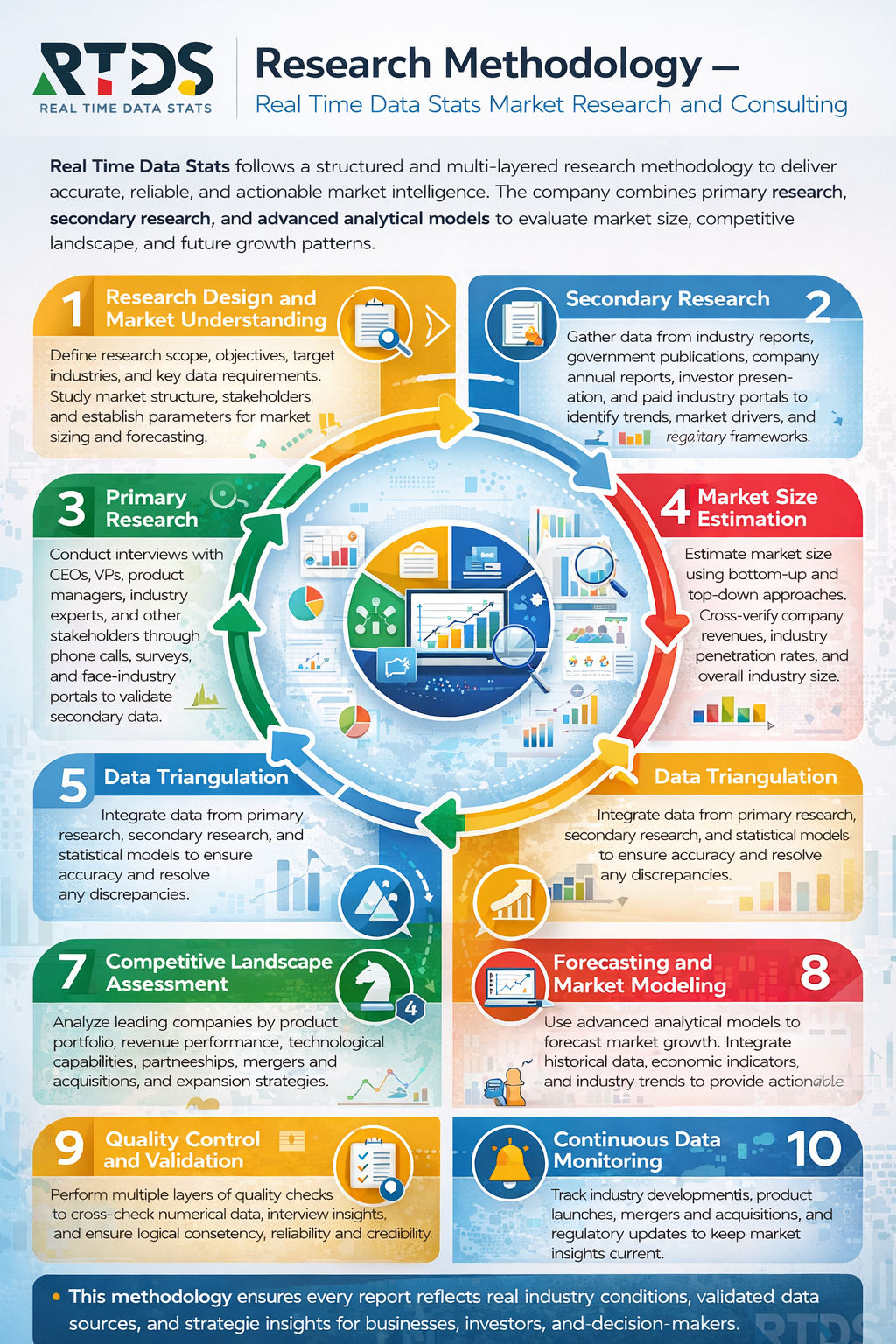
- Research Methodology
- Data Sources
- Assumptions & Limitations
Executive Summary
- Market Snapshot
- Key Findings
- Strategic Insights
- Industry Highlights
- Future Outlook
Market Overview
- Industry Background
- Evolution of Neural Cognitive Prosthetics
- Value Chain Analysis
- Ecosystem Mapping
- Technology Landscape
Market Dynamics
- Drivers
- Restraints
- Opportunities
- Challenges
- Trends
Regulatory Framework
- Global Regulatory Overview
- Regional Regulatory Policies
- Approval Processes
- Compliance Standards
- Ethical Considerations
Neural Cognitive Prosthetics Market Segmentation Analysis
- By Type
- Implantable Neural Prosthetics
- Non-Implantable Neural Prosthetics
- Invasive Systems
- Semi-Invasive Systems
- Non-Invasive Systems
- Hybrid Systems
- By Application
- Memory Enhancement
- Cognitive Rehabilitation
- Neurodegenerative Disease Management
- Brain Injury Recovery
- Sensory Restoration
- Motor Function Enhancement
- By Technology
- Brain-Computer Interface (BCI)
- Neural Stimulation Technology
- Neurofeedback Systems
- Artificial Intelligence Integration
- Signal Processing Technology
- Machine Learning Algorithms
- By Component
- Electrodes
- Processors
- Sensors
- Power Supply Units
- Software Platforms
- Connectors & Leads
- By End User
- Hospitals
- Specialty Clinics
- Rehabilitation Centers
- Research Institutes
- Home Care Settings
- Academic Institutions
- By Indication
- Alzheimer’s Disease
- Parkinson’s Disease
- Epilepsy
- Stroke
- Traumatic Brain Injury
- Spinal Cord Injury
- By Implant Type
- Deep Brain Stimulators
- Cortical Implants
- Hippocampal Implants
- Thalamic Implants
- Retinal Implants
- Auditory Brainstem Implants
- By Connectivity
- Wired Systems
- Wireless Systems
- Bluetooth-Enabled Systems
- Cloud-Connected Systems
- IoT-Based Systems
- Standalone Systems
- By Distribution Channel
- Direct Sales
- Medical Device Distributors
- Online Platforms
- Hospital Procurement
- Specialty Medical Stores
- Research Collaborations
Regional Analysis
- North America
- Europe
- Asia Pacific
- Latin America
- Middle East & Africa
Competitive Landscape
- Market Share Analysis
- Competitive Benchmarking
- Strategic Developments
- Mergers & Acquisitions
- Partnerships & Collaborations
Company Profiles
- Business Overview
- Product Portfolio
- Financial Overview
- Strategic Initiatives
- Recent Developments
Investment Analysis
- Funding Trends
- Venture Capital Landscape
- R&D Investments
- Public & Private Funding
- Future Investment Opportunities
Future Market Outlook
- Market Forecast
- Growth Opportunities
- Emerging Technologies
- Strategic Recommendations
- Industry Roadmap
Conclusion
- Summary of Market Trends
- Key Drivers and Restraints
- Growth Opportunities
- Technology & Innovation Outlook
- Future Market Forecast
Appendix
- Research Methodology Details
- Abbreviations & Acronyms
- Data Tables
- Sources & References
- Disclaimer
List of Tables
- Table:1: Global Neural Cognitive Prosthetics Market Overview
- Table:2: Market Size by Type
- Table:3: Market Size by Application
- Table:4: Market Size by Technology
- Table:5: Market Size by Component
- Table:6: Market Size by End User
- Table:7: Market Size by Indication
- Table:8: Market Size by Implant Type
- Table:9: Market Size by Connectivity
- Table:10: Market Size by Distribution Channel
- Table:11: Market Size by Region
- Table:12: Competitive Market Share Analysis
- Table:13: Key Company Financial Overview
- Table:14: Investment & Funding Trends
- Table:15: Market Forecast Summary
List of Figures
- Figure:1: Neural Cognitive Prosthetics Market Ecosystem
- Figure:2: Market Segmentation Framework
- Figure:3: Value Chain Analysis
- Figure:4: Technology Landscape Mapping
- Figure:5: Regional Market Share Distribution
- Figure:6: Competitive Positioning Matrix
- Figure:7: Growth Drivers Analysis
- Figure:8: Market Restraints Impact Assessment
- Figure:9: Opportunity Mapping
- Figure:10: Investment Flow Analysis
- Figure:11: R&D Trend Visualization
- Figure:12: Adoption Rate by End User
- Figure:13: Strategic Development Timeline
- Figure:14: Future Market Outlook
- Figure:15: Global Market Forecast Trend
Neural Cognitive Prosthetics Market Key Factors
Drivers:
- Increasing neurological disorder prevalence expands the patient population.
- Advancing neural interface technology enhances device capabilities.
- Growing investment from public and private entities accelerates research.
Restraints:
- High device and treatment costs limit market accessibility.
- Stringent regulatory approval processes delay product commercialization.
- Potential surgical risks and side effects concern patients and clinicians.
Opportunities:
- Integrating artificial intelligence improves device adaptability and performance.
- Exploring non-invasive or minimally invasive techniques attracts a broader user base.
- Rising healthcare expenditure in emerging economies opens new markets.
Challenges:
- Achieving long-term stability and biocompatibility in neural interfaces remains difficult.
- Addressing ethical and privacy concerns surrounding brain data is crucial.
- Navigating complex reimbursement policies hinders widespread adoption.
Neural Cognitive Prosthetics Market Key Regional Trends
North America:
- Leading research institutions and companies drive technological innovation.
- Supportive regulatory frameworks facilitate clinical trials and approvals.
- High healthcare spending and insurance coverage increase patient adoption.
Europe:
- Strong ethical guidelines shape research and clinical application.
- Collaborative multinational research projects foster development.
- Government-funded healthcare systems influence pricing and reimbursement models.
Asia-Pacific:
- Rapidly improving healthcare infrastructure expands market access.
- Rising investments in neuroscience and biomedical engineering boost local R&D.
- Large patient population with neurological disorders creates significant demand.
Rest of World:
- Focus begins on establishing foundational neurosurgery and neurology capabilities.
- Limited local manufacturing creates reliance on imported technologies.
- Pilot programs and international partnerships initiate early market exploration.
Frequently Asked Questions
Key Questions Answered
- What is the size and growth rate of the market industry?
- What are the main drivers influencing market growth trends?
- What are the key challenges and restraints faced by the market?
- What are the emerging trends and opportunities shaping the market?
- Who are the top players, and what strategies drive their success?
- What are the customer demographics and their buying behaviors?
- What are the key market segments, and what is their scope?
- What are the geographical dynamics, and which region dominates?
- What are the market forecasts and projections for the next decade?
- What regulatory factors are critical to consider for market growth?
Why Choose our Company?
- Major facts and stats backing every report we offer.
- Comprehensive analysis tailored to your business needs.
- Accurate insights backed by extensive market research.
- Expert support to address your queries promptly.
- Data-driven strategies for better decision-making.
- In-depth reports with actionable
recommendations. - Reliable statistics from trusted industry
sources. - Customizable reports to suit your specific goals.
- Unmatched quality and precision in market analysis.
- Competitive pricing with premium content delivery.
Share your experience!
We value you feedback. Please take a moment to review your experience with us.